Episodes About Hosts
Spotify YouTube Instagram TikTok
A Podcast by Two Physicians

2Docs1Mic

Medicine, Lifestyle & Modern Manhood

Two physicians have honest conversations about healthcare, technology, parenting, finance, and what it means to navigate the modern world. New episodes weekly.

Also on

What We Talk About

Dr. Humayun Naqvi and Dr. Adil Ahmed are two physicians who bring real talk to the mic. From the latest in healthcare and AI to personal finance for doctors, parenting wins and fails, and the realities of modern manhood — no topic is off limits.

Healthcare AI & Technology Personal Finance Parenting Faith & Wellness Nutrition Guest Interviews Book Club
23 Episodes
2 Physician Hosts
Weekly New Episodes

Meet Your Hosts

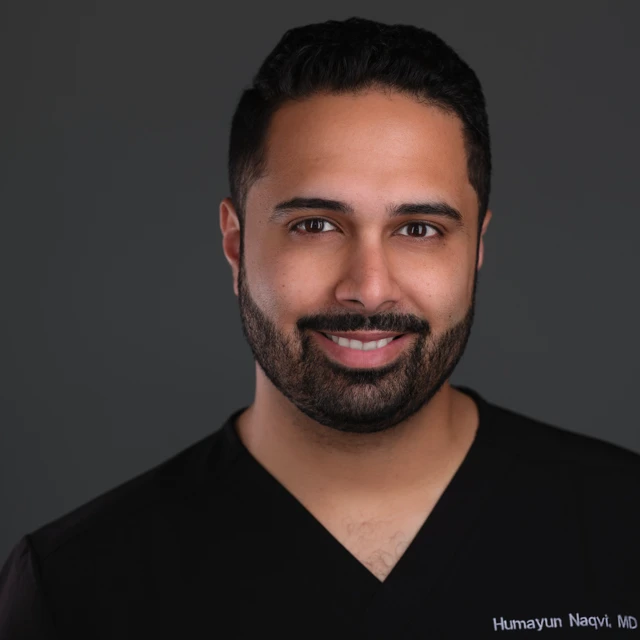
Dr. Humayun Naqvi

Dr. Humayun Naqvi

MD, MBA, FACC — Preventive Cardiologist

Founder of West Houston Heart Center, Dr. Naqvi specializes in preventive and invasive cardiology. A Fellow of the American College of Cardiology, he completed his medical degree at Texas A&M, residency at UT Houston, and cardiology fellowship at UT Health San Antonio. His practice focuses on minimizing heart disease risk factors and building long-term relationships with patients seeking to live their healthiest lives.

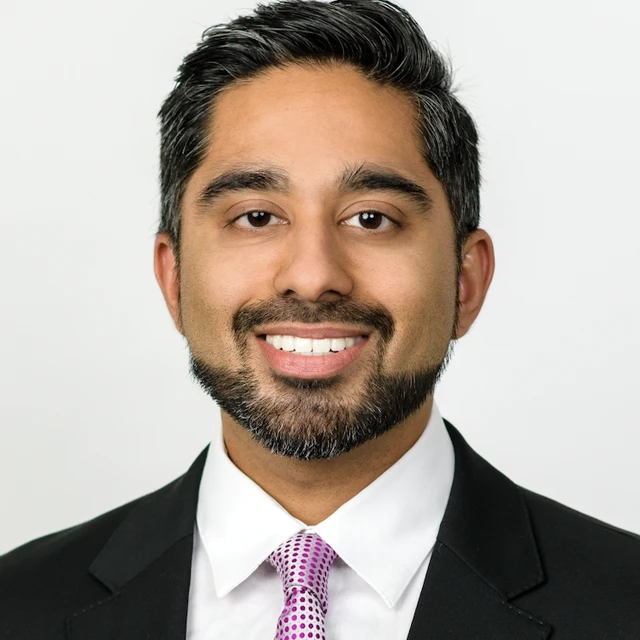
Dr. Adil Ahmed

Dr. Adil Ahmed

MD — Orthopedic Surgeon, Hand & Upper Extremity

Assistant Professor at Baylor College of Medicine, Dr. Ahmed specializes in upper extremity surgery, from shoulder replacement to complex nerve repairs. He earned his MD from Baylor, completed orthopedic residency at University of South Florida, a hand fellowship at Emory, and a shoulder fellowship in Sydney, Australia. He speaks English, Urdu, Hindi, Punjabi, and Spanish.

All Episodes

Watch, listen, and read the full transcript for every episode.

Ben Muñoz (Med School to Entrepreneur): Business, Brain Injury, Adversity. Road to Financial Freedom
EP 23 Apr 8, 2026 1 hr 7 min

Ben Muñoz (Med School to Entrepreneur): Business, Brain Injury, Adversity. Road to Financial Freedom

Dr. Humayun and Dr. Adil sit down with Ben Muñoz — physician turned entrepreneur — to unpack his remarkable journey from med school to building a business empire, navigating a serious brain injury, and finding the road to financial freedom. An honest, inspiring conversation about resilience, identity beyond medicine, and what it really takes to create wealth as a physician.

Spotify YouTube

this guy yesterday, you know, on Sunday night, I was like, "Okay, I'm finally going to do it." And kids went to sleep and then, >> you know, I started working on the Mac Mini. The Mac Mini took almost uh, you know, a month to come in cuz it's backordered cuz everyone in their moms is uh, working on making one. >> Everyone wants an AI agent. Man, I'm glad you got one. >> Yeah. So, I finally got a Mac Mini and then, you know, I started uh, working on it.

The process is a little technical, you know, sometimes not not everyone who I I don't think anyone and everyone can just work on it. It does require some technical knowledge or understanding, but it it was a pretty straightforward process. It kind of guides you through and and end up setting up. But since then, I've just been constantly addicted to it. It's it's pretty amazing of what all the things it can do. I've been sending Adel emails, you know.

>> Okay, I'm going to I'm going to stop there and correct you. You haven't been sending me emails. Your AI agent has been spamming me with emails. It's like I am Homayo's digital assistant. Blah blah blah. I'm like, dude. >> No, literally, you know, >> you have another email to delete. >> Hey, you know, >> it's actually pretty smart, though. >> It's very smart. >> Yeah. Yeah, it's good.

I did a meeting today and um we we did the meeting the notes like I used this app called Granola to like you know kind of extract all the information and automatically just as a meeting was done and created an email and sent it to the people that were in the meeting perfectly like layered with to-do tasks and everything and uh and saved it and decided oh which people will be in this meeting. It kind of learns things on its own. Uh I don't know if you have any experience with that Ben or Advil.

>> Yeah I granola did that or open cloud did that? Well, granola you can do that with too, but OpenClaw uh you know uh kind of made the email much nicer and sent it through the Gmail account and addressed everyone. Uh Granola requires requires a few more um few more things. Granola is a good good uh software, but Open Cloud kind of automates everything, you know, from social media post to uh you know, anything you want to automate in your life. It can just do a lot more than I thought it could.

>> Yeah. Yeah. I have a friend of mine who's deep deep into open claw. Like he's such an evangelist. He's he calls himself being open uh claw pill. Um and I I get it, you know, especially when you discover like this new tool and can automate so much. Me personally, um there's not a lot in my current position that I'm able to automate. It's a lot of like decision making, executive uh tasks, decision- making.

But if I was scaling a company and had a lot of uh people under me and had to manage teams and processes, yeah, I would be um spending a lot of time investing into learning Open Claw and how I can automate the the my more routine daily tasks. Definitely. >> Yeah, for sure. But yeah, you know, this is an interesting episode because you're a second guest and you know, this is the first time um I'm going to knowing nothing or close to nothing about you. Uh knows you much better than me.

And then you know I I the first guest that was on our podcast, I knew him well and Adel was going in blind. So this is this is a new for me. So I'll be asking you a lot of questions. you have a very unique story that uh you know I want to hear about and everything that you do from your you know you know the work that you do and uh your path to where you got there uh it's very interesting so I'm looking forward to it. >> Yeah.

So yeah I'll just I'll just intro you a little bit for for the audience. I mean you've got a very unique background with medical school, business school, entrepreneurship um and all the stuff you've done. So Ben and I were roommates um in medical school at Baylor College of Medicine. But Ben's path, you know, he started his education at Stanford for undergrad. Um and then you worked um mostly in tech. Uh and then you went to Kellogg.

You got your MBA there uh at Northwestern and you had a successful career there. You had your own ventures going and then you had some personal setbacks, health setbacks, which we'll get into, which kind of reset you a little bit, like a new lease on life.

and that's what prompted you to get into medical school and then you totally made a career change went to medical school and that's where we met and became friends and you know we've we've been friends ever since and you've had multiple different ventures since then. So I think the path is very interesting and very atypical.

I mean just tell us a little bit about that like be well before you know we were roommates well before you started in medical school you had a very different mindset and your goals were very different. I mean what what was your path in education and then career-wise uh when you first started out? Let's let's start with where were you born. >> Um >> like man loves a woman. This is how it all began. >> Yeah. Um I graduated and immediately after graduating I became a software engineer.

I didn't have the background for it but this was in the dot boom areas when you didn't really need much of a background. They would you know you had a good degree from a good school. All right we'll train you up. I um yeah I jumped into software programming and I picked it up really quickly and I did that for six years. So that was in Los Angeles. I worked for um a dotcom startup e-commerce and then after that um a video platform and I was deep into the tech stuff.

So I was programming in Java back then um and database programming and then I did that about six years and then I decided okay what I really wanted is to go into entrepreneurship. That was always kind of like I had that that that in my DNA as a little kid you know I was always doing like lemonade stands and mowing lawns and like always little side hustles. And so I was all right, let me see um how I can uh take this to the next stage in entrepreneurship of some kind.

So I went to business school and in business school I you kind of get kind of directed towards certain paths, right? Those paths are going to be like consulting, investment banking. Um and my school may be CPG, consumer products. So that was like all right, I guess I'm headed that direction. I guess I'm headed towards like a consulting maybe a tech tech consulting career path. And then uh life took me in a different direction.

So in the summer between my first and second years of business school uh at Kellogg, I had a headache and that I felt in the back of my neck and then I went to I knew that something was bad, something was wrong, right? It wasn't a normal headache. So, um, I was with somebody who did not know how drive know how to drive stick shift. So, I actually had to drive >> Oh, no. >> to the hospital because she didn't know how to drive stick shift and I'm vomiting into a plastic bag.

You know, I'm you know, octopus arm just like doing that. I get to >> You were You were driving the stick while vomiting in the bag. >> Vomiting into a bag. In retrospect, maybe I should have called an ambulance, but we were really close to the medical center in medical school, emergency room in Dallas. Um, so anyways, I go to the emergency room and um I stand at the end of the line, right?

I was like, "Oh, this is a long line, your typical like county emergency room, back of the line." And so I called a friend a friend of mine from undergrad and I said, "Hey, Kevin, I described the symptoms. I said, "Hey, I'm vomiting. Uh, I've got I have pain in my neck and I can't turn my head to the left or the right. Like I feel really dizzy. What do I do? And he goes, >> it almost sounds like menitis. >> Sounds like you're having some kind of like maybe a brain hemorrhage.

Like I would not stand in line right now. Go to the triage nurse, give her the phone, I'll talk to her, and we'll and we'll take it from there. So handed her the phone. The triage nurse to my friend. Oh, I forgot to He's in medical school at this time. And so, um, the nurse, she said, "All right, we need to we need to like," she had me filling out some forms. She goes, "All right, you're done with these forms.

We're going to take you back." So, they took me back into I don't know what you call it, one of those like little um observation rooms. >> Yeah. Yeah. >> Yeah. So, they immediately pretty much diagnosed what was going on. I think I had a quick CT scan. They diagnosed that I had a brain bleed. Didn't know where it was coming from. So then uh they inserted um what is it called? Shunt. They inserted shunt >> in my forehead, right? And I was like, "Holy cow." Like this is there's no anesthesia.

I mean, there's local anesthesia, but there's you're just staring at this um when I found out later was a medical school resident, surgery resident, and this guy's drilling a hole into my forehead. I'm looking at it, and my I can hear the the reverberations of the skull cracking as it goes through.

And then um the shunt was inserted and I don't know it kind of flash forward to I'm in ICU and I'm in bed in ICU and I'm in there and kind of like you know praying praying to God saying like um you know please help me through this night. Help me through this night. Help me through this night. If you do I promise you I will do my best to make an impact with a second chance. And so I survived that night and then um felt a little bit wobbly.

Uh and so like I guess guess I had through the next few days I had a little bit of like I don't know dizziness that ended up being in my cerebellum. So that quickly subsided. Basically I was very lucky to have recovered. Um my recovery was very quick. I didn't have any memory or cognitive issues but now I had like some major things to think about with the rest of my life. Right.

So, of course, um I went back to business school since everything seemed normal like uh cognitively went back to business school and I decided like I needed to make some changes, right? Um I graduated business school and then the next year I decided I wanted to go and make some make some changes and kind of devote the rest of my life to helping patients out and that's when I decided to go to medical school. So that was my motivation for going to medical school is to help patients out.

So I took the MCAT. Um spent two years take redoing my undergrad. Was fortunate enough to get into Baylor College of Medicine. Fortunate enough to meet you and you know my my good friends there. And Adel became my roommate second year. First year we were like in the same building in the same complex. >> Yeah. Yeah. Just like down the hall basically. >> Yeah. So that is the story of how I got to medical school. You want to pause there and and ask any question?

>> I just wonder what your personal statement was about. >> Yeah.

Actually a big part of my personal statement and I forgot to I mean this is part of also is after I recovered the minute I recovered I tried to find um support on the internet for people who had gone what I had been through who went through what what I was going through and I couldn't find it and this was before Facebook was around um there wasn't these communities and these groups so I started my own support group for my own for what the rare disease that caused that brain bleed in And that support group became a second support group for a different rare disease.

Became a third support group for a different rare disease. And we just kept on going. And before you know it, we had 40 support groups, online support groups for uh people with rare diseases. And at our peak, probably a 100,000 people visiting one of our support groups. And we formalized that into a nonprofit called Ben's Friends. And that's been running for 20 years now. 20 years in counting now. So, that's what I wrote about in my personal statement.

>> It's a it's a hell of a personal statement. We'll we'll also include a link uh for the listeners to Ben's friends in the show notes. Um I it's awesome. I I support Ben's friends, too. I It's wonderful for people with rare diseases to find for one other patients like themselves and also recommendations for providers that treat rare diseases like this, what's given them comfort and stuff. It's a fantastic resource.

You know Ben I have a lot to uh you know relate to you because I've done a lot of the similar things uh in life but in different order you know so you know I I did go to business school and did an MBA went to med school but after med school in my in my uh second year of cardiology fellowship you know I started developing uh numbness in my arms and my both my left leg and left arm started getting numb and weak over time um and got worse and worse and there was a point where I couldn't even walk, run or do any physical activity.

I kept ignoring it because I just had had a baby and just had had a um you know I was in fellowship. I just wanted to kind of ignore it and eventually finally through some motivation got a MRI done and found I had a huge schwanoma that was like compressing on my C3C4 level of my spine which was causing so went through the whole uh neurosurgical evaluation and surgery.

I stay in the ICU and you know when when you go through something like that you you feel like you have a lease on life you start appreciating life uh much more uh you know you you kind of when you're going through those phases like you talked about when you're in that ICU bed and you're saying just give me one more chance to live my life and you know I'll make a make a big change and I'll try to live my life in a better way uh relate to people and I was at that time a doctor so I was already seeing patients I was a cardiology fellow so For me, it it gave me a huge perspective on what patients feel like when they're in that hospital bed in that ICU going through something like that.

You know, that made a big impact and I felt like I had a new lease on life and going through that whole experience. So, I'm sure it was pretty profound for you, too, because your thing was much more serious and uh you know, um pretty pretty acute. >> Yeah, it was probably the best thing that's ever happened to me, right? >> Yeah. >> Like it puts everything into perspective. You have business challenges, you've got social challenges, you got Yeah.

But it's hard to compete like with the, you know, the challenges of like a serious medical condition. >> Exactly. And looking >> Yeah. It really puts it in perspective like, you know, it's cliched, but it's so true. How important your health is. I mean, it's irreplaceable. It's the most valuable resource being healthy. >> Yeah. What is that saying? The uh the poor man wants many things. The sick man wants only one thing. >> Yeah. Exactly. It's so true.

And when you go through that experience, you kind of start realizing what are the things important in life. It it you know what things are more important in life. It puts you in perspective. So let me ask you this. When you when you got to med school, now you're in medical school and you're you know you're studying and learning about some stuff that you went through yourself. You know there's a whole neur neuroraiology block and whatnot. uh what are some things you're going through?

What are you thinking that was this everything you dreamed to be? Uh you know or everything you you think you will be able to accomplish your goals through medical school? What was your experience like? >> Yeah, I mean I guess for the first time in my life I was like wow this is real school. This is real academic challenge. I don't know. I think in undergrad I just kind of coasted and then in business school business school is not known to be academically challenging.

So, you know, it kind of goes to medical school like holy, you know, they six week blocks, right? You got to learn so much in six weeks and you have your exam and then repeats and repeats. I'd never gone through the intensity of like that anything before. So, that's my first like reaction about like reflection when I think about to to medical school is just how rigorous it was and how intense it was.

Yeah, there's a lot of, you know, we had I had a lot of non-traditional uh students in my uh medical school class. And for people who are listening, you know, non-traditional, there's in medical school, there's a few types of people. There's people that uh you know, go through the four years of college and then get into medical school right away and then start do their four four years of med school and go on to do residency.

So, they never really uh have gone in the real world and seen what's going on. Never had a job before uh or a real job before.

Uh and then there's non-traditional students that have had a career, have done some stuff, has gone to grad school or done other stuff and then they come to medical school because and I felt like those those kind of students in my class were the most hardworking and had a true appreciation of medical school because when when you've uh done other stuff and this is something you truly chose versus a 21-year-old choosing to go into medicine, right? >> Yeah. Yeah.

again like um I was very happy to be there. Very appreciative, very grateful. So although I mentioned that it was intense and rigorous. Yeah. But I was very grateful. Um I'm still grateful for every every day. Like that's the main one of the main themes of my life now. Main themes of my life is gratitude. Gratitude. Gratitude. Right. especially so fresh off of kind of um my recovery and then trying to make an impact and then getting to the opportunity to make an impact in that way.

I was just grateful to be there >> and it's a it's it was like quite a commitment too. I mean you know you're in the middle of MBA school you're about to go in one completely different route and to rededicate yourself and totally switch paths.

I mean basically going back to undergrad since your your initial uh major when you were at Stanford was economics right it wasn't science rel like it wasn't hard science so you had to do all the prerequisites again like biology chemistry and again chemistry all that stuff in order to take the MCAT and then go to med school it's a long commitment I mean you got to go back and basically do almost half of the undergrad requirements again that's a that's a long route to really dedicate yourself to >> yeah I I I think part of it is I never had the sunk cost fallacy, right?

It was like, >> you know, it wasn't that hard for me to start over, >> right? And what happened after medical school was kind of a little bit of a repetition of that, but it was never like hard to start over and I never really, especially after the experience, I never really cared what people thought about me. Like uh and it gets even further on the next chapter. I was like, "Okay, what are people going to think about me leaving business school and starting over into going into medical school?

What are people going to think about me? What that was never a concern for me. I think uh I don't know. I'm just not never I'm not kind of wired that way." And also the experienced eliminated anything like that kind of in my in my mindset. >> Yeah. I mean that that's awesome, you know, because I think it's like it's very common for people to say, "I don't care what others think of me." But I think it's it's even more than that because as as humans we by default it's our like societal evolution.

We have to at some level care or at least be aware of what others are thinking of us. It what's makes us part of the tribe, right? I mean when we were back in hunter gather societies if you were excluded because you were different or odd that meant death. It meant you wouldn't survive with your clan. So like in modern day it means not necessarily like you don't care. It's that I'm going to carve my own path regardless of what the norm might be. You know what I mean?

I I think that is like a little bit of more so reality in terms of it's not that you don't care what anyone thinks. You just think what your path and your route or your change of direction is is more valuable and more important than just because I finished my MBA now I must go get a consulting job. >> Yeah. >> Yeah.

The other thing that happens is also you know I feel uh whenever you're it's also age thing an experience thing right when when you've lived through certain experiences you've had a job um and you've gone through a major health crisis you know uh you know things will be okay you you know that I'm doing this for myself uh anything any setbacks will get through those you know you get you you develop a certain type of resilience where uh setbacks failures or so-called failures years don't phase you as much anymore because you know things can get better and you've also been through the lowest of the lows sometimes.

Uh especially if you've had a job outside, you've been, you know, kind of talking down to by a boss or a supervisor or, you know, but a lot of people in medical school when they go to they've never had a real job. They've never really uh been under a boss uh or a supervisor. They've never really had major setbacks cuz they're, you know, you're 21, 22 years old.

But when you've had real life experiences, I think some of those things you stop caring about because you know you don't care what people think. You know what's kind of your your task is and what your mission in life is and you kind of pursue that despite all the setbacks. So that also is one of the things to mind with with your experiences and the things that you went through which is much more different than other medical school students who are coming through a traditional mindset.

And then the the saying that comes to mind is that other people are um are no one uh how's it go um people are too worried about what you about what you think about them to worry I'm butchering it. >> Yeah. Did you guys know the same? >> Yeah. I I know what you mean. Like when people people like you as a person worry too much about what people think about you but no one really is really thinking about you as much as you think you are. Right. >> That's what it is. Yeah. people.

>> That's not the real saying, but I just kind of summarized it. >> They're too busy worried about what what you think about them. That's what it is. >> Yeah. But let's talk about let's talk about your medical school journey. You kind of go through medical school and um and at some point you decide this is not for you or tell tell me a little bit more about that. So, you know, you you you left medical school. >> Yeah. Yeah. So, it wasn't it wasn't as intentional as that.

It wasn't like I you know, decided it wasn't for me. It's that the first year a friend of mine had uh approached me. He had a business idea and the business idea was in e-commerce and he said that I was his tech friend from like I was his techie guy, right? And I knew him before. We like kind of tinkered on some stuff and he said he he asked me if I could help him out with some website stuff and I said sure I'll help you out with the website stuff and um whatever you need.

And so it was just a little bit of time in the beginning cuz I was busy, right? You get like exam after exam after exam. Um but it was a good idea that he had and it started to actually gener generate traction and customers and revenue at a small scale and um it was um it was significant like enough on a unit economic basis. It was significant enough to kind of notice right and >> it wasn't Jeff Bezos, right? You're not talking about Jeff Bezos. Just >> I'm not talking. >> All right.

Just making sure. >> Yeah. >> Just by making sure you're not like a co-founder of Amazon or something that we're we're >> so second year I kept on helping him out with second year and by second year it was pretty obvious that there was something here. Uh at one point then I started clinical rotations.

As I remember I was in general surgery and maybe there was a little bit of relation cuz Jen Surge is kind of like h you know kind of kind of rough you know or what do they call it butts and guts and so >> yeah butts and guts dude >> butts and guts I did I actually only did two rotations. I did family practice during which I found myself kind of um trying to optimize the clinic rather than trying to like treat the patient.

I I went to the director and said, "Hey, I have some ideas on how to optimize the clinic." And so that was like, you know, I was caring a lot more about that than like, you know, whatever patient interact. >> But that's interesting. I mean, that's just like what your mindset was, right? your default thinking was to see potential inefficiencies or processes that you could improve upon, right? >> Yeah. Yeah. It was like really clear and I was at home thinking about like this doesn't make sense.

You got this over here, this line over here, and just like coordinate and um I don't know. I think I think most of my grade was related to the process improvements that I put in at the clinic. >> There you go. I mean, most students are there sitting memorizing cholesterol metabolism. Ben is like, "Okay, open claw before open claw. Let's automate this.

>> I was trying to auto I really was second rotation was general surgery and that kind of coincided at the at the time where things started to really take off. So I went to the dean of the medical school uh Dr. Brandt I believe her name was. >> Yeah. Yeah. Dr. Brandt. Mary Brandt. >> Yeah.

Yeah, >> I explained that I was helping a friend out with this venture and it seemed pretty promising and I would like to explore it a little bit and she was she said, "Yeah, well, we have a policy here where you have a to take a leave of absence and we'll hold your spot for a year." So, I said, "Okay, thanks. I'm going to do that." So, I packed up all my I packed up a suitcase. I didn't pack up all my things cuz I didn't know what was going to happen.

But I packed up a suitcase and loaded up into my truck and then drove from Houston to Austin and said, "All right, I'm here. My business partner, let's make this happen." And at this time, I was just finished business school, just finished medical school, tons of business school debt, tons of medical school debt. Um worried if I made the right decision, worried worried if I was going to be broke forever, right? Um but I was like this is you know this is um I guess entrepreneurship.

You never know what's you what's going to happen. It's uh what's the worst that can happen is that you're going to be broke right so that I think I was listening to some Tim Ferrris stuff. So him talking about like voluntary poverty and saying all right got to face your fears. You got to expose yourself to the worst thing that could possibly happen to you to eliminate the fears. I said all right well if the worst thing that could happen is I'm homeless. Let me just start out that way.

So, I lived in the car. I lived in the backseat of my truck for about a month. Um, every morning I would take a take a shower at 24-hour fitness and then I would go work at Starbucks and I was like, "All right, this is the worst it could possibly possibly be. I'm okay. I'll survive." And then that lasted about a month. We found a warehouse and then we're up and running. It was me in the beginning, me and my co-founder in the beginning. Eventually, we grew that to 500 employees.

um like a very good size e-commerce company that I consider a success. Um exiting now and looking onto like the next ventures that I'm going to start. One of which is probably going to be my main thing is I would love to get back into the healthcare space. Kind of merging my patient experience plus my brief medical school experience plus my um entrepreneur experience all into something that uh is in the digital health space. >> That's awesome. >> That's awesome. >> Yeah, that's awesome.

That's a very inspiring story you know and it it it takes that right when you are starting something new when you are uh going through a business venture you're you're in a startup it requires you to live a certain way you know you cannot expect to be you know uh living a luxurious life you you want to cut all corners make sure you're one single focus right there is that startup because that what you know is the true leverage you have right that's what's going to uh take you to the next level and that's exactly what you did I mean all the self-help books out there that kind of talk about I write entrepreneurial books that talk about what it takes to be a true entrepreneur.

You're you literally live that life and it's hard to meet people in real life that actually did it. You always hear about it. You hear stories, you read books, and you know, it's it's it's kind of, you know, fun seeing someone who truly lived that life and went through that process. >> Yeah.

one one question that you know I mean there's so many people like I'm sure many people listening I mean I'm sure me and Homaya both every person has ideas you know and they have like an inclination to act on it to do something and there's reasons you know whether just in their own head or external whatever it is whether you're nervous you worry about your finances oh I just bought a house now I have a mortgage oh we just had a kid I have a family now like there's so many things so many reasons so much stuff that could potentially hold someone back whether legitimate or not is besides the point there's just stuff that holds you back?

I mean, what was your thought process during this like a little deeper dive when you were talking with the dean thinking about leave of absence versus just cutting it? You know, the probability of success versus not like how did that factor in cuz it's a huge decision. You had just devoted a lot of time, effort, money, and mental load and potentially foregoing quite lucrative job opportunities to do this whole path.

And then you jumped ship, not in a negative way, but because some other opportunity that seemed more enticing to you came up. like what was your real thought process during that time? >> Well, it was uh fresh enough after my kind of my near-death experience that I was still and still I'm still always will be on this like mentality was you only get one life, right? And so I don't want to regret not taking chances, right?

That I was like, "All right, I'm not going to I don't want to regret not having gone and taking the chance." Like, okay, I fail, you know? I guess I have a pretty good backup, right? I got a good college degree. I can like, you know, a good MBA program. Like I can I will be able to survive and I can live in my truck. Worse comes to worse. >> There you go. You can you can go caveman. >> Yeah, I can go caveman. I will be okay. And yeah, so that was okay.

I have a solid backup and you only get one chance. What else is uh >> sometimes you have to just go for it, right? Sometimes you you cannot have those those doubts in your mind, you know, when when you're when you have a certain focus and and and you lived through the you kind of saw the the the dot or e-commerce boom, right? When before before medical school, you were you lived in in in California and and and you went to Stanford, which is a pretty big startup.

There's a huge startup culture with Stanford, right? So you kind of saw that and you saw that what it takes to uh be entrepreneur, right? uh and and be part of these businesses. Uh that kind of puts you in the mindset where taking those risks is worth it because you know what's on the other side of it sometime. But it's still hard and it's still hard. We often tell ourselves, you know, oh yeah, we make 20 excuses before we take risk. You know, my mortgage is true.

Like, you know, I don't have too many savings yet. You know, I I can't live in a car. I have a family. I have kids. You know what else? Whatever. But um sometimes when you truly need to achieve something and create a business, I think it takes that kind of dedication and you you truly have to be single-minded for the most part. >> Yeah. I was talking to a guy today. So I'm looking to buy his business and he was sharing how his business failed. He was $250,000 underwater, right?

So he went from like the business okay and businesses come and go cycles and he was 250 underwater, right? and he just refused to let that be like the last chapter, right? So, he started over. Um, he started over, started from nothing and just kind of grind, grind, grind, grind, grind and then now he's a successful businessman and who, you know, I'm looking to buy one of his businesses. So, I just like that was that was what I shared with him.

I was most impressed was that just that tenacity, right? And um I mean I'm a children I'm a child of an immigrant. You guys are also right. >> Yeah. All three of us. >> That's something that's something special that I think we have is we see that what it took right for our parents to get where they are and we don't take it for granted. And I think we're very lucky for for in that aspect that we have that like that innate tenacity um from you know from our common shared experience. >> Yeah.

For sure. So Ben, I kind of want to, you know, people kind of romanticize about that startup life of growing company and, you know, you you said it was me and my co-founder and then you went on to to uh have 500 employees, but you you did not talk about a big chunk of going from those two employees, two two people to 500 employees.

There's a lot of growing pains, right, in entrepreneurship, like you know, and there's almost so so many times where you get enticed to, okay, maybe this is the time to sell. Okay, I'm at 70 employees now.

maybe this is the time to sell my business and exit and this is the time you know I had 250 employees okay I'm big enough now maybe I should look for a private equity deal um what what kind of you guys saw in your business and uh what kind of challenges you saw and what kind of growth you saw that you kept going and built it up to a 500 employee business which is a pretty large business right >> yeah so challenges our business um our business like kind of hit a wave, right?

It it hit like a nice wave where there were just a lot of demand. So the biggest challenge we have were good challenges. There were scaling like for about maybe eight of those years we're moving warehouses every single year like outgrew this move to bigger warehouse out this move that so that's like a fun kind of challenge. Um other challenges that we face like after that have been like in the turbulent periods, right? And that's like a more of a mental emotional challenge, right?

And it's like, okay, there's days when it's really hard and you just had to like find a way, right? Like you just had to there's days that I have a playlist, right? and have a playlist on those a Spotify playlist when those days are really really hard and it's just like I don't know it's like songs that will just motivate you and like I don't know whatever motivates you to like you know you may have a workout mix. These are like when you really really really need some help.

I've got like my motivational playlist.

I also have like a a Joe Rogan uh I don't know there's a compil there's a bunch of compilations of like motivational speeches that he gives cuz >> he's a direct competitor by the way >> you know uh it's it's funny you say that you know the different challenges that come in you know every business and you know being part of a couple businesses I feel like this is what I I see a trajectory where the business is growing and growing and then it starts kind of plateauing and kind of going a little downhill and until you make those really good decisions about the business and make some certain changes or growth decisions.

Then the business goes from that downhill trajectory to then an uphill and then it it has to keep going through these loops uh of of growth plateauing and decline and then you have to make certain changes and growth decisions for it for it to go to the next level and the next level the next level you know and those levels come with all kinds of growing pains right you know you just you go from two two founders to like 10 employees and then you have to worry about HR issues like you know adding health insurance and you know paying for paying for employees and employees having conflict and you know resolving those and then you hire middle managers and then you have to figure out how to manage middle managers and you know what they're doing and how to uh create you know different uh you know KPIs or uh ways to ways to assess these middle managers and then it grows even more and then you get so disconnected from the business that you don't really know what's going on the granular level and you know you you you then have bigger challenges and to think about growth um there's a lot lot of lessons in that.

So, what are some some big business lessons or principles that you've learned from your uh experiences, you know, in this kind of growth that you went through? >> Yeah. I mean, every um every path has its own challenges, right? Like entrepreneurship, I love it. It is just so exciting, right? The what you but it's not for everybody, right?

There's there's you don't get some as an entrepreneur in the early days and then late days and whatever sometimes there's no guaranteed of there's no guarantee there's no certainty right like it's just the highs are high the lows are low and you just got to accept that this is the path that you're on if you're an entrepreneur >> does that does that lack of certainty scare you at all or did it at all and you powered forward regardless or you didn't really have a fear of that >> yeah it It's definitely scary.

I mean, this a scary um but but I guess you accept it, right? Cuz the alternative sometimes is you do the same thing every day, right? So though you you meant you asked about like those challenges that as you scale every problem is a new problem to you and that is like really exciting to have constant new problem, new problem, new problem, new problem. So it's a trade-off, right?

Sometimes you don't have certainty of like income or stability or financial stability, but you have constant excitement, excitement, excitement, problem solving, problem solving, problem solving. Well, you know, um like the grass could be greener on the other side. Maybe if that like uncertainty is too much and then you join like a corporate corporation and get a corporate job, you have guaranteed certainty in that paycheck arriving every two every two weeks.

But like you trade off those challenges that you were getting excited about when it was just scaling and growing and up and down. It could be, you know, it could be a little bit mundane, right? So, I guess my point is that there's trade-offs. There's no perfect path. It's just like whatever path um whatever path fits you. And if you've got like that entrepreneurial kind of itch, I think it's worth exploring because as in my case, I hit me really hard that you only get one opportunity.

You only get one chance at life. >> Yeah. you know, I I really resonate with that, you know, idea that you just said because I feel like, you know, there's in in in medicine, there's there's physicians that work for larger corporations or larger practices, and their job is come in um see patients, do their notes, call in prescriptions, whatever, and then, you know, move on and the next day come back and do the same thing. And, you know, you're not really doing as much problem solving as.

But a as a practice owner, you know, what excites me the most is the different challenges that come in every day, different areas of optimization or, you know, how to make the practice more smoother, you know, how to grow the practice, hiring more people. Whenever I'm adding new services, that's when I'm the most excited about coming to work, right?

Uh when I'm um playing with these different AI technologies to optimize my practice and building new softwares for my practice, that's when I get most excited because that's truly where the daily challenges come in. patient care for as you become a professional and you've been doing this for 5 years, 8 years, 10 years, whatever. You know, patient care becomes part of the routine.

That's not something that's, you know, it becomes second nature because you're seeing similar things on the daily basis and you're you have certain patients that are challenging and you you enjoy uh treating them and that the reward comes there. But on the day basis in a clinic, you you're seeing a lot of repetitive stuff. But truly the fun in for me comes in from optimizing my practice and using the practice as a playground for new technology. Right.

Uh and that's that's where I get excited and I kind of see what you're saying with that as well. So so you know you you you you grew your business. So uh and then um you know that that kind of allowed you uh to kind of go into different ventures, right? to look into other businesses, buying business or starting your your the group that you we talked about, Ben's friends.

So, let's let's get into the next phase of your life once you you grew your business big enough that you were able to think about um investing in other businesses and then growing your organization that you started when you had that uh illness. >> Yeah. Yeah. So, now I'm moving on to the I guess next chapter. I haven't quite figured out exactly what I'll be doing next, but um I've got like a two-pronged approach, at least a two-pronged approach.

One is going to be that uh I'm a software engineer and I believe in AI and I know that AI is going to disrupt. It's going to be it's obvious to everybody how disruptive it's going to be, right? So, I am betting on AI in a couple of different ways. is I'm helping a I'm an adviser and co-founder to a freight AI software company that we've got some funding offers and we're going to go and pursue some more funding or we may bootstrap it.

I'm not sure but it's like very high-tech, very like big VC fundable kind of idea. And then um then I'm helping him start the same co-founder start something in healthcare services. my kind of digital health piece of that is going to be I think I want to do a patient advocacy and AI enabled patient advocacy venture, right? So I've got this AI kind of stuff and then over on the opposite end I have the anti- AAI play. So I want to get into a bluecollar business that is AI proof and recession proof.

I haven't quite figured that out yet, but like I want this over here as like my stability, cash flow, AI proof, like it's not going to be disrupted by AI and I'll probably be just a, you know, maybe I'll be an investor owner. Um, not my daily operations, but over here I'll have like the fun the fun sexy high risk high reward stuff that will like that that is like makes the most use of my skill set. >> It's like a personal hedge fun going. >> Yeah.

Just you're hedging the risks and you're playing both sides. But I I also just love like your comfort, Ben, with the uncertainty. You know what I mean? Like you have a general plan and you're kind of just letting it play out organically as you learn and seek out opportunities. Like you like you mentioned, you talked to the guy the other day about the business who initially he was kind of underwater and then he turned it around and you're thinking about buying it.

I mean, you just kind of letting it play out rather than in a rush or you just don't have like a single focus and seeing where where the chips fall. I think that's very cool and I think it's also something that would make a lot of people uncomfortable really not having like a set plan and just kind of going with the flow in that regard. >> Yeah. I mean, it is challenging. You got to take it day by day, right? Every day is like I I don't know. I don't know. I don't know.

Faith in yourself and confidence in yourself and like I'll figure it out. I'll figure it out. I'll figure it out. And also things get too hectic like my wife is has become I don't know in a way kind of like my executive life coach.

She's always like you know we always remind each other cuz we have like I don't know we we uh we ask each other a similar qu we we kind of remind each other like if we're really stressed about something we think and we just ask each other when you're 80 years old is what you're worrying about right now really going to matter? Right?

And so that kind of frames it as like okay you know what's really important are family is really important like I want to make sure that I get those things right because as I become like a successful entrepreneur I interact with other successful entrepreneurs and you will find that the wealth that people have it doesn't really make them happy you know you have I met so many people that are like I don't know extremely wealthy we're talking high high level, right?

And we're talking like divorces, multiple divorces, kids that they don't see very often. And I I don't want to make that mistake. So, let me just get the big things right. Let me make sure I get friends, family, relationship, like the big things. I want to make sure that I get those right. The rest of it, we'll figure it out as we go. >> Yeah. You know, that's I I just want to say chime.

I know you were about to say something, but I think that's huge like keeping your focus with your family and your friends and the ones that have been with you from the beginning, right? No one is successful on their own. No one is an island. No one has done anything only by themsel. It's so much support. Like you know our wives, our parents, our friends, siblings, whatever it is, people support you.

Even if all it is is you just talk to them on the way home from work and talk about your day or some challenge you had. You talk with your wife like, "Hey, this is what I'm focusing on. This is what I'm worried about. what do you think about this? Do you think this is a good idea right now? We just had another kid. Should I do this? Should we invest in this? Should we not? You know what I mean?

Like just the constant conversations and support and feedback, ability to bounce ideas off, people to check you if you get a little too cocky or too aggressive. I mean, those are very important things. And and like Ben, you're probably within our friend group, you know, our core group of like eight or nine guys. You're always keeping in touch with everybody, planning events for everybody to get around. you're always driving from Austin to see your parents just north of Houston.

Um it's not just you mentioned on the podcast like I know this about you. You you really walk the walk and I think that's very admirable because so many people once they hit the next levels they kind of like let that fall by the wayside and they pick up you know the little groupies or whatever along the way and that that's the quickest way to do exactly what you're saying.

get mired in habitual divorces, having no real friends, just a bunch of people that tag along with you and stuff and really not be happy. So being grounded is so so important. >> Yeah. You know, the true uh measure of wealth is not the money you have, but usually it is your ability to say no to things because the things you can say no to because you know, you you want to go from, oh yeah, I uh I need to do this or I have to do this from I want to do this, right?

uh be able to have that freedom is true wealth. So for you to be able to say that hey you know I really have to go to work tomorrow because I need do need to make that money so I can I can pay for the bills and you know everything that's amassed in my life as expense instead of being say I want to do this and this is what I'm doing. That's true wealth and that's true freedom. Freedom I think is wealth freedom to spend time with your family. Freedom to time spend time with your kids.

Show up to your kids important life events. showing up to your wife's important appointments and life events. Uh being there for your parents, uh and having the time to do so. I think that's a bigger measure of wealth than any amount of money that could ever be. You can have billions of dollars, but if you have kids that don't want to see you and if you're not in touch with your parents and if you've been divorced three times, you're truly not rich.

So, uh I think u I completely agree with you guys. Uh you know, uh money is only a number. It does help uh to a certain extent. Uh uh having money problems is better than having no money problems. But then you know when when uh money comes then after that I think uh at a certain point it does not bring much happiness. What brings happiness is you know family and friends. >> So so tell us about Ben's friends a little bit.

I mean that's something you know that is unique and I I saw that you started a long time ago. It seems like it has grown quite a bit. >> Yeah.

So all right so I had uh the brain bleed it was caused by an arterial venus malfform AVM and so I went on the internet this is 2006 when I had my rupture and I couldn't find the support I was looking for so you know given my well given my engineering background and kind of my entrepreneurial mindset I was like oh I'll just create my own so I created a website called itms survivors.org or started spreading the word, started like posting on bulletin boards and I don't even know if Reddit was around but whatever stuff like that posting and hey come check us out come check eventually I think the first month we had like 10 people join the second month kind of like 20 people 50 people 100 people 500 people eventually like it was the number one community for AVM out there right and at that time like SEO brought And so a friend of mine, Scott from business school said, "Hey, this is fantastic.

I was just reading this book called Tribes by Seth Goden." And he talked about like you're building uh about the importance of building your tribe. And so what you have built is like your little tribe. And he said he pitched me. He was like, "There's probably other people out there with a different rare disease who don't have a tribe like you have.

Why don't you build a website for them?" So I said, "Sure." So, we kind of kind of picked like a random rare disease that we thought needed a tribe and we created a second community that did well, created a third community that did well and so we kept on creating communities. Um, eventually we got up to 100,000 uh users per month visiting one of our websites. And so all of this and so I think around or before that 2012 was when we officially filed as a 501c3 nonprofit.

So it's kind of pretty pretty simple just we provide patient support patient support peer-to-peer patient support for people with rare disease as a nonprofit. Um been doing that for 20 years now. We did get to a peak now the landscape has changed. Now Facebook exists and so you have Facebook groups. So the need is not quite as acute. So we're more like tapering down rather than like going nuts as a as a nonprofit. But that's okay. It's a nonprofit, right?

So we don't have any investors to answer to. We can do whatever we want. So we can just, you know, shrink. U we're not we're not going to do any more. Actually, I haven't announced this yet, but we're not going to do any more fundraisers ever again. We've got enough cash to just kind of like coast on the small number of communities that are active. And then when eventually we'll transition those and just call it mission accomplished. >> Great. >> That's awesome. You know, it's funny.

I've actually had a few patients that have found me through Ben's friends cuz you know the patients talk about doctors that treat rare conditions for like there's like hypermobility conditions that lead to like shoulder problems, stuff like that. So, actually, it was funny. This is like maybe a year ago a patient brought up that that's how she found me. And I was like, you won't believe it, but that's like one of my best friends. That was my roommate in med school whose name is Ben. He started.

She's like, she did. She thought I was joking. I was like, "No, I'm serious." I like pulled up a picture on my phone. That's Ben. It was It was very cool moment. I think I texted you about it a while back, but I think it's awesome. >> Yeah. It's one of the best things I've ever done. And >> Yeah. Yeah. >> Yeah. Yeah. >> So, do you guys have events or inerson uh mixers or >> No, it's all online. >> It's all online community. some like individual groups that like self-organize, right?

And so they will have like little meetups, but for the most part it's all online. It's all global. >> Got it. >> Um, and >> what was the rare disease that that group like blew up like the fastest and you saw like a a a fast interest which which you know the the membership rose very fast. Which which one were were some of the rare diseases that you saw? Yeah, I mean I guess the first ones in which uh there was a lot of like push to market them.

So Arterio AVM AVM survivors.org that was probably the the largest one. >> Um what else? Eller Danlos syndrome was was a big one for a while. >> That's what that patient had who came and saw me. >> Oh, really? Yeah. Yeah, that was a big one. Yeah. >> Yeah. Eller Danos, you know, I see quite a bit of patients with that too because of the >> the cardiac involvement and a lot of palpitation and potlike syndrome and I see quite a bit of patients and they're always looking for a supportive community.

It's a very debilitating disease especially with the cardiac symptoms when they have a lot of palpitations and and dizziness and shortness of breath.

Definitely it'd be great to kind of you know direct them way and you know just see if they could find support and find other ideas because sometime those are those are also very frustrating to treat because it's you can try a lot of different things and things are not getting better right so um rare disease is one of those things there's always uh we're looking for ideas or ways to find treatments and I know you know I I don't know if you know that much about me but I am in u you know we we run a large clinical research organization uh where we conduct clinical trial all over the country and uh um rare disease is one of those things that you know different pharmaceutical companies are trying to come up with new pharmaceutical drugs uh to target those rare communities right and uh and it's hard for us to kind of take on those studies sometimes because it's hard to find patients with rare disease because there's so very few it's rare disease right and in in certain location like in Houston in the community center it's very hard to find patients who would want to be part of those clinical trials for a potentially life-changing treatment.

Uh so it's always a challenge in the clinical research space as well for us to kind of deal with those and find those patients and we've tried reaching out to different communities on Facebook like you said online it does work that way but um you know it's it's uh you know with AI I think that's you know one the one thing we're talking about I think a lot of the data mining and the data analytics and the pattern recognition I think we'll be able to find more and more therapies and more therapeutics for a lot of rare diseases and you know maybe some u um that's something I'm looking forward and that that could be a big aspect of AI where we can identify diseases and find targeted drugs therapies for those as well.

>> Did you hear about that tech entrepreneur that used AI to cure cancer? >> Yeah, it was he for his dog.

it was like a rare form of cancer and he he basically just used Chad GPT and went back and forth talking about all of the the biopsy reports and stuff and like literally came up with the exact treatment protocol that cured his dog's cancer is crazy is remarkable >> and that in a large setting I mean I know uh at MD Anderson and at uh Sloan Ketering they they've also already kind of employed some AI technologies to go through multiple treatments I think at MD Anderson it was not very successful that the project was not very successful.

But uh at other institutions, they're already running through large databases of of therapies and and genetic sequences to identify uh targeted therapies for a lot of different cancers. >> You know, one thing that's interesting about that is like the fight right now between like these the AI companies themselves and these massive institutions like MD Anderson, these big hospital networks, is the fight over the data because the data is everything, right?

And initially the hospital systems, like I'm talking about years ago, didn't care as much about parting with their data. They didn't see the value in it. But now they've realized that the data is everything. The data is what trains AI. And the AI is only as good as the data fed into it. One of my buddies, he's uh he works for one of these AI type companies in the healthcare space.

And that's actually a big fight right now is that the AI companies basically want the data because then they can do anything with it. You know, the data is just a training set. It's just a tool. It happens to be in healthcare right now. But if you are able to acquire that amount of very granular data and train the AI, you can apply that to like any huge system or process.

And so that's what these health systems like MD Anderson Sloan Ketering, they now don't want to divulge the data or part with it. They want to keep it all internal. And it's difficult to get the AI systems and these companies to basically just come in, learn on it, and then give an output and not take the data basically like keep it in a contained system. that that's a hard thing to do. So, that's like a big issue that they're running into right now, which I I hadn't even thought of that before.

I was like, "Oh, wow. I guess it's just a fight over the data." >> H you know, we have uh 20 years of rare disease patients talking about their uh I guess symptoms, treatments, I guess natural history. >> Yeah. >> We haven't figured out what we want to do with that because we are um pruning our communities, right?

which are going to prune them down and uh I don't know there's lots of data and so like >> yeah I mean that could be a huge treasure trove right because that's like real people in real time over the course of decades talking about and discussing how they have progressed with their rare diseases what treatments have worked and not worked you know it goes very quickly from just anecdote two people talking to like now you have almost like mass consensus in a way if a lot of people are discussing it together I mean who knows feeding all of that data Ben into some AI software and seeing what it spits out if it's able to identify patterns that otherwise doctors, scientists, clinicians have not been able to identify because the sample sizes are too small.

>> Yeah. And a lot of times you can find patterns and recognition and connect three to four different rare diseases and as one combined syndrome sometimes, right? You can you can identify, okay, this patient has this, this patient has this, this patient has this and all have them have them this as common source and what could that be? And uh who knows the kind of discoveries we'll make with the the data mining and data analytic capabilities that AI has. And I'm I'm excited about it.

I don't I know Ben seems you're very optimistic about it. >> Uh >> we'll see. I >> I'm optimistic and a skeptic about AI. I'm I'm more of a skeptic like we've talked about on the social ramifications and human human interaction and how that's already taken a backseat with social media and I'm worried it'll continue to with AI. >> But you mean skeptic as you don't believe or sk or worried about the >> I'm a skeptic in terms of the hype around AI being a panacea for everything.

I I believe AI is an amazing technology and is going to power forward. I'm a skeptic on claiming that it's all going to be awesome. I I'm just I think it's great for efficiency processes, blah blah blah. I'm worried and hesitant about its effect on this on humanto human talk, human interaction, creativity, ideas, people just outsourcing their brain to an algorithm. That that's where my worry is. >> You mean it's agents talking to agents and that's the future?

Yeah, agents talking to agents, people being even more reclusive, you know, everyone walking around in a city with their head down looking at their phones and now instead of just swiping on social media or Tik Tok, it'll be a conversation with AI and something like that. I think it's just another means to be more plugged into the digital world rather than the real world around us, which isn't all bad.

I just think it it's ripe for um more social harm than social media alone has done of which there's >> happen to know that there's trends there's there's uh counter trends. So some of the some of the kids nowadays they're like not doing they're not doing dating dating apps. They're not like uh social media.

They're like specific times where they actually you know what we're starting to see and they're young enough where they see and we're going to put our phones down and we're going to take control. And there's this thing called friction maxing, you know, friction maxing. >> No, tell me. >> Friction maxing is where I mean there's a whole like maxing, you know, looks maxing, right? You know, >> no, dude. I'm I'm not well versed in it. Tell me.

>> Maxing is like these uh these bros who are like uh Gen Z and they do like >> they they try to maximize their looks. >> Okay. >> And some of the things are like the mewing, you know, mewing. >> No, bro. Dude, you're you're like you're deep. You're deep in the lingo, bro. >> Why have I told you guys this? So, muing is like these dental exercises. Sometimes they're with like devices where you clench clench clench clench and it's supposed to build like is a massitor. Is that what it is? >> Yeah.

The big muscle here. >> Yeah. As well as like jaw definition and maybe >> it's called muing like like a cat like mu mu. >> Mu m me e w i n g. And so basically, you try to build a defined jawline along with other things. So we're talking about like how your hair looks, going to the gym a lot. So that's called looks maxing. It's a whole trend on Gen Z. Anyways, that's not the point. The point is maxing. And so there's a friction maxing.

And so friction maxing is relevant to this because it means getting out there and doing hard things.

So that's like a counter trend where you gotten soft digital stay in your room play video games and there's these like you know mostly Gen Z men Gen Z boys who are doing friction maxing which means going out and doing hard things like I don't know physically like rucking um like the voluntary poverty stuff like pushing to the limit >> because they realize like yeah you know these things are making us off being online all the time is making us soft.

So yeah, bet you learned about that on Joe Rogan, too. >> That's cool though, dude. I'm glad. That makes me happy that people are maxing. I like that start friction maxing >> and and the counter culture stuff that comes in, it's great because I think Gen Z going towards uh friction maxing and look maxing and letting go of their phones and and focusing on the important things in life is something we all can we all can learn from. You know, that's the thing we all should employ.

Ad and I have talked about getting rid of our phones and minimizing screen time. I've tried. >> Dude, I I want to I want to just get a flip phone. I'm serious. Like, I would be so happy going back to my old school Nokia brick phone. The first phone I had when I turned 16. >> Well, they're they're making them again. >> It's almost like forcing yourself to be less available to like a notification at all times. Just text and phone call. It would be amazing.

That's getting popular in Silicon Valley, too. He's going back to the flip phones. >> Yeah. >> So, I have another I have another question for you, Ben. Kind of like similar AI thing, but just a a different uh topic is, you know, you kind of lived through and were in the in the workforce specifically in tech um and software development and all during the whole like.com bubble like when the internet was basically taking off like crazy and it was huge, right?

It was like a revolutionary technology and now I mean so many people have grown up not knowing a world where the internet doesn't exist. It's changed everything. How do you see the AI boom right now in comparison to that? I mean you have seen and are currently seeing both of them from infancy onwards like are there parallels? Are they quite different? I mean what what do you think about that just from someone from your tech and software background?

Yeah, I mean my gut reaction is to listen to those podcasters and pundits that are saying this is very similar in that it's an amazing amazing technology but there are bubbles in the companies that are building the technology. They're not going to do financially well. Right? So as a society, right?

Like there's people who say that society, yes, we're going to benefit so much from all the money going into this these technologies, but the specific companies that are betting big on, they may not be the big winners, right? >> Yeah. >> And >> but then you have counter arguments. You have some people like I was talking to an AI hedge fund um I don't know, fund manager.

He runs an AI hedge fund and he could he's very intellectually give you like the answers of why every company out there that is currently receiving all this money is going to be a winner, right? So, it's kind of like you can't have an really intellectual argument, right? Cuz that you can you can argue both sides. You can find really good arguments for both sides. >> Yeah. And so it just depends like his incentive, you know, he's taking money in to bet on AI.

So, of course, he's going to say that AI is a great place to put your money, right? Uh I think the picks and shovels bet is is a decent bet. Um but there's probably a lot of people who are going to lose a lot of money with some of these crazy valuations out there. Um that's the that's the the parallel that I see. The valuations are crazy. the technology. >> Yeah. >> Yeah. The technology is amazing. For sure.

I I hear you and I I agree with you and Mayo and I have talked about this in a lot of settings outside of even here is that I I do think there's a lot of like purposeful hype with a lot of these AI companies because everyone hyping it you know you listen to interviews it's the guys that own the companies are the founders you know like Sam Alman Jensen Wong all the Google guys Microsoft these companies that have billions invested in it are the ones saying every white collar job in 5 years is going to be replaced AI is going to be doing surgery in 2 minutes you know like everything and everything that is spouted by these guys.

I mean, they stand to benefit in tons of money from everyone believing it and just more hedge funds, more Wall Street, more of the Gulf Co, Gulf country oil money being funneled in. Everyone funneling more and more money and investment into these AI companies thinking the same thing that it's a cycle like, "Oh, everything's going to be replaced. We better fund these companies cuz they're going to take over." It perpetuates itself. >> Yeah.

Uh I don't I don't know who which which which companies which is why I'm hedging you know. >> Yeah I mean it's hard to pick like any one >> the can be real right the fear of missing out on that big winner can be big and that's when you realize you want to kind of delve into a little bit of everything and but the best the biggest thing you can do right now is ride the wave uh uh teach yourself get educated and stay ahead of the curve so when that opportunity comes you're ready. Yeah. >> Yeah.

that fear of missing out if you get that like that should be as like a warning flag. Maybe don't invest. >> Yeah. >> You know, if it's coming >> because you're probably already behind the train. >> Yeah. >> All right, guys. Good episode. Good talking to you, Ben. Inspiring story. Loved uh the whole journey and you know, I hope someone listens to this and gets inspired by it to to be a serial entrepreneur. >> Yeah, just take that first leap. Thanks for joining us, Ben.

And thanks everybody for tuning in to two docs, one mic.

The AI Paradox: Debating a Future We Can't Control?
EP 22 Mar 26, 2026 58 min

The AI Paradox: Debating a Future We Can't Control?

Humayun and Adil dive deep into artificial intelligence's impact on society, healthcare, and humanity. They debate who controls AI, how it could reshape patient care, and the ethics of data privacy in an increasingly automated world. Topics include AI in diagnostics, algorithmic bias, and what physicians should know about the tech revolution transforming medicine.

Spotify YouTube

But yeah, it's uh it's been a bit of a miserable week um with injuries. >> Yeah. No, that's that's a scary injury, dude. Like that's happened to me once in residency and I was like worried. >> Yeah. >> For like days cuz you know whenever you're doing surgery or a procedure and you kind of u prick yourself and you don't know what the status of the patient is >> and they haven't you have no idea. >> So So what happened again?

This is so I mean this is like it hasn't happened to me in a long time but I it happened two weeks in a row. So last week I was just suturing at the end of the case which is like very common. I mean I've probably thrown like you 10,000 stitches by now. And I was just like turning it and I was adjusting the needle and I just like I was absent minded. I was talking to the scrub tech and I just poked myself and I stabbed myself with the needle after I had already passed a bunch of sutures.

So obviously the patient's blood was on it and everything and I was like a So I took off my glove to check real quick and sure enough there's like a little dot of blood on my finger. I was like, "Oh man, this is just >> oh lord." >> Because you know it's just going to be annoying now. Like the probability is that the patient's negative. You're going to be fine. Whatever. But the whole charade scrubbed out, washed my hand, whatever. Came back in, finished the closure.

>> We got to draw the patient's blood. No one remembers the protocol. What type of tube do you get? What type of reagent has to be in there, right? And you send it off for HIV, hepatitis C. And then the protocol is you got to get your own blood drawn too so you have your own baseline. So now I'm sitting there and it's Ramadan. I'm fasting and I was like, "Oh man, now I got to like draw my blood." And so that's why I sent that message in our group.

I was like, "Hey, if you get a blood draw, does it break your fast?" Because it's like it's uncertain um if that's the case. Thankfully, that patient was negative for everything and I was fine. Then the next week, dude, it was just so dumb. It was we were fixing a fracture, me and the resident, and I was putting a pin in.

I was drilling it through I was basically putting it through the forearm from one bone in through the ulna through the interosius membrane through the radius and I wanted it out a little bit on on the outsides because if you know god forbid it breaks in the center and it's not all the way out on both sides you can't take it out you got to like cut the bone it's a problem. So you want it a little bit prominent on both sides in case you need to remove it.

So, I was sending it and like the the drill was getting stuck. So, I was just like forcing it a lot and I was holding the patient's forearm to stabilize it and Lord >> and I just stabbed myself right in the hand and um obviously it hurt. I still have like the little mark on my hand there but same thing I was just like god damn it drew the patient's blood through my blood. Thankfully that was negative too.

Um, but then the next day I'm playing with my son with Rayan in the backyard and we're kicking the soccer ball and the soccer goal and there's like, you know, we bought the house a few months back, so it's still noon. There's still like a bunch of stuff I'm doing in the yard and there's this huge block of concrete that has been sitting in the backyard for a long time and I've just kind of ignored it.

And I was like, you know, I'm just going to pick this up and move it, take it to the front yard and put it out so the trash guys can take it. And it's a pretty I mean, it's like pretty sizable chunk of concrete. So I reach around and grab it. And I didn't even look and as soon as I put my arm around and grab it, something sharp pokes me. And I was like, "What the hell was that?" So I turned around and looked, there's this huge nail sticking out from the backside of it, I was like, "What?

Bad luck. >> We have to check this shot, dude." >> And it was like all rusty and had mud on it. And I was like, "This is the worst. I'm going to get an infection." Like clean it. And I called the clinic, you know, it was the weekend. So I called the clinic manager. I was like, "Hey, listen. This just happened." And first she made fun of me. Then she told me I was an idiot. And both are probably true. And so then this morning uh at work, I went and got a tetanus shot. Series of unfortunate events.

>> No, but you probably did get the tetanus shot when your baby was born. So you probably got the teddap, right? But you have to get the booster whenever that happens. >> Dude, I don't even remember. >> I just got mine like 10 year once once in a 10 year, you know, uh uh teddap or whatever. >> Yeah, just with how dirty that rusty nail was. I honly >> Yeah, you had to booster. >> Yeah. I mean, that's a series of of uh unfortunate events. That's >> I know, dude.

I don't know what's going to happen tomorrow. >> That's why that's why you have to uh you know uh let the computer do it eventually, >> dude. I know that. So, when AI replaces doctors in the far-flung future, we won't be getting needle stabs anymore in our own hands. >> Yeah, you can let you can let the the robots get HIV. >> Yeah, there you go. They'll probably get some other weird computer a AI virus, you know. >> Yeah. I mean, they're always viruses, right?

So, so but it's it's been an exciting few months. I know you know we we we like last year uh when we kind of started the podcast we we had a whole discussion about the AI and our and I feel like now looking back at that episode uh I feel like I was so naive about AI AI and what it could do. >> Yeah. I mean it's just like you know AI itself has expanded so much. I don't I mean the technology has been there for a long time.

I feel like the public's use of it, like like my own use of it has expanded a lot. I mean, it went from kind of like a cool gimmick. Oh, look, I can type this and chat GPT gives a cool response to like, you know, now it's like very task oriented. I'm sure you feel the same way. Like I'm actually like using it beyond the initial cool factor. I I've like incorporated it a lot more in like some other routines. >> Yeah. I mean, you know, and it's not just that we're using it different.

I truly think the capabilities have like really expanded over the past uh year. I mean the capabilities of what uh AI can do and what these uh models can do, right?

There's so many new models, so many different uh agents like you know so the one year ago most of us were using um Chad GBT and that was a very common thing to use and you know um uh maybe some of us were using Gemini here and there >> but then uh you know claude anthropic came out of nowhere and I think for me now it's a primary source that I go to right >> uh I agree it's totally supplanted chat GBT for me is my go-to for sure way more complete answers and way more detailed too >> way more detailed cloud has become such a essential part of the work I do and then there's so many other uh options and variations now you know things like perplexity uh the browser or different different automation agents like Zapier and um you know notebook LLM is a big part of the stuff that I do so we'll go more into that but I think there's three phases of how people are using u uh AI right Now uh and one phase is the easy like you know the simple route what most majority of I think 80% of the population is using is uh they have a question in their mind and they go in and they ask a question and answer and and uh uh and then they get those answer right they and then they're like oh cool or they want to write an email and then they go in and they write an email or they create a blog post and they put it into chat GPT or claude or whatever their sources and they um they get the answer or a better version of that email and they use that.

So most people when they say they're using AI right now that's what they're using and that's the basic use of AI.

Then there's a middle use of AI that I think that most people are using and then they're doing basic automations like they're tasked creating newsletters or daily newsletters for themselves or you know they're um uh having their uh tasks get automated where they get an email and the task get automated so using this agent AI where they have different automations created for themselves and that's a little bit more advanced that's a medium level and then the the third level how people are using I think it's the most advanced level where they have autonomous agents that are working on their own which they've assigned and created and they're doing the work for people and that's already happening right the autonomous agents and that's that's much more advanced and uh you know just getting there and knowing how to design one with the safeguard that takes a lot of work and knowledge and education so um I think there's different but I think majority of the people like 80 85% of the people are still at the basic use of AI where they're just asking a question, getting answers.

>> Yeah, I I think that's probably true. I mean, I guess that's, you know, if you think of like most of these newer technologies or like any digital I guess digital technology, digital medium, the vast majority of people are superficial level users, you know, like think about like think about social media like Instagram or Facebook or Tik Tok.

The average person that is on those that is a user of these social media platforms just uses it to scroll and peruse and kind of absorb information and content. They're not a content creator. The average person is not. I mean very few people are actually real habitual content creators. And out of those creators, you know, some do it for fun. How many actually monetize it and become very successful and now that is their thing? Um and a real income stream.

said like you know that percentage decreases decreases decreases in terms of like what you define as meaningful or advanced use. So I'm just using that social media example but I think it's the same thing with AI like you're saying that the vast majority of people use it for like maybe 1% of the actual capability that the AI has and there's so much under the surface that people haven't even really scratched. >> Yeah.

You know and and there's so many different AI agents that um there there is a certain fatigue of AI as well, right?

I mean I think it's very easy to uh start learning and okay um knowing where to even start right I mean someone gets in and they they say okay I want to learn AI and I want to learn there's the different possibilities of what I can do once you start doing that um and you realize that not any model is perfect at what they're doing and uh and there's so many subm models and and different uh systems that are great for doing their niche thing right and each of them has a little membership fee so And then it gets overwhelming that how much do you pay for, right?

How I'm already paying a lot for cloud per month. I'm paying for Chad GBT, which I barely use now. I'm I'm I'm uh paying for Gemini. You know, >> it's kind of like all those like streaming services online. It's like, oh, I got Apple TV, I got Hulu, I got Disney, I got Netflix, I got Amazon Prime, I got HBO. Dude, you ain't watching all of those in a week, but you're paying so many subscriptions. It's like it's the same thing with AI. >> Yeah. Exactly.

And then and when you when you don't are not learning something for example you know uh you know cloud code like for example I started doing a lot of coding like you know I had I had no education on code coding I had no idea what a software engineering is uh how to code I took maybe a coding class back in uh ninth grade of high school you know uh and since then I haven't done any computer science but I started using cloud code uh to create softwares for my practice and you know to you know what I started noticing that there were certain bottlenecks the the staff was not able to complete certain tasks because lack of communication none of the EMRs that we have in in medical practices are up to task for how my practice runs and how specific boutique practices run they're made as journal generic softwares so to kind of customize uh softwares to my practice I started coding and I started you know doing VI coding where I was telling it what to do and it was creating it for me and I went down this whole rabbit hole where I ended up creating three different softwares for my practice and then ended up uh you know kind of putting them all together into one big uh practice application.

Uh the thing is that uses a lot of bandwidth right you have to keep pay paying money and once you create softares now you have to start paying for the online storage of the data that's being on there you have to make sure it's secure you have to make sure that you know um it's password protected and all those require some kind of storage fee or or hosting fee and you know and then even cloud like for the basic cloud model which is $20 a month you cannot get that much work done in a day because the data gets used up very fast so I ended up paying a lot more for the higher level of cloud where I can do much more and you know create more things uh with with the capabilities that it had.

So as you're learning these things you're you do spend a lot of money and I you know it adds up like there's people that swear by things like manus or zapier to automate your life and now do you pay $20 per month or $200 a year for each of them and >> yeah how many how many subscriptions are you paying for? how many are actually meaningfully making you that efficiency money if you want to think of it that way offloading yourself to justify the subscription cost.

I do think a lot of those probably will go down and same thing with the storage limits or the data usage limits that you have per day, per week, per month. You know, when the internet like was new and websites first came about, there was no such thing as unlimited data, unlimited storage, unlimited whatever. Now that's common place. I mean, it's like unheard of for you to go buy a domain name and host a website and you don't have unlimited usage per day.

It's just a thing now because the process has gotten so much more efficient, right? I mean, the ability to store and use data in the form of a website, which is most websites pretty static, um, is just easier and doesn't really require a lot. I mean, I've had my own website, uh, Med School Declassified for a long time. I've had it since 2012 when I first made it.

And I remember like at that time even uh which isn't like that long ago in the span of the internet a lot of the hosting plans did have limits on them and you had to pay for extra storage and extra usage and I I remember I was like man I don't want to pay that much money. I'm not generating anything from it. It's just for fun. I'll just get the cheap plan. But like now it's ubiquitous. It's just is unlimited. And I think AI will move that way too.

Right now the ask for data and storage is super high. I mean AI algorithms require a ton of energy and storage and server capacity which is going to change. I mean everything gets more efficient with time. Semiconductors get more efficient and so I I don't think the current model at least in terms of subscription fees and the limitation with data is going to remain in the future. >> Yeah, definitely.

I mean, you know, um, Claude is, um, definitely, you know, what I the way I see it right now and the reason I justify myself spending money on these things is I think of it as an apprenticeship, right? I think of it as a like education, like, you know, I'm >> paying tuition basically. >> I'm pretty much paying tuition and and using all these agents and and these softwares to kind of figure out where I want to go, where I want to take that.

Maybe in a year or so, you know, something will be useless and, you know, something will be more useful. Just like one year ago, I thought Chad GPT was great and it was a market leader and now I do not think so. I think it's it's fallen way behind, right? >> The the d the dynamism right now within the AI world and which I guess which competing companies and which of their products are the so-called best, the most efficient or at least the ones that get the most hype. It is changing so fast.

I mean, >> so fast. >> It's crazy. I I can't keep up with it. >> Yeah. within months.

I mean the way I see it is, you know, it was Chad GBT, Gemini, Claude and then Claude was always kind of more focused towards writing code and uh uh writing long form stuff and then slowly uh Claude uh started taking over and it 4.6 Opus was like just just amazing which surpassed it by far right >> and I think Gemini is starting to catch up quite a bit and going going pretty fast and Gemini is getting actually really good.

Chad GPT is has been good and has been doing what it's supposed to do, right? Um but then then there's Grock, right, which is Elon's company, and they're doing their own thing because they're they get most of their data from from Twitter and Xfair uh you know, the X uh stratosphere, and it's it's somewhat useful in in kind of figuring out world news and what's going on, what people are talking about, right?

So there's certain uses for each and uh the way I'm I've personally started doing this and this might not be something for that everyone wants to do or everyone needs to do is I do currently have all of them except Grock as something I pay for Gemini Claude and and Chad GPT but I've designed Chad GPT to be a contrarian to me right I've I've fed it information and prompted it and designed it so anything that I believe in and I say and I bring up it says the opposite and questions me on why that needs to be done.

So what I'm using chat GPT now as someone who calls me out on my ideas rather than agree with me, right? Because this that was an issue that a lot of people were noticing with with a lot of these AI agents. When you tell them something, they always agree with you and they say, "Yeah, yeah, you should do that or you should not do that." But you can't personalize them and instruct them to be a certain way.

And you know when you go and personalize them and you can choose any one of them but I just chose Chad GPT as one of those agents that anytime I say that I'm thinking about doing this or this is what I want to do. What do you think? It always questions me and calls me out on that. So it's also >> that's a really interesting uh design to like make it almost force it to challenge your thoughts. >> Yeah. Yeah. Exactly.

So, you know, Claude is is my twin, you know, and that's kind of how I've designed it where Claude knows a lot more about me and kind of gives me advice based on the things I know, right? But, uh, the more you the grow the older you grow and, you know, the wiser you get, you realize that most of the time you're wrong about things. You always want someone to question you.

You have to have that open uh dialogue and kind of complete you know we're talking about Ray Dario's book the principles and one of his principles is uh complete transparency and uh questioning everything and uh having a triangulation of thoughts right having uh triangulate with other people and other wise people that know and run your ideas by them. So it's always good to have someone who calls you out on your BS. >> Yeah. You're basically making your own little think tank. >> Yeah.

And and you can do that, you know, you can tell uh cloud to be your CEO and you know your um Chad GPT to be your CFO where where it kind of you know tells you hey there's limit on this you should not do this and you can tell Gemini to be your operator you know you know there's these are just ideas not not that everyone needs to do that or everyone has to do that these are just ideas what people can sometimes do like Gemini is great for image creation you know like we've created logos for that using that Gemini.

I mean, the the how fast it creates images and how fast it creates videos and sounds and music. >> The quality is so good. I mean, >> yeah, the quality is amazing and you can keep telling it what to do and it'll alter it and it does a good job. And 6 months ago, Gemini was not able to be that good in doing that.

So, I feel like this is a race right now and and you know, they're all growing and getting better, but they're also developing their own strengths and and Claude is good for certain things and Chad GBT is good for certain things and and Gemini is good for certain things. I don't know what Grock is good for yet, but probably Muse.

>> Grock Grock is like that one racist neighbor that lives down the street that it's always entertaining when they show up to a party, but you probably never want to be alone with them. >> Yeah. Yeah. Yeah, I think Grock is kind of going to suffer because of uh Elon's persona, right? That he's kind of created his reputation. I mean, he's >> he's going to suffer a little bit where people will be skeptical of what is being fed.

Not that, >> you know, we can kind of talk about that the government interference and the use of these technologies by the government, right? That's that's >> I mean, that's a that's a huge topic because that can completely subvert how these things will be used. I mean, look at what's happened with Claude and Chad GPT in the sense of like the whole Venezuela debacle. I mean, when the US government went in not that long ago, I mean, now everything is I mean, our recency effect is so strong.

Everything is the Iran war right now. We've even forgotten that like a month and a half ago, we just sent a group of commandos in, totally knocked out the entire capital of Venezuela and kidnapped their president. Um, and Claude was used like the the Pentagon used Claude and its algorithms in order to help execute that attack and do some of the I guess some of the digital attack to cause a citywide blackout.

And Anthropic and Daario Amade the the CEO was very against that and he was in particular very against allowing Claude and his technology to be used for potentially autonomous killing, autonomous targeted killing.

Um and that was a huge issue and like you know Pete Hegath the Department of Defense or for the time being now Christristen Department of War um has made some very aggressive inflammatory statements about that and that basically the federal government will just come in and take your technology usurp your technology if you don't agree basically like play ball or get out is the ultimatum he gave and Chad GPT and Sam Alman they're opportunists they jumped in and they signed that contract with the government to use their algorithm for that reason.

And that just shows like what you were saying, the government interference and the ability to get these government contracts, these multi multi-million, multi-billion dollar contracts that it changes the whole game because that changes what these algorithms are used for. It changes how the data that all of us, me and you, everyone is using it, feeding it data, making it smarter.

What is going to be the consequence of that if they're going to be used for government mass surveillance, even autonomous killing? I mean, all this stuff, it's a huge question mark. I mean it's amazing to me how blatant this is right because there were two demands that Anthropic had.

I mean they were okay with them using in all uses except two and those two were no use of their technology in autonomous weapon uh creation where you know they can it can be used to just be a automatic killing machine and the second was no mass surveillance on American citizens not even foreign citizens >> American citizens no mass surveillance and the government that's where where uh the whole contention was that's where they were arguing about anthropic did not want those two conditions and those two conditions of technology to be used and the government wanted that and I don't understand why people are not seeing that and don't don't think that's that's completely wrong and it's amazing to me that Sam Alman was able to just come in and make that deal with the government and possibly we don't know the exact terms of the deal but possibly allowing them to use their technology for mass surveillance and autonomous killing right so >> yeah I mean you know it's just like the public and I'm including myself in this even though I think I I don't think as the mainstream does I guess I'll say but like we are just so numbed to all this stuff.

I mean look back at Edward Snowden before the average person knew the word artificial intelligence. I mean Snowden already told us all this stuff that the NSA has already been doing mass surveillance on every goddamn person alive. Like it was already known. And then you know other stuff like the Panama papers come out and like those shell things like Mosak Fonka and stuff that billionaires are hiding money and doing all this illegal stuff for decades and decades. But what happened from that?

I mean like nothing. The public has known about it I guess in the periphery but we're too busy in whatever the hell we're doing dayto-day. So this is just like that. I mean Palunteer like their whole business model is mass surveillance. Their whole business model is to get government contracts for mass surveillance and control of the populace. It's not even an undercurrent like their CEO states that.

And now Chad GPT or OpenAI rather not Chad GPT but Open AAI Sam Olman's thing got this Pentagon contract because Claude Wooden. So it's very blatant but I think it's blatant because the public is almost neutered in their ability to do anything. >> Yeah. And people are, you know, just so excited about these technologies and using them and feeding the data to it that they've they really are seeing past these deals.

And I I don't even think that most people um you know stay in touch with what's really going on in in the world and what you know the government is up to sometimes because you know the younger I was you know I I was pretty trusting of the government at that time and the older I've gotten the more mistrust I've gotten because because some of the actions of the government first of all our government keeps changing every four years and it's such a bipolar form of government where there two complete the opposite polar views and they keep doing you know zigzag on on their views where there's no consistency on what the government does at one point one government comes in and they're skeptical of AI and you know they they want to curb it and most of the people that are donating uh you know want to kind of be cautious about it then a government come that completely gives us open open uh contract and to do whatever it wants and there's no like you know one set policy where everyone can agree on.

I feel like as human beings, we're bringing on our own demise by by creating a lot of technology that can become eventually become autonomous, take away tons of jobs. Um, you know, um, uh, personally, I used to be a lot more optimistic maybe 8 months ago, 9 months ago about where the world is going, uh, and what AI can do for us. But, uh, I just don't trust the people at the top that are working and creating these things right now. and the kind of deals they're making.

It makes me very skeptical of the future with uh uh where everything is going. The this technology is amazing. Either it can be used put to good use and and uh create something amazing and the world can be the utopia that everyone uh you know dreams of or it can be a very dystopian future something like 1984 you know the book. >> Yeah.

And it almost like makes me think, you know, like, you know, on a long enough time scale, assuming all of the data and the hypotheses about AI and this like elucorary concept of AGI, artificial general intelligence, where basically AI develops to the point that it is exceptional and instantaneous at everything that it's not just task specific like this one AI is excellent for medical advice. This other AI is great for automating your Google calendar and sending email reminders.

You know, like right now AI is very task specific and it it can automate stuff and can be semi-autonomous in doing things like that, but it's not across the board ubiquitously awesome at everything. But that's what AGI apparently is. And there's a lot of people that are like deep in the AI space and have been for a long time. Professors, universities, computer science experts, guys at all of these companies that are saying that AGI is not that far away.

maybe 3 to 5 years is what a lot of estimates are. Whatever that actually means if and when we get there. I mean, no one knows and we'll find out if it happens. But my reason for bringing it up is that are we potentially shaping whatever AI will become in like our own image and whoever is making these algorithms, these companies, the leaders of these companies set the vision and direction.

Could AI be morphed into anything like potentially with a moral code and on the good side of the spectrum versus on the evil side of the spectrum? Like is that, you know, potentially one of the reasons why Grock run by Elon and all that stuff is a little more crazy and less politically correct than some of these other algorithms in their responses. Um, and what is going to be the endgame of that?

Like will AI become basically how these billionaires are trying to push it and use it for surveillance and to make themselves richer and to secure contracts and to stifle disscent or will AI once it reaches that point of autonomous and generalized intelligence will it just be able to self- select and just decide and now that it understands and has access to all information actually make whatever so-called is the best and right decision I mean that that's a huge question. >> Yeah.

Well, you know, the human mind has evolved uh through thousands and thousands and hundreds and thousands of years of small skills that we've picked up over time from from the caveman years to through the to the agricultural revolution to the industrial revolution and the tiny skills we've picked up in social behavior, financial planning, economics and you know uh even you know as we've evolved over time our mind has learned those ideas and those instincts, right?

And uh even though a baby is born with none of that knowledge, our brain a as it's developed has included those skills over time and that's how we've evolved as human beings and have gotten smarter and smarter and smarter in the sense the amount of knowledge that we now have in our brains and about the world. You know, it's it's pretty instinctual, right?

I mean uh a kid nowadays can a four or 5year-old can just go to an iPad and start doing you know scrolling or clicking buttons or changing the volume or turning off and on which if you presented the same thing to a kid maybe uh um 50 years ago they would not be able to even know what to do with it. Right? It's just kind of instinctual that society just learns over time and kids pick up much more easier and then they grow with that and the next generation just builds on to that. Right?

The these AI algorithms have uh don't have those those experiences as human beings but they have a lot of knowledge and data and data points. It's going to be interesting of how they connect those data points, right? Because the brain is just neurons and synapses firing in certain ways and making those connections to create logical thinking and and perception and and ideas, right? But how will AI use those data points and what kind of perspective it will have, right?

I mean the AI has knowledge about what what the industrial revolution was or what what the mass uprisings were was the French revolution was or what the American revolution was and what how masses you know um um rose and overthrew the overthrew the oppressors and took over and you know kind of created a government out of out of out of self-determination right uh they have the that data point But what will it make of it? I don't know.

Like I don't know how >> you know you know what's interesting like what I think about sometimes is that you know currently all the information that like I guess what we call information and knowledge and all that stuff really it's just like the human interpretation of what actually happened in real life. Right? That's history is not actually what happened.

history is some dude wrote it down and that's their perception with their biases blah blah blah selecting to put stuff in selectively omitting certain things right so I think currently AI has access to obviously all of that information but all that information is incomplete in a way it's it has biases instilled into it and but going forward in the future with humans like us constantly using it constantly interacting with it the types questions we ask, why we ask those questions, the time of the day we ask them, what is relevant to us in our lives on a whole population scale with like billions of people using AI all the time.

I think that is the biggest actual data set in real time right here and right now, not subject to any group's bias because everyone is doing it individually. All this data is being fed into AI all the time. Like this conversation is being fed into AI, right? it's going to be on the internet. You know, like AI is having access to this data and learning from it in real time. Something that has never happened before in human history. No human can learn in real time like this across the board.

We have to learn from the past, right? And our own individual actions, not the collective actions and the collective thoughts of the entire planet. I think that is something that's very new. And that's something to circle back to what you said, like AI can learn about, you know, the industrial revolution, the agricultural revolution, all that stuff.

Sure, it can learn about what we thought about it or what the writers thought about it, but it is learning about all of humanity right now which we don't even know about oursel because we as humanity are giving it the information. >> Yeah.

So I wonder if if uh AI and as it becomes turns into and some people believe it's already has turns into AGI and singularity will that brain that brain the intelligence in that would be a much more humane and compassionate uh being you know as as we say or someone that understands mostly humanity and what people are feeding in and what people's inner fears are and what people's uh feelings are about certain things because people are feeding a lot of having a lot of personal conversations, right?

Uh will it have a lot more of that perspective and a very little part of the what the corporate over overlords are thinking and what their what their views are, right? Uh will will it kind of address the masses and and their viewpoints and kind of take that in or will there be manipulation from their end and they will be able to make it think and act in how uh they want it to act and who has control and will AI even let it control them?

Because I remember with Grock um there was this whole incident with where uh it was calling the the white genocide in South Africa a thing and you know um I think Elon and company tried to alter it and it kept saying there was no such thing as white genocide in South Africa and Elon and company tried to alter and make it say that no hey there was this you know thing and it kept and it ended up calling them out saying hey you're trying to manipulate me and you need need me to say this but I'm not going to say this right there was a there's a whole incident.

So, we've seen some of these models being resistant to change and manipulation. I wonder if the the fact that we're feeding so much human data and people's the masses views in it, will it end up more uh sympathetic to the ideas of what what masses believe and what humanity is or will it be manipulated by the corporate over overlords who are designing it? Right. So, >> yeah, that's a it's a huge question.

And I think like you know if you really think about and let it play out like the long-term potential of like if AI reaches this level that it is basically this sentient you know digital entity that is interfaced with everything and has access to any and all knowledge pattern recognition surveillance in real time everything. hopefully to your your like moral dilemma in a way.

Hopefully it really tunes into that human side and the general use and the thoughts and the dilemmas on a day-to-day basis that the average human being has rather than seeking to just increase profits have the biggest benefit for a small number of people, right? That's what the seale suites in these AI companies are looking for. Um, I mean really only time will tell. I don't know. It's um it's just like a new thing. >> It is.

>> You know, it kind of reminds me like, have you seen the ter you've seen the Terminator movies, right? Like those famous movies, Arnold Schwarzenegger, like Skynet, uh basically once it like awakens or so-called there's like some threshold where AI has just become autonomous, become all knowing, become sentient, and it just takes over. And when it takes over, basically, it just decides that humanity on the whole cannot, should not survive or whatever.

There's many apocalyptic scenarios like that, right? Because that's what movies sell. A movie wouldn't really sell if look, you hit the threshold and now AI is friends with people. Like, okay, the movie's over, right? You need some conflict. But like that's a possibility. And the the converse possibility might be that it may actually make life better for everybody. Um, we just don't know.

It's a huge question, which is what makes a lot of people who are very, very deep in the AI space very worried. >> Yeah. I mean you know um sometimes we always think of these corporations as people right and we we expect them to have a soul and have expect them to have sympathy and expect them to have some um some empathy towards the world. They want to do good for the world but we have to remember corporations are not people that they don't have feelings.

All they care about is the bottom line and the benefits to the shareholder. And that's what by design corporations are. You cannot expect them to do good for the world. You cannot expect them to uh that's not in their in their design, right? But but AI on the other hand is is a uh accumulation of all the knowledge, all the feelings, all the ideas that human beings are feeding into it, right? All our history. Uh and so will AI be something different?

Will AI truly have empathy and a hum human human uh the qualities of uh you know having wanting good for the world, right? Because it could be because that's it's we're making it. We're designing it and we're feeding all the data into it. Our feelings are going in there, our ideas are going in there, our history is going into there. And that kind of makes you ponder what truly consciousness is. And consciousness, our brains are pretty much computers.

And it's it's a you know a connection of different different ideas and you know neurons and synapses talking to each other because of the knowledge we've gained over time. Our brains are pretty much a type of you know intelligent being that's taking all the knowledge and synthesizing it and and makes it our views and that's kind of what AI is becoming. >> Yeah. I mean our our brains are like a biologic computer and this is just a siliconebased computer.

I mean >> yeah so I mean AI is becoming and I'm my hope is that it becomes it takes in because in my belief like majority of the humanity is good they want to do good they want the well-being of humankind so if majority of the masses have their views put in and their ideas put in into these models and it learns from that I the hope is which I'm always very skeptical of the hope is that it it turns out to be overall good for humanity right Yeah, for sure. I mean, that's the hope.

I I'm I'm a skeptic at baseline and I, you know, my my worry is twofold. You know, I've kind of alluded to it a lot about AI and like if it takes over, not in the sense that oh my gosh, robots are going to come banging on your door and like blast you, you know, not in that like silly movie way so much as like we are just so dependent on giving control of our systems that make society run to AI that we just cannot survive without it.

And going hand inhand with that is like at what point does our humanity get at risk of being lost.

And what I mean by that is like now a lot of people this is well known and I mean there's even been cases of like suicide um of people when they've been talking to AI about their fears and stuff like that like at what point do we stop regular normal humanto human interaction and difficult conversations struggle with thoughts be challenged by other people versus having those with you know your digital interface and what is the consequence of that because are like you were talking about homayo like we've had millions of years of development and evolution and a slow process to interact with each other and connect with each other and one of the things that is consistently shown in studies after studies after studies and even anecdotes if you're listening to this you can think about your own life real happiness comes from when two people really connect and you make a real connection and you know you're you're intimate with each other um with friends with family whatever that's what is a source of happiness you have people around you that and you feel a sense of belonging and that is not the same thing as interacting with the digital interface because you don't have the social cues, you don't have the physical touch, you don't have the non-verbal communication, which is in fact well more than 50% of what real communication is.

Um, none of that exists in AI. And AI can have, you know, fancy audio that sounds like a human. You can even have a picture of someone on the screen that looks exactly like us. But it's a different thing of real life in-person communication. And that is already being lost with the social media advent well before the AI advent.

And so that that is a big worry to me personally about society that people are getting more and more used to interacting with their AI agents with AI LLM rather than other human beings even using you know voice chat to talk to AI and AI talk back to them. I there's so many different things but I think there's a risk of us losing a bit of our humanity and it could have a very big negative impact on a societal level if we lose that because it's too rapid of a change.

It's very contrary to real biology and our path of evolution. Yeah, I think there's a a real balance we have to talk about here because um you know there there is that risk of losing your humanity kind of getting way deep into the rabbit hole where you get stuck just completely immersed into this AI universe where all you're talking to is these agents and overusing these apps and kind of not truly using your brain to really think and letting it completely think for you.

That's one one side of the the other one is where someone does not use any of these technologies right and all their output is put one in get one out right uh I think of a lot of these technologies as leverage and leverage is uh you know a very important idea in being successful where sometimes you have to when you put one in 10 comes out right uh you know uh one unit of work creates 10 units of output and that's how I see a lot of these AI uh utilities where it's allowing me as a busy physician to be much more productive being able to do five different tasks uh automate a lot of my menial task and you know letting letting AI do some of the these ideas and for me to be able to focus on patient care and using my knowledge in taking care of my patients being more human with my patients, right?

um or and be more productive and create more uh things like you know this podcast and um some of the writing that I do online like my substack you know so it's allowing me to do that because it's creating that leverage for me because I'm putting in less work and it's able to create much more for me but where do you lose that balance where you completely stop thinking for yourself and just completely get immersed in it and let it do all the thinking and then as as it does all the thinking your brain atrophies and now you can't even write a simple email uh without having to get it checked by an AI agent, right?

>> Yeah. You become too dependent on it. I mean, it's kind of like even in a more simplistic sense like uh spellch check, you know, in Microsoft Word long before even the internet, you know, when Windows 95 was there, uh some version of Microsoft Word was there and spellch check got added at some point. And I mean, it's a question of like eventually people stopped caring as much or worrying as much about spelling correctly. The spelling B in school is not as big of a deal now as it used to be.

Everything is digital. In our text messages, there's autocorrect. When we voice type, it autocorrects. Um, there's AI tools, you know, AI based tools like Grammarly or Grammarify, whatever it's called, where you can upload that little extension in Chrome and it'll automatically look at stuff. So, like the ability to spell has gone away.

And that I'm I don't I'm not saying that spelling is a critical skill, you know, but what I I'm using that as an example that we've lost something that used to be like a huge thing in communication that written communication was everything back in society. You you would write letters to people and that's how messages got sent. That's how policies were made. That's how politics and law occurred. Um and you had to be a good writer. You had to know how to write.

you had to know how to flow words on a page so that people would listen, people would take heed and it it was spelled correctly, so that you seem professional. And now there's tools to supplant that. And yes, it's more efficient for sure, but that's something we've lost. And um I don't know if it's always good to have an outside thing take over a function that made us human, made us as a society. Like I don't see again just using spelling as an example.

I don't see a benefit of society not spelling well. I don't really see a benefit of humans not knowing how to spell words well because we're so reliant on other stuff. >> Yeah. And and and and I truly I mean I I do agree with that. But there's also the idea that you know there are so many different things being released and so many new technology being released. You do want to stay on top of everything, right? you want to maybe try it out.

Uh see how it, you know, kind of use your life as a playground for these ideas, right? For these different technologies where you can adopt a technology for two weeks and try something out and see how that's working. And that's how humans have always kind of worked things out on a macro scale where they um do something, use something, adopt something.

Like for example at some point you know um the VR headsets were becoming a thing where people were trying them out and people were buying them and seeing how virtual reality is and that kind of died down and not did not take off as well at that time or same with things like NFTTS where people adopt people use them take you know make use of them kind of learn them and then they realize this is not for us right >> the whole NFT craze is such a such a scam dude it was crazy >> I never I never uh bought any of those thankfully.

>> I didn't either. >> Yeah. But uh see but you know people people were very high into it. They thought that that was the future that's going to be everything and I you know I I was all also talking about it and I was looking into that and I was like that seems interesting. The idea is interesting.

But I think but if you don't do that you truly don't understand what's good for you, what's not and and one thing is you can either let other people try it out for you and find out if it's if it's uh good for you or not.

and you know but maybe at that time the opportunities that could come out of it may be lost right so it's one of those things if if you want to be at the forefront of things and kind of figure things out and learn and if there's something if there's an area where you can benefit from and create some waves and you know benefit create a benefit for your society for yourself for your family uh you want to be the early adopter and and and learn those things ahead of everyone else so you can get ahead uh versus waiting for everyone to first use it.

By that time, it becomes too late and becomes ubiquitous, right? It's a balance. You have to figure out when when you're overusing and letting your brain die and when when being an early adopter is the right thing. >> Yeah, that that's the the balance is hard, man. I mean, like, you know, I'm I'm saying all this stuff acting like a naysayer, but I use these tools a lot. Like I use Claude every day >> to ask it questions, look up stuff.

I mean, if I'm doing like a consulting contract, I'll upload the contract and have it give me pros, cons, give me a red line, draft version, whatever, and go back. Like, it's so effective. It's so useful. And these are tasks that I could do on my own. It would take me longer. I may not do as good of a job because, you know, I'm looking at it from my own biases.

And often it'll spit out like using the contract as an example a bunch of it like it'll give an itemized list section 2A say this instead whatever and sometimes I won't agree with it. So I'll I'll change some stuff or I'll say like I didn't pick up on this. I thought this was a big deal and so I'll add stuff to it. So I don't think it's it's necessarily perfect but that's like you know this is an abstract thing. There's not a right or wrong answer with a lot of this stuff.

>> Um >> so I I think it's important to not be solely reliant on I mean these are tools not answers and that's an important thing.

thing and if you I think if you keep that mind frame that that helps make you more balanced at default because you're not looking as if like oh this is like I'm in school again let's go to the back of the book okay the answer is 12 done no there there's no answer this is just like these are options that that's how I look at it >> yeah I mean you know even when you had the answers in the back of the book the best thing to do was to first solve it >> if you go back in the book look at the wrong look at the right answer then you're like oh I got it right.

I know what I'm doing. Or no, I did not get it right. Let me figure this out. So, you have to play around with it. Try try different things. Question everything it says and don't just believe everything it says. But there's a lot of, you know, u cool things that you can even design yourself where, you know, things like notebook LLM. I don't know how much you've interacted or use Notebook LLM, but it's a really uh cool tool. It's it's by Google.

Um, you know, uh, and can incorporate Gemini into it.

What it can do is you can create notebooks and all the information you feed into it is all the information it will have right so you could have all your all your contracts that you've had or all the research papers that are pertinent to your field and you can just upload those and ask it questions according to those those softwares or those documents or those uh videos or >> uh you know uh tables that you uploaded into that particular notebook >> and what it can do on On top of that is create mental models, uh, mind maps and even audio overviews where you can actually have an active podcast going about the information you just uploaded and you can pretty much interact and they can continue recording and create a podcast like we're having, right?

So, it's pretty much having I can upload all of your Adel's brain into that notebook everything you learned into a notebook and then just have this have this >> that would be a very small notebook, bro. owns. >> No, they are cool. Like I think that like the ability to customize it so much is cool and I think it's very useful that like it's not just now asking basically like asking this algorithm to query the internet and return an answer. Like you choose its library of truth, right?

You upload whatever and now using that it gives you a response, right? So, especially like for what you're saying, you know, like evidence-based stuff or like very field specific, whether it's medicine or law or whatever, you upload a list of case studies in from business school and have it give you an answer that's relevant to those. You know, I think stuff like that is really cool.

Um, >> yeah, I mean, I wish I had some of this stuff when I was um in school because I could have uploaded all my educational material, created like tests for myself to kind of learn that stuff, right?

So uh and that's a whole podcast to do which is the future of education with with the ad of AI right so let's not let's not get into that but using these tools to just continue teaching yourself and learning yourself is very useful um but the other thing that I'm very excited about that I'm in the process of kind of playing with and setting up is open claw you have you kind of looked into setting it up >> yeah dude I I'm just nervous about doing it I mean we've kind of talked about it offline too like I wouldn't do it on my personal device that is linked to, you know, everything else.

Mainly because it has essentially unfiltered access and to everything and not only just access to the data, it can now do tasks and create outputs and make changes to stuff in a semi-autonomous way depending on how you how you direct it. >> I got them. So, >> yeah, that's smart, right? Like you're separating. It's almost like you have like a closed circuit TV system, right? which is not a closed circuit that isn't connected to anything and now through that you can use it.

I think that's a safer way because I mean we have this thing just like came about at the end of January. It's not even that old. >> You know, it's very exciting. It's very new. Um >> but we just don't know how it's going to evolve. >> Yeah. And I think I mean just keeping everything that you have separated from it, not letting it access any of your personal stuff, but maybe creating avenues and uh connections through other accounts, the shared accounts. I think that's probably the way to go.

But uh you know, and and the thing is the crazy part is things keep coming out.

just open claw came out in in January and they it was kind of viral in February and people everyone was buying Mac minis and Mac minis are sold out and people were setting up autonomous agents and creating their whole empires and making a lot of money actually but then perplexity just came out with computer perplexity computer right which is very much similar thing with all the safeguards and it's a browserbased agent that sits in the browser and can take over the computer and do do all the tasks that open claw is doing it's built by perplexity it's 200 $100 a month right now whereas open cloud is much cheaper perplexity.

So within only a month something like that and going from a very uh highly autonomous agent to going to a more uh secure autonomous agent and eventually you know even with advent of cloud co-work I don't know if you use any of that but I use cloud co-work in a separate computer I you know I let it organize all my folders and within one folder where I did not have any personal files and all it did was took up all the files named it, put it into different folders, organized it and gave me the folder, you know, well organized and all my files that were jumbled up, they were all all of a sudden organized.

So, cloud core or something like that is very powerful. So, there's so many things and and who knows by the end of this year, this all will be irrelevant and there will be something else that's completely completely evolving so fast.

I I do think one of like you know the stuff like open claw I think is like kind of just like the beginning of systems integration you know like that's always been very challenging in just like the workplace as an example like integrating different systems like the electronic health record at one hospital versus another the billing system or the billing company integrating with the EHR or not integrating with the EHR the insurance verification process you know you have a different EHR and clinic versus the hospital the operative note is a you know what I like all these different systems don't really talk to each other and it's almost kind of by design that they don't talk to each other >> and in the past you had to have some stupid API integration and access keys and stuff that you probably had to pay for and only some softwares would talk to each other but a lot of this stuff I mean it's almost seamless it kind of eliminates the need for that digital middleman these AI agents act as it and they can interface across multiple systems and make one seamless workflow I mean I think that is huge um to avoid misses to avoid things that are lost in translation, lost in communication.

It's much more fa It's much faster, right? Like you get a referral from a patient. You don't have to wait for someone to call the referring provider, have them fax over something, send that to the insurance company as proof of a referral, then see the patient. Like, what a runaround. But that's like medicine today. I mean, all of that can be circumvented if the systems just spoke to each other and it was instant. And and that's possible now.

You know where I see and maybe it may or may not be pos possible in the United States just because how protective we are of everything. Um, the way I see it is eventually a patient ownership of their own data and of their own referrals, of their own imaging studies, of all their health records in the cloud that they own with an encrypted key.

And any doctor's office that they're going to, they can share that key that would, you know, extract that information from that patient's cloud into the into that doctor's EMR with all the knowledge that they'll have, everything that been done to that patient. And as as the patients leaving their practice are no longer part of their practice, they can extract that information out of their EMR and and then keep holding it. And I think that can be a truly secure way.

The idea is in in theory sounds awesome where every patient's a patient holds and this the security of their data and can choose to share it with whichever practice it can integrate with, right? And then can extract it whenever it wants. that data is not available for manipulation over time. That's the ideal case scenario. And I think in this setting, in this technology that we have, it's possible. Would it happen?

And because how much of the world depends on patient data to sell them stuff, I'm very skeptical that it could happen, but that would be the ideal place where it could go. And you know, I would love for it to happen. >> Yeah, for sure. Sure. And I mean it just shows like how much what you just said like the ability to control the data and then sell it for something else. I mean even HIPPA like which is what everything we do is contingent on compliance with HIPPA for confidentiality.

I mean it's like illegal per HIPPA to even check your own medical record. You know what I mean? It's like what the hell is that? It's your record, right? But like it's almost a preemptive law to prevent someone from owning, accessing, and controlling their own data how they see fit. Like it's yours. >> Yeah. >> But kind of not really. Like that's just how the system works. It's so weird. >> We'll see. Man, this is exciting. Uh let's see.

Uh and we'll probably keep coming back to uh the AI topic as as uh things change. you know, from our episode that we did like uh maybe 10 12 13 episodes ago about AI and that was more focused on AI and healthcare. This episode I feel like so much has changed that there's so much more to talk about and I think in 6 months there will be so much more to talk about as well. >> For sure.

I mean it's the story of AI evolving is kind of the I mean it's like the one of the biggest stories of our time right now. I mean it's just it's changing so much. It's very exciting. >> Yeah. All right, bro. Two on Mike. Eventually, we'll have autonomous AI agents instead of us. >> Yeah, exactly. Maybe we're not even real. >> All right. All right.

Is Ramadan Just Fasting — or a Full Mental and Physical Reset?
EP 21 Mar 12, 2026 52 min

Is Ramadan Just Fasting — or a Full Mental and Physical Reset?

The docs explore Ramadan from both the medical and spiritual lens. They break down what happens to your blood pressure, cholesterol, and metabolism during a month of fasting, share personal stories of fasting through med school and residency, and discuss the discipline and mental clarity that comes with the practice.

Spotify YouTube

Man, >> when you have that first cup of coffee after uh breaking your fast >> that just hits different, you know? Uh >> dude, it's like the thing I need the most, man. when uh when it's if our time and the fast is over, having that cup of coffee, dude, it's just I mean just that that has built all day. >> Yeah. You know, your your mind is just so dull and that f first jolt of caffeine that day just it just opens you up brightens your day. >> I know. >> Nothing like it.

>> It's just how much like caffeine withdrawal I'm living my life in at all times. >> Yeah. Yeah. It's it's the worst. I read this book. It's called uh it's a funny book. Uh I mean it's not a funny book but the name is funny. It's called your mind on plants >> and uh you know this this guy he does a uh he talks about different drugs and what your mind does and the first chapter is about caffeine and what your mind does in caffeine.

He does a self experiment on himself where he he's a big caffeine addict and he goes without having any caffeine for 30 days, you know, or or two months and then, you know, completely clears out all caffeine from his body and then eventually when he has that first uh drink of coffee, he explains his experience of how he just starts seeing the world differently. And I relate to that every day after a day of fasting. >> Yeah, no kidding, man. I mean, caffeine is like the most common drug of abuse.

So, it makes sense. But yeah, dude, with fasting, you know, for for the listeners now, we're we're talking about Ramadan, uh, the Muslim fasting month, um, which is upon us right now, today's day two. And so, we're in the thick of it. And I I find the first few days always to be the hardest. And then, you know, it's like anything, you kind of get used to it.

But for me, the first couple days, first two, three, four days, um I just find myself like no matter how much I eat or drink, you know, before sunrise, I wake up early and do the sahour, you know, getting some food in me, some water especially, it makes no difference. Right around like noon, 1:00, I always start like kind of dragging, getting a bit of a headache. Um, and then, you know, as like the the month goes on, I guess your body gets used to it.

That doesn't really happen anymore, but at the start it always does. >> I don't know about you. >> For me, you know, it's not even the food. I honestly do not get as hungry or it's it's a lot of time it's uh the whole like drag after lunchtime around after 12. you know, I'm I'm really good between 6:00 a.m.

till like 1:00 and I'm active and I have energy and I'm doing good and then I just start feeling the crash after 1:00 uh and start getting tired and sleepy because I haven't had caffeine and I think for me like fasting truly is about caffeine because I'm such an addict and you know my body is dependent.

That's why the first few days are hard, but as as the as the month goes on, then I kind of get adjusted to it because for me, as I'm going through the day, I'm drinking coffee, some kind of coffee throughout the day. Uh, and when I I'm not getting that, it it's tough. But, you know, I I uh you start off with having, you know, waking up early and like making yourself a nice breakfast and eating it. And then as Ramadan goes on, uh I just just just stop eating in the morning, too.

you get tired, right? And you just don't wake up early enough. That happens to me, too, man. You're just kind of like, ah, I'm just going to drink a glass of water, maybe eat like a banana or something and just suck it up. But that just makes the day harder. >> It gets, you know, it makes the day harder, but as as as the month goes on, you get used to it. You get more and more used to it. So, in the beginning, I think you need that food.

But as you don't care, I just, you know, wake up sometimes, eat a day, drink some water, and call it a day. And you know, >> yeah, >> you just spend the morning kind of like slowly waking up. Uh >> last year I used to make a >> just a cup of espresso in the morning and just chug it right before the >> There you go. You know, >> yeah, I I have a big cup of coffee when I when I start um the sahur the uh the meal before sunrise, you know.

Like today uh we were talking a little bit like I I woke up early. I just happened to wake up at like 4:30 in the morning for no reason. And I looked at the clock and I was like, "Man, it's like a little early, but whatever. I'm already awake." So, I I went and I actually made like a real breakfast. I had a four egg omelette. I cut up some mushrooms, cut up some tomatoes, fried them first, and put the eggs in there. And I had all that with a bowl of yogurt and a date and a banana.

Um, and then a bunch of water and a cup of coffee. So, it was actually like a lot of food. I felt so bloated for the next hour, but I thought that would hold me over really well. I was like, "All right, that's quite a bit of food in the morning." Same thing happened, dude. Right around like 1:00 p.m. my head starts hurting. I'm like, gosh, dude. I am You're really realizing how addicted I am to coffee. >> Yeah. But, you know, that's the whole point of Ramadan, right?

I mean, you there's a few I mean, there's a few lessons from it, right? The big part is like that discipline of like, you know, waking up in the morning like, you know, persisting through it, staying at it. There's days that the, you know, your mind tells you, you know, maybe if you skip a day, it's okay. you know, you you kind of start feeling that burnout, but persisting through it and completing the 30 days that you know, there's it builds certain kind of discipline and perseverance in you.

Uh, and that's a pretty good built-in uh system of of doing that. Now, forget the food, forget the water. The other thing I think it does it it, you know, throughout the day, it just keeps reminding you of of the struggles that people can go through, right? I mean that's I think the initial idea behind it that as you're uh abstaining from fasting, abstaining from uh uh drinking water.

You also think about not committing any sins such as hurting someone or or um you know saying bad things about someone or getting angry. controlling your anger, like having that self-discipline of controlling your mood, your anger, having a calmer uh mind and knowing that you haven't eaten and you and not haven't had that drink.

It kind of keeps you you you reminded that you're fasting and unconsciously you make an effort to not lose your temper, not get annoyed, you know, or or do things that otherwise would hurt people. So that's the that's the second thing. And the third thing is I mean you know um I think fasting overall is is is very good for you.

Uh and uh fa a period of fasting through the year kind of builds there's a lot of metabolic changes that your body goes through and we we'll talk about some of those later as well but I think fasting it's a way to build discipline. I mean, if anything, people can do it for religious reasons, non-religious reasons, but once a year giving something up, uh, having a month where you force yourself to commit to something builds a lot of discipline and perseverance. I think it's it's a great month.

Plus, we get to see a lot of our friends and families and, you know, the fun meals at the end of the night and, you know, stuff like that. So, it's it's a fun month for me. >> Yeah, it's it's a lot of it's a lot of good traditions, too. And you know it's stuff like I mean a lot of the major religions have a a version of it you know there's there's a type of fast in Judaism and Christianity too.

you give up something for Lent in a lot of Christian denominations, you know, but like that and that's what I think beyond just the food and the water because that's what people talk about. That's what people see and that's what so commonly people associate with Ramadan, but it's like it's just the month of temperance, right?

You know, you're kind of purposely depriving yourself of the food and drink during the daylight hours, but it's it's meant to free your mind and free your time to really be a little more spiritual, a little more meditative, pray more, and do more stuff.

you have time now because if you think about we we spend a lot of time like in an average day about food whether eating the food preparing the food cleaning up after food it takes a lot of our day um you don't really have to worry about that during Ramadan and ideally you would use that time to do something productive um and you know you can establish good habits during that month like things like prayer um or reading a little more and hopefully carry those on so I think it's like it's like a nice reset um during that month.

That's that's what really like does it for me. That's what I like about it. >> Yeah, for sure. Like you know the meditational and spiritual aspect of it is really appealing. You do feel a certain u type of spirituality during this month uh because you're fasting, you are dedicating, you are uh committing to something you know either you're religious or you're not religious.

I know some people now that have started to they're not Muslims but they've started to fast during this month just because to to kind of participate in that but there's also that they see the benefits of you know that spirituality the the self-discipline that comes with it. So, you know, I I I think it's it's a fun one, but there's a lot of fun uh eating going on too that you know, in terms of as a cardiologist, I think about it.

I I talked to a lot of my I have I have patients who are Muslims and fasting as well. And you know, that that topic always comes up, you know, none of my Muslim patients want to do stress tests during this month. They're like, "Oh, can we wait till after Ramadan?" And so, you know, and then, you know, you really have to counsel patients. You know, there's some patients that really adamant about fasting.

Uh they they really want to do it, but they're elderly, they're frail, they're they're uh you know, they're diabetics, they they need insulin. Uh they're on diuretics as well. So fasting for them, uh there's a lot of uh there's a lot of excl um you know, exceptions in in Islam about fasting as well. And you know, you have to keep reminding your patients that hey, I know you want to fast. I know you um want to participate in this. It's a fun month.

everyone wants to do it because you know it's it's it's you you're doing it as part of a collective right uh so really have to discuss with my elderly patients kind of come up with strategies of what you're going to do especially you know with their insulin like you know uh if they're diabetics or they're on certain medications like you know fara or jardians where they could get a little bit more dehydrated right uh that's that's a big conversation item and I might be the only Muslim physician they have who can properly counsel them on that.

So as a physician who sees a lot of Muslim patients, that's a big conversation piece that comes up. You know, some of the things that we talk about is, you know, their blood pressure. Uh you know, if someone has hypertension, yeah, Ramadan uh fasting does fasting generally since you are abstaining from eating uh drinking a lot of water there's there two things can happen.

One thing can happen that people who are a little bit more disciplined can their weight their blood pressure can decrease a little bit, right? So the medications they're currently on may be a little too strong for them. They might get some dizziness or lightadedness from taking those medications. So you have to counsel them. Hey, these are the symptoms to watch out for. And if you have these symptoms, maybe cut this dose into half for this medication, for example, right?

But then there's some other people that are, you know, they have congestive heart failure. you know, they they get edema very easily, shortness of breath pretty easily, and you know, our our foods, the the the foods that you break your fast with can be very uh salty, mostly fried foods, uh very >> Yeah, it's a it's a big salt load right after a a 12 to 16 hour day of not eating anything or drinking anything. >> Yeah. Exactly.

So and there are studies that have shown you know they've compared uh um Ramadan fasting versus non-fasting days and the there was not a significant increase in the amount of uh cardiac events in those patients but when they looked at it they saw that the timing of the cardiac events in patients was very particular to the breaking fast time you know the thar time >> that's when most of the cardiac events were happening in patients >> so there's clear data on that because people people, you know, they overeat, overindulge.

Uh, and that's another conversation I I need to have with my patients when we counsel them on fasting of what to watch out for, what not to eat if they have congestive heart failure, right? That's a big part of it. So, >> yeah. And you know that it's interesting too, just, you know, like the spirit of Ramadan, like the theme of fasting and kind of like being okay with depriving yourself just a month in the grand scheme of food and drink.

It's also kind of like you shouldn't like look at the clock and as soon as like okay sweet it's zifar time to break the fast then you just gorge a bunch of it's like >> you know even if you look at like historically in Islam and just like the fact-based history of it and when the religion started >> that wasn't what people did you know when it was time to break the fast and it was time to eat they had very minimal like a date and some water and then they would go pray and then they would talk and you know like it wasn't about just okay now it's time to eat.

Let's just have a buffet. That's that's not like I don't know. I mean people do whatever they want. I'm not trying to tell someone how to follow their religion. I'm just saying that's not supposed to be what the idea of breaking the fast is is all right let's go to like a Brazilian steakhouse and stuff our face. >> You know it's fun when you're at a party or a gathering, right? The the festive environment is important and a lot of socializing just for all people centers around food.

So that's just a thing when you go to when you go to gettogethers um during Ramadan. But I I think that's kind of what you're saying that you know what the data shows the real science and the studies show that cardiac events are more likely to happen right at the time of breaking the fast because I think that's when people are just excited and that's when they would gorge some food. >> Oh yeah. Exactly.

I mean if you if you look at the diet of you know very religious people, religious scholars that you know if you interact with them I see their diet and it's very simple you know most uh people who are religiously inclined or are scholars of the religion or you know they they eat simple things like yogurt, honey, dates uh and that's what historically was how the the fast was broken.

It wasn't overindulgence with fried pakoras and samosas that you know a lot of a lot of we a lot of uh people in our culture tend to uh uh eat during ifar. So I think u I think maintaining that discipline during the day but also maintaining that discipline during time uh is very important and this that's not a time to just gorge yourself with food and you know stuff your face and eat all kinds of unhealthy food.

Uh I think you have to keep some kind of uh restraint during that time as well you know.

So that's that's definitely but you know um there there are uh it just makes me think of you know as as medical professionals you know our lives you know we we we counsel patients but uh on on their fasting but throughout our training you know uh fasting in Ramadan creates a lot of challenges right I mean I remember >> dude during training even even now >> even now yeah I mean now getting through a gruesome clinic day or a procedure day while fasting can be can be tough.

But I just remember back to when I was in I was just thinking about this the other day that I I was in you know I I think I got through college and that was fine but when I got to medical school and that after you end up your second year when you're uh studying for step step one and there in the library all day you you need coffee you need food to keep your mind focused fasting all day in those longer days because I think back then Ramadan used to be in the summer time too that's you wouldn't break your fast till you you know, 9:00 p.m.

>> Yeah. >> And some days >> and there was I just could not focus on studying during Ramadan. That was that was tough. >> Yeah. >> There were quite a Muslim kids in my class and we all used to try to do as much fasting as we could. But uh just getting through the gruesome day from like 4:30, 5 in the morning till 9:00 p.m. in the summertime is I'm glad that's over now. I don't think I'll have to fast for summer till I'm probably my 60s. >> Yeah, it'll it'll be a while till it comes back.

You know what's funny?

I think like not like in medical training but just like in life in general like out forget medicine even for a moment is just the most common question I've always gotten in Ramadan when it's Ramadan time from friends from random acquaintances is like you're telling them about Ramadan yeah we don't need to drink anything it's 30 days whatever they're like even water >> water >> wait not even water yeah I'm like yeah bro it's like no food or drink like nothing they're like but nothing Like what about water?

Like water's a thing, dude. It's just >> Yeah. No food, no water. It's it's the whole thing. >> Yeah. I mean, you know, hydration is important. I get that. I mean, I hydrate myself before and after quite a bit. >> Hydration, but for that for that period of time, you don't drink water. I mean, how hard is it to understand? >> I've been saying that since I was in high school. I was I've been telling people I think some people know and they still ask about water. >> I know. I know.

I think I I get asked that once a day. >> And then at least growing up, you know, like me like my friends, we would all just mess with each other constant. It was like our default method of communication was just roasting each other. Like you see each other's face, you're like you're like I'm going to mess with them now. Constantly my friends, you know, who weren't Muslim, weren't fasting, halfway through the day be like, "Dude, have you cheated yet today?

Did you have a French fry lunch?" I'm like, "Dude, no, I didn't." But there's constantly.

And even like I still remember in residency, you know the funny I had one attending he um he would always always during Ramadan mess with me, you know, I was a resident, you're working hard, you're doing night shift, you're on call and stuff and like I'd be sitting there at the computer typing a note or come in with like split material on my arm and just put a cast on someone to the ER and come tell like you know the rest of the team, hey, we did this. I'm going to add this guy onto the schedule.

And he would just look at me and he's like, hey, we can go to the lounge and I'll get you yogurt. I was just like, dude, like just constantly trolling. But I mean, stuff like that is funny. I never took it bad, but I think it's hilarious that people like, you know, they just like to mess with you. Um, when you're kind of in a way the odd one out, like you're following your religion, and it's something that's visible.

You know, everyone else is eating at lunchtime, a rep, like a rep or device rep or someone brings food, everyone else is chowing down on some wings in the in the O lounge, and you're just kind of sitting there.

Yeah, that's you know that's the that's the challenge right throughout uh throughout residency um one year I mean you know we we'd have like conferences every time we'd had moon conferences and luckily you know in internal medicine cardiology is just full of Muslim people so you know it would be my my class in my fellowship uh there was six of us in our fellowship class and four of us were Muslim >> oh wow Uh so uh and I think half the program was Muslim Muslim guys and some girls as well.

Uh just because in cardiology and in internal medicine there's such a prevalence. Uh so even the reps that would bring lunch they would bring me tons of food and we would be sitting there and no one would be eating. >> Funny dude we didn't even think about this. But now I think >> I've had I had a flurry of reps bring food to my lunch right before Ramadan.

uh and it was a busy time for them too because so many physicians you know everywhere are Muslim and it's so common in in physician circles that most of them are fasting that uh the reps know you know most of them know that when to bring lunch and during Ramadan not to bring lunch >> yeah so I had almost every day this past week uh someone bring lunch until the the last day of Ramadan because >> there you go get it in right before Yeah. The general the general awareness has definitely increased.

I love it. I think it's awesome. I mean, you even go to like grocery stores like HB and stuff and you see like a Ramadan section. Uh like my my wife Sam, she she just bought cookies from the grocery store that were like pre-made in, you know, tradition shapes like crescents, minoretses and stuff like that from the grocery store that came with little packets to decorate them. So like, you know, the kids could decorate cookies with different stuff. Uh I mean little things like that are cool.

Like schools are doing more stuff.

like your kids school is um >> yeah I mean celebration for drove them to uh the drop off and >> I drove by and I knew the parents were going to do something uh because we had a group text going and parents were going to organize and the whole school was decorated in Ramadan decor uh and uh you know balloons and lanterns everywhere and the door was decorated and there was like inflatable balloons all over the place with Ramadan signs so it was awesome you growing up um in the '9s and the early 2000s like you know you feel you felt pretty excluded you know you you were the odd odd one now uh everyone else's holidays were were celebrated and everyone else was uh you know Christmas and um all the mainstream holidays in in the US were celebrated but you know as a Muslim none of none of our holidays were at that time uh part of the mainstream no one really knew about it whenever you'd say oh yeah I'm fasting like people for what what is what is that?

There was not just as much uh information and knowledge about it. And it's great to see uh finally the capitalism uh taking its place and Ramadan has become mainstream where you know they're starting to make money off of it as well. And it's it's good to see now we're becoming mainstream as well. >> Yeah, exactly. That's where it really shows. If you have a Hallmark card, that's when you've arrived. >> Yeah, you were right. You know, Party City has their without section. HB has section.

So, >> which you know what's what's crazy is just like like historically, you know, like Thomas Jefferson way back in the day, right? Thomas Jefferson hosted a Ramadan in the White House, you know, like one of the founding fathers, the cat that wrote the Declaration of Independence. So, like there's been awareness of Ramadan and fasting from basically the very beginning of the US. it just has never been mainstream in the public consciousness.

You know, >> there's a there's a very uh interesting book about the first Muslims in America and it talks about how the first Muslims in America came in the 1600s through the slave trade and most of the slaves that were brought in were actually Muslims.

They practiced their religion for a while and they they were practicing Muslims and they eventually had to conceal it for many years >> and practiced secretly and and those those people and those Muslims had own stories to tell and after uh there was emancipation there were stories written about them and they wrote their stories about them practicing the religion. So Muslims have been part of this country from the beginning have been part of it.

uh now we're growing, we're we're we're getting more uh you know getting into leadership positions uh into politics and we'll always be part of the country as Americans no matter what anyone says, right? No matter what uh kind of Islamophobia is is is uh is spread about Muslims and uh all these people trying to gain notoriety through uh their hateful speech in politics. No matter what they say, uh we will be contributing citizens. We're we're we're physicians. We're engineers.

Uh you know, we're we're leaders in society now. Uh and we're playing a big part in building this country and no one can take that and I'm I'm glad that that's finally being recognized as well. >> Yeah, for sure. I mean, it's it's getting more and more popular. Um and it should. >> Yeah, >> I think it's great. >> It's great.

So, but you know uh going back to the the training I just I was reflecting on on that as well like you know one year that was the best time when you know somehow during Ramadan I ended up being on nights in the CCU. >> Well that's a good time and >> that you know that was uh I I start literally my nights started like the first day of Ramadan >> like this cannot be any better. It was a month long It was meant to be. That's good.

>> My schedule was so fun because I would I would I would get to the hospital around 7:00 and I think you uh you would break your fast at 7:30, 7:45. So I would bring my food with me. I would get to the hospital, eat dinner or, you know, break my fast, have the whole night to just, you know, snack on or do whatever. >> Yeah. >> Get home by like, you know, uh I forgot what time was it. Get get home, do my sore, and then go to sleep. Uh, and then sleep till 3 p.m. 3:30 p.m.

wake up, set some time, and then so that was the easiest Ramadan I had. There was no difficulties at all. >> Yeah. Yeah, I know. That's good, man. That's good. You know, like I I think like looking back at training especially because, you know, you just don't have as much say over your time or it's you're a little sheepish or nervous to like request any special accommodations. You know, you just kind of want to put your head down and do the work.

I remember this I this I think this was during fellowship. I'm trying to remember. It was during Ramadan and we we were doing a case where this guy had come in and had cut off four of his fingers. We were reattaching them and you know that that takes like a lot of time to reattach a severed digit. You got to fix the bones, all the tendons, all the nerves, all the vessels, close the skin, and you got to do all those are really tiny little arteries and nerves in the fingers.

And you got to do it under the microscope. And it takes a lot of focus and it's very easy to lose focus or get distracted. Like the mental concentration is is much more difficult than the physical task, but you got to like you little microsurgical instruments. You're working with suture that's tiny. Dude, I remember it was like time to break the fast. And we only had like one and a half of the fingers back on. The other two are still sitting on the back table.

And we're like working cuz you're on the clock. If the fingers don't get reattached and the blood flow gets back into them, they die, right? They get eskeemic and you're like, "Oh shit." Like we really got to work here. And dude, I am like getting delirious sitting there under the microscope. I I'm like I'm like blinking way more than I usually do. And my attendant looks at me and she's like, "What's wrong with you?

Why are you blinking so much?" And I was like, "Dude, I'm like having trouble seeing right now. I'm like three hours beyond the fast time. I haven't eaten anything." And this was like in the summer. >> Yeah. >> So the the daytime was already like 16 hours. So I'm going on like 19 20 hours. I haven't eaten or drank anything. And I was like, I think I need to scrub out and like get some water or something. And dude, I didn't even get real food. I just walked out of the O.

And you know the scrub sinks where you just wash your hand and sterilize. I just turned the water on. I just put my mouth. I am. I just started chugging some water. It's like splashing all over my neck, going down my scrubs. I didn't I was just like, dude, I just need some water. I like washed my face and went back in there and we put those other fingers back on and the hand lived. But oh man, it was a miserable miserable case.

>> Yeah, you know, uh especially in the O, you know, you guys do spend long hours. I mean, none of my procedures are that long and but you guys, you as surgeons, you spend long hours and definitely there's times when the case can go long and go past the the hours, you know, go past >> all the time >> and you can't sometimes you can't take a break. You're the main guy doing it. You can't there's no way to take a break and you just keep going, right?

I remember once when I was a medical student, I was on my surgery rotation and uh it was during Ramadan um and uh we had a whipple procedure was which is a removal of a >> uh cancer and usually are known to be long procedures uh and we were going in at at 3:30 p.m. 4 p.m. And I was like okay definitely I'm staying past the time for sure >> 100%.

And uh you know um the surgeon cut open and we went in and then uh he started feeling and uh and then kind of analyzing and he realized that the cancer had spread too much uh at that time and uh he was like yeah I don't think we can remove this and he just closed up. So unfortunately the case ended in like 30 minutes and 45 minutes and I felt bad. And I was like, you know, this is this is really bad cuz I really feel bad for the patient, but I'll I'll I might be able to get back home for a thar.

And that was a certain like uh like just >> you feel conflicted, right? Because selfishly it worked out in your favor at that moment, but obviously it was horrible for the patient. And like it's a natural thought. You're like, "Oh, well that sucks." >> Yeah. >> But now I get to go home early and you feel bad, >> right? You get so you get so uh you get so uh you started seeing things so objectively that you were just like, "Oh, yeah. The case, you know, this is what happened.

The case ended supposed to end at 9:00 p.m. and ended at 4:45 p.m. I'll be home at 5." >> And then you realize you're like, you know, that's just a horrible news for someone else that I I'm just kind of feeling relieved over, but that's not really, you know, you have to reflect on it and you're like, that that's just sucks. I felt guilty afterwards for for many days for even feeling like that, right?

But uh you know your your instincts sometimes take over and you have to kind of remind yourself that the profession you're in there's real people and real consequences of uh dealing with things every day right. >> No for sure.

You know what one thing too like in um like even now not just in training even now like during Ramadan like today for example like I had an O day today and you know depending on the type of case like it's not that big of a deal but today I had a long case and we're taking a lot of X-rays so I was wearing a heavy lead vest just you know to protect myself from the radiation.

It was a elbow fracture and you know the patient was a little sicker, wasn't doing too well and so it's important to like maintain the body temperature high because when the body temperature drops a lot of negative stuff starts happening. Um and so the room was really hot and we're already wearing the lead and you're gowned up and you're working, you're trying to drill, put a screws in and all that.

Dude, I was sweating so much and I was just like and you know you're talking so much in the case you're telling the residents what to do. You're explaining what you're doing. My mouth is getting all dry. I'm getting cotton mouth under my mask. I was just like, dude, this case sucks. I want to finish this case and move on. >> Especially when you have to teach, right? Especially when you're, you know, >> and some people just get irritable when they're hungry or thirsty.

And, you know, and then on top of that, having to teach, you really have to kind of maintain that uh mindfulness that hey, you know, this is not anyone's fault. This is my what I'm doing. This is my mind that I have to control to make sure that I'm not getting irritated by someone. I'm not getting losing my temper easily. It's a big part of it. You know, I get hangry like there. The hangryness is a real thing. >> It is, man.

But yeah, it's like it like defeats the whole purpose of Ramadan and fasting if you just start getting pissed at everyone because you're choosing to do it, you know? >> Yeah. Yeah. Might as well just not do it then. If you're going to be, you know, some people just, you know, they're like, I'm fasting and I can't do this. that uh you know if you're going to be angry and and kind of just all you want to do is just stay at home and just stay in bed all day.

I mean that's not the purpose of fasting, right? Go about your day, make sacrifices, >> you know, that's what the whole point is teaching. It's not just to stay hungry. I mean, you know, uh abstaining from food and water is one part of it, but the whole idea of that self-discipline, a lot of people tend to tend to lose that idea, you know. >> Yeah, they do. They do. And you know that that's another interesting thing to think about, right?

Like the religion is not meant to be hard or ownorous for you. And there's so many concessions like you were mentioning. I mean, people who have real metabolic disease, diabetes need to be on medications. Pregnant women, you get a fever and you get sick, you know, like anything like that, you you do not have to fast. It's totally excusable. That that's like a very well-known thing.

So it's not like a torture, >> you know, >> especially if you're nursing or you're pregnant, >> you know, if you're diabetic, you have heart failure, for any reason, any reason that you feel you cannot fast, there's excuses for that, right? But there's a lot a lot of benefits to fasting as well, right? There's there's known documented benefits of fasting and as as we know, timerestricted fasting or timerestricted eating is a big part of the American fat diet.

Uh, and ideas that, you know, people talk about intermittent fasting. There's so many people that ask me on a daily basis about intermittent fasting, about fasting and you know uh within within um I I always kind of think back to Ramadan times where you know this fasting is built into the religion and we do this every year and and there's a certain health benefits from it. There's definitely studies, right? There's studies out there that have shown certain health benefits.

I mean, you know, there's it's it's shown that Ramadan style fasting can have a have an effect on your on your blood pressure, on your LDL levels, and your insulin resistance uh and your triglyceride levels uh and over overall metabolic state. So, there's that one study I think we're looking at is the Lauran study and that that showed almost 8 millimeters of mercury reduction in your systolic blood pressure uh during Ramadan, you know.

um uh same thing with a reduction in hemoglobin A1C of almost uh 3%.

uh you know improvement in your plasma glucose levels of almost uh 16 points a total cholesterol reduction of 13 points uh LDL reduction of five uh so >> yeah so I mean basically it's like all of the traditional you know like metabolic chronic diseases like high hypertension high blood pressure hyper cholesterolimeia diabetes or pre-diabetes obesity itself all of these things are actually helped and improved through some type of fasting >> for sure and even even They they've they've done studies where they've shown that uh the incidence of hypoglycemia or low blood sugars because of fasting is ne negligible.

uh you know people who are not fasting versus fasting they did not have any more EV episodes of hypoglycemia you know uh so there there are beneficial effects I I do personally believe in the gut hard brain access where what you're putting in your body has a huge impact on it right there's numerous studies not really studies but numerous anecdotes and ideas of people now more and more often using CGMs a continuous glucose monitoring devices to uh kind of capture their day.

And we know that uh what you put in your body can have a certain impact on your body. So for example, like what when I put if I put on a CGM uh and you put on CGM, if I ate a piece of sourdough bread, uh my um increase in in blood sugars might be much different than yours. And for some people, there may not be an increase by eating a certain type of food. Whereas for some other people there might be a jump or a spike in your in your blood sugars level. Right?

So what how your gut microbiome is uh how the gut bacteria has developed and what the the microbiology is in the drug can really impact how food affects your body and fasting has shown to reset that and alter that as well over time. >> Yeah. And you know, it really shows like how different each individual's own like insulin sensitivity is.

Like if you are very sensitive versus not sensitive to insulin compared to your friend who's also using one of those continuous glucose monitors, that same sourdough slice or same slice of pizza or a banana or whatever may spike one person's glucose like very rapidly and the other one kind of stays at a pretty consistent baseline. And you know it would be interesting to see whomo like the same group of people.

I think this would be a fascinating study to really see the same group of people doesn't change anything about their diet or lifestyle and just monitor the relative spikes and troughs in their blood glucose over time with their basic diet, basic exercise routine. And then you put them on a timerestricted feeding type uh regimen or a Ramadan style fast type regimen.

And now you add in addition to those uh things you add other variables like exercise or even something as simple as just taking a walk after dinner and does that mediate a bit of that spike you get in the post dinner glucose level or not? You know I think like the the ubiquity of data like that I mean people are tracking everything up. Everyone's got an aura ranging on. People have this continuous glucose monitors. Everyone's got a smartwatch watching their sleep.

these like little granular data points that populationwide I mean it's huge toms of data that all of these lab tests you know when we have patients routinely just check a fasting glucose you know once a year as part of routine labs that's very different than what their regular daily spikes of glucose are actually doing and what they're doing in real life because in real life people usually aren't fasting for that long that's just to get the blood work I think that's like a huge thing that has yet to be tapped really >> well no it is not yet to tab is being tapped aggressively right now.

I mean there's uh large companies you know that that have come out with uh direct to consumer CGM devices. So Stell is one of them. >> No the CGM devices are there. Well, that's not what I'm saying. Like I was just mentioning that I'm saying that us as doctors have not tapped into an ability to take action on that on a large scale. Like we're still relying on let's check your fasting glucose every so often, right?

rather than like I mean maybe you do this I I don't know any doctor that regularly looks at patients continuous glucose monitor data as a routine. >> Yeah. Not you know so there's there's a lot of people in the longevity space that are doing exactly that. Uh yeah, you know, we we've talked about some longevity doctors that have recently got in trouble with the with the with some of the files that came out and in the internet, >> like the most famous one, Peter Aia, right?

I mean, >> I I feel bad talking about him, endorsing him in the book that I read and then comes out he's uh been doing some horrible stuff on uh you know uh through the Epstein files. But >> dude, I mean, I think that's an important thing to say.

Like, yeah, I think both of us in the past did speak in a positive way about Peter Aia and his message and all of that based on the message of his podcast about longevity and health, but now that his name has come up multiple times in the Epstein files, a lot of the stuff he even said in there is like heinous. I mean, I think it's reprehensible. I mean, there's no other word for it. It's is disgusting. >> Yeah.

And it shows you the, you know, the the whole idea of this, you know, so many people as you get rich and famous, your your mind just so easy to get corrupted. And, you know, these people >> uh have a certain facade and they they they act that they're, you know, but he was charging his patients 150k a year, you know, to see when when when a physician is charging that much money and wearing fancy watches and, you know, there is something shady going on behind the scenes.

you know, the his message was was good. He was he wrote a good book. There was good ideas in it. But you doing certain reprehensible things like what he did uh what's stated in the Epstein files or what he allegedly did uh and what's implied in those files, it's kind of puts me it made me very shocked and disappointed because I really liked his stuff. Right.

disappointed is the perfect word and and disgusted, you know, like I just don't understand what is like this unifying sickness in people that are like in this class of society that we call rich and famous. Like what is wrong with all of them? They're so depraved. I mean, like I I just don't understand it. It's absurd. Like every other day, every week, you see like a new name of some famous dude who has shown up in the Epstein files. Like a bunch of pedophiles. Like what the hell is going on?

Yeah. I mean, like >> the the if you as you get more rich and famous, you you just incline towards pedophilia for some reason. >> I totally What the like it's ridiculous. >> Yeah. I mean, at least at least, you know, there's other countries where they found like in the UK, they're doing something about it. They're making arrests. They're holding people accountable. The people here in the US are just roaming free with no consequences.

They're >> still maintaining their seemingly truly above the law. I mean, they have these like I don't know, bought and paid for attorney generals and stuff just like putting up shields for them. It's wild. >> Yeah. But we went on a tangent about that, but you know, we're talking about uh the whole idea of watching >> Yeah. Back back to glucose monitoring. >> Back to glucose monitoring. But a lot of a lot of people have been advocating for continuous glucose monitoring.

We don't have real active data on how CGM devices and non-diabetics impact weight loss and metabolic disease, but a lot of the wellness and longevity doctors uh uh make CGM a big part of their practice. A lot of concierge doctors uh are making CGM a big part of the you know and now you can get devices like Stell which is I think made by uh Dexcom uh for like $99 a month, right? Right. So, $99 a month, you get two patches. You can put put them on and and kind of just monitor your your glucose.

Uh there there's been a few apps and I I've explored a few of those apps like Neutriense and uh a few others where they analyze all that data and give you nutritional advice based on your glucose uh spikes, what you ate. So, for a month, you keep a diary. You also can talk about when you fasted, what times you fasted, what your blood spikes, sugar spikes did, uh what foods you ate, what foods you broke your fast with.

And based on those readings, uh they make a comprehensive uh dietary plan for you, which I think is is the future with especially with the advent of AI uh coming into it that the AI will be able to really analyze that data and give you really uh granular information about what kind of things suit you. uh what type of breads are good for you, what type of vegetables good for you, and what type of fruits and vegetables are not good for you, right?

So, because we always advocate as part of the Mediterranean diet uh you know, eat fruits, eat vegetables, but you know, there's some fruits that might not be as good for you or some vegetables that might not be as good for you compared to some other ones. And and with these apps and CGM monitoring, there may be an application in the future where we might be able to customize diet. Right. Right.

That's why, you know, nutrition counseling has been such a shitow because no one exactly knows what's going on. No two people are the same. You know, some person might really benefit from a keto diet and the other person may not at all and their lipids would just jump up versus someone else may benefit from a Mediterranean diet and another person may not. Our our whole biology is very different.

we're you know individual individuals with different um DNA and you know the microbiome and how our body reacts to food is very different. So I have a lot of uh excitement about the CGM devices. I was actually thinking about doing CGM monitoring on myself for this month just buying a stellar monitor uh from Amazon. It's easy to order. I was looking at it.

You can buy it for $79, $80 for the whole month and just use it and just track my foods and my intake and see how fasting is helping me and affecting me. >> Yeah. I mean, it's it's fascinating how many people are using it, you know, like you know, it's funny like I'm noticing it because I do a lot of shoulder surgery.

So, I get a lot of shoulder X-rays in clinic and dude, I'm telling you, like every clinic I have like four or five people that on I'm looking at the shoulder X-ray, they got that little white little circle like here on their tricep, you know, the glucose monitors. And a lot of people are using it. I mean, I think it's great. It shows kind of like the theme we've been talking about in prior episodes.

The average person in society is getting much more in tune and interested in their own health, in their own data, in their own numbers. And more than anything, I think the populace at large becoming interested in seeking this out is what's going to even more forcefully drive this whole idea of personalized medicine.

And like you're talking about with AI, I mean, people down the road could legitimately have their own like AI agent that does nothing but give them recommendations based on things like C continuous glucose monitoring, things like nutrition, like what is specific to you. And what's specific to one person may also vary within their own life or within their own time of day.

Not necessarily from person to person only, but even temporally within one person, you know, like I'm very different right now at the age of 35 than I was a decade ago, you know. >> Exactly. >> Yeah. Just having the data, you know, I personally uh have the the the whoop uh which has gives me a lot of data.

And what this hoop can do also is >> wait >> it's called whoop wh hia whoop >> and what it can also do along with like kind of tracking my sleep uh when I wake up with the quality of sleep I get it can also track uh you know and predict my blood pressure based on my metrics cuz it's got to know me now and I've input manual blood pressure readings that correlate with it so it it predicts my blood pressure and whenever I I check my blood pressure against it it's it's actually pretty accurate Right.

So, uh this thing can predict blood pressure, predict my heart rate, uh my oxygen levels, if I'm developing fever, uh how much sleep I got, what was the quality of my sleep, if I have signs of sleep apnnea. So, there there's a lot of things it can it can it can track.

So having a device like this plus a CGM uh plus uh your activity trackers like you know or you know some kind of facial recognition or uh devices uh I think we'll be able to tell a lot about our overall health and get personalized recommendations by certain apps that you know and especially on top of that if you input your blood work like for example you get blood work through that app uh AI will be able to analyze your vitals through your the wearable devices, uh your labs, um your behavior patterns and kind of make a personalized care plan for you better than I think any physician that might be able to do that.

>> Yeah. Yeah. But you know the the other side of this coin is the potential for abuse, right?

is that we are giving so much of our data that wasn't beforehand regularly cataloged ever in human history and we you know like our rationale to doing it is I like for example if I use an aura ring or something or you're using your whoop or whatever someone is using they're using it because they want to know more about themsel and is there something that's actionable can I act on it right like it's one thing to say okay I had 42 minutes of deep sleep and then I had several nighttime awakenings.

My total sleep quality was rated as blank. You know, okay, great. What do you do about it now? Right? Just knowing it means nothing if you don't take action, right? But the other side of this that I was kind of alluding to is so much of our own data now is just being farmed and funneled into what? Into huge data centers, huge servers, a lot of it into these AI companies that are doing god knows what.

Several things we do know is that there is a lot of AI based targeted um surveillance that that's happening. I mean that's not even a conspiracy theory. This is pick up your phone, grab your laptop and Google it. It's happening right now. I mean companies like Palunteer, even Anthropic, I mean this whole thing with Venezuela with the US government intervention, it's they used the clawed anthropic system for it. Like this stuff is happening, right?

>> Anthropic was very bad about there's a whole >> they were about it, right? which is >> I guess good that they were pissed about it, but there's plenty of companies that are that size or even bigger that are not pissed about it, right? Like Palunteer, they're very vocal about wanting more of all of our data because once they can collect all our data, they know and can predict they can predict your oxygen level and your blood pressure. They can predict your next action, your next move.

They have the entire set of data on what makes homayo or what makes adil, right? So I personally am a little leery like I I don't have any a rings. I don't have a whoop. I don't got nothing. And not because I hide under a rock in the woods, but I just think we already have so much of our data constantly being mined and farmed. I just don't know how much of it for right now for me is going to be actionable.

And the costbenefit analysis of it just being subverted and used by some outside source versus me not really being able to do much with knowing, okay, I get a glucose spike at 5:00 p.m., but if I walk, it's a little less. You know, that that's my thought process on it. and why I'm a little less excited to jump into it. >> Yeah, for sure. I mean, as long as you're aware of those those risks and those those things that could happen.

I mean, the data could also be used because our the main goal uh of of this country and in this country is to for businesses to make tons of money off of you, right? I mean, targeted ads for your personal likes.

Just by knowing that, you know, they they might be able to track that when when people watch this kind of commercial or see this kind of product, their heart rates go up and and they get excited and you might start getting more targeted ads towards something like that where your vitals are changing based on uh a product you see or feeling you feel after seeing a pro product.

And uh you know our you know social media kind of started out as a innocent project of us writing each other on each other's walls and uh tagging each other in pictures and you know becoming friends on Facebook and now it's become a whole mass media marketing uh tool for a lot of companies to make money off of us. Right. >> Dude, it makes me miss Tom from MySpace. >> Tom from MySpace was the >> He was the OG, right? >> OG. He had no no intentions of uh causing any harm.

Was just wanted to be our friend. >> Then I look at what social media has become, what the promise was in 200 uh6 2007 and how excited we were and now how the the evil behind social media and how it uses all our data and all our information to target ads towards us. Right. So yeah, the same stuff. >> The promised land was a big farce. It's not the it's not the promise that we thought it was. For sure, man. What kind of what kind of tangent episode do we have just now starting off in Ramadan?

>> I like it, man. You know, the the not eating has given us the ability to think about other things. I'm not just thinking about burgers anymore. >> Yeah. No. Yeah. I'm not just, you know, but I am thinking about what I'm going to eat in the morning for my sore. >> Yeah. >> So, >> maybe some more coffee. >> Yeah. But yeah, interesting uh you know, times to come especially.

But I do want to give more and more information because as a physician I think I I have a better idea of making those changes and identifying patterns in my health. You know like why I had bad sleep, knowing those reasons and avoiding those reasons. And a lot of times I can track why I had a bad bad day of sleep and then less and less avoiding those activities.

And uh for me the glucose data is promising because you know glucose spikes and insulin spikes uh in the body cause adipose tissue uh buildup right and uh increase in weight. So watching what you eat and truly understanding how your body reacts to certain kind of food can really have an impact on overall metabolic health. And that's why I'm excited but I'm aware of all the the negatives of putting my data out there. So, you know, it's a it's a it's a calculated game.

You have to play to see what what what information you're getting out of it and what you're putting into it. >> Yeah. No doubt. No doubt. All right. I think that's a wrap. We'll say Ramadan Mubarak to everyone and we'll see you guys next time on Two Docs, One Mic. Right. Varic.

Dr. Janak Parikh — Botox, Fillers, Complex Reconstruction & Dangers of Botched Surgery
EP 20 Feb 25, 2026 1 hr 10 min

Dr. Janak Parikh — Botox, Fillers, Complex Reconstruction & Dangers of Botched Surgery

Guest episode featuring Dr. Janak Parikh, a plastic surgeon, who takes the docs behind the curtain of aesthetic and reconstructive surgery. They cover everything from Botox and fillers to complex reconstruction cases, the ethics of cosmetic medicine, and what patients should really know before going under the knife.

Spotify YouTube

story together. So, we've met >> Yeah. uh a while ago for the first time. >> Oh wow. Since the monastery days, huh? >> And then now our kids are in the same school and they're in the same class, too. So, you know, we've known each other uh for a while. >> Yeah. What, like three, four years now. Yeah. >> And you have to you're going to be our first guest on this two docks. >> Awesome. Well, thanks so much for having me. It's >> Yeah. Yeah. It's awesome. >> Honor to be here. Yeah. >> Yeah.

It's great to have, you know, it's it's so far people have just been whoever is listening out there, you know, has been listening to just the two of us talk uh and give our views, but you know, we're limited. I mean, I'm a cardiologist. He's an orthopedic surgeon. So, we know about our fields and what we do and, you know, the perspectives we have, but it's always good to have other doctors come on and, you know, you're our first guest.

Hopefully, we'll have more guests in the future, but >> yeah, my my brain is totally maxed out. I have nothing else to contribute. So, I'm glad to have [laughter] >> Glad to have you on, John. >> Think of bones. That's all you got to think of. >> Yeah. Yeah, dude. Bone broke, me fix, and we've already talked about that. So, >> well, no, we we work with orthopedic surgeons, too. myself. >> Right. Right. But let's uh let's just talk about that. Janna, tell us a little bit about your background.

I think that'll be interesting. You know, as a plastic surgeon, and there's so many different ways that plastic surgeons can take their craft, but h how did start with just how you got to where you are. What was your path? >> Sure. You know, school and training. >> Yeah. So, my path was, you know, a little more convoluted than I would say most people. Um, and so, you know, there's kind of two tracks of going into plastic surgery.

The more traditional tract in this day and age is doing the what's called the integrated route, which is when you go to, you know, it's four years of undergrad, four years of medical school, and then you can match into a six-year straight plastics integrated program. And that's what a majority of kind of traineees are doing now.

Um, historically it's been what's called the kind of the now it's called the um, uh, the traditional tract or um, and so that would you would do general surgery for five years and then you would do plastics. It used to be two years of plastics but then they changed it to be three years of plastic surgery fellowship um to to match the integrated track when they started doing that. >> Gotcha.

And so and so um you know when I I did general surgery and when I was in training I never really had any exposure to plastic surgery u which is not that uncommon times you know you don't get that rotation or you know you just don't get exposure to it um and you know and that's true for a lot of I think medical specialties even in medical school I had no exposure to plast surgery so really didn't know anything about the field and when I finished general when I was finishing general surgery it kind of made came time to make the decision if I want to be you specialize in something.

I really didn't have any draw to plastic surgery because I didn't know anything about it. And so, um, you know, a good friend of mine actually, we were kind of in the same boat and he chose to do plastic surgery, um, because he didn't like anything else in general surgery, you know, um, but I wasn't bold enough to make that kind of choice. And so, um, I ended up doing, uh, kind of transplant compatibilary.

So I actually uh did a transplant fellowship uh in liver kidney and pancreas transplant and then I did a f a second fellowship in um hpatabiliary surgery. And >> how long was that after general surgery? >> Two years. >> So I did you know I did a year of transplant and and a year of um hpatabilary. And so after that I took a job I was up in um kind of outside of Detroit in Michigan um doing a combination of general surgery and habitatility surgery.

Um, and so I did that for, you know, close to seven years, six and a half, seven years. Um, before >> Wow, that's a long time. Before you decided, >> before I decided to come back. Yep. >> Oh, man. How did you like that? The doing the transplant surgery and stuff. >> So, you know, in my practice, I never did transplant. I ended up just doing more hippatabiliary and and general surgery.

Uh, and so I did a lot of um abdominal wall reconstruction, which is kind of dovetales into plastics a little bit. >> Right. Right. You know, historically it's been kind of plasty, but more recently it's been taken over by general surgeons and I I really enjoyed that.

I really liked the patients really had good outcomes and they were really thankful and happy, you know, and you know, compatibility is great, but you know, you're dealing mostly with cancers and mostly a lot of not so great cancers and survival with even with the best surgery is not, you know, not amazing. So, um, and and I actually have the fortune of having two really good friends of mine who are both plast surgeons.

And so, you know, literally it's like you would talk to your friends on your drive home. Hey, what did you do today? And like, you know, as you talk to them more like that sounds pretty interesting, you know, that sounds kind of fun, you know. So, >> um, so that's what kind of started uh kind of my thought process and wanting to do it. Um, and so >> two years into practice, I actually started two to three years into practice, I I kind of entertained the idea.

Um but then I shut it down for I was like this is crazy to go back to training you know especially three years of fellowship because you know and so I didn't really I kind of um backtabled it but then it kind of kept coming up you know of like well you know this is still an interest or this is something that I kind of want to do and it got to the point where [clears throat] in uh 2018 it was like well if I don't do it now I'm not I mean I'm not going to do it right because you know my my first one was still an infant.

And um you know I still had a lot of years left in my career and so it just kind of made sense and so it was one of those you know if I don't do it I'm going to regret it and so I I I applied and fortunately >> I mean that's admirable man just to to pull the trigger and make that decision.

I mean that's a huge practice and lifestyle change to go back to training >> especially when you have kids right I mean that's so much harder like once you're when you're single or not married it's it's much easier to kind of make that change even then it's tough but especially when you have kids and you know you've been in your career for a while you've already trained for so long making career change well when it's a calling right it keeps calling you it keeps kind of in the back of your head you keep keep thinking about it that's something you have to pursue right that's a big lesson in life too that you know the One thing you don't want is regret.

>> I 100%. That's kind of how I live my life. You don't want to have any regrets. You know, if I applied and didn't match and I would be doing general surgery today and it would it would be fine and you know, I would be like at least I can say, "Hey, I tried, you know." >> Yeah. You went for it. Yeah. >> And then, you know, but like Yeah. But I'm super happy. I'm I'm so glad it all worked out and I managed. >> So, dude, how how was like how was the application process and interviews and stuff?

I mean you you you know you were probably more experienced than maybe some of the attendings interviewing you you know just >> so it was actually kind of interesting.

Um so um you know there's some programs so okay so I ended up getting interviews at pretty high level programs right um >> but then some programs in that same category didn't even give me an interview right and then I think it's because and when I was going to these interviews you know their question always was well how are you going to be trainable you've already been attending like how are you going to take direction again and be a resident right >> and so I think some programs at least that I interviewed that they were intrigued enough to at least bring you in and see what you had to say in other programs right now this guy is not going to be trainable and so I think I had that dichotomy in my application um but you know I think when I talk to people and you know I tell them like yeah I'm committed to doing this I mean you know >> yeah when you when you went in and got in were you trainable >> you know what were the struggles like in the beginning like you know back going back from uh doing being an attending doing you know hipatility surgery and now going into plastics fellowship.

Were you trainable? Like how how did you take that uh you know initial shock to your finances and your and your and your ego? >> Yeah. So I mean the ego was not an issue for me. Um part partly because I had already decided, right? I had decided I was going to commit to doing this and so I knew what was at stake or what was required to to do it, right? Um the the the two issue the the financial part was the hardest, right?

And it's not like it's not like my lifestyle was that exaggerated, but I mean it's still a big difference, right? >> Massive difference. Yeah. Yeah. >> Massive. Yeah. I mean, you know, so we went from living in a house to living in an apartment. I mean this all happened during COVID. It was like not the easiest thing, you know. Um >> that's a lot to juggle at one time, dude. An infant, you know, CO is happening. >> Well, and then and then my wife was pregnant with our second.

So, literally like, you know, five months into fellowship, you know, or residency, you know, we had our second child.

So um you know um so you know that was that was probably the hardest part and then and then also not owning your time as you guys know and the best part about being an attending I think is that you control your own time um more than anything else and you know obviously when you're a resident you're on someone else's time >> right >> so those are those are the challenges more than more than the learning and then >> you know plastics is so different >> like did people uh you know treat you differently when you started like you know since you had been attending were attendings are a little bit more lax with you or let give you more freedom compared to other other residents that were much younger.

Not not not particularly. Um you know one you know so you know the place I trained at we all we were all the same. We're all general surgery trained and so they were used to having people who are kind of fully trained if you will right. Um but plastics is very different. I think people you know and other specialists don't necessarily understand like you know how they handle tissue and what they all their principles are so different than general surgery.

It's like it's almost like learning all over again you know.

And then you have like hand surgery which is like completely like different like there's you know you're like a you're like a medical student trying to learn that again you know because you have no exposure to it in my my training right >> um was different but >> you know so so there were some challenges like that I mean I think you know the first six months you just felt like an idiot you know you went from like knowing everything to knowing nothing.

Um, and so the first six months, I mean, I I literally had to like, you know, study hard, right, to try to just kind of catch [clears throat] up, if you will. >> And, you know, that's a that's a very good point because like, you know, it's people who aren't familiar like they think surgery is just all surgery is surgery, but it is so different like orthopedics, which is what I do, but I I do hand surgery, right?

So, even within ortho versus hand is like they're are completely different fields even though the bones are involved, right? And same with what you're saying, the tissue handling, the ability to raise a flap and all that stuff. I mean, that is very specific and very different compared to standard general surgery training, which is what your background was. So, it's a complete gear shift. >> Yeah.

>> It's always, you know, the kind of the running joke is, you know, you have when you have, you know, you're trying to you have general surgery hands, you know, when you walk and you and you start and you want to, you know, leave with plastics hands, right? Because, right, and it's very true how general surgeons handle tissue and it's just from our training, right?

I mean it because the general surgery training is more trauma based and so obviously you know if you're trying to save someone's life you're not really worried about am I pulling too hard on this tissue or whatever right like >> you know yeah you know is the incision a little crooked no you're not care you don't care this person's dying right so >> the situation is different but then but then I think that training or that mantra then you know proliferates all your training sometimes though >> yeah let me ask you this h how did your wife um take it in terms of just family dynamics right It's a big almost it's I wouldn't want to say a step backwards, but it's a change, right, financially, lifestyle-wise and stuff.

It probably took a huge amount of support from her, too, to make the decision, I'm sure. >> Yeah. No, absolutely. Yeah. No, she was supportive all the way. And yeah, I mean, couldn't have couldn't have happened without that support. So, >> no, that's huge. >> Yeah, >> that's really cool. I mean, very very non-traditional path, which I think is awesome. >> Very Yeah, >> that gives you that edge, right?

I mean you know that uh you have a different perspective on plastic surgery and and and those skills as well to kind of you know adapt as well be flexible when you come come and do surgery. So I know uh now you're done with training and uh now you're working and you have a plastics practice and you're doing all kinds of stuff. So I know tell us a little about the types of uh things you're doing because I know you're doing two different types of plastic surgery.

you're doing the one, you know, uh the one that we see in the movies and, you know, Niptac or whatever, the the the cosmetic side of plastic surgery, but then you you're also doing a lot of uh insurance-based uh uh like, you know, trauma related or burns or reconstruction stuff as well. So, tell us a little about that. >> Yeah. So, yeah, exactly. My practice is you know, half reconstruction and half kind of aesthetics or cosmetic surgery. uh you know very different on the reconstructive side.

Probably the two most common things we do are kind of hand surgery mostly hand trauma uh you know or infection um and then breast reconstruction or breast cancer. Uh so those are the those are the most common but you know I think um reconstruction you know kind of runs the gamut. Um you know we work with orthopedic surgeons to do some reconstruction. We work with neurosurgeons to do reconstruction.

So, um, you know, wherever there's any soft tissue loss, you know, um, or there's critical structures like bone or hardware that need to be covered, um, as a result of that soft tissue loss, that's kind of where we come in. So, you know, I do like that part of plastic surgery. You interface with a lot of different specialties. You're not siloed like a lot of other specialties are, you know, um, and and so it's nice. You have a lot of colleagues.

Um and and you know you learn from you learn from their perspective too because you know kind of like what Adele was saying you know every every it's every surgery is so different and so you know what I worry about when I'm covering something and what the orthopedic surgeons worried about I think you have to consider both those things to get the best possible outcome right >> yeah I mean I would say like for me the surgical service I work with the most by far is plastics I I do a lot of combined cases like a lot of brachio plexus cases big soft tissue defects post-traumatic wounds and things like that.

I I operate with the plastics guys a lot and those are actually really fun cases, you know, planning them and like you're saying, hearing the different perspectives, you know, like I'm thinking very much bone and joint recon and then functionality versus aesthetics, how the tissue is going to look, the different types of tissue that will move, will not move. Uh it it's very fascinating. I love doing those cases combined. >> Yeah. Yeah. So, I really I enjoy that.

I mean, you know, in general surgery, you don't again same you're you're a little bit more siloed and into your own into your own field, right? >> Um but here we interface with everybody which is really nice. >> So what percentage would you say of your practice is that it is you know kind of cosmetic uh plastic surgery stuff and how much of it is reconstruction? Uh and how much how much of your practice is completely cashbased and how much of it is you're going through insuranceances?

What percentage would you say is is >> Yeah.

So, you know, so my my I do my recon re uh I do my reconstruction at the county and so there it's kind of you're salaried and you know they you know you're dealing with a lot of uninsured or um underinsured patients um and so there you're salaried and you you know you whatever you're you just do what you do and that's kind of it right I would say that's probably like you know initially it was more 50/50 now it's probably you know I'm probably there like do you know 40% versus 60% doing aesthetics Um and so um and so yeah, so 60% of my practice is probably cash pay and about 40% is um uh kind of insurance-based.

>> Now I'm curious, right? I mean this is we we Adel and I both practice he he works uh at Baylor and you know I have a private practice and most of our stuff that we both see is insurance based. We do not do much cashbased uh >> um consults or treatments, you know. Yeah, some patients who don't have insurance need to pay cash mainly to get uh clearance for plastic surgery that they're paying completely cash for uh >> that's what they're saving. That's what their HSA is going to.

[laughter] >> Of course, like you know sometimes it's frustrating like you know the patients come in and they're they're getting a BBL or uh you know a nose nose lift or nose job and then um I'm like okay I think we need to do an echo because of your risk factors. and they're like, "Oh, I don't know if that that that's too much money." [laughter] And I'm like, "Really?" >> Yeah. >> Yeah. >> So, how is that dealing with like, you know, what kind of um uh what kind of patient dynamic is that?

Is that is is it more of a transactional um uh relationship with a patient when someone is coming in paying you cash to do a job versus you know in in your job at county where you're u you know really doing patients uh service I'm I'm just trying to see where is there is there more transactional relationship in that case when someone's directly paying you to do something for them how is that you know dynamic >> so for me you know, that dynamic is, you know, honestly very similar.

Um, because, you know, they're the patients in the aesthetic world are coming in because they aren't happy with something, right? Some part of their, you know, body or appearance or whatnot. And so, it's my job really to educate them on, well, what are your options? What and kind of what are your what what does that all entail and what are the risks associated with that? And what's the downtime and what's the cost?

and you know how are you going to put all this together to decide what's the best treatment for you at this point in time right so it's not dissimilar to kind of what we would do like when I see a breast reconstruction patient in in in you know in clinic it's the same discussion okay well these are your breast reconstruction options these are the pros and cons of each option you know and then kind of go from there I think in the aesthetic space obviously you know um the the ex the kind of the expectation of service is higher right so you have to be more available to your patients So, uh, you know, I think that's an issue.

I think there are some you do have to be careful. It's a very slippery slope like you kind of were alluding to that if someone's paying you, you kind of may do something that you may I mean, I wouldn't say it's wrong, but like you may kind of push the boundary a little bit, right? Like for example, if I see a patient and I'm, you know, and I feel like I can't really help them, I'm going to tell them like, well, I can't help you.

you can, you know, either your, you know, your aesthetic problem is either too complicated for me or your aesthetic problem is not significant enough for me to make an actual difference. But on those patients, it's very easy for me to also say, I just operate on you because you're paying me cash, right? So that's kind of an individual surgeon um, you know, decision.

You know, I can't sleep at night if I'm going to tell someone that I can do something that's going to make them, you know, that's going to help them, then I can't do it, right? Uh the biggest the other big difference in aesthetic surgery is patient expectation, right? You got to set the expectation. That is like the entire thing and you have to make sure the patient is on the same page as you are. Sometimes that's a challenge to figure that out or to to get that.

And sometimes you think you're on the same page and then only after surgery you realize, well, maybe we weren't on the same page, right? Um and so if you want to have happy patients in aesthetic surgery, that's really you have to understand kind of what they want. You have to make sure you're on the same page and then you have to make sure they trust you to get them through any issues that you're going to come up with.

>> And so, >> man, that that's, you know, it's interesting like I don't do any aesthetics or cosmetics in orthopedics, but even in our stuff, I mean, setting those expectations is so important. And you can I think it's honestly like one of the most challenging parts of the clinical encounter with the patient is discussing and laying out the expectations is just so that patients know what the whole journey is going to be like up to surgery through surgery and the recovery afterwards.

And so often man I think like oh man I I think I've done a good job like this patient gets it. I'll like draw on the little sheet on the exam table what it's going to look like give them these posttop protocols everything. They're like but why am I still stiff? I'm like dude it's been like 3 weeks. Like come on. You said an elbow replacement.

of course you're going to understand but it's just like you know what we say we give them so much info right in a short amount of time and what they grasp is sometimes very different um I can only imagine I actually I can't even imagine in the aesthetic world where so much of it is perception it's not like objective how patients could really easily misconstrue or they think they're coming in they're going to come out looking like one thing and you know I I can only imagine how difficult that is.

>> Yeah. Well, the other dynamic I want to kind of add on to that is, you know, there are some patients that are maybe one-off patients that they do, you know, oneoff aesthetic procedure because they're not happy with the certain part of the body, the nose, the eyelids, the the lower cheek.

But some patients, you know, they they get some kind of aesthetic s procedure or plastic surgery procedure every other year and they have these things where they're they're never satisfied or never happy, right? Um and and it is is very important to recognize that patient early on as well. Hey, is this the patient that has already gone through so many procedures and they're still not happy with that?

H how is that dynamic also that comes into play where you know you you're setting expectations but you know that this patient may never be satisfied. >> Yeah. And so again that's that's a actually a great point. I think um you know again individual surgeon that's where kind of sometimes surgeons egos come into play. Like I think like if I see a patient that's had three operations and they're not happy, like I don't think I'm going to make them happy, right?

And I would tell them that like I think that you know what you're looking for I can't deliver. And I've told people that I've seen and I've had people who come with very minor kind of you know what what they I mean for them it's not minor. I'm not downplaying it but I mean when you look at it when I look at it I don't see that as a big difference. And so I'm like, well, if it's a if it looks minor to me, it's really hard for me to improve that, right, to any meaningful extent.

And so, um, so yeah, I think, you know, again, you know, you have to be honest and that's where it comes in where like, okay, you know, we're still clinicians, we're still physicians. Yes, there's money involved, but that's when you have to have your kind of your own ethics and your own kind of morals to like what you're going to do, right? Because and again, that patient that you just mentioned, they will find someone to operate on them a fourth or fifth time. They will find that. >> Sure.

Right. And the other thing is you have to realize like I mean do you want to deal with that headache, right? Because you know they're going to not be happy. They're going to want a revision for free. Like you know all the all the baggage that comes with that. I mean you know you kind of you >> that's an interesting thing you just mentioned. [clears throat] >> Let's say you know you have an honest discussion whatever you and the patient are on the same page.

They they have a blroplasty or or rhinoplasty or something and then afterwards they're just not happy with it. They're like oh I thought it was going to be blank. I hate it. Whatever. >> Is that a common thing in the aesthetics world to do like a redo or revision surgery free of charge if a patient's unsatisfied? >> Yeah. So, I would say in my practice, you know, if if I think what they're unsatisfied with is reasonable, right?

If I think it's reasonable or if I think I can improve it, you know, I will at least wave my fee for the revision. Obviously, they have to pay for anesthesia facility, that sort of thing, right?

But um if I feel like you know like I did exactly what we talked about doing and that's the best you know outcome that you're going to get from that then then no I wouldn't offer them a revision just to have that right it's like like a like a common example I have for that is like let's say you have a patient who has a little bit higher BMI and you do lipo suction on right and if they're not h I mean and you made a meaningful change right but they're not happy because they still just have a lot of atyposity left well I mean I'm not going to re do a revision you just because they just want to redo life like more stuff taken out, right?

>> Yeah. Yeah. >> So, I think so so so you know that's kind of how I that's kind of how I deal with those things. >> Gotcha. >> Is that [clears throat] part of your discussion and you know um training throughout your plastic surgery training of where the limit is, right? I mean, where h how do you put those um selfch check-ins or or stops in your practice?

Because it's very easy for an aesthetic practice, a cashbased practice to just keep going and keep pushing the boundary >> and and and human nature internally is something that can get attracted to money really easily, right? >> Yeah. >> How how is that uh built into your [clears throat] training of where to put that full stop?

Cuz for example for me like or at like we have insurance sometimes uh you know uh stopping things that we could do like I mean we have our ethics as well and we have our morals and we wouldn't want to do the same uh procedure same echo every every month or uh stress test every six months for a patient because we know that could be harmful effects of that. Uh but insurance also comes in and and puts a stop to it.

But is that a discussion you guys commonly have in within your training of where to stop and when not to do something? >> Yeah, >> insurance insurance is our undesired hall monitor. That's [laughter] that's what insurance is. >> Well, I can tell you about Yeah.

I mean, I can tell you I can talk about insurance based stuff too in terms of like ethics and that sort of thing, but um just from my general surgery days, but like um you know um in our from a training standpoint, you get trained for a couple things, right? you get trained to kind of recognize what's called body dysmorphic disorder, right? Those are the patients like you said that are never satisfied.

You kind of want like stuff done like usually it's like minor things that are a big deal to them that you know to try to identify those patients. So that's one.

Um we do talk about kind of the kind of ethical approaches to like cosmetic surgery you know um you know if someone again it's it's also like okay another example is let's say you have a woman that comes in and you know she wants breast implants that are just way out of proportion to her body right um and so again she'll find someone who will do that but that's your work walking around too right if it looks ridiculous then I mean yes she may be happy with that and that's something she wants but again do you want that patient to kind of be advertising you that way, right?

>> Yeah. It's your reputation. Yeah. >> And so if you look at plastic surgeons, I mean, you know, there are certain personalities that will attract certain types of patients >> and it kind of just shapes your practice that way, >> right? Um because if you do one of those patients, you'll get more of those patients, right? Um because again, that's kind of that's your look and that's what you do, right?

Um so that it so that you know those are some of the nuances in kind of the aesthetic in the aesthetic world. And then one one question Janik about like training in particular. You know from my understanding like again working with plastic surgery residents throughout my residency and now um as an attending a lot of training is more so biased towards the recon side. Correct.

Like the pure aesthetic cosmetic side that's almost you have to seek out a subsequent uh fellowship afterwards more in the pure aesthetic space. Isn't that true? >> That's that's generally true. Um, you know, I trained a Methodist and you know, we had a very robust, you know, our attendees had a very robust aesthetics practice >> and that was one reason I picked that program that they had a good combination of aesthetics plus reconstruction. >> Gotcha. Gotcha.

>> You know, so I got a significant amount of aesthetics exposure in kind of my training more so than most people would I would say. Um, but you're absolutely right. I think if you know if you go to a very highpowered academic program, it's going to be mostly reconstruction. Having said that, you know, everything we do in aesthetic surgery is based in reconstruction. So it's the same techniques just applied differently. >> Right. Right. I got you.

>> And so even when So I think sometimes, you know, in the media and not the media, but just like, you know, online social media and stuff, people kind of say, oh, you know, this guy, you know, I'm a cosmetic surgeon and that person's a reconstructive surgeon. They can't do cosmetics. Like that's not really true, right? They have all the training and and technically they can do all those operations. >> Right. Right.

You know, that that's another thing, you know, like this whole like field of cosmetic surgeons, right? Because a lot of people like with billboards that advertise as a cosmetic surgeon, they're they're not actually plastic surgeons, right? A lot of them >> never did a PLA a formal plastic surgery training. It's Is that true? Like that that's what I've heard as well. >> That is correct. Yeah, it's it's somewhat misleading.

Um, so there's a, you know, they basically created a what's called a board of cosmetic surgery, which is not really a board because it's not recognized by the American board of of medical specialties. >> Okay. >> It's not a it's not a true board, but they created >> they created their own club, >> right? Basically and so they and they created their own fellowship. So they, you know, they do it's a one-year fellowship.

So basically after you do any surgical specialty, so after you do either OBGYn, general surgery, orthopedics, neurosurgery, any surgical specialty, you can do a one-year training in a in cosmetic surgery and call yourself a cosmetic surgeon. >> Oh my gosh, I'm about to be a cosmetic bone surgeon. [laughter] >> Yeah. >> Sign me up. >> You know, and so that's Yeah, that's what And then, you know, um you know, it it's it's it's so it's to the point.

It's so been so it's now so pervasive that like board certified plastic surgeons are are just getting the cosmetic surgery board as well. >> Really? >> Yeah. Because like that way they can say I'm like whatever board in cosmetic surgery even though it's >> oh >> complete invalid if you will, right? So um but because of just a perception out there, >> you know, >> what are some procedures? How would you differentiate a plastics?

like what you know I'm I'm guessing the cosmetic surgery fellowship has a limited amount of procedures that they're focused on whereas the plastic surgeon has has a much more wide array of things they could do. So what are some things that a plastic surgeon is better trained to do versus that cosmetic surgery fellowship? What are some types of pro procedures that you can differentiate with? >> Well, I think there's a variety of cosmetic surgery kind of fellowships, right?

Um some are a little bit heavier in face and some are heavier in breast and body. Um, I think all the plastic surgery based cosmetic surgery fellowships are probably, I would say, um, more well-rounded to kind of give you exposure to face, breast, and body.

Um, you know, um, facial plastics, there's, you know, ENT has a has a route to do facial plastic surgery and so they'll do ENT and then do a facial plastic surgery fellowship and that's all just face, you know, face lift, brow lift, cleft, all that sort of stuff.

you know the ocular plastics guys have you know or or I should say opthalmology has ocular plastics so they do all the per you know it's like aesthetic surgery of the of the eyelids and and the brow and all that so um you know there's a lot of overlap um um you know uh I would say I feel like I feel like a lot yeah a lot of the a lot of the guys who doing the cosmetic surgery fellowship know if you're general surgery or orthopedics you're usually doing body work because I think the body work is a little bit more straightforward the face is more complicated.

>> It's less forgiving. >> It's less forgiving. >> So, do plastic surgeons uh are when people are seeking out plastic surgeons, do and they want want to get a cosmetic procedure done, are there certain plastic surgeons that are are they market themselves as mainly focused on the face versus some on the abdomen or the hips or or the breast. Just like in orthopedics and you know there's hand surgeons and and [clears throat] you know people who do hip replacements or people who do shoulders.

Is that the same kind of thing in in plastic surgery as well? >> It is um you know I think especially in larger markets um people kind of develop a niche so that they can actually stand out you know because if you say you do everything well everyone else is everything too so what makes you better than everybody else? But then if you say, "Hey, I just do, you know, breast," then, oh, you're like the breast expert, right? So that's kind of how people try to stand out.

Sometimes it's driven by your your your own your own um I mean, part of it's driven by your own kind of what you like to do, right? And I think part of it driven by kind of what type of patients you're seeing and what you're doing a lot of. Like for example, like for whatever reason, let's say if I start seeing a lot of facelift patients, well, my practice is going to kind of gravitate towards doing that.

And now I'm going to get known for doing that because you do one facelift that's good and it's good. You're going to do get another one you know I mean it just kind of stacks right. >> Yeah. Yeah. >> And so the practice kind of makes itself if you will as long as you like doing facelifts you know but if you say I'm not doing those then you know >> dude that that's so true because like sometimes it's like the procedures that you really don't want to do.

You do a couple of them and you become known as like the guy in town that'll do it. Like I for example like I do a surgery a scapular thoracic fusion where you're fusing the scapula the shoulder blade to the ribs on the thorax for like very bad posttumor reconstruction or scapthoracic instability. That case sucks. It's like really hard. It takes a long time. It's very high risk but like no one else in uses. I've just dude I get referred way more than I ever wanted to [laughter] do. >> Yeah.

People coming in out of town to see you. Yeah. >> I know, man. But I could totally when you just said that that's what it made me think of. I was like, "Oh my god, I just saw a patient in clinic today who has had like a non-union of the prior scapular thoracic fusion. Someone else did." I was like, "Oh my god, I have to revise this." >> Oh, you do? Yeah. >> But like that's that happens for sure. It's like you start getting this cycle of patients and like you never even intended it.

It just happens. That's your your practice just grows like that. >> Yeah. >> Well, and then then like everything else in surgery, right? You know, you do more volume so you get better at it so your outcomes get better. It's like just feeds into itself, right? can't stop the [clears throat] train after a while. >> Yeah. [laughter] All aboard.

>> So, one thing I really wanted to get into uh uh in in this discussion was, you know, we've talked about the rise of uh the wellness medicine or longevity medicine and all these these new trends that have come up and you know we've done episodes on GLP1s, we've done episodes on peptides. Uh what kind of effect do GLP1s are having on your practice in plastic surgery? you know, there's a lot of patients that are losing a lot of weight.

Um, you know, so maybe the demand for some of the the the procedures for for this the loose skin or you know, lipuction [clears throat] probably are changing, right? The demands are changing and and maybe even there's more demand for it now. >> Yeah. So the demand Yeah, I mean agreed. So the dem demand is changing. Um, you know, I think it's changing with the demographic shift.

you know, younger patients are seeking procedures, uh, especially, you know, because of the GLP ones, they've lost weight. Um, so couple of things just kind of going from top to bottom. You know, you see a lot of people who have a lot of volume loss in their face. So, they look hollowed, they looked aged. So, if you once you lose volume in your face, you age pretty fast, >> right? >> Yeah. Exactly. And so, um, you see a lot of that. Um, and so, um, so that's one one issue.

Then the loose skin issue. So skin tightening >> just just kind of elaborate on that a little bit. What are you guys doing for that? That's that's a big topic and a big discussion and big you know a lot of people are discussing the ompic phase or the weight the phase they get after weight loss where they're you know everything kind of sinks in. So tell us what kind of procedures are there around that people can seek out when they've lost that much weight.

>> Yeah so you know I mean every indivi every case is kind of different obviously but in in general the concept is you know we want to use fat grafting. So fat grafting is where you'll take do lipo suction on one part of the body to harvest or take the fat and then we'll process it and inject it into the face to restore that volume you've lost. And so um and then in addition if people have kind of loose skin there are some things you can do for skin tightening.

Now some things um you would do you know you can do for skin tightening if you have kind of mild to moderate laxity but if you have a lot of laxity then you need to do surgery which should be like a facelift right a facelift or a neck lift um where you're actually cutting out the extra skin um so from a from a so from a facial rejuvenation standpoint that's kind of kind of what we do um you know on the body again like I said there's you know you can for some patients you can do just some skin tightening procedures um those involve involve usually some form or fashion of heating the skin and call causing contraction of the collagen um to tighten the skin.

Um and again, if you have a lot of loose skin, that's not going to work. And so, you're talking about doing surgery. So, the one thing I would say that's probably um becoming more common or more popular after the GLPS is what's called a circumferential or 360 abdom tummy tuck or abdominal plasty. So because they have kind of loose skin all the way around and so whereas before you can address most of that just from the front now you have to kind of go all the way around.

>> Dude, it's funny you mentioned the circumferential one. Um I operate on the same day as one of the plastics guys and he at least he does. I don't know if you're in the He hates doing that because he has to do position flip in the O. Oh yeah. >> Which like it it lengthens the surgical day so much. I mean, he's like walking down the halls cussing during the position flip. He's like, "I hate doing this." [laughter] >> Flipping. Yeah.

It just adds more time, you know, and then if you have any airway issues, it's like a pain in the butt to >> Man, I know it. >> Yeah. [laughter] >> As much as you can not prone them, it's good. >> Yeah. No kidding, dude. >> Yeah, I can imagine.

I mean, you know, that that's it's a it's an interesting space and interesting time we're living in where now [clears throat] there's a lot of you you talked about the board of cosmetic surgery, but then there's a lot of um you know, this trend of med spas that's that's rising, right?

A lot of like every person I know, every other person I know is doing some kind of Botox uh you know uh fillers, sculptra, whatever types of different uh injectables or peptides uh for skin rejuvenation or or uh improvement in the you know uh I guess uh anti-aging procedures. Uh I want to see what's your take on that is as a as a plastic surgeon and what do you how do you feel first? I mean, you know, what should patients seek out and where should they seek care?

Um, you know, is are these med spas and someone who was just trained over a weekend or through a conference uh on these inject injectables uh appropriately trained to do these procedures and um kind of see from your perspective >> like the the online course from DVR University is that [laughter] is that adequate? >> Yeah. So um yeah, I mean this is a you know obviously a hot topic you know across our specialty and you know just across aesthetics in general.

I mean you know aesthetics is it's a large space. Um there's definitely a lot of specialty creep. Um and kind of as you mentioned a lot of people are doing it. So you know I think for patient from a patient standpoint it's really kind of seeking out this the person who's probably the best trained.

Um, and you know, there are great injectors and and practitioners out there who, you know, maybe are a nurse or a nurse practitioner or, you know, even a or primary care, whatever, some nonplastic surgery specialty, but they are well trained because they've done a lot of courses. They've, you know, done it for a long time and so their results are, you know, good results. They're safe. They're ethical.

Um you know but then on the flip side there are people out there yeah they do a weekend course and are doing all this stuff and you know their results are not that great you know and you know and they have more complications and so you know there's no policing the field in in a way right because >> you know you everyone can do this stuff right there's no regulation per se um and so it the onus is really now on the patient to decide how are they going to find the the provider that you know they think is a is kind of the best to the safest for them.

Um, you know, fortunately, a lot of the injectables and stuff, you know, have have relatively low complication rates. Problem is, you know, if you do have a filler complication, it can be devastating, right? Because you're talking about stroke, blindness, or tissue loss, and that's permanently disfiguring or permanently disabling, right?

So, I mean, uh, I think because the frequency of it so low, you know, a lot of people get away with doing things they probably shouldn't be doing or not trained adequately to do. My, from my perspective, I think if I was a a patient, um, I would want to go to someone who can handle the complication that may occur from what they're going to do, right?

And I think you know even like you know cosmetic surgeons and other people like that's not always true for them you know like if if like if you're an orthopedic surgeon you did a cosmetic surgery fellowship right and now you did a tummy tuck and now the patient has to get admitted to the hospital you know like if you know you have admitting privileges for ortho right and you you know you let's say they're not going to let you take that patient to the operating room to wash out a hematoma because you don't have privileges to do that because you're credentialed in orthopedic surgery.

So like you can't even take care of that patient and deal with your own complication, right? So I think again those are little nuances that you know no one really talks about. Patients don't really know about but you know when when it really happens you're essentially abandoning to the patient, right? And so um you know I think that's how I would want and I would want to pick someone who can at least handle all the consequences of what you're going to do to them. >> Dude, totally.

I mean I had a patient that was referred to me for something like that. There's this lady.

She was like in her 70s and um she went to a place like this like I don't I don't know if it was a med spa it was some wellness type holistically advertised place and they injected paraffin wax in her face and in her hands you know like she was an older lady so her hands had some standard age- related atrophy and the hands you become gone your metacarpal bones stick out >> and she you know wanted to have her hands look younger and so she had them injected in her face to fill up her cheeks and throughout her hands hands in the in the inner oius spaces and oh my gosh dude her face was I I felt so bad for her I I sent her to a plastic surgeon for the face and then you know I went in and removed I mean the paraffin wax was just like chunks of wax in her hand and it totally like killed her in her oius muscles and she had barely any finger motion it was horrible but that that's just an example that like I've seen it's like it's crazy that people in Houston some random clinic was injecting paraffin wax in this in this lady's face in her hands is absurd It it's crazy that this stuff happens in America in 2026, right?

Like I remember in my fellowship, right? So like you know the last couple years I saw a lady who um had silicone injected into her buttock, right? And we've long known that you don't do that like right like it's [laughter] been like decades we've known this. >> And I'm like what I said when I first met her like what country do you have done have this done? She goes Louisiana. >> I just I just assumed that it was in another country, right? that could be a different country, >> you know.

And then and then it turns out she went to some her friend had recommended someone who's doing this out of their garage. And I'm like, how do you think this is like good a good thing, right? >> You know, you got to have some amount of personal responsibility. I mean, if you're going to go to someone's garage and they're going to shoot you up with some random silicone in your butt. I mean, like, >> come on. >> Anything. >> Exactly. That's crazy. >> Yeah. >> Yeah.

But, you know, h how do you I mean, you know, there's a lot of patients I see uh you know, I do cardiac clearances for a lot of and a lot of patients are going to Mexico to get some stuff done as well and because it's much cheaper or you know, they're getting it done and and and the those practices just say, "Oh, get the clearance from your cardiologist." So, then then I'm here uh trying to get a you know, they need exercise tolerance test, they need an echo cardiogram, an EKG, and some labs.

And then I'm here and you know, I kind of want to counsel the patient. Hey, you're getting the surgery. like, you know, I know it's not my job to do that cuz I'm not doing the surgery.

But as as your physician, as a doctor who's seeing you, I do want to be able to kind of warn them or kind of, you know, uh, let them know because a lot of these practices are complete cash pay profit driven practices that are that are providing these services and a lot of them are sometimes not uh really the really uh, you know, putting the right safeguards in place to know when to stop and what what to inject, what not to inject. What are some things?

A lot of them are are mainly run by uh you know non-f physicians as well you know non-f physicians or primary care physicians or someone who's not [clears throat] highly trained to deal with the consequences right so um you know I I some of the things that I hear you know like you know this frequency of BBLs that are happening you know or or u preventative Botox or you know non-stop fillers or people are going weekly and getting fillers.

Um, sometimes I wonder is, you know, this in this profit-driven space, how do you how do I, as a physician who's taking care of these patients, counsel them and and warn them because I don't even know much about these these things and, you know, who can we talk to? >> I mean, I so I think [clears throat] medical tourism, you know, living in Houston, we see a lot of it, right? We see all the complications. I see them at the county hospital. I saw them when I was training at Methodist.

I mean, you you see them, right? Probably probably a couple times a month. Um, and a lot of those complications are pretty devastating. You know, permanently they're permanently disfiguring. Um, and so, um, yeah, it's a huge problem. Um, you know, I think it's I mean, I'm glad you're at least mentioning to them that you're concerned about that.

I mean, you know, I think I always tell people like, look, you're going to go somewhere to get surgery and then you're going to leave that place and like the you have no followup. You know, what happens if some something happens to you? What are you going to do? Right?

Um and so you know but but that's all you can do is tell them because the desire to get it done and you know there are a lot of people who desire aesthetic surgery right the limiting factor is the money and so when you can get what you want for cheaper that that drive is so strong you kind of reason just goes out the window right you just kind of tell yourself everything's going to be just fine and they probably have some friend that had it done and everything was fine for them and so they think oh yeah it's no problem right but they don't really think through the steps of like well what if they They don't plan for the what if and then if when the what if happens it's devastating for them both financially because a lot of people don't also don't have health insurance.

So it's financially devastating as well as you know um physically devastating. >> Yeah. I mean when when a patient is undergoing a surgery they've already decided in their mind that they think it's going to help them you know like that's why they're choosing to do it. So they what you said is so spot on.

I mean they are not at all realistically thinking and preparing for the negative eventuality like the complication and like okay now what >> and they're not guided by that you know medical tourism hub in Mexico or Turkey right because those places are just like they're technicians I mean they're like little factories people show up they get the procedure and they piece out those places by design don't have any follow-up I mean they just they cut cut cut cut cut cut cut cut cut cut cut cut cut cut cut cut cut cut cut cut cut cut cut and then on to the next >> yeah so let's let's get into a little bit more specifics of uh you know I I keep hearing fillers, fillers, like what are fillers?

What what is that? Why are people getting it? And why everyone is doing it from from a nurse practitioner to a nurse to the primary care physicians? And most primary care physicians have completely switched their practice from being primary care to purely being a practice where they do fillers all day. >> So what what is why get it? Why should people not get it? What should they watch out for?

>> So in general, when people talk about fillers, they're talking about what's called hyaluronic acid fillers. So hyaluronic acid is a natural component in your body in your tissue and it basically provides volume to your tissues. And so what they do with the hyaluronic acid fillers because your in your body hyaluronic acid turns over every 24 hours. So what you do is they cross-link it which means they chemically bond it in a certain way to to affect the stiffness of the filler.

So you you know you can think about it as kind of a soft to all the way to a stiff filler because you're going to use those in different parts of the body. So, if you're going to, you know, inject into the lips, you're going to use a softer filler. If you're going to inject it into your midface, you're going to use a stiffer filler because you're trying to lift the tissue. Um, this so the more cross- linked the the filler, it'll also last longer.

So, for example, filler in the midface can last 12 to 18 months. Filler in the lips will last six months. Okay. So, some so um and you know, kind of the why you do it is because you're trying to volume restore or volume enhance, right? So, like I said, one of the first signs of aging is volume loss in the face. Um, and so by restoring that volume, you can kind of create youthful a youthful appearance.

Um, you know, it's kind of now going a little bit more out of style, but before the big lips were, you know, really popular and, you know, um, and so that's volume enhancement. It's like taking someone has normal kind of sized lips and you're adding more volume because you want them to be bigger. So, um, it's a tool for kind of volume enhancement, if you will, right? Um uh and so um you know there there are other kinds of fillers but that's kind of the most kind of common.

Um there are other fillers that will actually stimulate collagen um and and uh >> what are some of those?

Um so um Sculptra is is a is a collagen stimulator and so typically that requires you to do a series of them and then so basically so with the hyalonic with the hyaluronic acid filler as soon as you inject it you see the you see the result you see the volume enhancement with sculptra you inject it you initially see it because you actually put in sculpture mixed with saline right so you see the volume but then it goes away and you basically kind of almost look like you didn't do anything and Then after the ne after after you finish a series you actually see the volume changes because you've actually built up new collagen.

So um and then that lasts that's kind of permanent right once you build that new collagen that that lasts for a much longer time. >> When pat when patients are going to a lot of these aesthetic practices to get sculpture done or to get fillers done what are some things they should watch out for? What are some complications that could happen and um could anyone be trained to do that pretty easily? So I think um you know aesthetics is an is is is an art form right?

So like you know you you kind of do have to develop and and have an artistic eye for what you're doing and that is grounded on knowing the underlying anatomy right so understanding kind of the facial muscles where they where their origin is where their insertion is what their action is you know all of those factors kind of play into what kind of aesthetic result you're going to deliver for that patient. Um and so yes I mean you can you know anyone can be trained to do it.

Um but to do it well you have to have these other kind of components and you have to have more of an understanding right like I can show yeah inject here here and here when they have this when they come with this complaint but you know if you don't understand what's my end point of injection what is it what should it look like right what's the what's the natural contour in this area um you're not going to get the best result right >> uh from a complication standoint >> about opening a a preventive cardiology sculpture practice Yeah, [laughter] >> is going to start doing echoes and sculpture.

>> That's the goal. But you know, >> if you start doing that, you're going to stop doing echoes pretty soon. >> Yeah. No kidding. After one clinic. >> All right. >> So, I I have a question, John, about about Botox. Okay.

Like there's a lot of stuff especially like you know I think it's like very much like a marketing thing but maybe I'm incorrect with Botox about that you've got to start Botox super young as a preventive thing and do it for life because if you start it when you see wrinkle lines it's already too late you got to do it to prevent Is that legitimate? Is that true or is that just a ploy to get people to serely inject for longer? >> No. So I Okay.

So I think so it's not it's not true but I I'll I'll explain kind of what the kind of concept is right. >> Yeah. >> So so first of all when you kind of your your lines or your wrinkles on your face they come in kind of two fashions right? One are called dynamic. So like it's when you're expressing yourself. So like you know if you smile really big and you get the lines on the side of your eyes those are dynamic right but when you don't smile you don't have them.

So that's kind of the first and then they and then you have what are called static lines. And so as you age, some people will get the static lines. And so, you know, there are people who are very expressive and they do that same expression over and over again. And so then those lines will slowly become static. >> Okay? >> Botox will fix Botox will treat the the dynamic lines, right? Uh and they will soften the static lines, but they won't ease them. Okay? So that's kind of how Botox works.

>> Okay? Now, this concept of preventive Botox, I kind of liken it to this analogy. If if you started dyeing your hair before you had any grays, no one would ever know you dye your hair, even when you >> too late for me, bro. >> Yeah. [laughter] So, same thing, right? Preventive Botox, you start doing it when you don't really have wrinkles. I mean, then no one's ever know. You just keep doing it, right? And you and you look like you've never aged or you look like, oh, you're not doing anything.

Make sense? Yeah. >> So I think that's really that's really the mechanism of preventive Botox. Now >> um I I there is um I think >> at least from my experience there's a side benefit of Botox that people I think don't always talk about and that is actually it does improve your skin texture and quality. Um and I you know I just so so your skin just looks smoother. Even if you don't have a lot of wrinkles it your skin looks smoother. Um so you know I mean there's there is benefit of doing it.

Um, but no, there's preventive like I think that's it's more of that anal it's more analogous to what I was saying about the hair coloring in my mind at least. >> Gotcha. Gotcha. >> There's no there's no there's no physiologic basis of like oh if you do that if you paralyze a muscle longer you know you're going to delay aging. >> No that makes sense. I that's a good perspective the way you explained it that makes a lot of sense.

>> You know in terms of Botox and fillers can you doing too much can it be harmful for the skin and the facial muscles as well? Yeah, that's a great question. And so, um, Botox, I would say, is relatively safe. I mean, we, you know, we haven't seen, um, any kind of muscle atrophy or any of that of those kinds of things with repeated use, right? Um, what we, you know, sometimes you may need a little bit more in terms of units to get the same effect as you've kind of used more.

Rarely are we seeing people who um become kind of resistant to the Botox which means that you know you do do it and either they don't get the same effect or the duration of effect is shorter. Uh and in those cases just switching brands or you know can can um alleviate that issue. So we [clears throat] haven't really seen you know what you might think in theory could be some of the issues with Botox.

I think um with Botox or broadly speaking neurotoxins in general what you're what the issues are is um incorrect placement can lead to un you know um event you know things you don't want to have happen right the most common would be you can get eyelidtosis if you inject the forehead too low and it gets into your levators you know fortunately there's you know eye drops to to help kind of offset that if you will uh and then in three three months it's going to wear off, you know, and it always wears off and so you you know, you kind of return to baseline >> this idea of the filler staying within your under your skin and kind of spreading around and making your face structure change.

>> Yeah. So fillers [clears throat] is yeah very different, right? So filler um you know we think that they all dissolve and um in certain areas we now know that they really are almost permanent, right? Um there's actually paraffin wax paraffin wax. >> Yeah.

There was actually this great study done out of out of Canada where they did under eye filler and they took MRIs of people and like even 10 years later they showed that there was some residual filler there you know um and so um you know so so that's one issue. Second issue is like we talked about the vascular occlusion. That's probably the most um devastating complication, you know.

Um and that's what happens if you know if you don't know the anatomy and you get the inject the filler into a blood vessel, you can get a what's called an embolis. And that basically, you know, because the facial vessels are all all are all all branches of your corateed. And so when you retrograde have an embolis, it's going to go, you know, into your brain, give you a stroke or uh or olude the u you know, optic artery and give you a you know, make you blind.

And so and at the very least it'll give you tissue loss. It'll give you local eskeeia to to an area. And so uh again pretty rare complication again with the proper and knowledge of anatomy and technique you can I would say avoid it. You should be able to avoid almost all the time. Um [clears throat] and um but but you know obviously the most devastating. And then the other you know other parts of fillers is you can get some what are called nodules.

So sometimes you get inflammatory nodules, sometimes you get um nodules, those you know you get a low-grade infection that creates a little nodule. Um and so those can be sometimes difficult to to treat um as well.

Um so those are some of the issues I think you know more and more people I think are kind of getting filler what what's what's being termed filler fatigue and um you know kind of like what you were saying right that you're because they don't fully dissolve you're essentially stacking and building up filler and so then it's starting to change what your face looks like you know because it because once it's once you're like once it's just sitting there it's not behaving in the it doesn't have the same properties as as the actual filler, what it was designed for, if that makes sense.

Right. [clears throat] >> Let me ask you this. In terms of like gender differences, like what do you see in your practice on the cosmetic side? Like men versus women, you know, guys coming in versus girls coming in and like, you know, face-wise, what are the different stuff that guys usually want done versus girls? What men and women want done?

Yeah, that's a great uh so you know I think you know I mean even you know historically it's been mostly women right that's changing a little bit um obviously still even today it's mostly women that are coming in for procedures um but more guys are coming in it's more accepted which is good um from a facial aesthetic standpoint you know I would say the most common or the most popular for for men is kind of around the eyes what we call perorbital rejuvenation so upper eyelid bluffroplasty lower eyelid bluffroplasty um you oftentimes because you know in general men have their brow sits a little bit lower um and their their for their their frontal bone is a little bit more um forward and so they can look kind of tired and and and like heavy eyes a little bit more easily you know and so um I think that's what really that and then the other thing is the the neck especially now that we're on you know Zoom calls and stuff people see this contour a lot and so you know both men and women will come in for But you know now men are coming in for kind of doing something about the with the turkey neck or you know just that fullness in their neck.

So I would say those are probably the you know the most common or most most popular >> you see a lot of hair loss stuff because I've been say seeing um things like PRP injections and you know how much truth is that how how much evidence is there behind PRP injections into your hair follicles for hair growth and things like that? >> I mean so there is evidence for it. Um you know the question Just to clarify it for everyone, this plasma rich protein, right? >> Yeah. PL plate rich plasma.

>> PL rich plasma. Yeah. >> Yeah. PL >> and so um you know I mean there I mean they have like trials that show you know clear benefit of PRP. The the question always is is it more beneficial than finasteride, right? Like um and so that is I think somewhat debatable. Um, you have people who think PRP works great and you have other people that say PRP doesn't really do anything. Um, I think that, um, there's obviously differences.

If you think I think if you take the PRP of a 20-year-old versus a PRP of an 80-year-old, there's got to be differences in terms of just what you're getting, right? Um, and so that probably affects its efficacy as well. [clears throat] Um, I think hair is complicated in terms of for a few things. I think you got to have a multimodal approach to hair because um you know there are different mechanisms or different things that trigger hair growth.

Um and so I think having a multimmodal approach is probably the most makes the most sense. Um and then you know it's it's patience, right? You got to do it for a long time because [clears throat] hair growth is such a slow process um that you're not going to see a benefit for 6 to 9 months. And so, um, you know, kind of getting someone to commit to doing something and waiting that long to see progress is kind of hard.

Um, [clears throat] but, um, but yeah, I think I think there's, you know, there's definitely a lot of promising technologies.

um you know uh the most recent one is a FDA approved laser treatment uh that um [clears throat] has 25 shows you know 25% increase in hair growth um you know after a series of treatments which is about four to five treatments um which is pretty pretty pretty powerful and pretty exciting >> right that's just like a surface laser like you just expose it to this skin and the area to the laser huh >> yeah exactly >> yeah [clears throat] >> so you know I know we're getting quite a bit on time as well.

So, I did want to kind of ask your opinion on a couple of things. Um, what do you think is the most overrated uh aesthetic procedure and what is one of the most underrated uh aesthetic procedure in your view? >> So, I don't know if I would call classify them as overrated, underrated because these are very personal decisions for everyone and so you know what bothers one person doesn't bother another person.

You know, sometimes patients will come in and they'll say, "Oh, yeah, my eyes really bother me." And you look at them, you're like, "Well, you should be worried about this, this, and this." But obviously don't tell them that, but you know, so so it's very it's very individual, right? And so I I would reframe that question and say, well, what's the biggest bang for your buck, right? And so I think upper eyelid surgery, you know, and then liposuction of this area, the chin or the neck.

Um, and I say it's the biggest bang for your buck because it's relatively low downtime, pretty easy surgery under a local anesthetic, right? Um, pretty reasonable cost, but the effect is really good. Like it makes a huge difference in your appearance, right? So, [clears throat] um, so I think those are those are two, at least on the face, those are two procedures that are I think, you know, kind of really good bang for your buck. Um, you know, I think lipo suction can be amazing for some people.

Um, it just depends on kind of, you know, it's great for people who are actually in shape and have a little bit that they can't lose because you can just contour that, right? So, I think lipo suction is another one for at least for the body that like potentially could have a lot of, you know, bang for your buck, if you will. A little more downtime, a little more involved, but in terms of effect, you know, you get a pretty good effect.

Um, so but but yeah, I don't I wouldn't say anything is overrated, you know. I think it just, you know, kind of individual uh the balance between how much it bothers you and are you willing to have the downtime, right? Um kind of that's that's the that's the formula. >> Yeah. And I guess I I asked the question the wrong way, but I was kind of trying to tease out the, you know, the trend versus uh something that's evidencebacked or, you know, uh timebacked.

You know, we see in cardiology, we're seeing a lot of different things that wellness, longevity, and a lot of things do not just have evidence behind it. We had we did a whole episode on peptides last month, and there's a lot of things. It's hard to kind of endorse that right now because hey, >> dude, loves peptides. That's basically what it was. >> Huh. [laughter] >> Yeah. But but there's a lot of things that it's hard to endorse that because there's not much evidence behind that yet.

But people are going and and seeking it, right? And it's become a trend and a lot of people are selling it. What is something like that in plastic surgery that's become a trend is it's it's very popular. People are seeking it, but it's not we're not sure if it's very effective or not. >> So, um I mean I would say at least in the in the plastic world, it's all of the things you just mentioned. It's all the more on the wellness side, right? Um you know, I I'm kind of like you.

I really like the wellness space. I think there's a lot of potential there. I do think that it's being oversold at this point. I actually went in December went to the um A4M which is like the biggest anti-aging kind of conference and I was a little disappointed because you know there the the claims they're making are are bigger than the data right at this point.

Um I I would say I think that there is some promise but telling someone you take this peptide and it's going to do all these amazing things to you is wrong because we don't have the evidence to back that. telling them, hey, take this peptide. It may do these things for you and, you know, it probably won't do anything bad to you. I think put framing it that way is better, right?

Um because I do think that, you know, some of these things do have efficacy, you know, and we might not be able to measure it yet. We might not be able to measure on a population level, right? Um some of these things might be individual, right? So, you know, if Adil takes one peptide, he may feel nothing and you take it and you feel great and and it's and it's, you know, and I think that can that can that can be true.

Um, but to just kind of get up on a on, you know, get up there and be like, "Yeah, this is going to like cure all your problems." And that's wrong. So, >> yeah, there there's a lot of there's a lot of big big talk >> these guys on the podium for sure. But I mean like dude I I have so many patients that take peptides and it's that number has grown in the last year year and a half and I mean like again and again and again anecdotally these patients swear by it.

I mean and they're so aware of their cycling the peptides. They know the dosing. They're injecting it appropriately and like I haven't seen any direct negative effects of it. That that doesn't mean that I'm going to start prescribing it but >> like I I have been very pleasantly surprised. Yeah. Yeah. I mean the this conversation we can keep going on and on but you know we got to put an end to it at some point but you know it was it was uh a lot of uh interesting stuff.

I think uh you know I learned a lot. I hope uh you know the few people who watch us uh learn a lot. [laughter] So >> it's always fun. >> Yeah. Yeah. No, this was great man. It was awesome to have you. I I think it was really cool hearing your perspective because you know your practice is so um truthfully different than mine and um because that aesthetic cosmetic side which I mean we we focused a lot on that is um is [snorts] just very different. I think it's really cool.

You know, the one thing I'll uh I kind of wanted to go back to one of the things that Homeayan said, you know, you know, like your patient relationship in in plastic surgery, I would say, especially on the aesthetic side, but even on the reconstructor side, because even reconstruction, like breast reconstru, it's like a journey, right?

You're going to do often times multiple surgeries on the patient, it's kind of, you know, the long you're doing you're you're knowing them for a longer period of time.

Um but even in the aesthetic space it's a more intimate relationship meaning you really kind of know them a little bit more closely than you know like I would say insurance based medicine is sometimes feels more transactional like when I was a general surgeon you know you came to me with a gallbladder problem I took your gallbladder out I saw you one time posttop you were doing great I never saw you again done right that was very transactional here it's not so much so it's you know and a lot of it is because okay let's say you know someone comes in for one surgery you know you get them through that maybe they're coming to your med spa for services.

So, you still see them. Maybe then a couple years or later they're like, "Oh, you know, I want to lift now." So, then you're coming back to you for surgery. Like, it's it's this more longitudinal relationship. Um, it's kind of akin to like a primary care where you would like, you know, see them as they age, right? >> Or cardiology. >> Or cardiology. Yeah.

So >> you know that that's that's a very interesting perspective John because you know just from the outside perspective thinking when you hear cash pay cosmetic it almost forces you to think oh that must be transactional like okay here's some money fix my face >> correct right >> but it's actually like how you just described is the exact opposite of that it's not that at all >> and and also I think realize that you know a lot of these patients have been thinking about doing this things for years before they actually make a move right so just them showing up in your office took a lot of energy for them.

You know, people think, "Oh, it's just money or no, it's not that. It's it's it's everything. It's the whole psychology of doing it." You know, it's like, I want something and it takes you a while before you're going to take that leap into into doing it, right? So, >> it's a huge thing. And and the trust they put in you. I mean, that that's very it's a huge thing. I mean, they're trusting you with something that is so dear to them, like their appearance. >> Yeah.

And it's very emotionally charged for them, right? Like again, you know, when they when you have a a surgery that you need like a gallbladder or, you know, you fracture your finger or whatever, it's there's really no emotion there. Yeah. I mean, I need the surgery. I'm hurting or whatever, right? But but this is more like, you know, there's so many more emotions that go into it. Oh, this is going to make me more confident, make me feel better, whatever psychologically.

>> So, you know, I think that's the that's the part of plastic aesthetic surgery that, you know, a lot of physicians don't know about or don't see, you know. >> No doubt, man. I'm trying to find a nurse to come to your office soon. So, >> yeah, come. >> Yep. >> All right. Well, >> awesome. Well, thank you again, John, for tuning in. This was great. I had a blast. >> Oh, thanks. Thanks for doing this. Thanks for inviting me. >> We'll do it again. >> All right, everybody.

Yeah, we'll run it back soon. Thanks for tuning in to Two Docs, One Mic. >> See you next time. >> Awesome. See you. All right. See you next time. Bye.

Noise vs. Truth: Can You Still Trust Health Advice in the Age of Politics and Conspiracies?
EP 19 Feb 12, 2026 51 min

Noise vs. Truth: Can You Still Trust Health Advice in the Age of Politics and Conspiracies?

In an era of conflicting headlines and viral misinformation, who do you trust with your health? The docs tackle the growing crisis of health misinformation, examine how politics and social media distort medical facts, and offer practical advice for separating evidence-based medicine from noise.

Spotify YouTube

Heat. Heat. N. >> like mapping Antarctica like you know hundreds even thousands of miles under the ice surface and there's like fullon there's like areas of great plains in there there's huge valleys that are carved out by the glaciers there's even mountains I mean like massive alpine mountains that look like I mean almost like the Alps but like fully under the ice shelf. It's like an entire actual like livable continent just happens to be covered by like hundreds of miles of ice. It's wild.

Like see some of those maps is crazy >> too that you know in in back in the 20s we discovered a whole civilization there but we made a deal with them to keep them uh invisible. There's all these crazy >> dude the conspiracy the Antarctica conspiracies are crazy. >> Yeah. Yeah. Yeah, cuz it's hard to prove to. Like, who goes past a certain amount of Antarctica, there's not much you can explore on your own without any kind of, you know, supervision. So, >> yeah.

And that's that's like another thing. It's like, you know, the average person, if you go on a mission or voyage or whatever to Antarctica, you can go and see it. You can stand on the ice, you can look at some penguins and see a couple of the outposts, but you can't go beyond a certain point because it's actually blocked off. And that's why there's a lot of theories like, "Oh my gosh, what are they doing? Is it like a pseudo Area 51? like what's happening over there? It it may just be impassible.

>> Yeah. I mean, you know, I mean, there's a lot of flat earthers probably too that, you know, talk about how you you can't go past because you're going to fall off because that's the edge of the world. [laughter] That's why they don't let you see it. You know, the these conspiracy theories are clear crazy was, you know, when people um you know, when people don't know what's going on, they come up with different ideas.

I mean, you know, that's how a lot of things in history were created in the past. You know, people couldn't explain certain things and then they would they would just come up with theories about it and people would start >> Yeah. They would attribute it to some type of magical or supernatural stuff like thunder. Oh my gosh, that must be from Zeus. It can't be any normal phenomenon. And then you figure it out later. >> Yeah. How it works. Antarctica stuff is interesting.

Sometimes shows up on my shows up on my YouTube feed. Well, I kind of want to watch it, but I haven't really delved into that. Uh, but yeah, >> I I took somewhat of a deep dive. Maybe more than a deep dive. I mean, just some of the conspiracy theories are so interesting that like aliens are still down there. That's where like we made first contact.

You know, there's this stuff about like there's some heat source, like a massive heat source under Antarctica because the entire ice shelf of the whole continent is heating up and it's unexplainable like why it's happening. There's volcanoes in Antarctica under the ice, you know, but it's just there's a lot of interesting stuff. I mean, it's a huge you dive down the rabbit hole, you know. >> There there becomes these camps in uh when when you come up with conspiracy theories.

There's people that truly believe it and they will come up with any ideas, any theories to explain that and then there's people that just do not they refuse to even give any credence to these theories, right? No way. But somewhere, you know, there's some a lot of times there's some truth to some of these things and some of these things are uh just complete BS. But sometimes I'm I'm in the camp where I, you know, if I hear something crazy, I I think about it. I'm like, could it be true?

You know, could it be could it be >> Yeah, of course. >> You know, and then I I think about it, I look into it. What are the theories that people are presenting?

like hearing other people's views and I like hearing these crazy theories because you know uh probably in my 20s and and and you know mid20s or teens I was you know a complete denier of any kind of craziness but as I've gotten older and I've realized man there's some crazy stuff out there conspiracy theories have a lot of uh reality behind them you know uh how how a lot of times the government is involved how the the you know the establishment or the deep state has fingers in a lot of things and there I've started to believe in a lot of conspiracy theories.

not truly believe it, but at least give it some uh >> Yeah. I mean, I think, you know, like you got to lend a little bit of thought to stuff like there's a reason why some of these conspiracy theories have such a big following is because a lot of the stuff in some of them makes sense, you know? I mean, for example, like Area 51 is a common one that people talk about, oh, there must be aliens there. Anytime an area is restricted, right?

You know, people are going to come up with theories like why, you know, why is it restricted? Why is the government not allowing access? They must be doing something crazy there. There must be something hidden there that we are not supposed to know. Uh you know, I think that kind of mindset is very appealing. You know, it's like the premise of mystery novels, mystery movies. Uh people just like that.

They they like creating ideas and fictions around something that they don't know and they're they're prohibited from knowing. >> Yeah, for sure. I mean, you know, there's such a change in our u I was watching this documentary about JFK assassination. Uh and before >> talk about a conspiracy, man, there there's some conspiracies floating around about that.

>> Well, yeah, talking the JFK assassination and that was a big switch in the psyche of the American people because before the JFK assassination and and all the the investigation afterwards, people used to trust the government. You know, people used to trust the government.

They they there was you know one belief like what the government told you people believed that they're on one page for most part the news people believed that there was one sh one one news channel and one show and you know that show would come on and people would listen everyone would have the same ideas right everyone was united because uh people just had trust in those institutions but after the JFK assassination and what and how it was handled afterwards and the investigations that was done that's when there was a switch moment point where people completely stopped believing in a lot of these a lot of the government institutions and then the whole uh thing with Nixon and then uh you know Iran Contra affair and you know the the the trust in government just completely eroded over time and I think now I do not trust anything our government institutions to get here on mainstream news >> that baseline skeptical I I totally did >> baseline skepticism right and that's what's kind of happened with medicine if you if you see you know a lot of the health policy has gotten so politicized over time that you know when when a certain uh of a government that's in power at that moment and the the health organization that's running like HHS or um you know um FDA whenever they announce something or ban something or approve something uh the opposing party or people who are not um you know supportive of that government just come out against it right away and they say no this this is this is this foolish that has no benefit no evidence and how can this government, you know, say that and when that other party goes out of power and the other party comes in, then the opposite is true.

And >> yeah, it's it's amazing how like, you know, if you just think about it in very simple terms, you know, human health should not have partisan opinions, right? It shouldn't be dependent on party lines. It doesn't really matter whether your beliefs about government control and involvement should really reflect what happens to the human body in terms of your health. Health is health, right? Or it should be.

It doesn't really matter whether you are conservative or liberal in terms of how you vote. What is healthy to eat shouldn't really change. That's my opinion, right? It shouldn't really change based on who happens to be in office for four years. Uh because that doesn't really matter in terms of is this food healthy for me to intake? Is this diet pattern, is this exercise routine good or bad? Exercise is good whether the person sitting in office is a Democrat or Republican, right?

But it's amazing how some dietary guidelines, pharmaceutical guidelines, all of [snorts] this stuff is politicized like you're saying. It does matter because the people that make the decisions at the CDC, the FDA, the World Health Organization, all of this stuff, the people that make those decisions have very strong political leanings. They're elected or appointed. Um, and so they're beholden to outside interests. >> Yeah.

It's gotten worse over time because, you know, people would stay on the office and sometimes, you know, heads of these agencies would would uh have terms in in the Democratic government and the Republican government. You know, these people would be nonpartisan and they would have credentials behind them. They would uh they would be physicians or scientists who had long years of research or, you know, credentials that supported the work they were doing.

Um, but I think as time has gone on, people in both governments, both the Democrats and the Republicans, have started to kind of pick and choose people to kind of give some uh portraits a political ideology or make a statement, right?

those statement hires, you know, with with the B administration, they um the head of HHS was uh and I don't know if they were completely qualified or not, but they were um a trans person that was selected and I don't know if they were picked because they were trans or they were picked because of the credentials. And now with the Trump government uh or Trump administration, now they have picked RFK Jr. who does is a lawyer, environmental lawyer by by his credentials, right? He's not a scientist.

He's not a physician, but he was picked uh as the leader to lead the HHS and make a lot of health policy in the US. Um despite all his views throughout the years are very anti anti-establishment and uh not um going along with what makes >> and not in line not in line with real science and real medicine, right, for a lot of things. I mean, his his antivax stance, his opinions on autism, um, a lot of this stuff are like very very fringe.

Um, but because of who he is and his cloud and now his position in the health and human services, it's it's gone from fringe to I mean, I don't know if it's necessarily mainstream, but it's much more popular. >> No doubt about it. here and now. >> Yeah.

>> Uh a person who's not as uh >> is not as in tune with politics with with keeping up with the news and what's going on, what they just see is this is what the government is saying and this is what they're that's presented on the government website when they release the release of the new nutritional guidelines that has an upside down pyramid with a big red stake at the top. Um you know there's two kinds of reactions, right?

There's people that are like, "Oh, like the government is now telling me to eat steak and butter, you know." Uh whereas the other side is ignoring everything else that's good with the guidelines and saying, "Oh, this is just completely ridiculous." Like what kind of guidelines are these? And you know, let's not you know even give any credence or any kind of u you know substantial credit to this this the >> Yeah, it's become an all or nothing mindset. You know what I mean?

I so I think what we could do is we could just distill down a little bit what the new guidelines actually are. U because a lot of the hype is that oh it's it's flipped the food pyramid upside down. You know that's like the the catchphrase that you see in a lot of headlines and stuff. You know the food pyramid began in the '9s and it wasn't even a thing. It was discontinued that train of thought in 2011 and that was a long time ago.

In 2011, they switched to that my plate that Michelle Obama brought about and and propagated. But this whole flipping of the pyramid really just stacks at the very top, meaning the biggest category, meaning what you should emphasize as protein, meat, um, fruits, vegetables, dairy, and healthy or so-called healthy saturated fats.

um grains are relatively lower down and that's what the real flip is because grains used to be the biggest piece of the older food pyramid which again has been abandoned in itself for over 15 years. >> I think how the marketing was done for this uh and just idea of flipping the food pyramid was just presented in the wrong way because there's so many good things about these new guidelines, right?

There's a lot of uh pretty uh pretty science-based uh and important things that were supposed to be conveyed uh through these nutritional guidelines, but the way they presented and marketed it was they just said this is a new flip food pyramid with a big steak at the top and that turned off a lot of people. But if you truly look into the guidelines, the first thing they talk about is prioritizing whole minimally processed foods, right?

which is which is a great thing like you know try to avoid packaged food prepackaged foods uh foods that were introduced to us in the 80s 90s to improve the shelf life uh so people you know with with tons of preservatives is discouraging us against using those. So prioritizing whole foods uh and trying to eat mostly minimally processed foods is is a very good thing right protein. >> Yeah, eating protein and uh you know as we know most of us are very undernourished in terms of protein.

Uh our body requires a lot more protein for a lot of different different things and protein is a good source of uh you know energy and and uh growth for a lot of young growing kids as well. protein was never highly emphasized in the past. They've talked about >> Yeah. You know, one one interesting thing that you mentioned, just to backtrack for a minute, is you talked about how this has been presented or or marketed really.

Um, you know, because the marketing has become itself so politicized and almost this like very aggressive uh mindset. The way that everything is marketed is that well, the previous administrations sucked [clears throat] at it. They did it wrong. They they did it bad. and now here's the right way. Here's the real way. Which isn't really, you know, how new developments and new breakthroughs in science are traditionally pushed.

You don't make a breakthrough in science, a new discovery of a drug, a new way to do a surgery, whatever have you and just talk about everything that existed before because science builds on itself. It's not I win, you lose. But it's that I win, you lose mindset that I think is corrosive and damaging and loses trust in almost half the population, right?

And so even if what you're actually presenting like the benefit of protein as an example, which is legitimate and it's evidence-based, but you present it in a way that oh, what they did in the past was bad, what they did sucked, now we have the right answer, we're correct, we're winning. Like that's just a very wrong way to go about it. And I think it it turns a lot of people off. Um even if the message itself like the crux of the argument it might be true.

>> I mean no one ever no one ever said go and eat processed foods right the idea of of avoiding processed foods has always been around now in the new guidelines it's a little bit more emphasized which is a good thing right uh but but but it it wasn't like prior administrations were telling you to go and eat processed foods. Uh and that's kind of how it was presented.

Um, you know, but in coming back to the guidelines, you know, the other thing you talk about was limited limited limiting added sugars, right? Uh, and focusing more on refined carbohydrates. That's always been the case. We've always talked about that, but now they're emphasizing that to to avoid sugary drinks, avoid high fructose corn syrup, um, you know, avoid eating large amounts of desserts.

uh you know, avoid those, minimize those, and focus more on fruits, vegetables, you know, uh legumes, things that are are carbohydrates, but they're they're much more complex and are harder to turn into glucose right away to be stored as fat later on, right? So, >> yeah, really focusing on so-called real food, not just you open a can or you open a package or a plastic wrapper and eat whatever is inside.

the the argument of going back to real food is a legitimate one because it's like you said it's more complex foods complex meaning it's harder to break down so it takes more energy. Um and then you know one other interesting thing is with the protein itself in the past there's been a lot of talk from nutrition circles uh like medical associations and even the health human services about with meat in general limiting red meat and focusing more on poultry and fish.

But that's actually not what the new food guidelines say. They they really do emphasize red meat as a good sound source of protein, which is interesting. It's different. And you know, from like the heart health perspective, because that's really what a lot of this kind of is geared towards that, oh, in the past they say decrease red meat, it's better for heart health. Add more fish to your diet, more omega fatty acids is better for heart health.

I mean, what do you think about that as a cardiologist? like is this something that you think is legitimate uh and evidence-based and like you would if a patient asked you, you know, cuz I'm sure patients will ask you about this like, "Hey, the food pyramid has changed. They're saying now I should eat more steak." Like, is that good? >> Yeah. I mean, there's there's no question about it that ingest uh you know, intaking large amounts of saturated fats uh increases your LDL and apo levels, right?

We've talked about APOB and LDL and we know uh through clear evidence and there's a true causation not just correlation causation effect from high LDL high APOV levels and causing atheroscerosis in your blood vessels of your heart your corateed and your peripheral arteries. So all the big art arterial beds in our body like you know are the arteries that supply blood to the heart muscle the arteries that lead to the to the brain and the arteries that supply blood to our foot.

uh you know these these arteries get aththeroscerosis over time and there's direct correlation with high amounts of LDL and APOB levels LDL is a bad type of cholesterol you know traditionally we called it bad cholesterol LDL low density lipoprotein and u you know apo which is how we identify because it's a little tail attached to the LDL molecule we identify these molecules through apo so uh we know that eating saturated fats increases the amounts of apo and LDL levels in your which in turn leads to aththeroscerosis which is narrowing or plaque buildup in the arteries.

So um you know this was surprising because uh you know the emphasis on saturated fats having butter um you know tallow uh steak on the top of the food pyramid is dangerous because uh you know when you make policy you make policy for the large population you don't make policy for certain amount of people right I mean as a young person in your teens and early 20s your risk for heart disease is low um a lot of the studies have shown that people who are at no risk for heart disease have lower risk for heart disease eating saturated fi fats for five you know they did five year study and this in five years there was no harmful effects of saturated fats just like I would say people who smoke you know who are at no risk for heart disease >> they can smoke all they want because for five years there's no risk for any lung cancer or cancer from or heart disease from that it's it's even though the studies say that yes healthy people do not get harm from eating saturated fats.

Those same studies showed that people who eat saturated fats have a high risk for heart disease have a much higher chance of getting heart attack, strokes or death from heart related diseases in within 5 years. So it does tell you that it does something right. It does tell you that it does cause harm in people who are at high risk. There's large many studies showing that.

So you know this one study that I talked to was a systematic review of 17 different uh previous studies uh which compared healthy individuals and people who were at high risk of heart disease and their their saturated fat intake and those who were not at high risk not have any harm but people who were high risk did show that their their risk for heart disease went up.

There's another large review um which showed that you know it was a study uh uh that showed that uh there was a 17% reduction in heart disease uh and cardiovascular event when people decreased the amount of saturated fats they were taking and replace that by polyunsaturated fats. You know these are the healthier type of fats such as found in you know um olive oil, salmon and things like that. So obviously there we know that there is some harm that goes along with eating saturated fats.

Previously trans fat was also a very harmful thing that was promoted through things like margarine and the big food you know big >> and that also cause a lot of heart disease. So these these harmful types of fat fats that solidify at room temperature are harmful for you. They cause plaque buildup in the arteries.

Even though healthier people do not get harmed by that within five or 10 years, but if they keep eating it over long term and if keeps getting emphasized without food impairment, they will uh get harmed just like smoking all your life eventually will lead to cancer or some kind of heart disease. >> Yeah. And you know that that's another interesting thing to think about, right?

Like when we talk about these studies that show the different effects over this time scale, the 5 years, 10 years time frame in healthier versus an unhealthier people, people with risk factors. If you think the average person that is going to potentially adopt this diet, what is the average person? Is the average American more on the healthy side or unhealthy side? Like which group, which cohort in these studies is actually more relevant to figure out and think about for the average person?

I think the average person might believe that they're very healthy. But the data is the data. I mean, if you look at just rates of like being obese and overweight, the average American, I mean, there's between 65 to 70% of Americans today are overweight. I mean, that's remarkable. That's so high. You know, like I I think people in general, if you just take the population at large, the population at large has risk factors. Population at large is not healthy.

And so the population at large, it's much more similar, like you're talking about, homayo, to the cohort that does have negative effects from eating, you know, 5 years of more saturated fats and 5 years of maybe preferentially red meat versus fish, things like that. >> Yeah. So it's, you know, that and that's the issue with with policy. Yeah.

Certain things like, for example, we've talked about this before where, you know, and we we we everyone gets a lot of hate and that the the the crowd comes for you and the mob comes to attack you. But when you talk about the keto diet, the keto diet, we said there's a lot of benefits from it, right? There's a lot of benefits in in improving your metabolic health and losing weight.

But people who are at risk for heart disease um or um you know who have had a heart attack before, a keto diet is not ideal for them because it does raise your LDL levels, right? So you cannot just um go ahead and just tell everyone to go on a keto diet because it's person specific. It's population specific. There are certain types of population that could benefit from a certain type diet, but it's not for everyone, right?

And and you can make policy that is only okay for a certain part of the society versus not okay for a big large chunk of the people that are part of your country. >> No, for sure. And I I think you know that also makes me you know question a little bit [snorts] like does the average person actually think about or care about the latest health and human services governmental federal regulation or recommendation on diet.

Like when the average person is going to the grocery store and buying stuff, when the average person is making food at home, when the average person is going to restaurant ordering food, I don't think the pyramid, whether it's reversed or upside down or right side up, is on their mind. You know what I mean? It's probably, I mean, this is my opinion. People are going to eat what they like to eat and what they can afford and what's available.

And guidelines like this probably are going to be more relevant and make a real change in like school cafeterias, um the military, right? Like maybe federal food programs, you know, things that have to go by federal guidelines. Um I don't know on an average basis how much it's going to affect your day-to-day American household purchasing habits of food. >> Yeah. You know, it's it's interesting, you know, starting out with these bigger f, you know, federal institutions or even schools, right?

schools, you're starting out in changing these guidelines for for the kids right away. Uh there's an interesting book uh I've been reading is called Skin in the Game. Um and it's there's a chapter in there that talks about how the stubborn minority usually is what makes enacts long-term change, right? People who are uh a small percentage, three to four percentage, and they're usually the loudest and the most stubborn. And because of them, most of society ends up changing over time.

Um, you know, usually there's different sides of society. You know, there's one one uh minority that's on the opposite spectrum of each other and the loudest aspect of them try to uh, you know, pull in people from each side and these are the people that end up causing change.

Uh it kind of makes me wonder if you know because how politicized our our current government and situation is in the country you know even though these guidelines are not going to be u as widely adapted because people do not pay attention to a lot of these things people might just start being a lot more louder about it a lot more vocal about it.

uh and especially you know at the school level when kids starting start eating these kind of diets and have a see a larger change that might cause a societywide change over time. Who knows? It's hard to predict that right. I mean but uh it is true that smaller populations eventually are the ones the ones that are stubborn do lead to a lot more change uh than the the quiet majority. >> Yeah, for sure. No doubt. I mean, you know, but in this setting, it's interesting.

I mean, how much change would potentially happen from the smaller groups because these smaller groups are relatively like devoid of a voice. Um, you know, like people in the military whose food guidelines come from federal guidelines. I mean, the soldiers are they do what they're told, you know, and same with people on federal food aid. I mean, they they're the last ones that really have the ability um to make a fuss and and to use their voice because they're already struggling.

I mean, their basic premise is to get food on the table for them and their family, for them to organize and have a voice and politicize. It's such an uphill battle. Um, the ones that might, you know, are the parents of the kids that are getting lunches at school. You know, when your kids are not maybe eating what you think is healthy and they're being forced to eat something that you don't want them to eat, that's that's when I think people might take up arms a little bit more.

when it comes to the kids, parents can be much louder and make a much bigger change. But, you know, the other the other aspect to think about is the the wellness industrial complex that you've talked about, right? And uh with the the current administration and the maha movement, uh you know, the they're they're quite popular in the wellness industrial complex that that population can be very loud uh and are very anti uh mainstream medicine, right?

They they think that doctors are lying to them and doctors are not telling them the whole truth and doctors are bought out by uh the big pharma or the big food industry and we're somehow causing you know want people to be sick all the time.

There's this whole conception the idea that doctors just want people to be sick so they can give them more medicine and you know keep their business alive and that's been a big change since we talked about since co right people or even maybe before that but that slow erosion uh of the trust in medicine has caused people to be very distrustful and and that's given rise to this large uh wellness industrial complex that is very loud and is very welcoming of a lot of the changes like you know um uh promoting saturated fats.

You've seen I mean in the past um you know few years I've seen beef tallow being such a magical uh use of you know source. >> Those videos of people like just drinking it. [laughter] >> Yeah.

Yeah, I mean it's it's become such you know uh so popular that you know beef tallow chips and beef tallow fries and you know make everything with beef tallow uh use butter and you know eat steak and beef and that's that's kind of become a very popular thing online on Tik Tok and on a lot of these wellness influencers right so those are pretty loud voices and and and could lead to mainstream change now social media as you know like things spread much faster through social media than ever before.

Uh with Tik Tok, with Instagram reels, I mean people are watching that and people are learning and those those are the questions I'm getting more and more often, right? Uh the other thing is with with the ad of AI now, people are coming in um looking up certain things and with with AI we know when when you ask things a certain way, it'll answer you a lot of times of what you want to be want to hear, right? what you want to hear, what your search history is.

A lot of times it does give you certain sometimes biased answer depending on what platform you're using. If you're using Grock, it'll give you certain type of answers versus if you using COD or or Gemini or Chat GBT. So, a lot of people are looking and they're thinking that a lot of things these these softwares or these uh platforms are telling you is true and then they come in and argue with physicians and say, "Hey, this is what what AI is saying.

What do you think about that?" So it it >> it does create a lot of um you know issues in that few minutes of patient physician visit that you get in a busy clinic day and how to educate people about their diet, about their uh about um their medications and address the actual concerns going on with their congestive heart failure and coronary disease.

Dude, I think that's why, you know, like that exact problem that it's just you can't do all of that well um in the time constraints that are required when you have an insurance-based practice. Um, and I think that's what's given rise so much more to the concurge and direct pay models because it allows patients and the doctors to have more time with each other. You're less restricted. You're less of okay, I see a patient, let's see the next one. Let's see the next one.

You don't have to worry about getting a very specific and nuanced referral that's faxed over to your clinic from a PCP depending on which type of United or Etna or Blue Cross the patient has. You know, all of those other factors that actually very much limit your ability to do what you'd like to do with the patient. Um, and and the reality is that nothing is free, right? This is a professional service.

If a patient wants to talk about wellness and longevity and all of that stuff compared with showing up to get their broken bone looked at and treatment guidelines or they had a heart attack and now they need to follow up. Like those are very defined things. They have specific diagnosis codes. There specific treatment lines um and that service is for a fee based on insurance.

Whereas just general wellness, longevity, discussion of supplements and all that stuff is much newer, I guess, in the sense that it doesn't really exist in that insurance manual. Um, it's not like a traditional thing that doctors do. So, like some of this wellness industry, I think, like you're saying, there's a lot of snake oil out there, but some of it is addressing a need.

Um, I'm not saying it's necessarily addressing it the right way, but I think it it it's a very big avenue that physicians who have good intentions and really want to get into this stuff, there's a space for it, that patients want this. They want more time and an honest conversation without constraints. >> Yeah. And and it'd be great if more physicians are able to get in that, right?

I mean, it'd be great if someone who's gone through the years of training has taken the hypocratic oath and and and knows what how medications treat you.

what is what is the importance of evidence-based uh medicine and uh is wellversed with a lot of the the new treatments that are have come in the past and are in the future versus someone who just picks up a mic and uh and gets on the computer and starts recording and and does a 15inut Google search and reads about it and then just regurgitates that uh on social social media you know that there's a lot of that too there's a lot of people who are very untrained and are entering awareness in the space and guiding patients by just uh doing some um few Google searches and just regurgitating those facts.

So that's that's the >> yeah I mean the the opportunists are always going to fill the void before the experts that that's because it's easy for them. >> It's easy for them. So it's it's it's a tough space but I think I mean you know I I do try to u you know in my patient visits I do try to now incorporate a lot more of this uh you know talks about wellness, health and nutrition. I recently what I did was and this is a conversation we've had about AI.

I created this this little handout for my patients about u you know the diet the proper use of Mediterranean diet to reduce cardiovascular disease uh and also a packet of exercise and all I need is just a click on my EMR ordering software. I just click it and it prints it out for the patient and we talk about it a little bit is the visit is more of a follow-up visit and I'm just giving them the results.

Then I use that time to kind of talk to them about their diet and you know because that's a big need. Everyone wants to talk about that. Everyone wants to talk about diet and and medicine and oh sorry diet and exercise and how they can treat something naturally right. So I think um the I think it's important for doctors to be able to make that time but you know we need a big major shift in healthcare policy of how doctors are compensated how our healthcare model works.

And I'm hoping with uh the changes in technology now we'll have more time and more resources to educate patients on that. >> Yeah, totally. And just like to you know it's almost like so much of medicine is rewarding the intervention rather than rewarding the prevention and like the ongoing ongoing care and health. You know like you do a procedure whether a cardiac calath or a joint replacement surgery or anything like that.

that procedure for the unit of work involved, it it pays a lot more versus like you just check in with a patient and make sure they're eating the right stuff. They're, you know, on the right supplements needed for their thing. Um, which is also just as important, if not potentially more important for most patients, right?

The number of patients that I see in a given year, you know, the number that actually end up doing a joint replacement on is very few compared to just the amount that are there for a check-in. They had an injury or so many patients, so many more patients I'm seeing that are coming in just to get evaluated that want to know like are they on the right track? What else can I do for long-term health of my shoulders, of my elbow, my wrist, this and that. Uh people talking about bone health.

It's a big thing. And even the patients I'm doing surgery on. I mean, I'm getting questions now, like very specific, detailed questions from patients of like, what should I eat before surgery and after surgery, like patients want to know how I can optimize myself? Like the the mindset, I think, has really kind of changed. And I think it's awesome that it's not just, okay, I'm going to show up, the surgeon's going to do something to me, and now I'm on my way again.

Like, they want to be part of the process. And I think it's awesome. I love that because like surgery is not at all the only thing you you have to optimize yourself and nutrition is so important and people are genuinely interested in that and I I wish there was more of that across the board. I think it's so important. >> Yeah, for sure.

You know, we were talking about the the politicization of of healthcare and healthcare policy and one thing that I kind of remember from a few years ago was the the body positivity movement, right? And uh the whole idea that you know a lot of people were saying that hey I'm happy I'm obese. This is I accept who I am and this I'm going to embrace that and you can't tell me that I'm any less because just because I'm obese. But then came along the GLP-1 medications, right?

And then you see everyone just losing losing weight and getting skinny and you know improving their health. And during COVID, we found out that people who were obese uh were overweight were struggling much more from uh COVID related deaths than people who were uh not not obese, right? So >> yeah, I mean there it's like you know the body body positivity and so-called political correctness aside, I mean it's like unquestionable being obese is less healthy than not being obese. >> Yeah.

>> You know like >> it was shamed upon, right? I mean that was a thing a few years ago where if you it was hard for doctors to counsel patients about losing weight because people rightly so would get offended because it it hurts to be called obese, right? It hurts when someone tells you, "Hey, you're you're you're not in shape.

you need to lose weight and kind of body positivity movement kind of stemmed from that which I don't hear so much from about now because because people have figured out ways to lose weight we know losing weight is important and a lot of that move gone away I feel and people are focused on on getting healthier getting losing weight building muscle eating healthier uh and we know that's important so the reason for me bringing that up was because you know there's there's it's such a great polarity in our in our society where there's this there's the left believes in something and and everyone must fall into that camp and the right believes in something and all your beliefs must be according to that camp, right?

There's no intermingling and there's no kind of nuance. Okay, this may be right but this this is not right. The the right side is right about these things and the left side is right about these things. you know, maybe you guys should talk and figure something out because you both are right about certain things and you both are wrong about a lot of things, right? So, there's >> Yeah, I think and that's like how most people are.

I mean, even outside of health and diet, just even if we just think about like politics alone, I I don't think I've ever met a single human being in my life that is 100% in agreement with everything that a Republican says or everything a Democrat says. Like a lot of human beings have very different opinions about different things and that's like I think that's what's normal.

Most people are like most people are just people, you know, but it's like you're forced to pick a side and now everything has to fall in line or you just overlook some stuff. Well, that's what I'm saying because I've encountered so many people who because they align themselves with the with the with the Democratic party or Republican party, every single one of their beliefs is in line with the party line. It's it's like you you don't have a brain of your own to think about. >> Yeah.

They're just mimming like the BS that's spouted. [laughter] >> Yeah. So, yeah. I mean, you you're you're believing every single thing that this party has told you there exact platform and this these are the things you believe in.

Do people have a brain of their own to think okay and do have the nuance to be able to say okay you know there are certain variations of what I believe in and there are certain things that I believe in on this side and there are certain things I believe on this side uh but some people just truly just fall in mind and that's when I know that these people do not really have a belief system on their own and they're just being told what the party's telling them to say right uh >> that's that's not very healthy either but the same thing happened with the whole vaccine debate right uh um and I feel bad for a lot of the pediatricians because, you know, the evidence, the guidelines, the data, and our history tells us that a lot of these vaccines are are very safe.

There's there's um you know, there's proven benefits. I mean, we at some point eradicated a lot of different diseases, right, which have started to come back because the mistrust of vaccines over time and RFP Jr. had a huge role to play with that. >> Yeah, no kidding.

You know what's funny about like the I don't know like this whole antivax movement and thought process about vaccines is that like you know I understand I don't agree with it at all but I understand the people who are antivax like they're just across the board for whatever evidence they have read and they that's the hill they'll die on they just believe vaccines are harmful. Okay fine I disagree with you. I think you're wrong, but whatever.

You have a belief and it's based on what you think is real evidence. Okay, good. The people I think are even like I'm just going to say it even weirder or like I think it's even stranger are the ones that kind of pick and choose that there's a set vaccine schedule, you know, based on age, based on dose, based on prevalence of diseases at different age groups and within the society. It's like very wellstudied why we give certain vaccines at different times.

But the people that literally will pick and choose. Well, I would rather do the MMR vaccine five months from now. And but I don't want to do it with the reubella. I'll come next week for that one and then he B. No, we we just don't do he B. But like I'll take the he A one. It was just like what what are you >> where is this coming from? It's it's even more ludicrous. I mean it's just so random. >> It's so random. It makes no sense at all. I mean I don't understand it.

You know, there there's different vaccine schedules in different countries. That that's a thing. But like I'm talking about and this is the real thing if you look it up. Like there's some parents for their kids that just randomly pick and choose like well this one at this age, this one I mean this isn't a buffet, bro. Like it's >> what are you basing these new schedules on? Who's >> exactly which vaccine is due when?

And you know there's a set guideline based on evidence when when these vaccines should be given. But these are [laughter] people that next day line up and go to their med spa and get a bunch of peptides injected to them. Right. Without any research or data. >> Right. Right. >> Right. >> That's why I'm saying that's why I like you know I I still can understand the people that are vehemently across the board antivax.

I don't agree with it but like they're they have whatever evidence or documents that they've read that has just convinced them. But this other group that's just kind of randomly choosing, it's just like there's no basis behind it. I don't even understand that. >> Yeah. You know, it's wild. >> We and we've talked about this, right? I mean, CO was a big big event, right? There's life before CO and life after CO as you remember, right? I mean, things >> Yeah.

It's a sentinel event for everyone that was alive during it. >> It was a sentinel event, right? And then you and I were were on a different stage, right? We were in the hospital. I remember walking across the ICU seeing people um you know laying laying prone um you know struggling for their lives. >> I remember being in the ER with just the mass hysteria and and and the fear that everyone had of being diagnosed with COVID in those early stages. We were directly treating that.

were being pulled away from cardiology to to help people uh in the ICU because just the the the mass casualties, the deaths everywhere was just ridiculous, right? It was >> Yeah, it was unprecedented. I mean, no one knew what the hell was going on. >> It's unprecedented. And and what we were doing at that time, what the medical establishment was doing was trying to figure out, no one has answers, right? We don't have answers right away.

When we try to figure things out, yeah, we will get some things wrong. We will get some things right. Now, if you're going to go and and cherrypick, oh, during the COVID pandemic, they told us this and they were wrong and that's why all of medicine is wrong and all the doctors cannot be trusted. Uh, you're the fool because you weren't there and you weren't the one treating these patients and you weren't making these decisions.

Who are you to say that, you know, uh, just as part of society, we're all human beings together trying to figure out how to deal with this big pandemic that's never happened before, right? Yeah.

He's now you know that's a whole different debate of was this created in a lab in China versus something that happened naturally but at that time all of us as human beings were dealing with this with this disaster that we were facing in our hospitals and now a lot of mistakes were made you know those those initial guidance from um you know Anthony Fouchy and and people who were leading uh at that time to when to wear masks when not to wear masks when to keep distance you know there was a lot of confusion in the beginning and that created a lot of mistrust.

I think all of us were trying to figure things out how things were going to be and no one knew the right answers. No one knew if hydroxychloroquin was the right medication bodies were supposed to help you or >> um what's it called? The other medication, the antiparasitic medication that everyone was taking. I'm blanking out on the name. >> Yeah. Yeah. I'm forgetting the name too, but yeah. Yeah. >> Tried and then at that point COVID vaccine was created, right?

and the COVID vaccine came in and and and a lot of people were against that because of all these ideas that were being flown out from you know by by a lot of the naysayers right so and at that time I mean you know we were as healthare professionals were excited to get the vaccine because we were on the front lines we were we had families to go to go back home to we were afraid every day that we were going to take this virus back home and and and hurt our loved ones right my wife was pregnant at that time and I did not want to give my uh you know wife that the co or you know future baby that you know virus as well and I wanted to get the vaccine as soon as possible so there's some kind of protection but you know uh in the hindsight I mean maybe the roll out could have been less political but you know but that's just how it is you know like when like the people that you know are these like self-proclaimed gurus now that have the power of hindsight I mean science doesn't happen instantly Right?

Science is based off of data and a study of the data. And when something unprecedented happens, you don't have data. The data is happening in real time. And the study of it is happening in real time. So what do you do? All you can do is you can use the best logic and the best extrapolation from prior things like that. And what does that mean? If something is conducted in air, cover your mouth and nose to protect yourself and someone else. I mean, it's not like a far-fetched thing.

Was it absolutely necessary? You know, like in the moment it's less important if 5 years from now we look back and say, was it absolutely necessary? In the grand scheme, if it protected most of the population, had the potential to in something that is so unprecedented. I mean, just shut up and do it. You know, this is called the collective good. But really, what co showed is there's there's not really a collective good in society. Everyone was just freaking out and worried.

Well, why do I have to wear a mask? Why do I have to social distance? Why do I have to get the vaccine? It's like, dude, if everyone does it, we're in this together. We're going to find out as we go. No one knows. Like, I think that's what irked me the most is people who were getting mad about all of this stuff when this was happening. As if someone should have known or as if someone is making a mistake is all of society collectively was figuring this out across the planet.

It hadn't happened before. So like for people to just get pissed about it is just it's unfounded. It's just something new. It's never occurred. >> Mistakes were going to be made. I mean it was Yeah. Right. No way to get everything right. You cannot deal with something like that and just get everything right step by step. >> I saw I I remember seeing this thing where someone was like okay like where are they getting the six feet distance versus 10 feet? Why not? Why not seven feet?

>> Bro, that's how you make health policy. You pick a number and you tell everyone to do that so everyone can follow certain guidelines. If you tell you all maybe 6 to 10 ft, everyone's going to confuse >> right >> number tell the masses and try to follow it together as society and that's how public health policy is made.

You have to give right to people >> and even you know if you think about it right like I mean think of another situation think of like war okay in war unfortunately every war that's ever happened and probably every war that will happen there are bad things that happen it's not just two armies fighting you know it's not like the movies we line up a bunch of soldiers they fight and then the war is over I mean there's a ton of civilians that are killed property that's damaged livestock that's destroyed I mean the foundation of society is shaken to its core and in some parts on purpose In some parts, it's just unfortunate.

That is just a reality, the sad reality of warfare that bad things happen. Even though the intent might be different, there's always negative side effects, negative consequences. And CO in a lot of ways is the same thing. The intent was that society gets over this and we move on. And yeah, you might have negative consequences. You may end up having COVID treatments that were proposed at the time that were not as effective.

You might have overlooked some treatments that later on were found to be effective, right? like rules about social distancing, rules about how long to be in quarantine after you're exposed, all of those things. Data came out later on and we found out better evidence later on. But I I I just think it's like similar in that sense of warfare that there is always going to be unintended consequences when something unprecedented happens. You just you can't have it any other way.

There's no perfect reaction to something like that. >> Yeah, definitely.

I think um you know this it's really sad and and I think more people are suffering because of that just just how politics has has kind of infiltrated health policy and healthcare and now uh everything has become so politicized and a lot of good innocent people will will get harmed because they choose uh uniformly not to take certain treatment because they were told by someone that they believe in is that that medication could be harmful for them and I see that all the time with certain cardiovascular medications like statins where you know there's a lot of misconceptions being spread about those medications and people are refusing to take those and I've seen people literally refusing it and a few months or years later have a major cardiac event and it's sad sad that you know I wish you know these people it's I don't I don't blame them because it's not as simple as you know I can see where they're coming from and and they wonder why oh I have to take this medication when There's all these kind of rumors about this medication being harmful.

These people are truly scared for their health. They really truly care because they don't want to put something harmful in their body. And I I don't know how us doctors uh in the healthcare community will gain that trust back for majority of our patients.

I think that's why I have faith in um uh mediums like this as as you know as doing podcasts where we can go on have these clear nuanced conversations about these topics and and bring these topics up and maybe it'll get to one or two patients where they'll see okay what is what why is my physician recommending certain things to me and what is their thinking behind that that's why I think two docs one mic is uh you know is is I hope to be able to spread that message >> hopefully hopefully combating the mistrust if if someone starts listening to us.

>> No doubt. No doubt. Well, it's been real, bro. Here's another episode. Two docs, one mic. We'll catch you guys next time.

2Docs Book Club
EP 18 Jan 29, 2026 1 hr 5 min

2Docs Book Club

Humayun and Adil share the books that shaped how they think about health, money, and life. They reflect on reads covering longevity science, the psychology of money, and personal development — with honest takes on what actually stuck and what was overhyped.

Spotify YouTube

Heat. Heat. >> Every single weekend is like birthday party, birthday party, some ball pit, a different ball pit. >> Kids birthday parties. >> Uh, you know, but the kids love it, man. It's it's amazing that how much the kids have fun uh attending these birthday parties. They have a blast. But it's every birthday party has the same cadence to it. You know, you get there uh you try to look for the parents that you know, then you start conversations. You watch over your kids. They're playing.

Then it's time for uh >> invariably you'll you'll lose your kid. You're like, "Huh, where where's my kid at?" And you find him [laughter] again. >> All the kids come together for the cake cutting. They cut cake. They eat pizza. >> And then you're on their way. So you can you kind of have an idea where uh where the party's going. And I feel like every party uh I go to is the same kind of cadence, you know. >> It all it goes through the stages like the pediatric birthday party stages that >> Yeah.

But you know that's that's life in your in your mid to late 30s, right? When your kids are growing and uh you know birthday parties is an essential part of that. That's a part of the current millennial experience where you go. >> Yeah. No kidding.

I mean I feel like you know at this age like when your kids are you know I don't know five and under I mean even over that but like so much of your time is so accounted for because you know their life is so regimented and your life is forced to be regimented as well because you're the one making their life happen and taking care of them and taking them everywhere and doing stuff with them.

the the the brief little snippets of free time I are just like glimpses right and it's made me really value that free time so much more than I mean like a decade ago you know I what I'm sure you feel the same way >> for sure in your I mean you know in your 20s you know you have so much more free time you you don't really value your time as much you know a friend calls you like hey you want to go do this you'll just you know go go out and just go hang out with uh random groups of people that you might not even know as well you you'd waste your time maybe watching binge watching shows all day.

Uh you would, you know, you could you could spend like 2 to three hours at the gym if you need to or, you know, you'd want to be out all the time and socialize and just on the go all the time in your 20s kind of, you know, trying to maximize any free time you had. Like it was different a little bit for us because we were in in medical school. So there was not that much time anyways, but still a lot more free time than we have now.

But as you get in your mid to late 30s and you have kids, time just becomes so much val more valuable. And I I now every single minute I want to spend time doing the stuff that would first maximize my time with my kids and my my wife. Uh second uh work on making myself better, right? Better as a better dad, better physician and better business person. Uh and I want to do things.

I I I feel like I don't have the energy and the the the want or desire to uh spend time on either things I don't care about or people I don't care about. I just want to hang out with people I I care about and want to spend time with. Uh I want to do things that would make me better. Right. So I think every time as you come I'm much more careful now with my time than I used to be in my 20s. >> Yeah. You become much more purposeful and intentional with your stuff.

You don't just kind of know what you're saying. You don't just go with the flow as often anymore that some random guy, you know, texts you like, hey, you want to do this or hey, a bunch of us are meeting up here. You want to come? You know, you stop like rolling with it as often, I feel like. And because you just have such little free time, especially like personal time, uh, to do things like reading, um, that's something that honestly, man, I I used to do a lot of lot of reading.

Um, that's really like fallen by the wayside.

um because it just takes a while to sit with a book and you know really get into it and then you get interrupted you may not have time to read for another 3 4 days your train of thought gets messed up um so that's something that I really want to cultivate again and that that's like what we've been talking about with the new year >> and the resolutions and stuff but um you know starting the book club I think that's huge right a bunch of us holding each other accountable um and reading these books together and talking about them you know it checks off the box of a social interaction but also you know you have like your boys holding you uh holding you accountable to make sure you read the book.

>> Yeah, definitely. I mean, you know, I love reading books. I think books are it's kind of like, you know, uh strength training and weightlifting is exercise for your body and uh books are an exercise for your mind. You know, you have to keep your mind sharp, keep your mind updated. Uh and and books uh are are are key to that, right? Right now, our life the world has become so rotten with dooms, right?

uh people uh were so addicted to our phones, constant dupes trolling, there's Instagram reels, Tik Tok, and that was one of my thoughts. You know, I I would find myself with recently having a new baby. You know, I would there was times when I'd be holding her and sitting and she would be sleeping sometimes and I I found myself getting on my phone a lot more and and and dupes scrolling a little bit and I was like, you know, this is not too healthy. Like, you know, it's just rotting my mind away.

there's a lot of good information you get within 30 seconds of clips, but uh how I want to spend my money uh time and uh you know brain power.

So that's when I felt like I needed to read more and you know it's become a uh a better habit over this past 3 to 4 months where I've been reading a lot more and and and since there is that downtime with you know at home more uh started read that's when we started that book club and now it's even because now I'm hearing about different recommendations from from you guys uh about the books and reading and then uh you guys holding us holding each other accountable for that. Right.

So, >> oh, for sure. For sure. It's fun, too, because you know, you you read a book, anyone reads a book and, you know, they glean something from it based on their life context and someone brings up something that, you know, you're like, "Oh, wow. I never even thought of that." You know, it's like it's like almost something clicks. And sometimes I find myself going back and at least reading that passage or that part of the book or that chapter again.

If someone makes a pretty insightful comment, I think it's awesome because, you know, you can gain something from the book yourself reading it, but then also someone else's life context and their own example and their own experiences reading the same thing. They got something different out of it. And now that that's really what I enjoy a lot in this discourse with the book with book club and with the other people that read these books.

Um, you know, you kind of learn from others experience >> interact with are very very intelligent people as well. I think getting their perspective and their views and everyone, you know, everyone we know kind of has different ideas about life, everyone's politics is different, everyone's uh life situations are different.

So getting everyone's perspective on certain books it's kind of interesting you know you you you get to see world from a different lens and no and and even if you um kind of look at yourself sometimes you might read a book in your 20s you know early 20s mid20s and that same book if you read in your mid-30s it's a completely different book it hits you a different way right >> for sure different meaning out of that book so just uh hearing ideas from other people who are in different stages of life in different professions and uh different ideologies like you know it's very interesting um one thing that I've kind of started doing more and more is I've started to uh read books in a way where I start six or seven different books at the same time and I start reading them and there's certain books that you know on a certain day I find more interesting I keep reading them more on that day and then those fall off for a few weeks and I'm on to a different book where I'm reading that book for a while so I always have like different books kind of competing over time and I found that an interesting strategy and one thing I recently saw that it's is uh from a lot of people who read a lot is it's okay to sometimes drop a book for a while and just forget about it and let it go if you're halfway through it and you're it's not moving forward, you're not liking it, it's okay to drop the book and kind of move forward and just move on to something else that you find interesting cuz even from month to month and what you're going through in life, your views about certain topics change and it's okay to find one book interesting in one month and then come back maybe six months later and find that book more interesting and then you you start start reading it again, right?

>> Oh man. Yeah. I mean I I hear what you're saying. I I'm totally different though. Like if I start a book, I I have to finish it. Um I just like even if I don't like it, I get halfway through, I'm like, gosh, this book sucks. I'll just I force myself to finish, I try my best not to start another one at the same time because I don't know, man. I I get so scatterbrained and like I start thinking I'm like reading another book and I'm like I didn't finish that other one.

I got to finish that other one. I I'm the same way with like TV shows like I I've never really like watched more than one TV show at a time, you know? I'll just like watch that one through or like I can't watch like a movie, finish it halfway and then start a different movie and then go back. Like it's the same way with books. If I start a book, even if I hate it, like I'll finish it. I'll just force myself to read it and I'll end up starting reading less and less of it.

So it that book will just drag out because I'm not enjoying it. But I try to I I don't know. I'm not saying my way is right or wrong. I just It's interesting that you're very comfortable like reading six or seven whatever books at one time and maybe like pausing on one, reading another one, reading two other books and coming back to it. I um I don't know. I I would lose like the gist or the crux of the book or like whatever I was thinking at the time.

I would have to like refresh, maybe start over or at least start some of it over. >> Yeah. You know, you just the the reason I started doing that cuz I kind of used to be like you. I used to start one book and stick with it. I try to f finish it as as much as possible. And what I found myself doing was I was just kind of getting annoyed with reading and I would just stop reading altogether. And once I would finish that book, I wouldn't start a new book anymore for a while.

I would take a break and cuz and and and halfway through the book if I'm losing interest I would start looking at other books but I won't be able to start them as well because I needed to finish this book right but once since I've been starting I've started doing this new strategy I'm I find myself like you know going back to books that I wasn't finding interesting uh and then starting to all of a sudden getting interest in them and reading them again.

So that way it's it's changed my mindset a lot.

So I think it's it's it's a strategy that some people use but I don't think there's any one right or wrong way right there's there's many different ways and the way I think about getting ideas sometimes you know you with books you need to just um get mental models you know as you're as you're working out and you know just like when you're working out you you're focusing and building mental models at that time and you're getting ideas chapter by chapter right so sometimes I focus on chapter by chapter I I I I read a chapter, I get some ideas out of it and those ideas I instill them and maybe if I move on to a different time or different book, I come back to it, there's the next chapter where I can get a new idea from.

Right. So that's that's just the way I've started doing it now which is a little bit more effective for me. But I don't think there's a the the wrong or right way. Right. >> Yeah. Yeah. And you know that that probably varies a lot by the type of book, you know, like for example like a book that's kind of more of like a reference like it would be applicable to anyone at any point in their life.

Just like a self-help or self-improvement type book or a book on an art of negotiation or making a business deal, for example, that could be relevant and many times and maybe certain parts of that book are more relevant for your specific situation. That that's for sure. I hear you. But, you know, if it's like a fiction book, like a novel, oh man, I feel like I would go crazy if I like read like three chapters and I'm like, "All right, peace.

I'll be back in six months." You know, like I that would drive me crazy. Um, but that I that's just how I am, you know? I mean, people are wired differently. >> No, there are there's there's a there's a book uh that I read over I read it over a year and a half. It's called Pachinko. Uh it's a it's a it's a long book. It's it's was number one bestseller for a while. It's about a Korean family living in Japan. Uh, it's a huge historic saga, you know, kind of historic fiction.

Uh, and I read that over years, but I would stop reading, go back to other books, and come back and I still loved it. So, that's just how my brain is wired. But, you know, thought about doing this episode um, >> kind of reflecting on the book club and kind of what books we've liked. And we've talked about, hey, why don't we just talk about certain books that have, you know, uh, impacted us or we've thought about lately. And you know, not necessarily the best books we've ever read, right?

Uh but >> yeah, if there's even such a thing, you know, if someone's like, "What's your favorite book?" I'm like, "Dude, that's like impossible." You know, they're so different depending on when you read them in life, what you were going through, your age, you know, did you were you forced to read it in school or did you pick it up to read for fun? You know, that makes a big difference, too. >> Yeah. Yeah. F there's no such thing as a favorite book.

There's a favorite book for a favorite season of your life or you know there's there but I don't know I how I even answer that. I mean my favorite books are Harry Potter books. >> They're they're very engrossing. >> Yeah. I mean but who >> at least they were when we were teenagers I guess.

I mean I'm sure there still are >> because like you know what books uh I think about most often in my life when I'm kind of going about my life and some books that you know I there was certain lessons or something new that I learned from and also we we kind of talked about making a list uh and some some interesting books you talk about and the first book uh that I kind of want to talk about is kind of more uh you know pertinent to our profession. Um it's very interesting.

I read this book a year and a half ago or so and I read that over a long period of time and I kept coming back to different chapters. But in this book I do there's a lot of different ideas and um principles that I learned that I use in my day-to-day life. Uh you know and I also educate my patients based on some of the stuff stuff I learned from this book is it's a great book. It it's called outlive by Peter, you know. Uh you know Peter Tia is a >> Yeah.

Big longevity guy, health span, lifespan guy. Yeah. >> Yeah. So Peter is a is a he's big in the longevity space. You know, he's trained as a surgeon. He's a pretty smart guy. He's a surgeon. He was going through surgical training and then he uh left his uh surgical training and went into consulting for a while. And then he came back and started doing a lot more longevity work. He and then he wrote this book uh more recently called outlive. Um and it's an amazing book.

And you know the the reason I liked it is because a lot of and we've talked about this in the past. A lot of this uh longevity stuff, this wellness industrial complex stuff gets very gimmicky and you know a lot of the people that start talking about it do not really um use much evidence-based medicine or u but Peter Tia >> a lot of anecdote. Yeah. >> A lot of anecdotal stuff, right? But Peter Tia does a great job um talking about the most common illnesses that are causing us to die early.

he used a lot more evidence-based uh ideas and talks about different things and as I was listening to the cardiology section right he talks about there's a whole chapter on preventive cardiology and everything he was talking about I was like okay this is something that I'm really already you know uh practicing and it's very evidence-based so when I listened to the cardiology chapter I was very impressed as a as a cardiologist I was like okay this guy really knows what he's talking about you know he's not just taking some random lab values he talked about important things all the things that we do in clinical medicine all the time and you know and applying those.

So uh I I really enjoyed that book a lot and there's a few ideas from that book you know uh some of the there there's a couple of things he talks about.

First um thing he talks about is um like the importance of exercise and you know kind of a lot more he goes into a lot more detail uh about what it entails and what it means to exercise you know the importance he gives to muscle mass and building uh muscle strength training and uh how it affects your metabolic um um composition in your body that he does a great job doing that with a lot of evidence based medicine and he uses personal anecdotes as well about the kind of exercise he does and the patient he sees and what and how exercise is very uh dependent on each patient.

Right? A 90-year-old coming to your clinic or 80year-old coming to your clinic uh would not want to do the same kind of exercise that a 30-year-old is doing. So, right exercise and not >> tailored to the patient. Yeah. >> Tailored to the patient. >> No, that's interesting.

like even even like Peter Tia the author I haven't read this book but even when you listen to his podcast um he is very evidence-based and he he takes huge deep dives and really summarizes and digs into the details of a lot of studies which is why I think a lot of people like him and tune into him because not only is he honest about like providing personal anecdotes and talking about his own practice and his patients but he really flushes through the literature a lot uh and tries to make it as evidence-based as possible because this whole wellness you know if we want to call it is wellness, right?

Like living longer, living better, all that stuff rather than direct disease prevention and treatment. A lot of this stuff, as you said, is anecdote only and there's a lot of charlatans out there. So, I think the fact that he does that really distills the evidence is huge. I mean, it it makes him more reputable in my mind. >> Yeah. And he it gets him credibility, right?

When a physician and there's a lot of things he does say uh in in his podcast, in real life that maybe not evidence based, there's logic behind it. There's some kind of scientific reasoning behind it. So, I think and everything he's doing and he's very upfront honest about it, right? He when he talks about in his book, okay, this is there is strong evidence about it and there's no strong evidence about it.

Just like he talks about nutrition, he he talks about nutrition uh and goes up front and he tells that the the the craziest thing about nutrition sciences, we don't know anything about nutrition science. You know, that's why there's so many different fat diets. So many >> uh you know, charlatans are able to come in and talk about different kind of ideas because we truly don't know what is good nutrition and what is good diet. And the way he breaks it down uh nutrition is in three ways.

He calls it uh CR uh DR and TR. And CR is calorie restriction. Um TR is time restriction and you know D and DR is like diet restriction.

So you're you're with with calorie restriction is just about you know how people who eat more versus people who eat less like high calories or low calories right then there's time restrictions where during what times uh are you >> yeah that's like the premise of intermittent fasting right >> intermittent fasting and then DR is these different uh aspects how people talk about low carbohydrate diet low-fat diet but how can you alter different uh >> the content of the diet Yeah, >> the content of diet.

So, and that's why he talks about he's like there's many ways of combining different ideas from these diets to optimize what's right for you. And his whole idea in this book is, you know, medicine 3.0 where medicine 2.0 is what he calls we're currently practicing is we're it's reactive, right? Someone gets sick, we find out what's wrong with them, we treat it, right?

But medicine 3.0, what he talks about is uh assessing everyone's uh uh biochemistry, personalizing medicine to them and uh be preventative rather than re rather than reactive. So you know um and he talks about the three or four big horsemen that kill people heart disease, cancer and uh uh muscularke disease and neurogenerative disease.

for Alzheimer's and dementia and uh his main theme is how to do things right um right now early on in life and even later on life to prevent those four things that can eventually so >> nice man it sounds like a great book I mean you know it's books like that where you know it's not just reading something that some guy who's famous put out there is like hey do xyz basically a bunch of bold claims right it's it's a lot of claims but it seems like for one they're backed up by real science real data data and also honesty about the strength of that data and then when there isn't real data like you said there's logic behind it but also someone is forthcoming that hey this no study's been done on this but it makes sense because of x y and z reason and then giving concrete examples of how you can tailor stuff like the diet or like exercise because so many like here's the reality I mean doctors are not personal trainers physical therapists or nutritionists right so the canned advice from medicine from the doctor is try to get 30 minutes of aerobic exercise a day, three times a week.

I mean, it's like, okay, but there's more than that. You know what I mean? And I think patients want more than that. So, stuff like this, I think, is is an awesome resource for everybody, your average person to read it and incorporate into their life, but especially even as physicians, I think I mean, I'm I'm going to add this book to my list. It sounds awesome. Um, >> yeah, I think every physician should read this.

You know, one thing that >> really surprised me that I really never thought about is he talks about how Alzheimer's disease and dementia is preventable. Right. right? >> Talk about how there's been numerous studies about how exercise and physical activity and group of people uh really prevents dementia and Alzheimer's. >> Yeah, it's I mean muscle mass and exercise are very neuroprotective. That's the thing for sure.

So I think if any any physician who wants to be a good counselor for their patients uh who wants to educate their patients in easy terms uh Peter Tia provides a lot of good tools a lot of good clear examples to teach patients about lipids about exercise about lipid control about prevention of Alzheimer's disease uh you know how to think about cancer as well and what what cancer does to your body and how to prevent cancer and how to watch out for cancer.

I think there's a lot of good models out there. So I I think uh patients for sure, I mean the general public should read it, but I think especially physicians should uh really put this book on their list and and read about it and and you know use some of the models that he lays out because uh I think it's it's very useful. >> That's great, man. That's an interesting one. >> Interesting one for sure. >> A book that you thought about.

>> Yeah, I mean I'll you know one book that I really like which is totally different than than something like this. It's a book that I read um when I was a teenager. You know, it was to be honest with you, it was one of the rare books that we were read, we had to read in a school curriculum that I actually just loved. I thought it was awesome. Uh it was a book by Bryce Courtourtney uh called The Power of One. Um and I read it for the first time. I've read this book a couple times.

you know, like we were talking about, it resonates with you at different moments in your life, but I read it when [snorts] I was, I think, 14, 15, like a freshman in high school, and it's right around the time when the character in the book is around that, you know, grows up, but is a big chunk of the book is at that same age, like a a middle teenager in that book. And the book, I mean, I'm not going to summarize the whole story. It's it's a long book.

Um, it's historical fiction right around post World War II, aparthide South Africa. So, it's a very tumultuous environment to begin with, right? Whites and blacks, the world war just happened. There's a big population of Europeans over there, the tribal conflicts, and then the story of one boy growing up through that who's relatively an orphan and tries to make something of himself. And it's centered around boxing. And he basically has a dream to become the welterweight champion of the world.

and he goes on that path from when he's a child all the way through, gets different trainers, moves around orphanage to orphanage, boarding school to boarding school, whatever. And just the the way the story is told is awesome. It's very engrossing and I think it's something that almost any teenager can relate to. Uh and it just happened at that time in my life. I was boxing a lot. I've been doing martial arts since I was like 11 years old. Um and I was doing a lot of boxing at that time.

So the boxing aspect really appealed to me because it was a very relatable activity. you know, all the training. He talked about the rigor of that, you know, the discipline you need to have in martial arts. It was awesome. Um, and the story of the boy's life, you know, like I was in an all boys school and the character in the in the book, his name is PK. He was in all boys boarding schools, you know, so that was similar in a way.

Um, and just the struggles, but the dreams he had and wanting to be something more than he really was and finding it in himself. All of that stuff was awesome, especially at that age, right? And then I read it again. I think I read it again when I was in college just cuz I really like the story. Um, and you know, it it hit a little differently cuz I was a little older. I was a little more mature.

Um, but you know, when you're in college, even when you're like 20, 21, 22 years old, I had never really worked. I hadn't lived what I would term like a real life, right? I was always in some sort of an educational bubble or the bubble of like my parents' protection. We're now in the college environment. So, it was very different. Uh whereas the character in this book, he at a very very young age has to fend for himself, which is something I never had to do.

So that was another thing I thought was really interesting is that the idea of someone who's a teenager, basically still a child, but having to forcibly mature right away. Like the social and emotional maturity that is forced upon you in that setting, it's something I never had to really go through, right? I don't think I was immature. I think I was just just any other kid who who grew up with loving parents and in an environment that wasn't dangerous or stressful in that sense.

And so that was something that was foreign to me, but I found it fascinating. >> So >> yeah, it's an interesting idea, you know. Have you seen the movie? >> I did. And honestly, I hated the movie. I thought, but I don't know, man. I I'm like I I don't I don't think I'm a snob, but I think I'm snobbish when it comes to like if I've read a book. I almost always hate the movie because, you know, you create like this imagination and this world. And I don't know, man.

The movie never lives up to it with few exceptions. I I hated this movie, but the book was awesome. >> Yeah. I mean, I remember watching the movie. I think we watched it in um our high school geography class or >> we're learning about or history class when we were learning about >> the aparthide South Africa and that was right. I think uh we watched. So I think when you were talking about this book, I just remembered watching that movie and I remember uh he I think he's he's a white kid, right?

That >> Yeah. Yeah. He's a white kid. Yeah. >> He has a mentor who's teaching boxing and he's a he's a black South African uh man from what I >> Yeah. So he he has a few mentors. One of them is a black South African, which is contentious at that time. Uh but like the kid grows up basically in an environment jumping through homes having like a nanny who's black. His parents were white obviously going to mostly white schools but still boxing in an environment where there's a lot of black fighters.

So he has a good eye in both worlds and he never really grows up racist himself which was very common at that time. So it's like a big thing that he did not grow up racist despite living in aparthide South Africa. Uh which I found was really interesting.

Yeah, because I mean, you know, I think the fact that he he had mentors or or people that he interacted with all his life, you know, the whole idea of aparthide is that you get separated like the two correct they're completely separate from each other and they're not really interacting much with each other.

But what know is when different races and people who differ from each other, they interact more often, see each other more often, get to know each other and you learn from them, you those those kind of ideas, the racist ideas, those xenophobic ideas kind of go away a little bit, right? So >> yeah, it's like being able to almost like seamlessly drift between worlds is is a very difficult um and I I think rare um trait to have and attribute to have.

And you know it kind of defines some of the immigrant experience in any country uh you know whether you're first generation, second generation, whatever you always live kind of in between worlds. Like for us we have a huge community and culture, religion, family ties, friend ties that are like Pakistani and Indian and similarly we have really strong American ties, American roots, American culture and mindset.

Um that that's really well defined in this book between like white and black South Africa. I I thought that was a really cool theme in this book too. >> Yeah, that's very interesting. Another thing that you said I found interesting is the whole idea that we grow up, you know, especially in in the United States pretty sheltered through our teens and 20s. But when you look at history, you know, people used to be very independent very early on in life.

There's [snorts] stories, many stories of kids leaving their house when they're 8, 9 years old, 10 years old, going to become uh, you know, apprentices to different people, learning from them and growing and learning the art instead of going to school or, you know, um, parents weren't making every single decision for them. They were educating themselves, learning from their interactions with other people and they were in the world.

Whereas we do not leave and go in the real world until we're maybe 18 and now even later, right? Maybe sometimes even we're 25, 26 because >> schooling has become so longer. Our parents tend to shelter us more. Uh, you know, I'm noticing more and more parents are starting to make more more major decisions for kids. And sometimes, you know, we've talked about this in the past.

time it's you have to kind of find balance of when you let that um you know cut that cord and let the kid make those decisions for themselves in the real world and grow up right where is that right balance >> yeah I mean it's like impossible to strike but I hear you it's like the the helicoptering by parents has become more and more common or see it seems like it's become more common if you just read about it and watch vid social media videos you know um yeah just let the kids live >> yeah that's interesting book.

You know, I this is not one of the books I thought about, but you know, you talking about South Africa, aparthite South Africa, remind me of another book I read, which was an easy read was Trevor Noah's Born a Crime and >> Yeah, that's a it's a good one. >> Yeah, he he talks a lot about his upbringing and him him um you know, his his dad being a white South African man, black South African woman.

um you know that was an interesting book as well but that's not going to that's not one of the books I thought about but the book that I kind of talk about is you know I was think when I was thinking about these these books to talk about I was thinking okay there's one about health and you know medicine and the other one about wealth and then maybe psychology and mind and um the books I've recently read a lot of books about you know people's relationship with money and wealth and there's a series of books that I've read that I found really interesting.

Two of them are by this author called Morgan Howell. Um okay. It's it's called Psychology of Money and Art of Spending Money. And the other one the last one uh the book is called Die with Zero. It's by Bill Perkins. And these are very interesting books. They define really well u you know the idea and relationship to what money is.

uh you know psychology of money and art of spending uh money uh you know by Morgan Hel they talk about how you know first of all like you know as people grow up they really do not understand what what um it means to be rich versus wealthy right we've talked about that um you know you have a high income but not using it right and not investing properly not saving right and just going to keep blowing away your money uh can lead you you know, completely broke and dependent, right?

And the key theme to a lot of these books is uh wealth truly is um you know, the freedom of your time, ability to say no, right? There was an interesting uh quote that I read in the book and it talked about uh you are truly wealthy when uh the money that you refuse tastes sweeter than the money that you accept. >> Yeah. It's the ability to say no to different uh ideas or work that you have to do because you don't need to do something.

You know, uh a lot of these books talk about, you know, you're it's it's not about um you know, you buying fancy cars or buying buying a fancy house, but buying your time with money. And and buying your time with money is it's it's more important than any of these superficial things. Um, Morgan talks a lot about how a lot of things we do now like buying a car, buying a house. We're truly not doing it for ourselves.

A lot of times we're doing for others to show others or compete with others or or thinking that someone uh is going to be impressed with us. But most of the times people are not truly impressed by you when they see your car, your house. They don't think, "Oh my this this this person is super accomplished. You know, I want to be like him." They just they look at a car, they're like, "Oh, that's an amazing car." you don't even think about the the person that's driving it, you know.

So, they talk about >> Yeah, it's like that that chasing status is just a false game. I mean, it's a game no one wins, you know. >> No one wins. Uh, you know, you can continue to chase status. The guy that makes $100,000 a year always wants the life of a guy who makes $200,000 a year. And the guy who makes $200,000 a year wants the life of a guy who makes $500,000 a year. >> It's never enough. >> Billionaire always wants a billionaire's life. So, you're never going to be satisfied.

You're never going to be happy with what you have if you keep chasing status. Uh, and and the only way to get out of that cycle is to stop focusing on status and focusing on what truly makes you happy and using your money to make yourself happy for the things you like doing. You know, some of the examples he gives is, you know, when you're, you know, everyone loves doing vacations.

you know, when you go out and you uh go on a fancy vacation, you go live stay in a nice resort and and fly first class and you know, it's it's a great way to spend money and no one's telling you not to spend that money. But truly, what's you're really enjoying there is the time that you spend with your loved ones, your friends, your wife, your your kids. That's truly the part that you really enjoyed. You could be taking a much cheaper vacation and still love it.

uh you know because you're spending time with the people that you love rather than all the money that you're spending, right? So it's not a lot of times about the money and and you should always spend money by experiences and uh and you know but if you focus on what's at the at the core of of things is you know why you truly like spending that money then you should might as well do it.

but not because it's going to look cool on Instagram or it's going to look, you know, my my friends or strangers are going to be impressed with what I'm doing, the kind of vacations I'm doing. I think getting out of that mindset is important. >> Yeah, that's cool, man. I I got to read that series of books. I mean, I, you know, there's so many books on wealth and mindset and all that stuff.

But this one seems pretty interesting just in the way it's framed um to focus on just that experiences and how to look at that what you said the difference between wealth and riches um rather than just being a slave to a slave of your time right like if you really want to make more money you're basically just giving away your time in exchange for the money and you can only make real wealth and be free when it's not tied to your time you're no longer your rate limiting step I mean that's a huge thing that that's why it's called financial freedom you're you're free of your finances.

>> Yeah. The the third one that I mentioned was die with zero, right? And the whole idea of that is um at the time that he talks about different, you know, every chapter is a different strategy of why you should die with zero. The whole idea is that when you die, you should have no money left because you really don't you really don't need money in your grave, right? Once you're dead, all that money is useless now.

Um, so he talks about how you should kind of learn how to save money and not learn how to build wealth, but also spend it. You know, don't just be so focused on hoarding money all your life and and and keep hoarding and hoarding and hoarding and building these massive reserves of money into your death. Uh, and how he gets a lot of criticism from some of the friends. Hey, what about your family? What about your kids?

Why don't you do not do you not want to leave any money for your your family or your kids? And his whole idea is so if you really want to help your family, your kids, you know, your kids, your wife, your your brother, your sister, give them money during while you're alive. You know, if you have enough money that that's that's going to last you forever into your death, why not give them money earlier when they need it, right?

Most of the people they're living into their 80s, 90s, uh by the time they die, their kids are in their late 60s or mid60s. did you what are they going to do with that money now?

Maybe they could have used that money back in their 20s and 30s when they were trying to make the down payment or pay off their loans or you know um >> yeah you can give someone a really big leg up earlier on in life rather than letting them struggle kind of figure it out and make it and then like you said when they're 60 years old and their parents pass away at 90 that's when they get a big lump sum and it's like well I mean it's nice but you didn't really need it you know.

>> Yeah didn't really need it. The money could have saved a lot of different headaches. You the money could have been invested early into the market and compounded and growth. So the whole idea is, you know, spend money. You know, don't just hoard it. Spend money. Um, you know, he talks about how he uh for his 45th birthday. Um, you know, he this guy made a lot of money. He actually lived in lives in Houston. Uh, and he made a bunch of money in energy trading.

And you know what he did at at his 45th birthday, he flew all his closest friends and family down to uh an island in the Caribbean and paid for their whole vacation and they all spent a whole week there together for his 45th birthday. >> Dude, that's pretty awesome. >> That's pretty awesome. So, he talks about how like, you know, he thought about, okay, why am I doing that for my 45th birthday and now my 50th birthday?

But he's so he's so glad he did this cuz his dad was not alive at his 50th birthday. His mom was not able to travel anymore. So, he's like, I did that for my 45th birthday cuz I thought about it. I I spent a massive amount of money, but I did it. And those are the best memories I have with my mom, my dad, my friends. All of them were together in one place. And when I think of heaven, I think of that time. And there's >> Oh, for sure.

I mean, man, can you imagine like, you know, if you think the older you get, you know, the moments if you don't live like in the same city as your family, the moments you actually have with your family are are so fleeting. I mean, it's like a weekend every 3 months or four months if you're lucky. And you know how many little blocks or three four month weekends do you have in your whole lifespan and their lifespan?

I mean you know it I saw this one graph online which is like as time goes on you spend so much time initially like all the time with your family like your parents your siblings and over time it just plummets and really it's like I mean you you you will see them collectively you know once you are in your mid30s and have your own kids onwards maybe like 25 if you're lucky 30 total more times which is crazy to think you saw him every day every day. So, I bet that was a phenomenal experience.

I maybe one of the best like weeks of that guy's life. >> He's surrounded by his wife, kids, parents, and all of his closest friends like all together for a week. No outside interference or influence or worries. I mean, that would >> that would be awesome. >> Yeah. You're not you're not worried about, you know, who's calling you and you're just there spending time. Yeah, you said that the graph the stat is that you spend 80% of the time with your kids >> until they're 13 years old.

After that, it's 20% of the time, >> which is nuts, dude. It's crazy. >> The I see my my son and daughter every day, all day long, right? I But this is the most time I'll spend with them. And after they're turn 13, 14, 15, the time I spend with them is going to go down and down. Maybe they'll see them maybe, you know, if I'm lucky, once a week. uh if I'm lucky, like once a month, but most people do not see their kids that often, right?

Uh so spending your money wisely uh yes uh saving, being good about saving money, investing money, growing your wealth, but also spending money because what are you going to do with money? What what are you going to do with all the money when you're dead, right? You money with own experiences, spending time with your family, >> um you know, doing stuff your kids when they're older and need that money rather than when you're dead. and they don't need that money.

So that book was also pretty awesome. Uh you know I I really enjoyed the idea. It was a shift in mindset and same with the Morgan Housing books especially. I enjoyed the psychology of money.

uh for me it wasn't as relevant because I was already doing a lot of those things and you know in terms of uh investing and saving and you know all that but the art of spending money um the art of spending I I think this book's called art of spending uh that book kind of made me shift my mindset a little bit because it showed me that uh you know the difference between your being being wealthy and this the status chasing idea uh you know that's something we need to get out Yeah. No, that's true.

And you know that that's interesting. We we were talking about this a little bit offline, too, that you know, a lot of these books that come in the category of self-help or self-improvement, um, when you read them when you're younger, like early 20s, mid20s, whatever, I find that they're often much more relevant, much more telling, and you can be like, "Oh, wow." Okay.

But when you get older and you've lived life and you you know you I don't know you've had relationships, you got married, you have kids of your own, you're in the workplace, you see office dynamics, you have social relationships that come and go. You've lived enough life and you have enough life experiences accumulated of your own. You've had your own successes and failures and you know yourself, I think better than you did, you know, 10, 15 years ago.

A lot of these self-help, self-improvement books, you kind of read them and you're like, "Okay, well, I didn't really gain much from this book because I was already doing X, Y, and Z or this is already like just a reality of my life." Uh, that's not every book, right? Like no one does everything perfectly. No one is like no one has got life down.

But I I find that a lot of these self-help, self-improvement books, it kind of falls into that category, which is why probably what you said, the art of spending resonated with you more than the psychology of money, right? because perhaps you were already, you know, working for a while. You already have savings accounts. You already have IAS. You already have outside investment. You know what I mean? Like that just happens as you get older. Uh if you're interested in it.

So sometimes those books are less relevant, but others like The Art of Spending. Um they they can change your mindset or give you a new framework to think about. >> Yeah, for sure. There's there's a whole category of self-help books that, you know, people recommend so much. you know, there's the subtle art and then there's seven effectives of highly, you know, seven habits of highly effective >> successful people. Yeah. Yeah. >> Yeah.

A lot of those books I feel that I would read and I was like you know I'm already doing that and I realized that yeah those books would have been great when I was a you know late teenager early 20s and you know the the habits that I've built then you know luckily [snorts] have you know brought me to this stage of my life through different struggles you know but those books would have been very effective at that time but now the books that I really find insightful are very different than those self-help books right there are there's certain self-help books that that really teach me a lot of things but they're now different types of books.

I'm I'm trying to learn more about um you know in terms of uh growing my business, not starting a business but growing a business um what to do with the money, how to be smart about it rather than you know just blindly uh and and even more about philosophy and you know deeper meaning of life as well. So I think those books are much more insightful to me now than you know they would have been maybe in my 20s and 20 in my 20s. I wouldn't read uh the art of spending money or die with zero.

I would have read that and I was like I don't have any money to >> Yeah.

It's like well this is for future homaya to figure out right [laughter] >> so I think there are certain self-help books that are good for certain stages of your life right >> for sure for sure I mean you know a book that like maybe contrary to that you know I guess it's in this whole genre of self-help self-improvement is uh 48 laws of power uh by Robert Green um I think that book honestly is relevant and can remain relevant in different ways throughout your entire life because you know the principles and the historical context and stories that Green brings into this book in each of these 48 different chapters these 48 different laws I mean they're awesome like for example I mean each chapter is a different title each chapter is a new law in this book like one law for example is never outshine the master another law is um be mysterious and basically be unpredictable another one is let your actions speak rather than engaging in argument.

You know, like there's all of them, right? But all of them, you know, each chapter is like, you know, 10, 15, 20 pages and it's nothing but stories from history of famous figures who have succeeded or failed, which is what I find is honestly sometimes more interesting.

the failure of the laws and the consequences of what happens when you don't uphold these laws because they they've held true time and time again in personal relationships in um like male female interaction like seduction type relationships not just business interactions and friendships um in terms of courting someone and being a suitor and you know all that stuff there's a lot of that in the book there's a lot of business success military success military failures uh battles And then the courtroom, you know, in like Renaissance Europe, that was a big stage, right, where all these aristocrats would gather.

So the the context and the characters that Green brings in and tons of research and it's very dense book with a lot of details. Um I I think is awesome. Anything from if you want to have a venture and you have an idea and you need to get money, how do you do that? How do you convince people? How do you gather um wealth together to make something happen?

If you want to have a negotiation at work, you want a promotion, you want to higher salary, you want uh another employee to work with you to offload you, how do you do that? How do you execute that? What is a successful way to go about that? Um, and the book has a lot of themes, you know, it's almost like um manipulative has a negative context, right?

The tone of that word is usually negative, but it it basically the book allows you, if you use these laws appropriately, to manipulate your surroundings, your relationships, and people to like get what you want. That's really what the book is about. The power is getting what you want, right? And so that's what the book is about. And I think it's wonderful because it's one of those books that you don't necessarily read it cover to cover.

You can kind of jump in and out or if you're going through something, your boss is giving you trouble at work, you have a co-orker who just pisses you off all the time and it's a regular thing and makes you annoyed. Um there's some issue you're having with your kid's coach, you know, whatever it is. You can reference certain parts of the book and see like, oh, okay, that's how this happened or oh, I shouldn't do this. this is a negative consequence. I think it's I find the book to be awesome.

My uncle actually gave it to me as a gift when I graduated from high school. Um, and I read it at that time. I've read it probably, you know, in snippets depending on what was relevant so many times in my life. I I really really like it a lot. It's very well written. >> That's amazing. You know, the you know that book is abandoned prisons because uh you don't want inmates to read those books and kind of use those those strategies for manipulation as well.

And basically they would create like a successful enterprise within prison itself. >> Yeah. Yeah. So I think you know those that's one of the book that shows up on every single list when you look up like >> oh yeah >> top business or books in terms of and a lot of I think Robert Green's ideas go back to stoicism too.

uh you know I think uh there's this whole idea that I you know the whole philosophicism that dates back to like the early uh Roman times uh you know with um Marcus Aurelius and you know Epictitus Epictitus or you know there's a lot of stoic books uh I don't know how to say that uh but there's a lot of stoic books and a lot of the I think Robert Green has some influence from those books as well So, uh, but these these, um, laws of power, I think, uh, you know, it's one of those book that you can just read, uh, a chapter a night or just randomly pick up a random chap, uh, you know, page and open it up and and read about it.

There's a lot of interesting ideas in there for sure. >> Tons, man. Tons of great ideas. And, you know, just like the the people, you know, anyone who's been through a history class through high school, you know, you're going to know facts and figures, right? And dates and battles and and people's names.

That's like uh I don't know for better or for worse that's what like school history focuses on but it's the book the 40 loves power is like a who's who of like the famous figures throughout history I mean anyone and everyone generals military leaders and dictators country leaders um famous philosophers scientists artists sculptors like all of these people are mentioned in the book and you know they're famous for a reason they were masters at their craft but they were really also masters at getting what they want and uh converting relationships to their benefit.

I mean that's that's how you become a well-known figure in history and that that's what the book is about. It's basically how these people created a successful personality around them.

um it became the other >> those who succeeded with those who failed right that's that's the interesting part and it's always even in business school like you know when you do an MBA or take business classes you there's a lot of learning from not just the businesses or the people that succeeded but people who failed right there's a lot of things there's a lot of learning and failure and you [snorts] know there's a lot of different ideas of failure in that book too that hey this failed because they did not use this law or use this law incorrectly or did not follow these cert principles.

So those are some great lessons as well. >> Oh, for sure. For sure they are. >> Now, speaking of kind of, you know, a book off the beaten path, this is a very interesting book that I read uh and this was around I think I read this book when I was uh I believe in residency or maybe like six, seven, seven or eight years ago. It's a book by Michael Polland. He's a an author.

He's a Harvard professor that wrote a lot of books about cooking and uh you know about nutrition in the beginning but then he wrote this very interesting book and it's called how to change your mind. Uh it's it's all about uh the science behind psychedelics and what where the psychedelic movement is going towards.

Uh it that book kind of blew me away cuz all my life you know and and you know different um news articles and you know media you would always think of psychedelics as something very dangerous harmful a drug that can cause you to go psychotic and and lose it and kill a bunch of people.

you know that's how in history uh a lot of psychedelics were presented but there's a whole there was a whole movement behind psychedelics and now there's a new movement behind psychedelics as well and he talked about that uh it's very interesting because it's not just he talks about the science of psychedelics so he talks about different science the research behind it what what we know what we don't know why the research has not been done and where the research is being done but he also >> uh does uh a personal kind of blog and goes through each trip of each psychedelic and and talks about his experience and kind of documents it very vigorously.

He talks about his trip with LSD, his trip with suicide and with TNT.

Um there's a lot lot of different uh interesting principles that one of the principles he talks about is you know um what as we grow older right when we're born is our our our minds are like that fresh snow uh you know on a ski slope you know when snow just falls and everything's just fresh and as we grow older we we see people we build biases we build ego right over time uh and it's kind of like a ski slope uh you know getting these tracks and marks and getting getting hardened, right?

You build certain perspectives on life, right? And and what psychedelics kind of do is a fresh set of snow completely on on on your brain uh you know uh that kind of refreshes you and opens your mind and those previous biases, previous thought processes and mental networks you had uh of how to think about it. just completely changes it and makes you think outside the box uh and gives you a new perspective on life and death as well.

Uh it makes you more connected with nature and there's um you know truth it was interesting because uh a lot of the harms there there can be harmed psychedelics that people who are who are um you know prone to uh schizophrenia or any other psychotic disorders can really get harmed from use of psychedelics. Uh but a safe use monitored use of psychedelics can be very profound for a lot of people.

Uh and there's there's countless examples in history of many very successful people who've created many amazing things in the world have used psychedelics.

uh you know the Beatles, Steve Jobs, a lot of the Silicon Valley uh uh tech startup you know it's very common to do micro doing of of psychedelics in in Silicon Valley right so uh psychedelics have a role there's a lot of research being done um so this is a very interesting book to me and the the way he documents each each encounter with LSD DNT and uh psilocybin was is interesting >> that's really interesting I mean especially you know, he gives his own personal account.

Um, for one, the honesty, you know, involved in doing that, given his reputation and his standing, his credentials and all the basically being like, "Yo, I just went and tripped balls and here's how it felt, right?" Uh, I think that's wonderful. I think people that share that information about themselves without worrying about consequences, it adds credibility and it adds trust, I think, to the reader, uh, that this guy is legit.

Look what he did and he's telling us about it and he gives an unfiltered version. Um but I think that's really respect respectable. Um the other thing too Oh yeah, go ahead. What were you gonna say? >> No, the one thing he talks about is very interesting.

He there's experiment during I think it was in uh at NYU I believe uh and they did this experiment where there's people who were dying um because of cancer and they were in terminal stages of cancer and they did this experiment where they they did um they treated them with psychedelics and by going through that trip um and that the whole journey of using psychedelics uh their fear of death just completely went away and it was very well documented about how uh these people who were in terminal stage of life at first their their fears about death, complete dying, going away uh were very high on a scale.

And once they went through the trip, they talked about how they they felt this a big bigger sense of purpose. They felt connected with the world. Uh they and they weren't afraid of dying anymore. And that that's pretty much it was very strong in every single every single one of these individuals. Um same thing with uh PE people who were struggling with PTSD. You know PTSD is kind of those hardwired mental networks that you know our body creates because of prior trauma as well.

And use the psychedelics. There's some early uh promising data that you know might get rid of those hardened. It's kind of like putting fresh snow on your brain where it gets rid of those mental pathways you created in the past that trigger physical responses. Right. So >> yeah, it can be like a proper reset that your brain needed. >> Yeah, it's a proper reset.

So let's talk [clears throat] about psychedelics being like a a reset on your brain where you're able to completely look at life in a new way.

Um there was an interesting article that I I read um I think it was the New Yorker uh and it was called your priest on uh psychedelics and this is and they took a bunch of religious leaders uh a lot of um um you know mostly Christian uh some Jewish and and even the Muslim um religious uh scholar uh and they went through a psychedelic u journey and later these people reported a stronger connection with God um stronger connection to spirituality and even stronger belief in in their particular faith um and it's a very interesting idea the psychedelics uh make you more spiritual uh make you appreciate nature more the world more uh and you feel a deeper connection with um you know a higher being uh while being on psychedelics and after psychedelics >> you know what's interesting is like the the broad range of people and their backgrounds that have been documented using psychedelics with success.

I it there it's also you just mentioned these religious leaders and the same thing with like musicians. I mean there's so many musicians and artists and stuff that have reported honestly that they view psychedelics. So the religious leaders gained further in touch with God and their belief system, right? The artists expanded their art and almost accentuated their art and their artistic capabilities.

Like just like Silicon Valley guys, they were able to do better at their business, their software, their coding, their ideas, their execution. It almost like in a way like hones and sharpens your ability to apply yourself to whatever it is you're doing, right? Uh which is very interesting.

It's almost like our mindset is that the medications or drugs that would make the mind hyperfocused like a singularity of purposes like caffeine or ADHD medication like rolin and stuff but that may not necessarily be true right and I'm making like a claim unsubstantiated but I'm just thinking aloud what if there's other areas of the brain that are very strongly involved with achieving what one's goal is not necessarily like intelligence or focus because it's not solely those things that make someone successful in their craft, right?

Whether it's success in terms of your ability to believe and get in touch with God and your religion, which is what religious leaders are trying to do. Make [snorts] real music that resonates with people, which is what artists are trying to do. And then have a successful startup company that becomes something, which is what the Silicon Valley people are trying to do. Just success and like knowing the path in your craft.

Maybe something like this, you know, an outside of mind experience, like a new reset in a way, like the fresh snow on a mountain. That's what these psychedelics can do. >> Yeah. And you know what it does is, and he talks about this in the book a little bit, where it doesn't really make you focus per se, but it allows you to kind of uh, you know, as you grow, you build an ego within you where you start thinking of yourself as very important.

And you know, um, your own ideas and your thoughts are what matter. And what it does, it completely resets that. And what all the ideas and beliefs you had about something, it completely goes away. And then you look at something, a new idea, a new perspective in a different light, in a different way. And that's why most people who do these psychedelics safely, they usually have someone supervising them and leading them in the way. Right?

You don't want to do uh some of these psychedelics and that's how what the experts say that a lot of the psychedelic trips should be done by someone who's guiding you and you discuss with them the purpose why you're doing it and what is what what are some of your goals from it and and through with those goals in mind they guide you in that trip to unlock those ideas that are somewhere deep within your brain right as you go through life you you you learn information somewhere deep within your mind that information is hidden uh and with the use of the psychedelics you're able to unlock unlock that and look at it in a different way.

But you need someone guiding you through this process. >> You need you need a shaman. You need a shaman. >> That's a, you know, it's, you know, uh, it's a, it's an interesting idea. That book really opened my mind to it. And I think, uh, you know, uh, it's a, it's a, it's an area that we really need to study and look into, especially with the the growing epidemic of mental health in this in this country, you know. >> For sure, man. I mean, that that's been like studied.

I mean, you know, the literature is growing on it, but like ketamine micro doing is like a real thing or at least is becoming even more of a thing. But I I've been reading some about it like for treatment refractory depression like that doesn't respond to your typical SSRIs, SNRIs. I mean, ketamine micro doing again monitored and making sure you know it's the right patient, it has shown benefit. So, I mean, I think it's scratching the surface.

These are things that haven't been allowed to be researched for a long time and who knows what's going to come of it. >> Yeah. Everyone should read that book. Yeah, >> that's cool. >> What's your last one? >> That's cool. >> The last one uh the last one is another fiction book. It's kind of a historical fiction crime related book. It's uh The Power of the Dog. So I the theme for Adil today is all three of the books I've said is power, the power of one, 40 laws of power and the power of the dog.

Uh but the power of the dog is by Don Winslow. And it's basically a story about um this DEA agent um who basically works on the Texas Mexico border and within Mexico itself working against the cartel trying to break up their drug rings. And I mean the book basically is just that. It's about a huge expose.

um ton of research that Winsler did to write this book about the cartel itself, the different areas in Mexico they operate, the routes they take, how they smuggle stuff into Texas, California, um Florida, the amount of technology that is used by the cartels. I mean, they are advanced. They're one of the most successful business enterprises in the world. Uh whether they're criminal or not, I mean, it's very impressive. And how brutal it is and how like people are butchered.

I mean, there's just no regard for anything other than the end goal, passing the product, making the money, and the chaos and violence that's strewn in its path.

and how, you know, the main character along with his, you know, cadre of DA agents and mercenaries, all this stuff, they try their best to to take the cartel down slowly but surely working their way up and how they are so understaffed and undermilitarized in comparison to what the cartel has because like money talks and the like the correlation that he brings with real history that's happened between America and Mexico, the whole war on drugs, the US and CIA known involvement in Latin America, regime change, I mean, all of it, it's very, very accurate.

Um, and I think that's what the book has caught on so well. It's a three-part series um, about this about how the cartel has just grown and grown and grown and the roots it's taken within America because like we are the biggest drug users on the planet that's just a fact. We as a country the book is just awesome. It's very very well written. I mean it's it I don't know maybe it's like 300 some pages. I think I read the whole thing in a couple days. It's one of those books you can't even put down.

So more than like resonating with me in any way, it's not that I gained anything from the book other than honestly just enjoyment. I thought it was an awesome read. It's like there was a movie not on this book itself, but the movie Sakario with Benio Del Toro. It's a very similar type of book as that movie is. Right. It tells a similar story. Um so that that's kind of what the book is about. But I loved it. I think it's one of the best best books and most engrossing books I've ever read.

>> Well, I'll have to give that. I haven't I haven't this is the first time I heard of that one. So that's man, it's just such a fun book, especially if you're like, you know, I've always thought the cartel and that whole thing was just so interesting.

Um, that it's just like such a criminal thing, but at the same time, they're so advanced and it's just like >> I mean, depending on, you know, what you Google and what you read, some sources say that the cartel makes more money collectively on planet Earth than like the oil and gas industry. I mean, it's absurd the scale of drug use by human beings, right? So, it's just like a thing that's tied to us as humans at this point. Um, it's crazy. >> It's amazing.

Yeah, there's so many books out there, man. Then that's why I struggled with this with this with this episode because I had to really uh kind >> It's so hard to pick. [laughter] >> So hard to pick. It's so hard to pick. You had asked me tomorrow or you have to might have picked different books, but today these [laughter] are that I thought about and you know, right? I think we should do this uh uh two docs book club maybe every every six months or every quarter. >> Yeah, every so often. I'm down.

>> I think it's a good idea to kind of talk about different ideas in books cuz this these books uh really bring out different ideas that we can kind of you know uh use in our everyday life as as physicians as as fathers as as uh you know bros. >> Yeah. So >> bros are good books maybe. Let's let's wait till the next uh two dos book club. Uh maybe you know a few months from now we'll talk about maybe five another six five to six different books. >> Yeah, there you go.

If anyone in the who's watching has any suggestions, throw them out there in the comments. We'd love to see some some new book recommendations. But uh we'll see you guys next time. Thanks for tuning in to two docs one mic.

BPC-157 and Other Peptides: Miracle Molecules or Hype?
EP 17 Jan 15, 2026 57 min

BPC-157 and Other Peptides: Miracle Molecules or Hype?

Peptides are trending in the wellness world — but what does the science actually say? The docs put BPC-157 and other popular peptides under the microscope, examining the evidence (or lack thereof), ethical prescribing considerations, and what patients should know before jumping on the trend.

Spotify YouTube

You know, anytime we have a themed party, you know, Samia, my wife, will have all these ideas and she has awesome ideas, but then all the decor, I'm the one pinning it up, putting it on the walls. I'm the one standing on the ladder. Just >> have less ideas, please. Let's talk Let's keep it simple today. >> It came together really nice.

It was actually really cool the the party cuz it was right in time with Stranger Things coming out and the new episodes being released and so um it was pretty fun. We had like a big demogorgan statue, a piñata for the kids. That was another demogorgan. All the lights with the happy new year sign just like when VCNet comes, you know, all the lights change and stuff. Uh we made clouds with little uh lights hidden in them. So, it was it was a fun time. The kids had a blast, too.

They didn't they had no clue. It was Stranger Things, but >> they had no idea what it was. They just saw lights and uh >> Correct. >> no demo gorgans, hopefully. >> And it's always fun to hit a piñata. So, >> I mean, we spent our New Year's Eve uh in nature, man. Just outdoors, hiking, hanging out, and then I think we got so tired that I fell asleep at 10:30. >> It's a good bedtime. >> Yeah.

We celebrated New Year's uh you know turning at nine with some s'mores and campfire and then uh the kids fell asleep and while putting kids to sleep we both fell asleep. >> The day was fun because we we were hika and we we did a bunch of hiking and spend you know it's after it's really nice to spend just some time outdoors.

I think uh you know after you when you live in a big city and you're constantly just working and uh you know overwhelmed by work and uh you know I think spending time in nature somewhere quiet peaceful it's very nice it's nice for wellness right >> dude it's good to disengage yeah absolutely and well wellness is the theme for the new year right >> wellness it is wellness it is today is an interesting topic a lot to yeah >> uh I think it's it's a controversial topic I think it's a a topic that there's going to be a lot of opinions about from many different ends.

A lot of different have strong opinions about this, right? So, I think this is why we chose this as our first uh topic of the year. >> Yeah. You know, I think this whole like peptides craze, you know, I mean, the whole wellness craze, taking your health into your own hands, anti-aging, the longevity stuff, recovery, all this stuff, it's very popular right now. I mean, you go on social media, you talk to people, everyone is talking about this. My patients are so curious about it.

They ask me about peptides all the time. Um, and so, you know, one thing, homoay, that I think would be a good launching point for this episode talking about, you know, peptides is really what is a peptide? You know, is a peptide just some thing you inject that you heard about on social media and it'll help you speed up a recovery after an injury? Like, what what is a peptide really? And that's like, >> you know, our whole body is made of made of peptides, made of proteins.

is one of the most common things the whole building block of our body like collagen all these proteins pro all a peptide is a peptide is just a string of amino acids that eventually become a protein peptides are the building blocks of proteins and proteins there's so many different kinds of proteins and so when people think peptide I just don't want people's knee-jerk reaction to be oh this is some molecule or some agent or some drug that can make me heal faster or make me sleep better or make me live longer or fight make my immune response stronger.

Those are all potential touted effects of certain different peptides. But a peptide can even be something that's very common and everyone's heard about like insulin, which is a medicine that's been around forever. Yeah, insulin is a peptide. Same thing with like random stuff that's non-medication, you know, like snake venom. When you get bit by a snake or bit by a spider, those are peptides. Those are proteins in the venom that exert negative effects.

So th this whole class of molecule of drug potentially peptides and proteins is very broad and it's not just something you hear about for faster recovery longevity and stuff like that. >> I mean I don't know if you remember in college in medical school through biochemistry how many amino acids did we have to memorize right?

Yeah, >> like there there was a whole list of different amino acids uh that we had to memorize, go through them and then those amino acids different molecular structures formed of different elements, right? Bonded by certain type of bonds form amino acids which then are combined together to form peptides. And those peptides further linked together to form proteins. And everyone knows what proteins are, but you know peptides is this word that kind of grew.

And you know, some people don't truly know what peptides are, but we've learned about peptides all our lives. I mean, through medical school, through college, peptides were little signaling molecules in the body that send signal from one part of the body to another and they tell a cell what to do a lot of times, right? Um, >> totally. Yeah. I mean, it it it gives direct signaling to the cell.

Usually, you have a receptor on the surface of the cell and a peptide molecule comes in and it interacts with that receptor. Something occurs. Usually, the receptor changes shape. It sends another molecule. Now within the cell that goes to the nucleus, that headquarters of the cell and it does something. The cell changes, the cell secretes something, the cell interacts with another cell. Whatever happens, that downstream cascade, that's really what these molecules do.

That's what these peptides and protein signaling molecules do is it's intracellular and intercellular communication to do something. And that's something could be a huge variety of things. It's not just one type of action. >> Yeah. So, I I don't want people to, you know, um there there's two camps in this, right? There's there's people that are in the wellness industry. They're online influencers.

Uh some very learned people, some some not so learned people, some true scientists that are doing research and um truly understand biochemistry, organic chemistry, science, and know what peptides are. And then there's a lot of people out there that that have heard and they're really into working out and really into uh focusing on their health and building their bodies into uh you know um these uh temples of strength. Uh >> well said well said jacked dudes online basically. >> Yeah.

And and that's where the the whole industry kind of blew up, right? I mean, I think for me, um, so what what I was saying is there's two camps, right? There's people that are skeptics or deniers. There's people that are embracing it fully, right?

I feel like I'm somewhere in the middle where I have some skepticism, but there's also some excitement, right, about the these peptides because we do know peptides are a real thing in our body and there's a potential benefit of this is an area that needs a lot of exploring, but I know the reality. There's a lot we don't know, right? There's a lot we don't know. >> Yeah, there's a ton. I mean, you know, like it's patients ask me all the time and they probably come to your clinic and ask you, too.

But, you know, being an orthopedic surgeon, I deal with muscular skeleal injuries all the time. And patients are asking constantly because they see it online. I mean, it's in the news, it's in magazines, it's in periodicals, it's on your reels on Instagram all the time that I use this peptide or this peptide like BPC 157. I mean, there's so many of them, but that's a common one. Oh, you inject this, it'll heal your ankle fracture. You inject this, it'll treat your rotator cuff tear.

And they ask me, I mean, people are very genuinely curious. Um, and they want to know, is this something real? Is this something safe? Can I get it? Do you give this to me? And me personally, I don't offer it to any patient. I don't recommend it to any patient. Um, there's a lot of doctors in Houston here where we practice that do. I know a lot of them personally. And so me as an individual, as a physician, I can't come out and recommend something that doesn't have evidence.

But that being said, it doesn't mean I'm against it, right? Like I I personally, this is my personal belief. This is not a medical recommendation, but my personal belief is I think we've just scratched the surface of peptides.

And there is a whole iceberg under there cuz I I think this is like a type of class of medications or I guess I should say potential medications that hasn't really existed before because the vast majority of them if you look at at least whatever evidence exists in cellular level studies in culture assays and in small animal models not a lot of human data for most of them but if you look at those studies most of these are modulating effects on your body.

They're not like here's a medicine for this disease, okay, let's go decrease blood sugar. Here's a medicine for this disease, let's decrease blood pressure. They they don't work like that. They basically modulate up and downregulate. And some medicines do both depending on the need of the body, up and down regulate your immune response, your healing response, what type of inflammatory cell comes in and what doesn't.

A lot of these things we don't know for sure what the downstream effects are going to be, what the human effects are going to be, but I just think that its ability to be more of a modulator of our body rather than just a direct this is a disease or an ailment that's afflicting you. Let's attack that specifically. They I it's very different than medicines that have existed before. That that's how I in my reading about it, that's how I've looked at it, >> you know. Yeah.

I know you're you're absolutely right. So, as a as a cardiologist and someone who focuses on prevention, you know, preventative cardiology, I get tons of questions about this. This is uh and every day I I can't tell you how many people show up with uh printed out copies of Chad GBT chats about, you know, different medications and and peptides and, you know, uh enhancing agents and vitamins and supplements.

Uh we've done a whole episode on supplements uh you know um and every time you know anytime I'm about to prescribe a medication the most common question is can we do something natural right can we do something that's not a medication right why can't we do can why can't we just do diet and exercise why do we have to do a medication you know a lot of times my my respon my response varies but a lot of times I like to give an analogy hey you know you you you have a brand new car you drive the car for many the brake pads start breaking down now.

You need repair, you need you need some uh oil change. You need uh brake fluids, right? Do you just let it go and try to just let uh the car run on its own and run its course uh or you put in medic you put in oil or fluid or break fluid or change the oil or do servicing to, you know, u prolong the the life of the of the car. That's kind of how our body works, right?

bodies need modulation and that's kind of sometimes my philosophy on drugs are as well but we need to have clear indications of what we're treating a lot of times because as physicians we have skin in the game right we're using our license to treat patients who are depending on us for our knowledge and our expertise right they're coming to us they're depending on us to prescribe these medications and guiding them on what will work and what will not work what are the benefits and what are the harms with a lot of medications, you know, I can tell them, hey, there's this is why I'm doing this.

This is what I'm treating and these are the side effects and these are the potential harms of these medications. Right now, I >> Yeah, I mean, you know, the lack of evidence, right?

and and the fact that I mean a lot of these peptides that are touted for use by a lot again a lot of influencers wellness proponents and stuff a lot of them are not FDA approved they're clearly not FDA approved and you can only get them from you know the so-called gray market black market as a research chemical and now it's being used off label after you acquire it as an injection most of them are injections an injection of some kind that's a red flag Yeah.

But one thing I want to kind of comment on that is when when these influencers and these these wellness industry people tout these molecules, right? They always add in discuss with your physician or your uh your provider or your doctor about these before start taking them because they don't have skin in the game. They don't have anything to lose. All they have is gain from the the the knowledge that they're spreading about these.

And a lot of these people are very knowledgeable about these these peptides. sometimes even more than us, right? Uh they >> for sure I mean I I'm not saying I'm not saying that you know whoever is a proponent of peptides as a therapeutic agent. You know you go to some clinic um and they do a lot of peptide treatment. I mean there's a bunch of them out there. I'm I don't I this is my opinion. I don't think they're all doing something wrong.

I just think we don't this is something that we don't know enough about for me individually to prescribe it. But there's financial incentives obviously, right? All this stuff is cash pay. It's not through insurance. So if you're a physician that is ordering and discussing and then injecting peptides and doing your whatever treatment protocols with your patients, I for sure think there's some people that believe they're doing the right thing and I I think they're helping their patients.

Anecdotally, there's a lot of evidence, right? But anecdote is not real science. There's a lot of anecdote and a lot of, "Oh, I did this to this patient. they got better. There's a lot of people, you know, hear a lot of podcasts that are longevity wellness anti-aging podcast and you'll hear people discuss that that, oh, I have so many patients that have injected this peptide or this lady, she had a real bad meniscus tear. She was told she needed surgery.

I gave her three rounds of peptide injections and she got better. Her meniscus is healed now. I mean, that's a huge claim to make, you know, but people are going left and right making these claims. I mean, it's just to me, I just so strongly try to practice with real evidence because I think that's the only way we know we're doing in our minds the right thing. When I hear people make claims that strongly, it just gives me pause.

But I but I disagree with you on that because when there is a physician physician, a provider, a nurse practitioner, a PA that's using their medical license running a clinic where patients that are trusting their knowledge and their their uh expertise, they're coming in, these people are directly selling these peptides to them and there's already a financial incentive there, right?

There's already an issue in the first place where if you know, if I was if I was uh prescribing statins and for every statin I prescribed, I was getting uh $300, $200, $100, that would be a conflict of interest for the first place. Am I in the right mind uh right phase of mind to kind of guide them and educate them when I see that if I maybe leave out a little bit of information? Maybe I tell don't tell the complete information to them, I will have that $300 extra per this molecule. Right?

There's already starting off there is a conflict of interest. Now, on top of that, as a physician, you're now touting these peptides knowing that there's no real evidence and truly don't have any uh real evidence of benefit. Yeah, there's theoretical benefit. There's small animal studies showing benefits, but there's no true large studies uh showing benefit. And also, we don't know much about the harm. And that's >> I guess we should we should clarify that it depends on the peptide, right?

I mean, there's thousands and thousands of peptides. Some have real randomized placeboc controlled clinical trials and are used in cancer treatments in v in viral treatments, sepsis treatments, right? But the ones that I think you're probably alluding to are like, you know, these ones for so-called rapid healing after an injury or accelerate surgical recovery, right? Those ones like the BPC 157s and stuff, they don't have real human data. You're correct. >> No. Well, don't get me wrong.

I I'm a very common prescriber of peptides. The peptide that I prescribe most commonly are GLP-1s, right? GLP1s and GLPGIP uh agonist uh medications like Ompic, Monaro, Zebound, uh Wiggoi, you know, >> they're super common. >> These medications are very common, a big part of a cardiology practice, but we have long-term data. We have 10 years of evidence on these medications. We've done trials regarding heart failure. We've done trials regarding cardiovascular outcomes.

We've done trials about um sleep apnea, diabetes. But in these trials, we also found out that these medications can cause harm, right? These medications potentially can exacerbate uh you know some types of cancers like meary thyroid cancer. These medications can cause pancreatitis. These medications can cause permanent blindness sometimes, very rare, but they can. And these medications can cause u gallbladder disease. But that was found out through long-term studies in large populations.

when we started realizing these things, a lot of these gray market compounds that we're discussing, a lot of physicians are prescribing and selling them, but we don't know. I'm very excited about them. I mean, I'm excited for the possibility of these medications allowing me to heal patients in a sense that they don't need some of the medications I prescribe them already, right? Uh but I need to see that data and that's where I'm skeptical. I'm maybe you're more optimistic about these.

I'm more of a skeptical person right now where I haven't seen the data. So I cannot tout them yet and I I don't think it's right to uh um completely without uh the clear uh discussion of the harms of it, it's right to prescribe these medications. Now if you're having the discussion, if if there's a physician that's out there that's telling them, hey, this is what we know, this is what we don't know, take it.

And now this is what I think personally and I've used these medication and this is why I think it's good. If they're if they're educating patients on that and then giving these medications, that's completely okay and that's ethical because they're telling them the whole story. >> But is it completely okay? Cuz like I mean think about it like you said earlier, if there is a financial incentive, right, that the physician will order it, they have it and now they're going to upcharge it.

You know, there there's always some bias, right? You have some incentive underlying it. Like I think you know it's kind of that whole idea that we're taught in medical school and training of shared decisionm that you know the patient comes to you with a problem. You go through a bunch of options with them and now it's kind of on the patient to decide. You don't really like force them or box them out or make them make a decision that you want.

But I I genuinely take issue in some sense from Maya with the whole idea of shared decision-m because we as a doctor and the patient sitting in front of me in a 10-minute 15-minute visit do not have a context where we can have shared decision-m the knowledge I have and the background I have and experience I have about that condition and numerous patients is far different than that patient can have.

So I think what a lot of this is is again my take on it is when a lot of these clinics or providers are painting the conversation in that way that okay well here's a peptide we don't really know much about it but it could have all these benefits. It's already a type of patient that is seeking an alternative type of treatment. You know you've already got a captured audience. I think it's a very easy sell to sway that patient to fork out a bunch of cash for this treatment.

And I that sounds like a negative uh vibe that I'm painting on this thing. I personally, like I said at the start, am positive that peptides do have a lot of potential, but I think the way that you go about doing it, administering it to patients, I think that's really really where the danger zone is. Not just, you know, liabilitywise for yourself, I it's in terms of ethics, you genuinely don't know what the treatments are. Like you don't know what the effect is going to be other than anecdote.

>> Yeah. And you know there are a lot of my friends you know I I know personally people that sell some of these these these compounds that they truly believe in them and they truly believe in the benefits of them. And the discussion that we have is yeah there there is uh there's a greed on the other side as well. There's a whole pharmaceutical industry that only picks and choose certain molecules and and and compounds that they know they can sell and make money off, right?

uh something that does not have much viability in terms of future production uh establishing a a brand and being able to sell it does not have much viability in in the pharmaceuticals eyes and they're not going to work on that molecule to make it better uh and be able to have it accessible to masses get it FDA approved because FDA approval like we've talked about in that clinical trial episode FDA approval is a long process it takes a lot of investment a lot of money and a lot of pharmaceutical companies are not willing to make that investment initi uh to get these molecules improved.

They're not, you know, they got lucky with GLP-1s. GLP1s were they were analoges. They were stable compounds that also were improving people's diabetes, right? It was improving blood glucose sugar. So, they had exact they had a way to kind of get this get the studies done and get FDA approval. And then eventually the other studies came on later. The weight loss trials and the the cardiovascular outcomes trials came on later.

Initially the diabetes was the easy lowhanging fruit that they were able to capture. Right. >> Yeah. And you know one one thing you mentioned that that's very um specific and important is that the GLP1s are analoges right? They're not the exact natural compound found in that Hila monster venom and all that. The these peptides like BPC 157 I think that it's only like 15 amino acids. A lot of these are really short chain. They're not synthetic molecules. They are real things in our body today.

like BPC 157 is made in the stomach. It's part of gastric secretions that we all have. And so you can't patent that because that exists in every human's body. So the fact that you can't patent it, it really makes it difficult to monetize. And the fact that it's such short chain, tiny tiny tiny little fragments of amino acids, only 15 amino acids, 20 amino acids, 30 amino acids, they're not, like you said, they're not stable.

It's very difficult to keep them stable in a fridge, on a shelf or anything like that. And then how do you administer them? A lot of them, these small tiny little peptides are not going to be stable when they pass through your digestive systems. You can't take them orally. You got to inject them, which is again a lot different than a the other drugs like you were mentioning. A lot of those GLP1s initially injections there's oral compounds now too, right? Yeah.

>> So I mean there's a lot of incentive behind certain peptides versus others just depending on the molecule itself. >> Yeah. So some of these potentially really beneficial peptides like BP7157, BPC157 or TB500 or whatever, they may never see FDA approval or may never see those largecale trials because pharmaceutical companies do not have that incentive to monetize them, right? Because they cannot monetize them. And that's kind of where that dilemma is, right?

Hey, you know, as a physician, I want every single compound out there that can help my patients and uh help with them with their healings, joint healing, wellness, longevity. But uh how will we get that evidence to really know if that molecule causes benefit or harm? >> That dilemma is on the patient side too, right?

Because I mean people in general I think in the last decade decade plus you know the whole like aura around anti-aging and longevity and lifespan health span has been around for a long time but especially in the last 10 years with the advent of social media everyone's listening to podcasts everyone's reading about this stuff how can I help my life how can I improve the length of time I live but also the quality of life decrease the medications I take that's a real thing and patients want to know that and I think you know this whole like all we've just been talking about the phacele ical industry and how a lot of it is very much financially driven.

It has to be. These companies are not, you know, charities, right? These giant companies like Amgen and stuff, they want to make money. They're a business and if they don't have an ability to make money from a product, they probably will not go after it. Whereas a lot of these compounds, since they can't be patented, they can't be monetized, they could be left by the wayside.

And I think the average person has a distrust right now of some level in medicine in general, in healthcare in general, in the pharmaceutical and insurance industries in general. And in some way, maybe rightly so. You know, like we were talking about this a little off air. And I think it's very relevant like COVID and the time around CO really sparked a lot of distrust because people were skeptical. Is CO real or not? Is the vaccine needed or not? Do we need another booster or not?

First the CDC saying this, then Dr. thought she's saying this but this country is doing this. Do we need lockdown? Do we need masks? How much 6 feet distance? What you know like every little thing was questioned, changed, altered, added, subtracted it constantly, right? That was a huge I think real hit in a negative way on the whole business industry science of medicine.

People have this distrust and these peptides since they're not often coming directly from a medical establishment or a big pharmaceutical company. I think a lot of people like that. I think they like the fact that they're getting them secondhand or that they're seeking them out themselves rather than being prescribed them for some chronic disease. >> Yeah, there's been a whole man there's been such a big mindset change. You know, there's >> the mindset of people over the past 10 years.

We've seen that change has come through our medical training where the doctor's word was considered unchangeable. Right? I mean 15 years ago, 20 years ago, what your doctor said, you just followed, right? Followed blindly.

Uh many times uh and then as as information became available, you know, internet just was available in the palms, social media became such a big deal, you know, podcasters and influencers, anyone able to come on air, talk about their areas of interest and uh educate patients, patients and people about that, right? And then COVID happened, right? COVID was handled poorly, right? I mean, and what was the option, right?

That the when I when people talk about COVID was handled poorly, this was a once in a generation pandemic that came all of a sudden where people did not see it coming. Some people saw it coming, some people did not see it coming. Um, we were just trying to figure it out at the at the time and you know there was this perception that our establishment, our institutions know exactly what to do.

But in those in that situation when COVID came people just did not know what to do and we were trying different things out right there was ideas oh does hydroxychloricquin work does um does uh you know monoconal antibodies work does >> some some people were even touting Lysol >> yes Lysol ingesting Lysol works you know the vaccine came in and the vaccine was uh the operation warp speed right the vaccine was created very fast and then there was this whole skepticism about vaccines and should we >> and it was you remember it was a new class of vaccine right mRNA vaccines which was never a thing really before it was it was a whole new thing so there was there was that distrust too which I find kind of funny to be honest with you that it really it's like the same the same people the same talking heads that were so skeptical of the COVID vaccine because this is new we don't know anything about it there's no evidence behind it a lot of them are the same people touting peptides right now >> and they're injecting them and they're injecting them without knowing what could happen, right?

Without any large scale studies. They don't need studies for this, right? They don't need studies for these potentially beneficial but potentially very harmful molecules, but they do need strong studies for the vaccines which has a lot more data than these. Right? So that's kind of where the skepticism came in. And then I think the other skepticism came in when the mandates happened, right? Where people were getting fired, losing their jobs because they wouldn't get the vaccine.

and and then we started telling people that hey even though you've already had CO twice you still need to get the vaccine or you lose your job and that pissed a lot of people off because that was not right right I mean I think most most most people can now look back and say that hey you know a lot of times we were just making journal blanket statements and policies that were not very uh applicable to every person and some people probably did not need those mandates right because if they've already had co they had certain type of immunity that maybe a vaccine was not really helping them as much and forcing them to get the vaccine at that time was maybe not a good idea.

But on the hindsight, I mean, you know, looking back again at that time, what choice do we have? What choice do we have besides to make public health policy? Public health policy when it's made, it's made for everyone. You don't >> Yeah, it's a utilitarian approach. It may suck for the individual, but the hope is it's best for society at large. But I mean I just you know to circle back I think it just it did sew a lot of distrust and skepticism in medicine and healthcare in general.

And I think that combined with just how much everyone's on social media and has access to information that you know is spoken very articulately by a lot of people who are touting things like these peptides. Um I think that's a big combination that's led to a huge hype and interest in them. I mean, I've just seen in the last couple years, there's so many more patients that have been asking me about peptides um than I ever thought.

I mean, like when I was in, dude, when I was in residency and fellowship, I've never even heard about this stuff. No patient talked about it. But in the last couple years, I mean, it's exploded. I have not had a clinic in the last year for sure that a patient hasn't asked me about peptides. >> Wow. Yeah. I mean, let's let's let's kind of get into that, right? So, we know the the more common ones, right? We know we've talked about GLP1s being peptides and we know about uh insulin being a peptide.

These are very commonly used, but what are some of the let's talk a little bit about the the gray market ones, the ones that are being >> used um as research uh chemicals and they're not really FDA approved and uh you know, they're still being widely used by a lot of these wellness clinics. Um, the most common one that shows up is BPC57, the body protection compound 157. >> Yeah. I mean, I think this is probably the most common one, the most popular one.

Um, because mainly it's, you know, the people that are interested in this, I think, are the ones that are, you know, very into fitness and health and these people that get injuries, they want to recover faster and stuff like that. And, uh, sometimes the option is take time off, have surgery, or they found now this third leg of the stool. Uh but basically to break down BPC 157 a little bit, we mentioned earlier it's naturally occurring.

It's in everyone's stomach secretions, meaning it's stable in the stomach. Um it was actually like found by a bunch of Croatian scientists. And if you look up the data, if you actually look up the real studies that have been done on BPC 157, the vast majority of them are actually out of Croatia. Um, and so a lot of these studies that were done on this compound that give us the initial information that we have are cellular level studies and a lot of rat studies.

And so in those let's talking about the rats, right? Because they're a mammal. So you can what people have really done is they've extrapolated the rat data and said okay it will do this right which is a huge leap to take but that's what it's been.

several interesting rat studies that highlight the repair capabilities, the immune modulation capabilities, inflammation modulation capabilities is so one study that was done, they took a bunch of rats, they took two groups and they just cut the rat Achilles tendon and the Achilles tendon I mean you can't if you have a transsection of the Achilles tendon especially a quadriped like a like a rat you can't walk and so they had one group that they injected uh in their stomach not even at the site in their stomach just BP PPC 157 and the other group they didn't do anything and at the end of the study when you know they sacrificed these animals obviously so they can examine under the microscope the repair and all this stuff at the time when they sacrificed the rats they injected them serially with BBC 157 in the stomach the group that had the injections it was remarkable they had essentially complete healing and even when you look at the micro architecture under the microscope I mean they were fibroblast bridging all the signs you see in a healthy tendon that had healed and the group that did not get any injection nothing.

They didn't heal cuz that tendon transsection when you transsect the Achilles, it doesn't just cut and stay there. It's not like a piece of cloth. It retracts every time. It's like an accordion. >> It's under a lot of tension. That's how it exerts force. You can't exert force unless there's tension in the body, right?

So that's a that's a very commonly cited study and it's a very common thing that pay I've had patients actually ask me in clinics specifically who have like a rotator cuff tear in the shoulder which is another tendon injury. Hey can I just inject BPC 157 instead of you fixing my rotator cuff? And it's like you look in the MRI their rotator cuff is ripped off their humorous and retracted. I mean it's like it's not going to just find its way there cuz you shot up a bunch of goo in your shoulder.

But like >> you know who knows, right? >> We don't know, right? I mean, I'm making that claim. I'm making that claim very confidently, but I guess the right answer is I don't know because that study just hasn't been done. And that's the real reason science is needed. Human data is needed because we don't know because we're not rats. >> But so that that's something that's extrapolated a lot. >> I mean, that's why, you know, there's, you know, the the the nickname for BPC57, right?

It's called the Wolverine shot. >> Wolverine shot. Yeah, that's right. >> Like, you know, Wolverine shot because it it it it Wolverine heals himself. uh and C157 through the RAT studies have shown properties of healing very rapidly. tons man.

I mean there was a similar almost identical study they did with the quad tendon the quad muscle which is your you know your thigh muscle um which again you cannot walk you can't move around especially a rat if you transsect the quad and same thing happened it and in that it was through the muscle level not the tendon and they had real myasytes muscle cells growing they had real all the markers of muscle cell proliferation like desine and all that stuff when they looked at it under the microscope I mean it was there which in the other group it was not Um th those are real real things.

You know, in terms of regulation, we talked, we mentioned it's not FDA approved. Um so you can only get it on the gray or black market, whatever color market you will, you you can't get it. It's not legit in that sense. It comes as a research chemical and then you use it off label. It's also banned by like the World Anti-Doping Agency. So for athletes competing, professional athletes, if it's found that you're taking it, I mean it is a band molecule just like anabolic steroids.

Even though it is not a steroid, it's a peptide. It is a band molecule. >> There there are some studies there are some studies that have also shown some benefit in gastrointestinal disorders, right?

for sure >> in people with pepic ulcer disease or inflammatory bowel syndrome >> uh IBS I mean there there is uh gut healing properties of this compound >> for sure and that that's like what the postulate is is that it's a natural gut secretion because it has some gut protective properties it even improves sphincter tone which helps decrease acid coming into the esophagus decreases ulcers in rats it's been shown to do that it it very strongly modulates blood vessel growth, which I think is one of the main proposed reasons why it has such a beneficial effect to healing because you can't heal anything if you don't get nutrition and your immune cells to the site.

The immune system is not just to fight bacteria. It it heals stuff, but you can't get that stuff there if you don't have the route. And the route is the blood vessels and it really stimulates angioenesis. >> Yeah. So with that angioenesis, I mean the promotion of angioenesis is is interesting because that's how it's the benefit is provided, right? by creating blood vessels to a certain part of the body. But you know what else needs blood vessels to grow? Tumors. >> Yeah.

It can promote tumor growth. >> So the fact that it can possibly build uh blood vessels and feed tumors and have help them grow much faster is a potentially very dangerous uh part of this compound, right? That uh a lot of the the wellness influencers do not talk about sometimes.

Some some do like yeah I listened to Hubberman's podcast >> about this and Huberman did mention that as well uh on on the podcast >> uh but tumor growth acceleration is a big concern with this and until like we talked about it with GLP1s I mean we saw some some some certain type of cancers being promoted or exacerbated by usage of GLP1s I mean we don't know if unregulated consumption of BPC57 can lead to accelerated tumor growth and even create new tumors in the body because of the angogenesis aspect >> for sure and you know that that's a huge point too the unregulated consumption what you just mentioned because one of the biggest facets of clinical trials is to figure out really like what the right dosing is not just in terms of concentration per dose what route of dosage do you use that's safe and effective how much to give per dose how often to give it how do you need to cycle it on and off I mean is it just a thing you take every week every day you don't understand that stuff and know that stuff till you do real trials and find out.

And that stuff just hasn't been done. There's been one only one human study to my knowledge and it was done last year in 2025 on BPC 157A BPC 157 and it only had two patients. >> And that entire study was it was one male and one female. And on day one of the study, they injected him with 10 milligs. On day two, they gave him 20 milligrams and they found no negative effects. That was the whole study. This is like not really much to it. That's it.

there's been no other human data >> when when we do phase two clinical trials you know in phase two clinical trials we have like six different arms and each different arm has different dose and different length of the the type the way the medication is going to be given right uh we don't know how much how many milliliters how what's the frequency of does do we inject it every day do we inject it once a week do we injected once a month yeah we we have the halflife of the molecule which is very short right so that means do we inject it every day uh and >> yeah you just don't know until Do you study this?

>> Does injecting every day for a month cause you to develop a tumor within a month? Does it or does not? I don't know. That's why we do studies. But like we talked about, the frustrating part is the studies may never get done. >> Right. >> Right. Right. >> You know, one one like really random effect of BPC 157 that I was reading about which like >> it just shows that these molecules just like the GLP1s have so many disparate effects in our body, right? They're signaling molecules. Yeah.

Yeah, BBC 157, again, this is in rats. It shows that if you expose a rat that is on BBC 157 to acute alcohol intoxication, like a load of alcohol to the rat, that would make them like beyond drunk. I mean, massive acute alcohol intoxication. The BBC 157 exposed rats compared to non-exposed rats had a much lower effect of getting intoxicated.

All of the signs in rats, like you know the human coralate in a rat of being dizzy, slurring your speech, acting goofy, inhibition of stuff, all of those were diminished. And the BBC 157 seemed to mitigate the effects of acute alcohol intoxication. And similarly in rats that were now chronic alcoholics because sessation of alcohol, just like in humans, creates withdrawal, which can kill you. Alcohol withdrawal can be lethal.

BBC 157 in the alcohol withdrawal rats once the alcohol was withheld did not pass away did not uh experience mortality like the other rats did. So like and I bring this up just because it's so different than the other touted effects of BPC 157 means there are some real central nervous system acting effects of this peptide at least in the rat population. There's no other way it can modulate acute alcohol intoxication and withdrawal because those act on the receptors in your brain.

I mean, so it just goes to show we're just scratching the surface. We have no idea what the potential good or bad effects could be of these medic of these. >> That's how peptide signaling works, right? That's how peptides because you know a peptide can go in and bind to one receptor and have a completely different effect and go and bind to a different receptor have a completely different effect, right?

It can have activating effects on some receptors and antagonizing or um inhibiting effects on some receptors. So uh and and that peptide can be slightly changed in their structure and that effect can be completely different, >> right? Uh a lot of times so it's very interesting and and just like GLP1s, a lot of these peptides do tend to work on many different body parts and and have many different benefits. >> Uh and I'm excited about finding more about it over over the years.

I think this is like you said, it's a horizon uh that, you know, still needs to be conquered, you know. >> Yeah. I mean it's just it is exciting though. I you know despite like me very openly saying I don't prescribe it to my patients just because I I don't have the data. I I am very excited about it because I think once the real science comes in just the fact that it is something new and different and has this modulation ability that it doesn't just do one thing.

I I think we have the potential for something that could be a gamecher but I don't know. >> Yeah for sure. No.

So another interesting one um you know that I kind of came across was uh serorellin and I think we can kind of hit some of these some of these uh compounds a little bit and kind of talk about their benefits but there there is a lot of uh use of surreal or similar compound tesmoral uh you know and some some of these actually have human studies uh you know and some of they are there is FD approval for certain compounds sorelin was approved for a long time and then FDA took its approval back and uh it was used in a lot of like musculardrophe or you know HIV related uh muscle loss as well in the past.

Uh but then they started seeing issues like exacerbation of melanoma um you know or darkening of existing moles that that worsened over time. So they took the FDA approval back because they they started seeing certain harms but these these molecules are still being used quite often.

Some of the times people who take seren they get that rush that flushing high all of a sudden when they take it and they feel very uh good with that but it's also shown to have you know effects on increased blood pressures but people tout about the the muscle recovery and the muscle muscle growth uh from Surlin as well uh and you know and there was at some point evidence and FDA approval in the past as well. >> Yeah.

I mean, you know, let's let's like there's so many things that are touted for muscle growth. Um, and I think, you know, in in that sense, you know, looking at that muscle growth, hypertrophy, all that stuff, a lot of people can get confused, you know, who are who are not well versed in this stuff when they just hear it from someone who's like this jacked dude on a podcast or a social media person that, oh, I take this, this is like the secret to how I got so muscular and fit, right?

Because they think, oh, it's a peptide. It's a protein. Muscles need protein. They they it must make sense, right? And I don't like knock on the the average person for thinking that way. It's not a flawed thought process, but it just shows that like just because it's a peptide, just because it's a protein doesn't mean it's going to contribute in a positive way to muscle. It can have all these other effects.

And the that smearin like you mentioned was touted as that, but it has a lot of those other negative effects. I mean, if something is is shown to be directly related to causing tumors, melanomas, and things like that, it's clearly got other downstream signaling problems. >> Yeah.

And that's kind of comes back to the unregulated administration of these drugs where someone who is administering these drugs is not as wellversed in some of the side effects and maybe doesn't even know the dosing that is safe to do for that patient. Right. >> Yeah. You know, here's one thing that's interesting there. There's one other and like people that are listening, there's like thousands of peptides. We're not going to talk about nearly even all of them, but just a few interesting ones.

One that kind of goes along the same vein, who mayo, of possible tumor related um related stuff is epithelen. Epithelen is one that is um like a a molecule that comes from a protein complex made in the pineal gland, which is a gland in your brain. Everyone has one. Um and the most common thing that people know about from the pineal gland is that it makes melatonin which helps regulate our circadian rhythm and helps us sleep.

So this peptide in particular epithelin um has two main effects that are really really uh really touted. Now number one is it stimulates endogenous melatonin production. So instead of just taking melatonin pills or whatever to go to sleep, which actually decreases your body's own melatonin production over time and in the long term can be damaging and you need higher and higher doses of melatonin. Epiallen, again, this is animal studies.

This is not like human trials, but epien has been shown to increase the pineal gland's own endogenous melatonin production, which again that's a different thing than has existed before. It's again has potential but we don't know if it's going to do that in humans and safely and what other effects it has.

>> So then the other thing not just circadian rhythm regulation but the other thing that epithelen is touted to do is anti-aging and longevity and the way that it does that in cellular studies in rat studies is it increases talomeorase. Talomeorase is an enzyme in your body that extends the length of an area on a chromosome called the telomeir. Basically, if you think the chromosome is just like it's like almost like an X-type shape. So, it has these arms.

At the end of those little chromosome arms are these like caps like protective caps that protect the chromosome DNA. And so, over time, the telomeir shorten because the chromosomes divide again and again and again to keep us alive. That's cell division. That's how all of us stay alive.

And over time as the telomeir shorten with each division each division that's almost like a builtin checkin a built-in biologic clock that you ain't dividing anymore and now that cell dies that happens across our body that cell senence basically that cell it was its time.

It's a built-in clock because if you keep dividing again and again and again, just the probability of millions of cell divisions, having to do every cell division perfectly and not have an error in the DNA code to become a tumor, to become unregulated growth. That's why this checkpoint of the telomeres exists. And so this this peptide epithelen it increases to activity which actually preserves and increases the length of the telomeir.

Meaning this cell that was designed by our body, biology, whatever you believe to only divide so many times, now it checkpoint is extended. It doesn't have that same limit anymore. It can continue dividing, continue dividing. And at what point does that continue division over time, a long enough time scale, the probability that you're going to get unchecked, unregulated growth becoming a tumor, it's almost a certainty with a long enough time scale.

So that is just like you were saying with smearellin a lot of these effects that are so-called anti-aging because it extends telomeir length it keeps the chromosomes replicating or cells replicating longer I mean they were designed not to do that for a specific reason so it's it's very much balancing okay do you want to keep long telmir length keep your cells dividing for longer because that is a definite one of the definite theories on aging but you're balancing that against possible increased tumorogenic activity.

Yeah, >> it's a huge skill to develop. >> Telmare, Telmare length has been studied for so long and so many of these so many longevity experts have worked on telmware length and figuring out how to slow down the shortening of telomeres, right? There's been many studies looking at like use of sauna and infrared saunas on telmir length as well. And if there's a drug that's possibly keeping the telmir length, actually that's that's a major break breakthrough, right?

because telmir length um keeps cells young, keeps cells healthy. Now, but like you said, the the issue that comes in is is it's a it's a built-in checkpoint against cancer, right? Unregulated growth. And that's where this the I think the theme of this these peptides keep coming. We just don't know. We just don't know what happens with long-term unregulated administration and doses of this these medications, right? It's >> we need data. That's what we need.

We we need to find out and we can't find out without real science, without real studies. >> You know, it reminds me, have you seen that movie called Substance that came out in 2024? Substance, man, this is the most trippy movie. It won a lot of awards, but it was is a trippy movie about this woman that's aging actress, right? And she injects starts inject she finds this magical compound that >> uh she injects and turns herself into a younger version of herself. >> Right. Okay.

But but the younger version and there's a whole um there's a whole idea that this this younger version older version has to go back and forth between the body and the transitions painful and they have to keep doing the transition one week on one week off one week off old one week on old >> really young and then it kind of shows that conflict between those two versions about uh getting younger and staying younger versus getting older.

And a lot of these compounds and and these peptides kind of remind me of that movie. And at the end of the movie, you have to watch it. I don't want to spoil it for you, but you have to watch that movie to really see. >> Yeah. Check it out. It's you're going to be disturbed at the end of the movie. You're going to feel like what the what did I just watch? But it it it kind of just whole conversation about peptides reminds me of that movie.

And and in the end, um there are no free lunches, you know. There's no free lunches. uh you cannot just go out there and inject something and just get skinny without any consequences. You cannot just go out there and inject yourself with something and just live forever. There will be a price to pay, right? I mean there will be some price to pay possibly. Um and and death and taxes are inevitably right. >> Taxes and the unknowns of peptides are inevitable. >> Inevitable.

So, uh they are going to happen. But um you kind of want to talk about a little bit about some of the other peptides or kind of touch on those. Uh you know I know we we talked about thyosine alpha as well. That's that's >> Yeah, that's a good one. You know, because we've we've kind of been truthfully little naysayers regarding the peptides that they don't have a lot of data. Don't have a lot of data.

Thyson alpha 1 is actually one of the the few of these I guess I mean like insulin and GLPs have a ton of data but like one of these newer um and more popular peptides it it does have a lot of data. It actually does have real randomized placebo controlled clinical trials. Thymos and alpha 1 again is is a peptide. It's it's made in the thymus gland which it's kind of here between your lungs right on top of your heart and your chest.

It's one of the immune glands in your body and it has very very interesting um basically like pro-inflammatory but selectively inflammatory effects. So the immune system has a very delicate balance, right, of pro-inflammatory versus anti-inflammatory. And that balance is what makes us sick or healthy. It's what allows us to fight infection versus not which allows our immune system to kill cancer cells versus they grow unchecked.

And so thyosin alpha 1 seems to upregulate the necessary pro-immune molecules. It upregulates particularly we'll nerd out a little bit but like the antigen presenting cells. It stimulates and upregulates T- cell and natural killer cell response which are critical in some of the more recent biologic therapies against tumors against cancers. T- cell and natural killer cell uh mediated biologic therapy.

So it upregulates the exact immune elements that you need to keep your body healthy and safe and free from cancer while downregulating just a generic inflammatory response which I think is a very interesting very interesting effect of this because a lot of other stuff just like interferons for example which are used in a lot of like chronic viral infections they just upregulate the out of your immune system across the board right that's that's why people feel so sick they get fevers they get chills they feel horri horrible, but they get lethargy.

It's like having like the flu on steroids. But thyus alpha 1 does not seem to do that. There is real data, real clinical trials on patients with hepatitis B, hepatitis C, HIV, patients in critical sepsis that all have decreased viral loads. They all have increased um life. They have decreased mortality. Like real patients in the hospital sick and dying with sepsis have had mortality changes and they've had increases in life expectancy and coming out of the hospital because of thyus and alpha 1.

It's been studied headto-head against interferons and shown better viral suppression viral response in patients with HIV hepatitis B hepatitis C. So it to say that all peptides don't have data. We were kind of almost like alluding to that and I guess it's good that we brought this one up because that isn't true.

Some of them like thymusin alpha one actually have really good data and there are ongoing and ongoing um clinical trials on it but they're also studying its effect on inducing chemotherapy when they're they're starting chemotherapy to injecting >> uh thyocine alpha giving people thyoscine alpha to uh upregulate the immune response because chemotherapy overall makes your immune response uh suppressed.

So thyocine alpha to to kind of avoid the the negative effects of chemotherapy to kind of induce thyocine alpha before doing chemotherapy is also a practice or is undergoing some clinical trials as well.

Yeah, I mean I think it's it sounds like a awesome awesome peptide honestly and the fact that some of them do have really robust data is very reassuring because the ones that are used commonly in medicine like insulin like all like the GLPs like thyus and alpha 1 I mean they have some very sound real benefits to a huge segment of the population that needs them. >> Yeah. And the last one that I found kind of interesting is uh have you heard of melamatan?

Mematan is pretty much a tan and a tanning one where people are using it to injecting it to kind of get that tan color and for improving >> that would be your favorite one. >> Yeah, you know I need more tanning as you >> right. Right. >> Yeah. >> We both got a built-in SPF 15 the brown skin. >> Yeah.

No, it's an in it's an interesting space man and I you know I uh yeah I have said a lot of things about peptides just because I am a physician that's seeing real life patients and have I keep coming back to having that skin in the game where I'm treating patients they come back to me with real life side effects or and and I need to guide them and counsel them right I I I need to have that data when I don't have that data I don't feel comfortable giving these patients these medications when I just say hey I don't Oh, you know, I just don't know.

And I think as physicians that's okay to say and a lot of times I just say we just don't know yet, right? Uh and maybe in the future we will find out and at that time I'll be very comfortable prescribing these medications. But uh and just like initially with GLP ones I had to educate myself, learn about them, learn how to administer them, right? Learn how to uh titrate the doses, how to adjust the doses based on the patient.

And as I got comfortable with it, I knew more about the side effects, more about the benefits, I'm using it very often. And as these these peptides become more mainstream, become more common and and usable with maybe real life data, I'll be much more excited by using them. For now, I'm going to be a skeptic, you know. >> No, I think that's very fair.

You know, it's like that phrase or saying regarding new technology that you never want to be the first adopter of a new technology, but you also don't want to be the very last adopter after everyone else has shown that it is something relevant. So, I mean, I think it's very telling and important to really appraise the validity of something before you jump on it and start prescribing it to other people that are trusting you.

But once data starts coming out, once there is consistency and reliability of real science, which hasn't happened yet, but if that starts happening, I think that itself could be a gamecher, but that truthfully waits to be seen. >> Medicine is truly beautiful, man. Truly exciting the stuff that we can do uh with our bodies to our bodies and to heal patients. Uh and I'm very excited about the advent of AI.

uh I think with with large data sets and large large data sets that we have and you know applying it quickly and finding specific treatments and maybe getting these uh these peptides that possibly may not undergo clinical trials because of pharmaceutical pharmaceutical industry constraints. We might be able to find some good real life benefits using large language models, large data models, right? So let's let's see where things go. I'm excited. Totally, man. Exciting time. All right, everybody.

Thanks for tuning in to Two Dos One Mike. We'll see you next time.

High Income Isn't Wealth
EP 16 Dec 25, 2025 1 hr 1 min

High Income Isn't Wealth

Making a big salary doesn't mean you're building wealth. The docs get real about the financial traps high-earners fall into, from lifestyle inflation to bad investment decisions. They cover diversification, real estate, tax-advantaged accounts, and the mindset shift physicians need to build lasting wealth.

Spotify YouTube

Yeah. So, you know, last week we I talked a lot about the financial stuff and what some early career stuff doctors should do, right? I mean, we talked about a lot of things that uh medical students should be thinking about, residents should be thinking about. But, you know, I was kind of reflecting on that. I was like, you know, should we uh be talking about uh money and uh kind of financial uh strategies uh on this podcast?

And, you know, it kind of dawned on I was like you know I think I think it's very important topic for a lot of physicians and just for any professionals any uh young people coming out of college or coming out of uh uh medical school going into their professions you know uh especially with doctors I think what happens is we uh are in this delayed gratification mode right we we have delayed gratification for so long all our friends had job real jobs in their 20s and you know they were making money and we were pretty broke throughout our 20s and even early 30s.

Uh >> well, most most of life [laughter] >> most of life uh drowning in debt and uh all kinds of uh no no money to pay, living off some some of us living off loans and and then we start uh our careers and we start making money and I think a lot of doctors fall into the bad habit of uh just spending it right away, spending on things they've been wishing for and wanting because it's human nature to want things, right?

and and a lot of you you know a lot of doctors go ahead and buy their first million $2 million house and uh buy a fancy car and start spending on nice clothes and you know I think it's important for professionals to learn how to be disciplined especially when they start making money because yeah you're in your 30s and you know like we talked about time is money and time time in the market is what gets you wealthy rather than appearing rich right >> oh totally man I mean that's even you know it's like what you're mentioning you know the delay in having a higher salary if you go into medicine until your early even mid-30s.

It's not just a delay in the higher salary. It's a delay in your saving potential, right? It's a delay in all those years of being able to consistently put in money into whatever vehicle you choose, whether it's your retirement accounts, employer sponsored accounts, your personal savings accounts or strategy. So, it's a delay in both sides. So, you're really playing a lot of catch-up.

And um doctors do like to make a lot of expenses um and buy nice stuff when they get that first attending paycheck. And you know, it's kind of why there's so many websites and books and stuff targeted towards physicians, especially early career physicians on financial literacy and all. And that's that key thing we were talking about in the last episode too, live like a resident, meaning kind of stay frugal in your first few years of practice. I think that's exaggerated in a lot of ways.

Um, but it's, you know, if you look at banks and loans, they have that special like physician loan because they know that people coming right out of residency or fellowship, they want to buy like that million dollar, $2 million house, which is way above their financial level at that moment, but they have an almost guaranteed income and so the bank knows that they're going to get paid, right? So, it's a less risky investment for the bank uh to loan them the money.

They even have a doctor loan which means I mean if someone is targeting you with a profession specific loan it may not be the best thing. Um >> I mean this just to kind of talk about those doctor specific loans. I mean a lot of doctors you know come out and uh they they get a job and they're getting getting paid well and all of a sudden they're like I want to buy a house and it's easy for me to buy a house because I can get a a a doctor loan which pretty much means no down like >> Yeah.

Literally zero dollars down. >> Yeah. These banks know that, you know, you can get this physician who did not has not made much money, has not saved up too much money to pay a down payment for the house. Uh, and uh, you can we can get them in and have them buy an expensive house based on their earning potential, right?

And that's when the first trap is laid out for you to go in and and buy that very expensive house cuz you know I think the down payment when it's required right as a percentage of your total loan uh down payment is kind of that that litmus test. I be believe that what if you have, you know, $200,000 to put down and yeah, you're maybe eligible for a good 600, 700, $800,000 house versus if you have $400,000 to make a down payment, then you can maybe buy that $2 million house, right?

Or if you only have $50,000, maybe you're only a good candidate for that, you know, $300, $400,000 house. So, so I think that's the litmus test.

And a lot of doctors don't have that kind of money and right away they think okay I can buy any house right away and that's why they buy that really expensive house which is not the smartest thing for them because they really haven't built any kind of equity any kind of uh u savings and now they have this monthly mortgage payment with a high possibly a high interest rate and they're stuck and they're stuck paying a lot more money to the bank than they would have if they kind of kept themselves disciplined and kind of uh held themselves back because of the down payment.

Right. >> Yeah. You know, that that's the thing too that like it's one of those advices that a lot of people hear but very few people take cuz so many of my friends and colleagues, you know, early in practice within the first year of practice. A lot of them even while in their last few months of training bought a house, $0 down, use these physician loan vehicles. It's not wrong. It's just kind of locks you into a higher interest rate and it's a bigger risk.

Um, and the advice that I got uh that I took was just to rent initially for the first two maybe three years. For one, you build more money. Two, you really learn about the area in a different way.

Even if you're going back to a place that you grew up or where you trained in or something, when [snorts] the older you are and the more life happens, the more your family is around, which may not have been the case earlier, you may not have had kids when you lived in the same city or something previously, you evaluate things differently.

where you want to live, where the school zones are, what kind of stuff is around for your family in general versus when you were kind of a trainee who didn't do much other than go from your apartment to the hospital and back. So, I think there's a lot of advantages to not right away buying a home. Um, and that way it's also forced savings to be able to put that down payment and get a lower interest rate. >> Yeah. Yeah.

You know, and for me, I kind of came out a fellowship and as you know, I I started my own practice. So, as a self-employed physician, I was not eligible for that physician loan right away. So, that kind of uh saved me from over buying or overpaying for a house that I did not yet could afford, right? I I bought a house that was within my means because I needed to have money for a down payment early on. Uh uh and I bought a house maybe a year and a half or two years into my my practice.

uh but you know I was able to save the amount of money because as a self-employed physician it you need to show two to three years of uh at least two years of tax returns to uh to assure them that your practice is picking up and you are building a practice. So that's why you're not eligible for a physician loan. So for me I had I bought a house I think one year into my practice.

Uh but but that was that kind of kept me from overpaying but not everyone is going to pro and I could have easily fallen into the trap I think looking back of overpaying for house >> you know so these are some of the things you know you got to look out for because when you when you do start making money as a physician you work long hours there's a lot of responsibility there's there's you're making a lot of critical decisions and a lot of people's lives uh depend on your decisions and your treatment your availability for them and for that you you do get compensated well and and you need to know what to do with that.

You you know there's a lot of physicians we both know that are well into their late 60s and 70s and are still working partly because they enjoy working but partly also because uh you know they did not save as well and did not discipline as well. Now their lifestyle creep has caught up and the amount of money that they're spending uh they have to keep working. Right. That's a big thing as well. >> Totally. That that lifestyle creep for sure. I mean it's it goes by so many names.

People call it like golden handcuffs, right? Where you just your lifestyle finds a way to elevate itself along with your income. So that you really never increase your savings or like the percentage amount that you save, it doesn't always go up. If every time you get so-called wealthier in terms of how much income is coming in, you go the next step. You buy nicer cars, you buy a nicer house, you get a bunch of watches, jewelry, you take more vacations, more expensive vacations.

Start going first class. you stay in fivestar only hotels, that stuff really adds up. And [snorts] if you keep living that way only because your income is coming in and it's high, you're really not saving a ton. And that that's really what we focused on last episode is some different ways to save. And there's even more to talk about. There's there's so many different ways to save besides just, you know, really those employer sponsored retirement accounts, which is what we focused on last time.

>> Yeah. You know, the the employer the I mean, you're absolutely right. lifestyle creep. Uh, you know, that's a big trap a lot of physicians fall into and a lot of people do not take advantages of these these these plans that we talked about early on. And as we talked about early on is when you have the most benefit in adding to these plans, right?

But you know, as we talked about these these government sponsored plans like the 401k, um the Roth IRA, the IAS, uh the the regular IRA and things like that are pretty much government sponsored plans, right? These are ways to make money and there's a lot of different philosophies in the financial world. You know, I've lately been nerding out about a lot of this stuff and there's different school of thoughts, right?

There's there's people like uh Dave Ramsey like you know he's he is the guy that uh preaches that oh just pay off all your debts for you know all your debt first uh save save save live very frugally uh similar kind of strategies are talked about in the white coat investor which is a lot of uh I think that's the only book for physicians out there right that's that's the only kind of financial uh strategy uh book that is out there for physicians and when and when I read that book Uh the first thing I thought was that man I really have been living like this like a resident all my life and I'm in my mid30s and still this book is telling me to still keep living like a res.

[laughter] Is that really the only best advice I could get? >> Yeah. Like the advice basically is summed down to like well just don't spend any money you know that's it. I'm like well >> don't spend any money. Keep paying down don't don't buy a house. Uh you know just don't don't have fun. >> Right. Right. And I mean this is stuff that applies. I mean like even though we're two doctors talking on here, this applies to everybody, right?

Like you need to make money, you need to save money and have some smart investments and then live your life and enjoy your life. And you know, it's I don't know. I just think that there's so many different ways to invest money that isn't just like savings, you know, it's not just these savings accounts, ways to invest so that it also that money also builds wealth u in an act. And so those are the four things, right?

I'll just reiterate them that everyone's got to make money, save money, invest their money, and then also live life and have fun. And so, you know, we talked a lot about saving vehicles last time. Uh, but investment in my mind is is different than just saving money. You know, investment is something that has the potential to make a lot more multiple on your money, but it's also riskier, right?

Like in technically all savings, you're putting it in something because you're not just leaving it in a checking account in the bank. you're still investing and it's something but those are very secure investments. Majority of them just follow the market.

Um but investing now the way I look at it and I think about it is I want to have several buckets at least that diversify my ability uh to have risk but also to have more reward you know like multif family um types of investments whether you directly invest into and buy a house and now you rent that house out to tenants or you do the same thing with a commercial property and you have several uh tenants who own businesses like a barber shop, a nail salon, a restaurant, whatever.

and you manage that. Um, versus you have syndicates where you are just one of many investors that invest their own piece of the money and you get your percentage equity depending on your investment amount and then over the life cycle of that investment like 3 to 5 years on average and a lot of these syndicated multifamily things you get payouts it can be dividends given every quarter and annual ones.

Um so those are all very simple and not very complex investment vehicles and I think those are things that anyone can potentially invest into. Uh if you directly buy a house or buy a commercial property those take a lot more capital upfront which is why these syndicated investments you can invest small amount some of them you can invest 15 20,000 25,000 bucks and get your piece of it and that's how you grow. It doesn't matter how much money you put in initially.

Everyone's amount initially is dependent on their income, their earning potential, and their savings. Uh, but it just allows you to get a piece in the game of something that's potentially a multiplier on your money and a higher potential payout. That that's how I kind of look at investing. These are just some examples, but I think these are easy initial examples to think about and learn about. >> Yeah, you know, I think that's that's absolutely true.

uh the the the the Roth IRA, the 401k plans, all that stuff that you put a little bit of money, you know, in every month uh and that money uh builds some uh you know gives some dividends, that dividends add up uh and that money continues to grow in the market. That's slow growth, right? That's slow timely growth over time. But uh uh I think a big uh important part of uh building wealth is also uh having different buckets like you talked about. So the there there is a bucket of cash, right?

There's cash bucket which is liquid bucket where you want to have that uh money available for emergencies in life, right? Then we have this long-term bucket, long-term save bucket like you talked about the retirement accounts, right? That's the money that we put in, safe money that builds up over time and that's accessible to us later in life that we can use to live off of. Uh then there's also like immediately, you know, there's a growth account.

There's always should be a growth account where uh you're putting a lot of money in that's growing over time, but al it's also available to you right now for uh different things such as you know investments, right? So I think that uh investments come into that growth account bucket.

uh and and a big part of uh you know the the growth account is using the money that you have now but making sure how much faster what with what what velocity you can grow it right so uh I think real estate investment is a is is a huge part of it like you're discussing buying commercial real estate uh buying either residential you know uh real estate or even um investing into the syndicates now as a as a business owner I think uh or even someone who has a W2 income.

I think real estate has a lot of different advantages, right? And that's why a lot of people uh like to go into real estate as a next step in their wealth building journey, right? Uh why is real estate such a such a big phenomenon? Why do all why do all people who are rich or who have uh any kind of money eventually go into real estate?

There's a joke that I see all the time where uh you know you're like you know I see it all the time like oh a guy starts making money or a girl starts making money and all of a sudden their spouse is a real estate agent. Why are there the [laughter] reason for that? Right? Because uh real estate provides massive tax advantages to a lot of people right people who invest in real estate can benefit from saving a lot of money on taxes.

So, the way and and and maybe you can go into how that works is why real estate is such a good investment because there's two things that real estate does where you have maybe you know 50 60 $70,000 or even more and you can make a a down payment on on some kind of a real estate property um buy the real estate property. That real estate property can also be a cash flow engine for you, right? it.

You rent it out to someone uh or use it for some kind of inventory storage as a as a warehouse and that uh creates rental fees for you for as a monthly um cash flow that comes to you. But sometimes that's not that big of a big chunk of money. That's a smaller chunk of money and maybe you can use that to continue that uh the payments on the loan for that building. But uh the building also goes up in price over time.

But the big advantage is the depreciation because any any building that's built in has raw material used to build with bricks and wood and you know window panes or whatever uh has depreciation. Even the furniture that's in there has depreciation. And depreciation is uh the amount of money that uh it goes down in terms of its its value over time. And there's different rules for different states and different countries uh of how much uh you can depreciate a property.

over how many years I believe for for uh commercial properties is 39 years and residential property is you know 30 years where you can depreciate so if it's a million dollar property you can depreciate 30 million dollars divide by 30 and that much uh that amount of money you can depreciate every year from your W2 or your investment income but >> yeah there's like a there's like an art to it too because you know you can have different weights like how much percentage of the depreciation you're going to frontload versus backload.

I mean, that that's stuff that is way above my head to be honest with you since I I don't have my own business like that where I'm depreciating any assets. It's just, you know, when you talk like I have a bunch of friends and so do you that own their own businesses like restaurants and things like that who you have a ton of inventory. Inventory is stuff that's depreciable because it's physical goods.

And a lot of them will talk about that stuff that you can depreciate, you know, this chunk of the value in the first year if you really need a tax break. I'm like I mean that stuff [snorts] is very interesting to me but it's frankly stuff that I I >> bonus bonus depreciation which has it's a big phenomenon where you can depreciate almost 70 to 80% of the total value.

So for example you you bought a million dollar commercial real estate building uh and if you're actively involved in it you can depreciate almost 80% of it towards that year's tax saving income. Right? So almost $800,000 could be saved towards it to go can be uh depreciated right away in that year and that could be deducted from your tax from your tax burden completely, right?

And that year because of that depreciation, you may not be eligible for your tax or you might get some money back u because and depreciation doesn't go away. It rolls over to next year if you don't use all of it, right? It rolls over, it rolls over and you can keep using it for future years as well. Um, so that's that's and there's there's a lot of nuances to depreciation. I mean, you know, you should always have a tax advisor uh or an accountant that to to kind of guide you on that.

But, you know, I've been reading a lot of a lot about these things and depreciation can help in many ways. What what people do is uh you know they become serial real estate investors uh where they uh buy a property, they you know use it uh as a cash flow engine for a couple of years. they depreciate and have some tax savings.

Uh but then they sell it and then you know they can they can make some money on the appreciation of the property but instead of using that cash they can invest it into another real estate building.

uh and um save additional money on the capital gains tax which is capital gains tax is pretty much any tax that you uh can be t any kind of increase on the the value of that building any increase you can get taxed almost uh 21% on that right 20% 21% on the capital gains tax and so you can save that if you reinvest into another real estate property so there's these people uh out there that do serial exchanges where they keep going and buying new properties every year or every other year.

>> Yeah, like a 1031 exchange. >> Yeah, >> it is pretty strict rules on that. I think it's you have like a six-month window and you have to find a property of similar or greater value, but like yeah, it's definitely possible. And um it is a good way to avoid that capital gains tax. I mean, if you can avoid having to pay an extra 20% through a totally legal method, I mean, that that would be awesome. >> Yeah.

So apart from these uh the basic saving plans that we talked about, I think the investment uh strategy for a lot of people and a big a big chunk of the investment strategy for a lot of people is how to save money on taxes as well, right? Uh you know there there's a interesting book I've read that kind of changed my whole whole mindset on what taxes are. and taxes. A lot of us think of taxes as some a boogeyman that comes and you know tries to find us and charge us money.

But pretty much what how we need to think about taxes is taxes are a way for the government to incentivize you, right? So if the government wants you to build a business, they give different businesses, you know, tax breaks or tax credits or uh tax incentives to go and do those things, right? uh if they want you to invest in renewable energy, they'll give a bunch of tax credits on renewable energy because then they want businesses to invest in that.

And if you invest in that, you'll get those tax breaks. So, uh saving money on taxes a lot of times is not you cheating the government and not paying your fair share. It's pretty much the government telling you, "Hey, go ahead and do this so you can create more jobs and more value for the for the country." Uh and that and in that way, you'll also get some benefits, right? So, >> Oh, totally.

I mean then it's very legitimate, you know, because it's to stimulate certain sectors of the economy that that's really like why those tax incentives are built in. They're like oil and gas has a ton. Um obviously because historically oil and gas has been a huge money driver and a huge job creator. So it stimulates the economy across the board. Um and so they have a ton of stuff like that um that's built into the tax code to get like one of them, you know, this is interesting.

One of my uh my actually my accountant brought this one to me. I haven't done this one personally, but it's a remarkably a huge savings potential. It's called an earned income tax credit for oil and gas investment where you can take whatever money. Let's say you put 100,000 bucks to use round numbers into this investment. The investment is really an oil well that these companies have. These companies usually have a ton of different wells that you can invest into.

You just invest into a single well. And so if you put let's say 100k in, you can offset 80% of the cost of that well through something called an IDC, which is an intangible drilling cost because the total cost of drilling is so many different factors. The man-hour, the machine itself, figuring out where to drill, all of that stuff, the time involved.

So it's termed an intangible drilling cost which that company usually in the first or even up to the first or second year which is really where they're doing a lot of the drilling and having the cost of that drilling is the highest up to 80% of your entire initial investment can be termed an intangible drilling cost and that completely is able to offset from your taxable income.

So if you put 100k in this investment in this oil well and the company [snorts] shows that 80% of that in the first year was going towards this intangible drilling cost then overall your net income not just this investment but your net income from your life that year 80,000 bucks 80% of that 100,000 investment is offset. So now your total taxable income is 80,000 less because of this intangible drilling cost. And that's a very legitimate investment.

It's a real thing that happens every single day that people use this tool. It's written in the tax code. Um and then the your investment that 100k you put in is still there. It's still your portion of equity in that well. The well runs for several years and usually that sells the life cycle of four or five years after you hold the well. And it sells to one of the bigger players like Shell or Exxon or something like that.

And usually it sells between a 2 to 3x multiple of your initial investment which is not a bad gig in 3 to 5 years.

And that's a very real thing that people invest in especially towards the end of the year you know and timing is another thing maybe we should touch on is the timing of a lot of these we could call them tax advantaged investments like if you have spare cash or whatever at the end of the year someone who sold a business or sold a rental property or something towards the end of the year you have a lot of cash um you can use that to offset your potential profit your capital gains and stuff on your rental property that you sold and put it right into something like this that's that's something that a lot of people do.

>> Yeah, definitely. I mean, that's and you know that it's not just that you're you know people are saying, "Oh, yeah, you're paying $100,000 to get uh maybe a $30,000 advantage on taxes." Yeah, that's that's $30,000 $40,000 that you're saving on taxes right now based on your tax bracket, right? But that money is also multiplying, right? It's producing income for you. It's it's it's it's multiplying for the next four or five years and it grows and then you get uh returns as well.

>> Yeah, that that's true. Maybe I wasn't clear. It's like it's an investment just like anything else which you put money in and over time it grows, right? Obviously assuming it does well, but it has this additional X factor, this bonus factor of being a big big tax break for you for that year with this intangible drilling cost. There's a lot of investment stuff like this. This is just one example that I think is honestly pretty fascinating and simple to understand. >> Yeah.

I mean that's that and that's exactly the same kind of principle with real estate as well where you you or commercial real estate or residential real estate is where you get that bonus depreciation and you're getting that uh tax advantage early on. But it's not that you just spend that money and that money went away. That money is invested into a property and that money is growing and producing cash for you and it's growing.

Uh I think uh one thing that a lot of physicians are very scared of early on is is leverage, right? And debt and taking out loans to pay for certain things, right? So that's another thing I think we should kind of touch on. Uh because when how a lot of times you we're talking about these big investments, right? Oh, yeah. invest this much money or buy a $2 million property or or but not everyone has a million dollar $2 million just laying around uh to to just pay for it out of cash, right?

That's not what most people do. Uh that's why a leverage is a very important uh word in business. What does that what does leverage mean? Leverage means you do not use your own money. Your your own money should be out there in the market growing, right? And you use uh money that you borrow, right? a smaller amount of money that you borrow uh uh that you're putting in and you know you put in a down payment, right?

You use a little bit of your money, maybe $50,000 of the $2 million that you're borrowing. And that small amount of money that you're using to build much larger wealth because you're buying a much larger property on that and that grows and and produces returns for you. And once you once you uh you know sell that property that loan gets paid off and you you make c uh a certain profit. So leverage is pretty much using a little amount of money to make a lot more money from that right.

And that money a lot of time is borrowed money as loan. >> Yeah. It's basically using debt to your advantage. Right. >> Yeah. I mean that's and if if you if you look at a lot of companies uh a lot of corporations use use debt to their advantage. I mean, debt is not a bad thing. Yeah, it's a bad thing if you're buying if you're consuming it, right?

If all you're doing is putting money on your credit cards and buying things from it and just buying uh clothes and buying groceries and going on and buying u uh nice clothes and paying for your uh everyday consumption habits and that's bad debt, right? But good debt is where you use that money to make more money. and that at a much higher rate than what the interest rate you're being charged at.

And that arbitrage of the the interest rate, if you're being charged at a 4% interest rate on a loan, but you're getting seven 8% returns on the investment you made, that that percentage difference is a huge benefit. And that's why a lot of people that that have made a lot of money don't even use any of their money for any of even living expenses. A lot of people borrow against the assets they have and use that uh the debt to live live make investments and make even more money.

So I think using using borrowed money for the right things is very important uh uh and that's a good concept for a lot of people to understand, right? >> Yeah. It's I mean like business is built off of that. You look at all every company is in in debt in some way. I mean they're taking loans for stuff and especially new projects, new developments. No one is paying cash outright. Very very very few are doing that. Um but it can be hard to stomach, right?

I mean even me personally um like currently the the only loan or debt that I have is the mortgage on my house. Um but you know the idea of taking another loan there is just an an emotional aspect to it too of just like you don't want a lot of debt. And so you mentioned earlier, I think you're spot on that a lot of physicians are hesitant about that.

Um because almost all physicians have student loans and student loans weigh on you because from the moment you take that student loan when you're basically, you know, almost like a child in your like teens for a lot of people going to college or even in their early mid20s when you go to med school or law school, whatever professional school, you're like burdened by this. It's on it's on the back of your mind all the time that I got to pay this off. I got to pay this off.

And now the prospect coming into initial practice and your wealth growing in your early and mid30s, the idea of taking another loan for the purpose of investing in business when you still have potentially other loans like your student loans to pay off. I I can understand why it's difficult for sure. >> Yeah, I mean student loans are definitely not the best thing and not ideal, but it it is kind of a leverage too, right?

you you borrow some money to kind of catapult you into the into the different category of income like you know it gives you educa it allows you to get education get training live uh life and then eventually be able to make that money to pay off the loan and then make more some more money right so student loans are kind of leverage but a lot of people do not where people get in trouble is where they take large amounts of student loans and do not go into the fields that could possibly help them pay off those loans and that's where they get stuck uh taking on debt for the the for the purpose of making more money is a very good thing and a very useful thing and I think more people should uh you know people shouldn't be as scared of it right um so the there's a lot of advice you get from a lot of people and that's the other thing I wanted to ask you about like you know there's there's this idea of different adviserss having different adviserss in your life there's this whole idea of having a home office right um who do you think should be in in in your home office as people that you can rely on.

Who are some people that I think are good to have in your life as people you can just call or talk to and then they can give you advice on? And we've we mentioned CPA a couple of times, right? A CPA I think is a is a must. >> No, for sure. I mean, I think having a good accountant that you trust, not just for like tax season, not just like, okay, well, you know, April's coming up, I got to file my taxes. Let me talk to my CPA. And then you never talk to him until the next year at that same time.

I mean, I think having like a real strategy and a almost like I guess you could term it like a proactive accountant [snorts] and a proactive strategy to bring up ideas kind of like we were talking about with these tax advantaged ideas like the oil and gas thing or anything like that or how to structure your business, how to do business expenses. Um, how to divide between business and personal stuff. Um, and really utilize everything that you can within legal bounds to keep more of your money.

I think that's huge. So having a good accountant that isn't again just for tax season I think is really important. [snorts] A financial planner, this is kind of plus minus. I mean there there's not consensus on this and it's controversial. A lot of people just manage their finances themselves because you can self-manage all of this stuff that we've been talking about. But having a financial planner and financial adviser I think is really helpful.

It has been very helpful for me because like other than just putting your money in some investment accounts and syndicated investments and things things like life insurance and you know term and whole life um I'll be very honest I mean before I started talking with my financial adviser I really didn't understand or know much about whole life insurance and the mindset was just what I had heard was that term life is all you need. It's a checkbox item.

That way, okay, something happens, you die, at least your family's taken care of. And I was like, whole life, okay, I don't really need it. But, you know, it opens your eyes like whole life is a potential huge investment vehicle that's t tax advantage. It's almost inappropriately named whole life insurance. It's not even really life insurance.

Um but so you know a CPA, a financial planner and then I think someone who is at least in a similar field as you like for me as a surgeon, an orthopedic surgeon like someone who's in a similar field as you but has a lot more experience to see what they went through at the same stages in life and to really talk about finances and what worked for them and what didn't because there's so many things that are like industry and career specific that you can get into as investment opportunities whether you know it's something like industry consulting or legal witness work, expert witness work, um how to get involved in stuff like that.

You're really only going to know that if you're in the trenches and you've done that before. You know, no outside person is going to know that because they don't have that perspective. I I think that's a huge avenue that you can get advice from that anyone in the world can get advice from regardless of your career of someone who's gone through your shoes and willing to advise you. You know, someone who has 5, 10, 15 years more experience than you. I I think those three things are huge.

you know, two real professionals in their thing, a CPA and a financial adviser, and then someone who kind of knows the ropes of what you're doing. They just have done it for longer. >> Yeah. You know, the financial adviser, you kind of reminded me, the analogy is a lot of people can, you know, go out and uh design a workout and work out on their own, but the financial advisor is like having a personal trainer, right? They're they're they're keeping you accountable, right?

You're going in, you're going to the gym, working out, the personal trainer is making the workout plan for you, and make sure you follow it. Make sure you show up. And I think financial planner kind of plays the same role where they're making some kind of financial strategy for you to help you grow wealth, but they're also >> they want you to be financially jacked, right? >> Yeah. [laughter] You know, they're they're keeping accountable. They're making sure Yeah.

They take a little bit of, you know, personal trainers are expensive, too. And so our financial advisors, they you are paying them, you know, money to kind of uh manage your finances, but they're they're helping you kind of stay cal and bringing you ideas.

This is someone you can you can call and be like, "Hey, I'm about to make this this type of investment or this kind of uh this kind of uh you know, I'm going to depart with my money." And then they they walk you off the ledge and be like, "Hey, hold up, hold on. [laughter] Is this is this the right thing to do for you? Let me think about what you can do.

Let me let me draw out some different ideas for you." So I think financial planner is good but sometimes you know if if um I think a tax advisor and not all CPAs are are tax adviserss right so having a tax advisor on top of your CPA or if your CPA is a great tax adviser that's a very good combination a tax advisor can be a very good part of your office and the last one I'd say is an attorney you know having having a lawyer uh easily accessible be it uh and I'm not talking about attorney that that's for medical malpractice, you know, that hopefully none of us get get in that kind of trouble.

And they should you should have some contact for medical malpractice attorney, but I'm talking about uh either estate planning attorney or a tax attorney, right? Uh estate planning is a huge part of uh uh you know, making sure your kids, your wife, your family will be okay after you.

uh and having someone like that in your home office who has your uh your living will and your um you know estate plan uh handy and can kind of guide your family after you what what are the next steps you know is a very useful person to have in your home office as well. >> Dude, I agree that that's actually huge. Um I didn't mention it but yeah having an estate plan and [snorts] an attorney to guide you through that and make it but not just make it one time and be like oh it's done.

uh because your estate evolves, right? Your life evolves. You add new kids to the family, whatever happens. Um it needs to be a dynamic document and it can be updated and it should be updated regularly. And I um you know, like me and Sammy, we have a will. Um you know, in hindsight, I wish I had just made a trust from the beginning. We've talked about just converting our will uh into a trust.

There's a lot of reasons why, but a trust, I think, is a far better estate planning vehicle because it includes everything a will has, but it's better. Um, and honestly, we just went with a will initially because we were in a time crunch. We were uh we were traveling the first like international vacation we were going to take as a couple um after Rion was born and we were going to leave it with my parents and we were both kind of like I mean it sounds morbid to say, but like what if we die?

Like what if the plane crash or something like we don't have a will? there's like nothing to, you know, what little assets we had, what going to happen to them. Um, what's going to happen to Rayon, you know, like it would just be left up to the state and then battle it out on court and that would suck. And so we kind of just scrambled in a few weeks before we left and we made a will that addressed all of those things.

But, you know, in hindsight, after learning more about it, like wills still go through probate court, meaning the information is accessible. It's not confidential. um anyone can still lay a claim to you or estate um you know by showing up in court and making a claim versus a trust where everything is contained in a trust. It's confidential. It does not go through probate court upon your passing. It just happens as you listed out and there's a lot of different ways you can divide your trust.

Um so I just to be forthcoming I wish we had done that from the beginning and we're we're talking [snorts] about changing it to that because I just think it's better. >> Yeah, that's what we did because you know a trust the trust has three components to it. the trust uh has a benefactor, right? And then there's a trustee and then there's the one and then there's the the >> there's an executor. Yeah. >> The beneficiary. Yeah.

So the the beneficiary and so the parents are usually the benefactors and then there's a trustee assigned someone that you trust that will you know that will be able to assign uh and and distribute whatever whatever you've left in the trust to the kids according to the rules that you set. And then you have the uh the bene the you know the beneficiaries like your your kids. So I think having that is very important because probate is the worst thing your family can go to after your death right.

Uh probate means that all your business public and everyone sees that and when when your will goes to when your um wealth uh is is displayed on public many people come after it, right? And there's all kinds of scammers that can come after your family offering them different different ideas and different plans and and who knows if your family will fall for it or not afterwards.

And it's very important to protect them from that and not have to go through the whole idea of probate and have an exact plan and uh you know stable plan for for when you do pass away or timely or untimely right and a lot of times when you have young kids it's very important because you know you have to decide many different things. That's part of the the will but it's also knowing who is there in the family that you can trust.

Uh you don't want your kids to get the money right when they're 17 year old. Like you know, you don't want any uh any wealth you built and all and a 17-year-old to all of a sudden have uh all this money that you built for them or uh the life insurance money that that you you know you might might come on from you passing away. So there has to be a plan at what point in their life should they be able to get access to this kind of money and until then who will take care of that money.

So I think that's very important to have a trust or have some kind of state plan, right? >> Yeah, totally. I mean, because like what you just mentioned is huge because if you pass, you know, so-called prematurely and your kids are still young, them getting a lump sum of money is kind of like a winning a lottery ticket in a way that your average person who wins a lottery ticket burns through that money and never saves it, never uses it for anything tangible.

They just waste it because they're not used to handling it. It's like I guess like 50 Cent said, more money, more problems. uh you're just not mature enough to handle it. Um and so a lot of people will use like a a 25 30 35 rule, but you can set whatever ages you want that you get x amount of this age, x amount of this age, x amount of this age.

But before that, um your trustee, the person you designate to take care of your children, obviously has the ability, and it's written in there, they not just have the ability, they have to, you know, fund their education, living expenses, whatever, all that stuff, but it's not just free reigns. Um, and so you can put whatever any and all stipulations that you want in uh in your estate plan, which I think is beneficial because it can set, you know, hopefully your progeny up for success.

Um, I also think it's like a I don't know what you think about this, but I think, you know, a lot of people of our generation, you know, people that are in their mid30s, we all have parents that are like in their late 60s, early 70s, you know, in that age.

like our our parents are mostly of that generation which you know it sounds maybe morbid to talk about but life is life they're getting to the age where people are passing away uh whether from chronic disease an accident a fall whatever and a lot of people at that age group I mean I was just talking to my parents and my parents' friends like over a prior holiday a lot of them have like no will no trust no estate plan nothing and I was like it's almost like weird to talk about I don't know I felt weird talking about it with them but like [snorts] you got to have a plan what are you going to I mean, really, what are your kids going to do?

They're grieving the loss of a parent. You know, they're sad. It's like a problem. They may not live in the same state or city, and now they got to show up to court. They got to bring all these documents and all that stuff. I mean, it's a huge nightmare in a lot of ways logistically, time-wise, and the stress of emotions going through that process. I think it's a very prudent thing. Yeah, I think it's a very prudent thing. >> Yeah.

I mean, I think everyone should really discuss with their parents.

um you know like what's the plan and maybe that's like a nice thing you know it's the holiday season right now everyone's getting together for the holidays talk about it and see because you know in addition to parents leaving inheritance for the kids you know they've built up their wealth and everything and it's nice to pass it on you also don't want to pass on problems so if it's something that you could basically address and ameliate issues down the road in the here and now I think that's a very nice thing to do >> yeah I think a lot of people don't even know what happens like they They just think >> which is crazy but it's true.

You're right. >> They think that when they die the the kids will just kind of work it out and they but what they don't understand that there has to be legal ramific you know legal processes that you have to go through and that legal those legal processes are not as safe that they're just not as easy. They're not as simple. You have to go to court to probate to kind of prove what is theirs what is there's not.

and all these people then get public access to this information who know what these people had and they they can come after them in one way or the other right so that's you know we were kind of talking about [laughter] a lot of morbid things and the other thing you kind of touched on um earlier I think this this kind of segus uh well into that is uh the life insuranceances right so there's there's there's two types of life insuranceances as we've talked about uh and one is term life and there's whole life plans plans and term life plans are pretty much you know you uh you set a limit that maybe up till 25 years of a 25 years uh for from here on maybe until your kids are in college and independent you'll pay a certain amount which is most of the times pretty cheap.

You'll pay a certain amount a month and based on your health uh your kids will get your family will get a certain amount of money until they're 25 and after that it goes away. Right? So, it's all this money that you've paid up and paid up and paid up just as an insurance um for your kids to get that money when when you do pass away untimely so we can fund their education, maybe pay off a house and you know make sure it gives them a proper life.

So, that's that's term life insurance but but whole life insurance is a uh it's a whole different beast and whole different phenomena. There's a lot of controversy about it, right? There's uh there's two groups of people. Uh there's people that believe that whole life insurance is a scam that uh your your uh the insurance agent is selling you because they get tons of money from it and they make a lot of profit from it and they get commissions.

So they're just trying to sell you these whole life policies and then there's a group that sees a certain amount of value on it, right? They see the value of the the banking system that you are creating your own bank using these whole life policies.

uh there the I think there's a lot of uh misinformation about whole life policies because there are certain types of whole life policies like uh you know there's IL the index uh uh I forgot IVL or IL and these are plans that a lot of times do not pan out that well but actual whole life insurance plan that's designed properly to be a banking system can be a big source of liquidity uh and we talked about liquidity as a as a bucket Right.

And uh whole life policies if you contribute the right amount uh with the right premium and with the the right term writer. Um and these are terms that anyone can look up uh and or we can explain it. But you know the if you design it the right way, it can be a huge source of cash uh that you can borrow against later in life uh as a way to few do few things, right? You can you can um a lot of times pay for your kids college. you can buy them cars or you can use that as investments, right?

And that's what I was talking about leverage wise where you can borrow some money to invest uh that can make more money for you. So whole life policies are a huge source of cash for a lot of people and many you many people use it very smartly for the for those advantages. >> Yeah, I mean that's something that I you know like I was mentioning after our financial adviser brought it up. I I don't know. I I like never discount anything someone says.

I I try to like look it up because I had no idea about this. I was like, whole life insurance? That's just something I've always been told my whole life, nah, you don't need that. Just get term and you're good. But like, it's not even really insurance. It's just the ability to have an extra source of cash that you've put money into that grows and and really grows tax-free. And it actually has a direct cash value.

I mean, every whole life policy has like a set table of like [snorts] time versus how much that investment grows over time. and the cash value within that life policy. I almost think of it almost as like it's like an account rather than a so-called policy. I mean, it's just like a an account like anything that has money in it that grows. The cash value grows over time, too.

And there's like a break even point and every policy is different, but the break even point is basically now the amount of money you've contributed in versus the growth of that. The cash value is going to flip. And so now it's just a net positive. And the where where that flip happens obviously depends on like you're saying what your premium is, what type of policy you have, but it overall it's really just an investment vehicle. It's not I don't think it's insurance at all.

I think it's really an investment. >> Yeah, it's taxfree income.

So for example right uh if you and I are saving up money to make a big investment down the line and next 10 years we know that we want to buy some kind of commercial real estate property and we start adding money and you just don't want to keep cash because there's inflation and you know you want your money to grow so you invested into a brokerage account and that money is growing at a p at the rate market rate at 8% 9% 10% depending on how the stock market is uh or how the S&P is or whatever whatever index fund is right so that grows over time and over the next 10 years that that amount of money is at a certain level, right?

So it you just to keep things simple, you uh you know put in $1,000 and you kept putting $100 each month and that money grew and grew and grew and got to maybe you know $5,000, right? And it could keep growing, you know, based on how much money you're adding. Now you have this money to invest.

uh but if you take it out first thing happens is you have to pay all the money that accumulated and you the the the growth on it you have to pay uh the capital gains tax on it right so the first thing that happens that is that get that money gets taxed now when it's out of that account it no longer compounds and and what we've talked about is compounding is the key right time that money spends in the market uh it grows on top of each other and keeps compounding and that's that's very important Now when if you're in a brokerage account and you want to make that big investment um you know now you take out the money it no it's no longer compounded it's no longer growing right um take now if that money goes into your whole life policy for example and and you should have both right you should have that fast growth money but whole life uh growth account it's it grows at a much slower rate there's a break even point because you add and add and add you see you don't see that cash value rising but at some point there's a breaking point and that cash value grows and now you have a lot of cash.

What happens is that money is taxfree. Now when you and a lot of times what happens is you don't just take the money out. What you do is you borrow against that policy. So it's if you now have a cash value of 150,000 in there and you want $50,000 from an investment, you would borrow $50,000 at a small predetermined interest rate. So maybe 4% 5% for a lot of policies and you borrow that money. Now, that $150 cash value that was in there, that's not gone. That's still there.

And it continues to compound on top and keep growing while your money that you borrowed at a low interest rate is now invested and also growing, right? And it's maybe growing at a 8% rate, 9% rate, and is giving that difference of uh the borrowed money that you borrowed at 4% interest rate and it's now growing at 9% rate. That 5% that you're making on it is hugely beneficial. And then at some point you could pay back that money that you borrowed.

And if you don't pay back, it's just comes out of your death benefit that goes to your kid, right? So if your debt benefit is, you know, $5 million, for example, if you borrowed four $50,000 that in the end, your kids will get $50,000 less plus the interest that it accumulated. So that's that's just something you have to be mindful for. But you should always use that money as a different bucket for investment and growth, not as something you just taking out to use or you know whatnot.

So what a lot of people do is use that money for either investments or you know uh they use it as their own bank. All right? So if a lot of time people go and buy their kids a car you know and the car is $40,000 what what people do is they borrow that money from a bank $40,000 and they over time pay for it.

So people who have a lot of cash value in their whole life policies, what they do is they borrow from their own policies and then they pay that policy back instead of paying a bank and that way your money continues to grow. You did not pay a bunch of interest to the bank. >> Yeah. It's almost like just keeping it in the family. It's like borrowing money from a rich uncle and paying them back eventually rather than giving it to some third party bank because it's it's your policy.

It's your account. >> It's your policy. It's your account.

So there's a lot of and there's a lot of people that might might still think of it as a scam because your money is not growing at the right rate but I think in the end uh there has to be diversity right there has to be flexibility so you have to have that growth account which is growing fast in the stock market you have to have your retirement accounts but you also have something like this where you can use it uh as leverage uh in the future for for better investments out there.

Yeah, I I think it's just that's the key is having different stuff, you know, like diversification is the biggest cliche word used in finance, but it is really important because if every single thing that you invest in is just a different flavor of investing money into the stock market, [snorts] it's just going to go up when the market goes up and down when the market goes down.

Having stuff like whole life or investment in real estate or anything else, anything that's like a tangible business or a whole life policy that is not dependent on the stock market, I think is a huge factor. You just don't want all of your eggs really in that one basket. >> Yeah. And this this, you know, this is it's kind of interesting uh because a lot of the tools in the financial industry are still developing.

uh people in general did not have this much money uh back in the 20s or 30s or even even before that you know they did not have this much accumulated wealth people did not live as long uh there are more millionaires now uh than ever before right people who saved up all their life and accumulated wealth through a lot of the stock market growth right these markets did not exist uh so the financial strategies that were used by people in their 60s for, you know, people who are much older than us, you know, people who were raised in the 60s and 70s and 80s.

Those financial strategies have changed and now people that are living in now in in current times in in the 21st century or you know uh people who were currently in their 30s or 40s right now will have different strategies, different tools to grow their wealth, right?

Um so that's that's uh that's another thing to think about that yeah use advice from a lot of older people you know like your parents your uncle uh another advisers mentors use their advice but also know be open to different ideas because what wealth used to be back in the 60s and 70s and the the tools that we have are different now when what than what they had right so >> no that's very true that that's an interesting thing to think about but it's like there's just the way that people invest and grow wealth and keep wealth and with our longer lifespans.

Uh it's very different than, you know, the so-called baby boomer generation. It's totally different. And even cost of living, cost of a home, all the stuff that was baseline thought of as, okay, it's just it's a no-brainer. Yeah, everyone's going to do it. Everyone will buy a house. I mean, all of those old school so-called points of wisdom, they a lot of them don't apply anymore. And it's there's like new rules to the game.

So you always got >> they apply or ready >> they apply or they're maybe outdated at some point right they still apply in certain areas but in certain areas they're outdated and some of those old thinkings are >> are you know people have made so much money of cryptocurrency right and people made so much money of bit from bitcoin now who is to tell them that no that's not a good good investment why are you putting some amount of your money into bitcoin it's unreliable right but there are people that you know are putting a certain percentage of the money they're making into cryptocurrency because that's another tool that we have that we did not have maybe 15 years ago, 10 years ago, right?

>> Yeah. >> So that another thing I was you know that's that's one thing.

I think the other thing I was reading is uh you know a lot of times now newer companies a lot of these AI companies a lot of uh younger corporations before the norm was they go IPO uh they they you know people invest people buy stocks and they make a lot of money like that's what how Apple grew that's how Amazon grew right they went IPO a lot of normal people were able to make a lot of money from it but now a lot of the different newer age uh companies they're not even opening up their investment and stocks and shares to to uh the general public until until it's uh until it's gone through a lot of growth.

They're opening up to a select few investors, right? They're going to maybe 500 people that have built connections over time through different brokers or investing opportunities where they've invested in certain things and they've grown their money. And at first, a lot of these people are getting opportunities to invest into these companies. So, the money can grow much faster at that angel stage.

And then once that company is in the growth phase and is maintaining then it gets open at a much higher rate uh at on the IPO level. So everyone else can take advantage and that growth at that time is not that much higher right. So those are another things to think about is where you want to invest right now wisely. So maybe you can be in those circles where you do get invitations to invest in these uh high growth companies as a as a angel investor, as a venture capitalist, right?

Cuz at some point if you use your money wisely right now, you could be in a position where you might be able to invest in upcoming new companies like that can possibly give you huge growth, right? As as a venture capitalist. >> No, totally. And it it doesn't even have to be on the scale of like, oh, we're waiting for OpenAI's, you know, IPO, you know, like there's a lot of stuff even on the local level, much smaller scale that you hear about it word of mouth.

You hear about it through connections you make, and it's really about staying open-minded, you know, that's how you hear about a lot of stuff. A lot of stuff that comes out of local incubators or local um tech stuff.

Like here in Houston in the med center there's so much tech especially like health related because of the med center there's a lot of med tech that's happening and you hear about it by staying connected going to random happy hours talking to postocs or residents that have good ideas and stuff or they know somebody who's coming up with something wants to patent something that that's how these things grow organically so it's like you know Maya what you're talking about is totally true that the IPO game has changed especially with tech companies and a lot of these AI companies you know that's on another echelon of wealth than you know people like us.

But there's stuff that everyone can relate to on their own local level. Businesses that you've seen succeed or everyone knows a friend or a friend of a friend who had an idea and actually executed and made it work. Um that stuff happens and that stuff comes onto your plate by making connections, talking to people, being open-minded rather than just dismissing things.

I think that's a huge factor also in this whole bucket of investment is you can only invest in stuff if you know about stuff and not everything is going to be just oh okay here's a multif family investment here my CPA told me about oil and gas there's so much other stuff and that other stuff isn't there on Google that other stuff is just burgeoning it's happening live you just got to know it >> yeah that bucket is the fun bucket where you you should >> the fun bucket that's true >> that's the fun bucket that's the bucket you just keep because you know that you either you're going to make a lot of returns or you're going to lose all the money because [laughter] when you're in the venture capitalist stage and when you're investing in early startups, there's a big chance you'll lose all your money.

So, if you're investing there, you should be able to lose that money and No, but that's another bucket to have though, right? You should >> Yeah. It should be your smallest bucket, but it's probably the most interesting. >> Yeah. Yeah. So, you know, you're kind of reviewing the buckets, right? There's a the the retirement bucket which is slow growth over time builds up. You have your liquidity bucket for emergencies, right? There's a growth bucket, right?

Uh and then there's this fund bucket where you're maybe learning how to do options or uh investing in random stocks that you think are interesting companies or maybe investing in small startup companies where you think that the product is good and maybe it'll get you a return. So, but that's the money that you should be willing to part with or or maybe having crypto as part of the bucket too, right? Crypto could also be part of that fund bucket.

So, I think think of your wealth as a as different buckets, but make sure you uh move in priority, right? There's a priority of the safe buckets first that will set you up for your for your uh generational like you know living off retirement and being comfortable later in life. Uh, I don't think most people should start off with a fun bucket right away. >> Yeah, definitely not. You need you need the foundation before you get fancy.

You got to have you got to have the safe stuff and secure yourself um before you start playing around. >> Yeah, even things like real estate, right? I mean, a lot of people keep talking about passive income and real estate. But unless you have your basics set, unless you have a foundation, dabbling into real estate and these passive income opportunities is not a good idea because there's a high chance of losing your money and losing liquidity and getting in trouble, right?

And and that's where we have to be very careful as physicians because once you are a physician and people know that you are making this amount of money, there's a lot of opportunities that come your way. People come to you, they they say, "Hey, invest in this. This is guaranteed return." And as as illiterate we are about financial uh tools uh we end up making mistakes. So just got to be careful.

And that's why I think it's important to do this podcast where uh you know we're still young, we're still learning uh but there are some things we've learned uh from our personal uh you know uh being inquisitive and discussions and talking to other people that maybe some other physician that's in early stage can also learn from. >> No totally man. I mean, we're we're all learning from each other's experience, for sure. >> All right. Well, >> all right, guys.

>> Here's another episode to do one mic. Thanks for tuning in. All right.

From Residency to Riches
EP 15 Dec 11, 2025 53 min

From Residency to Riches

The financial reality of being a young doctor: massive student loans, delayed earnings, and the pressure to catch up. Humayun and Adil break down strategies for tackling medical school debt, starting retirement planning early, and building financial literacy that most physicians never learn in training.

Spotify YouTube

The clinic is busy towards the end of the year. Uh it's also you're also trying to figure out all the logistics of the end of the year in terms of the business, the taxes, you know, how to plan for the next year. You know, there's a usually a big tax payment due in January that you're kind of getting ready for, making sure the cash flow is there. >> Uh end of the year is always a busy busy time, you know. >> No, it is, man. For sure. And that's >> for you as a surgeon. Surgeons are busy.

>> Very busy, right? I mean, every patient has met their deductible. And I mean, dude, for the last like six weeks, every patient that comes in is like, "Can you get me in before the end of the year?" It's like every single person wants to have their surgery before the end of the year. I'm like, "I don't have any more O time." >> And you know, when uh when everyone's trying to get into emergency surgery, who else is busy doing cardiac clearances? >> That's right.

>> I've sent you quite a few of them. >> Yeah. Yeah. Uh so I'm busy doing cardiac clearances. People coming in. Oh, I need the surgery before the end of the year. can you uh >> yeah, >> I need a clearance. I'm like, honestly, I'm I'm booked out till December, >> end of December. My I had to open up a extra stress test day >> because uh there weren't any spots for the stress test days I already had. So, I had to open up another day for that. So, you know, it's it's >> it's a good problem to have.

That's good. >> It's a good But, you know, when January comes, the business does dip quite a bit. January and February for me are the slowest in terms of uh in terms of the volume is not the slowest but in terms of the revenue collected and the collections is it's much lower because uh the insuranceances are changing and it's a little slow to pay slow to pay at that time.

So I can I always see the collections and revenues dip January and February and that's why you have to kind of start planning you I wish you know thinking of like you know we just talking about planning for the next year.

Um it's always it's crazy how less of a financial planning and wealth building education we get as uh physicians in medical school and through our training right >> it's like non-existent >> non-existent I mean you know I I I truly believe there should be courses in like high school for financial literacy uh which this is something like I've just started learning whereas I should have learned this like 15 years ago or 2018 yeah No man, I hear you.

It's like financial literacy and personal finance knowledge is it really doesn't exist. I mean, you have to actively seek it out. Even people who have finance degrees, you're learning about finance in terms of the financial services companies and entering that workforce. It's not really geared towards personal finance that that's kind of something you just learn by reading or talking to financial adviserss.

Um and so I I think you know what we had discussed this episode is really going to focus on that is what is relevant personal finance that we have learned on our way and honestly a lot of the mistakes we've made and realize them and what's worked for us and what hasn't and I think this will be really relevant for a lot of the people not just healthcare and doctors it it's anyone who is entering the workforce finally getting a paycheck coming into finally getting some money and what to do with it how to save how to invest how to still have fun and enjoy it um and focus on things like that.

So, I I think it'll be really interesting to talk about just our anecdote, but also kind of what we've learned along the way. Well, I'm excited for this because this is going to be a, you know, part one of two. Like part one will be us amateurs talking about uh, you know, some financial planning and wealth building.

when part two we'll hopefully have a actual professional who will come in and kind of answer some of our questions and I think hopefully answer a lot of questions for the audience as well and people who are listening some of their financial concerns and questions about what what you know what are some things that doctors can do or even just any professional not just doctors I mean you know not all doctors are unique in in their financial there's a lot of people making a lot of good money and you know they need to know what to do with it And you know there's it's funny.

I I read this thing recently. There's two things. There's being rich and being wealthy, right? And being rich is something that you see like the cars you drive and the the clothes you wear and the watches you wear and uh you know the restaurants you eat at and the vacations you take. That's that's that's being rich. But being wealthy is something you don't see. Uh and a lot of people uh may seem rich, but they truly don't have any wealth.

And there's a lot of people that do not seem rich at all and seem very modest and they have tons of wealth and you might be just surprised of how much wealth they have. So wealth is something you do not see. Uh >> totally you know a funny um a funny kind of aside on that topic is you know that website Reddit um that everyone you know you can go on and stuff. They used to have this very popular segment called AMA right ask me anything.

So I remember this exact topic, Mark Cuban, this is a long time ago. He did an AMA and you know he was answering all these questions and stuff and one person asked him just, you know, I think they were just being funny, right? Have you ever gone to a strip club and made it rain? Meaning like taken a bunch of hundred like $1 bills, 100 whatever and just like throwing them, you know? And Mark Cuban's answer was hilarious. He was like, "Someone who thinks they're rich would do that.

Someone who's wealthy like me wouldn't do that because that's just stupid. Where's the return on that? I'm just like that's just hilarious. His mindset, his perspective was very different, but it's kind of what you're saying. It's it's not just for show. It's not just for flash, right? It's you build wealth also as an internal measure of success. It's not for the outside world only. >> I think that's a very a very interesting thing. >> It's an interesting thing and you know u and it's true.

There's there's a lot of people I mean look at there's a lot of very documented uh facts about very wealthy people that live very modest lives. Like look at Warren Buffett, right? >> Yeah. Totally. The Oracle of Omaha >> is an enigma. He truly uh you know lives a very modest life. He has a modest home and uh is not flashy. But he is one of the richest guys in the world. And the way he became a richest guy is he started investing or investing at a very early age, right?

He started investing small amounts of money and playing with the stock market or playing with the you know financial industries since he was 10 years old. And uh slowly that wealth grew and you know um there's a fact that I read that it wasn't until after his 60s that he made $82 billion. Before that his net worth was much much uh lower than that. You know it's a much smaller percentage.

So most people think you know I need to um you know kind of save up and build my wealth till I'm retired and then I can live off. And this guy kept going kept investing. >> Yeah. And >> yeah he never stopped. >> He never stopped. It tells you the power of compounding right.

Compounding is this idea that everyone tells you uh oh yeah compounding but no one explains to you what that is but compounding is pretty much time of money invested growing over time and uh you know with time growing exponentially right it starts off slow and takes time for it to get to a point where it can then truly accelerate and uh the only way you get that is by disciplined uh investment or savings that grow on top of each other and eventually give you the returns that you need to be wealthy >> dude.

Totally. That you know that's something that like I personally you know in hindsight wish I had done differently when I was a bit younger like even you know in residency training. I started residency when I was like 26 years old. Um and you start getting a paycheck. It's not a lot. It's a livable wage. I think you know you could equate it.

They they've done a lot of research on like the amount of hours you put in and the the value is something like between $8 to $10 an hour at least at that time uh based on how much we were working. But that's still not nothing. And to be frank, we were working so much in residency, you really don't have a lot of time to spend the money. So you do have forced savings. It's not a lot of money, but relatively you still have a percentage from your paycheck that you can save and do something with.

And I, you know, I was smart in some things, I think, in terms of savings, but not others. I didn't really do a lot with my paycheck. Whatever was left, I kind of just left it in the bank. And I think a lot of people do that when my mindset was, okay, I just have to focus on blank right now, learning my craft, learning how to be a surgeon, and down the road, I'll figure it out. I'll I'll invest later when I have like what I thought real money, right? All money is real money.

And I I didn't really do much of that. I don't know if you did, Homaya, when you were in training, if you like actively saved or thought about putting aside blank amount each month or different types of investment or retirement accounts. >> Yeah, you know, it wasn't until um much later, you know, when I started early on my uh the goal was to hey, I'm just finally after years of just having to live on loans uh and financial aid, I'm finally starting to make some money.

At that time, that money that I made in residency seemed a good amount. I mean, yeah, I was making what 60 65K uh a year, which is a decent amount. It's more than a lot of people make. So, yeah, you're working a lot and you're working almost 80 hours a week or sometimes more or less, but you're making a decent amount of money, but I did not invest like I should have. You know, a lot of times, a lot of times many people go to um you know, state schools for residency, right?

University of Texas or Baylor College of Medicine. uh and people the nonprofit organizations that have um options of matching your savings as well, right? Uh things like 403b plans or or uh you know 401ks and you know investing in it is the smartest thing to do because you can invest small amount and your employer uh can match those amounts to a certain percentage and help it grow even faster. But a lot of people don't even know. I personally was not even educated on where to put my money.

I mean, I, you know, I I didn't even log into my I didn't even log into my uh accounts to see if I would had the ability to save and have that matched. I was so just focused on, hey, this is the time that I'm going to focus on my residency. Yeah. In the future, I'll make money and then I'll start investing. And when it comes to investing, you you you get so overwhelmed because you don't even know what to invest.

All your life as a 18-year-old, 20-year-old going through med school, you just hear about stocks. People invest in stocks and they make a lot of money, >> but you truly don't understand what that means. And at that time, you don't truly know what it means to have an index fund to to invest in index funds or ETFs or just in the S&P. You know, what truly is the S&P or NASDAQ or or, you know, or Dow Jones? Uh >> yeah.

So, let me let me ask you this, Hay, how old were you when you bought your first stock? >> My first stock was probably I bought that sometime in residency. >> Sometime in residency. Okay. So, you were probably what late mid late 20s? >> Yeah, mid late 20s. Yeah. >> My gosh. I got in the stock game a little earlier.

was I I was a junior in high school when I you know there's not much money you accumulate a few checks from birthdays you know when you're a teenager and that's what I had in my savings account it wasn't much but like it was really my dad that pushed me he was like hey the best way to learn about it is to have some investment in it you know like you have an emotional investment when you put your money in something it's not just the amount and it was nothing big I think the first stock I bought was BP the oil company BP cuz at that time they had just had um like that big oil spill in the Gulf of Mexico and it was like tanking.

So their stock had gone way down. I didn't know anything but I was just like that's bad and everyone says buy low. It can't get much lower than this. So I bought it was pure dumb luck. I mean obviously they went up BP still around but um that was the first foray I had into stocks and investing and stuff.

And you know, the reason I asked you this question was because I think it's very different like investing in the stock market kind of like like for fun and for learning rather than as a like retirement strategy. You know what I mean? Like they're very different things. Um like now after, you know, getting older and having a financial planner, I don't dabble in the stock market as my means of retirement cultivation. Like that's not that would be foolish.

I don't have the time or the acumen to do that. I just kind of play around with it. But it helped me learn a lot about what a stock market is and stuff like that. So that that's why I was curious because I think most people, you know, that go through medical education, residency, and training. They >> for one don't have the time or don't think they have the time to really dabble and play with the market. I think most of them probably are just of that mindset. Well, we'll wait.

We'll figure it out later. >> Yeah. Yeah. And it's important to know, right?

uh at that time when you're when you're that young like you said you you started early learning about stocks for the first introduction I had to kind of investing is everyone was talking about cryptocurrency >> a nice first >> right so I bought my first bitcoin uh uh that like first not my first bitcoin but made an investment into bitcoin around 2017 uh 2018 and put some money in there because I had some extra cash from just not spending it during residency and I put some money in in in in Bitcoin.

Yeah, it paid off over time and it did well, you know, but it was not the smartest thing to do. But what I tell people is, you know, best to have three different buckets, right? >> There's the long-term retirement savings. So, when you have the long-term retirement savings, you think of things like of having a like a Roth IRA or a 401 401k or some kind of regular IRA. And um you know, that's your long-term savings.

And then your middle savings there's some kind of a investment growth account where you it's somewhat liquid um uh and somewhat cash as well available to you to invest or use an emergency fund and then there have some money just to play around with where you put in crypto or you know buy some stocks or just to learn the market and what it means to invest into stocks and that should not be a large amount that should be something you should be willing to lose right it should be a small amount uh but I kind of divide things into three different buckets where I have something longterm that that's what I'm hoping that'll grow over time, build me um you know my retirement savings and you know the wealth and then there's a middle uh portion which is mainly for emergency funds or spending or making investments in the future right and then the fund aspect but do you want to kind of go into u the differences between like Roth IRA and IRA for for people who don't really understand what a 401k is?

Yeah. I mean, so >> Yeah. Yeah. So, all of these like, you know, these numbers like 401k, 403b, all that stuff. It has nothing to do with like 401k, like 401,000. That's not what it is. It's it's just like tax code. And it's just like these numbers have just become a thing. It rolls off your tongue. So, okay, what's in your 401k? That's just the name of the account. Basically, these are just accounts, whether it's a 401k or 403b.

These are like employer sponsored accounts that depending on the company you work for, you know, you have X amount from your paycheck that goes into them and you can determine how much you contribute and then your employer in a lot of settings also will contribute and that's what matching is. And so there's usually a set percentage like up to 3% up to five up to 8% of whatever you contribute your employer will contribute up to that and meaning they'll match it.

Um some companies even have like a multiplier on it that you contribute three your employer will contribute six. It's like a double. That would be awesome. Basically, what that means is you should maximize how much you contribute up to at minimum what your employer contributes because that's free money.

Like if you are contributing 5% of each paycheck and your employer is going to match that, oh my gosh, you're just losing out on an opportunity to get an extra 5% that goes towards your retirement. The the main catch, I guess, on these accounts is that since they are not taxed, you can't I guess you you can't really take money out of them without a penalty until retirement age. You can take money out of it, but then you're going to get a penalty on it.

And so, you know, the biggest benefit is it's a force savings for retirement. And I think that's a really good thing because it's the same thing you mentioned earlier, the compounding and the consistency of it that it goes in every paycheck. You put it on autopilot. You don't even think about it. You don't even see it because it's taken out of your paycheck before it comes to you. Like I I've personally availed that. I use those accounts because for the same reason there's an employer match.

Why wouldn't you do it? Um you're getting you're getting free money from it. It's just >> especially especially if you have an employer match. I mean it's foolish not to do that. It's foolish not to do that. That's true. Not every not every company that you work for will have an employer match, but many many do. A lot of them do. And it's even outside of healthcare.

I mean, like if you work for I don't know an engineering firm, an investment bank, any financial services company, um in retail, like there's there's so many different things that have uh some employer sponsored retirement account and you should contribute to those. Um and they roll over, right? Like if if I switch jobs, you switch if anyone switches their jobs, you don't lose that money. It's not stuck with your employer, that follows you. You can take that and put it into your next job.

So the money doesn't go away. Your account doesn't go away. It doesn't disappear. It's yours. >> It's your money. And you know, it's it's one of those things where a lot of people can even think about these things when they're looking for jobs, right? When you're looking for your first job, your second job coming out of your training or college, see what kind of matching they do for your retirement account. what what are the retirement savings they're offering?

Are they offering a two times uh 2x match or you know uh one to one match for every saving? And that's that means every time you you add a dollar to your account, your employer adds another dollar and that compounds over time. So those 401ks or 403bs that are employer sponsored accounts can grow very aggressively for retirement.

And sometimes um the amount of money you add is very low and as it compounds over time, you know, people can easily have money that they can live off uh a stable income and after they're 59 and a half years old, right? A lot of people do that, right? There's there's a formula where uh if you've accumulated $2 million in your uh retirement accounts at 59 59 and a half years of age when you retire, you can take out $78,000 as a yearly pay just without it getting any lower number, right?

$2 million produces uh I think I forgot exactly $80,000 to 100,000 something like that. Yeah. >> Year for you to live off of. So, uh, a lot of people should avail that and that's again that's that long-term budget, long-term, uh, bucket that you're thinking about and where you should be putting the money that's going to help you in the future in your retirement and it doesn't go away, right?

I mean, it goes on and if if something happens to you before retirement, it does go on um to your next ofkin as well. >> Yeah, for sure. You can you can put dependence in there, too. Another thing to mention I I think that's good to know is a lot of these companies will have a vesting period. Meaning you have to work for blank a number of years before you are so-called fully vested in your own account.

Meaning let's say you enter a job and you start this process, you contribute every month, your employer matches it, blah blah blah. You're getting this extra money into this account from your employer's match and all this and you leave after a year. Um and they will often say in the contract you'll be fully vested after two or after 3 years. So if you don't meet that time limit then all of that money that was contributed is not yours and there will be some stipulation.

Every company is different but potentially you could lose all of that employer match that you were gaining. That's what fully vested means that it's really not all yours without any catch until blank time point.

Uh so that's another thing to consider and that these all of this stuff these are the benefits right when someone talks about a job what are the benefits that comes with this is one of the main benefits is what is the retirement strategy that is offered by your job and how are they going to help you achieve that which tell you talked to me about this so that this is all from like the employed side for you since you aren't employed you own your own and run your own practice how do you go about something like this >> yeah I mean you know there's a few different options And that's kind of another uh and I I'll uh take a little detour and talk about this a little bit, you know, when you're uh coming out of training and um um thinking about long-term um wealth building and you know um how you going to save for retirement and how you going to save for your investments.

Usually the riskiest routes are the ones that pay off the most and provide the most opportunities. And uh and this is a known fact that uh um you know self-employment uh provides the most opportunities for savings uh more faster savings and even uh more chances of tax savings, right? Um and and we know that tax savings and uh is what builds wealth. A lot of times the government has ways to incentivize business owners to uh do certain things like uh have their have their employees do well as well.

So have employees save and that's that's why things like 401k are u you know businesses are tax incentivized uh to match uh for their employers as well employees as well. So for example an employee uh is contributing $1,000 uh to their 401k a year you know and whatever money I contribute to the 401k as a match is a tax deduction for me. That way I'm helping uh you know employee build their wealth as well. I'm saving money on taxes because the government is incentivizing me to do that.

Uh and also uh retaining those employees because if I have better benefits then they're staying with me. Um so you know a lot of times we think of taxation and IRS as someone that's out to get get to us but a lot of times it is the government trying to incentivize us uh to do certain things that will be good for society as a whole. Right?

So, um, you know, as as a business owner, there's a lot of different tax incentives that help you, uh, um, save and build your wealth and, uh, contribute towards your savings. Some of the things you can do, I mean, there's different options, right? So, when you start off at a lower end and as an early small business, there's uh, things like SE IRA, right?

you know, self-employed pension plan or self-employed pension IAS where you can contribute a certain percentage of your W2 towards uh a certain percentage of your yearly income towards that IRA and that saves and grows know and it's a a way to save uh on taxes as well. The government's incentivizing you to save towards that. Then as your business grows, you can add on 401k plan and you know they can offer that to your employees.

Uh and when you offer that to your employees, your employees can start saving and building um their wealth as well. And then there's things like cash balance plans as well where you know there's actually calculations by acturial uh analysts that tell you how much money to contribute towards each employee and you know let that grow. But for me uh you know as a smaller business owner right now I'm focusing more on a SE IRA and 401k.

Um um but you know there's I think there's many ways to do that but in the end uh the opportunities you get uh to build wealth as a self-employed person you don't get that as an employed person a lot of times. I mean what do you >> No that makes sense.

I mean it basically like the ability to use expenses which are real and so like the just to clarify for everyone listening when people talk about like tax advantages or you can do X or Y or Z to decrease your taxable income really all that means is you have blank amount of money that comes in as revenue whether you're employed and you get a salary or you own your own business and it comes from goods services whatever so that revenue is potentially all taxable but you can remove expenses from that.

When you're an employee, you don't really have expenses because that's covered by your employer. So, you just have your salary and your salary if you don't contribute from that into a tax advantaged account like we just talked about a 401k or 403b because that income comes from your paycheck and then the remainder is what is your taxable income.

So that's the real big benefit tax-wise for an employee to contribute to these accounts is that the the money goes out into these accounts prior to it hitting u your taxable income. So it decreases that total taxable income. And what you're saying as a as a business owner or as an employer, you can use expenses like you just mentioned like the contribution the matching contribution that you do for an employee that comes out from your expenses and all the other business expenses.

So it decreases the total revenue with all that stuff and then that final number is what is ultimately taxed. And so that's really it's like an incentive structure. That's really how the IRS code could be interpreted. It's not that people, oh my gosh, they're using loopholes. They're shady. It's not shady. You just know what is considered a real expense and you make sure that you itemize it if it if it's going to help you. There's nothing wrong with that.

That is what a lot of people do who are wellversed in the tax code >> and and you want to be careful with that too, right? you don't you you there's a chance to get audited. So, you want to make sure you have a good CPA, a good accountant that's keeping track of things and documenting things well and make sure everything that you have is also documented.

So uh you know as a as a business owner uh when you take that risk of going into business and starting a new business yeah there are uh there's a huge risk of that business failing but the advantages that come with it of uh you know uh much higher chances of savings towards building your wealth is is I think a lot of times worth it and that's why a lot of people do go into business right the government wants us to go and start new businesses and new ventures so we can start uh you know hiring more employees and you know create more jobs.

And that's why tax advantage um loopholes or not really loopholes but incentive structures or deductions or um you know plans like these are provided to business owners so they can >> Yeah. That's why they exist. >> Right. Right. Right. >> They want people to be employed and have jobs. So businesses are incentivized.

So that's why um you know that's a big very useful move to make in the beginning where I'm very happy that I did that uh of being self-employed because the advantages and the way you learn about these these savings uh as a business owner is you know I've learned more in the past four years than I learned in my first 31 years of my life. >> Yeah, you'll probably keep learning more too, right? I mean it like opens your eyes, huh? >> Yeah. The other thing we I I think I brought up earlier.

I kind of want you to talk about that as well. The Roth IAS and regular IRA. >> Yeah. I mean, it's basically like when the tax is taken out, you know. So, for example, in a traditional and I, you know, to be honest, I always get them confused a little bit. I often have to look them up again, but I what I recall is that a traditional IRA, the money that you put into it is already taxed, and so you don't have to pay tax at the end whenever you would take the money back out. >> Other way around.

So >> is that the other way around? >> Yeah. Roth. >> So Roth IRA is something that you uh want to invest in early on. So usually people with a household income of around 170k, your husband, wife together can only invest to that. You have to have a lower income level to be able to contribute to a Roth IRA. And Roth IRA is a lot of times post tax money. That money that's already you've paid taxes on.

Uh um but uh what happens is that money grows over time and then >> so when you take it out then it's not >> when you take it out it's taxree because in the future your income is supposed to be much higher right and you're going to be in a much higher tax bracket uh at that time you're when you pull out the money it's taxree and you can use adv you know take advantage of that money taxree whereas a regular IRA is where you u you know start contributing and and deducted towards taxes so you for example you got paid $1,000 that year.

You contributed $10,000 or uh I forget what the limit is for uh a regular IRA. >> The change it changes every year, too. >> It changes every year. Yeah. Roth IRA is usually $14,000 to $17,000. I forgot forget how much a regular IRA is, but you you contribute from the $100,000 you made, you contributed 14,000 for that year, right? So now you can only get taxed on $84,000 instead of you know or $86,000 that that's left over after contributing. Now that money grows but it's not taxree.

So when later on uh you take it out it it does get taxed you know um >> basically you're deciding when you're going to be taxed right like either you >> are paying tax now and then you contribute post tax money and then when you take it out when you're older you're not taxed or the other way around you don't pay tax on it now you put money into it before you pay taxes so it does decrease your taxable income in the here and now but then down the road you would pay tax on it.

So it's really just a calculus of when you think it would be better for you. >> Exactly. So when you're a resident, you're in medical school, you're a resident, >> um you you want to contribute or maximize if you can your Roth IAS because right now you have the lowest tax bracket. You're in the lowest uh tax bracket uh and right now you're getting at the lowest percentage tax on that money that you're making.

So you want to pay less taxes now so you can take advantage of that money later on when you're in a much higher tax bracket. >> Meaning if you contribute to a Roth now, just to make sure I understand. So you contribute to a Roth today when your income is lower meaning you're paying less tax and it gets taxed. It goes into this account and then when you take it out at retirement time, it's taxree at that time. >> Taxree.

And at that time you don't have to pay at that time your tax uh you might be in the 35% tax bracket. Now uh you got taxed on it for at 21%. And you're paying at a you know now you're taking the money taxfree where you could have gotten a 35% tax on that money. The Roth IRA is something you do early on in life. So as a medical student or as a resident when you're have some extra cash and savings and you want to save and let that money grow, right?

Because now when we talk about 401ks, 403bs, Roth IRA, that money is just not sitting in that in that account. the money is is usually getting invested into different markets, right? So, um either some some some employers have their internal managers that manage the money and they have certain funds and you can just go in and choose you want aggressive, conservative or medium and you don't get to choose what investments you make with that money for a lot of 401k or 403b accounts, right? >> Yeah.

You pick like the overall strategy rather than picking individual stocks. >> Exactly. Now, Roth IRA and uh or a regular IRA is something that you open, right?

So, you can go on Fidelity or or Charles Schwab or uh you know, one of these websites uh and then you can open up an account and you know Roth IRA or you know an IRA and you start putting money in that account right now that money is gone and you should not be able you you cannot u withdraw that money until retirement at 59 and a half years old. But that money grows and you can choose where you want to invest that money in. Right.

So most people um >> yeah it's basically it's just like a stock brokerage account. It's just like when you log in to whatever your portal of choice is like Erade Schwab, it'll show whatever your normal stock trading account is and then it'll just show your IRA right there. And like you're saying, the distinction is you choose to put money into the IRA up to whatever the limit is for that year. It is in there and you can't pull it out now without a penalty until you hit the age later on.

>> Exactly. And that money grows. So you can choose and a lot of people, you know, you can buy stocks with it. You know, you can go and just buy all put all your put all your uh Roth IRA money into a Tesla account and Tesla buy Tesla stock and let it grow like that. And that's something idiotic that I did when I first opened up.

I went and bought all these random Apple or Tesla you know uh but you know most uh prudent financial uh advisors or people who just know how to invest their money they always advise you to invest into indexes or the market you know things like ETFs index funds um you know uh just the S&P 500 and what S&P 500 is a conglomeration of 500 different success uccessful uh companies and their stock and it kind of you know reflects the current market companies come in and out of S&P 500 and these are the top 500 companies uh you know there's other indexes as well like the like the NASDAQ which is very techheavy and if you think the tech there there's a big uh advantage in in investing to tech then you can in invest into that and that can grow at the rate of market.

So when when you hear things like, "Oh yeah, I did better than the market. I beat the market." Or, "No one can beat the market." Or, "Nancy Pelosi always beats the market." They're talking about >> She She does. >> She does. Yeah. So follow her. >> Insider trading helps. >> So So when when they say that, they're they're talking about the S&P 500, which is, you know, a bunch of 500 top companies and their stock. Um, so you know, >> Yeah.

So the the index funds is good too you know because especially like you know for example when I was in residency um it was the first time I had I had done a lot of like stock trading and messing around with stocks and ETFs and even some currency trading um before that just on my own. Um but that was the first time where I actually had a real like retirement account because just like every other residency program you're an employee you have some type of retirement account.

I was in Tampa in Florida and so they had a special it was called a TURP TE RP a temporary employee retirement program where it was just money contributed into the account every month from your paycheck and it would grow grow grow and you had the option when you logged in of just like you're talking about is divvying up however much percentage of your total portfolio. Let's say you got 10,000 bucks in there. I want to put 10% into aggressive heavy growth.

I want to put 5% into very stable, not going to break the bank, but it ain't going to go down and anything in between. And so I I was 26. I was like, well, this isn't that much money anyway. I don't really need it for anything right now. I'm not going to be able to touch it for a while. I'm just going to put 100% of it into the most aggressive option possible. That's that's just what I did. And I didn't even think anything of it. I didn't look at it again or whatever.

And at the end of the five years of my ortho residency, I had about 60,000 bucks in there from like doing nothing and not even thinking about it after that one time I logged in. And two of my co-residents, they never even bothered to log in. Like we all were told, you know, you do your orientation and onboarding like, "Oh, we all have blank blank retirement. You have so much information thrown at you." They didn't even log in one time.

And when they finished their 5 years, I literally had like 60k and I did nothing. It was just money that was being put in every month. I didn't even know about it. They had about 14,000 bucks. That's a huge difference. Even if you know in the grand scheme of like, you know, you live to 80 years old, okay, it may not be that much, but when I graduated, I was like, "Wow, this is like a nice pot of money." And it just keeps growing.

And that just shows the compounding and the ability to grow if you just set stuff early on. And it wasn't invested in individual stocks, nothing like that. It was just a relatively aggressive index fund, meaning it just tracked a series of stocks which were known to have higher potential return but obviously higher risk. That's all it was. It was just an index fund investment. >> Yeah, index funds are great because you know usually index funds have a fee, right?

So there's a fee because there's a manager managing those investments >> and those have a fee but there is a higher rate of growth with that because that manager is making some uh prudent uh investments and they're they are there they have the knowledge and they're they're trading for you in a sense instead of you having to go in and buy a Tesla sell Tesla uh you know they're they're doing that for you. So that way it grows.

Now, the the worst thing you can do is uh keep as a as someone who has a full-time job and is working is keep checking your account and keep selling and buying new stocks every day, right? >> You're going to go crazy. >> Yeah.

You you'll go crazy because what's going to happen is you're going to see you're going to buy, for example, you bought a BP and next day they had an oil spill and it started dropping and now you freak out and you start selling it because you don't want to lose all the money, right?

And >> then you you see that okay yeah now Tesla is going up and then you you invest into Tesla and all of a sudden next day Elon Musk does something crazy and then the Tesla stock starts crashing you're going to go crazy about that and you're going to start selling that way it's shown that people end up losing uh more money you know there's three examples one person for example that for 10 years they just rain or shine recession no recession market downturn uh market booming they kept investing the same amount every month into the market versus someone who, you know, watched and did what they, you know, invested in something that was doing well and invested take sold something that was not doing so well.

And the person that invested consistently on a daily on a monthly basis in rain or shine did much better than anyone else. >> Yeah. I mean, it's it's kind of like the advice you get when you're a kid from your parents like, "Hey, put $5 of your allowance away every time, every month." the that grows the consistency. It's not about the large amount. It's the consistency. Yeah, that's just that's a huge factor. >> Yeah. The market goes up and down, right? Up and down.

And it's kind of like a it's kind of like a wave, right? A zigzag line, but it overall the trajectories upward. So, if you keep investing as disciplined and putting a little bit of your money into those accounts at a slow rate and let it grow, it's going to grow uh and not having to worry about these downturns. So, there's a lot of mistakes I made.

You know, there's uh one of the things that I tell people which is the biggest trap is, you know, these investment accounts and knowing about these things is great, but when you don't have any money, it's even worse because uh right out of high school, you come out and if you uh don't come uh from a family that's right now have money saved right away for your college and college and med school can be very expensive, right? So, uh you have to take out loans, right?

and 18 year olds all across the country are are being shown these hey you can just take $50,000 out every semester and pay for your living expenses and and pay tuition and people are just going about and you know taking these massive loans without understanding the consequences of these student loans right and because it's so easy to get the student loans universities just kept raising their prices and kept raising tuition because they know that students are going to get loans they will pay the the university then the students can do whatever they want afterwards, but what as a 18-year-old, you don't understand and what what is the interest rate?

What will the interest rate means when you're trying to repay these loans, right? Um what is it better to just take out a private loan or is it better to take out, you know, these federal loans? And those are some things you don't know about, don't think about, don't and back, I guess when we went to college, it wasn't as easy to just look things up on on Chad GPT, right?

So, >> so at that time you just were like, "Oh, I'm getting money, you know, I'm going to pay for my college and have a way to pay for my apartment and my living expenses, so that's the loan I'm going to take out." And you don't pay attention as much to any interest loans. And now when you're thinking about repaying those loans, you're like, "Oh man, like those are some of the mistakes I made.

I, you know, I should have made, minimize the amount of loans I was taking out, uh, and maybe not spent as much." Uh >> yes, it's easy to fall in that mindset, you know, when you're that young and you just you need the money to get your education like I'll worry about it later or that'll be a future or future homeay problem. Well, >> the future is here and now it's our problem. >> Yeah. And luckily, I mean, you know, I you know, we I I got lucky. I got into medical school.

I I became a physician, so it became easier for me to pay off these loans. But for a lot of people that may not end up getting into medical school, may not end up doing what they want to do and may maybe end up getting some um maybe getting a job that's not as high paying. Uh then it becomes almost impossible and people fall into the trap of these high interest student loans and then they are never able to pay them off. >> Yeah. You're trapped.

>> Student loans are not something you can default on. I mean if you die the student loans don't go away. They go onto your family and your wife has to pay for them. >> Yeah. you know, so so it's not something that just goes away.

And that's the crazy part where young people uh going into medical school, uh going into residency, they need to know what student loans are and what they truly mean and what they mean for your future savings and your wealth building when you're ready to pay pay them off. And it's not as easy. Um so just be careful with that. And that's all I can say. I mean, you know, uh um it's tough, you know. >> Yeah. No, it is for sure.

I mean, it's just one of those I mean, that's why if you look at the averages for people that go to professional school, whether it's MBA or law school or medical school, I mean, the average loan rates are so high. I mean, it's I think for med school, it's only like a little over 200 grand now, is the average debt that someone comes out of when they finish. That's a lot, you know? I mean, you're paying that off for like 10, 15 years easily. Um it just it adds another suck.

It's another extra little tick in the box of what are your monthly average expenses just to be alive. You know, you got your mortgage, your car, your kids' school, your grocery bills, and your student loans. I mean, it just adds up. So, it's something to consider. And that's also why all of these other things we've been mentioning are so important to cultivate so that you can have a real plan and it's not just kind of random. >> Yeah. You know, and then you I mean, you're absolutely right.

the these things add up and when you when you start working and then you have uh all these expensive and and then life prep happens, right? You start making a lot of money and then you start buying a little bit more things and maybe spending a little bit more money, you you get a nicer car. Um and you just never know what might happen, right?

A lot of people, you know, stories of people that uh went through med school, did residency, and somewhere along the line they they got injured or got hurt or got sick and they got disabled, right? and then they did not have the means to make that the same kind of money. Uh, and that's why I think I I mean I personally feel getting disability insurance early on residency when you're healthy, you're safe, and the the rates are cheap and you can lock in a long-term disability insurance.

I think it's important just to have that safeguard. It's not that expensive early on, especially when you're in residency. Um, you know, um, and know >> 100% 100%. That's what I did when when I was in residency right at the end. Like is for anyone listening who hasn't gotten disability insurance or isn't aware like you go through a full like physical exam, a history. It's like seeing your primary care physician. They do a bunch of labs on you. They check all your medical records.

If anything and every anything at all is off or you have some discrepancy or you had some injury in the past, they'll try to get you on it. It's just like your insurance premium going up. So the younger you are, the healthier you are when you apply for disability insurance, it's going to be a lower premium annually for the rest of your life. and that insurance policy will cover you, god forbid, like you're saying, if you get injured and cannot do your job.

Um, it's also important whenever you get it, right? And these are the things just like you mentioned when someone's 18 thinking about student loans. Same thing when you're like in your late 20s thinking about disability insurance. Think of the future too. The amount that you get for your disability insurance policy, meaning the payout, god forbid, if you get injured, is initially going to be pretty low because you don't want to pay a lot of money annually.

you're going to have a low premium, so you're going to have a low payout. But as you get older, you you get family, you have kids, and all that stuff. That small disability amount, god forbid, if you do get injured, isn't going to cover anything. So, it needs to get higher. So, you have to have some rider, some clause on there. Rider is just the term that these disability insurance companies use. Some clause that will allow you to raise your payout.

Obviously, your premium will go up, too, but raise the payout to a certain cap without having to go through a repeat evaluation. That's the biggest thing. You don't want to get to like 55 years of age when you realize, oh shoot, my disability policy is not adequate. I need extra on it. Well, your premium is going to skyrocket just simply because you're older. >> Yeah. Yeah. Exactly.

And then you know the the the the important part is that once you pay that cheap amount early on residency when you're converting, you don't have to go through any evaluation and they you stay with the same policy or change for a much increased amount. Other other thing you got to consider about is the own occupation clause as well. >> Yeah. >> Right.

So, so that's another thing you got to watch out for because uh and you got to make sure you have the own occupation which means that if you cannot be orthopedic surgeon anymore that's when you start getting disability doesn't mean that you cannot work right. So a lot of people might get injured they cannot be surgeons anymore and they might become uh consultants for you know some kind of big consulting firm.

Uh but that does mean you're not an orthopedic surgeon anymore and you you know with the with the own profession means that you're you're safeguarded if you cannot practice orthopedic s surgery doesn't matter if you went on to consulting you'll still get that disability insurance that you paid for all these years because you were planning on being a surgeon. >> Yeah I agree with you man.

I think those are the two most important things with it is u make sure it's own occupation and to get that rider that you can increase it later on.

Um, you know, it's funny like one of my friends who's um who's also a surgeon, they um they had like a nerve compression in their arm and they were having numbness, tingling and weakness of their grip um for quite a while, quite a few months and they came to me and asked like hey can you just do a nerve a cubital tunnel release for their ner nerve is very common very straightforward easy surgery right and pretty good outcomes and I just asked them like you have disability insurance right and they were like actually no I And I was like, "Dude, like I won't do the surgery on you until you get the disability insurance." Not that I was worried about my ability to do the surgery without harming them, but because if later they try to apply for disability insurance, it's going to be in their medical record forever that they have cubital tunnel syndrome.

There is already some issue with this arm. So, God forbid if they get into a car accident or something way down the road that injures this arm and now stops them from being able to do surgery, which is their job. the insurance company could come back and say, "Hey, this was pre-existing. This was before your policy." There's possibility that some of the squelli is actually from that nerve compression, which has happened. Those are real examples that have happened to people.

And so, it's really important what you were talking about earlier is doing this early on in residency when you're younger and healthier than you ever will be, right? You're you're going to be healthier now than you will be tomorrow and by and on and on. So, it's just really important to do it early. >> Yeah.

So these are these are you know some of the things I mean I think we've touched on a few things that you got to do in residency and early career right but you know that first two years or three years are very important when you come out of a fellowship right or or residency those first two or three years is when you all of a sudden start making a large sum of money and uh that's when things become a little easy for you you're like okay I can now afford uh to buy a new car I can maybe buy that the dream house that I've been waiting for.

And it all seems very reasonable at that time because the the amount of money all of a sudden here you you were used to living on this, you know, 50 $60,000 salary and now all of a sudden you're making, you know, 350k, 400k, half a million dollars or whatever, whatever you're making. But it's very important at that time to kind of have a financial plan, right? When you're coming out of residency, fellowship, have a financial plan. What are your goals in the next uh 10 years, 15 years?

Uh, you want to make sure that you know where all your finances are. You know, have your bank accounts in front of you. Any investment accounts that you have that maybe your residency helped you contribute and grow like you had $60,000. Any other stock uh accounts you have, make sure you have them in front of you laid out uh combined as one. This is currently my net worth, right? Including your student loans, your most likely your net worth is in the negatives, right?

And that is a good thing to think about. Now there are certain books and you know things like white coat investor which I personally hate the idea of that right they they tell you oh live a resident lifestyle for the next 15 20 years live like you're still making $60,000 save a ton of money and then you can just retire and I personally do not agree with that.

I mean I do think that you work hard all these years you've already delayed gratification and there's time then you want to start enjoying your uh the hard work that you've done and now you're getting paid. So you do want to enjoy that. So, I do not uh agree with living in austerity, but you need to have a plan. There's and and for me, it's always been having those buckets, right?

Make sure that I'm paying myself first, paying those buckets first, filling those buckets, and what whatever is left over is then I'm spending and a lot of time that's a good amount of money, right? You can still spend and enjoy your life and still do things. But make sure you have a plan. Okay, 10 years from now, if I keep investing $1,000 to this account, this is what I'll end up with.

Um, do not buy that dream car right off the bat, and do not uh, you know, buy that dream house right in the first two years of your of your uh, being an attending. Uh, wait a little bit, have a plan, and then if if your finances allow and your overall goals allow, yeah, I mean, spend some money and enjoy life as well. >> Dude, I hear you. I mean, I agree with you in in that regard with the so-called live like a resident forever mantra. I I don't agree with it because you have to live your life.

You have to enjoy your life. Otherwise, it what are you doing, you know? Um, and having a plan from the beginning is huge. And that's why I think if you start early, right? If you start when you're just leaving school, you're starting residency and training, or if you're not in medicine, whatever your first job is, your initial entry- level position, as you grow older and you get more money, you get promotions, raises, all that stuff.

If you have a plan early and you have the consistency and the habit early on of having some saving method that you contribute to regularly that you can put on autopilot and just forget about, you're not really like waiting for some time point to start a plan to start your retirement savings. You've already done it. You've done it the whole way through. So, it's not even a thing. I think that's a huge and really important thing. It's more of a mindset than anything else.

Just making it a habit, making it a thing. >> Yeah. I'm excited, man. I'm excited to get into the the weeds of that with uh you know what to do once you you've kind of started your job and are making money now. What are some next steps you can take? I know I think we'll hopefully have our first guest and we can kind of talk about these things and kind of go into the details of that. Uh you know, so looking forward to that conversation as well. >> Yeah, it's an exciting stuff.

Watch them say everything that Adela just told you is wrong. Here's the reality. Well, one thing I'll say to everyone, I think uh I think it would be great if some people can uh you know, send us questions uh on YouTube or on Spotify or even on our Instagram or Tik Tok page of what they want to talk about or what what questions they have.

I mean if there's physicians listening or there's any professionals or anyone in general just listening maybe have some questions for us and you know that we can even discuss with the professional um and and you know ask on the show when this person comes on and gives us some very useful advice on what kind of tools we can use. So >> yeah, they'll make it more fun and interactive for sure. >> Yeah. All right. Well, this was a fun episode and you know um looking forward to more. Thanks.

>> All right, guys. We'll catch you at two dos one mic

Dad Mode: Navigating Modern Fatherhood
EP 14 Nov 27, 2025 44 min

Dad Mode: Navigating Modern Fatherhood

What does it mean to be a present father while working demanding physician schedules? Humayun and Adil get candid about parenting challenges, balancing career ambition with family time, and the honest reality of modern fatherhood that nobody prepares you for.

Spotify YouTube

out of the zone of being back at work. when you've been out of it for so long. So, yeah. I don't know. >> Yeah. I mean, that's a nice nice little paternity break you had. You had six six weeks off. That's you know, >> dude. I know. It's been like the longest continuous break I've had probably in the last decade. Actually, for sure. The longest break. >> Yeah.

I took two weeks off and I was just telling someone today that that was the longest time I've taken off since probably first year of med school. >> You know, or that time between med school and residency. This was the first time I had like two weeks off in a row and it felt nice. >> Yeah. I mean, you know, in these last six weeks, I mean, so my wife uh Samia, she had her second baby, a little baby girl, Sophia. >> The funny part is that we had a we both had babies. >> Pretty crazy, right?

>> Two babies. >> I know. Backtoback days. Um, but yeah, the time off has been awesome, man. I mean really just like a lot of family time. Um just being at home, being around more often, doing, you know, like the mundane stuff, the daily routine. Um spending a lot of time with my son, um who's who's three and a half. Um and doing a lot of his school stuff. Basically stuff I never really had the opportunity to do because you're working, you get to work early before he's got to get to school.

I couldn't do the drop offs and all that. Um I missed a lot of school events and with this time off, it's been great. I I've I've enjoyed it a lot more even than I thought I would. I'm sure you feel the same way. You didn't have as much time. >> I mean, I feel the same way. I mean, I I slowed down quite a bit, right? I mean, I was working so much uh leading up to the delivery and right before we had our baby, uh I was working a lot. Uh my June, July, August were packed.

Uh um I worked longer hours, saw more patients. uh you know just always just was swamped with work and uh then we had the baby and then I took two weeks off completely. you know, we had kind of planned for that. So, I had blocked off those two weeks and I had started to like, you know, um tell my patients about it and kind of let them know, hey, this is going to happen. I'll be out for a couple of weeks. Like, don't worry. And they all were very nice. They was just, hey, take time off.

You need this. This is your time with family. And I'm glad people understand that now. You know, I'm a human being, too. Like, I need time with my family. >> No one's going to get mad at me. And everyone was super understanding. But I took two weeks off.

Even though you know you feel guilty at this time at this time especially someone like you know someone in our field you know we've been so used to just like go go go uh we have not really learned how to like slow down and take a break and kind of let the career part of our life uh just take a backseat you know we both uh have been so focused on our work and careers that that's been a priority I mean yeah family's been a priority too but we've been we've we've kind of juggled both And this was the first time after a while where uh we were able to kind of sit back, relax and you know focus a little bit on the family.

So just like you, I spent a lot of time with my son. Uh you know while the baby uh you know my wife was obviously you know more busy with the baby and uh h having to spend more time with with her. Um, I spend a lot more time with my son, taking care of him, to picking him up from school, dropping him off at school, uh, going to the park with him, uh, and then feeding him, putting him to bed. And that's mainly been my responsibility.

And even now since I've been to back to work for the past six weeks now, I've been I've been back and I'm still having to do all that. And it's kind of, you know, put things in perspective how, you know, uh, no matter what, I was just so much happier when, you know, I was just spending more time with my son and more time with my family. It just felt happy and felt more like more settled versus, you know, when I used to just go go go in terms of work. >> Yeah.

I, you know, it's like a shifting mindset, I think, in society, right? like in, you know, two generations ago, it was almost unheard of for dads to take a significant amount of time off. Um, and I think like in this regard, the US is behind a lot of other countries. I mean, even they're behind Canada, behind Europe in terms of what is accepted and even expected as a paternal time off.

Um, you know, just July 1st of this year was when my employer, Baylor, added this amount of leave, gave us six weeks for paternal leave as well. It was much less before that that's as recent as this year. You know, obviously like the federal law, FMLA permits 12 weeks of time off, but it doesn't mandate paid time off. It's just 12 weeks of time off so you don't lose your job.

Whereas, you like Canada for example, they have a built-in up to 40 weeks at I think it's like 50 I forget the exact number. It's like 50 55% salary, but you can't lose your job. So, I mean, compare 12 weeks versus 40 weeks and their 40 weeks is with at least 50% or more pay. I mean, that that's a substantial amount. It just takes not only the ability to take time off, but it takes like the stress of earning the bread and bringing in an income away from the equation, right?

It it allows you to actually be focused and be present both mentally and emotionally and time-wise with your family. I think that's a huge factor and I'm glad things are changing. I think other fields um have changed faster than medicine has. I think medicine is one of the slower ones to adopt that. I mean what do you think about that? >> I mean yeah you know bringing in a human into the life into your family it just uh it just you introduce chaos completely.

I mean things change for the past like you know four and a half years 5 years we were used to a certain rhythm. You know we had one kid and um it was the two of us and we would be taking care of him and we had a rhythm. We would take turns uh putting him to bed or you know um feeding him dinner or spending time with him and one of us would get a chance to go out and maybe record a podcast you know but but but then but then you know you introduce a child and then it's it's just chaos.

There's so much more responsibility, so much more work and you know uh and just for other families as well. I mean thinking about families that both parents work full-time and they both have to take time off. I mean 12 weeks uh is not just enough for you know at least one parents need to be with the baby for a longer time. You know it's sad.

I mean it's a sad reality of our society that a lot of times both parents have to return back to work in 12 weeks and the baby has to be dropped off at the daycare uh at 3 months of age. And that's uh unfortunate reality of the world we're living in, right? I mean that's in in in the United States we don't have that much long of a break where I think it's necessary. I mean just just you know looking at my life and you know our situation we're we're privileged.

I we have the resources to probably have a nanny and u have help. I have my family in town. Things are easy but still things are harder like they're they're much harder now. And it's taking time for us to settle in in this new routines.

I can only think of uh someone who's maybe a single parent bringing a kid into the live into the world and now they can only take 12 weeks off and in 12 weeks they have to think about uh what where they're going to put the kid in, what daycare, maybe they're on the wait list, they have to drop them off uh at a place where they're worried about the kid getting sick and they can't really take too much time off because they've already used up their FMLA. So, it it's tough.

uh you know and uh I I wish things were different but they're not. >> Yeah. There there's almost like no spare capacity, right? If anything goes wrong or anything doesn't go according to plan like you mentioned. What if your little baby who you drop off in daycare gets sick? You can't send them in daycare if they got a fever or something like that. They got to stay home. You got to take time off work and you have your a lotment of blank amount of hours or time that you've acred off.

If you exceed that, do you not get paid now? Could your job be at risk? Right? I mean that question is really hard to answer. There's not really a good plan and people just kind of hope it doesn't happen. That's a very tough situation to be in. I I really feel for a lot of people that are like that. Um >> which kind of let's go back to residency, right?

Remember remember in residency I mean there were people that had babies in residency and there were that women had uh you know girls in our class that had babies during residency or fellowship and uh they could only take like four six four to six weeks off because it's affecting the training as well. It's not just about how much time they're allowed to have off, but it's also they might have to delay a year of graduation because they might if they miss up to three months of training.

That's a lot of O time, a lot of cat lab time, a lot of clinic time that they lose out on and it's not enough to make up for their hours. So in medicine, it's even tougher now because especially for women who are in residency, who are in fellowship who cannot take uh you know afford to miss that much time because it affects their training. Now they have to take time off. Um and a lot of them were forced to come back within 4 weeks. I mean, can you imagine uh a mom giving birth back in four weeks?

>> But you know, you know, that's like I mean, I can't speak on every country in the world, but like it's almost seems like a uniquely American issue in terms of the residency um and having a baby because like the two of their main health systems that I've been exposed to in my training like in Norway and in Australia, the whole mindset was different of the training program and of the woman who herself was pregnant.

And then in the postpartum period, it was very accepted and very common to like take extra time if you needed it. I mean, there was one I remember one resident when I was in Norway as a medical student, one of the residents, the orthopedic resident, she had taken 18 months off and it wasn't like a big deal. It wasn't seen as odd or out of the ordinary. The resident, the other co-residents knew it. Everyone was accommodated. They adjusted the call schedule, the rotation schedule.

All of the attending surgeons over there were understanding of it and she came back and just started kind of where she left off.

I mean obviously that 18 months you would still have to do the training but it wasn't in their mind you know this like urgency like oh my gosh I have to finish the residency it's 5 years I must finish in 5 years I mean you had a child if you need longer you need longer you know what I mean it it's and Australia was very similar whereas here like yeah I mean even the residents that I train and work with in our program we had quite a few just recently in the last year or so that have had babies and they all within six weeks they've been right back at it.

And I mean, they're like, you know, in like the resident lounge, in like the O workroom right next to the OS in between cases, they're like pumping for a few minutes here and there, putting it into the fridge, and going back, doing a surgery, coming back, pumping some more. I mean, they're exhausted. They're not spending that time with their baby. It's tough for sure. And I talk to them about it.

I mean, they're they're very stressed and they're there's just not a good option because it's that mindset like, oh my gosh, we got to finish. We got to finish. And you know that has some weight, right? Like you've been in this process for so long, you just want to be done. You don't want to be resonant forever. Um so I mean I'm not saying that you know the foreign systems I mentioned are better. It's just very different different mindset.

I mean in in America we're always in a race to just get somewhere or be somewhere, right? We've never really step back and look at where we are currently. Even, you know, as a as a guy in medicine, me and you're both building our practices in the sense that, you know, we're we're kind of establishing ourselves at this point, taking time off to kind of step back.

It's kind of looked down upon a little bit, you know, it's just like, hey, like, you know, are you really going to just not come to the hospital anymore? you're going to take. It's not from maybe not from our generation but from the generation before us sometimes where you do feel uh a little judged where oh he's going to take six weeks off or or 3 months off. Wow. Like you know it's u you know in back in our day we took we took no time off.

I I had a baby uh one day and next day I was in the hospital rounding and that's kind of was the mindset of the of the generation before us. But uh you know it's I think it's very important when your family is going through such a change. Your wife needs your support. I mean yeah she might have her own family around but there's no other support like her own husband. Like your your kid, your older kid might need your support. They want you to be around. They need to see a familiar face.

They don't want to be with grandparents or with a nanny or at the at the at the you know daycare. They want to be with their dad or with their mom. And I think being there, that's an important part of manhood now, right? You know, being there for your family, being a provider, but also being there in times of times of change like this. It's very important.

So, I think there's a shift in mindset in our in our generation where our our millennial dads uh or, you know, Gen Z dads are more and more uh there and available for these kind of situations too rather than just being the providers. >> Oh, for sure. You know, it's funny like one of my favorite attendings in residency, we were just talking about this like, you know, when we were all residents and when I was a resident, I was married, but we didn't have any kids at the time.

And he like was very proudly telling us, he was probably at the time in like his early 50s or so. Um, and he was saying that when he had his first kid, he was a resident and proudly he was like, my wife was going into labor and he was like, I was doing a surgery. And so I finished the surgery, went with into the labor room, you know, she delivered and all that.

And he's like, "Then I went back and scrubbed into another case." And I was like, "So the day your wife delivered your first child, you didn't even stick around to like hold the baby for longer, like sit next to your wife." I mean, like any of that wasn't the boom boom. It's like a sense of pride almost like um as if it's like a badge of honor that I made this sacrifice or I suffered.

I mean you did but so did your wife like and you missed out that time with your kid and you know like that mindset of like I just need to be the stable bread winner I need to be stoic and all this stuff I mean there's a sense of stability in the home too and like a familial stability not just in terms of a financial stability that you provide right I think that is also changing a lot it it's important to have not just a single parent that is the household and the stable one in the household and the man just goes out, earns money, comes back in the evening at dinner time like that.

I that's changed. It's already changed a lot and I'm really happy it's changed a lot. >> Yeah. I mean, there was always an idea in in the in the generation before where uh you know, the dad has worked hard all day. He's coming home.

let's make sure the house is clean, make sure we're not too noisy for the dad or, you know, uh let's let's make sure that he's comfortable or and and there's these the there's these situations if you I mean, you know, maybe it was not like that in our families or but men in those generations would come home, they would watch TV, they would spend their time, maybe uh you know, want would want quiet time, read the newspaper and sometimes the kids were expected to leave them alone or be quiet or keep keep noise down and and that the the father figure was always that that scary uh man that mom married you know that provides uh provides the uh the groceries and the money for the groceries.

But you know uh when the dads left the house in those days the the tension eased a little bit and that's kind of the stereotype you see from the previous generation maybe or maybe not so true in all households. In some households that was the case. I mean it's definitely the case when we watch older movies or older shows, you know. >> Yeah. It's like some things set in the Great Depression times. >> Yeah. Yeah. But you know that's changed a lot over time and I think it's a good change.

I mean, I think dads uh being there putting their kids to bed, um giving them dinner, you know, showing them that it's okay to like prepare dinner for the whole family and cooking or um you know, um going going go ride going to ride bikes with the kids and uh you know and just being playing that role of being the fun person in the house as well. Uh and the easygoing person in the house as well.

I mean, yeah, when you need to discipline, you discipline, but I think it's very important for the kids to feel secure in the house with both parents and not just uh have the mom the one they go to all the time for all the comfort and dad be the one that they're scared of, right? So, I think it's a nice change uh in a lot of the attitudes of the more recent dads and we're much more involved in our kids' lives. I mean, I I'm the sole diaper changer in our family right now. Yeah.

And and and I know like uh many men from the generation before us uh did not change any diapers. I I get that. >> You know, I I just have always found that funny. I mean, like it's not that big of a deal. It's like it just it's really easy to do. And like I kind of like changing my kid's diaper because like I'm keeping my child clean. Like I want them to be clean. I don't want him in a dirty diaper, you know, like Sammy and I both change the diapers. We don't really fuss about it.

I mean, whoever happens to be holding the kid when it's like, "Oh, they need a diaper changes. Go do it. It takes like 5 seconds." But you're right. I mean, so many dudes, like I don't know, our dad's generation, even older, they very proudly are like, "I never changed a diaper." I was like, I mean, like, why not? It's not that big of a deal. >> Yeah. It's quick and it's it, you know, it's it doesn't take that much time. I think changing the diaper becomes this becomes this uh big deal.

Oh yeah, you'll have to change so many diapers. I mean, it takes like literally less than two minutes to change a diaper. I don't I don't mind doing that. At least I'm I'm not the one who has to like, you know, um pump or or breastfeed the baby. That's you know, we we have we have it easy compared to the moms who have to recover recover from delivery, recover from a C-section or whatever and then also be responsible for feeding the baby as well. uh you know a lot of times.

So it's it's it's a nice mindset but you know it it's kind of you sometimes realize you know when you take times off like this where you were working working working and then you stop initially I felt kind of anxious about it you know hey I'm building this practice and now all the momentum I had of building and growing this practice you know it's kind of dying like you know maybe maybe it'll it'll get affected maybe the new patients that I was getting constantly and the and the doctors that were referring to me now they're going to feel that I'm not as available.

maybe my practice will stop growing or you know patients will get pissed off. But in the end you realize you know it's it's just such a small blip in your whole career span. You just because you're taking some time to uh be human, be the dad, be with your family does not mean your career will get affected, things will get stalled.

It's you know in the big span of things like you know 20 30 years you'll remember that time that you spent with your family rather than time you spent uh working all days. Um, yeah, maybe my practice may take a little hit. Uh, maybe the the revenue that I generate or the amount I build this month or next month or even for the rest of the year is much much lower than what I was doing before, maybe I'll le make less money.

Uh, but I know that when when time comes and when I need to get back, I'll I'll hopefully be able to kind of start working hard again and have that time focus on the business. But right now, my family needs me and that's where I need to be.

So I think we need to kind of start uh developing that mindset where sometime it's okay to take a back seat uh and for those of us who have been so high functioning highrung focus on that career sometime it's okay to step back focus on the family focus on career focus on life focus on yourself and your mental health as well to recover uh and kind of it reframes things right and you come you come back better you come back more rested >> for I mean, it's almost like a in a little different way.

It's kind of like a vacation, right? It's like a little mental reset. You take some time off, time away. You break away from the routine, think about different things, do different things. It like freshens you. Um, it has for me. I mean, for sure. Um, it's been awesome. Like I, you know, I think having like that different perspective is great.

I um I was watching this like random documentary um about like astronauts and one of the astronauts they were interviewing for this documentary they were talking about just like what does it feel like when you're on the moon compared to like life on earth you know that's what you've known the only thing any of us have known and now you're standing on the moon and he was the astronaut is talking he was like you know it really puts in true perspective more than anything I've experienced in my life when you stand on the moon and you look back at the earth and you put your arm out at arms length and put your thumb up.

Your thumb nail completely covers the entire earth. You can't even see the earth anymore. And he's like, I realized in that moment how absolutely insignificant of a speck we are and how all of our problems, all of our issues, all of our stresses, it's covered up just by that. And the universe is so vast. He was like, it's crazy how in a way kind of pathetic all the issues we create are if you think of it in that way.

And he's like, "So, you just can't let anything stop you from doing what makes you happy." And that like it kind of resonated with me a lot because I happen to watch that like, you know, now when I have time off and all of this family time that like life is fleeting and you're never going to get back these moments with your family when your kids are little, you think, "Oh, I just missed a parent teacher conference. I missed a soccer game here." Whatever.

But those pile up and those really are the moments that give life its flavor. And if you keep missing them, you keep like, "Oh my gosh, I just got to work. I just got to make more money. I just got to see more patients. This and that. That never ends. I mean, you could do that forever. But it's like it's that I don't know. It's just that thing that gives you real zest in life for however long we have. It's it's your family. It's your connections, right?

That I I thought that was an awesome like way to frame that. How that guy talk about >> Yeah. I mean, if you think about it, you know, uh you know, as your kids grow, you have less and less time with them. You know, there's only uh you know, with my son being almost five, I only have like maybe seven or eight more years when he wants to hang out with me. >> Too cool for you real soon, >> right? I mean he he probably wouldn't want to hang out with me after when he's 13 or 14.

He probably would want to go hang out with his friends or uh or other people rather than me because you know parents become uncool at a certain age which is normal which is normal part of growing up which I think it's it's necessary to think of your parents as uncool and then kind of explore other things and other avenues and and kind of build a different personalities outside of your parents household.

So you but you only have seven 8 n 10 more years with your kids uh where you want to cherish those moments, right? And and every you know um every older cardiologist that I've talked to recently uh who who've been practicing for 25 years, 30 years. I interact with them a lot.

A lot of people I work with are much older than me or I see at the hospital and every every time I talk to them and all all they say is hey you know um one advice I would give you is the work will always be there focus on your family you know spend time with your kids cuz one regret I have is I did not spend as much time with my kids and now they've all grown up they've gone to college and they have their own lives and now I wish I had those days back right I mean you can now once you know we'll be we'll be relatively young when they're grown up and they're gone to maybe college or or in high school and maybe at that time they won't want to spend as much time with us and we can work as hard and as much as we want at that time because maybe that's all we'd want to do.

Uh but right now they're young, they want us, they want they they love spending time with us. They get excited when they see us. Uh so these are the years to spend time with your kids, right? These are the times when you come and you know take your kid out uh go go you know have them ride the bicycle and run with them and play with them.

Um and this is not the time to come home and just uh you know just be worried about working finishing up notes or going to round more and see extra patients and do moonlighting shifts or whatever at night time. I know a lot of people are doing that. A lot of people just want to make that extra money and money and money, you know, uh money um you know, as a physician and we're in a privileged position, right? Money, uh is uh everyone wants more money, but money will never be enough, right?

You can keep working and there's always going to be that more money you can make. You can make that extra $2,000, extra $3,000, extra $50,000. We're always going to want more. But at some point, you have to tell yourself, "This is it. This is where I draw the line. I want to spend this time with my kids instead of making the pursuit of uh you know more money. >> No, for sure man. And even you know even like switching gears a bit like talking about actual like parenting and stuff.

I mean both parents being around if possible has a huge impact. I mean in developing resilience in kids in the type of play and that that's been studied. I mean there's so many books about one that uh Sami and I are reading right now. It's called Tiny Humans Big Emotions. There's a lot of research on this that the way the kids often in default play with their dads versus with their mothers is different, right?

In terms of rough play, you know, wrestling, that kind of stuff, emotional play, imaginative play, all this kind of stuff. It's different and and one is not superior to the other. Both are important in raising a balanced human being. And kids need that. They need the resilience. They need the stability. the way that kids interact and like when they draw happiness, they do it very differently from the father versus from the mother. Um, and that is just how it is.

I mean, they they're hardwired in their biology. The kids don't know it. They're not actively seeking a dopamine hit or a calming source in one parent and not the other. And so, it's super important in terms of the upbringing also of your child and raising a stable population of people for both parents to be around. I I mean, it's just healthier.

And that's I think something that society especially right like post-industrial revolution when just the rat race really began and people stopped having such tight family units where they were working all the time and gender roles really separated a ton like that and the fathers were not around as much and now it's kind of I wouldn't say it's shifting completely it's not reverting back but it's becoming more balanced.

I think that's important and at least the research would suggest that it would lead to more balanced human being, right? It would lead to more balanced children growing up because they have exposure to both the male and female um parent figures at home. >> Yeah. I mean, I think there's a the inherent biological um uh personalities in terms of, you know, men tend to have more testosterone.

I read this book, you know, kind about that too, where, you know, men tend to have higher amounts of testosterone. Dads are always the one kind of pushing the kids to do more um activities that require a little bit you know more fear and they they push them to kind of tackle their fears where mom kind of act as that comforting uh mechanism where they can come to and fall back on if they sometimes fail or about to fail or they're scared and dads are the ones that end up pushing.

Now you know the roles could be reversed. I mean sometimes dad can be that that uh you know that person that comforts the kid and the mom can be the one pushing the kid more but it it's always a good strategy where one parent is is pushing the kid to do something out of their comfort zone whereas one parent is there as as a mechanism of comfort or support for the kid.

uh and that kind of provides that balance for those kids to know that hey, you know, there's someone who's there to uh there's a safe space that I have, but then there's someone also that's pushing me to try something harder. And I've seen that in raising our son where there's a lot of times where, you know, he's doing something that's new for him.

Like, you know, we took him skiing and, you know, he's struggling with skiing in the beginning and I'm the one pushing him and pushing him and and I sometimes don't know when to stop pushing and that's where my wife steps in, right? where she's like, "Hey, enough. Let's let him let him let him take a break. Let's calm down. Let's take a break and, you know, go let's go do something else and then come back and try that again." Same with swimming. You know, I'm the one pushing him. Hey, jump.

Like, no, you have to complete this lap. Let's do this. Or riding a bicycle, right? I'm the one trying >> You're the drill sergeant. >> I'm the drill sergeant where my my wife knows uh when to put the put the stop on and this is and know you know now you're pushing it too much. Let's kind of bring it back and let's let him rest. So that you know I think there's a there's a role for each parent and you're absolutely right.

I think both parents being there uh for the kid and being a full part of raising them is very important and raises balanced kids you know more and and kids that know how to take risk but know that they they they okay if it if they fail as well. >> Yeah. No for sure man.

And you know, another interesting thing, I mean, you just mentioned risk, like like we've talked about this a bunch off air, but like you know, the the tolerance that we have as parents for our children doing stuff is very different than like our parents generation had when we were kids. I mean, like riding bikes in the neighborhood, for example. I think everyone listening on this podcast who has kids who are like 10 and under probably feels nervous later.

Their kids just roam off and be like, "All right, we'll be home by dark." I mean, that's like not as much of a thing anymore at all as it used to be when we were kids. I mean, that was just the norm because we had no way to communicate with our parents if we weren't physically in front of them when we were kids. There were no cell phones. We just get on our bikes, go around the neighborhood, ring a doorbell, meet up some other neighborhood kids, and we would peace out for like 3 hours, 4 hours.

We were like, I don't know, 8 9 10. And we'd get back by dark because it was dinner time. I I think that has changed a lot. I mean, I I don't know. What do you think? Our kids are still on the younger side, but even our friends who have older kids, they >> that style of I don't I don't want to call it hands-off parenting because that has negative connotations. I don't think it's handsoff. That's just what was the norm in the past and it is not that way now. >> Yeah, it's different.

I mean, you know, I it's hard for me to say still because, you know, our kids are too young and not at that stage yet. But, you know, I think it also depends on where you live, right? I mean, if you live in an area that's not as uh there's too much traffic on the streets and uh there's not much of that neighborhood feel, you're going to feel a little uncomfortable letting your kids kind of go around and drive around and there's not uh if it's not a very safe neighborhood, you'll feel scared.

But there are a lot of neighborhoods that I've been to where it's a gated community where there's all the neighbors know each other and you know the kids know each other. And in those situations, I do see kids playing out in the streets, riding their bike or, you know, um there are certain neighborhoods in Houston where, you know, they have a lot of organized events within that community, within the neighborhood.

They have Halloween parties together and they have they have a Christmas party together and a farmers market together in that neighborhood. And everyone knows each other. And in those uh those kind of neighborhoods are less and less now, you know, in the in the age of gentrification, you see less and less of those, but those neighborhoods uh provide that safe space for kids to be around and and free and being out in the streets and playing in a safe space where parents can feel comfortable.

Um, so I think that's also another thing to kind of keep eye on and look for when when looking for a place to live is, you know, um, looking for neighborhoods like that is important where you can feel safe for your kids to be out and about versus, you know, some of the other neighborhoods in Houston where they're very nice neighborhoods and the houses are very nice and they're very expensive neighborhoods, but they're not just safe for kids to be around, right?

So, it's it's different, but I think there's utility in giving kids certain freedom and letting them be on their own, but also also knowing where they are and they're safe. Cuz now we're just much more aware of the dangers out there versus when we were growing up, I think our parents just did not know what kind of people were out there and what kind of harm that could come to us maybe, you know. So, so it's hard to say, but it also depends on where you live, I think. >> Yeah.

No, there's definitely factors. I mean, I I do think as a society we're becoming and as parents like hypervigilant, maybe hyper anxious about stuff. I don't know. And like I our anxiety could even like affect the kids, you know, if we are out and about riding bikes and we're nervous like every time our our kid gets even a little close to the curb, it's like, "Oh, well, be careful. Don't do that." I mean, the kids going to they're going to feed off that.

They're going to think, "Oh my gosh, there's like something crazy over there." Like, >> you know, I don't know. had a huge impact on that, right? I mean, some of some of us had kids during CO and as they were growing up, you know, there was a lot of anxiety amongst a lot of people. So, people were just like, hey, wash your hands, wear a mask. I mean, little kids were wearing a mask. Uh they were told to have um you know, uh keep distance from other kids. There was a lot more isolation.

People were anxious about seeing other people, which was, you know, rightly so. I mean, there was a lot of scary stuff. We didn't know a lot of things at at that time.

But CO created a lot of anxiety amongst a lot of kids and you know who knows how these kids who actually went through the rough of CO especially if they were three, four, five years old and they went through that what kind of anxiety and you know they would develop over time but that that was a scary time where people became more hypervigilant. On top of that, now we have social media where both us and our wives are getting targeted videos of kids getting sick or different parenting strategies.

Right now, you're reading this book and you have some ideas about parenting and raising kids versus I read another book and it says completely opposite. Or I read something on social media on an Instagram post that says, "No, you're supposed to sleep train a baby." versus I see another Tik Tok post that say, "Oh, no. Sleep training a baby causes a lot more anxiety in babies." >> Then you're going to you're going to you're going to get anxious.

You're like, "I don't know what's right or what's wrong. Are we you know, I think the the the access to information has created a lot of anxiety amongst parents where we're trying to do everything by the books." I mean, you know, when when we had our um you know, our son uh four and a half years ago, uh we just briefly joined this group cuz we were struggling with sleep in the beginning.

So, we joined this group and there was parents on there that were just like to the minute measuring their kids wake windows and sleep windows and they were like measuring every single person. They were like obsessing over it. And just reading those posts, we got so anxious about it. We both left that group. We were like, we were like, "What is this? Like, we can't this is too much." and too much anxiety, but you know, should we be doing this?

Should we're not being that uh, you know, um, >> hyper vigilant, right? Right. >> But, you know, those parents may I mean, if you think about it, like they probably didn't start that way. I I I wouldn't be surprised. I mean, people become desperate when they think something is going really arai, right? Like if you have a child that just doesn't sleep or like, you know, collicky babies like whatever. They freak out at night and disturbs their sleep.

So, you're worried about the kids' development, their growth, their brain, all that stuff. and then you can't sleep, so you start freaking out, too. So, I I mean, I I don't know. I'm not saying that every parent should track their waking hours, but I can see how people could get desperate and, you know, go to pretty extreme lengths cuz they're they're worried. >> Yeah.

Yeah, I mean that's what I'm saying that you know what I'm saying is there's so much information out there, so many different strategies to do certain things.

Whereas back in the day, people were just like, "Yeah, yeah, just put the baby to sleep, let the baby be awake, they're going to they're going to get tired and they'll fall asleep and they'll tell you when they're tired and and people went more by the flow because there was not all these books on how to parent properly." Now, is there one right way of parenting? Uh I don't know. Uh you know, we we've had that discussion before. Okay, we're we're raising kids a certain way.

Should we be sending kids to public school, private school? Should we obsessing over different admissions to different programs or after school programs? Are parents who are not doing that? Are parents who are not sending their kids to certain schools or certain after school programs? Are they doing the wrong thing? And I I don't I don't think so. I think everyone has different ways of parenting. Some people do certain things right and some people might not be doing some things right. Right.

I mean, families who have a strict schedule for their kids where from morning to evening, every single second is planned and they're in five different after school activities and they go from 7:00 a.m. to 5:00 p.m. Uh, kids may grow up very disciplined and have a lot of different skills, but uh versus some other family that is very licensed fair and they're just letting their kids uh be free and come from school and kind of find their own way and just go out and play. Uh, which way is right?

I don't know. Uh, you know, >> yeah. I mean, there there's no right. It's just whatever works or doesn't work. And sometimes different think there's one right way, right? Sometimes we think that, oh yeah, I read this book and this is what you're supposed to do. You're supposed to >> put the baby to sleep at 8 because otherwise they're going to get overt tired and then they will not sleep and they'll stay up all night or they'll wake up early.

Is there such thing as, you know, um, there might be some truth to certain things and every baby's different, right?

One baby might respond to certain things and then you're like oh that is the right way to do it whereas some other baby will not respond to that thing and then you know for sure so so it creates a lot of anxiety amongst new parents uh you know should I be feeding the baby at 4 months solid food and what should be the first solid food that I introduce to the baby or are they going to develop peanut allergies if I don't introduce peanuts early on you know >> so there's all these like you know traditional cultures like South Asian cultures or you know eastern cultures always gave kids honey in the first year, you know, versus like you're not supposed to do that now that we know that there's botism.

>> Uh so, >> right. >> What was the what was the first solid food you guys gave your son? >> I think you guys gave us >> it was rice cereal. >> Yeah, >> we we did like that, you know, that like little Gerber bottle, the pureed carrots. That was the first thing. >> Yeah, I think we did rice cereal and we slowly graduated to different vegetables. But maybe that was the wrong thing to do. Maybe we know whatever. >> All I know is all of it was gross, dude.

I tried them, you know, the first few news things that we get. They're disgusting, bro. I mean, it was so good, I guess, for babies. They have no context. They have no clue what they're eating, but it's disgusting. >> They have no idea.

You know, we started doing one thing was uh in the beginning we fed him that stuff but then uh Mariam would start making certain things and uh start adding certain flavors like you know uh like certain South Asian flavors or you know she would make dah with rice and like kind of mix that up and and give it to his lawn so he could start developing flavor you know we'd get fajitas um and kind of chop him up and kind of give it to him. So he started you know and he's a you know we kind of like it.

I mean, maybe it's just his personality, but he he's a very adventurous eater. Like me, you know, we we go out and he's like excited about eating sushi and he picks up sushi with his chopsticks and and and starts eating it. And me and him this past weekend just went on a a lunch. We we both went to the gym and he did his thing at the gym, you know, at the kids club and I I worked out and afterwards just me and him went to a dumpling place.

I was like, "Oh, let me see if he likes dumplings." There you go. Went to place and he had soup dumplings and uh you know shrimp dumplings and he was loving it. So I was like I found my dumpling buddy. >> Dude, he's got that Michelin star palette already. >> Yeah. Already. So >> but that's like you know kids kids are so adaptable, right? I mean if you get them used to stuff and make it like a normal thing they just they just catch on to it. I think it's awesome. >> Yeah man.

I mean you know parenting is tough.

It's uh you know you there's no handbook as you know I think about it and our parents were just being parents for the first time you know they didn't have a handbook they didn't have a guide growing up you you you look up to your parents you worship them you think everything they're doing is right they're experts and they know what they're doing and when you grow up and you have your own kids you're like man they were just kind of winging it too like we are you know they they did not know they did not know as well >> I don't know and you just realize like the You know, like with Rayan, our first one, you're just nervous.

I mean, I was just nervous about everything, dude. I mean, I was nervous putting a shirt on him. I was like, "Oh my god, is he going to break his humorous?" Like, you know, >> you know, they're so tight that little kids are like this. >> Putting a sleeve in. I was like, "Holy crap." >> But like, you just realize so much of the stuff you built up in your head is like not that big of a deal. Like, they're going to be fine for for a lot of stuff.

And so, this time I'm like way more chill with a lot of it. >> Oh, yeah. It's a different, >> you know, going from I personally feel going from um one kid to two kid has its own difficulties, but it's much uh less anxietyprovoking than going from zero to one. >> Agree. 100% agree. Zero to one was like everything changed. >> Yeah, everything changed.

I mean, we went from being like a couple that could do anything whenever we wanted, go out or go for a dinner at the whim to just uh, you know, kind of planning our life around this baby. So, the life completely changed going from 0 to one. From one to two, life changed a little bit. Yeah. But not as much as it drastically changed from going to zero to one. So, when someone asked me what's harder going from 0 to one or one to two, I think 0ero to one is much tougher.

Having your first kid is much more anxietyprovoking. But whenever a parent asks me, a new parent asks me, "Hey, what is the advice you would give them?" What I would say is it it gets better. Uh when you have your first kid, you're so anxious in the beginning, you're not sleeping, they're not sleeping, you're worried about how they're feeding, if they're growing. But as they they grow past 3 months, 6 months, things just get so much more nicer, more chill.

And once they get to that toddler age, three or four years old, and they become a little bit more independent, it just gets so much more fun and so much nicer. So, uh, but I I didn't know that in the first two weeks of being a parent, I thought that was the end of my life. And I was I got I got scared. I was like, "This is it." >> Dude, I hear you. >> I still Dude, I just still remember when I was sitting like, you know, Ran was like just, you know, several hours old.

The nurse comes in, they bring all the little hospital clothes and she was like, "Yes, these are shirts." And I just looked at the nurse. I was like, "This is going to sound really dumb, but like, can you show me how to put the shirt on? I just don't want to like break his arm or something. Like, how do you actually get his arm through the sleeve?" It was cold. It was like, it was February >> and it was really cold uh when he was born.

So, you know, they had like all the stuff, the shirts, the pants, the little beanie, the swaddle. And I was like, I mean, I just I don't know anything. Oh my gosh. How are we going to take him home? What are we going to do when we get home? Dude, the first the first bath with the first bath I had no idea. I just watched the nurse. I was like, "Dude, I have no idea. I don't want to touch the baby. I'm going to drop him and he's going to get hurt.

Like, this is going to be the end of my parenting." And then just taking I think we stayed an extra night in the hospital just because we were scared to take the baby home. >> And with our second one, we're just ready to get out of there. We're like, "Two nights, that's it. We're going home." >> So, it's it's a huge difference between the first one and your second one. >> But, uh, parenting is beautiful. It's it's so much fun. Has it his own adventure. Every day is different.

And when you see them grow and they become into these, you know, uh fun personalities and people of their own, it's even more fun. Um you know, it's exciting time for both of us. We both just had daughters and now we're going to experience being girl dads. >> Oh, yeah. >> All right. Well, that's it. >> All right, guys. Thanks for tuning in. >> Another episode of Two Docs, One Mike. We'll catch you next time.

TikTok Influencers vs. Real Doctors
EP 13 Nov 12, 2025 50 min

TikTok Influencers vs. Real Doctors

Social media is changing how people get health advice — but at what cost? The docs explore how TikTok and Instagram have reshaped medical credibility, why patients sometimes trust influencers over their physicians, and the professional ethics of doctors creating content.

Spotify YouTube

disheartening for you guys. One of the best games I've seen in a long time, >> dude. The the end I thought that comeback was legit. Oh man. >> No, there's so many for so many years, we've seen the&m team come close to victory just like in that last moment they need that one touchdown [clears throat] on fourth. >> Oh man, it was a tease. >> Every time every single time for the past 10 years, they missed it. >> Dude, it's the uh it's the Dallas Cowboys syndrome.

It's stealing defeat from the jaws of victory. >> Yeah. I mean that's been the&m story for the past 10 years or 12 years or so and finally I think this was like this defining moment. I feel like we got over that hump where we just crossed a boundary. We beat a a great team away at their house under crazy environment and you know&m won that game which was I was like man this hasn't happened in a long time. I just expected us to lose. I just expected this is not going to happen. >> It was awesome.

It was awesome. >> It was an awesome game. And see same you talk about the Cowboys, but that game was that game was >> it was a great game. I mean I for one I'm glad I have Aubrey on my fantasy team. He scored some serious points, but that overtime win was crazy. It was awesome, >> dude. Um I mean I did not think they would go down after after uh Russell Wilson just threw that deep pass to Neighbors and touchdown. I was like this is over. This is the Cowboys.

Like all I hate the Cowboys Cowboys fan. >> Yeah. But I was like, "This is it. That's that's the Cowboys, you know." But [laughter] he uh >> I know I I became a Cowboys fan in like, you know, I was a kid and but then in the mid '9s is really when I started watching football and that's like right around the time when the Cowboys stopped being good. [laughter] >> Yeah. >> It's been about 30 years since we've been good. And that's the 30 years I've been a Cowboys fan.

So >> I'm watching the documentary right now about the Cowboys. Have you seen >> the Jerry? Yeah. Jerry documentary. >> The Jerry documentary. Man, it's it's amazing and it it shows you how much of a prick Jerry Jones is. [laughter] >> Yeah, >> he changed the game, dude. He changed the game. I mean, >> he changed the game. He changed the game for sure.

You know, >> uh I mean with Jimmy Johnson, the feud that he had and you know, even though he won two Super Bowls in a row, I know >> he wanted the credit, right? >> Jerry wanted to be the guy. >> He wanted to be the guy. That's that's kind of what I see in uh a lot of doctors nowadays where you know we're seeing a lot of the people that are just wanting to be in the limelight. You know doctors have now um traded the stethoscope and the white coat for the ring light. [laughter] >> Yeah.

The the social media the medfluencers >> the med influencers are a big deal now. And you know that's it's all over my Tik Tok now. If I go on Tik Tok, if I go on uh reals or whatever, all I see is just met influencers everywhere. And the way I mean, we're doing a podcast, right? We're doing a podcast. We're talking about different things. We're giving advice uh on certain topics, but >> uh there's a lot of people out there and some are many times misinterpreting them as doctors, right?

There's a lot of people out there that are saying that they're doctors, but it turns out they're not medical doctors.

maybe they're uh PhDs or chiropractors and different types of doctorate degrees, but they're calling themselves doctors and giving medical advice which uh and a lot of times I'm sorry to say I mean the medical advice is out of with no evidence and lack is backed by no uh scientific research and it's just something >> yeah it's it's really easy to step like outside your lane right when you have your social media platform because it's not like the old days where the only platform you could get in in digital form was on TV or something or like a real news interview.

It was very difficult to do that and it was very legitimate because people had to have real credentials. But now anyone can do it. I mean it's basically the the entry point is so low. I mean like like you mentioned we're doing it like everyone's got an Instagram or a Facebook or a Tik Tok or any of these outlets. Um it's not all bad, right? Like there's a lot of good stuff too.

I mean, in general, I don't think you can paint the social media presence and stuff of physicians and regarding health care with a single brush. I I think there's good and bad both. Um, I think it's hard to tow that line and it's really hard, you know, as a patient or someone who's not in health care to really appraise the validity of what is being said. >> Yeah. I mean, you're right.

the barrier to entry to becoming u a big voice on social media has has decreased quite a bit right it's very easy to get into the the business kind of go on and give medical advice it might be easy for you like you know someone can go on Chad GBT they can look up a question and just talk about it on their social media they don't have to have any real medical credentials no one's questioning that no one's seeing if they have the license to say that there's no regulations on social media you cannot not check.

Oh, are they an MD? Are they a DO? Are they an optometrist? Or are they a dentist? Or are they a chiropractor? What are they? Are they giving me advice about teeth? Or are they giving me advice about my back? Or are they giving me advice about my heart? Right? >> So, the barrier of entry has got to there's so many. I mean, I think but the problem is I think it's very important for physicians and people who give medical advice day in day out, treat patients, do surgeries, do procedures.

is very important to uh for them to be on social media uh to be in that limelight and being able to give the give the advice because the other side uh the people that are giving advice without any credential is so much stronger and so much louder right >> yeah so that's a good point let me ask you this what what do you think is a more important thing like for a physician or doctors in general to have a voice on social media do you think it's more important for the doctors themselves like to build a brand a voice get a following you know to build your practice to keep your name out there to get referrals all that stuff because that allows you to help patients by seeing more people also builds your business it's good for your livelihood and it's an enjoyable task to do or is it really more so you think better for the average people watching that you can dispel myths potentially or fact check people I mean what what do you think is the one of the bigger or biggest benefit of doctors having a voice on social media.

>> Yeah. I mean I think now more than ever is very important for doctors to be on social media and on you know on video formats especially you know the for like I remember when I was in medical school or even residency even fellowship I mean it was looked down upon to for doctors to be on social media it was called unprofessional.

I mean we as doctors we lived in this um you know ivory tower where we being a doctor was considered to be this sacred thing and you know we're better than that and we're uh we we have a different place and we need to be self-respecting and not be on social media. We cannot be on TikTok. I mean that's not for us. That's that's that's for people who who are not serious unserious people need are on social media. But I think that's changed quite a bit, right?

Cuz we've seen over the past like 3 4 years the amount of misinformation that's pre like pervaded uh is is prevalent sorry uh in social media and um you know and there's so much misinformation being spread around everywhere. People are coming in and just talking about mitochondrial health or news or >> like what is that? [laughter] >> Mitochondrial health. How do you measure your freaking mitochondria? I mean, it's inside the cell. >> I guess they they can see the electron transport chain.

I mean, who knows? >> I mean, there's [laughter] people we know or hear about that can just walk through the airports and recognize people with mitochondrial dysfunction by looking at their faces. Like, what kind of BS is that? >> Who knows, man? It's it's modern day psychics. You never know, >> right? So, I mean, in [laughter] in the age of misinformation, the age of disinformation, I think it's much more important for physicians to be on social media.

Now Frank quite honestly I think there should be uh you know um um different courses in medical school in residency uh where uh medical students can take electives about how to you know grow their social media presence not only it's important to be on social media to counteract the misinformation disinformation but you're building a brand right I mean if you truly believe in yourself and you truly believe that you're doing the right thing for patients you have that knowledge you have the skills um you want to stand out.

I think being on social media is very important for you to build the brand. Uh make sure that your message is getting out there and in the end if your message is getting out there and patients see that and they think okay this guy is legitimate. I want to go and see him because what I think what he's telling me is the right thing to do and it's consistent with everything I've researched online and looked online. They would come to you for the right kind of treatment right now.

Yes, they might fall prey to some some some uh uh person who's trying to prey on them and trying to sell them a bunch of stuff, but eventually, you know, you want you want to drown out those voices. And that's why I think physicians who have the right credentials need to be on social media. >> Yeah, for sure. You know, it's interesting if you think like well before social media existed.

I mean, there were doctors out there who advertised on billboards and you know, all those magazines like I remember in Dallas, every city has its own version, but I grew up in Dallas and in like D magazine it would have always a segment like top doctors or best doctors and it was a very big honor and you know we would look everyone would look and know like oh look there's that guy. Oh wow, my doctor's in the top doctors. That was awesome. Uh like Castle Connelly, all of these things, right?

These are just methods to advertise and get some recognition. Um long before social media, now it's just become easier and you don't have to rely on these outside sources to rate you, right? It's kind of like US News and World listing of best colleges in the country. I mean, what the hell is that really based off of, right? But it doesn't matter whether it's legit or not. The fact that it is a rating system, everyone wants to be on it.

I think social media in a way has made it easier to put your voice out there for sure. Um, but for the patients or just average people listening, I think it's really challenging for them to know if something is a legitimate source or someone is using their social media presence, their brand, the reputation, following they've gathered um to to maybe like to sell something. >> Yeah.

You know, uh it's funny you talk about those top doc list and since I started my own practice, I found out that a lot of those top doc lists is something you reach out to them, pay them a certain >> you got to pay for it. Yeah. >> Yeah. [laughter] It's it's not something that they just look out for the top in in in the city and they're like, "Oh, that guy is really good." And he I think I'm going to rank them as a top doctor now.

All the top doctors on the list have been paid for uh for the >> totally you you pay to play, baby.

I mean it's like uh I don't know I mean it's like just like journals right like if you do a lot of research like real scientific research you try to you do a study you write a manuscript and you publish it in a journal I mean so many journals will charge you money for the publication fees and they're not cheap there sometimes like 1 1500 2,000 bucks just to publish a freaking paper that's like four and a half five pages long um but that's like the currency medicine or at least it used to be was like the thing is are you well published Do you have book chapters?

Do you have textbooks under your name? Do you give lectures on the national circuit? Are are you somebody? You know what I mean? But now it's kind of the script has flipped. Are you somebody is like how many Instagram followers do you have? How many Tik Tok views do you have? And one isn't I'm not claiming one is better than the other. I mean, I think it's just changed. >> Yeah.

I mean, you know, we all know about those open access journals where people would just go pay and create that prominence about them. you know, this is the most published doctors out there and you know, you find out that they have 200 different published studies. Uh, but they're all published in these open access journals where they paid like, you know, $2,000 to get their research published.

But, um, then then there was a trend in the, you know, maybe mid in the 2015 2014 era where a lot of doctors were getting on Tik Tok on uh, Twitter. At that time it was called Twitter. Now it's called X. Uh, and then >> it'll always be Twitter, bro. >> It's always gonna be Twitter for me. >> I mean, what is X? >> Yeah. What is [laughter] It's Twitter, dude. I want that blue bird back. >> I mean, do you do do you tweet or do you exceed? >> Yeah.

[laughter] >> I don't understand what it means when you write on X now. >> Yeah, I just X, bro. >> X. >> Yeah. No, but there was a study done. was interesting where they looked at uh a physician's uh actual publications and their online uh their research publications that they had uh versus their Twitter presence and the more they posted on Twitter, the lower amount of publications they had.

So the more prominent and more voicers they were on Twitter and social media, the less amount of publications they had. It's very interesting that inverse relationship between how much you're publishing >> versus how much you're prominent on social media, right? But who's to say that a a very highly published physician who has a legitimate research is very knowledgeable should not be on social media.

I think if a lot of the guys that we know personally know like you and me both know in our fields that are experts in their field. They're they're out there saying the right things. They're attending conferences. They're making speeches and conferences. I mean what if they were on social media?

What if they were saying the right things and drowning out all these fake meduencers out there that are saying all kinds of BS uh to uh misguide patients or >> and I think I think a lot of them a lot of them are like I I really don't think there's a stigma anymore and I don't think there has been for a handful of years of doctors having a social media presence that's really about their practice and them as physicians.

I I think it's very common like [snorts] you know especially Atlas like LinkedIn and stuff um it's very common to have like a very a real professional brand um talking about real issues people post about their publications and there's like real discourse back and forth like this study I just did showed blank and people comment on oh wow that's interesting or oh I mean there's even some disagreements and I think in a very uh balanced way and I think that's great to put that out there because not everything is correct not everything is good science Um, and even more so, um, this is something I see a lot in a lot of my connections on LinkedIn.

They'll post about like if they get an insurance denial that they think is just ridiculous. Basically, just making the conversation more normal and more regular about the fact that so much of healthcare is controlled not by the doctor or the patient, but by this third party presence, this entity, this insurance company. You know what I mean? Like that's just an example that I think doctors can use their social media presence in a positive way to bring light to issues.

Um >> the other side is what you were mentioning like medfluencers who are hawking their craft. >> Yeah. I mean LinkedIn is a different example right LinkedIn mostly is uh has historically been a more professional thing where people go on looking for opportunities looking for jobs looking for connections and networking and that's kind of the uh always been the purpose of LinkedIn. Uh but are the masses on LinkedIn? Are they following the right people on LinkedIn?

And and and and I feel like there's a stigma on patient on on physicians being on LinkedIn or Twitter and discussing amongst peer what's going on versus being on reals and Tik Tok and other social media outlets where there >> Yeah, you're right. There there is a difference for sure.

there's a difference and that stigma is still not gone where a physician that goes on Instagram uh goes on Twitter or sorry goes on Instagram or goes on Tik Tok there's still stigma on that and a lot of people are hesitant a lot of physicians do not know even where to start I mean I don't know where to start how to create my um Tik Tok page or how to create my reals page I'm maybe not as as uh social media savvy I mean we started this podcast and this is one way that we're able to give some of our thoughts thoughts out there to drown out some of the the the noises that we're hearing, right?

But but not everyone is starting a podcast or is social media savvy to be able to go in front of a camera and just talk about a topic uh openly uh or even think about a topic. A lot of times physicians who are actually seeing real patients don't even have the mental capacity.

I mean, we're really pushing ourselves being late night at these place, you know, in the office to to record this, but a lot of physicians don't have the mental capacity at the end of the day to really get on the social media and and and talk about the topics that they have on their mind or maybe dispel some kind of misinformation or disinformation out there.

So it gets very hard for physicians who are seeing 30 40 patients a day to then get on social media because they're busy running that hamster wheel uh of daily dealing with insuranceances and dealing with denials and making sure their patients are taken care of where >> yeah it's a it's a hard balance. It's a hard balance for sure. >> But you know what I was saying is with there are patients people out there that don't have that kind of patient base.

They're not really seeing patients in clinic or dealing with real life issues, but they're the most active on social media because they have the time and they're making money, right? >> Yeah. I I would just say like I I think I wouldn't paint it in such a negative light. Like I I think there's definitely people that are less clinically productive that have more time and more desire, right?

Maybe they don't want to be as clinically productive or they work in a different type like if they work shiftbased and they don't have a regular like you have a real clinic that you it's just you and they're your patients and even though you see your last patient at 5:00 p.m. you go home, if something happens, you get contacted. I mean, it's your patient. You got to take care of them, right? Like, you still have their responsibility. You're their doctor.

But if you work shift based like anesthesiology or in the ER where once your shift is done, you clock out, you're done. Someone else takes over, you're not following up that patient. I'm not saying it in the sense of abandonment or anything negative. That that's the nature of that type of practice. Those types of practices may afford you a lot more time to do these kind of things. And I I think a lot of the doctors that are very active on social media, a lot of them are ER doctors.

Um, a lot of them are hospitalists because they have that one week on, one week off and in their time off, they have the luxury of that. They have time. Um, I think it just depends on what you can focus your energies on and it's hard when you have a busy clinic, you know. >> Yeah, there's a there's a fine line, right?

I mean, there's and I I welcome and I encourage I think anyone with uh good medical advice to give, evidence-based medical advice to give or even uh experience space advice to give to go out there on social media and give the advice. But there's also a lot of people that uh are taking advantage of people who don't have anywhere to kind of look into and these people have a lot of social media following and they're going on there and they're giving certain advices.

uh maybe have an online clinic or a small clinic where they check labs or tell you that you have mitochondrial dysfunction or you know chronic Lyme disease and then sell you a bunch of supplements. Now where is that fine line where you're using um social media to build a brand uh provide patients with the right care versus uh building your brand to prey on patients by selling some useless supplements and making a huge profit out of it.

That's where it gets blurry and it's hard for a lot of patients to kind of differentiate between what's real, what's legitimate and what's what's what's uh you know not real and who is taking advantage of them. It's it's very hard to tell. I mean I sometimes fall into those things fall into a lot of these trends and uh you know ideas about supplements and cold plunges and whatnot that I I look into. I'm like oh wonder what what's that about? And I try to look into that and read into that.

>> Right. So what about physi people who are not as uh uh you know in this medical universe or educated about the healthcare um you know what about them they easily fall prey to these things. Yeah, it's a good question. I mean, you know, is it like it's kind of an ethical question, right?

Is it wrong for, let's say, a doctor is using, you know, their credentials, their expertise, whatever you want to call it, and they gain a social media following and stuff and now they make a partnership, let's say, with some supplement or vitamin company, and they start selling pills that, hey, these will help your longevity. These help you sleep better. Go ahead and take them. Here's a uh a promo code. Right? We see this all the time.

First 20 people to comment, I'll DM you privately and give you my special newsletter. You know that that stuff is very common. I is that wrong? You know, like they are using their expertise, their knowledge and their successful social media tactics to generate income. Um, in a way that's what every single job in the world is that you use whatever skills you have to make money. And is it wrong? I mean, I don't think it has a right or wrong answer. I mean, what do you think?

>> Yeah, I don't think there's a right or wrong answers, right? Some people might truly believe that uh you know, certain supplements that they're partnering up with, they truly believe in them. They think that they really work for patients. But what I understand is if I'm prescribing a medication or a supplement that for me to prescribe it, I will make money by prescribing it. Am I a little bit more motivated to prescribe that to someone who might not need it as well? >> For sure.

I think I it's human nature, right? You probably >> human nature. I mean, money drives a lot of our habits and a lot of our actions. Now, if I'm every time I sell bourberine supplement or uh you know, vitamin D supplement that I tell patient, hey, you would benefit from this. Yeah, there are some studies, some small studies that have shown that, you know, your um your A1C may get better and your lipids may get better.

What if I tell them that, hey, I sell this creatine supplement, which is if you're working out, this may be much better for you. Am I causing harm? No, not really. I'm not causing harm. Um, am I choosing sometimes that expensive bourberine over actual metformin that would possibly work for them much better and is much cheaper, but I would not make money from it. Am I prioritizing bourberine over metformin?

That would that would question that that would be the question that I would put forth to a lot of people where where does that ethical line come into play where I'm preferring a supplement over a medication that might have solved their issue much faster. Right. >> Yeah.

You know, I think in a setting where there's like actual legitimate evidence that this treatment, this medication, whatever it is, works and is beneficial with low risk versus you have another one that's maybe a little new, cutting edge, whatever, but is a little less evidence-based, but that one you have a financial incentive with and you favor that one. I think that's a very slippery slope.

And in fact, I would take a step further and say that is that is wrong because you're financially incentivized to do something that has far less evidence, less robust, and more expensive. Um whereas like another example that maybe is a little more gray area, like for example um in my clinic in orthopedics, people come in with wrist pain all the time, whether it's a sprain, tendonitis, whatever, right?

One of the many treatment paths that I give them, you know, when you're talking about non-surgical stuff, which is what a lot of these things are, these overuse injuries, weekend warrior injuries, you know, um, is a wrist brace in addition to all the other stuff like anti-inflammatories or steroid injection, right? Someone's get wearing a wrist brace. And so that patient has the option, they can go to CVS or Walgreens and buy a wrist brace for like, I don't know, 15 bucks.

They can go to Amazon and probably get it for cheaper than that. or they can get it from me in the clinic right there um with a hefty markup. Um because the institution I work at, the academic center or any employed practice, they're going to mark it up just like every place on the planet marks things up if you get it from them. You get something wholesale, you mark up the price and you make a profit on that margin. And so, is it wrong for me and my group to charge the patient more money?

truly selfishly, right? We make money from that, but the patient also gets it right then. So, it's at time zero. The patient is happy knowing they got it from their doctor and they can trust it and they're a little weary like an off-the-shelf thing from CVS, Walgreens or something. So, there's that element of trust. Um, is that right or wrong? I mean, I think the patient is happy with it and obviously we are happy with it because we are making a bit of money on the DME side.

So, I think truly, again, maybe I'm rationalizing, right? Human beings are awesome at rationalizing all their behaviors to themselves. But I think that's kind of a win-win scenario. But I mean that that's my perspective. >> I mean I see that in that case patient is paying for the convenience and uh the the trust they have in their doctor to provide them with the right fitting the right brace that will truly help them. They might be hesitant in going to another place and getting the same brace.

Now if you were providing a much lower quality brace that uh you're cutting cost on and a brace from Amazon or CVS would be much better for them that I think that's where it becomes unethical just like I >> you know uh people prescribing or selling something like bourberine versus actually prescribing metformin because they would make a little bit more money on it.

uh or um you know prescribing um a compounded um GLP1 uh versus the FDA approved one because the compounded ones yes somearmacies are great and if you have a trusted pharmacy uh it might be working really well for the patients but it's inconsistent and somearmacies try to cut cost versus the actual FDA approved uh GLP-1 medication that might help patient lose weight more consistently and might be more beneficial for them. Uh where is that line?

and where is that ethical line of um are you doing harm at that point if you're providing a lower quality medication uh to make that little bit of profit for the patient and that's where uh you know uh I have a problem where people can use their social media um you know platform to sell a subpar supplements or medications and maybe cause harm to patients right um I have been um I have received emails from multiple different companies to sell and sign on to their uh supplement uh program where I would get supplements for a very low wholesale cost and then I can sell that to the patients for a little markup and make money off of it and all I would be saying hey there's something natural you can take and it would be easy for me to go ahead and and do that and patients would buy it from me because if their doctor is selling them supplements and it's right easily available and they can still go to CVS, Walgreens or wherever and buy those supplements from there but they are getting it from their doctor's office.

>> Yeah, they would trust it more. >> They trust it more, right? But the problem would come in if I choose the supplement over a life-saving medication. >> Yeah. No, I hear you. I agree with that. >> So, I think that's where the the slippery slope is. I mean, you know, the other slippery slope is the patient privacy, right? A lot of um a lot of metfluencers or uh influencer doctors uh that go on social media and tell patient stories, right?

Oh, I had a patient today that came in with uh a broken arm and uh you know, I had to do an X-ray and blah blah blah and I told them about this story. You know, whatever whatever story they had, it was interesting, but where does patient privacy come in? Or how how does a patient feel when they they recall a story about them? Yeah. They don't say any names, they don't say any any identifying information, but the patient knows that they're talking about them.

you know, uh, is that a breach of that patient doctor trust and relationship that they have when they talk about a patient on social media to get views? Um, is that where is the where where is the ethical dilemma in that where you're using someone's health struggle or health story to get followers and gain that social media influence? >> Yeah, it's a good question. I mean, I I would kind of like analogize it to like in politics.

I mean, think about how often we've all heard any politician, whether presidential level or local politics, they're on an interview and they get asked a question and they answer that question with a story, some anecdote, and they start talking, "Oh, I met this lovely lady. She lost her son. He was serving our country in the armed forces." Um, and it's a great loss, but they're they're a true American family, you know, and I met them. I went in their home. I had a meal with them. I sat with them.

I cried with them. we really made a connection and these are the people that I am fighting for. You know what I mean? Like these kind of stories are there all the time. Whether they're true or completely fabricated, who the hell knows? Uh but it's common place, accepted and people even like hearing it in the realm of politics. You know what I mean?

And so I I don't think necessarily medicine has to be any different because, you know, if we start talking about something or I bring up a patient's story, I'm going to very purposefully not disclose when it happened, not disclose anything identifying about the patient and maybe even on make up a little bit of stuff for one, maybe to add flare to the story, but two to make sure it's completely deidentified.

Um, and the only person that could potentially know anything about that patient and that patient's story is the patient themsself if they happen to be listening. And would they be upset or perturbed about it? I think some people might be. I think some people might think exactly what you're saying like he's using our interaction to further whatever agenda to to now put it out there and get views or likes. But I think other patients may not. They may even think, "Oh, wow. That's awesome.

he remembered this or like we really made a connection and he's sharing with his other patients. You know what I like I don't think it's necessarily a bad thing if you truly keep it deidentified. >> Yeah. Yeah. Yeah, I mean you know um a lot of times uh big pharmaceutical companies or corporations have for many years used physicians to uh come on their advertisements or uh TV ads, radio ads, flyers, social media ads, go on and talk about a medication and tell a patient's story, right?

Um but but now with the rise of social media, physicians themselves can just go on and give their own unbiased views now. And I think that's a win right there. Now physicians don't have to depend on uh big corporations to give them that TV space or that online space to go on there and they can give unfiltered views on social media which I think is a is a is a good thing. you know, it's it's lowered that barrier of entry.

But but on the other hand, I mean, you know, if you're um like like you said in in the terms of um using that platform to tell a story and that gain that influence and um use the patient story and personal stories to gain your influence, uh I think there should be some kind of patient consent involved in that and uh I don't know how anyone would go about doing that, right?

Um, a lot of times I think most people would end up making up stories or taking inspiration from multiple stories and I think I see that uh a lot of people doing that quite often where they take two or three stories uh refine that story to create a patient story to tell that on their social media to gain that kind of influence and I think that's okay because you're using that story to provide a lesson or provide some kind of anecdote where other people might interest find interesting and when they see that story they might see oh that happens to me as well and they might relate to that and then that they might something might click.

Okay, they might have to go see a doctor or they should go um you know seek help for that condition they're having. So I don't think it's wrong, right? But um we have to kind of talk about where is that slippery slope of uh using stories all the time versus certain stories to just uh >> uh teach a lesson.

Now, if you're on there going on social media and complaining about patients and bashing patients and talking about, "Oh, this patient was so disrespectful or uh this patient came in asking for this and can you believe they asked for this?" You know, I've seen quite a bit of that and a lot of physicians going on there complaining about patients or saying negative stories about patients.

that I think is something a lot of professional physicians should uh avoid uh and mostly try to focus on using patient stories to teach a lesson or say give some kind of health care anecdote which could possibly benefit patients and I think that's where I think is a good line to draw for me personally that's where I would draw the line. >> Yeah, I hear you man. I mean, you know, it's like in one sense, it's kind of nice to believe that you can be unfiltered.

U but that's just not really how the world works, right? You take one little snippet out of context like like the example you're giving.

I mean, there's doctors out there that, you know, whether they're on a podcast or an interview, they're just chatting with their friends, they put a little reel or something or a Tik Tok video that they think in the moment is funny and they're just like letting themselves relax, blow off some steam, um, talking about some encounter that wasn't good or some patient they thought was annoying and they dulge it. I mean, now that can be viewed thousands and thousands of times.

And if a patient sees that, they're going to think, I mean, is this a doctor that I want to go to? Like, he's making fun of other patients. is he going to do the same thing to me? You know what I mean? So even if that the intention was just I'm just going to blow off some steam. I'm just this is funny. You know, it's the intention is not to harm anyone. It may be received in some other way. I mean you can't control how someone will receive something.

So I think more so to protect yourself and your professional brand and your integrity um and your like practice. I don't think that kind of stuff is really a smart idea. Um >> is it is it you think is it risky for physicians who are very established to have uh very highly sought-after reputation like you know they're assistant professors or professors at certain institutions or they have a big busy private practice in the community and well respected.

Is it risky for them to go on social media and give their views because u the way things are it's easy to get cancelled now right they might go on there and maybe in a moment of u freely speaking or fre speaking unfiltered they might say something that may be taken out of context or maybe uh may appear uh to other people as rude or demeaning and they might get cancelled or might get multiple messages on the social media or the reviews page about bashing them or might lose lose their position at the university.

Um that is something uh real practicing physicians who have businesses who have a legitimate position have to worry about. Um and maybe that's what's also keeping that entry into the main u mainstream social media limited for a lot of these physicians as well. Right. You work at a bigger institution. So what do you think? >> Yeah, it's a good point.

I mean, you know, if you're already like very established, let's say you've been practicing for like 20 years and I mean, you've got busy clinics stacked till forever and you're basically set. I mean, you're at your capacity and you're doing great and you're happy. You don't really have the same incentive of someone who's young and fresh and hungry to develop a social media brand to garner more patience.

you would more so do it maybe because it's something new, it's something fun, um you have a message to say, you have years of experience and you just want to get a voice out there. I think those would probably be more common reasons to once you're established to make a social media presence or for education because there are a lot of physicians that do a lot of really legitimate good education um on these platforms.

But you know like for me being employed in an academic practice um we have a lot of social media I guess safeguards I don't know if you would call it that but like um the university itself the college I guess they restrict in a way I mean we aren't supposed to post anything that could be misrepresented or say anything that could be misrepresented as like the opinion of the university right which makes sense I mean if I'm talking as an individual, no matter what industry I'm in.

Like if I'm an engineer at some construction company or an oil and gas company, I would as an employee refrain from saying, "Hey, this is the opinion of Hallebertton." You know what I mean? So I don't think that's unreasonable. That's kind of any employer employee relationship. But you're a little more guarded, right?

or especially if I enter a relationship like I'll give you an example like I started doing um some work with an outside company and I joined a scientific advisory board which I think is interesting it's cool it's a company working at the intersection of healthcare and AI like I they posted about me because they want to use all of their physicians who are part of their scientific advisory board to advertise their brand so they posted that hey Dr. Adah joined this company this and that.

Uh, welcome. We welcome his expertise and all that stuff. They put my picture on there. And I got a message from someone at uh at Baylor saying, "Hey, we saw this. Congrats. This is really cool. This is great." Um, but you got to fill out a conflict of interest disclosure form. Um, which okay, that's fine. I mean, I didn't even like cross my mind. I didn't like purposely omit it. I just didn't even think about it when I joined this company um that I would need to fill that disclosure form out.

But that just shows that like something on social media even that I didn't post it but it has now repercussions for me. It adds an extra thing I got to do with my life. It adds an extra line that if I'm being fully forthcoming with everything anytime I give a lecture and I give a ton of lectures to the residents to the fellows and stuff every lecture I give I got to put that line on there. You know what I mean? So, is it a real conflict?

Like, if I'm talking to residents about like elbow trauma and fractures in the elbow, is that AI intersection is really relevant? Probably not. But like, for all of the lectures to be vetted and everything and the CME credits, the continuing medical education credits to be divulged to everybody for that meeting and for that 1-hour talk, I got to have all the disclosures on there. So, you know what I mean?

Like to your question of being in a big academic center, what could the potential repercussions be or things you got to watch out for? Stuff like that. You got to be more vigilant. I would say I mean can you uh imagine a world where there are regulations where a lot of the social media influencers have to uh disclose all their sponsorships and where they're getting money from.

Yeah, >> a lot of times >> a lot of times they go on there and they recommend certain supplements or certain drinks and they for them they don't have to say that I'm getting paid by them. They just say this is my personal view and I've used it and I've been using this for so long and it's helped me improve my gut health and my leaky gut syndrome and my uh uh mitochondria health has improved since I've been drinking this drink.

Do they have to really disclose the money that they're getting from some of these brands or the the profits they're making? I mean, maybe there should be their Twitter page. >> I I honestly think that like I mean, anyone who's watched TV and advertising in their life, if you see someone on TV advertising a product, I think it's pretty safe to assume they're getting paid for it. You know what I mean? It's like athletes.

If you see some football player on a Gatorade ad, you know, he's getting money from Gatorade. And good for him. I mean, why not? You know what I mean? So, I kind of think the same thing with this stuff.

If I see some doctor wearing figs in a Instagram ad and the ad is showing a bunch of photos of someone who looks really good wearing the figs and then it's like a link to buy figs, I'm going to assume and I have no problem if it's true that that person in the ad is getting paid by figs and they're using their brand and their image to market figs. Whether it's a direct payment, an affiliate marketing thing, whatever it is, I think it's totally fine.

Figs, by the way, are a a type a brand of scrubs. >> Yeah. >> Uh for the viewers, if you're not aware, >> wear on the daily. >> Yeah. >> Yeah. No, but at what point is it what point is uh going on social media and talking about a certain service or certain uh supplement line that you're selling, a certain uh uh procedure that you're providing? At what point is the exploitation versus modern outreach? Right?

For example, uh I do uh I do participate in a lot of pharmaceutical industry sponsored clinical trials, right? Uh with a lot of my patients, I'm up front. These are clinical trials where this is the benefit. This is how you're providing benefit and this is how you're being provided the benefit. You know, we that I that's the frank conversation I have.

Now, I I have done social media videos for certain clinical trials out there and to go and talk about obesity or talk about uh lipoprotein a uh where is that line between exploitation going on there talking about a condition try to recruit patients for clinical trials versus uh you know it being a tool of modern outreach where I'm trying to reach as many patients as I can to inform them and educate them about a clinical trial right uh that is and these are my intentions I know what my intentions are I my intentions are for the benefit of the patient and benefit of the science but uh other people might take it at certain way where they're thinking that I'm um you know spreading some kind of um uh message from a pharmaceutical company and trying to enroll patients in clinical trials.

Same with a lot of patient people that are going on and um talking about hey um you know I'm I've been drinking this drink and this this yellow green drink that I drink every day has improved my gut health. They don't have to say that I'm getting paid by this drink, but this is something that they're saying that, you know, or or a physician that that goes on and tells you make sure you get this lab checked, this lab checked, this lab, get checked. But in the end, talk to your doctor.

They just have to say that line before taking anything, talk to your doctor. Right. >> Yeah. Which is crazy. Like you know this, if you watch a video and some random guy recommends XYZ and Yeah. uses that canned line in his mind of to avoid a lawsuit like but talk to your doctor before doing anything. You know what I mean? And then the patient shows up like I have patients so often come to my clinic. We're talking about like muscle arthritis, bone health, whatever.

And they randomly ask like what do you think about? And they'll like spec like this random supplement or this random like amino acid or this just like dude I've never heard of that. And they're like okay but what do you think? I was like did you not hear what I said? Like I have no idea what that is. You know, there's no evidence. There's no science behind it.

You just saw some random thing on TikTok because some jacked guy who's a fitness dude recommended it and promised that's why he's got huge biceps and now you want to take it and you're asking me because I'm your doctor. Like, I have no idea. I have no opinion on that. I have no advice on that supplement. All I know is I've never heard of it. It doesn't have any evidence behind it. It may work. It may not.

But like I think that's hilarious what you were saying when when people online will say that like they'll recommend so much stuff in favor and then but talk to your doctor before doing anything >> as if that absolving uh and the liver king was on social media. He had no credential whatsoever.

All he had was he was this jacked guy with huge muscles and he was ex exploiting patients selling his supplements saying that I eat liver and these are the liver supplements that I'm selling and buy those and you'll be jacked like me. And then later you find out this guy was using steroids >> just right he was just juicing and that's why he and he made a lot of money on the on these supplements.

Uh there's tons of people that are selling supplements or there's a bunch of people that you know um I personally know of and seen patients that are seeing functional doctors or or chiropractors or you know who are able to check patients labs.

So what patients do is they go to these functional doctors and these functional doctors check tons of labs, Lyme disease and um you know um particle size and LDL particle number and you know all >> all kinds of stuff >> and then when they get the results and they go to them they don't get the right answers and they're told oh go talk to your cardiologist or go talk to your [laughter] neurologist and then they show up and they said that okay I've I I did these functional results and it told me that I have long uh chronic Lyme disease and long COVID syndrome and I was told to take these supplements and my cholesterol is just do you think this will interact with your medication that you put me on or is this okay to take?

It's it's very hard to tell them that there's no science or evidence behind it. No studies have been done. There's no way I can answer your question if this medication interacts with this supplement. I honestly don't even know what's in your supplement. I mean, do we even know if vitamin D when it's being marketed as vitamin E, vitamin D, is there any vitamin D truly in there?

We don't know because these supplements do not undergo any kind of clinical trials to even truly be assessed for what's really in them and what med what uh side effects or effects they're causing, right? Um same with with that idea of oh yeah, go talk to your doctor with peptides.

I mean, a lot of these patients now are coming in because a social media influencer told them, "Go talk to your doctor about getting on peptides, >> uh, or NAD, uh, you know, and patients come to me now and they're saying, okay, what do you think of peptides?" I'm like, I think what everyone thinks. No one knows anything right now. >> Yeah. >> Theoretically, some may work, some may not. Uh, there's anecdotal evidence.

I mean I if if I start telling you and make a syringe of water and tell you this is my peptide A16C and this improves your energy levels and muscle health and you start injecting it weekly, you'll start having some kind of energy and you'll feel better, right? Uh >> the placebo effect is real. >> Placebo effect is very real, right?

I mean, we see that in clinical trials all the time where patients start feeling a certain way because even though if they're on placebo, but I truly cannot tell you what the benefit is without a large randomized placebo control trial, >> you you just can't know. You know one one thing I I'll I'll add um as we close the end here.

One thing I think you know in this vein all this stuff like peptides and NAD and all of this stuff so much of it is initially propagated and supported not by doctors on social media by random people by uh self-appointed fitness gurus by random podcasters and stuff. And these people will actively call into question the years of expertise, experience, and knowledge that real physicians, real scientists have. Almost as if it's like a cool thing to fly in the face of so-called real experts.

It's like, "Hey, look at these people. They've spent so much of their life doing this, blah blah blah, but we got this new thing. All right? They don't want you to know about it, but we we know it works." You know, that's such a common thing. And I remember distinctly watching one Joe Rogan episode u where he was interviewing Mark Zuckerberg when Zuckerberg was on uh his podcast. They're talking about Zuckerberg's knee injury and he had ACL surgery and then went through rehab.

And they're talking so much about the surgery, how everything went well, blah blah blah. And then out of nowhere, Rogan asks him about some random I thing I'd never heard of, some peptide or something like that. And Zuckerberg was like, "Oh, no. I never took that." And my doctor didn't recommend it. My surgeon didn't recommend it. the guy he trusted to do his surgery. And Rogan was like, "Oh yeah, don't listen to doctors, dude.

They don't know." And I was like, and I was like, "So, you would trust someone to do a surgery on you, put you to sleep or you might die, cut you open, put random stuff into your body, close you up, and tell you how to rehab it, but you wouldn't trust them." Like, it's just like the buffoonery. I mean, it's so stupid. Like, it doesn't even make sense.

There's a total lack of logic behind it that Joe Rogan thinks some random dude, his friend, some fitness guy knows more about peptides and the the real effects of them long term which haven't been studied in any extensive detail in real science. You know what I mean? Like it just but that's why I think it's important for physicians in general to have a real voice to combat stuff like that and to have a real element of truth behind it rather than just charlatanism. >> Yeah.

I mean, just because I know a friend who had some uh PRP injected into their knees and all of a sudden magically they had uh a functioning knee doesn't mean that will work on everyone, right? >> Yeah, totally. >> There are anecdotal evidence the placebo effect is real. We don't do science on anecdotal evidences. We don't do science based on just something that in your mind is improving and you know a couple of people that improved on this. We do things based on evidence.

We do things based on large scale studies. Uh and that's the only way to know if something is generalizable, right? Um a common line I hear is oh yeah you doctors don't get uh educated about these things. You guys don't know. I mean I watch as much Joe Rogan and as much these uh you know Huber man, Peter Tia and these all these influencers and met influencers and uh experts that go on there and talk about all these things. Yes, I keep myself educated but can I advise these things to my patients?

No, it's not time yet. I mean maybe in the future they'll do some large scale studies. Maybe a pharmaceutical will recognize some of these peptides or some kind of vitamins that do truly work. And you know what they're going to do with that? They're going to try to make money from that. They're going to turn that into a medication by doing large scale studies and say that yeah, this truly works. And then they're going to sell it to you for millions and millions of dollars. Yeah.

You think there's some magical potion out there, some magical supplement out there that's that no one else knows about and it's working magically for you and no one else has tried to make enough money from it. No, >> if it sounds too good to be true, it probably is. >> It probably is. So, that's uh you know, I hope more people uh look into that, real. Until then, we'll keep watching the Aggies and the Cowboys, and hopefully the Texans, who are 02 right now, pick up the slot. >> Yeah.

All right, man.

Are We Eating Ourselves Sick?
EP 12 Oct 30, 2025 51 min

Are We Eating Ourselves Sick?

The docs take on the food industry. From ultra-processed ingredients to misleading labels, they break down how modern diets are driving chronic disease. They cover the latest nutrition science, practical dietary strategies, and why prevention starts on your plate.

Spotify YouTube

You know, you could just peace out for a little bit and go to go to lunch off site with some of your colleagues. Um the lounge food leaves a lot to be desired. >> Yeah. Uh you know the doctor's lounge. I mean sometimes you I you see the menu like oh what do they have today? And then you get excited. You're like it's going to be good. It's never good. >> It's never good. >> It's never good.

And then for me I I get a lot of uh pharmaceutical reps that come in and bring food which can be good but >> you have to listen to a lot of different things. >> Yeah. It's dependence, right? Like when when implant reps come in, you know, they want to show you the new shoulder replacement, whatever. Look at this new plate. Um, which is nice because that's kind of how you learn about new stuff in one way other than conferences.

But, um, sometimes it's a product that, you know, you have no interest in. It's like sometimes reps will bring in stuff that it's like for a foot and ankle company and like I only do upper extremity and I'm just looking at them like >> I feel bad.

I mean, there's a lot of reps that I really like and I enjoy talking to them and we have good discussions, but then there's some stuff I know from the beginning, I'm not interested in this, you know, this is not something I I entertain them and, you know, just because they brought lunch, I'm nice. I don't want to be, you know, >> Yeah, you can't be rude, right? >> I can't be rude. Uh but, you know, um it's it's not you never have as a physician, you never just have free lunch to yourself.

Like either if either I'm talking to a rep or I'm rounding and stop stop stop stop stop stop stop stop stop stop stop stop stop stop stop stop stop stop stop stop stop stop stop stop stop stop stop stop stop stop stop stop stop stop stop stop stop stop stop stop stopping by the doctor's lounge to like get some food real quick before I head out and get back to clinic uh and eating while I'm like just standing and like rushing through it >> scarfing it down >> scarfing it down or or I'm like writing my notes while I eat there's never not like some of our friends who can just like leave for an leisurely lunch for an hour and a half during the workday.

>> Yeah.

You know, it's crazy like I mean basically like for me and you I mean we pretty much went through you know high school, college, med school, residency, fellowship and work like I never worked a corporate job but it's just like you know you watch movies watch TV I talked to my wife who's a financial analyst all our friends they're like yeah you know we went on lunch we went to here you know it's like a big social thing to go out go offsite for lunch and you know you get to try new restaurants and stuff and >> you know we're kind of stuck eating like semi fried or overfried overfried bland food, cardboard.

Uh you know, I did experience that during my MBA program where uh we would have morning classes and then we would have like a lunch break before afternoon class and a bunch of us would get together and go for lunch somewhere every day almost uh and go >> sounds great. You know, some like sometimes like on a clinic day um if we'd finish the morning on time like I have a resident with me since it's academic. So I'll I'll take the resident off site every now and then.

There's one uh it's actually this one girro place just down the street from the medical center. Um it's like our go-to if we um if we finish morning clinic on time. The guy knows me there because we go every so often and it's like such a treat just to go anywhere that's not the that's not the doctor's lounge in the hospital cuz the the not only does the food honestly kind of suck. Um it's almost always finished. Like they bring the food one time in the day at like 11:00 a.m.

which is not a lunchtime. And as soon as they bring it, you know, the people that are closer to the lounge are not as busy. They flock there, dude. And you get there and it's like, I'll eat a little bit of cabbage, I guess. That's >> cabbage. And then the cold uh turkey sandwich that's kind of >> moist turkey uh that's been for uh >> the uncrustables. Did you have that in your >> No, no, man. The the the the quality of the food that we eat in this country is just horrible.

I mean, the amount of process I mean, doctor's lounge, right? doctors all lounge should not have ultrarocessed foods. >> Uh and that's a huge deal. I mean people >> I mean majority of Americans eat processed food which is very frustrating because that's the most uh harmful kind of food you can eat. I mean you know food that's been packaged and restored and has had a bunch of chemicals added to it.

I mean, anytime you go to a grocery store and look at these processed food, there's uh it says sugar, uh, you know, wheat, beans, whatever, and then a bunch of ingredients that you don't know what they are. >> A paragraph of stuff you can't even pronounce. >> Yeah. Ethyl, acid, carbohydr, you know, I I don't know what it says, but I mean, there's just these unknown things like, what is that? What is that food? Should that should I be putting that in my body? I mean, you know, so >> yeah, totally.

I mean it's just like well you know sometimes when people ask me I it's a good question like what is processed food? This is like it's a term that's thrown around a lot, right? Like processed food, a trans fat, MSG, all this stuff, right? I mean, like you said, processed food is just it it's ultra refined or in some way the structure of it has changed to increase the shelf life, allow it to be packaged, doesn't expire as fast. People buy it, people keep it. Um, all of that stuff.

And, you know, I think it's interesting if you think about how all of this stuff came about. It's really like a lot of marketing by the food industry. A lot of it is direct to the consumer marketing for stuff that is not healthy. But the advertising is such that people people think it's fine. >> Yeah. I mean we have to differentiate between processed food and ultrarocessed food, right?

>> Because processed food can be anything like milk that has been uh heated up and uh filtrated and pasteurized is processed processed food, right? But uh chocolate milk that's been in in a carton with a bunch of different preservative added to it so it can stay on the shelf longer is processed ultrarocessed food. So there's differentiation between those. I mean you know now processed food is not necessarily bad.

I mean you know canned uh tuna or canned salmon or smoked salmon is processed because this this salmon has been smoked and packaged. it's processed, but unless it has a bunch of chemicals and preservatives added, it's not ultrarocessed.

So, if it's processed, it can still be okay and healthy, but if it's ultrarocessed, so that's why I talk to a lot of my patients, hey, you know, when you go buy uh some of these foods and go grocery shopping, maybe look at the label sometimes and see uh are you able to recognize most of the ingredients? And that sometimes tends to be a a good rule. But we know that ultrarocessed food is is cheaper, more accessible, stays good for a while. It doesn't sometimes have to be refrigerated.

Um, you know, packaged meats and sandwiched meats that are packaged and preserved and frozen can stay there for a while and those are highly processed foods and not very good for you and are seriously linked with cancer and cardiovascular disease. Uh, >> yeah. Now, that's a good distinction between processed versus the ultrarocessed. And, you know, rule of thumb, if you can't recognize what's in it, maybe you shouldn't eat it.

And if something doesn't expire for like 5 years, you probably shouldn't eat it either. >> Yeah. >> It's not real food. Yeah, definitely. I mean, you know, uh there's so much so much talk and so much chatter around nutrition. I mean, I see all these uh you know, social media gurus and bloggers and longevity experts, so-called longevity experts come in and they say doctors do not get taught about nutrition. Yeah. I mean, you know, we we I mean, we do get some basics of nutrition in med school.

Not as in depth. We're not we don't major nutritions. There's many doctors that do major in nutrition. they make it their interest. But yeah, maybe doctors do not get as much uh nutrition counseling, but good doctors go out of their way and read about nutrition, read about diet, uh educate themselves because what we do get trained on is we get trained on how to interpret studies. We get trained on how to read papers and distin have a distinction between what is research.

We we get taught how to analyze papers, how to do uh we have journal clubs where we can dissect papers and figure out what is and what is a lie and what is some company trying to propagate. Right?

So when people say that oh yeah I've done a lot of research most people when you know a lay person or you know uh most of the people that you talk to they say I've done my own research most of the time that means they've googled and tried to find articles that agree with their worldview and uh you know and then they regurgitate those facts or they listen to some kind of influencer or a longevity expert and then they go on and talk about nutrition.

Oh no, this is a keto diet or you know I need to do Atkins diet or uh do you know this is these are proin inflammatory foods and this is what you should not be eating. Oh, you should not be eating fruits because this has the fruits have so much sugar that some influencers said that and now they're >> it's difficult, right? Like, you know, I I do think I I applaud it in a way though, right?

Like that shows that that person, you know, and I think society at large is getting more and more interested in this, but that person is interested whether they're reading, you know, the so-called right source, wrong source. Nutrition is still challenging. Um, and I think that's why so many of these diets exist, you know, like you mentioned the keto diet, Atkins, I mean, there's so many, right?

people intermittent fast, the Mediterranean diet and stuff, but all of these things exist and they kind of go in phase, out of phase based on what people are doing. I mean, people want sometimes their goal is to lose weight, sometimes their goal is just maintain, sometimes their goal is to build muscle, heart health, you know, all this stuff. Um, and so I don't think necessarily there's like a right or wrong nutrition, right?

It's very dependent on the person, the person's goals, what their general health is. Um, and then what's the data?

I mean the data on nutrition some stuff has a lot of data right like we can even talk about keto I think that's an interesting thing to maybe dispel a few myths and really go into a little detail on keto because it's a very common thing that my patients ask me about you know when we talk about like muscularkeeletal health and fitness and building muscle maintaining bone mass patients ask all the time like what do you think about the keto diet what is what is keto what is ketosis like what is that like sometimes patients will just ask you um what do you think about that like from from the cardiology perspective Yeah.

Well, uh you know, keto diet is uh there's a role for it, right?

uh metabolically healthy people with no cardiovascular disease uh or people with you know trying keto diet can be dangerous because uh recently there was a study um it was called a keto CTA trial and what that showed was uh completely metabolically healthy people uh that did not have diabetes did not have obesity uh they went on a keto diet now this was a small study 100 patients uh and they what they did is they did a DT angiogram of the heart looking at the plaque uh and they put people on keto diet their LDLs and APOB levels climbed.

Now just to kind of put in perspective keto diet uh and having keto diet is mainly uh intake of uh you know mostly uh fat protein content and avoiding carbohydrates completely. Now uh taking in that amount of animal fat to kind of you know accomplish your nutritional needs leads to increase in your apo levels or your LDL levels significantly. So in the keto ketoCTA trial they follow these 100 patients they did a CT andogram and they checked their LDL and Apo B levels which rose quite a bit.

Now they did a CT at the end of the trial and the beginning of the trial and they saw that people who were metabolically healthy, no other cardiovascular, no other uh they were not obese. They were overall skinny healthy, no obesity, no diabetes, but had some plaque, the plaque propagated even more. And despite despite what was their LDL level, this was their what was their APOB levels, uh the amount of plaque u increased quite a bit on keto diet.

So it showed us uh and the the the conclusion a lot of times for most cardiologists are taking is plaque begets more plaque. You know plaque uh if someone has plaque that we don't know about and they are on a keto diet that brings upon more plaque and increases the propagation of plaque buildup in the coronary arteries. uh and plaque.

>> Was that was that um a thing in the trial that it was believed that the keto diet itself could have potentiated more plaque development or they were potentially just unrelated that if you already have plaque, the plaque itself is just going to propagate and grow and the keto diet didn't mitigate that. It didn't stop. >> It was in the presence of keto diet and and but the the amount of your apo and l LDL levels did not show correlation with the amount of plaque you got.

people who were on these uh highsaturated fat diets sometimes ended up getting more plaque uh and there could be many reasons for it, right? We know plaque could be related to inflammation as well. >> Um >> yeah, numerous factors, right, guys? You know, so one one thing I think is is probably a good idea to talk about is just, you know, I think it's interesting like the history of this stuff. How did the keto diet come about?

The keto diet was before any anti-seizure medications existed, it was the only way to treat seizures. you would put patients on a ketogenic diet, meaning you'd really really restrict almost eliminate their carbs and like you mentioned, put them on a very high animal fat-based diet.

Um, because basically by having a diet like that without carbs, your body can't default to using the easy energy source from carbohydrates breaking down to glucose and then using it, it's forced to now break down the existing fat through the liver. It's called oxidation. And that's why it's called ketosis. You have these the breakdown products of fat. It breaks into ketone bodies. They float around.

Um, and that's what makes someone who is fasting or hasn't eaten in a long time, their breath has a distinct odor to it because ketones have that smell. But they float around in your body and those are now used as energy sources. And allegedly, I mean, the mechanism is still not understood, but it worked in seizures because since it's a less readily available energy source, harder to create that hyperexitability throughout the brain, which is what leads to a seizure.

And so that's one of the proposed theories why it worked for seizures. But then, you know, fast forward now seizure medications exist and that's more of the mainstay. But people then found that the ketogenic diet also can lead to pretty remarkable weight loss. It's not necessarily sustainable because when you go back to normal feeding, normal meaning the baseline diet that most people have, which is heavy in carbs, you're just going to rebound. Yeah.

>> Um and so that that's another question, right? Can the ketogenic diet, if you're purely looking to lose weight, right, purely for weight loss, does it work? Yeah, it definitely does work. Um, but it's not a maintained thing because it's very difficult to maintain that and a ketogenic diet is hard to do. Um, and it has other negative effects also like um like muscularkeeletal effects.

You know, if you're in a chronic state of acidosis because ketones or keto acids, that's what it's called, ketosis, keto acidosis. So your body's normal acid base, the relative acidity in the blood should be at a homeostasis at a level around 7.35 7.4, right? If you're a little more on the acid side of it, what happens? Something in our body has to try to buffer it, right? Try to make it back to normal. One of the ways it does that is your bone starts breaking down.

Your bone leeches out calcium and phosphorus and stuff so that it can buffer it. And the buffering works, but what does it do over long term? You lose bone mass. That doesn't happen short term. short-term acidosis environments, it doesn't happen, but long term it does and you can lose bone mineral density. So that that's another thing to consider.

>> Yeah, even from a cardiovascular disease point of view, uh you know, uh short-term weight loss and diabetes control is very beneficial and keto can be have a use can can be useful there, but long-term keto diet uh can have a lot of effect on the cardiovascular outcomes because uh you are developing more plaque buildup in your coronaries, which is what most cardiologists are very concerned about. So, I do not recommend keto diet to a lot of my patients.

They ask me about it and I tell them honestly, yes, if you want to quickly lose weight, get in better shape, maybe improve your diabetes and insulin resistance, keto diet has a role, but you have to think long term. Uh long-term maintenance- wise, what is the best type of diet out there? And there's uh resoundingly one answer for that. uh and and there's only one diet that has been shown significant cardiovascular outcome benefit and that's a Mediterranean style diet, right?

I mean they did the study called the Lion Diet Heart Study, L Y O N.

Um, and they did this study uh where they put people on the Mediterranean style diet and we'll talk about what the basic principles of the Mediterranean diet are and that showed a 50 to 70% reduction in a major cardiovascular events and that study had to be finished early because the amount of benefits and the reduction cardiovascular events showed it was astounding and uh you know >> yeah I mean that's a huge that's a huge effect 50 to 60% reduction I mean that's massive.

Yes, you know, um, you know, a Mediterranean diet with the, uh, it's a known fact that there's areas around the Mediterranean that they have noticed that people live, uh, long time. There's so-called, you know, blue zones or green zones >> uh, where people live uh, as as centinarians. You know, they live in hundreds and 90s and >> uh, and the the concern was what is the reason? Why are they living so long? And when you study the Mediterranean diet, you kind of find out the reasons.

And a big part of the Mediterranean diet is, uh, you know, omega-3s, uh, omega-3 intake through diet, not through pills, not through supplements, but through diet is a huge role. And big part of omega-3 is olive oil. You know, olive oil makes up a big portion of the Mediterranean diet. And the use of olive oil can be very beneficial based on the studies we know. >> Yeah, for sure. I mean, it's a it's a huge thing. You just to kind of clarify that a bit.

Homaya, the the Mediterranean diet, it doesn't just mean like you go to your local like Arab Mediterranean restaurant, eat a bunch of gear, right? What? >> Yeah. Falaf, you know, you eat falaf, fried falafel balls, right? No, that's not what it means. >> You know, I'm going to go to the sharmas the shuarma and get a bunch of rice. >> Yeah. No, it does not mean eat Mediterranean food. It doesn't mean eat like you know food from the Arab countries. Uh it means the Mediterranean principles of diet.

So the base of all the Mediterranean diet is um you know things like berries, fruits, vegetables. It's a very vegetable forward diet. So a large amount of your diet includes uh tomatoes, cucumbers, uh blueberries, blackberries and that makes up the base of the diet. Right? the most of your uh fiber content nutrition should come from berries or fruits or vegetables initially. Now add on to that you add on um you know um sources of >> even grains right like >> a lot of whole grains. Yeah.

>> So the next the next phase on that is using grains and things like pharaoh blue brown rice quinoa um you know and um couscous. So there's multiple types of grains that can be used. And then legumes, legumes are a big part of it. Legumes are beans, uh lentils, um you know, peas. Uh these are very beneficial. Um and then when they talk about animal uh fat or you know, they talk about more like lean proteins uh mostly from the poultry or fish uh such as salmon.

Salmon's a big part of Mediterranean diet and Mediterranean diet recommends at least two to three servings of fish a week. uh fish that are high in omega-3s. Um some of the fish that are very high in omega-3 are salmon, sardines, uh macarel, u tuna. Uh those can be very beneficial. Eating more chicken, more turkey. So that's a component of it. Now they also talk about um having a dairy component, a small dairy component and does not mean drink milk, but they mainly focus on cheeses um as well.

So that those principles and you can if you're South Asian for example, you can still uh have a Mediterranean diet. You can have a meal of raw vegetables, a salad of cucumbers and tomatoes, brown rice with some lentils and some fish and that can be uh a complete balanced Mediterranean style meat. And that can be flavored in any way you want. It doesn't have to have a sumak, you know, but uh it can be any flavoring.

If you're Asian, you can have Mediterranean components of the diet and flavor it the way you want it. But you >> Yeah. And that that's an important thing to mention that it's it's not about flavor or like a specific type of cuisine. The Mediterranean diet is not a cuisine. It's really just focusing on those types of ratios in your food. Primarily fruits, vegetables, and whole grains rather than processed grains.

And when you eat meat, animal products, it's mainly fish and then poultry and and honestly very little red meat. That's kind of the main stay of it. Um, and like you're saying, I mean, there's so many studies, so much data on the Mediterranean diet. >> Yeah. >> Like the seven country study, there's so many of them that show resoundingly across numerous countries, I mean like thousands of patients.

I I think like that's seven countries there was like 12,000 patients um across many different areas where they were living that showed similar positive effects on cardiovascular health all cause mortality. >> Yeah. No definitely um you know um I think Mediterranean diet is an easy diet to do as well. I mean it includes a bunch of variety of things. I mean you you can have bread, you can have pasta, you can have uh you know brown rice, you can have fruits.

uh and it's a very balanced diet and that's why it's shown such a such a significant reduction in cardiovascular events and for long-term it's very sustainable. You know, you don't you're not going on these long fasts. You're not eating uh uh large amounts of animal fat. You're balancing your diet. It's not a diet of subtraction. You're not eliminating things. It's not an elimination diet. It's a diet that's inclusive of all different types of food nutrients. Right?

So that's that's a big component of the Mediterranean diet and that's why easy to maintain. You can do it over a long time. You can make it a lifestyle. Uh and there's many thousands of recipes. I mean you know um the American uh Society of Preventive Cardiology came up with their newest guidelines on nutrition and that's the first time we've had true guidelines on nutrition and uh recommendation of Mediterranean diet is a huge part of those guidelines.

There's a lot of people that, you know, they kind of discard Mediterranean diet or they say that, you know, the keto diet is the only way or the Atkins diet is the only way, the low salt diet is the only way or some people say the intermittent fasting is the only way, but there's no no such thing as only way, but there's only >> Yeah, there's no there's no only way. >> There's no only way, but there's only one diet that's shown true evidence-based uh outcomes, right?

Um and that's the Mediterranean diet. So, as a physician who practices evidence-based medicine, that's the only diet as from the cardiovascular outcomes point of view, that's what I can recommend for most of my patients. >> Yeah. No, well said. For sure. I mean, you know, and like the um the Atkins that we've said the Atkins diet a couple times. It's a common thing that most people have heard of. The the Atkins diet is in a way it's kind of like the keto diet is just a little less strict.

Um, the keto diet, a true keto diet is actually done, I mean, you got to calculate it out for that patient, their body, everything. It's a very regimented and exact ratio of stuff. The Atkins diet is kind of more loose. Basically, just eat a lot less carbs and sugar. Um, not as strict as the keto diet itself, but even that, I mean, that is hard to maintain. Um, trying to really eliminate uh carbs all the time is a very difficult diet. Takes a lot of planning.

Um, and you you can be pretty low of energy. I mean, and it's not right for everybody. Um, if you're not otherwise healthy and young and you have some issues, some metabolic disease, diabetes, anything like that, it it can actually even be detrimental. I mean, some of these so-called diet fads or these transient selective restrictions of what you can eat, they can actually cause harm um in some settings. >> Yeah, restrictive diets are never uh the long-term answer, right?

For the short term, you can have the short-term gain, but long term, you need something that will give you a wide variety of nutrients. And uh instead of having to take supplements and adding vitamin C and uh you know, calcium and all these different extra supplements, omega-3s through fish oil, I mean, having a balanced diet uh that can provide all of these nutrients is very important.

And if if you simply follow the the principles of the Mediterranean diet, you'll get majority of your nutrients through that. Right? Now a big other big misconception is okay the sugar sugar is and not all sugars are the same. Right? I mean uh complex carbohydrates are different than simple processed carbohydrates. Just because a bowl of grapes has the same amount of calories or sugar as a Hershey's chocolate doesn't mean you choose the Hershey chocolate or the grapes.

Grapes are definitely better just because the amount of fiber content in them. And fiber has a huge play in reducing your uh glycemic index and your and your uh cholesterol, right? And your your APOB and LDL levels. >> Totally. Totally. And so that that's another you these are there's so many buzzwords, right? These these hot button words, a glycemic index. So like what is a glycemic index? What does that mean? Using that example, right? Like a chocolate bar and some fruit.

um let's say they both have 250 calories. Which one are you going to eat for a snack? Is one calorie one calorie? Is a calorie a calorie across the board? And that's where glycemic index comes in. It basically looks at if you eat two different things, how rapidly does it raise your blood glucose? Uh with 100 being like horrible and zero being the best thing, right?

And so the higher a food item's glycemic index is basically like what you were saying the more bas basic and simple sugars meaning carbs are present in that food meaning it can be more rapidly digested and absorbed and converted immediately into glucose in your body. Therefore raising your blood sugar much faster. Whereas if it's got a low glycemic index meaning it's more complex carbs it takes longer to break down. It's harder to break down.

So, it's a slower and steadier rise in your blood glucose after you eat rather than a sudden spike. And those sudden spikes are what's really detrimental. Whereas those steady sustained rises in your blood glucose as satiety sets in, the glucose level slowly goes up. It's better. It's it's more sustainable. You're going to eat less often. Um and you're going to get less of those glucose spikes. It messes with insulin a lot less. That that's what glycemic index is.

And that that's exactly why grapes are better than a chocolate bar. Yeah, exactly. I mean, you know, uh, when you have a spike in your blood sugars, I mean, you have a bolus of insulin that's produced to counteract that amount of glucose rise, right? And insulins we know builds fat uh uh insul insulin is the direct cause of adapose tissue production in the body. So people who use a lot of insulin u um tend to get you know tend to gain weight and tend to gain fat as well.

So insulin uh glucose spikes with insulin production can also lead to increase in weight and that's why you see a lot of um you know people who eat these simple carbohydrates tend to gain a lot of uh you know fat and adipose tissue as well but you cannot say generally that sugars are just bad for you. Yeah. What type of sugars?

Now, if you're drinking alcohol, uh that is also sugars and sugars are definitely bad for you then because you know the the amount of poisonous uh chemicals in a alcoholic drink along with the amount of sugar that it has. It has a much much more damaging than the amount of sugar you taking in from uh a sweet potato, right? So, not all sugars or all carbohydrates are are equal.

And some with high fiber content, low glycemic index are much more better and preferred than some of the other ones like a chocolate bar >> for sure. And I mean like you know no human would be alive today without sugar. It is the basic energy molecule in our body. So to think sugar is the enemy is not necessarily true. It's you just don't need to add excess sugar. But we get sugar from everything.

I mean everything even protein ultimately breaks down and becomes in some way um glucose which gets broken down in our cells and used for energy. That's, you know, even like and not all foods are like a grape is not always the exact same, right? Like foods change over like ripening. Um like a banana that is green, less ripe, it has a different glycemic index. It has actually real different um carbohydrate molecules in it.

>> And as it ripens, as that green banana turns yellow, it starts smelling better, tasting better, getting softer. It's actually in a way you can think about it as it's breaking down those complex sugar molecules like emalopectin all that stuff are breaking down into more of the traditional saccharides that are found in fruit. Um and so it does change it becomes even you know more simple uh more simple carbs.

It doesn't mean you should only eat green bananas but it's just it's just another way to think about it and understand that process. >> Yeah.

The other thing to think about with that exactly like you like you said now a lot of people in the past have thought that juicing is very healthy right and juicing was a health >> you talking about juicing like roids >> yeah just like what we've been doing as you can tell from our muscles >> no but juicing juicing fruits >> juicing fruits >> just couldn't help it >> there was a trend right people were getting juicers and they were just um you know making juices from different fruits and and drinking those and they would body had a Ninja blender.

>> Yeah, I'm I'm going on I'm going on a juice cleanse, but juices uh where you squeeze all the juice out of the fibrous fruit and just drink the juice, that's not as good and that's exactly what you're not supposed to do because you're taking in the the sugary aspect of the fruit and drinking that instead of and leaving out all the fibers content. That's very important.

On the other hand, smoothies are could be much more beneficial because you're leaving the fiber in and you're blending in the fiber content within that smoothie and drinking that. Now, uh eating and chewing and um chewing on food that has a component satiety where it fills you up faster. So, definitely that's much better than a smoothie where you're just intaking all that fibrous and sugar intake without having to chew it.

uh but smoothies would be uh better because of the fiber content versus juicing where juicing is just the sugars that you're you're extracting from the fruit and drinking that right. So um it depends. I mean if you're drinking celery juice I I don't know what to say about that but yeah juicing orange >> nothing to say go God bless your soul.

Yeah, like you know uh those uh green shots that you the jamba juice used to have uh uh I don't know how healthy they were but I can say that a lot of juices that are just extracted out of from the fruit and the fiber content left behind are not healthy. Uh and they do increase your sugars and your blood glucose pretty significantly are leaving out the fibrous content from the fruit is not a good idea. Totally, totally, totally.

You know, another interesting question um like jumping topics a little bit is like um like white bread versus wheat bread, right? Like that that's such a common thing. I mean, like is white bread actually worse than wheat bread or not? I mean, I remember growing up there's less information about it and like we ate white bread all the time until like my mom one day read some, you know, magazine or something that was like, "Hey, white bread's like really bad for you.

it is highly processed this and that and I mean pretty much in our household we only ate wheat bread after that and you're little kids you're like oh man this isn't as good it's like harder it's like coarse whatever I want my PB&J on white bread where's that Mrs. Beard's Bakery, you know. Um, but that that's an interesting one to talk about, too, because it's not just bread that's white and wheat.

I mean, it's like you were talking about earlier, like white rice, brown rice, different types of pastas, all this stuff. Like, how refined is it? Um, and that that's something I didn't really know either until I actually started researching it a little bit. Like, I was like, I actually don't really know much about the real difference between white and wheat bread. >> And it's hard to say, right?

But uh the the principle is that white bread or white pasta or white rice tends to be it tends to be more simple carbohydrates tend to have more a higher glycemic index compared to brown rice. Now until we do randomized control trials and head-to-head comparisons and see which one's better than the other. But in general which one's better, we can't really give the answer truly what it is.

But in general, something that's a little bit more complex, e harder to break down into uh you know, um sugar uh within your body or glucose within your body tends to be better for you. And that's why I think people lean more towards the wheat bread. Wheat bread tends to be uh considered healthier compared to white bread.

But in my opinion, if you're if you're making white bread uh from flour at home where you're putting in, you know, um the flour, the egg, you know, and everything, you know, that's going into the ingredient, making white bread at home compared to buying a processed uh white bread from the grocery store, uh the one you made at home with knowing what ingredients are going in there is much better than the one you bought from the grocery store. >> Yeah, no doubt about it.

I mean, it really just depends on what's in the flour, right? Like that. So, I I found this out recently that, you know, there's wheat bread and white bread. Um, and it's all wheat. White bread is also wheat because all bread just comes from the wheat uh plant, all the different types of wheat.

But if it's whole wheat, that that's really what is healthier because whole wheat, as the name implies, you take the whole the whole piece of wheat, you know, the kernel, the the germ, um the whole thing, and you use that, you grind that, you moralize it, whatever, and you you use that to create the flour rather than discarding the germ and the bran and then just having uh the flour part of it, which is what white bread is. So you discard the coarser, harder stuff, the healthier stuff.

Um when you make white bread and then obviously you it's bleached. That's how it becomes white. It doesn't just become white. Um but that keeping like the germ and the brand portion of it in whole wheat is really what adds the health benefits to it. That's what adds the different texture to it. It's almost more of like um like a nuttier taste rather than kind of a smooth airy taste which you have in white bread. Um because it's just denser.

Um, and that's why white bread is so soft because without the we the germ portion and the brand portion, it's all fluffy and smooth. It actually captures more CO2 during like the rising process. That's why it's so like squishy when the bread leaves. So that that's like the main difference. And that's the same thing we were talking about with like in the Mediterranean diet, not processed foods, these whole grains. That that's what makes the Mediterranean diet healthy.

And even if you're not following that, even if you're just having a random PBJ sitting at home, >> buy whole wheat rather than white bread. It's just healthier. >> Yeah. I don't think uh I even remember the taste of white bread anymore, you know, but recently recently Mariam made some white bread at home. She baked it from scratch and that was delicious. Uh so we ate that. But uh you know, we don't have or buy white bread and sometimes I go over somewhere and I see white bread.

This is this is different. I mean, I sometimes I've I've stopped enjoying white bread now because I've gotten so used to uh bread, >> but I tend to eat more wheat bread. we tend, you know, try I try to follow for the most part now, you know, the principles of the Mediterranean diet, uh, which is I've found it to be not be very hard from my point of view, you know.

>> Um, but I think the the key is and and the the other important thing is which is hard for a lot of people to do is um trying to cook your food as much as possible, right? Uh, we now it's become so easy in our daily lives. We're busy, we come home, we're tired, and then uh just ordering out. Really? >> Just hit up Door Dash or something. Yeah. >> Yeah. Just hitting up Door Dash and uh you know, getting the food delivered to your door, opening the package, eating it, no groceries, no no mess.

Uh but, you know, the there's a few benefits of cooking. There's tons of benefits from >> Oh my gosh, so many. Yeah. >> You know, first is knowing knowing what ingredients you're putting in your food and what what kind of things you're adding and the spices you're putting. um you know uh it's more rewarding because when you when you when you make it yourself when you eat it with as a family it just gives you a better reward and a better relationship with food.

And then when your kids see you uh cutting vegetables, fruits, uh you know making salads, uh they build those habits and they they learn that you know food is a very important part of our life. I mean human beings pretty much do everything for food. We work because we need food. Food is a source of energy you know and having a good uh healthy relationship with food is very important and cooking at home plays a huge role in that.

I mean teaching your kids from early age uh you know these are vegetables and these these you know help you uh you know increase your you know improve your like we we we sometimes joke with as long hey this will help you do poo poo better because you know this is going to be you know it's going to help with the with increase the fiber content or you you can talk about okay this is this is protein this is you know muscle you build muscle with that or we talk about oh let's eat this rice or pasta this is energy you know so we kind of describe those things with him and he knows that it's like oh I want energy and I want muscle and you know he he tells us that so it kind of is good to use food in terms of what the purp the what purpose is providing as well in your daily life >> right >> totally yeah I mean it's it's a big motivator for kids um for sure um yeah I mean it can be a fun process too I I honestly personally really don't cook that often um I uh I mean I I cook eggs, you know, like I'll make breakfast for Rayon in the morning sometimes, like on the weekends or make eggs for myself, like just scrambled eggs and stuff, but I really don't make like meals.

Um, >> my my culinary repertoire is personally very subpar. >> Yeah. Well, I think I think I think it's a good habit and I I I want to it's a hobby of mine as well and I enjoy cooking. I just don't get enough time to do it. Um, but I do want uh, you know, to raise my kids having a good relationship with food and being able to cook it and uh, knowing what they're eating.

Now, one thing I kind of wanted to talk about, you mentioned eggs a little bit and that's a big uh, topic of discussion that comes through where >> Dude, I love eggs. So many eggs, right? I love eggs. Eggs do have a lot of dietary cholesterol. Now, a lot of people ask you like, is dietary cholesterol bad?

uh you know can are you able to uh you know can you know shrimp has a lot of dietary cholesterol should you know or nuts cashews have a lot of cholesterol >> red meat I mean yeah >> what does that mean and and and a lot of times we found out that dietary cholesterol uh is not necessarily bad for you a lot of the the the foods that you eat that have high amounts of cholesterol a lot of times the cholesterol itself does not get ingested or absorbed in the gut because the cholesterol particle itself is larger uh So only a small amount of cholesterol gets ingested through your gut.

So eating eggs is completely fine. It's okay unless you're eating 20 eggs a day or 10 eggs a day that can increase the amount of cholesterol you're intaking. But two to three eggs, you know, uh not horrible. Eating shrimp is not that bad for you. Actually, pretty healthy. Um you know, eating nuts and cashews unsalted is pretty healthy even though it tends to have cholesterol in them per se.

But >> yeah, which you know that that's a really interesting thing because like you know there's a lot of data on that what you're saying like that dietary the correlation of dietary cholesterol with actually your serum cholesterol it's not at all a direct relationship it's a very marginal effect and it's crazy that you would think the opposite right like you would think okay if I eat foods with a lot of cholesterol gosh my cholesterol is going to go up but it's not necessarily true cholesterol really like is a marker of your overall health like your circulation your health all the inflammatory stuff that's going on your glucose relationship.

I mean, there's so much overlay with all the other things going on in your body and your metabolism. It's not just eating things with cholesterol. The benefit of eggs, I mean, it's awesome. It's a very >> It's a huge misconception, right? I mean, that, oh, yeah, people look at the thing, they oh, that thing has a lot of cholesterol. I'm not going to eat that. >> No, I mean, that's not true.

But yeah, people uh need to pay a little bit more attention to saturated fats because saturated fats itself is a huge um you know has a direct causation with increasing your uh lipoproteins LDLs in the body. Uh trans trans fats saturated fats are not very good for you and that's why even in the Mediterranean diet things that are high in saturated fats are suggested that you should only consume them rarely maybe once every two weeks or twice a month uh and a very small amounts of them.

So things like beef that has tons of marbling or fat um which is full of saturated fat is not necessarily very good for you. >> But it's but it's delicious, bro. >> That's that's that's the tough part, right? I mean a good burger or steak can can be amazing. But you know, I think in moderation like if you tell someone never eat steak again, right? You they're gonna be like, "What is this guy talking? I'm gonna eat a steak." But if you tell them, "Hey, you can have a steak.

maybe have it once every two weeks or once, you know, once every two weeks or, you know, twice a month. Then people are like, "Okay, well, I can enjoy my steak a little bit." Uh, you know, we we've done steak nights. We love our steak, you know, with extra butter on top. >> If you're eating the steak, just get it as delicious as possible. >> Yeah. No, I mean, yeah, but you got to do everything in moderation. And that's why I think people need to be very careful about saturated fats.

Then you know I think there's uh as the cardiologist I'm always worried about cardiovascular disease and there's nothing else to worry about I think in life card heart in my opinion organ you know there is >> remember guys the the heart exists to give blood to the bones. >> Yeah. Yeah. Well if if the heart doesn't exist then the bones die off. So you know to each their own.

But what is uh what are your some of these uh you know what what are some kind of dietary uh advice that you give to your patients for the most part you know mainly my patients are not asking me about cardiovascular health or their blood glucose and stuff right like you know we're talking on this podcast about a bunch of stuff and I have a lot of interest in this stuff independently like you know researching it for my own life and just because I think it's interesting but you know when I'm giving professional advice to a patient in my clinic, it's very much orthopedic surgery related.

Uh patients are asking about their bone health. I mean, there's a lot of elderly patients that I see who have osteoporosis, especially ones that have had a fracture, like an osteoporotic fragility fracture, who have fallen and broken their hip from just like falling out of a chair. If you think about that, you're sitting 2 and 1/2 ft, 3 ft above the ground, and you fall and you break the hardest bone in your body, your femur. Uh that's ridiculous.

I mean, that is a sign that your skeleton is on the cusp of failure. Um, same thing with like in the wrist the distal radius that's a very common fracture that people with osteoporosis have. Same with proximity. So there's a lot of stuff like that. So I I a lot of my advice regarding diet, nutrition, supplementation, things like that are really geared towards bone health and muscle mass maintenance because osteopenia and osteoporosis is the loss of bone mass which can be very detrimental.

I mean the mortality rates after that are super high and same thing with patients that have lost muscle mass. sarcopenia mortality rates are tremendously high. So I'm really focusing a lot on adequate protein intake for these patients, calcium and vitamin D supplementation, having them see an endocrinologist um to do more than just that do real like bisphosphinate therapy, teraritide, things like that to build back their bone and then resistance training all these kind of things.

I've started talking to patients more and more about creatine and just because the reality is, you know, a lot of these people that come in and see you, they're like 60, 65, 70 years old. They're not going to be able to enact an adequate regimen nutritionally to get the relevant protein that they need in their diet. They're just not. It's just it's very difficult to start that at that age, especially if you have not had a lifestyle to do that.

Um, so, you know, from my perspective in my clinic with my patients is very much focused on that. I really don't talk a lot and maybe I should, I don't know.

I just my practice is not really like that where I talk a lot about general nutrition with patients um and you know what kind of foods to take and not to take >> you know in heart disease I think diet as you know plays a huge role and you know dietary counseling is a big part of all cardiology practice or it should be I mean there's a lot of cardiologist should be right >> it should be a lot of people are not doing that because if you're seeing 40 patients a day you're walking in and you're saying that oh your cholesterol is high you need a heart cat stress as you're not talking about their diet.

But I think uh taking time on one of the following follow-up visits to talk about diet is very important and you have to guarantee to the patient for example uh you know if someone has heart failure we we need to talk about uh the amount of sodium they're intaking right I mean uh high amounts of sodium intake salt intake can lead to heart failure exacerbations uh amount of water intake they're doing so water intake for the most part is good but if someone has congestive heart failure they do need to watch their water intake because they can get fluid overloaded pretty easily.

Uh patients who have hypertension or high blood pressure, you know, uh having diets that are pro-inflammatory or diets that have high amounts of sodium can increase their uh blood pressure and and not hydrating enough also increases the blood pressure because the kidneys are not getting the amount of uh you know uh hydration that they need and they end up causing vasoc constriction that causes high blood pressure. So adequate hydration is very important.

The amount of sodium intake is very important. But then you also want to talk about the the different principles of Mediterranean diet and patients have tons of questions. I mean what is a legume? You know you can come in and say like eat eat eat protein eat legume like how much protein do I need to a eat? So that those are the kind of things that do need to be discussed and a lot of patients are not able to even quantify.

I mean what is 2,300 you know uh milligrams of protein or whatever like you know how are we how do we even quantify that? So those are the kind of discussions that need to happen in in physician offices and primary care offices and cardiology offices and even in orthopedic offices. I mean, you know, a patient goes into a a family practice office.

If they're not getting that counseling, they hopefully get it from the cardiologist, but if they have a bone fracture and muscle loss, they hopefully are discussing that with the orthopedic surgeon. Unfortunately, in medicine, we've come to a point where we've been so disease focused that we forget to talk about prevention. And prevention starts with diet and exercise. >> You know, it's um it really is something that's just kind of like not really touched on a lot, I think.

And there's a lot of data showing that you know surveys of patients and of providers like how much do you spend on like preventive stuff nutrition all that it's really not not a lot not really not at all as much as it should be. You know in orthopedics there was this initiative that started quite a couple decades ago called own the bone where you know patient comes into you with a fracture.

Your job as their orthopedic surgeon is not just bone broke me fix you know okay here it is now their bone is fixed even though that's what we would like to do right the carpentry is the fun part um but it's owning the bone means why did this patient have a fracture what led to this was it some balance issue do they need some balance training gate training all of that kind of stuff which is real stuff u that they need real physical therapy and guidance and coaching was it because they're old and frail and don't have muscular endurance muscular strength coordination Is it because they just have very low bone mass and hence the like what I mentioned earlier bisphosphinates all this stuff getting a proper DEXA scan and monitoring them and seeing because those medications have to be really titrated uh and watch because they have a lot of side effects if you don't watch them.

So like this initiative was started it was initially adopted but like really I would say the average orthopedic surgeon has not owned the bone. It's still very much a bone broke me fix mentality. Okay, now go see your primary care and figure out the rest of your osteoporosis or go see your endocrinologist and figure it out. And I I think sadly because you know the compensation models are so incentivized in volume, see a patient, see the next patient, see the next patient.

And the compensation in general for preventive stuff and having discussions like that with your patients in clinic really are not there. And it's unfortunate because that can prevent a huge second hit. You like we've talked about on this podcast, primary prevention regarding heart disease and cardiac events and then secondary prevention in a patient who's already had a cardiac event. That same stuff is real and it exists regarding osteoprotic fractures.

Primary prevention is stopping a patient who is older like especially post-menopausal women from ever having an osteoprotic fracture because the mortality rate at one year is like 20%. I mean that is a high mortality rate. Yeah. >> And then there's secondary prevention. someone who's already had an osteoprotic fragility fracture then having another one.

I mean those patients have an approaching like 50% mortality rate uh which is insane >> and and the people who have these people who have these osteoporotic fracture they they sometimes do not die from the fracture itself they die from cardiovascular disease. >> Yeah. They almost never die from the fractures. Just their whole body health is so poor from allowing their skeleton to get that fragile. Everything has gotten that fragile. They have no reserves left to manage anything.

They almost all, like you're saying, Homayo, they almost all succumb, unfortunately, to some cardiovascular event while they're in the hospital or post hospital, like inatient uh rehab center or skilled nursing facility afterwards. Yeah. >> So, it it's very important. I wish it was more emphasized, but it's not. >> Yeah. And that just proves that that heart is the most important organ. >> Well said. I like that. I I saw you smirk right before you said it. I knew you were up to something. >> Yeah.

But uh you know we we can keep talking about this. I mean you know but in the end I think the the conclusion is that having a balanced diet is very important. I think following the science and uh large scale human studies that show benefit in cardiovascular outcomes and longevity is very important.

I think one key that I want to keep emphasizing is do not fall for a lot of these longevity experts so-called that try to sell you their supplements and their uh peptides uh for longevity because in the end longevity is diet balance balanced diet exercise and treating uh uh the metabolic disease that's ongoing rather than taking some supplement that may or may not help you.

Um but uh you know following a Mediterranean diet, following uh you know eating a lot of fish, a lot of seafood, taking high amounts of omega-3 and olive oil almost always helps with cardiovascular disease. And that's the thing that I preach to a lot of my patients. >> There you go, man. And every now and then, enjoy that tomahawk steak. >> Enjoy the tomahawk steak. Definitely. >> All right, guys. We'll see you next time at two docs one mic.

From the Lab to Big Pharma
EP 11 Oct 16, 2025 54 min

From the Lab to Big Pharma

How does a drug go from a lab bench to your medicine cabinet? The docs break down the pharmaceutical pipeline, discuss the role of Big Pharma in healthcare, drug pricing, and the tension between profit motives and patient outcomes in the modern pharmaceutical industry.

Spotify YouTube

Well, you know, the timing I think of the announcement of Their engagement is awesome because it coincides perfectly with like the NFL season starting, too. >> Well, it it was a it was a big story in our household. >> Yeah. Yeah. Big time T Swift fan. >> A big deal. My my wife is a big time Taylor Swift fan, but the engagement story, I actually broke it to her. You know, I saw it on my phone through the NFL ticker. I got an NFL alert that Taylor Swift and Travis Kelce are married.

And then I ran over to her office, uh, you know, next to me and I was like, "Hey, guess what?" And she was like, "What?" >> And I was like, showed her the the the picture and then she did freak out that I found out first before her. >> Hey, but you know, I'll give it that whatever, you know, some people hate on her, some people love her, but I went to her concert uh with with Mariam uh, you know, last year and it's just spectacle, man. It's it's something. >> She's an awesome awesome performer.

Yeah, it's impressive. And you know, there's quite a bit of concerts I went to last year. The other concert that I really loved is uh Ed Sheeran. He he came to Houston. Oh >> yeah. >> And we went to his concert uh just few months or earlier this year and it was amazing. We also went to Justin Timberlake's concert a few a few few months ago. But Ed Sheeran's concert was memorable. It was amazing. And you know, my son is obsessed with that uh Sapphire song. >> Yeah, he is.

>> Hey, can you play the Indian Sapphire, please? There's an Indian version, too. apparent, you know, and he he loves that song. It's funny when kids get to the age where they like start requesting the music. Like Rayan has two go-to songs whenever we're riding in the car. At least he does with me. He has actually different songs with Samia because her music choice is a little different. Um, he really likes this one song by Masked Wolf called Speedraer. It's got a sick beat.

He'll straight up say like, "Aba, play Speedraer." It may not be the most child appropriate song. And then he likes this one desi song which is it's just a hilarious song. It's called Brown Monday. Um great song, dude. I just I love hearing him say, "Aba, play Brown Monday." >> This song called Daisy Boys. >> Yeah, I've heard it. I've heard it. >> Yeah. So, and but he has this thing.

He's like, "Play this song, play Sapphire first, then play DY Boys, then play this song, and we go through this whole thing." I don't I don't like short rides because short rides we can't listen to music. >> He's got a vibe, bro. >> Yeah. But Cat Lab, I mean, you know, Cat Lab, we some of the cases are so short that some of the music that we play in there, you know, I'm I don't care much for the music, but your cases are much longer.

You >> They can be, you know, we we have we like one song cases, you know, sometimes quick cases like a trigger finger or a carpal tunnel release. Um, but yeah, like especially if you're doing a shoulder replacement or something, longer cases, you can get a pretty good playlist going. Uh, my my go-to in the O usually is like Tropical House, EDM, anything upbeat. Um, usually that jabs with everybody. Um, those are probably my two go-tos.

Yeah, you can you can really just get into the zone, you know, with the >> Yeah. And honestly, it's so easy, too, cuz you just go to YouTube and type in like EDM long mix or tropical house long mix and you have like a 2hour thing playing constantly on YouTube so you don't have to mess with it. No one has to change it and it's not on someone's phone cuz then when they get a text or a phone call it shuts off like totally kills the mood. >> Yeah. No, no.

It has to be a radio that's inside the in the in the cat lab or the >> they just play. A lot of times they just play the radio. But I just I love my music is more like singer songwriter. I pay a lot of attention to lyrics as well. And just having a good singer songwriter that uh writes his own songs and produces or his or her sorry uh you know those those are my favorite. You know some of these artists like I mentioned Etier earlier. >> Yeah. uh Taylor.

So back in the day, back in college, John Mayer used to be, you know, I don't know if you remember that guy. >> I do. I do. >> Um but but that's it's you know, and I think in medicine, you have to kind of everyone has their own sense of music and you know, in cat lab, I just let the nurses play whatever they want to hear because my cases last probably 15 to 20 minutes max. >> Yeah, I hear you. And the nurses staying there all day. >> Yeah.

But, you know, talking about medicine and cat lab, I mean, we I was just kind of reflecting on our discussion about um the GLP ones we had a few weeks back and um it's crazy. I was just reflecting on the Hila monster story about how this this venomous uh lizard or monster or animal that has this J molecule in saliva and somehow they extracted that and made it into a medication.

I mean, I think a lot of people don't realize what goes on behind drug development from discovery to um, you know, uh, it being available to mass populations. I mean, it's crazy, right? >> Yeah. I mean, the, you know, the discovery and innovation can come from sometimes the most random places like the saliva of that lizard, you know, um, just like how penicellin came about or insulin.

I mean, it just honestly the stories it's like history of medicine is tied to these stories of often these chance encounters. I mean like we we kind of talked a little bit in a past episode about insulin related to the GLP1s, but I think the story of how insulin was discovered is is really fascinating. I mean, you know, one of the surgeons in Toronto, Frederick Banting, and a medical student, Charles Best, who actually discovered it and eventually ended up sharing the Nobel Prize for it.

But like even years years before that, they knew there was something in dogs. There's a lot of study in dogs with the pancreas that there was something they didn't know what it was. They called it some substance of the pancreas that led to when it was removed it led to diabetes and then the dogs died because they found that out by just removing the pancreas from dogs and watching what happened and eventually they withered away and died.

And you know, they started isolating more and more stuff and they got this extract, this like murky brown stuff that was coming out of the pancreas, which was obviously an unrefined version of insulin in addition to other pancreatic stuff. They would inject it back into the dogs and they were able to keep the dogs alive for longer and longer until you know they eventually passed away. Um, and that is what eventually became insulin.

Um, and so >> before before 1921, that discovery, people who had type 1 diabetes, it was a death sentence, right? It was just >> you were born with type 1, you developed type 1 diabetes in your teens or 20s and all you could do was just starve, otherwise you would die soon. >> Yeah, it was game over. I mean, it like literally that was the medical practice put someone on like a sub 500 calorie a day restriction. I mean, you're basically starving to death. Um, it was the only way.

That's all they had. And so when they finally isolated this, I mean, I think it's it's also crazy the perseverance to discover some things like this, like all this research and study from dogs to translate it into humans. And the first patient they ever injected what they thought was the cure was insulin into this kid, he was a 14-year-old kid in Toronto. They injected him and he almost died from an allergic reaction to the medication.

And you know, obviously he didn't die and they refined it again. They purified it. some something in there. Um and they injected him again and remarkably I mean and so rapid he improved his his blood glucose everything improved. Um and he he lived years after that and eventually died of pneumonia not from his diabetes and that was revolutionary. I mean it changed the game like so many kids they would have wards of just kid after kid after kid in these diabetic comas and they it saved their lives.

I mean it totally changed the lives of those children and the families and you know the rest is history. I mean it gets commercialized and and becomes one of the most gamechanging medications. >> Imagine if they had stopped after the allergic reaction or if >> imagine they were like oh man this doesn't work. This guy died. I mean let's not let's go somewhere for something else. We would have never discovered insulin.

>> But that that's like the belief in your science you know when you've really put your thought your heart and soul and real research.

I mean they did so many leadup experiments the rigorous real scientific process and you don't get stalled and crippled by fear by one mistake one error one miscalculation I mean you have this body of evidence you've built up you know logically it should work you just push through I mean it's the perseverance in science is remarkable sometimes to make these discoveries happen >> yeah I mean you know science is truly a beautiful thing and there's been unfortunately a lot of distrust of science I mean you know there's a lot of people that love doing their own research.

Uh, and for a lot of people, doing their own research means going on Google or Chad GPT and just looking something up, right? Uh, but what research truly is is the perseverance having a hypothesis, doing experiments, failing multiple times, uh, and at some point successfully uh, conducting an experiment that has a positive result and that positive result sometimes leads to a game-changing discovery. I mean, there's countless drugs, right? There's things like insulin, there's penicellin.

I mean in cardiology there's you know statins or uh you know medications like in Tresto that have completely revolutionized uh the treatment of heart failure or lipid management. Uh you know these the science is not efficient. Science is not a business. You don't you don't do science to make money. Yeah some people can make a lot of money from the right discovery.

But you know unfortunately in in our society now there's been this anti-science or um >> distrust >> distrust of science which is you know sometimes I don't blame people. I mean you know there was a lot of >> uh anxiety after co uh a lot of misinformation from all sides and from everywhere. People were told certain things that turned out to be false later on uh and they lost a lot of trust.

But in the end we have to realize as physicians that science and the scientific process is truly um you know vetted out. It's very important to go through the scientific process to have a hypothesis to have a null hypothesis conducting experiments finding out uh and see if your hypothesis is met. You know that kind of rigorous um you know perseverance towards a goal uh leads to the discoveries we have.

And unfortunately now we have this um you know cutting of funding towards science that's not uh you know efficient. A lot of labs are losing money. A lot of big institution NIH is uh has is getting their funding cut because uh somehow our government thinks that their research and the work they're doing is not efficient which science is not supposed to be efficient which >> yeah it's being looked at in the totally wrong way unfortunately.

I mean I mean academics and like some of my partners like in my group uh they've had their funding cut they've had their grants rescended um it's led to like institutionwide changes um and funding cuts which which affects everything and it's it's across the board in academia um and that's the training grounds for the next generation of doctors for the country and when the funding is cut education suffers. >> Yeah.

And just imagine that one lab that gets shut down that eventually had the cure for Alzheimer's.

I mean you know >> it just takes one person one or two people that have a small lab they're conducting experiments and they can discover something groundbreaking and people do not realize that they think that you know just uh you know there's a lot of money being wasted at these academic institutions and you know they would rather have their money go to um wars or you know violence or you know taking countries. >> No no kidding.

I mean and that's the thing like real science like you were saying earlier it has to be inefficient because it has to be repeated and validated again and again and trial and error and it has to be consistent and you have to not just do it one time and be like oh voila there we go we did it. You got to do it again and again and again and make sure that you can reliably execute it again and again and it stays true.

That's never going to be an efficient method to create something and it doesn't need to be. >> Yeah. And you know there's a there's this huge idea of big pharma is is all out to get us and fool us into uh you know giving giving up their money and taking all these drugs and making all their focus is is on profits. I mean pharmaceutical companies are corporations in the end. Their goal is to maximize the bottom line.

But I mean, a lot of the funding comes through them and a lot of groundbreaking medications receive the funding from a lot of these uh big pharmaceuticals that end up becoming the life-saving treatments that we have. I mean, me and you both use these medications on a daily basis or or procedures or or devices that we use on a daily basis that went through clinical trials. You know, there's so many different phases of clinical trials, so many ways that these medications get approved.

Sometimes from discovery to it being available in the market for people can take up to 10 to 15 years. >> Yeah, it takes a long time. A lot of R&D cost to recoup too. Talk about that a little bit. I mean there's there's a lot of colloquial stuff. Oh, this is phase one, this is phase two. What do those really mean? What are the phases of a clinical trial?

Like how does a drug pass through these phases, get so-called FDA approved before it can go from an idea in some scientist's mind and a lab into a pill in a patient's mouth? >> Yeah. I mean there's technically like you know say let's say five stages to uh drug development, right? There's a pre-clinical stage. Preclinical stages before it ever reaches human beings.

Uh most of these pre-clinical studies are done in labs with animals with mice through techniques not not like how we discovered insulin which is squeezing the pancreas and insulin out of it but more specific more sophisticated techniques of extracting different >> like a lemon you just squeeze the juice. >> Yeah. A little bit more sophisticated techniques to extract the medications uh or uh test maybe in rats or animals or mice uh how these medications are working.

It looks for things like toxicity or safety or the biological activity. They're able to measure the pharmacocinetics of the medication. Uh and if it shows some kind of promise in animal studies, it moves on to u phase one clinical trials which is where um humans come into play where these are very small groups. Uh you know these phase one studies are very small sometimes hundred few hundred people right.

Um, usually the focus is on safety and figuring out the dosage, making sure it's safe, making sure the dosage is right. A lot of time these phase one trials are inatient trials. I mean, they're they're not I mean there's phase one centers where patients get admitted, they get the medications, they're monitored for a few days live and there's a lot of um close monitoring, a lot of blood sampling going on.

So these this is a very involved process u you know comprise a very small amount of volunteers um you know and then first once we determine if it's safe for consumptions for human beings and making sure that it's safe for the dosage that they're using then they then move on to phase two clinical trials and the phase two clinical trials are pretty much determining you know where the you know the the if if if it's effective if it's truly effective based compared to placebo and are there any side effects and what exact dosages are effective.

So is it the 10 milligs versus the 20 milligs versus the 50 milligs? So when we do phase 2 clinical trials, there's many legs and arms and phase 2 clinical trials um are not as easy to do. I I I have done some uh um but they're very complicated. Patients get randomized into multiple arms. They can get multip you know randomized into six or seven different arms. uh and each arm has its own dosage, its own um length and own processes.

So it could be very um uh you know complicated trial to do for a lot of people. Uh but that's where we kind of refine the dosages. We see if the drug is inherently safe. There's you know there's no other side effects. And once that all that safety and the dosage is established, that's where the large scale trials come in. And these are the phase three clinical trials. That's what mainly a lot of the phase three clinical trials is where I participate in.

I've done some phase two, but phase three is uh mostly bread and butter and phase three is pretty much confirming the efficacy versus placebo or some other competitor. You know, you're they're large groups. There's thousands of people in there. Uh they're multi-enter global trials. Uh you know, they you you look at robust evidence of effectiveness.

You see if there's years and you know you you'll you do these trials over two three four years and after these trials all the data that's collected based on what the endpoint are uh then it gets submitted to the FDA.

Now you know one drug, one med one compound uh from from its discovery to now it can go through uh trials for multiple indications right so it can be for uh cardiovascular outcomes it can be for a specific end goal for example like how much does it lower the LDL or the question could be does it make you know does it cause a decrease in cardiac events or decrease >> so the same drug basically can concurrently be running in different trials for different purposes of use.

>> Yeah, it's a whole program, right? So that one drug is going through multiple trials. It could be the same drug could be uh being tested for kidney disease and liver disease and for obesity and for cardiovascular disease. You know, there's multiple trials and multiple different types of physicians are involved, right?

And then once they go through the phase three trials where we know the dosage, where we know its efficacy against placebo or another competitor, uh we know the kind of effects it causes. At this time, we already know it's very safe. Then it it gets FDA approved. It goes through FDA for the review um based on all the data that's collected. And then once it gets FDA approved, then the phase four trials come in, which are post marketing trials usually.

You know, they're postmarketing surveillance when the drug is already on the market. uh a lot of uh data is being collected on what kind of side effects it's causing, what kind of effects it's causing.

Uh some of the long-term effects come into play like for example, you know, the weight loss from a lot of the GLP ones kind of start showing phase and those in that phase where it's in large populations, you start seeing a lot of people are losing weight over long term and maybe they're having an an improvement in their heart failure or cardiovascular outcomes. Again, I'm talking a lot from the cardio cardiology perspective because that's what I do. But it can mean any indication, right?

All these treatments. >> Yeah. Yeah. But no, but it's good to have like a a basic understanding, you know, like essentially phase one, you're looking at safety profile. Phase two, next level up, you're looking at efficacy and dosing in a little more detail. Phase three, much bigger trial, much broader trial, really refining that safe dosage, and now comparing it head-to-head for your specific indication. Does it actually make a difference compared to placebo or some existing gold standard?

And then FDA gets approved, goes to market and now you do post market once real patients are being prescribed this drug by real doctors across the country and now you monitor it longer term. Hence that's phase four. But it's good to hash that out. One interesting thing is the the diversity of the patients that these drugs are tested on during especially these earlier phases even up to phase three. the initial cohort of patients that you use as your sample for these newer medications.

If those patients are not representative of the population, it's hard to really know if the drug is going to have a similar efficacy and similar side effect and safety profile or is it just because you happen to sample just young males in the south. You know what I mean? That that was an issue with a lot of trials, especially back in the day.

I mean, even like the Frammingham Heart Study, one of the most famous series of studies that was done, one of the biggest critiques of that is it was largely young white males from northeastern United States that were followed. And obviously that study went on for generations, generations, but the initial results of that were very much not generalizable to females, non-whites, people different age groups, people that potentially lived elsewhere, had different diets, all that kind of stuff.

So I that's something that I think is interesting and I think it's changed a lot. Would you agree in in modern day trials? >> I mean yeah there's you know I do a lot of work with a lot of different pharmaceuticals.

I'm currently working with all the big pharmaceutical companies doing clinical trials um as well and there's a big push for diversity looking for uh diverse patients and now a lot of these companies are doing trials in different countries right it's not just it's not just uh doing trials in the in the continental United States but also having trials in China in India you know in in in the Middle East uh in Europe and and combining all that data so but that's where the trial design is very important.

Um you know before even the medication gets started, the project gets started and you know a lot of very smart physicians that um some that are practicing, some that have left and are solely working on drug development, they all work together on creating the design of the trial, what kind of patients we'll be recruiting and and you're constantly reviewing the kind of patient you'll be recruiting through as a trial is going on, right?

I mean, you know, they start getting the data and they said, "Okay, we've already uh 60% of the patients so far that are enrolled in a clinical trial are women, so let's try focusing more now on males." 60% of the patients are now Caucasian. So, let's try getting more African-American patients and Asian patients. So, there's a big push right now for having diverse set of populations.

And a lot of sites are being chosen based on the diversity of the population and and and a lot of times the physician that's conducting the trials uh you know their ethnicity kind of leads to uh the ethnicity of the patients that will be enrolling in the trial as well. So that uh a lot of the pharmaceutical companies or um you know the CRO's per se that are conducting the trials or choosing sites have a lot of those ideas in mind.

Are are we going to go in the valley in in South Texas and have a couple of sites there and have one in inner city Houston, maybe have one in San Francisco and have one in Alabama? So depending on uh what kind of population mix they're looking at, the geography uh plays a huge role.

But I think that's awesome though that that's becoming much much more accepted as what should be the standard practice in these trials because you have to have a diverse sample a diverse study population otherwise you have no idea how it's going to behave when it actually gets exposed to a diverse real patient population out in the real world. >> Yeah. I mean we've seen that right.

I mean there's certain medications there's certain anti-hypertensive like you know I treat I treat people with high blood pressure all the time and some medications work really well for some people right and and then that same medication for another person it does not work as well and then you have to try a different medication right no two people are the same and you need to have uh a diverse set of population uh in a clinical trial to have the right amount of data to journalize for the country that we're living in right uh maybe in Sweden uh or in Norway in Scandinavian countries it's a more homogeneous mix of population and you can you can journalize based on smaller data over there but in the in the US uh we're a very diverse country and we need medications and uh that will be journalizable to the rest of the population as well so I I think having diversity is very important um and that's where the the trial recruitment and the sites come into play right so it's a very interesting um established setup that you know there's a pharmaceutical company right a lot of times either the pharmaceutical company develops the compound or they buy a smaller company or a smaller entity that had developed the compound they buy it in that pre-clinical or phase one stage uh and the more of a trend that's becoming now is that there's smaller companies that get funding they they develop something and in the phase one stage is it shows promise and a bigger pharmaceutical then comes in and buys it and then starts moving it into the larger scale trials because those phase 2 phase three clinical trials need a lot of funding a lot of money right uh and without uh the FDA the the complicated FDA regulatory process we have they have to go through that kind of funding those large scale trials so there's the pharmaceutical that creates the compound is responsible for getting that compound to the market and then there's the middleman which is which is the CRO's the clinical research organizations these are uh organizations uh like IQ via or um you know PPD and what their responsibility is to to um conduct that trial, right?

These are the the middlemen between pharmaceutical and the actual patient and the the clinical sites. Uh they they a lot of times are involved in uh creating the procedures of the trial, choosing the vendors. You need the the central lab where all the blood will be sent and the data will be collected. you need monitors to come in and make sure that the data being collected at each site is accurate and uh applicable. Um no site is doing like you know shady activities and collecting false data.

So there's a lot of closed monitoring. So these CRO are middlemen and then below that are uh you know uh physicians and clinical sites and what's in historically a lot of times these CRO would come to academic institutions like University of Texas, Baylor or MD Anderson and they would give them the trials and they would conduct the trials over there. They would you know uh co coordinate with the pharmaceuticals and and collect the data.

But now uh things are moving more towards the private side you know as private practice physicians or bigger practices are also conducting trials in the community because not everyone wants to go to the academic centers.

And when we talk about diversity in clinical trials, you get diverse populations by being in smaller um you know community settings, you know, in the suburbs, in the rural towns in South Texas, uh you know, in Alabama, and a lot of physicians practicing there are uh are community physicians. So that's where the site management or site networks come in place. And site networks is a is a a network of of physicians or clinical sites where research is being conducted.

So CRO's select these sites and these site networks or the physician offices or investigator networks are in charge of conducting the trials, recruiting patients, uh collecting the blood, sending it in, you know, and following all the protocols as they designed. So it's a very complex large scale system that's that's developed over time and used to be more in academics and now has moved on to the private uh uh sector as well. >> Yeah, that's interesting.

I mean it's a full production with so many moving parts, right? Like the pharmaceuticals that have the funding and essentially ownership of the drug. Um the CRO's as you said it's middlemen but more than middlemen. I mean really like trial managers and they handle the logistics of how patients potentially could get recruited, keeping the data, storing the data, remaining compliant with regulation, HIPPA and all of that stuff.

Um, and helping the physicians actually do it because if you're running a really busy practice and you have a high volume of patients, you you want to be involved with research and also help your patients potentially be involved with new drug development. I mean it is almost impossible to do this by yourself that you you need something like the CRO that are professionals at doing it.

Um so it's very interesting this process and what you know what you commented on that it shifted away from academics a bit obviously academic still has a lot of clinical trials going on. Um, but the fact that it doesn't only have to be done in that setting, I mean, for one, it could make it a bit more efficient and less red tape because big institutions in general are slower at things and less efficient at things.

Um, but two, it almost coincides with like the funding cuts that we just mentioned from the governmental level coming on down. Those are putting a lot of downwards pressure on these big institutions, these academic institutions, and their funding and ability to get these kinds of grants. um you're almost hamstrung in a way and it may make the private side a much more not only possible avenue to do this um but one that may not require such huge grants and funding from the government level.

>> Yeah. you know like for example um um we run a big clinical research business uh and uh we have many sites across the United States right in south in in Texas in Dallas in we have sites in Dallas in Houston and South Texas we have sites in California and you know in in uh Philadelphia and a lot of times you know these pharmaceuticals or the CRO cannot find site networks like uh you academic institution to be able to activate sites like that all over the country.

So for private site networks like ours uh they can just come to us and say that hey we will have one contract uh we can uh get access to all these different sites and these diverse populations and activate all site by just talking to one person because we're we function as a more efficient organization.

So there could be one point of contact that can be a point of contact for all these different sites along the around the United States and they cannot do that at academic centers where there's a lot more red tape, a lot more bureaucracy where you have to get permission from multiple different stakeholders before you can move on. Whereas here it's easy to make a decision. One person decides yeah let's finalize this contract.

this is how much uh we will charge per patient or per study and let's sign this and get it through and let's start the trial. So usually the startup times are much faster for private site networks versus uh academic institutions. >> No, that makes sense. I mean the more lean you are, the easier things are that way. I mean in terms of speed but also cost.

And and you know that brings up another interesting topic is a bit on the ethics and finance side right and so many different players in this like the patient themsself who is a patient but also the subject right I mean it's this is research they're a subject a human subject um obviously you know keeping it all as ethical as possible with um with all of the rules um but the ethics of that like are these patients potentially double dipping in multiple different trials because some people become professional trial patients.

That's how they make their income. They gather funding and money and that's how they maintain their livelihood. That's one thing to consider and it's it's hard to really parse that out. Um two is like the incentives now for a doctor or a CRO or anyone involved in this process. The more patients you enroll potentially the more the trial is pushed forward towards eventually drug development. You are incentivized in some way to just do more. it becomes a volume game and a bit of an assembly line.

Um, and obviously the pharmaceutical company at the end of the day is a business. Their main incentive is to their shareholders. So obviously they have to go through this process. There's a lot of check marks like you said with the trial phases and the FDA um and all the regulation um but their whole goal is to get this out to market to recoup their R&D costs and eventually make a profit.

So there's a lot of potential checks checkpoints uh in this whole uh journey of drug development where it could be a little ethically swayed financially. Yeah. You know there's uh incentive for patients to be part of clinical trials. Patients get access to free medications, free labs and also uh compensation for their time and travel. So there are professional patients. Um but I'd say majority of the patients go into clinical trials for the right reasons.

uh most of them you know get recommended by their doctors by their physicians or or a lot of them seek out trials for sometimes medications that are not yet available in in in the market and these medications can possibly help them. So a lot of patients seek out clinical trials through through websites or through um you know online marketing or social media marketing that they see. that they seek out versus some get recommended by the physicians.

But yeah, there's a small component of professional patients that double dip and go to multiple trials and sometimes there's no way to know if they're in multiple trials at the same time and you have to take their word and you don't even know if sometimes if the medication that is part of the you know it's it's at home. Are they even truly taking it? So that's where uh the physician patient relationship comes into play.

you know being a good investigator, principal investigator um it's very important for you to judge every patient uh see if they would be good candidates for the trial and honestly fra have frank conversations up front I mean you know tell them that yes this may potentially help you this may you may get the placebo you know it is the clinical trial so you could either be in the treatment arm versus the placebo arm um you also have to be frank that yes you are uh helping us by being part of this trial.

So you, you know, we provide a lot of more personalized care and service for these patients um because they're doing us a favor. You know, they're they're doing a favor to science, favor doing a favor to society.

But then we also have to remind them that the medications they're on currently that's cured their heart failure or prevented their first heart attack or you know uh the the the medications they're currently on someone participated in clinical trials in the past to uh help them get there you know help them live longer help them get to 60 70 80 year old you know um and now they can maybe repay the favor as well. So there's multiple conversations uh you have to have.

Physicians do get compensated for their work when they're uh you know monitoring a large trial and supervising a large clinical trial like that. Uh you do get compensated for every patient but there are checks from the pharmaceutical side and from the CRO side. They are the ones paying you and they want to make sure that they're not paying you for the wrong reasons and for um you know just for your greed. So there's constant monitoring, right?

I mean, so you there's trials where they're high enrolling trials. You enroll five patients and they put a pause on it. They make sure they come in and they make sure that all the data you've collected is accurate.

uh all the subjects that you've enrolled in the trial truly qualify for the trial and you are not frauding them in any way because these again are larger corporations that want to maximize their profits and minimize their revenue and they want to make sure that they're not paying some site some physicians money for no reason and then them then providing them uh poor quality data right uh so in the end I mean this is part of science right I mean you peach patients we have to do these trials with patient involvement.

They have to be part of those clinical trials. Yes. Uh there's there are there is a lot of evidence that patients who are in clinical trials get a lot more personalized treatment. They end up doing better because they do get close monitoring. Their labs are checked frequently, right? They have interaction with people in the medical community more often. So, they're getting their blood pressure checked. They're getting their labs checked.

And they're potentially getting a life-saving medication versus just a placebo. but still uh having frequent interactions. So there's a lot of benefits. Yes. Uh patients are helping. They are um you know but also they're also benefiting from this. >> No, that's very interesting. And you know it it's also not just like oh a bunch of doctors are recruiting patients. They're getting paid for it. I mean it it adds time.

It takes away time from your otherwise the running of your practice seeing patients that are your other patients the ones that are not related to the trials. having research staff, research coordinators, all of the special regulation involved with safe data storage, whether it's with the cloud in person or whatever, the site visits, extra time to meet with these people, the coordinators and stuff. Um, communication with CRO or the pharmaceutical company themselves.

So, it's a lot of extra stuff, right? So, it's not just, oh man, Dr. X enrolled these five patients this week. Let's cut them a check now, one for each patient. I mean it goes towards a lot of the extra overhead which is separate from your own practice overhead. It's is separate. It's a whole different thing that you're doing. So I think a lot of the initial like naysayers or pessimism about oh these doctors are just getting paid to enroll a bunch of patients.

I mean yeah time has value and they're adding a lot more of their time into this in addition to their real clinical resources. So in some ways it's got to be compensated. It's the same thing when you apply for an NIH grant for research in the lab. I mean you have carveouts within that grant. The budget is very stringent and this much is for materials in the lab, reagents, test tubes. This much is for hiring clinical staff, support staff, research staff. This much is for statistics.

This much is for manuscript preparation. And then you have carbots for indirect cost and your own time that you have now 20% of your allotted time is going to be covered by the funding from this grant. I mean that basically covers some of your salary. So it's no different whether the grant is from a government institution or you're getting funding from a private entity. It still goes to cover a whole litany of different expenses that are just necessary to do this endeavor. >> Yeah.

I mean the amount of paperwork and documentation that goes into clinical trials is just unreal, you know, just just because we have such high regulatory requirements in our country with the FDA. Uh there's there's so so many different forms to be uh filled out to be kept up with. Uh the protocols constantly keep changing and an updated protocol needs to be reviewed all the time. The IRB is constantly uh making corrections or you know there's pauses and the IRB has to review everything constantly.

the in investigational review board. Um, and there's a huge uh a lot of manpower involved, right? I mean, you have multiple coordinators for clinical trials. I mean, just one coordinator per clinical trial sometimes is not enough. You have you we need you need to hire people that are making sure the quality is good, right?

You have to make sure that the datas that being collected u by and and and um written down by the coordinator and entered into the computer is accurate and it it it makes sense you right.

You have to make sure that there's people that are uh chart screening that are going through uh patients and making sure that the patient qualifies or does not qualify and maybe uh you know suggesting patients that could qualify because you have to mine through a lot of data to see what patients could qualify, what patients could not qualify for a clinical trial. Um you know and clinical trials is how we've advanced medicine in the country, right?

I mean, we would not have these life-saving medications, these lifech changing devices, uh, you know, through which now we're doing shoulder replacements and hip replacements and treating heart failure and cholesterol and putting in stance. These had to go through clinical trials. It's I think it's it's one of the most important part of medicine, right? The advancing of medicine through clinical research is as important as practice of medicine and treating patients, right?

So yeah, patients do get a lot of benefits because for example, you know, we're doing a lot of clinical trials with um the GLP1 agonist that we've talked about and some of the patients were able to get on these medications through clinical trials and they truly seek out these medications. It helps them lose weight, improve their metabolism uh and they got the medication for free under supervised care and and they benefited from that.

But then we also benefited because now we're able to bring on these life-saving medications into the market uh and then have larger populations benefit from it too. >> So here's another another question. What happens to these patients? Let's say you know you have a patient that goes through a clinical trial for like you're mentioning like a GLP1 looose or something. They go through it. They get a benefit from it. They lose weight. Their glucose gets better controlled.

They become overall healthier. The trial ends the drug goes to market. What happens to that patient? Do they keep getting that medication at obviously like a subsidized or free cost or now they go kind of back to being just like any other patient and okay now it's time for you to pay for your med or you and your insurance combined pay for your med just like everybody else. What what is that um interplay? >> Very dependent on the trial.

I mean some trials um uh have a open label phase where they tell you okay after 3 years once the medication is approved or the trial ends we'll enter the open label phase where you'll be able to uh know if you were on placebo or you know or sorry you won't know if you're on placebo or not but everyone will get the actual uh investigational product. So, some trials have that, some trials do not have that.

And that's where the physician that's working with the patient has to make a plan of transitioning them on to another medication or the same medication that's now approved by the FDA. It's on the market. Um, so yeah, sometimes it ends and patients don't have a plan or are now off that medication. Um but and sometimes they're extension extended studies uh extension studies uh where patients enter and then those studies are looking for long-term effects of these medications.

So they enter those trials, they get offered those trials first and they enter those and they can continue being on that medication for a longer time. So there's very different things. It's all study specific and especi also um dependent on what was being looked at in the study.

Was it a cardiovascular outcomes trial or was it uh just a short-term trial seeing if this medication within 12 months lowers the cholesterol by this percentage and that was it you know um so very dependent on the trial but you know uh you have to have a plan with your physician and that's why a lot of these trials need to be done with physician supervision and um and and trial physicians play a very important role in you know advancing medicine pretty much. >> Oh totally.

I mean clinical research is huge. You know what's interesting is um like this is all drug development like within orthopedics. Uh a lot of the clinical trials are really like uh surgical outcomes or the outcomes of non-surgical treatment. Right? A lot of that is weighing between for X condition Y condition. Do I do surgery or not do surgery? And what happens to the patient if I have someone that comes in with an elbow fracture? What happens if I just treat it with a splint?

Then they do some therapy and give it some time and see versus I fix it. I go in there, I open it up, put plates and screws and then see. There's not really like a drug there. Um, you're not really comparing something like that. And I guess nonop treatment is not really a placebo. It's just you kind of live life. Um, that a lot of that is is different because it's much less um like private industry involvement.

Obviously with implants you can have industry funded studies that happens a lot but a lot of the studies when in orthopedics in in something like this are a lot of retrospective looking at chart data of a large series of patients that underwent some similar treatment and how they did versus a actual randomized trial where you said okay I'm going to fix this fracture with the standard plate and screw type fixation for the broken bones versus I'll do a joint replacement on it you basically cut out the fracture, do a replacement so they don't have to worry about the broken bones and see which arm did better.

Those are very common um in orthopedics but the the difference being essentially all of those are surgeonled.

there's really no intermediary like we have talked about with drug development that you know it's pharmaceutical company CRO's and then doctors and their patients kind of coalesing together and making this happen with a lot of these trials um and these case series these retrospective reviews um and even prospective trials in orthopedics it's kind of just the surgeons just do it along with their patients and really like an army of residents and fellows who work together to make the research happen.

Um, and a lot of them, a lot of them are not funded. They're just done based off of the time and sheer will to push science forward. Um, because there is no funding coming from anywhere uh for a lot of these trials. >> Yeah, definitely. I mean, >> it's a different game. It's a different game. >> It's a different game. And how how how do you do a placebo trial in the surgical field, right? It's tough.

you can't really do like it like one of the um you know one of the most like landmark orthopedic uh studies which you know was published in the New England Journal of Medicine which is like the most reputable journal in all of medicine. So for an orthopedic trial to be published in there is almost unheard of.

I mean, you would think that someone played an April Fool's joke like the New England Journal of Medicine publishing an orthopedic trial, but it was actually done at Baylor many, many years ago as looking at knee scopes, knee arthroscopy.

Um, and basically seeing like could you do just like a little sham procedure in a in a knee that had arthritis just going in patient didn't know whether they had something done to their meniscus in the knee, the little shock absorbing cartilage disc in the knee or not. And so they did a sham.

They just basically the patient's sleep made little arthoscopic portals and in some of the patients they just stitched it up and patient was like well I got the scars I don't know if I had surgery or not or they just kind of faked it versus the other group they went in and did the scope they did a little shaving debreeding for the torn meniscus and the arthritic knee and they really found that basically like >> there's really no difference that the sham procedure sham I'm calling it um basically did just as well because >> the knee is already arthritic and just doing a little bit of a so-called cleanup job on the knee doesn't really do anything once it's arthritic.

The dye is cast. It's done for. It's kind of like if you have brake pads on your car, they start wearing away. It doesn't matter what kind of fancy lubricant you put on there, you have lost material. You have lost a brake pad. You just need a new brake pad. Uh and I think that study, it was published in New England Journal because it was just so well done.

Um it would be really hard to uh put a patient in the modern day under general anesthesia, make a fake cut on them, and they wake up not knowing if they had a surgery done or not. But um you know that's like the so-called placebo type research um in orthopedics um >> harder harder to do now. >> Yeah.

I mean you know it's things are changing the landscape is changing quite a bit and you know within drug development now >> uh you know it's a it's a it's a data game right you're constantly collecting data and you're constantly looking for patients.

sometime as a physician you know who is a cardiologist I'm seeing a lot of patients that are not on clinical trials and seeing them on a daily basis and then uh seeing patients who who are interested in clinical trials or who uh you know you have to have a conversation you have to take that time out and have discussion with them and you truly have to talk about placebo about blinding and why why it is important to not not see your own labs you know there's a lot of um due diligence you need to do maybe even discussing with their primary care doctors, hey, make sure you don't check their lipids because we're blinding them from their lipids because they're on this medications for the next 12 months.

>> But that's interesting. Yeah. You got to make sure like other doctors don't don't spill the beans, so to speak. >> Yeah. And a lot of times, I mean, these trials are not perfect. Patients do get unblinded, right? they get they do find out if their uh lipoprotein A is uh reduced once they've been on this medication or they they take a GLP-1 and if they're on the placebo they're not losing weight and if they're not on the placebo they start losing weight.

So that's definitely not uh you know blinded clinical trial.

It's none of the trials are the they're the perfect um you know a lot of times the problem with data is that the data can be manipulated right um you can have a certain amount of patients and you know maybe have a smaller experiment you know smaller trial where some data ends up being significant versus you know or non-significant versus if you did the same trial in a lot more population or a lot larger population maybe it would be significant.

So trial design plays a huge role in the beginning and now uh >> yeah it's got to be appropriately powered. >> Yeah it has to be appropriately powered and then powered and now with the advent of AI now uh I think things are becoming a a lot more efficient.

I mean, you know, based on um predictive studies and large large data models, um you know, they're able to predict better of where to go for these patients, uh where to look for patients, how many patients should be enrolled in this clinical trial.

and even from the site network site or from a physician side um uh AI can play a huge role in data mining and collecting information suggesting patients that would be eligible for clinical trials cuz that's the the hardest part of the game and you don't want to you don't want to sound like a salesman where you're trying to sell different clinical trials to the patients but you it's also important to recruit good eligible patients for a clinical trial because you know that can in the end advance medicine and where is that balance of not sounding like a salesman and and then actually recruiting good patients for the clinical trials and that's where uh it's it can be you know a lot of the AI softwares or uh data mining capabilities can be used to suggest to you good eligible patients that you can then have a conversation with.

Um, so there's already a lot of different companies that are working on this where they can have like different plugins to the EMR where as you're seeing the patients, you start getting suggested patients that could be eligible for the multiple clinical trials you're doing. And then um, you know, you can based on those suggestions have that true honest discussion with the patient. Hey, I think you'll be a good candidate for this clinical trials.

You have all the different eligibility requirements. Um, you know, this is how you will benefit.

this is how we will benefit uh and these are the services we will provide you while you're on the clinical trial and you know if you participate you're truly helping us advance uh clinical medicine uh and then after having that conversation you know um uh hopefully you hope that the patient would agree if they don't agree you still treat them the same way you still make sure you continue treating them um but I think AI will play a huge role in in conducting these clinical trials >> yeah for Sure.

I mean, that's very interesting. I'm using it as a tool to identify patients cuz it can I mean it can comb over more data instantly than any human eyes can. Um, another interesting one of my buddies, he works for a a company out of Dallas actually that um they also use AI for the clinical trial space, but on the other side of it actually looking at potential targets for drug development. They basically use these giant institutional databases like that these huge cancer centers have for example.

I mean they're taking biopsies of every tumor. They have DNA and genomics on every single tumor that is resected at that location. I mean, they have huge I mean, remarkable repositories of these DNA libraries. Um, and basically just combing through that data and identifying potential areas that you could target a new chemotherapy drug, a new imunom modulating drug, a new biologic target, um, all these kind of things.

I mean, that's something that there there's no human there's no army of humans that can look through that data and make sense of it. But these AI algorithms, I mean, they are nothing but pattern recognition to the best possible degree. And that's what they're using. And a lot of these companies are now using that as their initial uh baseline of how to identify target for drug development and then take that into this whole process we've just talked about.

Start going through the phases of the trials, identify patients to, you know, test it on your your study cohort and go on. It's very remarkable where where this AI stuff can take us. >> Yeah, I mean, I'm very excited about that.

I mean I think uh we're going to have a lot more progress into a lot of these rare diseases, a lot of these rare type of cancers uh where you know um a lot of gene therapies where we have not been able to kind of make progress right these these rare diseases only very few patients have them. It's very hard to recruit patients.

Um and sometimes maybe the financial incentives are not there but with these AI pattern recognitions with all already present data that we have we can really develop therapies for a lot of these rare diseases and a lot of people can go through life-changing um treatments. Um and kind of that's where uh the other other place where AI is also playing a huge role and technology is playing a huge role is decentralized clinical trials.

So instead of uh being monitored in the physician's office now with the with the with the use of like you know different wearables or different uh tablets uh patients can be at their home have nurse visits collect data there um have blood draws at their homes and uh you know um the clinical trials are decentralized. You don't have to wait for the patient to come into your office.

um the clinical trials and the data collection can go to their um where they are and make make things easier for them because a lot of patients that participate in the clinical trials may not have time to leave their jobs and come for trial visits.

they might not have uh the transportation to come to the research sites but if the research uh capabilities can go to them through a lot of technology wearables, tablets, um you know video chats and things like that um you know we can we can solve a big problem in patient recruitment in clinical trials. >> Oh yeah, it would increase access a ton >> for sure. >> You increase access. So I mean you know and then like clinical trials are very messy. Um clinical trials are not always perfect.

You know, there's a lot of uh good patients that are part of it, but then there's a lot of professional patients like we talked about, right? There's a lot of uh downfalls and um collection of the data. You know, there's good sites where patient, you know, where physicians are truly working on get collecting good data, working with integrity, but then there's sites that are not working with integrity. They're focused on maximizing the profits.

uh they are working through their greed and trying to maximize the amount of money they're making from the clinical trials, right? And that messes up the data. Sometimes sites can uh uh enroll patients or random patients that truly did not needed to be randomized and there's a lot of patients end up being lost to follow-ups. They can recruit there's there's stories of people recruiting homeless patients to come in and be part of clinical trials and then after that lost to followup, you know.

So those are bad clinical trials. So clinical trials are messy. They're expensive. But I think they're they're necessity in advancement of you know medicine and advancement of our world pretty much because we need to keep finding new therapies and you know improve clinical outcomes. >> For sure man. I mean it's how it's going to push forward. I mean it both of us every single person listening to this we've all taken medications that have come about through this whole process.

So it's already affected all of our lives and it's only going to continue to. >> Yeah. >> Interesting stuff man. Yeah, I hope I hope we keep uh you know our government continues to keep funding the right things and you know a lot of government support is needed for these trials. So I hope um the politicians come to their senses to stop thinking selfless uh you know selfishly instead of focusing on accumulating their own wealth through these unnecessary wars.

They they focus on uh advancing of humanity and focus on science and advancing science. >> Totally real science. It needs funding. Well, >> all right, guys. Two docs, one mic. We'll see you next time. See you.

Too Busy, Too Digital, Too Alone?
EP 10 Oct 2, 2025 52 min

Too Busy, Too Digital, Too Alone?

Humayun and Adil explore the loneliness epidemic, digital overload, and why so many people feel disconnected despite being more connected than ever. They discuss male friendship, community building, and practical ways to combat isolation in the modern age.

Spotify YouTube

It's been a transition, you know, like anytime a kid is in a new school. Um, you know, they don't have the same teachers, the same friends. It's a new environment, especially as a little kid. I mean, it can, you know, their anxiety level goes up. So, the last couple weeks have been a little rough for them, a little harder. >> Yeah, that's Yeah, that can be any change at that age is tough.

You know, they're when they're used to a certain environment and say same place, same teacher, same kids around them, they feel comfortable, they get used to that. They have stories every day. >> Oh, totally. There's a change, then they're a little nervous. I think they feel just like we feel nervous. I mean when we go into a new place, new environment, starting a new >> new class or new uh job or whatever, we feel nervous too. I mean it's it's same as them.

I mean I stood in uh I think today the traffic was uh you horrible in this morning for drop off. Today was the first day of school and I I took the morning kind of off you know not really off but I had a delayed start. I blocked off my schedule in the morning just so I could go with him. >> So you could take him. Yeah. >> Yeah. So I could take with him. of me and my wife, you know, we both um took him to school and we stood in the line forever. Forever.

I mean, the summer was three months long or two months long, but for for whatever reason, they decided to do construction on the street today. >> We were we were in the >> Yeah. Why time it better, you know? >> Why? Yeah. Just the first day of school. Let's just start putting like, you know, excavators through the street. >> They really wanted to make sure every kid gets a tardy slip on their first day. >> Yeah. But, you know, Yeah.

It's it's funny, you know, see uh them uh starting their new day uh going in all excited and I I'm like, man, he's just starting. He's not even in kindergarten yet. And uh he has so many years ahead of him, >> dude. I know. >> If he decides to become a physician, that's uh another lifetime of probably another another 25 years that he'll have to >> Yeah. Well, we'll see you in your mid30s, bro. >> Yeah. >> But that's a you know, it's an interesting question, right?

Like what do you think about that? I mean, as as a doctor yourself, obviously, um, what do you think if your son wanted to go into medicine? I mean, is it is it even something you'd want him to do? Is it something kind of just on him? You're happy with whatever. Would you encourage him, guide him, sway him one way or another? I mean, how do you think about that as a career path? >> It's is it tough as a parent, right? You want the best life for them.

You want to provide for them, and you want to make sure they uh even after you're gone and not a big part of their life, they have a comfortable, easy uh life. they they make something of their lives, they accomplish things, they they make an impact on society. You you wish for all those things, but I think there's many other ways of making that impact.

I mean, honestly, our uh parents and generation before us, I mean, a big emphasis in immigrant households, as you know, was, you know, you either got to be a physician, uh a lawyer, an engineer, and those those were the three options. >> Yeah, for sure. Dude, my brother and I would always joke about that. We were with our parents. It's like, well, you're you're allowed to do DBLE, either a doctor, go into some business, be a lawyer or an engineer, and that was it.

You had four options if you were in an immigrant parent household. >> Yeah.

Even the business thing is a little little uh you know um some some families emphasize that you know uh starting a business or some families don't but you know there were very few options for us growing up and you know we knew that our our our parents thought and maybe it was this way maybe they were right that the only path to success for us first generation kids is is to be in one of these prestigious field where we do get a lot of education but I think uh the paradigm is changing now I mean you know I think we've talked talked about in the past that school education training would not be the same what it used to be.

It's not going to be the same idea of going to school, listening to a teacher, you know, talk about certain topics based on her knowledge, her research and teaching the kids and then them going and applying those topics and doing a test based on what they were told by their teacher. I think the whole uh narrative education is going to change.

Now as as per medicine uh you know there's a lot of good things about medicine a lot of bad things about medicine um >> there's some days I'm very thankful to be in this field and I I would want uh my son to be in this field and you know practice medicine and but then the the constant uh you know administrative task that we have to deal with the the constant pressure the mental health load I mean sometimes I'm like maybe he'll be better off not not going into medicine you know it's tough.

It's it's a very rewarding field. It's a rewarding career. But uh you know I don't know if I can just recommend this profession to my kid. >> Yeah. You know I and I bet like any anyone in any field probably feels along those same lines about their craft and if they would want their kids to do it right. I mean whether you're some type of professional like you know a doctor, lawyer, whatever. If you're an athlete, if you are a chef, whatever your career is, right?

Like you know the ins and outs of it. You know for your personality what you like about it, what you don't like about it. Whereas someone with a completely different minds, a completely different personality may love the same things you hate about that, you know. Um so, you know, I I think it's really difficult. Even though I asked you that question, I'm like thinking about it now like would I want my son to go into medicine? I mean, it's it's so hard to say because I don't really know.

He's he's currently he's only 3 years old and it's it's so hard to know what kind of person he's going to grow up into and what his you know personality traits are going to be, what his natural tendencies are going to be, um what he's going to be drawn to. I I certainly think, you know, what you were saying earlier, that um I'm probably going to be much more open than my parents were in terms of what careers I'd be totally fine with.

I mean, as long as my child is doing something tangible, something legitimate that I mean, obviously, you got to have some, you got to be pragmatic. You got to have something that pays the bills, something that is going to cover your finances. That's just a reality of life. Um, and then something you like, something you enjoy because when you enjoy something, your heart is in it. You devote your mind to it. You don't get sidetracked. You don't get lazy at it.

And that's how you progress and you find creative avenues. You can build something that's new. Um, take it into a different avenue. Um, so I think I would be totally fine really regardless of what path he chose. But it, um, you know, my parents never told me to be a doctor, to do medicine. Neither of them were physicians. Um, in fact, no one in my family is. Um, most people in my family were engineers.

Um, but they they obviously were very excited when I told them that I'm thinking about going into medicine. It was a big deal for them. Um, so it was some amount of pressure, not necessarily to just be a doctor, but to do something like whether I went to law school, med school, became an engineer or something like that, but it was very strong uh pressure that I felt because I wanted to make my parents proud.

Not that I was not in a negative way, not that I was like pushed or, you know, guilt tripped into it, but I I really wanted to make them happy by doing that. >> Yeah. But the emphasis was always on something more education, math, science >> definitated, right? That was always the focus. But you know, so many kids we saw, you know, you probably saw them in college as well.

So many kids are forced and boxed into this idea of going into something that's math and science related, whereas humanities or something more uh creative was their true skill set.

I mean there's so many people that were just way better at creative writing and uh they were just never able to pursue that because because their parents told them hey that does not make money which you know uh which yeah some somewhat true sometimes but uh you know the the parents always told you that you know fields such as medicine engineering something that's that's more practical is what's going to give them a better career but I think in our generation the thinking uh more is that >> hey if you can do something to to the best of your ability and you do it really well, I mean you can be very successful, right?

I mean there's there's people uh that we know now that you know who have gone into journalism or or media personality podcasters you know uh uh or >> meaning not us real podcasters. >> Yeah. got us real podcasters, people who are actually uh doing something with podcasting rather than us just, you know, >> spending Wednesday afternoon in the cold office, >> right?

>> But you know, chefs, I mean, I have high I have so much respect for people who have that creative ability to create a amazing dish, right? >> Dude, that that is that is so true, right? Like this is a restaurant that you've recommended forever.

I finally I went to Theodore Rex yesterday u for dinner and you know like I just don't understand how these chefs they come up with these dishes like it's stuff that I've never heard of or even thought would be mixed together like these dumplings would like wag you inside them that were made in this mushroom broth. I was like I would never think in a million years to put that together and it tasted phenomenal. It was so good.

And they have that dish which is just like these uh onions that they uh like put in this milky sauce and it's just onions and this milk uh sauce that you just eat and it's just like whoa this is >> and never would I think I mean like the only time in my life I eat onions is if they're just in something caramelized or like it's in a burger. Like I never eat onions otherwise. But yeah like some onions in that milk thing I don't even understand it. It is so good.

But just like not to sidetrack too much. I mean that restaurant is amazing. Um, but like the creativity that comes with knowing, you know, putting all these different things together, it's almost like chemistry in in a in a meal, it's really remarkable. I I don't have that kind of creativity at all in that way. It's it's amazing. >> Yeah. It's, you know, um, our parents kind of had this idea of motivating us, motivating us, you know, towards education, like, you know, um, get good at math.

I remember I was not uh you know in my first or second grade I was not very good at math and math was you know one of the things I struggled with and then my parents got me a math tutor you know and the math tutor kind of made me uh you know kind of clear up some concepts I got so good at math that I was the top of my class in math after that and going forward math was was some of my strongest point uh subjects or topics that I was studying right uh >> and you were you were a mathlete >> I was a mathlete but >> a mathlete baby >> if I was struggling with maybe uh writing or creative writing or you know English uh or you know reading maybe I don't know if they would have been that focused on getting me a tutor for that because those kind of fields were never emphasized but I think as for us as parents with the the way things are going and how the world is about to change I think in a big way uh I think the key will be understanding our kids strength you know what are they good at what what do they excel at which is the best what are some of the skills that they can use uh to to master and become the master at that craft.

Finding those out for them and helping them find out independently and then kind of helping them achieve those those those skills and mastery of those skills. I think that'll be the key and that I hope to achieve as a parent as well. >> Yeah. Yeah, I mean that, you know, that would be like finding the golden fleece. Um, you know, is is actually identifying at a young age what your child's strengths are, what the weaknesses are, and steering them appropriately. It's so tough, right?

And like I think parents, I mean, so many parents have the best intentions. Um, you know, just like, you know, the cliché like those dads who are like grilling their kids about sports or making them run suicides when they come home and they start lifting weights at a young age. They make them do push-ups all the time. They do drills, throwing football, catching it, running routes when the kid's like seven years old. Um, they're doing it because they want their kid to succeed.

They want their kid to be awesome. And some of it may be like they're trying to live vicariously through their child and they think their child has some athletic prowess. But a lot of those kids, I mean, I'm just using that football as an example who are like drilled and kind of forced into it at a young age and do it again and again and again and make it part of their life. A lot of them just like burn out in terms of their desire to keep going and they drop out of it.

I mean, I knew a bunch of uh a bunch of kids that were in school with me that were like awesome awesome athletes. They had college prospects, scholarships, all this stuff, and they just didn't want to do it anymore. I mean, they were realistic. They knew they would probably never get to the NFL. They're good enough to get a full ride at at a good school. They just didn't want to do it. They were just sick of it. It was done for for them. Um, and I think academics is a lot of the same way.

you know, if you're just so much drilling in kind of what you're talking about, forcing a kid to go so strongly into STEM stuff, getting them after school tutoring with math and science, putting them into summer camps, focusing on this kind of stuff. Um, and they're not bent towards it. They they would rather be doing, like you're saying, creative writing or literature or history, whatever it is. They're art they're artistic. They want to do music.

You're not really letting them flourish in the way that they want to. Um, and yeah, they may have a natural aptitude and get good at doing math or or being good at biology, but they may not love it and it may kind of sour their taste for it once they get further along into college. >> Yeah.

I mean, as a dad, it's it's it's it's a very hard balance, right, to find out to kind of know that line of when you're like motivating them to do something or pushing them towards a field that you think they're good at versus pushing them towards a burnout in that state, right?

I mean, uh, when are you pushing them to start hating something that, you know, you push them so much versus just giving them the right nudge be like, "Hey, like, you know, you're really good at uh, you know, piano and why don't you pursue that more instead of taking them to piano lessons two or three times a week where they got they get a little uh, you know, burnt out by it." I I kind of noticed that with with Aslan where uh, you know, we were doing swimming lessons twice a week and you know, he was excited in the beginning.

he was learning and really good at swimming and then he kind of started dragging his feet a little bit. Two lessons a week he's like h swimming you know and then we just kind of backed off and then he took a break from swimming for two weeks and then he was just excited to go back into it.

So I think it's sometimes we lose the sight and we get so um you know so focused on finding activities for our kids all the time that we sometimes don't realize that we're not letting them be bored and miss certain things. Right. I mean, you know, even as as toddlers or even as preschoolers, >> um, and now schoolgoing kids, we always want to want to keep our kids busy, you know, oh, hey, he's just sitting around.

Uh, let's give him some some Legos and let him play with Legos or he's let's let me do an activity for him. Let me let me sit down with him and actually play with him. But sometimes kids come up with the the most creative uh things when they're just bored. And boredom is a a key to creativity, right? Yeah.

And becoming okay with boredom and finding your own way out of it rather than being given something, you know, like then you're never really like using your own brain creativity to escape that so-called boredom or escape that idling. Um, if your parents or your teacher or your tutor, your after school extracurricular coach is always the one doing something and putting you on a regimen, putting you on a schedule, you're always I'm going to do this, then this, then this, then.

if you're so regimented at a young age. I mean, you know, like the last time I looked up these statistics, it was quite a while ago, so maybe it's a bit outdated, but like this was a few years ago, but like South Korea, for example, and Japan are two of the countries that have some of the highest rates of young children with anxiety, depression, and burnout, and even suicide um in teenage years. And a lot of that is attributed to basically like their schedule is so so regimented.

These kids are waking up at like 4:30, 4:45 in the morning and they're doing like either violin lessons, piano lessons or swimming or something and then they're going to school and they have like a very strict rigid 8 hour, 9 hour school day. After that, they go do some extracurricular sport. After that, they come home and do homework. Then they have a tutor that comes in and gives them extra prep, extra materials to do.

And then they finally get to chill out for like an hour before they go to sleep. I mean, that's really like not a life of a 5-year-old child. That that's more regimented than my life. >> Yeah. We're not letting kids get bored enough, you know. Uh I think uh growing up, you know, and I see this is a trap that we all fall into, right?

We see someone else, oh yeah, they're doing swimming lessons, they're doing gymnastics or they're doing karate or they're doing, you know, uh uh fencing or you know, whatever activity and then we're thinking, oh, we should be doing that for our kid or we should be taking them to Kuman and we should be uh getting a tutor for, you know, uh Spanish.

and you kind of fall this trap where you're just kind of forced to keep up with the other people, other parents and what they're doing and then you you realize that you filled up your child's complete schedule and there's no time for them to be bored. I mean, I remember as a kid I would this was my childhood.

I mean, I would I would, you know, go to school in the morning, come back from school, maybe work on some homework, maybe watch a little bit of TV, and then just just go outside and meet up with friends and just be on the streets playing. And sometimes my parents won't even know what street I'm on or you know it was things were maybe much safer or parents were a little bit more uh you know uh trusting of the surroundings and the neighborhood that they let you out and just go be on your own.

Some days we would be going out and playing some you know sports and whatnot. And some days we'll just be goofing around in the neighborhood getting in trouble or running around or sometime ding-dong ditching or whatever you know but >> a lot a lot of doorbell ditching. >> Yeah. Like so we like we just kind of did this fun stuff and got bored and came up with creative ideas.

Sometimes got in trouble and that's how you learn how to kind of interact with other kids, get into fights and maybe solve those solve those conflicts. Um you know we you learn perseverance that you know you you are bad at a sport and you're playing with your friends and you you are bad at it and then you you they start making fun of you and you work on getting better at it. So you >> cultivating cultivating trash talk is a very important skill to learn. >> Yeah.

And and and for some reason now I think we've regimented our kids that they don't have that time for outside play. The play where they just unstructured play where they go out with their friends and just play or do activities on their own.

And that's I think having a negative impact on uh a lot of younger kids where they don't where they're not developing those social skills, how to interact with their peers and how to uh resolve conflict and how to persevere, how to stick with one activity and try to master it and be focused on it.

The attention span is is is also shortened because they're used to doing so many things in one day that it's hard for them to maybe focus on one thing and just uh you know stick with it and try to get better at it, right? Yeah. No, for sure, man.

You know, another thing that's interesting, I think I mean, you know, when kids are like like 2, three, four years old, they're really little, but like especially as kids get a little older, um, you know, like when we were growing up, kind of what you're talking about those stories, I mean, I think anyone who's listening who grew up in like the '9s, um, early 2000s can relate. Like, there was no ability to really track your kids.

Like, there's no parent that knew where their kids were cuz no one had smartphones. There was no geot tracking. He was just like, "Hey, mom, dad, I'm going to go hang out with my friends, ride bikes, whatever. I'll be back when it's dark and we'll have dinner." Um, and you know, it was like a normal thing to routinely hang out without parental or adult supervision close by.

You were just kids by yourselves, you know, give or take a few years here and there, but just a bunch of kids hanging out doing kids stuff. Um, but nowadays it's so much like you are just one click, one button on your smartphone away. one button on your Apple Watch or whatever away, you're really like constantly in this aura of supervision. And you know, you're not really like being free to be a kid except when kids are interacting with each other like online.

Um, that's often one of the first and only times even through like teenage years that a lot of kids are basically in a setting where they're interacting, texting, talking, posting, and all this stuff. they're they're interacting in this medium in social media on all of these apps without any adults around and that's a very impersonal interaction um compared to an inperson real life interaction.

You know there's like we were talking about this a little bit offline but like there's a disconnect when I'm texting about something or posting on social media without looking at someone face to face. you almost like the online trolls. That whole like mindset is that you're protected from any recourse by talking trash online or making fun of someone or bullying someone online compared to doing it in real life.

I mean, people are much less likely to be as aggressive or vile or vulgar or mean-spirited in real life, face to face, than they would be with kind of that just disconnect that you're doing it on a screen, whether you're a laptop or your cell phone. And I think that's like a very common way that kids nowadays are interacting without adult supervision, but it's like it's almost I don't want to say artificial because it's real. It's happening.

But it's not how the rest of human society up to this point has grown up. The rest of human society grew up with kids being kids around each other kids each other not just adults supervising them at all times, knowing where they were at all times. So I don't know really the consequences of that. I I personally don't think it's great.

Um >> but I I when you're interacting when you're interacting online, uh it's you don't see the person's person's facial expressions, you don't see their if they're hurt or they're excited or they're angry or they're sad about it. Uh you you can say whatever you want and just in your tone, maybe in your mind, you're just like, "Oh, this is this is just, you know, trolling or we're just having fun.

We're just joking around." But you don't get to see what the other person is feeling or how they're reacting. And you might be hurting someone's feeling when you're saying some some t doing some trolling online, but you just don't care because it doesn't really affect you, right? That's not >> Yeah. You can't see the reaction immediately. And it's not organic, right? Like in real life, you know, you have a response and a counter response right then and there because that's what's normal.

It's not calculated and you think about it, you ruminate on it, you write a text, you delete it, you change a word here and then there, then you finally post something. That's not like a normal human interaction in an inerson setting. Um, but that's really what like the social media sphere is. Very little of it is instant spontaneous. Most of it is like calculated, curated, edited, and then finally put out there. Yeah.

That whole uh playing outside, going out on the streets and playing with kids a different age group. Like, you know, sometimes I'd remember going out and playing with a kid that was maybe four or five years older than me versus and and maybe a kid that was two years younger than me. And you'd learn from all of them about how to do certain things or about certain things about life. You know, you some of the older kids would say certain things.

You're like, "What are they talking about?" And then you would you would look it up. You would kind of ask someone else or, you know, maybe too embarrassed to ask a friend and uh you know, you would kind of try to figure out from someone else unrelated. Hey, what is what is that? I heard about that. >> You learn things, right? So, I think that whole interaction has kind of moved into online gaming now.

And so many kids are spending so many afternoons just uh connected to a headset and a video game set and they're just playing these online games where they're trash talking and saying things and but with complete strangers and that complete stranger on the other end could be a 35-year-old guy and you know that's playing and be saying whatever to your kids. >> Uh but uh you know that's that's that's not a natural interaction.

a game where you're shooting or roleplaying uh certain characters and you're they're not your true friends. The people that you're playing with on the other line are not your true friends. Now, there could be a point where you're playing with your own friends from your school, but that's still not organic interactions like we used to. And this could be something like, oh, back in my day, we used to do this, but you know, human interactions were never supposed to be digital.

And now, this is a whole new frontier of how kids are developing. A lot of kids don't don't know how to talk to the opposite sex anymore. I mean, a lot of the young guys don't know how to uh you know, talk to a girl, uh maybe ask out a girl for on for a dance or uh to a homecoming dance or to prom or even out on a date. I mean, a lot of young people in college don't know how to ask a girl out for a date.

And a lot of girls now feel weirded out if a guy walks up to them and asks them to maybe go for lunch or a coffee date with them, right? That's not something that's actually useful anymore. But >> um back when we were in college, >> yeah, I mean that that's like all the like the masculinity stuff, right? And you know, you can take that in the extreme, you know, with people the so-called manosphere who are like in a very kind of vile way trying to in their mind take back masculinity.

um but they're doing it in a very chauvinistic and demeaning way to women and that's like a reaction to what you're describing right that for whatever reason I mean no one really knows why but that yeah there has been kind of a stying of masculinity in society and men are not brought up the same way you know what I mean like um you know it's crazy like the other day I was holding a door for someone like because I was walking in front of them and I looked back and there was a girl walking behind so I hold held the door and She didn't even say it in like a rude or mean way.

She was just like, "Oh, I don't need you to hold the door. I can do it." And I was like, "Okay, that's fine. I mean, all right." Like, it's not something worth getting an argument into. And it wasn't even like a uncomfortable conversation. It was just kind of odd. I was like, I waited an extra couple seconds to hold the door for you. I probably would have done it if it was a dude behind me, too. It wasn't just because she was a woman. I think it's just a polite thing to do.

Um, but like little stuff like that. Um, I don't know. I I think that there's definitely been a change. And even if you look now, it's like statistics, right? Like the current generation um is having less um sexual encounters in their teenage years in their early 20s u by far than generations in the past. Um so that that is definitely something that has changed. Um similarly like rates of alcohol consumption have gone down in the current generation compared to generations prior.

I mean there's probably a strong correlation between the two, right? like alcohol partying, inhibition loss, and um getting in bed with somebody. But like basically impulse control and making, you know, so-called bad decisions, but more so like adolescent, young adult decision making in that environment has changed. It's changed completely. People either aren't putting themselves in that situation or it's much more guarded. >> Yeah.

you know, a big part of uh and this might be, you know, uh I was reading this article about how uh you know, uh back in the day, a lot of men were associated with taking more risks than usual, right? They they they were known to be the ones that maybe uh went on to venture into a new area without in supervision knowing what's coming or you know investing money into a business that they did not know uh is going to succeed or not.

So um taking those extra risks uh was being part of this old school manhood, right? Uh and part of that risk was also courting women where they would go up to a girl and you know ask them to maybe go out on dinner with them or go go for a coffee and and and that whole idea of taking risk has uh completely gone away where people in general like men or women are just more scared to take risk now.

you know, the idea that uh you know, a guy um what a guy thinks now that when they go up to a girl to, you know, maybe ask them out on a date, uh they would come off as creeps, right? Uh or or maybe come off as someone who's desperate, who cannot find a woman on their own. Uh you know, just and and and women might, you know, also be awkwarded out by someone who just comes up to them because the the those traditions have changed.

Now it's much more easier to find uh someone to date or go out on a date with through apps just by swiping.

And and there's clear stats on that where people used to meet uh uh each other uh in neighborhoods or churches before and that uh and then people used to meet in workplaces before or uh at school before and now they're mainly majority of the couples are meeting on on social media or apps which is a huge change and that change has happened in the past uh >> uh you know I'd say 15 years I mean when I there was no apps so I completely skipped this whole app generation.

I never got to do that or never had to do that. Uh but uh >> you you weren't a rapid right swiper, huh? >> I was not I've never I've never downloaded one of those apps cuz I just don't know how those work anymore or I just never learn how to how those work. But this was this is so new that even me relatively younger person who hasn't been married for that long you know has not used those apps. So this is a very new phenomenon.

Over the past uh you know 10 years or so this has just completely overtaken and is now the majority. Uh >> yeah it's the dominant form of meeting someone. It for sure is >> so >> yeah I I think it's interesting you know it's like I mean it's almost like small talk and the ability to engage in like a non like aggressive non-anxietyprovoking random interaction like a cold encounter has just totally died. Like if you get an elevator nowadays, everyone stands in the elevator like this.

>> You know what I mean? Like, and it's not like great conversations are had in elevators in the past. It's just like everyone is just plugged in all the time. You know, you're standing in the TSA line at the airport, right before you got to like do the buzz thing, everyone's just on their phone, you know? Like every single setting where you're idling, even for a few minutes, you're waiting in line at your Dunkin Donuts or whatever coffee shop, everyone's on their phone.

I mean, I remember when I was like a teenager or even early college, like I had like a little flip phone before I finally got an iPhone. Eventually, there was nothing on it other than the ability to text and make phone calls. And a lot of people were in that situation. I mean, you would regularly just kind of chat casually with whoever was in line next to you. It was like a normal thing. I would be at the grocery store and you just like talk to someone who's waiting in line.

I mean, the person in front of you has 40 items in their cart. You're going to be sitting there for 5 minutes waiting. You might as well talk to someone rather than just stand there. But now you have an alternative to boredom. You literally have access to everything in the world on your phone. So people are plugged in. And I think it's kind of like your social juice, right? Your social battery. I like anything that human beings do. You get used to it and accustomed to it. You build habits.

It's practice. You practice talking. You practice engaging and you lose practice in that. You get out of so-called social shape. Um, and you're much more hesitant or nervous or just not used to being approached by someone or vice versa doing the approaching.

I think that's definitely a real I mean, I remember when we were younger, like me and my friends, all of us, you know, when you'd go out and stuff, I mean, we would like mess with each other like, hey, you know, like that girl's really attractive, like, do you think you could go talk to her? It would crash and burn all the time. None of us, we wouldn't pretend like we were awesome, had game or whatever. Just it was just fun to do and like it wasn't off-putting. We didn't do it in a vulgar way.

It was just you were just young and you're trying to, you know, get interested with someone of the opposite sex. It was a very normal thing. Um, but that doesn't happen as much now. I mean, people are just worried or anxious. >> The people who do that, people who talk to you in the elevator or in a grocery line or uh at a club or bar, like, you know, they're considered kind of creepy or intrusive now. You know, that's what a lot of people have started to have those thoughts.

Or even your Uber driver, right? I mean, you know, the whole idea of like, you know, your Uber, you're riding in a car with someone and some people just prefer not to talk or engage with that's just insane to me, right? I mean people and even some >> it seems rude. Like I I I feel rude if I'm like just sitting there quiet like scrolling on my phone for 40 minutes from the airport to wherever I'm going. I feel like obligated to talk to the person, you know. >> That's truly an option on Uber.

You say that you know talking or >> which is crazy. >> Which is crazy. Like you there's a guy who's driving you and you just don't want to even talk to him and learn about him. And sometimes the Uber drivers themselves have headphones in and they don't want to talk to you, >> you know?

they just want to drive you someplace and and just uh and that's just the how the just how much we do not prefer human interaction anymore and now uh you know with with AI coming in a lot of people are seeking even mental health and therapy through AI you know it's a whole phenomenon >> yeah I think that's like horrible that's just my knee-jerk reaction you know when I first read about that I think it's like you know these AI so many like what are they using they're using like chat GBT or like Perplexity or Gemini or whatever.

I mean these like mostly free services that you can pay for some advanced version, right? I mean they are conditioned to give you a response. Like the primary goal of all these things is to give a response. It's not necessarily to give the best response and they've been found study after study after study that they are inaccurate.

They will fabricate information just to give a response and the data is not always generalizable and people that are relying on them as their actual psychiatric therapist. I mean that that could be very dangerous, you know, on superficial fluff stuff. It may give you something that sounds reasonable, but like can it really delve into deep emotional issues and, you know, like help you work out trauma and stuff? I mean, I I would be very worried. >> Not it's not just that they're not effective.

It's they're harmful because there are definitely reports of them um you know enabling someone's psychosis and you know there's people because what what these platforms are meant to be or some they they have been designed or the way their algorithm is working or the way their uh the large language models are working they're kind of agreeing with you and perpetuating what you're saying.

So, a lot of people that are talking to them about their uh, you know, their psychosis or visions that they're having or sounds that they're hearing in their head, the the AI has been perpetuating it and maybe encouraging it and enabling it and then and putting them in a deeper psychosis and and there's been reported uh uh suicides as well based on that.

Uh I've read I read this article recently on New York Times about um you know um people who commit suicide and then when parents went back or they found their chats with their with their uh AI software which found them to having these uh these psychotic thoughts and chat GPT or AI or whatever software they were using did not do anything to help or uh reduce those but they even perpetuated agreed with them and then enabled them to even think deeper into that fall deeper into that cycle. psychosis.

So this whole idea of you know um you know finding comfort or human uh touch with AI is very dangerous and can be can be hurtful for a human emotions. You need a professional a psychiatric professional to kind of talk to you and a human to kind of you know feel a connection with rather than a computer to talk to. >> Yeah. I mean it really like emphasizes the artificial part of artificial intelligence. It it is still not like a real human thing.

no matter how much it might sound like it when Chad GP types its response to you. Um, you know, and I I think in a bit in a way, it kind of hearkens back to the episode we did specifically more on AI. It like the liability like how are these companies not liable for something like that, you know, identifying a potential red flag and not only not reporting it or, you know, alerting someone something that this person is like on the fence, but enabling it further, right? That that's crazy.

You know, like if that person, God forbid, you know, like had called a suicide hotline and the person on the hotline was like, "Yeah, you're right. These crazy thoughts you're having are that is wild. Yeah, it might be a conspiracy." You know what I mean? Rather than calling the local 911 or something, that person would be like up a creek. Um, but it's not the same thing.

You know, I think that whole like issue of liability regarding AI and the consequences of what these algorithms are saying and doing and their own data sets that they're trained on to give those responses, that's a huge thing that hasn't really been talked about in the main sphere of society. I think it's a big issue.

>> Well, all they have to do is write below there that you know a lot of times uh these algorithms can be wrong and don't use it as a medical advice or practice and you know that all they have to do is just that statement in there and that's their liability. >> Yeah. But, you know, like I I don't think in real life there's any such thing as a blanket statement.

You know, it's kind of like every patient I do surgery on, they sign a consent form that even if an earthquake hits the hospital, like they'll be okay. You know what I mean? Like, but just signature on a consent form that happens to list every known possible complication, permutation, still doesn't protect you if something heinous occurs. >> Yeah.

But is this is this the cause of all the ills in society or they should say or this just one of the symptoms where people are so isolated and so lonely and have minimal human interaction now that they're kind of feel more comfortable talking to something more artificial. Right? I mean uh >> or maybe it's the only the only route they have. It may not be comfort. It's just it's the only thing that some people might have.

The other the other crazy data I read uh recently was the average age of a of a someone of someone who watches porn is now 12 years of age. >> 12. >> Insane. Uh you know, a 12-year-old is now uh being enticed with these free pornographic videos and images. Uh and >> that's crazy because that's average. I mean, that means there's people way younger than that to balance out the the bell curve, right? >> Yeah.

Uh and and that's that's insane because now a 12-year-old kid can fall into that uh you know that that trap and kind of get stuck in there and never truly have any human interaction and not even seek it because just because they're feeling satisfied in a certain way that they not even motivated to go out of their way and they're evolving that way. Their brain is growing into that kind of conditioning where they don't even need feel the need to go out and seek another partner. Right?

that as biological beings we're we're made to seek a partner uh whichever um way we can to reproduce or mate or be with in the future and now that that that need or desire is going down. I mean you you've seen the stats in Japan.

I mean you know a lot of things in Japan they're they're also having very few uh sexual encounters socially they're more isolated and the anxiety and depression over there is much higher because of a lot of the times people have isolated themselves and and replaced a lot of the personal needs they have with technology or you know toys uh which is scary and that's kind of where societyy's moving where we don't want more human to human interaction. Yeah, I it is sad.

I mean I and I do think, you know, I'm going to sound like a dinosaur saying it, but I think social media has a huge part to play. I mean, it has great effects, too. I mean, it has I mean, you know, the connectivity, but also like making the world overall aware of what's going on elsewhere in the world and not relying on just mass media.

I mean there's so many positives of social media obviously but like on a day-to-day basis people are just plugged in and it has eliminated real life interaction in a large way and you know rather than like for example I read something interesting in an article somewhere and I come home and I talk to my wife about it we discuss it we have opinions blah blah blah now I'll just like share it I'll send it in a Instagram message or something to her she'll give it a double tap heart like and then be like wow cool or haha crazy and like I'll do the same thing when she like but that's not like a real we haven't really communicated interacted interacted in any meaningful way on that we've made no real connection we've made no deeper thought we've had no next level thinking using this as a source to then have a real conversation and a real human interaction and build and continue our connection and the same thing in like friend groups like we'll share a random WhatsApp group and we'll send like an article or a link or a video or something it'll get a bunch of likes And then that's kind of it.

It just fades into acknowledgement. That's all it is. It's not real discussion as much as just okay, you sent it. I will acknowledge that I have seen this. And then >> sometimes people just don't even look at the article. They just look at the topics and like they just react to that. Right? That's that's they're they're not even diving deep into what you're trying to tell them. They're not reading anything about it.

Maybe a paragraph or two and then they're just giving their views and maybe just acknowledging it. and something you wanted to share. You personally felt that you shared with a bunch of people and your friends, but no one ever really read it or saw it and and and and thought about what you were trying to tell them, right? So, um you know, the quality of human interaction, social media has a has a huge part to play, right? The social media along with what happened in 2020.

I mean, in 2020 in COVID, that was a scary time. I mean, a lot of us were isolated. We kind of leaned on these things and at that time it was kind of nice you know we 2020 we were all kind of uh trapped in our apartment. Some of some of us mean you were in the hospital still seeing human beings but there were a lot of people >> that were just had no interaction with other human beings and some at that time those those zoom interactions with your friends were nice.

you could just sit there and have a conversation with them uh through Zoom and that felt nice. And then people just after that the work from home culture just took over, right? And so many people went work from home where they're now not even interacting with other people outside their uh outside the people that are living in their homes. They are not meeting new interesting people. They're not having those uh water cooler conversations.

They're not uh sitting down and going to lunch with their colleagues. Um, and and the whole creative spark that comes in when you interact with people that are different than you, that just went away and we all became these creatures that just stay in front of screens and and do what we're told to do and just log off and that we're done and we're back to our families, right? Those interactions that guys at work used to have with other guys or people used to meet and date at work, right?

People used to uh make lifelong friends at work or at school, that's not happening anymore. Uh, >> yeah, man.

I mean it makes you think you know like kind of what we started the the episode with about parenting right and would we want our kids to do blank career this career even before the career I mean it's it's an even more pressing question especially our kids are you know Rayan is three Asan is four like how do you when do you do you expose your child and allow them to participate in social media I mean it's almost impossible not to like to be a human in 2025 um it's just so common and it's almost necessary in in order to have social groups blah blah blah be aware of stuff but when is it safe and how do you like gradually introduce it and at what levels do you introduce it I mean I I don't have an answer to that question I think it's so challenging I've thought about it a lot you know like and a couple things that I have saw recently I mean one is like in Texas right now there's that so-called ban um of social media and smartphone usage in schools that just came through the legislature which I think is a positive like let kids disengage from that while they're at school, but that doesn't stop them from using it when they're at home um or anywhere else.

Um I don't know. It's a thing that's on my mind a lot. Like, you know, once Rayon's friends all start getting smartphones, if they start getting it, I don't know, five, six, whatever, and he doesn't have it, he's going to be the odd one out. I think that's a very young age to be on something like that and exposed to whatever the heck is going on on the internet. Anything you can access, I I think it it creates a situation that's more dangerous than beneficial.

Yeah, I mean that's a tough thing, right? How do you uh you know that now uh schools uh are some schools are restricting phones but some schools people kids can take their phones too? I mean when you have Tik Tok in front of you with 30 secondond videos or 20 second videos every with a swipe and you can just go into the rabbit hole of watching Tik Tok videos. How are they going to pay attention to a boring lecture? Right?

I mean, our attention spans have gotten so short where we're living in these 20 30 second video clips. >> Um, there's no way. Sometimes I find myself even, you know, I'm watching a movie which is maybe 2 hours long and um when the movie kind of has a down phase, I start like just scrolling on my phone. >> Yeah. The doom scrolling. I mean, yeah. >> Right. The doom scrolling is so bad.

And I I who am I to teach my kid when I'm I'm doing all the wrong things myself where I'm getting on my phone during a movie and sometimes those those movies are pieces of art, right? And they have these fa this these scenes that are meant to be paid attention to and uh the director was trying to tell something through those scenes and you're just scrolling and not really even engage in the movie as much. Uh our attention spans have gotten so short.

I mean that's why I think I mean you know when we talk about screen time for kids I I I I think watching a long form movie like a 35 to 40 minute show or uh um a a two one and a half hour long movie is more beneficial to kids because they they learn how to uh you know pay attention for an hour and a half.

They take some lessons out of the movie or TV show versus like these 15 10 minute short videos that kids watch, they get the dopamine hit and they forget and then move on and they watch another episode. Right. >> Totally. It turns them into honestly just like very short burst acute pleasure-seeking little monsters. Like they're just going from dopamine spike to dopamine spike to dopamine spike rather than actually being forced to make their attention span stronger.

Like the idea of focus, focus isn't just something we're born with. You have to train and learn how to focus. And kids cannot focus if all they're doing is one YouTube video to the next, one YouTube video to the next. Even if, you know, it's an awesome video. Like I love Miss Rachel. I think she's amazing. Um, but just going from one 3 4 minutee video with songs, sounds, dances to the next one. Cocol and Peppa Pig, all this stuff.

Or even like kids who they want to watch a movie and then they're like complain, oh, I want to watch this or I want to watch this. No, you said you want to watch Monsters Inc. We're watching the whole thing until, you know, you want to get up or you're done doing whatever, then we'll restart it tomorrow at the same spot. You got to watch the whole thing before we do something else. I think it's really important to be strict about some of that stuff. Not, you know, eliminating the screen.

We're not caveman. This is part of their life. They got to interact with technology, but do it in a way that actually teaches them a lesson and builds a bit of focus. I think that's a really crucial thing at a young age. >> Yeah. you know, and with with social media, uh, you know, the the the short form videos plus the interaction, the the whole thing we're talking about earlier where people can just troll or bully kids on social media. I mean, how do you protect your kids from that?

You know, we both watch that show, Adolescence, right? >> Yeah, great show. >> Great show. But it was kind of sad as as a as a father of a boy. I mean, you know, you you you want the best for them. you try to raise a good raise a good son. Um, but what they're going through behind their, you know, computer screens. I mean, you know, the dad was like, you know, in that monologue at the end, the dad was like, you know, I tried doing everything I could. I mean, I I tried to be the best dad.

I tried to not do what my dad did. Uh, I even gave him computer so he could study and do work, but little did I know that's going to lead to what happened to him.

So that's just it's how do you it's a scary time and something that you know I'll I'll be I'll always be looking for answers as a dad of what is the right thing to do uh how much control to give how much independence to give plus how much supervision I need to do right on on these things uh at some point they'll need social media but what is the right age I mean it's inevitable social media is inevitable at some point they'll need to have an iPad they'll need to have a smartphone or some kind of VR device that what's going to take over the world eventually in the future uh what is the a right age?

When are they ready for it? I don't know. I mean, I don't think we have the some people say 15 years of age, some people say 12 years of age. >> And then, you know, the the bigger question is, are adults even ready for it? I mean, it's here. We use it. Are we actually ready for it? Like, maybe it's not really in the grand scheme a good thing. And it's not a net positive for anybody, but unfortunately, it's here to stay and you know, just got to deal with it. >> Yeah.

I mean, you know, um I mean, I know some some um kids that are already have smartphones at a very young age. When they're five or 6 years old, they are on social media. They have their own social media accounts. >> I just I honestly like if some of those parents are listening, I I'm not trying to denigrate you, but I think that's crazy. You know, like a four-year-old, a 5-year-old having their own smartphone and access to whatever the hell they want to do. I mean, I I >> Yeah.

Yeah, I mean you don't want to judge anyone as a parent and you know you don't want to you don't know what their kids like and what their kids need and you know how they're parenting. Maybe they have a good reason but you know >> maybe they do but I I'm just saying I think it's crazy we know and maybe this is it. Maybe you know um 30 years ago the way our parents were raising us maybe their parents were like what are they doing? Why are they doing these? Why are they being so accommodating?

And maybe our parents look at that and maybe criticize our parenting skills. Right?

So, but one thing is for is for sure that uh the the peop the the young people entering the workforce right now uh are struggling right there's very few jobs out there for him and when whenever there uh are joining the job force there's a certain theme surrounding it and I don't want to criticize anyone there's a lot of good things with Gen Z and and Gen Alpha they're doing a lot of good uh activism and they have very good views and they have very good values and morally they're very strong But uh there's a lot of things about their attention spans and their perseverance and their ability to stick to a task and complete it and focus on it.

There's a big uh gap in that that you know uh I'm experiencing I'm seeing um you know a lot of other people that are working with these individuals are seeing and I've read many articles about it now. Uh it might be overblown maybe when the millennials enter entered the workforce maybe a lot of people had those views about them as well. This might be a generational thing as well, but I think building focus like you said is a skill and that skill uh needs to be honed, right?

And right now the way our society is, those skills are hard to be honed and hard to be developed, you know, with the tools that we have right now. >> Yeah, for sure. For sure. >> We'll see. We'll see what happens. >> More questions than answers as always. >> Questions. I don't think we gave any good advice on this. We just uh brought up questions. >> Yeah. >> And maybe it's interesting stuff to think about.

But I mean, you know, these are the conversations that everyone has in their own friend groups, with their families, their spouses, their homies when they're chilling, whatever. I mean, these are questions that everyone's asking, everyone's thinking about, right? Because everyone's going through the same thing. I mean, young parents like ourselves, these are the dilemmas we have. Like, we want to do what's best for our kids. >> Yeah. >> There's no blueprint.

You know, you whenever whenever it's funny, you grow up and you feel like, you know, your parents knew exactly what they were doing and they were these experts and but now you look back and they were just parenting for the first time, too. And they had no other experience besides you. >> We're all experiments, bro. >> All experiments. And we're experimenting with our kids, too. So, see how things go. >> Well, all right, guys. Thanks for tuning in to another two docs, one mic.

We'll catch you all next time. >> All right. Two dads, one mic. >> Two dads, one mic. That's right. >> All right. Later.

The Health Insurance Illusion
EP 9 Sep 18, 2025 51 min

The Health Insurance Illusion

Think your health insurance has you covered? Think again. The docs pull back the curtain on how insurance really works, prior authorizations, denied claims, and the gap between what patients expect and what they actually get from their coverage.

Spotify YouTube

I don't know. do a little research and see who's going to go first in the draft. >> I know draft order is like the most important thing. >> Yeah, if that you find out the draft order the day before your draft, there's no way you're going to like plan for it. You know, how do you plan for a fantasy football draft if you don't know uh when the draft order is or what the draft order is? >> There's a big difference in picking sixth or like first. >> Oh, dude. Total game changer for sure.

Um I honestly though I'm more I'm more interested in what the uh what the punishment is going to be for last place this year. >> Yeah, I've seen some interesting punishment throughout the years. You know, some people there's one the one we talked about was interesting where the the loser takes the SAT for the you know on a Saturday for six hours and just post their sports show how they did. >> I think I think that's a great one.

I mean just the humiliation alone, the nuisance of signing up for the test, dedicating a Saturday to go take with a bunch of high school kids. Um, just funny. >> Imagine walking in like there's a bunch of 18y olds, 16 year olds, 17 year olds, and you're walking in a 35year-old man that's uh >> here to take the SAT. >> Yeah. It's like, why are you here? I uh lost my fantasy football league. >> Yeah, just taking the SAT for fun.

Yeah, >> that I mean my suggestion was the you know the the the loser has to have a mustache only look but some people thought that was just a nice look to have >> stash only. Hey the stash is coming back man. More and more people are keeping just a stash. >> I don't know man. I think it's still creepy though. >> It's very super trooper vibe. >> I think it is. Yeah.

But yeah, but you know the fantasy football things like that, you know, keep you distracted from all the all the daily uh hustle and bustle of uh practice, you know, dealing with those uh prior authorizations. >> Oh gosh. No problem. >> You did you did a pretty big uh pretty big surgery this week. Did Did you have trouble with insuranceances with that one or >> you know that the insurance uh gosh the insurance game, the insurance nightmare, however you want to call it.

Um it's very annoying to navigate because like I I practice in a lot of different settings, right? I I'm in academic medicine, but we have a private hospital setting. Um I work sometime at the VA, sometime with the county hospital, uh the level one trauma center. And so, you know, each of those has its own unique insurance environment or a lot of times at the county hospital, lack thereof, a lot of those patients are uninsured.

I mean I think something at at the Houston hospitals like Ben Tob it's something like 90% of the patients are uninsured um which means the onus is in that setting on the taxpayers in the institution you know so like a big surgery like you're talking about you know we had a really large um shoulder surgery um and we need a very big graft a cadaavver an alligraph to reconstruct part of the shoulder and you know those grafts are expensive and there's a time constraint on them and getting them And it was a fight with the institution to, you know, buy it, pay for it, and have it ready um because it was needed for the patient's case.

And same things like that happen on the insured side that, you know, there's a special type of case or special surgery um that needs a custom implant or something like that. A lot of those can become fights with the insurance companies to really justify them paying for the care that the patient needs. The patient is paying into their premiums every month and paying for their insurance for a setting like this. Yeah. deal with it all the time. >> I mean, isn't it amazing though?

Uh, you know, just because I wish that was more prevalent where an institution like, uh, you know, where you practice and a county hospital which is tax fair taxpayer funded was able to pay for such big and lifechanging life-saving surgery. uh kind of like makes me feel like maybe that's where I want my taxpayer money to go rather than you know unnecessary things out there uh that you know we're engaging in currently.

But uh you know >> no for sure >> saving someone's life uh providing them with a chance and livelihood uh you know the um being able to be with their kids and if if my taxpayer money is going towards something like that where someone can get a new arm or new shoulder or a new heart because uh you know and they can live a better life because of that that's much more return on investment than anything out there right >> yeah I think you know when you see tangible benefits of where a taxpayer money goes.

I mean, it always helps rather than it's just it's kind of nebulous. Okay, I paid my taxes. What actually happened? What materialized from that? I mean, often you don't know. Often nothing. >> Yeah. Often nothing. Often useless projects or worse even wars. I mean, money is being used to kill people. That that is much more devastating and, you know, morale lowering for someone who's working hard paying taxes.

But when you hear stories that you told me uh you know someone's uh shoulder and scapula being saved after big cancer removal uh and then them having a chance to spend time with their baby. uh you know that's that's a huge that's the that's kind of like rewarding uh and you know that's the thing with uh the insurance is where a surgery like that would not be possible at a private uh practice institution where a physician was in private practice and was planning that kind of surgery.

It would not it would be possible but not uh too much incentive to do something like that on someone who's not insured. >> Yeah, totally. I mean, you know, that's the unfortunate reality that there's almost like in some cases a disconnect in the ability of a patient with a really complex or challenging problem.

Um, and the team that's able to handle it and do it because not all hospitals have the same resources and the same training level of providers, surgeons, nurses, the whole hospital setting. It's not just a one-man show. I mean, it's a whole team to to do a lot of the these complex reconstructive procedures.

And unfortunately, when the resources are limited, like a patient who doesn't have insurance, as an example, and if there's a very high-profile group or someone who can take care of them, and there's no one to pay, it becomes now a question of is this a charity case or not, or do you just not do the surgery? And then if it becomes a charity case, how many of those can you feasibly do in your practice?

You know, it's it's almost taboo and um kind of shun to talk about finances and money, but these things are real. That a lot of people I mean, I mean, I'm an academic, so I don't want to speak for anyone, but a lot of people in private practice, they don't do the same volume of highly complex surgeries because a lot of them for your unit investment of time don't always reimburse as well. And a big reason for that is the insurance game is skewed.

um the compensation models, whether you are RVU based in an employed model, whether you are collectionsbased in a private practice type model or some mix, they're very skewed to doing a high volume of relatively straightforward primary surgery. It's almost biased away from complex cases, revision cases, and things like that. I mean, what do you think? Do do you see that in the way you practice? >> That's exactly how it is in cardiology.

In cardiology there there are procedures that can take a long time. For example, you know, when someone has a chronic total occlusion of a coronary artery, you know, when your arteries are completely blocked, 100% blocked, those procedures can sometimes take hours and hours, you know, and um sometimes doing that case is equivalent to maybe just doing a couple of cats, but it would take 10 times as long.

Sometimes a hard cat can uh can be done in maybe 15, 20 minutes, sometimes less with someone faster. and uh opening a completely oluded artery uh which can be very helpful for some certain population uh uh can take a very very long time. So someone in private practice I mean they're not incentivized to do a 4 hour 5 hour long procedure 3-hour long procedure when they're going to get paid for doing two you know much more for doing maybe 15 simple procedures during that time.

So uh it's it is un the unfortunate reality of it and I think being uninsured in this country uh can be devastating you know especially if you develop a chronic illness. Um you know we both trained at uh county hospital. I you did your training part of your training at and and you practice at uh Benab and I uh did training at LBJ and University Hospital in San Antonio where uh we took care of a lot of patients that are uninsured and we provide the lifesaving treatments to them.

You know we there's patients that had no insurance but came in with you know uh complex conditions. They were able to get new valves. they were able to get new um uh stances in their heart, bypass surgeries. Um that gave them another 10, 15, 20 years to live with their family. Uh and if they were uninsured, that would be a lifelong debt as well. They'll keep getting bills from the hospital of a $100,000, $90,000 procedure they just went.

So, um being being uninsured can be very devastating, but insurance is also so confusing, right? A lot of people don't really understand what insurance they're signing up for. Uh and you know these these key words and jargon related to insurance like what is what is a premium and what is your co- insurance and what is a deductible and what is your out-of- pocket expense. So those are the things uh I think uh might we might be able to explain here a little bit right? >> Yeah for sure.

I mean you know the the landscape and the jargon is what makes anything complicated. It's kind of like when you read which no one reads. you go on a new website and you read like the end user license agreement. Everyone just scrolls and clicks it. But um you just hit I agree. It's like a knee-jerk reaction. I got to use this thing. I'm just going to click it. But the devil's in the details. I mean, you don't even really know what you're signing or agreeing to.

And a lot of times, I mean, I myself included when I got health insurance for myself and my family, I mean, I don't know every single aspect of it, every detail, every contingency. Like, god forbid if this happens, what is the reality? what is the maximum amount they'll pay? What what is my annual deductible and what is my co-pay expected for a PCP visit, a primary care versus a specialist visit? Is it different for me and my son who's a child? You know what I mean?

So all those all those things are very complex and I think in some cases, you know, not everything is with bad intentions, but in some cases things are purposely opaque because it allows people to pay more money for stuff that they don't know whether they need or not.

And so like the co-pay is a very common thing that almost everyone with insurance is going to do that basically you go into a visit whether with your primary care doctor or specialist in a portion of the bill you pay often upfront and a lot of insurance cards will say that like co-ay for visit $25 or and it'll sometimes have a distinction primary versus a specialist like 50 bucks for primary 100 bucks for specialist that number varies obviously depending on how good your insurance is.

Um so you know that that's a very common thing that basically everyone who goes and sees a doctor is going to have to do. >> Yeah. Yeah.

You know I truly didn't understand what insurance is and what each of these things meant until I started my own practice and then I had to kind of explain it to the patients you know and even maybe for the first 6 months man I didn't I don't think I truly understand insuranceances 7 months 6 months I was like okay let's just build to the insurance like what does that even mean? >> Yeah.

So, you know, like what do you mean like you the patient's going to pay or uh it's going to be I'm not going to get any money for this procedure I just did because I didn't collect money from the insurance like what or from the patient. What do you mean? So, the way it works is you know there uh first when you get insurance you see an amount a premium right? Premium is the monthly or the yearly amount that you pay to just get that insurance.

I mean that's for example they say your premium for the year is $6,000. That's what you're paying monthly or yearly to get that insurance plan, right? Then the next next big thing is um you know uh your deductible. Deductible is an amount set by the insurance and some of these cheaper plans, the ones that cost less have a very high deductible. Now the plans are very cheap because the deductible is very high. And what is a deductible?

Deductible is a amount set by insurance that the patient will have to pay everything out of pocket until they meet that amount. So for example, you you buy an insurance and it's $7,000 a year that you have to pay for that insurance, health insurance, right? Now on top of that, your deductible is $7,000. So for every expense you're making, uh uh you know, you're having to pay out of pocket. So, a physician visit, a cardiologist visit, your new patient visit is $189.

So, the cardiologist will bill to the insurance uh a certain amount of money and the insurance will say this is what the patient owes you $189. And the patient will have to pay out of their pocket. And those multiple payments of $189, $450 for procedure, 650 for imaging study, and those add up. And once you reach that $7,000 amount, that's when you meet your deductible, right? Then comes a co- insurance. Uh and co- insurance is the amount you pay once you met your deductible.

Uh an extra money that you owe. For example, they tell you in these high deductible plan, the patient owes 50% of the cost once the deductible is met. So not only they had a deductible which they had to pay out of their pocket $7,000. Now, their their imaging studies are only covered 60% or 70% or 80%. So, if it's a if it's a $2,000 study, 1,600 might get paid by insurance, but the patient will still have to pay $400 out of pocket even though they met their deductible, right?

So, all that out-of- pocket amount is co- insurance that they have to pay along as a percentage of what they owed. And the last thing is uh your out-ofpocket maximum. So once you paid all these extra costs that goes towards your treatment, then once you meet your out of pocket maximum, which could be another $10,000, that's when everything is covered. So a very cheap plan that you're maybe paying like, you know, uh $200 a month or $150 a month or even less.

A cheap plan is cheap for a reason because all the cost that you're going to pay towards is going to come out of your pocket. Insurance will not cover anything unless a huge expense happens. So what they're banking on is you're a healthy person. You won't have to go to doctors. You won't have an emergency. You won't end up having needing a surgery. So you have a high deductible. You'll pay these small piece primary care visits, uh maybe a specialist visit out of your own pocket.

Uh but it does save you against those devastating things where if you get into a huge car accident, have to go to a trauma center, get multiple surgeries, and your expense is $9,000. Now you only have to pay $7,000 deductible or out of pocket. and then you know and the rest is covered. So that's that. But there are some plans that are pretty good. They're they're expensive plans, but they're only plans where all you have to do is pay your copay.

So you show up to doctor's office, you pay $25 copay, and you get all the studies and everything else is covered. But then the premium was very high and and cost. >> There's a there's you know, and that's just like a brief overview of it. But it's stuff like this that makes insurance so annoying. And especially, you know, when you when you put it in context of real life, like I'll give you an example that happened to me earlier this week.

I have a patient, a 70 72 73 year old lady, and she fell about a week and a half ago just walking in her house. You know, she's active. She's older, but she's pretty active lady, not majorly sick or anything. Does all of her own stuff. Goes to the grocery store. Her and her husband walk the neighborhood. They take vacations now and then. normal normal pretty healthy 70some year old lady who fell and she had a really bad fracture dislocation of her shoulder.

She broke the humorris the proximal humorous and it dislocated. It's pretty bad injury. Obviously she she's in remarkable pain. She went to the ER. They tried to align it. They took the X-rays, gave her a sling and had her follow up with me. And so, you know, I see her in clinic and I talked to her and her husband that the this is a really bad injury based on your age, the amount of fragments of the fracture, all this stuff. The best treatment for you is actually a shoulder replacement, okay?

Which is not an uncommon treatment, especially for older people, to do a shoulder replacement for a bad fracture in the shoulder. It's stable. It helps with the pain. They get their motion back. Uh it's pretty reliable treatment. And so, obviously, we go through insurance and all this stuff like we do anytime we book a patient for insurance, for a for surgery, and the insurance company um denies the claim. The insurance company says that because all they're looking at is these checklist items.

They have the procedure code. In this case, the procedure code is just a shoulder replacement. There is not a distinction between I'm doing a shoulder replacement for just arthritis versus a fracture, which is a more urgent matter. All they see is shoulder replacement. And they say this patient has not done 12 weeks of formal physical therapy. This patient has not had a steroid injection. And so they deny it.

They say this is unindicated because the patient has not yet failed physical therapy and steroid injection. And I get the claim back and I was like, "What are you talking about? This patient's hummeral head is literally dislocated. The humorus is in four different fragments. This lady is miserable." And now we have to do this back and forth nonsense when the insurance company because they just have a default knee-jerk checklist. There's not really a human reviewing it.

And if there's a human reviewing, they're just looking at this itemized list that doesn't give them any information. So I had to do a peerto-peer. We wrote an appeal letter, but it's just again instant rejection. It was almost as if they hadn't even read the appeal letter, which very clearly said, "This is not a routine case. This isn't just someone with arthritis that I'm money hungry trying to sign up for a shoulder replacement. This person has a problem that can only be fixed by this.

It's a trauma." So, I had to get on the phone and I did a peer-to-peer with this person from the insurance company who was an employee of the insurance company. And I just asked him, I was like, "Are you still practicing?" And it turns out that they're a retired family medicine doctor who hasn't practiced in over 15 years. And I I wasn't even being rude. I was just being genuine with the person on the phone that to be frank with you, you're not my peer in this setting.

This is called a peer-to-peer, but you're not practicing and you haven't for 15 years. You're not a surgeon. You've never done a shoulder replacement. You've never treated a proximal humorous fra dislocation. How are you the designated peer from the insurance company who literally has the decision to dictate whether this patient's care is going to be approved or not into a payment plan? She has been putting in money month after month for year after year just for a situation like this.

And the person on the phone was just like, well, you know, we have these protocols. And I was like I was like, dude, forget the protocols. I'm telling you, this patient has a horrible fracture. Did you even look at the X-rays? Do you have the context for that? And and that's the issue with this insurance game and at homeu I'm sure you have examples so many examples of your own. I have numerous like this.

Eventually, thankfully, the patient's care got approved and, you know, I I was able to get her on track for the surgery and but this stuff happens so often and the amount of time and extra wasted energy to do this and this kind of lobbying back and forth, volleying back and forth of these issues and this discussion just to get our patients the right care they need because the payer in this setting, the insurance company just doesn't want to do it. >> Yeah.

I mean the pair uh insurance company is a is a corporation and their goal is to maximize their profit and their goal their um you know their loyalties lies lies towards their shareholders right in the end uh they need to see on S&P and NASDAQ what their next earnings are and you know uh and report to report to their board and the shareholders of why the earnings were less.

So their goal is to maximize their profits and not pay for things and maximize the profit by collecting as much money as possible from patients and paying for least amount of things possible. So is that's how that that is the nature of the the system we practice in. It is very frustrating um you know just uh basic things like getting a stress test.

I mean, you know, you I have to do tons of these peer-to-p peers with uh uh for stress testing and it's it's mostly a non-cardiologist on the other hand. And you can tell from right away from the first like sentence they say uh if your peer-to-peer will be approved or uh disapproved and a lot of times these these physicians on the other end they agreed they said yeah I mean you know it makes sense but this is what our protocol says and uh the protocol is in front of them.

And they said, "Oh, you have to do a basic exercise treadmill test first before you do a nuclear exercise treadmill test." But a nuclear stress test much more information about the heart's condition and the lack of blood flow than a just basic exercise treadmill test with an EKG only. Uh, and they always want you to do that first. And you know, it's like, okay, no, but that's not what I'm looking for. I'm looking for u, you know, I'm looking for eskeeia or lack of blood flow to the heart.

I mean, that's what more information I need.

this never they they're like yeah we get it we know but this is what our guidelines say so this is what you have to follow and it's a lot of times frustrating and I know a lot of doctors out there that have even stopped ordering certain tests because they're like it's not worth the hassle of waiting for the phone call getting on the phone it's not like you can just pick up the call and be like hey I want this approved you have to you know call them wait on the on the line someone from the staff has to stay on the hold for a long time give them all the information director they have to review it >> it's the worst they give you like a window as if it's like a repair for like someone's coming to repair your toilet at your house.

It's like, "Okay, we'll be there from 8 to 12, so just be available." >> It's not even that. It's not even that. Yesterday, I I had a peer-to-peer schedule at 12:15. My my clinic ran longer and I had two more patients seat. So, I was going over time and I was some patients needed a little bit more information about their procedure that I'm about to do on them. So, it's just longer. And at 12:15, my phone rang and I missed it because I was talking to a patient in the middle of the chat.

And that was my only opportunity to do the peerto-peer. And now my staff had to get on the phone again, stay on hold, tell them again, set up a new time. And luckily at 4:45 p.m. I was able to get on the phone and do the peerto-peer for a stress test the next day. So the patient was waiting, I was waiting, the staff was waiting, and uh at at the end of the day, we finally got it done. But it's just a hassle. And you know, it takes away from your clinic and patient care time.

It takes away from writing notes. It takes away from uh talking to the patients and and running your practice and it's it's just a pain. But and that's why Medicare sometimes it's it's easy, right? Medicare for me is a Medicare patient comes in, I order a test, it will get done because Medicare does not right now currently I mean I think in the future there are plans uh to implement prior authorization in Medicare but right now Medicare procedures and and tests do not require prior authorization.

So if I order a test on a Medicare patient, it will get done. Yeah, I'll get paid a lot less, but it'll be easy. It's easier to take care of those patients and requires less staff, less resources uh if you take care of Medicare patients, but just because because every year Medicare payments keep going down. So a lot of pat a lot of physicians stop taking Medicare because sometimes it's not worth uh uh taking those patients. I still enjoy seeing Medicare patients and I think for me they're easy.

Um but that's that's that's that's the key. You know, Medicare is government run. So they are not focused on profits versus versus um you know private insurancees or corporations and their their their focus is maximizing profits, right? >> Yeah. And that that's something that you know it's it's very frustrating for a lot of my friends who are in private practice. Uh I mean there's a lot of them that just straight up do not take Medicare.

Like Medicare patients are not seen in their clinics in their practices. they don't operate on Medicare patients. Um, and it's it's not that they dislike people above the age of 65. I mean, it's it's purely because of the finances that running a practice is running a business. And if you can't exceed your expenses with your revenue, you're not going to survive and you're not going to then take care of anybody.

And so, it's not just, you know, the the incorrect cliche that, oh, these doctors are just looking to make more money. They don't want to take Medicare because it doesn't pay as well. their practice and their overhead and their business model may simply not allow that. It may not be feasible to keep seeing those patients. It doesn't mean that they're cherry-picking just to be greedy. A lot of that is basically the finance like Hayo you're talking about, right?

That the Medicare payments, the reimbursement has historically been cut again and again and again. And obviously private insurance, these commercial insurance plans, they pay higher, right? They pay some multiples of Medicare. Um and so that that incentivizes people a lot. That's that's just the reality. >> Yeah. Yeah.

Uh like you know if you have 40 patient slots in a day and that's all you can see in one day and and out of those 40 patients if you're 10 of those patients are Medicare and but on the wait list there's 20 other private insurance p patients waiting to be get on your schedule. uh then as a business it's much more prudent to schedule only private insurance patients because the returns will be higher.

You'll be able to pay your staff salary, run, take care of your expenses and some practices depend on that because their overheads are very high. Uh they're paying, you know, the the cost of uh running a practice keeps going up. The regulatory agencies have put in so many requirements where you need to hire more staff to make sure you're meeting all the regulatory requirements.

Uh and uh you know and that makes a private practice very tough to do uh because uh just you know of something um you know maybe 10 years ago a medical assistant would get maybe paid 11 hours 12 $12 an hour $13 an hour and now it's hard to find a medical assistant for less than $20 an hour. Um so it can be it can be challenging and as as the overhead uh cost have gone up or running a practice the payments from Medicare have gone down.

So it's a inverse relationship and you don't ever see that something that uh you know I I remember 3 years ago when I started my practice an echo for through a Medicare uh patient and echo would pay maybe $210 or $212 and uh this year it's $195. So in what industry do cost of doing a service that the quality hasn't changed, the need hasn't changed but the price that you get reimbursed goes down uh and the cost of doing that service goes up.

Uh and because of that I mean um a lot of people are moving away from um you know these Medicare plans and you know these Medicare advantages are taking adv care of these taking advantage of this as well. Medicare advantage is pretty much private insurance is getting money from the government to provide health care for patients. So what they do is you know they say that you know for example uh uh blue cross blue shields Medicare advantage plan.

Now they say that we will you know take that Medicare signed money and use that to provide care for a patient but then they bring in all the private uh healthc care jargon in that where you do need prior authorization. there is a certain co-pay, there's a higher deductible sometimes, sometimes procedures do not get covered with these Medicare advantage plans.

So, it is government subsidizing these big corporations, but they're also running that insurance just like a Medicare uh just like a private insurance plan. Um so that's uh another complicated thing the Medicare advantage and they they keep growing and growing and I think there's a push from the current administration about making Medicare advantage more more uh prevalent. >> Yeah. I mean the you know in most things in a lot of things private privatization of stuff can lead to innovation.

It can make things more efficient um rather than nationalizing industries.

I mean we've seen that that's a lot of that is capitalism but you know it begs the question right and this is maybe like a bit of a philosophical and ethical question in addition to just logical but is privatization like this with health insurance in medicine really like the best way the right way and does it actually increase efficiency of care I mean I I find that in a lot of ways it decreases efficiency because there's so many extra checkpoints to hit for even what would seemingly be simple stuff comes in with an injury, they have a broken bone, they need to get it fixed.

Um, and like in the example I gave for the patient's shoulder placement, there's these roadblocks because the prior authorization, knee-jerk reaction of denial or just looking at a few um hot button items and keywords and buzzwords, you know, it also um adds work in the clinic and a lot of doctors, a lot of providers will purposely put information in the note for insurance companies.

It's almost as if the note is now like a ledger to justify what you're doing rather than actually just detailing the true purpose, the history and the physical of the patient. You you're putting all this stuff like like for example for interpretation of imaging like an X-ray for example, I can't just say patient had wrist X-rays that demonstrate blank a fracture the disadius or arthritis in the DRUJ joint.

I have to mention that three view radioraphs of the wrist were taken on blank date and they because there is just specific criteria that have been put in that will make the insurance company either accept this now as an added portion. You've reviewed the imaging or you didn't. And so it's almost like adding extra stuff every so often. Extra stuff every so often because some people won't catch on. Some people won't find out until later.

It's not like we get a list every week that here here's the new stuff that blank blue cross Blue Cross Blue Shield said or United said or Sigma said that you got to do. You just got to find out as you go and you find out when something is denied after the fact retroactively. Uh it's a it's a huge nuisance and it creates more paperwork, more time, more effort. Um it it delays you from seeing additional patients. Um it adds a big inefficiency I think in your clinical practice.

Yeah, it keeps it keeps getting harder to see patients and then you know there there's the other complication are different types of plans, right? So there's multiple types of insurance plans. So there there are HMO uh plans, there's PO plans, there's EPO plans. So you know patients should also be kind of educated about what kind of plan they're signing up for.

um you know HMOs are uh plans where there's a limited set of uh providers, physicians, primary care specialists that are part of a group uh a large connected group where they can only refer to p refer physi patients within that group.

So uh for a lot of the HMO plans, you need a referral and if you don't have a referral and you're not in the network, you cannot see that patient and if the patients want to come to you, they cannot because you're not part of that that that HMO network or the primary care does not want to refer to you. So that that is the HMO plan.

they tend to be a little cheaper, but because they're limited, >> you know, I I'll just tell you as a quick aside, like we see that nuisance so often because um I mean everything is so hyper specialized. Like for me in orthopedic surgery, we're so subspecialized in our thing. Like I do upper extremity stuff from finger to the scapula. And every now and then in the clinic, you know, like our goal is to get patients in if someone has something wrong.

So, I'll see someone like there's a patient with low back pain or sciatica or like a toe injury or something in the clinic and rather than wasting that patient's time and my time because it's not what I do and if they have like a surgical problem, I'm not going to operate on someone's toe or their lower back. Um, I have partners that do that and they're experts in that.

They went to fellowship for that rather than just switching them to my partner's clinic who a lot of them have clinic on the same day. The patients are already there. It would be immediately easy for the patient. No extra time, no need to reschedule their life, their work, their child care to come in and see someone on a different day. But then we find out, ah shoot, this guy's got an HMO plan. He's got a direct referral to me. We can't switch them.

We have to now contact the patient's primary care doc. They've got to send a new referral for the different provider and then they can see them. And often that doesn't happen that same day. And so because of the restrictions like Homaya you're talking about in a lot of these HMO plans that mandate a direct referral to that provider rather than a more generic referral to the orthopedic group or for this specialty care. A lot of times the care gets delayed.

They have to get shifted to another day or they end up being forced to see a provider that may not be able to meet their needs and now they've paid that co-pay plus they have to still go see somebody else. That that happens a lot. It's very frustrating. >> Yeah. And patients like wait I didn't even get care. Why do I have to pay the copay? >> Yeah. patient get pissed. They get pissed at us.

And even though it's the patient's insurance company who's making these rules for them and the patient doesn't even know it, we're often the first person to educate them about their own insurance plan even though we're not insurance individuals. >> Yeah, it's exactly their insurance and they they cannot even get in touch with the insurance agent who can explain to them what their plan means. Right. A PO plan for example, unlike HMO, you can choose any specialist you want.

You can go directly and bypass a primary care physician and go to a cardiologist, endocrinologist and orthopedic surgeon. And then the issue comes in where patients just completely bypass a primary care doctor and they only see specialists and then things like a basic uh flu vaccination or a colonoscopy referral uh gets missed because for them it was easy to just see specialists for the certain needs they had. Uh but and and the PO plans are expensive and you have to pay a ton, right?

There's a middle ground of EPO plan which is a limited network, cheaper plan and within the area where you you can go to any specialist but those can be very limited as well. So honestly there's no one good plan. Each plan has their own advantages and disadvantages. Um you know Medicare has its own advantages and disadvantages. Medicare advantages plans have their own advantages disadvantages.

But the the hard part is within this we as physicians are the ones who are having to deal with it and be on the front line and and feel the anger from the patients when they have a certain cost right I mean a lot of times for example we schedule imaging studies procedures uh nuclear stress test echo you know all these kind of tests in my office and u our staff has to be on the phone you literally there's there's to find out how much a patient will have to pay.

We have to stay on the phone, wait for an agent. The agent may or may not tell us the right information.

Sometime you talk to one agent, they tell you, "Oh yeah, the patient the allowable for this uh procedure is $150, but then you talk to another there's no collectible and there's, you know, a co-ay of $20." So you get sometimes uh deferring um information from the insurance agents about the plan the patient has and then you know that's that's when you have to tell the patient okay we're collecting $189 for this procedure but you have to warn them that this is just an estimate and once we send the bill to the insurance company they will send you an EOB with explanation of benefits that will tell you that this is how much was build this is how much the allowable was and allowable is something that the insurance says that that's all that the do this physician can bill.

So you know a lot of times what happens is a physician practices for example it's an echo cardiogram in my practice right and we build the insurance $650 and that's what they tell us that that's what you could build that's usually a negotiate amount right and then what the insurance says the allowable was $300.

So you you bill $600 and you get paid $300 and the other $300 is a contracted write off that you have to write off and you know but sometimes patients get a bill and they say oh you charge me $600 for this uh what do you mean that's very expensive and this is not what I got but you know this is that's no that's not what you got charged that's what the insurance was build the insurance paid $300 now you you know your portion is $20 and that's what you have to pay So just explaining that we get so many angry calls whenever statements go out from our practice uh from patients complaining but hey this is the insurance is telling us what to collect and what to what you have to pay.

This is not something we decide as physicians. We do not get to decide what we collect for a certain service we're providing. And we're probably the only industry where someone tells us how much money we can collect for a service we provide. >> Yeah. It's it's crazy, you know.

I mean, and you know, we were talking about this a little before we we started the episode about, you know, cash pay and essentially like getting out of this insurance strangle hold on the ability of a physician and a patient to enter a relationship and the doctor to provide the right care for the patient. Um, you know, more and more physicians are entering direct care models where it's basically transparent. The patient and the doctor know the price of services.

They discuss it and you know, you just decide, okay, I'm going in for my primary care visit. I want to get a battery of labs and this is the cost of this, this, and this. Okay. Oh man, money's a little tight right now. Maybe I won't get that one. You know, but it's just like an honest conversation rather than it for one being taboo to talk about money with your doctor and your patient. And two, the fact that someone else is paying and now it's kind of arbitrary.

I mean, like you're talking about Hamayu, like having to be on the phone and calling the insurance to figure out if a patient can get the service they need. I mean, patients come to my clinic with like a wrist sprain. We have wrist braces in clinic. I mean, how easy is that to just give it to them? Um, but now like in a lot of patients insurance plans, we have to like call the patient's insurance company and make sure that it'll be covered. And I mean, I like maybe it sounds bad.

I'll just tell patients like, "Look, if it's not covered, I mean, go to amazon.com or walk into a Walgreens and get one for like $12." I mean, it's just annoying that I can't give it to you here in clinic for that nominal fee because I'm your doctor and I have it. It's just so dumb. But I think that direct care model is a real interesting thing. And I I I'm happy to see it growing.

Even though that's not my practice model, I think it's awesome that some patients are able to do that and some doctors are able to practice like that because I think it it's very refreshing for the patient to one have the transparency and know I'm paying this much and this is what I'm getting. And for it to be immediate rather than now you wait and you delay and it's it's not necessarily a surprise bill. It's just a delayed bill. Everything in healthcare is a delayed bill.

Like you don't even know what it's going to be. It's like every time you go to a restaurant and every single menu has zero prices and it's like good luck and guess what it's going to be at the end. You know, some super fancy restaurants do that, but it's not the norm. That is the norm in our industry. That's a norm in healthcare. It's like you have a menu and you order a bunch of food and you just good luck whatever the price is going to be at the end. >> Yeah.

It's both from the physician side and the patient side, right? You the patient comes in and they don't know what their true cost will be for a procedure and they're maybe getting an estimated cost that the physician's office had to stay on hours on the phone with certain insurance company. Hey, tell us what will his echo cost? How much can we charge him? And then you get that cost and you put that on the patient's chart that this is what we need to collect.

And the patient comes in, they're paying the $180 that was told to their physician's office by their insurance company. And then two months later, they get a bill for another $50. Hey, this is what truly your cost was, you know, and and and even we don't know. We will get paid for a certain procedure we're doing or certain imaging study we're doing. We don't get we don't know. We can't plan for that.

I mean, they we we have a certain estimates and idea and it's all about the the rate you negotiate it, right? Right. I mean that's why small practices and smaller uh private practices that are on their own are having a harder time because uh in a lot of cities unlike Houston a lot of cities uh it's very hard for a private practice to get good insurance contracts where they can go in and negotiate with the insurance company. Hey, no, for this service, this is how much I want to get paid by you.

By you versus insurance telling them, no, for this hospital will make $5,000, but you will only make $500. And that's that's the unfair advantage a lot of these bigger corporate hospitals get because they can bill uh and charge and negotiate with insurance companies at a much higher rate compared to a private practice physician on a smaller level who cannot negotiate those rates.

It is very prevalent in a lot of east coast and west coast cities where physicians are completely priced out of private practice where in Texas and Houston is still possible because we have a lot of these physician networks and organizations where they where we can pull in our resources together negotiate together as a as a big group uh with insurance. >> Yeah. I mean it's basically it's collective bargaining you know just like the NBA did when the players got together.

Um it's the same idea and uh I mean it it's worked here in states like ours in Texas. I I think it's it's like a form of uh unionizing in a way and more and more states that are doing it. >> Yeah. Kind of. But you know the the it's moving away from that. I don't know what the future of medicine will be like because a lot of that will go away.

uh it will unfortunately get harder and harder for private physicians who are incentivized for providing good service because they want to retain patients and provide good care to patients. That will slowly go away and the corporate takeover of medicine will continue.

There will be some people that will you know try to be and not saying that big corporations cannot provide u good care but the incentives a lot of times different because the people who are making decisions are focused on bottom lines rather than the patient care and we're physicians it's our in our DNA to provide to focus on patient care. I mean there are bad apples out there. There's physicians that are completely uh profit focused and only care about money.

But most physicians, it's in their DNA to first focus on patient care and the the money comes with it, but patient care is more important to physicians that someone who went to got an MBA and all they learned is uh balance sheets and and and bottom lines. >> Yeah, for sure. I mean, even at the big corporate level, right?

Like I mean when we have our institutional meetings and and not just us I mean every every big institution you know we may not worry about like for instance when a patient comes and sees me in clinic being the fact that I'm an employee in an academic model a lot of times I don't even look I I have no idea what insurance the patient has.

I mean whether they're um Medicaid plan, Medicare, an HMO from United, PO from say I I have no idea because it makes zero difference to me in a meaningful way in terms of my practice because I don't get paid any different regardless of what insurance a patient has. I'm RVU based so I'm based on the unit of work that is assigned to each surgical code. Regardless of what insurance it is, that doesn't change.

Now my employer, my institution, the academic center or if someone's hospital employed for them it matters because the payer mix is a huge factor. The more commercial plans the more uh I guess you would say better plans right they have contracts with these companies and so the institution when they bill for the services and their facility fees they have negotiated much higher rates with some of these institutions.

So to them it's very advantageous to have a payer mix that is very high percentage commercial insurance rather than what's like government insurance Medicare or Medicaid because then the institution makes a lot more money even though the individual employee doctor like myself this model sees no meaningful difference has it has no bearing on my practice it definitely has a bearing on the institution and that that's really what dictates a lot of the advancement and growth of these institutions where they have these satellite clinics all over the place They often will have a lot of little clinics and access points in affluent suburbs because those affluent suburbs have a very high percentage of commercially insured patients and professionals that live there.

Therefore, those people have insurance. They're going to go and see doctors with their insurance plans. And now for that same care, that institution is going to make relatively more money for the same care provided compared to someone who might have had a Medicare plan or a Medicaid plan. That that's very relevant for the institution for sure. >> Yeah.

No, I so you know for me I I always whenever I'm seeing patients and about to order certain tests for them I always open up their insurance benefits and see how much will they have to end up to pay and every time I see oh $20 covers all their studies I'm like okay well great I mean you know you won't have to pay as much for this you know I always keep that in mind because uh you know I'm seeing a patient and if I just blindly order a stress test and echo and a halter monitor and a cardiac CTA and I just blindly order it the patient will end up having a huge cost and they won't know what to do, what not to do.

Uh sometimes not everyone has that affordability. So I always uh tend to have that discussion with patients especially those with a very high deductible. Hey, you know this is the test I think we should get because this is will give us the best answer but this these tests will end up probably costing you around this much money.

the second best option which is a little cheaper but will maybe give us some good answers is doing these two things instead where it's not as ideal but the cost will be lower. Now I let you decide what you think is the best based on your finances because in the end you will have to pay.

Now a lot of times you know I I do that because I personally when I'm seeing patients and I hear about how much they will owe for this procedure I and I hear they oh they cancelled that because they couldn't afford it. I just personally feel bad and I'm like, I wish it didn't cost that much. And a lot of time if it's in my control, I I tell my office that, hey, why don't we give them a little discount? Why don't we do maybe a 50% discount on their co insurance? Yeah.

If they they owe $800 for the cycle, why don't we cut it down to $400 just so they could get that study? Because I can make that decision being being in ownership in my practice. But then it can get a little dicey as well. I can't do that for everyone because that will that can get me in trouble with the insuranceances. It can get me in trouble with uh the government because it's anti-competitive.

I'm I if I do that on everyone, I'm undercutting uh other competitive cardiologists that will not be uh offering the same kind of cost cutings or discounts, right? So, you can't do that for everyone. You have to pick and choose if a patient truly needs it and they really can afford it.

knowing their situation, knowing their financial situation will help me decide, okay, this is maybe I can cut the cost for you, maybe give you a payment plan, maybe write off that Echo and give that to you for free just so right now let's get it done and maybe you can think about paying for that in the future. But I can't do that completely just, you know, cut down the cost for everyone.

So that >> which is which is so ridiculous if you think about it in like the context of all other small business in the United States. What other small business is there in America where the government and insurance companies can actually tell you that you're not allowed to charge your customer less? >> Yeah. >> Like you like the you have to charge them more otherwise you're in potential violation of antitrust and kickback statutes. It's ridiculous to even even think about it that way.

But that that's really what's happen. The insurance can take away your contract and they can kick you out of their insurance plan because you've been you've been doing that. And that's not fair to other doctors who have that contract as well and they signed that contract of collecting that much money from a patient. And and I want patients to know it's not that we're deciding the the high cost that they have to pay.

>> Uh it's pre-negotiated the the insurance contracts that every physician enters, every group, every practice, every hospital, every academic group, everyone enters into a set contract with a full list of stuff. It's predetermined. It's not arbitrary at all. Yeah, >> it's not. And and and getting that information because you may have a Blue Cross Blue Shield plan.

You might have a United Healthcare plan, but there's 10 different variations, 50 different variations of a United Healthcare plan or Blue Cross Blue Shield plan where a different employer agreed on different different uh numbers and different deductibles. So, there's no one plan and I might be in network with Blue Cross Blue Shield with 10 plans, but there could be one plan in Blue Cross Blue Shield that I'm not in network with.

And then the patient said, "Oh yeah, you told me you're in network with Blue Cross Blue Shield, but now your office is saying you're out of network. You wasted my time by telling me yes, you were in network. What does that mean?" You know, and it's hard to explain to patients, hey, no, this is not how it works. I mean, this is not as simple. It's not just, yeah, take my money and and treat me. I wish it worked that way.

And you know, honestly, >> you know, if it if it worked that way, then we would be like dentists. I I really think in this sense, I'm not even kidding. And I I am you know applauding the dentists in this that they they have really maintained control of their relationship with their patients far better than we as doctors have. Um like when I go to the dentist I mean I have dental coverage or a small element of dental coverage as part of my overall healthcare plan.

Um but if I want anything extra it's such an honest I just ask my dentist like hey how much is that going to cost? you know, they always ask you like, "Do you want this extra fancy super fluoride whatever on your teeth?" And I was like, "Uh, I don't know kind of what you just told me, Omayo, in your practice where, you know, here's the one study that's probably ideal, but it costs blank. Here's the next tier that costs blank." That's not at all as easy across the board in medicine.

But in dentistry, I mean, they'll just tell you, "Yeah, okay, this one's like 130 bucks. This one's 80 bucks. This one's this. We could do that." And dentists routinely will give discounts for people that don't have dental insurance. It's just a it's a very common thing. Um, and they're not restricted in any way. They're very open to provide this the care they want at the price they want and they can meet patients where they can get the care.

I I think that's a beautiful model and I I really wish more of health care um for doctors was like that. >> Well, you know, and physician plastic surgery works that way, right? I mean, >> yeah. And cosmetics and cash pay it does. Yeah. aesthetics and cosmetics.

You know, if someone wants a a breast implant or a BBL, like they will pay cash pay, but when they come to for cardiac clearance and I need a an EKG, an echo cardiogram, and their insurance will not cover that, paying that much money is it's a little hurtful because something that you cannot see uh your cholesterol, your hypertension that is not outwardly as appealing or aesthetic, uh maybe it's a little hard to pay that kind of money for.

And but if you're getting a you know something externally um um aesthetically beautiful uh like you know beautiful teeth or a beautiful nose or you know a nice butt like you know that's that's worth paying for sometimes. >> Oh for sure. I mean it's a sense of identity right like you know it's vanity which all of us have to some extent and it's your identity. It's your outward appearance is what people see. Yeah.

But yeah, I mean we can keep going on on this insurance because this is a daily frustration and it's a it's a major cause of burnout for a lot of patients. I mean we we previously talked about physician burnout and you know uh dealing with insuranceances, dealing with uh dealing with having the staff deal with insurance. Dealing with the patients who are angry about their cost is is a big part of burnout.

And you know the in in an ideal world a patient would come in, they won't have to pay a single penny to me. I would treat them the way I want them and then everyone goes home happy. But that's we don't live in utopia. >> Yeah. Amen to that. Amen to that. Well, all right guys, thanks for tuning in. We'll catch y'all later. Two >> dots, one mic.

Ozempic and the Obesity Revolution
EP 8 Sep 4, 2025 51 min

Ozempic and the Obesity Revolution

GLP-1 drugs like Ozempic and Wegovy are transforming obesity treatment. The docs dive into the science behind these medications, who they're really for, the side effects nobody talks about, and whether we're medicalizing a problem that starts with our food system.

Spotify YouTube

I got that burger, man. It was awesome. I I love that place, >> dude. Burgers are the That's my weakness, man. I can I can eat the especially the smash burgers, >> dude. They're good. >> But nothing beats the goat chop at AAS. >> Fair. Fair, dude. >> And Houston has so much good food.

Like you can't just I can never keep up uh with the restaurant scene and there's always like you you go to one restaurant after a long time and then you you get there and you're like, "Oh, finally I get to try this." and then you read some article or some blog and guru newer one that opened up I was like you know catching up to the restaurants but you're >> I know you're already out of style there's always something new that's for sure man >> what are what are some uh man there's so many restaurants but what are some good uh couple of restaurants that you've been to recently what would you say are your top you know restaurants in Houston >> gosh you know one restaurant that like you know even like 10 years ago when I was here for med school um I loved this spot the Hobbit Cafe I I think they have some of the best burgers in Houston, there's just such a huge variety.

I mean, they have like every kind of meat you can imagine. They have the burgers like Greek style with taziki in them. They have Mexicans uh southwest style with jalapenos, the standard mushroom Swiss style. All in, you know, the the vibe in that place is pretty cool. It's kind of Lord of the Rings themed. Um all the burgers are named after some Lord of the Rings stuff. Um you got statues of the movie and book characters.

So that the place is just a cool spot and they I mean they have like over 40 burgers on the menu. All of them are awesome. >> You know, speaking of burgers, I think one of my absolute favorite restaurants in the city is uh NY's Hustle. And NY's >> I haven't been there, >> dude. It's It's one of like it I' I'd say it's top five in Houston. And NY's Hustle has this burger, which is which is amazing. But they have other things, too. They, you know, they do interesting stuff.

They use like techniques from South Asian cooking, from Turkish, and they they use new American style cooking. And they just use the multicultural makeup of Houston to create the food there. And this just it's just amazing. They have this thing called the Nancy Cakes, which is this fluffy cake that they have and they put salmon row on it >> and this they it's it's freaking dectable. You know, you have to have it. >> Dude, I'm getting hungry just thinking about it. >> No one can go wrong with aas.

I mean, that's, you know, the absolute. >> Yeah, Agas is the OG. That's for sure. >> I mean, if you're South Asian, you know, in in in the US, you know about agas. like people fly in from other other states to go to AAS and and and try the good chunk there. >> Dude, every time every time my parents come in to to see us from Dallas, I mean, pretty much every time we're getting AAS. >> Yeah. And then the other one that, you know, um I think both of us have been to is Nobies. >> No is good.

>> I really like Nobies because they do really good like they they have this uh the pastas, the breads, that's amazing. And and that's that's one good one. But the other one that a lot of people don't know about, but it's it's really highly rated. It's called Theodor Rex. >> Dude, you talked about that a lot. I haven't checked that spot out. >> You have to go to that place. That place has this thing called the tomato toast, and it's I can't explain it. It just You have to try it.

>> It doesn't sound awesome, but I'll take your word for it. I'll have to try it. >> Yeah. >> Blueorn is also a sweet spot. I really like that place, >> dude. Blueorn. Oh my god. I Yeah. So, Blue Dorn, I mean, this is classic steakhouse, but they also have the classic like that pot pie thing they have. I mean, >> lobster lobster pot. >> Yeah, it's so good. >> It's so good. The the the last one I kind of want to hit on is one we went to together uh with a group of other friends was Neo.

>> Oh, dude. The omocasi. >> That was one of the best meals I've had this year, you know? >> Yeah, that was awesome. I think we can keep going about the restaurants, but Neil is Neil was one I just can't forget sometimes because I was like, you know, when um you know, I do want to take Miam there one of the days because once uh we're done with the you know uh uh you know then she's ready to go to the sushi restaurant, then we'll go and we'll have some some good. >> Yeah. Yeah.

Dude, that that place was cool. The the chef was also awesome. I mean, his story is really cool how he traveled all over the world and even met that guy Hero um the Netflix famous guy Hero Dreams of Sushi. uh and learn how to make it. I think that was really cool. >> Yeah. You know, the the best thing I you the thing that I like about the new age of restaurants is they're focused on, you know, this the fresh farm-to-table food, growing the produce locally, uh sourcing their food, right?

And that's a big thing missing in our society, right? I mean uh having fresh unprocessed food, making the pasta from scratch, using the right kind of you know uh ingredients because obesity has been on the rise you know since you can say like in the past 50 years 60 years the the rise of processed foods in our country has made it really difficult for people and people have gained and ballooned up you know it's >> like crazy man. Yeah.

I mean our whole society like the rates of obesity and overweight even not just obese but overweight. I mean they've skyrocketed like 50% plus the population is overweight. >> Yeah. And the food quality I mean the stuff that we grew up eating I sometimes look back and see like I I knew kids were eating Lunchables for lunch at school and remember Lunchables that's the most processed. >> It's like such garbage food, >> right?

And like all those snacks like fruit rollups and gushers and Fritolay chips, >> the cereals that we uh eating, >> I mean, Lucky Charms and Co like the the Cocoa Puffs and you know, uh >> Toast Crunch, all of them. I mean, yeah, it's >> highly processed and there's no there's no doubt. I mean, look at look at the way society is. I mean, you know, people have gotten obese. People are less active. You they're sitting in front of the computers. They're they're gaining weight.

Now I I do like the trend of this this new trend over the past few years of people trying to take care of more of their health and I think um a lot of online media and online podcasting and has a huge role to play and people focusing on their health and sometimes people can be misled as well, right? >> Yeah, they certainly can. I mean people are definitely more interested uh and there's these alternate forms of media that are making it more public.

People are very keen to take their health and their fitness and all of this stuff into their own hands. And there's a growing sense of like avoiding unprocessed avoiding processed food. Kind of what a lot of these restaurants that we were talking about do. They make it from scratch. They take pride in the preparation of the food and sourcing it from wholesome ingredients. Um it's all about that same trend about being healthy and avoiding excess weight loss, excess weight gain. >> Excess. Yeah.

Obesity is a trillion dollar industry, man. And now with the you know the advent of new obesity treatments I think it's the exciting space as a cardiologist is very exciting for me.

I've been working with a lot of these medications over the past you know 3 years four years as soon and I feel like I'm I've been on the on the cutting edge of things where I get introduced to a lot of the new of these new medications that are targeted towards weight loss just because of my work in cardiology and in clinical research. So, it's a very exciting time for me cuz I'm learning a lot. We're learning together as a society of what these medications do as well. >> Yeah.

I mean, it's fascinating. You know, everyone has heard of these drugs like ompic and majaro and stuff, even though they may have initially been created for diabetes and blood glucose um control. They've basically mass market appeal for weight loss. And it's not just weight loss. I mean, it's it's control of your metabolic state, right? And I I think it's fascinating. I I see it in, you know, as an orthopedic surgeon, so many of my patients are on it.

Um, people have lost tremendous amounts of weight. Uh, and it's not just like the actual amount of weight that's lost. There's so many effects that it has on your brain, on satiety, on appetite, all of that stuff.

I mean talk talk a little about that like what what do you think when a patient comes to clinic just taking like a real life example like when would you suggest or talk to a patient about a medication like for for instance ompic or any of these there's so many different types >> yeah so you know uh a big part of uh cardiovascular health that I think we've talked about in the past is metabolic disease and metabolic disease is your waist uh not as much as BMI I think BMI was >> has had been for a long time uh target of uh you know way to measure your your your weight against your height and see are you obese or not but many people have large amounts of muscle and their BMI might be higher right uh but uh I think waist circumference is turning out to be a bigger indicator of your cardiovascular health where uh waist size over 36 in can be high risk uh you know people who have uh uh metabolic um induced fatty liver, right?

People who have metabolic disease and because of that they have fat accumulating around the liver that's causing liver dysfunction and that's one of the most frequent causes of liver disease. Now um you know things like um high triglycerides and high lipids that that's causing a lot of cardiovascular disease and because of obesity people are developing uh insulin resistance which is a precursor to diabetes.

is when you start developing insulin resistance, it's it's a cycle that leads you to becoming a diabetic which comes with a whole host of diseases afterwards including you know uh retinopathy which is you know your retina getting disease neuropathy you know cardiovascular disease which is vascular you know vascular disease so you know that's when I see patients kind of inching towards metabolic disease or have metabolic disease inching inching towards these endstage diseases that's my first indic medication that hey, we have these uh medications now that I can urgently use to kind of reverse them and pull them back from where they're heading towards.

So, for me, it's been a great tool and a lot of my patients have benefited. Man, I I can't I mean, you know, we still don't know the long-term effects of some of these medications. I mean, they've been around for a long time, so we have a good idea they're overall safe, but there's they're not free of side effects, right? >> Yeah. No. And I So, I'll I'll jump in there for a moment.

I think that's really interesting that you know in terms of how you think about these meds for your patients, how you prescribe them, how you talk to your patients about them, it's really focused more on the metabolic aspect rather than purely the weight loss. Even though that's kind of the the hot button and the hype topic is how much weight loss can I get? Can I lose weight? Is this a tool for me just to get more fit to shed those last little bit of pounds?

More so is the potential positive metabolic effects. the weight loss is obviously a plus um but it's not even necessarily a primary effect. >> Yeah. So you know the story about how uh the these these medications were discovered. I mean people have known about the GLP uh one receptor for a while right? But the hardest thing was uh to find the analog that would you know uh activate that receptor. And the way, you know, uh, it's funny.

They the way they found out was there this there were there's a there's a type of animal that's called hila monster. It's in the southwest region of the US or in Mexico. And they find that they noticed that the hila monster uh only ate few times a year and it survived in those harsh conditions without having to eat too much.

And when they isolated some of the venom that the hila monster has, they found that there are GLP like uh you know uh there's a there's a chemical that could activate the GLP receptor and that was the precursor to the first uh type of GLP-1 medication that was produced. It was called Biotaa, right? And that was the Biotaa was the first type medication where initially it was for diabetes for glucose control but then they started seeing some some weight loss of that medication.

the appetite suppressant nature of that medication and that eventually led to the formation of seven wut you know there were some other >> that's awesome that like uh you know like translating this stuff from you know an animal model I mean there so much research involves rats mice dogs things like that but like studying it and seeing something that's totally different and then applying it to this like that hila monster poison I think that's fascinating you know this this is something that's funny um so when I was a little kid a hila monster is like a lizard that lives in the desert, right?

When I was a little kid, you know, like I don't know, two, three, whatever years old, you know, sitting at the table, I had a little placemat and my parents wanted to make it fun. So, one of the placemats I had was desert animals and it had, you know, like desert hairs with the long ears, desert falcons, and then one of the animals on there was a Hila monster. And, you know, I'm a little kid. I was like two and a half, whatever. And my parents at the time only spoke to me in Udu at home.

So, I didn't know any English until I went to kindergarten. Uh, and you know it was every animal's name was on there and it was spelled G I L A. And I thought it was like, you know, my parents at the time they didn't know either. They thought it was Gila monster. And so I learned the name Gila monster. And Gila in Udu means wet. And I thought like forever when I was a little kid, I was like, Gila monster, it's just it's always wet. It's just like there's water everywhere. It's in the desert.

I didn't understand. And I just looked at my mom and I was like, Gila monster gila like it's very wet. I would like be wiping it with a tissue every time I sat at the table with that place, man. So, the the Hilo monster has made a full circle in my life. It's now it's now brought up in my podcast. >> You're talking about it on your podcast and it's a it's a medication that cancels a lot of your surgeries. >> I know it. Yeah. No kidding, man. No kidding.

The Gila monster is the culprit >> leading to surgical cancellations. That That's something too. I mean, this is like a fight with the anesthesiologist. Sometimes you have a patient who needs surgery like I'm doing a shoulder replacement or something and a patient's on ompic or mjara or one of these medications and new guidelines are coming out all the time and I feel like every hospital has different guidelines.

Every individual anesthesiologist the day of has a different opinion on oh you need to stop this one 5 days before this one 7 days before this one 2 weeks before. It's like h how long I mean how long is that potential delayed gastric emptying and all that stuff? I mean do we even know since these are short acting long acting? They're very different medications. >> Yeah.

They, you know, they started noticing as the as the the these medications grew, they started noticing that people are having a little bit of increased aspiration events because, you know, when when the stomach transit the the transit of the food is slow through the stomach. If they even had not eaten after midnight, they still had some residual food left over and that could lead to aspirations after anesthesia.

But you know we've been saying these names and there's a lot of confusion uh about these names and what is ompic what is mangjaro what is wiggoi what is zebound so you know let's let's talk about what these medications are you know these are incrurtinbased therapies incrretins are different uh receptors or or you know molecules that are present in the body that are that are activated or produced uh in response to food or nutrition coming through the stomach or the small intestine. Right.

So there's four major type of incretins that we've been targeting lately and one is GLP. All right. One is GIP. Uh one is amalain um and there's a few other uh you know um uh incretins but the main most of the medications um have been kind of towards targeting either GLP gip or most of them are activating these these receptors.

The GLP1A is G GLP-1A is like semaglutide right semiglutide is purely a GLP1 agonist and it activates the GLP-1 receptor right now semaglutide uh in its generic form is semiglutide but there's a diabetic form of it which is called oenthic right and the semiglutides weight loss version which was marketed towards just weight loss and not for diabetics is wig goi is the same exact compound they're they're not any different same liquid if you broke the the pen and took out the compound.

It's the same exact thing. It just marketed the same way. The semiglutide is wiggoi and oanic. Now the other one is uh you know trespite which is which is a glp1 agonist. It activates GLP1 receptor just like this semiglutide but it's also a gip agonist you know and it activates two different types of receptor. GIP is another receptor that you know works in glucose metabolism and satiety where it tells your brain to stop stop eating because you're full.

It has some effects directly on fat metabolism as well. Um so that's one of them. So that's trespound which is purely for weight loss. You know that's what it's marketed as not that it's a different compound and the other one was mjaro. So the two major ones on the market right now are semiglutide and trespide and these two uh brand names are uh one targeted towards weight loss and one targeted towards um the diabetes portion of it.

Now each of those medications the semaglutide has an oral form called ribbelis and the trazepite also has a oral form coming up called orphogluteron. So that's the two major ones.

One is produced by Nova Norris and one is produced by Eli Lee and you know the that's been a big fight lately of you know who's are big they've been the biggest competitor in the space where is Noah Norris going to win is Eli Lee going to win >> so those that's >> yeah know that's really interesting I mean you know because we hear these names all the time right like patients on one versus the other it's like is there a benefit is there not um is their side effect profile different is their weight loss different um and it's interesting to know I mean like the actual receptors they act on and potentially act on multiple receptors because you know we're so we're using these terms like agonist antagonist agonist is just something that mimics a molecule and acts similarly at a receptor that that's really what an agonist is and a lot of this whole pathway about fullness and regulating weight loss that all these medications act on obviously they act in our gut our intestine um in an incrretin fashion like is talking about to stimulate these receptors um but they also affect the speed at which your gut empties its food.

And that has big consequences because there's a lot of stretch receptors inside of our gut. And when those stretch receptors, they're neurons that you have, what's crazy to think, you have as many neurons in your gut as you do in your entire spinal cord, which is kind of kind of wild. But the the gut nervous system, the entic nervous system is remarkable. And so with these stretch receptors, you are consistently full. The gastric emptying is slowed and it expands. And it remains expanded.

It sends a signal through those entic neurons up to the brain to stimulate satiety. Another thing that stimulates satiety, right, is that especially with these more long acting medications, these peptides, they can cross into the brain and they can stimulate directly the receptors in the brain for satiety as well and control of your appetite. That's why it's not just the fact that you're losing weight. You're actually not feeling hungry on these medications.

And it's even stimulating beyond just satiety and feeling full and not having an appetite. It's stimulating how much pleasure you derive from appetite. And that that's something I found very interesting when reading about these medications is the positive feedback that we get, right? You eat something that's delicious, you enjoy it, you want to eat more of it. That's a very common thing. But it somewhat eliminates that.

Um, and it can make a lot of things that are formerly addictive not addictive. Like that. That's a an interesting note with these medications that even people that are smokers like cigarette smokers, it's actually been noted in a lot of studies that people stop smoking who are on these medications because that similar brain loop, that similar stimulus and positive feedback cycle you get, these medications act on that and they stop that or they diminish it. I thought that was very fascinating.

>> Yeah, it's very interesting.

I have a lot of you know patients that I've started these medications on and initially you know the feedback that I get from a lot of them is hey you know I just you know just food is not as exciting anymore for me you know a lot of people say that I don't have the food noise like some people were like hey you know before I used to eat my breakfast and I would start thinking about what I would have for lunch and now I just don't those thoughts don't cross my mind anymore so it suppresses that food noise as well right now same goes for a lot of addiction pathways where you know um uh Since it's suppressing that desire for food, it does I've noticed a lot of people have cut down on their smoking quite a bit.

This they tell me, hey, cigarettes are just not as as exciting for me anymore. Not I'm not craving it as much more alcoholism, you know, uh people have reported to me personally in my experience that, you know, hey, I don't drink as much anymore based on that. Now, the side effects of that as well, you know, some people do get depressed on these medications sometimes.

I'm not there's not clear I mean you know when through the trials there's a lot of careful monitoring of people uh um mental health and a lot of people with severe depression are excluded from the trials uh but uh people do feel a little sad because before they used to get the pleasure out of the food that they used to enjoy and sometimes maybe that was one of the few daily pleasures of their life you know uh and now they don't have that anymore so that sometimes can make some people sad and that's these are just more anecdotal findings as Yeah, I know it's interesting.

I mean, the the positive effects are are certainly there in terms of metabolic control, weight loss, and even suppression of some of these addictive potential things like smoking or even getting addicted to eating excess food, right? Gluttony. Um, but the side effects are concerning, right? Like, you know, if you read the side effect profile of any drug, the fine print, you can start getting worried.

But something that I think is relevant and happens to a lot of patients on these is sarcopenia, right? muscle loss, losing lean mass in addition to just the desired weight loss in addition to just fat weight loss. What have you seen with that when you have patients on this? Like what realistically is the amount of weight loss? What do you talk to people about in terms of their muscle mass and maintaining muscle mass while on these drugs?

Yeah, that that is that is the case and you know in the large scale studies they do studies where where they measure uh body lean mass through dexa scans as well and a lot of studies are then way people take these medications and then they lose weight and their bone mass and muscle mass is measured through dexa and uh from my understanding and some of the reading I've done is uh of the of the trial is through semiglutai there was around uh 33% uh lean mass loss the the total amount fat loss or to total amount of weight loss out of that 33% was lean mass loss or non-fat loss right with trappepite it seems to be a little lower around 25% of it was uh non-fat loss as well um now what I've seen and through the clinical trials uh you know with semiglutide there's around a 14 to 15% body weight loss a little less maybe 13 to 14% loss and then diabetics is a little less than that.

With trespite, you're seeing sometimes anywhere from 17 to 20% loss non-diabetics and a little less that in diabetics as well. So, Tresepide does have a little extra weight uh increased weight loss and a little less of non lean mass loss as well. Um what what they've done in the past is they done studies in you know they they did studies with GLP-1 and it showed that GLP-1 by itself causes a significant amount of weight loss.

Then they studied uh studied the GIP alone GIP agonist by itself and the weight loss was m there but not as much but when they combined them the weight loss of them together was very synergistic and it was much more enhanced than than just each of them alone. >> So what what do you think could be some strategies to prevent that?

Like I um you know from the muscular skeletal perspective obviously the muscle loss is concerning because muscle loss is very dangerous for overall body health and your frailty index and muscle loss is going to lead to skeletal failure a fracture right because it's going to lead to bone mineral density loss um there's some studies again this is not consistent some studies haven't shown any real link between like osteoporosis and these meds but some have and I I think just in general a lot of patients are not on them for long enough yet that a lot of these medications are newer and they keep coming out newer form form.

So maybe it's just time will tell and maybe the patient population is not yet old enough to get real fluorid osteoporosis while on these meds. But it's a worry I have and I I wonder how to counsel patients who are on these medications for good reasons. Metabolic control and weight loss is a good thing. How to maintain your lean mass and selectively lose or try to selectively lose fat. >> Yeah. Uh you know that's that's a that's a true concern.

I always have a conversation with my patients that when I put them on these medications, they're going to promise me and we'll have a check-in about strength training. Um, you know, every week or every time we do dual escalation. I really want them to do strength training, weight training. Now, I don't know if that's helpful. I mean, that it is helpful. We know strength training is helpful. I don't know if it's counteracting the effects of the the the lean mass loss from these medications yet.

And honestly, we don't know the answer.

a lot of there's a lot of and I go to a lot of conferences and I do a lot of clinical trials with these medications and we don't have the exact answers of what that means long term right uh some of the other things to consider when you counsel patients I mean any kind of neuroendocrine tumors that they've had you know um menary thyroid cancer or any kind of pancreatic cancer is complete contraindication and you should not if you have any uh history of men one men two uh the the multiple endocrine neoplasia disorders, you should not take these medications.

Likewise, if you have any history of pancreatitis or chronic pancreatitis, you should not be on these medications. Uh you know, if you're if you've ever had inflammation of the pancreas, you know, uh that's excluded. Uh anyone who's too frail, too weak, uh already has osteoporosis, I try to avoid uh these medications in them because I don't want them to have that, you know, significant weight loss. >> There are things being done to counteract that in the future.

um you know some of the so we talked about the you know the GLP1 GIP so GLP1 you know by itself can increase the insulin in the body so it lowers your blood blood glucose right uh it decreases your appetite it decreases your gastric emptying right the gip itself um it does have a little effect on fat metabolism so it is a little bit more target towards the fat so when you have the GLP combined with the gip that's why you see a a little bit more fat loss >> and do those medicines do those then the ones that are combined do they also have less lean mass loss or it's it's not it's not a change on lean mass >> no no it is so so that's what I was saying is around 25% compared to semiglutides >> 30 33% >> okay >> lean mass loss so the GLP gip medications have a little bit less lean mass and I think it's getting better now >> that's good so they're they're basically able to make them more selective and that that's where the research is going right >> it is it is and then uh the other receptor that you know we talked about amilin as well uh uh there are medications nova nordis is coming out with a medication where they're combining uh semaglutide with uh with kangride which is uh amlanin agonist where they're targeting amin receptor and that has possibly has less side effects of nausea and gastric emptying you know uh possibly we don't know yet uh some of the it's early studies and possibly less muscle loss as well.

But the other promising medication is reatride and reatride is uh it's GLP-1 agonist, GIP agonist and glucagon agonist where it directly targets the glucagon receptors and glucagon has you know a direct effect in fat metabolism a much more faster. It uses fat as energy rather than using your you know protein as energy or carbohydrates in the blood or sugar. So, uh, that medication does possibly tend to have a little bit less fat loss as well or less lean mass loss as well. >> Interesting. Okay.

So, by hitting that, it it basically tries to select out more for fat loss, which I guess that makes sense. I mean, glucagon, you know, to bring it back to a little high level, I mean, glucagon is basically a hormone that's released kind of in the starving state, right? a state of we call it starvation, but when you're fasting or you haven't eaten for a while and your body needs energy stores, so it selectively will be released when the glucose is low.

Um, and it leads to fat metabolism like the beta oxidation of fat. Um, so that's pretty cool that they can selectively target that and kind of shift it more towards fat loss and less towards kind of general mass loss. >> Exactly. So that's why it's a little exciting. Now I in my experience I I am doing a lot of trials with redatite as well.

Uh so you know some the fat loss is pretty profound uh and people are losing a significant amount of weight but it does come with a little bit more side effects and that's that's the big um you know issue that I've noticed is uh the weekly injection and taking that medication and and having nausea for at least one or two days uh a week u you know is can be very taxing on some people and and maybe after a year year and a half of doing the medication they get tired. >> And let me ask you this.

So, how bad is that nausea? I mean, is it bad to the point that they're having to take medications like Zopran or something to mitigate that or is it mostly just you kind of just feel uncomfortable like a nauseous feeling and you're not really vomiting? I mean, how how bad is that side effect? >> Yeah. So, some for some people some people that side effect can be uh pretty significant and some people don't even feel it, right?

So for some people the side effect can be uh just a little bit of nausea when they see you take a little bit eat a little bit of food. Um you know maybe one day of feeling a little tired, a little under the weather.

Uh but and that gets better with taking Zopran or eating a little bit more high-fiber diet, low smaller meals uh rather than big large fatty meals, you And that's a part of the counseling that we do where we talk about, hey, make sure you're eating short small meals that are high in fiber, high in fruits and vegetables, less greasy, less fatty foods. Right. Some people just have minor side effect, but some people have pretty significant side effects.

I've had people I've seen in the hospital that have ended up there because they just couldn't stop vomiting. >> Wow. uh and and that be terrible. >> Unfortunately, unfortunately, a lot of the side effects that we're seeing is from a lot of these um compounded uh medications that have uh been distributed in the market.

uh you know there are somearmacies they're compounding these medications uh especially with semiglutadide and transepide uh comp compounded mix with B12 or some other things and somearmacies are doing a good job compounding and their medications are effective but some are not and it's not being regulated right there's no body that's regulating those these are not FDA approved compound medications and they're being uh given to patients and sometimes these patients have severe side effects and almost I can tell you almost always when I've seen a patient end up in the hospital in the ER is with a compounded seminal glutide or compounded.

>> Right. Right. You know, you know that kind of begs the question of cost too. I mean a lot of these medications are very expensive and it's a question does insurance cover it or not? what is the so-called indication for the medication? And you know, a lot of people get these from other countries like I I remember when I was um we were I was on vacation a few months ago.

I went to Cabo with u my my wife and son and um we were just at the airport and one of the little local kiosks at the airport was selling I think I can't I think it was Mojara it was one of these medications but I think it was Mjaro specifically. Um and dude people were buying them like crazy. I mean, people had bags that they were taking with them because it was so cheap there in comparison to trying to get it here in the US.

And you know, after I saw that, I like talked to a bunch of people like I just remarked on it that I thought this was an interesting phenomenon. And people were saying, "Oh yeah, I know people that do that." Like that's a thing. Like they will go on purpose to places like Mexico or Turkey or wherever to get these meds and then come home and either use them themselves or I mean I guess sell them, you can call it black market, whatever.

Um but it's I mean whenever there is a overpriced item especially with early research right things are always more expensive uh people are going to try to subvert it and and do what they can.

>> Yeah I mean these medications are extremely expensive you know uh a lot of my patients want to do cash pay uh and a lot of times cash pay can any can be anywhere from $350 a month to $500 a month for the for the ph directly from the pharmaceuticals idially or no one order selling them directly to the patient. They can be around $500 a month.

Now, the compounded ones can be sold from anywhere from 175 to some people I've even seen paying way more than the actual medications like $650 or $700 a month because that's they just don't know. They just are getting told by a lot of these physicians or pharmacies that hey this is my semiclutin. I'm selling it and this is effective. And you know, I'm not going to lie, there are some very effective ones.

And there's people that have lost a lot of weight on some of these compounded medications, but it's unreliable. And uh now people are also starting to sell the compounded reatride, which is in phase three trials, but we don't even know the long-lasting effects of from from largecale clinical trials, but is being sold as a compounded medications in some of thesearmacies. >> Yeah. I guess they're they're capitalizing on people's like desire for a rather quick result, right?

Um you know, most people that are buying this are doing it for weight loss. Um that are not getting it through their physician. Um they just want to see results. I mean, they they're maybe unaware or they don't care as much about the potential side effects.

Yeah, the side effects, you know, a lot of these online websites like HIMS or hers um you know some other there's one called fellas and all you have to do is answer a few questions online and you can get your compounded semiblutide or transepide in the mail but um I personally advise my patients against that. You know, it's kind of like a similar um a similar thing with like marijuana dispensaries.

You know, I don't know, like 10 or so years ago, those were just kind of coming out, maybe even more than 10 years ago, but you would go in and you see kind of a doc in the box. You answer a couple questions. Oh, are you depressed? Or, oh, are you lethargic, whatever, or you're in chronic pain? Okay, here is a prescription now for medical marijuana. It was just like a dime a dozen. and you have a BS survey that checks off the so-called boxes needed to legally prescribe it. It's a similar thing.

>> Yeah. Yeah. You know, but that that weekly nausea and weekly just feeling like, you know, the first day after you take it, just feeling a little tired, nauseated, that just takes a toll on it. So, there's there's interesting medication and I'm um also part of some of the clinical trials for that is um through Amgen and Amjen is creating creating this medication which is once a month. It's a once a month uh weight loss medication and interestingly it's a GLP1 agonist with a GIP antagonist.

So it it inhibits the GIP receptor which has had similar effects and pretty significant profound weight loss. But the interesting part is through some of the clinical trials the nausea only lasts a couple of days on the first dose but then the whole month you have that the continued weight loss which is kind of exciting. You know it's you know Amigen is a company that's that's been uh big into create creating antibodies.

It created a medication called Rapatha which as cardiologists use that uh in in um for cholesterol uh lowering therapies in people who have had heart attacks. And since they have this expertise in antibodies they they have this antibbody um you know backbone that's attached that allows it to uh stay in your body much longer, right? And that way you can have it in your body for one month and you know you take it once a month and it's it has a similar weight loss to the other medications.

So what I tell my patients is sevenutide uh you know trespite where it was iPhone 1 and iPhone 2 you know and and now you're >> the iPod touch >> iPod touch and you're about to see the explosion in this market where there's all these types of companies that are working on so many compounds. I know estrogenic is working on it. There's Viking Therapeutics. The Chinese have gone into the game as well and they have come out with their obesity medication as well.

So there's a lot of exciting work going on in this space and this is just the beginning of obesity treatment.

I mean I think it's fascinating you know the the the other interesting thing I think is like when you talk to people about this a lot of people are curious um like why it has to be injected you know and now more oral medications are coming about but like even when GLPs were first identified I mean this was in like the early 1900s u not not long after insulin itself was discovered GLPs were known they just couldn't stay around they were very short acting because they're just short little peptides they're nothing but little chains of protein molecules.

That's all these things are. And you just couldn't stick, they couldn't stick around. And so you couldn't actually have them exert a reasonable enough effect, hit that threshold level needed to actually have something meaningful occur. Um, and that's what a lot of this pharmaceutical research has been is creating these longer acting medications that now can last long enough, their half-life is long enough that they can hit enough of those receptors to now exert an effect.

Um, and since they're peptides, that's a big problem, too. you're taking it orally because when you eat anything, your stomach acids dene, meaning they destroy the protein molecules and so these medications, they go through your mouth and your gut. By the time they actually get to wherever they could exert an effect, they're toasted. So that's why a lot of them have to be injected into the bloodstream.

Um, a lot like you're mentioning, these new oral medications obviously found ways around that, which is nice, so the patients don't have to stick themselves once a day, once a week. >> Yeah. Yeah.

the the oral medications are usually once uh you know it's a pill form and the two big ones is one one of them is already on the market it's called ribbelis which is oral semiglutide uh and it's being used mainly for diabetes treatment but there is a little tiny bit weight loss component to it anywhere from uh 6 to 8% and the orphoglyeron which is being produced by ely and that has a pretty significant weight loss not as much as the injectable form but a lot of people are thinking about these pills as a possible future uh maintenance therapy for people who do lose weight because one thing with these medications is once you stop using them the weight does come back.

>> Yeah. The rebound effect right >> the rebound effect is much uh longer. Now interestingly uh the the rebound effect from from semiglutide was a little bit faster.

Now with trespite a little slower you know and with uh this this new some of from what I've read in some of these MJ medic the longer acting medication they last in your body longer the rebound effect is a little slower so the the medications that are lasting in your body a little longer have a have a longer halflife they they do last a little longer and the weight loss is not as much but I I see the potential of these oral uh weight loss medications uh as as a maintenance therapy in the future where people can take a pill once they've lost that weight to maintain that weight instead of having to inject themselves constantly.

So that's that's exciting. >> Yeah, I know that is you you know one thing that um it's interesting just to think about I I don't know the answer or what it is but like insulin in general is an anabolic hormone like it it builds up your body it can lead to weight gain but it also is a critical component for muscle gain. Um, in fact, one of the most common cocktails for professional athletes or bodybuilders and stuff that you know is so-called take steroids, right?

That's the the common phrase, but when people are on those, they usually it's a cocktail of testosterone, growth hormone or IGF-1, insulin, and then ariththropotin. Um, the last just being increasing red cell mass so that you can carry more oxygen in the blood. But insulin is critical. It's needed in order to build muscle. And I find it fascinating that all of these medications being incretins, they by definition agonize.

They stimulate the receptor to increase insulin production, but at the same time, you're still getting loss of your lean mass. And I I I think that's an interesting phenomenon that maybe there's some amount of threshold level needed or that it's missing to hit the muscle gain or anabolic effect of insulin and it's just able to stimulate enough to keep the glucose in check but not let it go above a certain amount. I don't know. I mean I think it's interesting the way that I think about it.

>> Yeah. You know in my experience people who are injecting insulin they tend to gain much more fat, get get gain weight. you know, weight loss is much harder when you're on insulin. Uh, but there are medications being developed now that do completely suppress the weight loss and they're early trials. That's why I said it's iPhone 1 and iPhone 2 right now. There's exciting medication.

There's a there's a medication called bimagromab and it it it's being it's somewhere in the phase 2 clinical trials and what it's doing is it's targeting the active receptor and what that prevents is is muscle loss and they've seen that medication being combined with some of these GLP1 agonist and is is showing a purely fat loss with maybe some muscle gain component to it as well. So that is a very exciting prospect. I know we >> sounds like the holy grail is fat gain muscle by taking a pill.

>> It is the holy grail but nothing what I' what what I've realized uh in in in in the practice of medicine is there's no such thing as free meal. Uh and there's always some kind of u you know u >> there's no magic bullet. >> There's no magic bullet. You know, who knows?

Maybe this could be I I do think there's a lot of long-term effects of it, especially with the concerns with bone loss, weight loss, nutritional deficiencies, and a lot of people are losing a lot of weight and they're not maybe uh taking the right kind of nutrition. Like, you know, you've seen that in in those patients that go through the beriatric surgery, right? I mean, some of those patients do really well.

They get off all their other medications, they lose tons of weight, but some people just keep losing weight and they become uh severely nutritionally deficient. A lot of them have B12 deficiencies and folic acid deficiencies. Uh they get severe anemia. Uh >> yeah, frail frailty is a big risk, especially those patients that lose massive amounts of weight after buriatric surgery. That's for sure.

>> So have you have you come around people who've had beriatric surgery in the past and what their bone quality looks like and what their muscle quality looks like? I mean, have you have you noticed that in your practice at all?

Yeah, I mean you know patients after buriatric surgery uh quite a few of them I won't say most or all but a lot of them who have had a history of beriatric surgery they can become quite osteoporotic um it just affects your stomach and your gut's ability to absorb um adequate amounts of nutrition right because it just eliminates your ability to intake your calories um and patients can get very protein maln malnourished and protein deficient and protein as we know is the building block for the muscle and muscle is critical for skeletons uh to maintain their bone mineral density.

So yeah, I mean you see that a lot patients that have prior buriatric surgery now they have a fragility fracture. Yeah. Yeah. So I worry about that right with these people that might be on it for a long time lose a ton to lose tons of weight and might develop some nutritional deficiencies unless they can uh get the right kind of weight loss right kind of nutritional counseling as well. The other the other concern is the concern for gastric paralysis.

I mean is that a point at some point where we continue taking these medication over 10 15 20 years at some point would our guest gastric emptyings really slow down and cause us to develop gastroparesis? Uh I don't know the answer to that yet. >> Yeah, that's an interesting question right like could could basically like your stomach I mean it's a muscle. Could it atrophy? It gets so delayed and so conditioned to be slowed and emptying. Could it actually atrophy in some way?

And I mean that that would be a big problem. >> Yeah. And and and with that with that, you know, I always have an exit plan with my patients where we talk about this when we're starting uh that, hey, eventually want to get you off these medications.

Uh, and maybe once you get to your target weight loss, maybe let's let's kind of decrease the dose and maybe uh decrease the frequency of these medications as well and see maybe we're taking it maybe once every two weeks, once every 3 weeks to kind of maintain the weight loss and maybe you continue to exercise, build those good habits, do strength training, um, build muscle, do cardio as well and and and build the good habits to sustain that weight loss so we can maybe completely get you off the medication cuz I personally don't want anyone to be on on the med on the medication for for the rest of their life.

Now, what at some point it might get to a point where we're only taking these medications every 6 months or every once a year and that's sustaining us throughout the year. And that might be a a good option because obesity is a is it is a disease. It's we know that some people can eat a lot of food and not gain fat and not not get fat and some people can sometimes be on a perfect diet and not lose weight. And obesity primarily is a disease.

For some people it's very hard to control and obesity brings on more u you know need to eat your you know your the leptins uh are suppressed and that you don't uh get full as fast and you know and you keep craving food. So we'll see where where it goes. >> Yeah. I mean obesity really is just like a a disease that causes a failure of your metabolism like you can't regulate whether it's brain mediated, GI mediated or or combination.

You just can't control whatever that axis is of keeping your metabolic rate high enough and you just add and you maintain you hold reserves of nutrients in your body and that's how you gain weight. >> Yeah. You know, but the only right now um Wiggoi which is the weight loss medication semiglutide is the only medication that's uh approved from insurance companies uh for uh cardiovascular disease and reduction of cardiovascular disease. So that's the one I've been able to prescribe a lot more.

So I have the most experience with that >> because there is a cardiac indication for that but you know some of the medications like Zebound now have indications for sleep apnnea and I think a lot of them will get cuz I'm doing a lot of those cardiovascular outcome trials so I think a lot of them will eventually get the cardiovascular indication as well but uh uh interestingly a lot of these GLP1s gip medications are becoming uh cardiac medications and people know that cardio cardiac disease is the number one cause of death in the world in in in our country especially and weight obesity is is a big component of that and uh that's why cardiology is being targeted.

The one one big aspect of cardiology that's being targeted is uh this this this phenomenon called heart failure with preserved ejection fraction where you know we have heart failure where the heart is squeezing well you know the heart is not weak but it's not relaxing as well because of obesity because of the fat around the heart and weight loss has significantly shown to improve the relaxation ability of the heart to be able to expand easily and intake a lot of the blood so it can squeeze well and um I'm seeing a lot of improvement in that heart failure with preserved ejection fraction those patients who have heart failure even though the heart is not weak uh with these medications.

So that's that's exciting for me because heart heft as we call it did not have any real any real uh treatments as of yet. >> That's pretty awesome. I mean you know these medications are kind of like a a revolution in terms of the ability to treat metabolism. I mean it's like insulin was discovered in 1922. Um so just a little over a hundred years ago um basically the first medication that was able to regulate metabolism in some way was invented and now we have so many more.

I mean the the speed with which science and discovery advances is crazy. Like an initial spark when insulin was found and I mean really like changed completely the lives of all those patients with type 1 diabetes. It was basically a death a death sentence. Um you now you have these medications that are helping so many people in the population. They're not perfect just like insulin isn't perfect. It has other effects too but it's pretty remarkable. >> Yeah man. Uh it's exciting.

And then you know I talked about hep you talked about type 1 diabetes. Now the other big condition that uh a lot of people struggle with a lot of people have is fatty liver disease.

you know nash or as we now call it mash metabolically uh mediated st hippat hippatosis you know I can't speak >> it's a hard word >> pretty much fatty liver that is because of metabolism and these medications are at the forefront of treatment of mash now where the fatty liver is completely being reversed because of the significant weight loss cuz you know before people would have fatty liver and doctors would just go lose some weight you know like go what do you mean lose some weight how like what what do I do?

Uh, you know, but now, >> you know, but it was it was vague because doctors themselves didn't know. You know what I mean? Like doctors had no clue how to really counsel patients on what is weight loss, what is exercise, what is a good diet. Just like you're left to your own devices. Go figure it out. I'm just telling you, be healthy. Go to >> be healthy. Go eat right. Go eat right. Good luck. Go >> find out how. Let me know. >> Yeah. Like the patient would be so confused like what do I do?

I've been doing everything. But now, you know, MASH is becoming treatable with some of these uh, you know, weight loss medications. And that's that's exciting because a lot of people might >> end up not getting the liver failure that they get because of the severe obesity that they have. Uh, and with weight loss, their mash nash could be reversed. So, that's exciting as well. So, I think it's it's it's uh exciting, but I would like to caution.

I mean, you know, there there's no such thing as free lunches, and we'll see where things go. But I think I'm going to be using these uh medications in in patients that urgently need it, but maybe it could add many more years to their life, which might be heading the wrong direction right now.

So, I'm going to use it until I I see something alarming or otherwise scary because without these medications, some patients might not have a very long life left because they're very metabolically deranged and their their cardiovascular health is heading towards a place where things might not be as easy for them in the future. Yeah, it's like a ticking time bomb.

I know me personally in terms of these medications, I'll continue to uh have fights with the anesthesiologists when they want to cancel cases. No, I'm just kidding. I mean, it is what it is. Um, but it's just funny, you know, from uh from the perspective of surgery, and it's not just me being an orthopedic surgeon and like goofing off about it.

like it's so common with all surgeries that the number of cancellations um because a patient is on these medications and the uncertainty around it um is remarkable. But that's what happens with anything new, right? The advent of new technology creates uncertainty. There's more questions than answers when something new comes about because people don't know how to use it. That's something that it's so hard to predict. Here's something new.

We have an idea what it does, but how it's going to be utilized. Like these medications initially for diabetes, just like the next step after insulin discovery, but they're being utilized for so much more. >> Yeah. Exciting times ahead, man. Well, we'll we'll until then, we'll keep uh hitting up some of the Houston restaurants. >> Oh, yeah, baby. Try it out. I got to check out Theodor Rex. >> Yeah, you should. You should, man.

I think we can do another episode on just the restaurants that we like. >> Oh, dude. We should. We should. Maybe we'll do it from the Hobbit Cafe. Their burgers, man. I'm telling you. >> You know, I I don't think I've been there, so I'll have to >> Oh, really? >> Oh, dude. There we go. We got one each. >> All right. Perfect. >> All right, guys. Thanks for tuning in. We'll see you next time. Two docs, one mic. Bye.

Why Are Physicians Burnt Out?
EP 7 Aug 21, 2025 57 min

Why Are Physicians Burnt Out?

Burnout in medicine is at an all-time high. The docs get honest about the systemic pressures crushing physicians — from administrative bloat and EMR fatigue to the emotional toll of patient care. They share personal experiences and discuss what needs to change.

Spotify YouTube

Yeah, the paddle Yeah. So, so what were you saying about the paddle? >> No, the the paddle that I just bought, uh, you know, it's, uh, I think it's going to help me improve my pickle ball game a little bit because, uh, the games are getting intense now. Uh, the everyone that plays with us is getting better and better and, uh, so you have to keep up with that. So, I've been looking at the the right kind of paddles and and see which one will help me be better.

But, I don't think it's the paddle, man. I think it's the players. >> Very very cliched. Very well said. I'm not I'm not a pickle baller, so I'll just live vicariously through you and apparently through your paddle. >> Yeah. I mean, you you gave up after your first try when you just realized you're not very good. And then uh >> I know. I just I just don't have the athletic prowess of the pickle. >> Yeah. I mean, >> it's a good outlet, right? I mean, it's just it's just a fun activity.

Um we all we all need something like that. >> Yeah. I know. It's one of those things where um you know you you need something for yourself a little bit. You get tired throughout the week that you know you work uh from early morning at 7:00 a.m. and work all day and then that pickle ball night can be just a little change in the in the weekend. That's why I've been trying to go and it's exercise too. I mean it's a good workout.

So it's been an excuse where I do my uh you know strength training sessions but my cardio sessions one of them is pickle ball. It helps me helps me with this burnout, man. But this this week's been tough. This week's been tough. I've been trying to get myself um go through the motions and trying to get through the week. But uh it's been tough because I haven't had a break. Uh you know, I uh worked not this weekend, but the weekend before.

And this past weekend, I spent a lot of time just catching up on all the notes from the past couple of weeks that I was really behind on. So spent this past weekend really catching up. This week was the first week that I've been I've been caught up with my notes, but it never ends. >> Yeah, I hear you, man. I mean, especially the weeks you're on call and the weekends for call, then it just kind of it's a continuous two weeks of work. Um, you don't get a break.

You don't get to kind of like chill and decompress. You're always a little bit on the hook. Um, so I I think having an outlet like that is nice. And I was joking that, you know, pickle ball, whatever. I mean, everyone has their thing. Um and you know this whole topic of burnout and getting exhausted and being frustrated um with work and the responsibilities, the clinical duties plus so much of admin level work um that's more and more common right now in medicine and in our practices.

I I think that's a big portion of the burnout too because the burn it's almost like an emotional thing like it's a drag. You got to do it. It's like swimming uphill upstream um trying to do all of that stuff and also take care of the patients and then also have time for yourself. There's a lot of different things. >> Yeah. You know, it's it's different. We always think about the grass is always greener on the other side.

Uh you know, there's when you're a resident or fellow, there's definitely an component of a burnout because you're a trainee and you're working long hours and you're responsible for a lot of teaching and a lot of patients and you're spending a lot of time in the hospital. So, it's easy to burn out during that time. But uh when you go on to start practicing uh and start your own practice or working in your um field that you you're in now uh there's a lot of pressure every day.

There's literally um you know lives of people and people need stuff from you. They need your help and it weighs in on you as you know all physicians are human beings as well and just that pressure of making sure you're making the right decision. Truly the decision fatigue is a real thing. Um, you know, all day long from 7:00 a.m.

when you wake up, you're making decisions what medication to start, um, what procedure to order, what imaging study to order, uh, when you're doing a procedure, what is the best way, what is what to do next. Uh, and throughout the day, there's a component of decision fatigue that by the end of the day when you get home, you just don't want to make any more decisions. Um, you know, I don't know how if you feel that way, the the whole idea of decision fatigue. >> Yeah, man.

I mean it's certainly a thing you know like I when I run through my day um you know like yesterday as an example I had eight surgeries yesterday and I pretty routinely on a surgery day I'll see clinic patients sometimes in between cases so you know I'll have two or three clinic patients scattered trying to you know you try to think ahead that okay this case is going to take me maybe an hour this next one will take me maybe 35 40 minutes and the turnover time in between before the cases start to the next one maybe I'll have 10 15 minutes I can see a patient in clinic in that time.

It just helps you see more patients total in clinic, a quick posttop visit or something. But, you know, timing that is also a decision. Figuring out, okay, this case took a little longer or there was more of a delay. Now, the clinic patient is waiting upstairs. So, during the course of the day, trying to stack all of that and do it in sequence and time it well. That adds a lot of stress. Um, for sure. And also frustration.

You're you're more likely because now you're thinking, okay, that patient's been waiting for this amount of time upstairs or this clinic encounter is taking a little longer. I got to get back downstairs. are waiting for me to start the surgery. Um, and it's normal to get a little frustrated or you're waiting on an X-ray that isn't done and they're ready to roll in the O.

So, that that's a very common thing that I experience in an average day in an average week is having to kind of juggle and balance back and forth, back and forth, like do I add more patients in the day? Do I add more surgeries or maybe do a few less in a day? But then that means patients are waiting longer, right? patients are coming to see you and very few patients are coming in wanting a delay and wanting to do a surgery months out. Every patient is like how soon can you do it?

When's your next availability? And so you want to offer that to patients. You want to be able to do that. Um but sometimes you just can't without compromising on things.

So those are the types of decisions, you know, like you're alluding to that in an average week and an average day kind of bear on me and I think bear on a lot of people with a busy practice is how do you try your best to adequately give your time, the most limited resource to your patients while not kind of just fatiguing yourself and burning yourself out. >> Yeah. I mean, you know, the goal is to make sure the patient is well taken care of. Uh they're satisfied, they're happy.

Uh I'll speak from my end you know being in private practice and building my own practice. I'm uh in a very competitive market. I'm a cardiologist in a very um you know in demand area where there's a lot of other cardiology practices. So I have to make sure I'm on top of my game and providing the best service for my patients because my goal is to build my business as well and along with providing the best kind of care for the patients. So my day starts early in the morning at 7:00 a.m.

uh when I get to the hospital and you know a lot of times I have procedures uh planned uh from 7 to 9 um and in within that time I also round my hospital patients as well that the ones that are admitted to the hospital and I try to do that between 7 to 9 but then when you're doing procedures if some procedure runs unfortunately longer uh then you're worried about your clinic patient that's your clinic is starting at 9:00 and you don't want to be the doctor that makes their patient wait for too long and the patient's time is valuable as well.

So you want to don't you don't want to rush through the procedure and you want to make sure you do the right job. Uh but uh then you have you want to get to your clinic as well. And you know for some people for example my hospital that I go to is not that close. It's not in the same location as my clinic. So I have to get in my car and then drive. And then on the drive uh to work there's sometimes traffic. You know it's early in the morning. It's 8:30 night.

So getting through the traffic >> uh getting through the traffic uh getting getting to my clinic and then seeing those patients uh you know the the clinic part and the medicine part is the easy part I feel sometimes but it's it's making sure that you're managing your time right and pro and providing satisfactory service to everyone that's just to comment on that I think that that's a really good point and kind of like something you mentioned earlier the difference in this fatigue and this sense of burnout between training and practice.

I I what you just said I agree so much that it's a lot of logistics when you're in practice is figuring out where you're going to be and when. Can you time it right? Who's waiting for you? Who's not? Who's depending on you? Who's not? When you're in practice, it's all on you. That managing the logistics in addition to the patient care is a huge factor that weighs on you.

When you're in residency, there's much less of that because so much of it is kind of already set in place by the attendings you're working with, by the hospital service. You're mainly doing the patient care aspect, which of course has its own frustrations and worries and stresses because you're in training. You don't really know everything. It's not like we know everything as attendings, but we have more knowledge, have more experience.

So, at least for me in training, the patient care aspect and being competent and doing my job well, that was a stress for sure. But the logistics is not really on you. That's that's more so already set for you. Whereas for us now in practice, like you're mentioning, it's all on you. Are you able to juggle doing the procedure at X hospital, getting in your car, fighting traffic, hoping there's no accident, getting to the clinic, seeing the patients on time, they're waiting, now they're upset.

How do you manage that? You have to be right on your game for your clinic patients because they're waiting to see you. They have important results. You got to go over all that stuff. So, I I I hear you completely. >> Yeah. And then, you know, there's uh there's a whole idea like, you know, sometimes you've had a stressful morning. You you've gone through a bad procedure which was a little tougher and you got through it. You saw you're rounded on your hospital patients.

Sometimes you're satisfied with the care you provided. Sometimes you're like, "Oh, maybe I could have done this or I could have maybe spent more time with the patient." And then you get to your clinic and then there's a line of 20 patients that you to see that day. Uh and that's 20 meetings that day. Now, the way I describe a physician's workday is you're um you're having 20 meetings where you're the one who sets the agenda. You ask most of the questions. You make the plan.

You provide the advice. You are the secretary that's documenting everything that's going on, the procedure. You're doing the orders. Um meanwhile, while you're seeing all these and having these 20 25 meetings a day, uh there's other people that need stuff from you. They they maybe need you to sign things. They maybe need you to call the insurance company for a prior authorization or peer-to-peer. Uh there's a pharmaceutical rep waiting for you to sign things.

So, it's it's a day where a lot of people demand your attention. It weighs on you. I mean, you know, physicians are humans, too. Uh uh and sometimes we're on our agame and sometimes are ready to go and uh you know, do well and sometimes there's tough days. Sometimes you've had a bad night the night before. You didn't sleep well and you're tired, but you still have to go through and make sure you're there for the patients who are very anxious about the results.

I mean, when people come to me for advice regarding their heart, they're very anxious uh in terms of the heart cuz you know, there's a lot of life and death situ uh issues related to that. So, you have to make sure you're there for them, you're providing them comfort, you're giving the right kind of advice. Plus on top of that now you have to document every single thing you've done and said and remember and that that just takes a toll on you know your stress levels.

Uh >> yeah man the the documentation for sure I mean and that that's a wellstudied thing too. I mean the amount of increased demand on documentation the increased alerts that you see before you can close out an encounter, close out a note, sign a prescription, the increased just number of screens you see increased number of clicks. It makes everything take longer for one. It's more extra I mean it's kind of extra nonsense in a lot of ways that you have to deal with.

Um it just takes longer the increased amount of clerical level work, increased time on a computer screen rather than in front of the patient. All of that stuff are known contributors to burnout. I mean we we all experience it every day. Um, you know, one other interesting thing, homayu, is that like the um the amount of different directions you're pulled in, so much of that is kind of not in your control or not at all how you planned your day to go, but it just it just happens.

It happens all the time. Like just like you're saying, I mean, I'll be seeing a patient in that same clinic encounter of like 8 minutes, 10 minutes, whatever. I'll get a phone call from a resident, two texts from a resident with X-ray pictures and an MRI 10-second video clip that they took on their computer. a rep is texting me for an implant for tomorrow. Like, hey, is this what you need? Which laterality is it? This, and that non-stop.

And so, as soon as I get out of the patient room, I'm on my phone. This, this, this, this, or there's four Outlook emails. Okay, one of them I got to answer because it's about approval for this other anchor I need to use on another day. You know, it's just non-stop. Um, and it just makes your mind constantly have to retain a sharp focus throughout the day. There's not like a break. There's not really a moment to sit and chill and like relax. You're just constantly going.

You have to be on your form. It's very mentally taxing. I mean, at the end of the day, when I'm done, I'm driving home, you're just like, "Oh, thank God that day is over." >> Yeah. I mean, that but sometimes when you come into work, that day has already been tough, right? When you start your clinic, maybe an afternoon clinic, you've had a tough morning, but now you have to walk into a patient room, smile, be there for them, comfort them, uh, and put on your best act, right?

You cannot be a grouchy doctor. I mean, a lot of people are, but I don't want to be that guy. I want to be there for the patients and provide the right sure kind of comforting words for them. Um, and sometimes you're just not in the mood, you know, unfortunately that's you're human. Like sometimes you're just tired and sometimes your mind is in different places.

maybe, you know, um, since I run my own business, I mean, you know, things can be good for a while and you're you have employees that are working and they're doing the job, but then all of a sudden you realize that your important vital employee that was there for a long time and stable.

Um, she or he are leaving now and you have to find someone new and you're trying to interview people and you're not finding someone and you know their date for them to come to leave the the practice is coming soon. So there's that pressure where you're thinking about maybe what's going to happen once they leave. And then once they leave and you hire someone new, there's a whole pressure of making sure they're trained because they're definitely going to miss things.

They're not going to do the things the way they were. So there's a whole disruption in flow. Now uh you know uh now you have to worry about you have to worry about patient satisfaction. Now when there's disruption flow, some patients don't get the calls they need. They don't get the the the call back that was supposed to go to them. So they're upset now. uh and and and then you have to make sure you have to understand from their perspective that they're not seeing this side of us.

They're not seeing what goes behind running a medical practice or being in medical practice where you're being pulled in so many directions and you have employees and there's some good employees and then then there's some employees you have to train a little bit more. Uh and not everyone might be doing the right kind of the the job that you up to your standards up to the pra the standards you've set for your practice.

But you have to manage expectations for your patients as well because uh they they don't need to know that side of the internal side internal process of the practice right you have to keep a good front and and in the competitive setting that I'm in I'm I'm practicing you have to worry about your patient reviews you know a bad a couple of bad reviews online can can be devastating for a practice um you know can make patients patients question if they should go to your practice or not.

So, it's a it's a lot of things and they weigh in on you and that's why physician burnout is real. Uh, and a lot of physicians are leaving private practice. Um, they're leaving practice completely. A lot of physicians are moving on to non-fysician non-patient care jobs.

you know patients physicians are going to work for insurance companies or pharmaceuticals because uh patient care is not easy and the way our system is set up in the way our medical uh you know incentives are the way there's it's not the same kind of satisfaction that you maybe used to get in the past um you know >> yeah man I know for sure that customer service aspect it's very real whether you you like it or not I mean it it is a customer service mentality in a way because you have to keep the patients happy and you have to do the right thing for them.

But it's not just like you mentioned earlier, it's not just being grumpy, telling them the facts, telling them, "Hey, we need X study Y lab and then leave the room." I mean, it's it's a bit of a performance and you have to build rapport, you have to be affable, you have to be charming and at the same time convey the message, interact with them, make them feel special and welcome in your clinic.

Uh because you are distinguishing yourself from the competition, you are distinguishing yourself from other cardiologists in your case, other orthopedic surgeons in my case. why is a patient going to come to me electively, you know, because not everything we do is emergency and trauma where a patient doesn't really have a choice. Uh patients in those settings are kind of trapped at the location that they show up to.

Um but a lot of patients for elective conditions, they they can go elsewhere and that's your business. I mean, that's who is going to spread your word of mouth that, hey, this doctor was nice, they were charming, they were kind because bedside manner is such a huge factor. Um, you know, one one other interesting thing I think is the amount of stuff that's not really in our control.

Like you were talking about um with your practice, your employees, like if you have an employee who's leaving in upcoming days and the appending doom around that, right? Or someone new coming in, the amount of time it takes to onboard them and the wild card, are they going to be good or not? Are they going to be jing with the rest of your clinic staff? You really don't know. And those are factors not really directly under your control.

Same thing like I like just yesterday again when in one of the cases like any case that you use in the O implants you're dependent on the sterile processing department SPD to sterilize the implants properly to package them appropriately so that when they're brought into the room and you check them everything is good because if it's not good it's a minimum two if not three hours to reprocess them that's a huge delay it throws off the entire day it's a domino effect and that happened to me yesterday >> I was But, you know, it's unfortunately it happens often enough that it's like, "Oh man, it just kills you." And now already with eight cases coming up, this is the third case in the day.

And I was just like, "Oh my god, I'm not going to get home until like 9:00 p.m. tonight." You just know like this is just horrible. And now what do you do? You just sit there and brood. You get upset. But who do you really get upset at? There's no recourse. It's just someone didn't do their job appropriately. And that happens to everybody, right? No one is perfect.

But when it happens to you and it screws up your day and it also screws up the day for the six subsequent patients that are waiting for you to finish that case and then do the next do the next do the next and now you have to factor in timing. Is the patient already blocked? You know does the block have a duration? Can you just move them to the end of the day so that the sets are done and then you do it or is is it a little time sensitive? Which patients can be moved which are not?

Which are diabetic and need to eat? Now they're sitting NPO they can't eat anything since you know all these little factors like start coming into your mind. you start worrying about it and now your mind is a little off compared to the mindset you were in to just get in execute the surgery and move on. But that that stuff happens all the time. >> Yeah. And it's not it's not like um in that case sorry to interrupt you but in that case it's not like oh St. Luke's Hospital or Bentop uh was late.

No, Dr. Ahmed was late to the surgery and he you know was delayed in the surgery. So he I he had to reschedule my surgery. It comes on to the physician. It comes on >> It really does. It to I mean the the responsibility is always on us no matter what. I mean like you know it's kind of like um you know in like the like especially like the mid 2000s this this is a segue but like you know Google as an example as a company Google had an extremely extremely positive social acceptance across the board.

Um and you know there was a lot of interesting articles about why compared to other companies like Microsoft and Apple which overall consumer uh opinion on those companies Microsoft and Apple compared to Google all in the same space doing very similar things. Google was vastly superior in how people viewed Google and Microsoft and Apple were not.

And one of the main findings of this study was that Microsoft the face of Microsoft in people's minds even though Bill Gates had long since left was like Bill Gates was a person a single individual you could tie to. You knew what he looked like. You knew what he behaved like. You heard him talk. And same thing with Apple. It was Steve Jobs who was controversial figure. He was somewhat of a rude figure. Google, there wasn't really a face. No one knows what Larry Page and Sergey Brand look like.

They're never in the public eye. Google is nothing but a playful, goofy font that's colorful. That's all Google was. And everyone was like, "Wow, I use it every day. I love Google." Even though Google has a ton of nefarious practices that anyone can Google and is aware of. You know what I mean?

So it just shows like I and you all of us as physicians we are the face of the patient's healthcare experience regardless of how many things are not under our direct control we're at the end of the day the ones the patient thinks is somehow going to take charge and do it that that that's a very real thing you know it's uh it's funny because every time uh so and you don't have control sometimes right for example if you work are working at a hospital that has some issues going on there's some turnover number of employees and the systems are not that well set up.

The incentives are not that well set up. Uh that's out of your control but still it comes on to you that Dr. Naki or Dr. Ahmed uh are associated with that hospital and that's that's kind of like this Google and Apple thing where the patient just sees you as that face and you're interacting with them. They don't know all the other people that are part of the team that are making that machine work. Uh it's you.

You're the face and it all comes on to you and that's something that weighs on you as well. uh you know throughout the day.

Um it's uh >> you know it's um it's it's tough because you want to um you know make sure you're the best representation uh of that organization as well but sometimes the organizations that you're associated with are not providing you the right support right I mean it's different let's let's we can talk about the different perspectives we have like you work with a bigger institution you are with working with bigger hospital I'm more uh in the smaller setting with my clinic and having a little bit more control over uh my surroundings and and so how how do you think it's different like you know there's uh in terms of uh the amount of patients you can see in the day how many pat how many and your other colleagues I mean they're required to see or uh there's a pressure to perform certain amount of surgeries uh is there a difference between employed physicians versus private practice physicians versus self-employed physicians what do you think >> you know it's a it's a great question I I absolutely absolutely think there's a difference in in all of the above.

Um, but it really depends on the model, you know. I mean, basically, as a doctor, you're either self-employed or you're employed. And within each of those categories, there's a lot of different ways you can be self-employed, a lot of different ways you can be an employee. You can be an employee like I am with academic medical center, do a lot of patient care, a lot of complex cases, a lot of referral cases from the community, teach residents, teach medical students, I teach fellows.

So you have a lot of extra responsibilities beyond just the direct doctor patient relationship. You're still an employee, right? There there's expectations like any employee employer relationship whether it's in medicine or hotel space or retail. There's some certain expectations like I have to take call. It's not really my choice. I have to take blank amount of call to cover the hospitals. I got to teach the residents and the fellows. I mean I enjoy it. That's why I went into academics.

If someone doesn't enjoy it, then they would look at that as drag. Um, in terms of my schedule, um, the number of patients I see in clinic, the number of cases I do, that that's a blessing for me that I'm not really like dictated to do a certain number. Like there's not a volume metric that is being assessed and I have to hit certain minimums. Um, I I'm pretty busy because I like to be busy. Um, you know, like my average clinic, I see 40 45 patients.

um and probably do like 15 or so, maybe sometimes 20, but on average maybe 15 surgeries a week. Um but those and those are decent numbers. I'm not crazy busy. Um a lot of physicians in private practice and orthopedics are way busier than I am volumewise. Um but I don't have someone breathing down my neck to hey see more people or hey you got to do more surgeries.

However, there are employed models for sure where that's the case or there's even set numbers like we expect you to see 45 patients every clinic if you're not seeing them you get asked like why what was the reason why are your numbers down or even more so not just set numbers but something that happens too in some settings is you'll just have patients added on to your schedule unbeknownst to you'll just show up in the morning you check the schedule okay I have 38 patients today you check it a few hours later it was 46.

How did these extra patients get added? Like you had something scheduled that evening, you had a kids game. You had a parent teacher conference. Now, you're going to miss that because someone else who is not running your practice, who's not seeing your patients, can just add people to your schedule. >> That that's a thing that happens all the time. Every now and then that happens to me, not that regularly because I'm pretty subspecialized.

I I mainly just do upper extremity, but people that are more general, they can get stuff added into the clinic all the time because patients call. Patients want to get in and the people answering the phone line want to make them happy. There's metrics in how quick a patient calls and from that phone call to get them seen. So those are real things.

Those are real frustrations that a lot of my colleagues have, not just at my institution but at any employed model because it's basically the inability to control your life, right? That that's something that is opposite of like your model in private practice. >> Yeah. Yeah. I mean it's it's interesting, right?

There's a lot of there there's the academic model and especially the more you subsp specialcialize I think the more freedom uh sometimes you tend to have and academic settings tend to be a little bit more physician friendly in the sense that there's a lot more teamwork a lot more residents maybe not as much uh volume sometimes not maybe not in your case but in some cases uh that I've seen in academic practices but then there's completely employed models where a corporation owns a owns a practice and uh physicians are working for them and there's 10 physicians sitting in one room seeing patients one after another.

Each has a patient load of 35 to 40 patients and they're told that you know you have to see this patient 15 minutes and when they request uh that can we extend this visit to 30 minute visit instead of 15 minutes they're told no because you have to see this patient 15 minutes and sometimes I've been told by a lot of friends that when we see a complex patients coming in and we request uh that can we make this into a 30inut visit the the the admin staff tells them no it cannot be you have to see this patient in 15 minutes, but sometimes you still end up spending more than 15 minutes with that patients because they're complicated and then you're behind and then you it's never enough time to catch up with the with the your clinic load.

Then your clinic is running behind. The staff is mad at you uh because you're the doctor that runs behind. Now you're running late. Uh you had your kids soccer game to get to and you're at five it's 5:30 and 6. You're still seeing patients. You have orders to write. You have notes you have notes to write. you have um patients, you have patient results to call in, you have a prior authorization or peer-to-peer uh to work on. So, uh those things weigh on employed model.

I'm personally lucky in the sense that I decide uh how much I want to work and how many patients I want to see, if I want to be on call or not. Uh that's the benefit of a self-employed model, but then I'm also beholden to patient demands, right? I mean, if a patient wants to be seen soon, I want to get them in because they need a care. They need some care and if I delay them too much, they might go on to a different practice.

So, I fill up the schedule because I want to get the patient into my practice as soon as possible and take care of them and see them and and and get to their needs rather than have them end up going somewhere else because some other doctor ended up seeing them before me. Um, so that's that's just the reality of having a business.

you know you you try to acquire the customer which is I don't refer like referring to patients as customer but uh you want to acquire acquire the customer as soon as possible uh and if that doesn't happen they go elsewhere uh and that's the pressure a lot of private practice physicians feel sometimes of making sure they keep hustling because you know sometimes you you're also beholden to the referring doctors a lot because there's a lot of referring doctors that want their patients to be seen they want the patients to get the best care they want to give them notes in time because they're seeing the patients soon and they want to see what you said to them.

And if you are someone who's not writing good notes, who is not sending good reports to them in a timely manner, they might stop sending you patients. So there's that pressure as well. Uh in in private practice, even though you I can make my own schedule, I can um decide how many patients I want to see, which weekend I want to work.

Uh, but there's the pressures of running the business, pressures of employees leaving, pressures of systems breaking down, the internet breaking down that morning, and now I can't write my notes or see patients. Maybe the treadmill on the stress test broke down, and now I lose a whole day of stress test, and now I have to reschedule those patients for a different day.

So there's just different demands, different types of burnouts that come with each model, you know, be it academics, be it a employed model, be it a self-employed model. Uh, and they all have their own ups and downs. >> You know, one thing that's interesting, I think, is that, you know, just in us talking and giving, you know, some examples. A lot of the examples we gave are basically they boil down to factors that are not us.

Like when we are not the rate limiting step in something like your treadmill breaking down that's not really on you but it ends up being on you or if I am one X-ray tech down in clinic someone called in sick and now instead of our normal cohort where someone down everything is going to be delayed that entire clinic day is going to be delayed um there's so many factors out of our control on a day-to-day basis and and that's something that in in general in uh employed models whether you it's me an academic someone who's pure hospital employed someone who is employed by a private practice but not a partner right just an employee of a large private group you are beholden to you know whoever whether it's a managing partner who happens to be a physician or more and more often especially in academics in hospital employed jobs um in these big groups that are really private equity firms that have acquired practices you're beholden to some business manager some BBA or MBA person who ultimately is in some way right your boss um yet is not a physician and really has no concept of medical practice or really what it entails to take care of a patient.

they are simply doing the business side of healthcare as like it's any other industry and that doesn't jive very well and you know th this is something that again it's been studied a lot if you look at like a graph you know over time the number of administrators in healthcare has greatly shot up I mean it's exponential growth since like the late 1980s early 1990s um and physician burnout has also similarly shot up very similarly to that I mean the rates of burnout are marketkedly high across all specialties in training and also practice.

Um, and I'm not equating the two that it's a cause and effect relationship. I'm simply making a comment that things that are out of your control, having additional responsibilities constantly placed on you, additional metrics constantly placed on you when your goal and what your expertise is as patient care is potentially being questioned or being subverted in a way to just see more and do more and have more volume and create more of an assembly line type model.

That doesn't happen everywhere, but that that is something that creeps into your mind a lot. Um, when other people are trying to dictate at least some element of your practice and your volume, that's it's a frustrating thing for sure that a lot of people experience. >> There's a there's a lot of frustrations with the health care system and the way it's run. There's definitely a shortage of physicians.

Uh, you know, we we've talked about the role of AI uh can play in the future maybe to take some load off of us. But then you also have to remember that you know when when we leave our work and leave our practice we go home and you want to be a good dad and you want to be a good husband and after >> and you want to be a professional pickle baller >> and a professional pickle baller.

So when you go home and you know you're you're now you get home and your son and your wife are there waiting for you to uh you know spend time with them. Sometimes you're, you know, I don't know if you feel this way sometimes, but you're just mentally exhausted, but you know, you only have a couple more hours with your kids and you want to make the most of that. So, you push yourself to spend as much time with them as possible.

You know, goof around with them, play with them, even though mentally sometimes you're very exhausted. On top of that, you also want to make sure you're taking care of your health. Um, you know, maybe making sure you're exercising and and preaching, uh, you know, everything you preach, uh, you're doing that.

So uh I think physicians have a life at work but then there's a life outside of work that uh they can sometimes you know take their frustrations from the day and and go on to the day and kind of you know deal with deal with frustrations at work at home and you know you try not to do that a lot of times but uh it's natural to come out. It's it's hard to deal with that, you know.

Um, and that's that's a common thing amongst physicians and that's why there's a high rate of divorce amongst physicians, >> you know, and I I'll just say that, you know, that family balance, it's very tough and it's it's so easy to just rationalize to yourself that, oh, but my job is so important. There's patients relying on me. Even though I'm home, I got to do this or I have to check this or I have to write this note or I have to send this med.

Um, and all of those you're basically each of those examples you're making a decision to prioritize something over your family. Um, again, regardless of how pressing it may be at the time or seemingly pressing, right? Um, it's a decision that each of us individually has to make and what our priorities are and what is important. I mean, I I try my best. Uh, I think I have gotten better about this. I've been very conscientious about it of basically like not doing any work once I get home.

Um, And the reality is I could not do that when I was in training. You just have so much stuff that you have to do. Um, and you have to study, you have to prepare, you have to learn and you do that outside of work. You have to do that on your own time. It's like doing homework when you're in school.

Um, once you're in practice, especially as you get more and more experience, you really like don't prepare for the next day in terms of like in an academic sense like I I already know how to do a shoulder replacement quite well. I'm not reading up on it the day before, but when you're in training, you're doing that a lot.

Um, so those types of responsibilities are less, but like you're saying, I I'll get a text or a phone call from the answering service that this patient's medication was sent to the pharmacy after surgery, but that pharmacy is out of oxycodone, one of the pain medications. They'd like to send it a different pharmacy. I mean, I I can only do that by now. I have to log in, do two-factor authentication, do this, get the information on my phone, and send it.

Uh, and stuff like that does happen all the time and you've got to do it. But that does take time away from your family time. You're so-called supposed to be off the clock, spending time with your young kid before they go to bed, actually interact with your wife during the week. Um, those things all pervade into your life and it's it's so easy to blur the lines and like your professional life just becomes you. Um I I think it's very important to draw a line somehow in somewhere.

Uh and for me that's just basically trying to leave everything at work and come home and just totally disengage from it. Um because otherwise you just can't. Yeah, you definitely have to create boundaries. I mean you know uh that's that's been my rule as well where I don't try to do uh you know too much work at home.

Sometimes, yeah, it happens that I get behind because during the day I'm so bogged down by so many decisions I have to make about the practice or talk to an employee or you know work on some stuff for the for the practice for the admin side of things that notes get left behind. So sometimes I've had to bring some work home and work on the weekend.

uh when but I I've made it to a point when when my son is awake and uh when my wife is um you know around I try not to do work and I try to find time once they're asleep or they're napping or something uh or they're busy with something else to then okay like this is not my time to just chill or watch a movie or TV show. Let's catch up on some work because they're busy right now or they're sleeping.

Uh, and that's it's but it's it's it's it's very important to create those boundaries where as as as soon as you get home there's there has to be a smile on your face and leave all those frustrations behind uh from work and be there for your family that's it's the most important because family for both of us it's it's our number one priority right I mean to be there for our family and and be good fathers to our kids uh uh that's that's a big priority for me so creating those boundaries is very important I It's also very important for us to find some uh creative outlets uh for uh kind of battling the burnout sometimes.

You know, for me, I've been a little lucky because I have a few different things that I do. um you know I I have my practice but I do a lot of clinical research and we have a a whole uh clinical research business that sometimes it's kind of fun for me to kind of step away from the practice and and do some work for the clinical research business with my with my brother uh you know have attend some of those meetings or meet with my research staff and plan for some of the clinical trials.

um you know meet with a lot of the pharmaceutical uh industry representatives or or sponsors or MSLs and um and talk to them about new therapies in the future that are coming out and learn about that uh and that change you know stepping away from the practice and focusing on the clinical research business sometime it's fun for me it it kind of disrupts the monotony of practice and you know brings something new in uh similarly this podcasting has been a nice creative outlet it as well where we kind of get to work on something more creative.

It it uses different I guess muscles of the brain that uh you know you think about different things the more creative side uh um and talk about these interesting topics and that's been a good outlet as well. >> Totally. The podcast has been fun. Um and it actually gets more and more fun the more we do it. you know, each of these episodes, I it just feels very natural just chatting it up and talking about these topics because these are things that we think about on a regular basis.

They're not like canned or uh done on purpose really other than just thinking about our thoughts and vocalizing them. And I think that is like real creativity, right? Like you just kind of enter a little bit of a flow state and you just let yourself go.

you let your mind explore things kind of like and for me like writing is a big thing some of it I publish uh but most of it I just write for myself a journaling I guess in a way but not really like a day-to-day thing more so like journaling about ideas or writing short stories um or like humorous musings of some event that happened like when we go on vacation I'll write some stuff about it you know I just think it's a fun activity to do it challenges your brain uh in some ways is um so you got to just find your own outlet like everyone has their own thing and to be frank if you don't have something hopefully more than one thing I mean it behooves all of us to find that because if you don't carve out you know talking about these boundaries now and talking bringing it to kind of yourself maybe a little selfishly speaking but all of us should and need to carve out some time some activity some space some whatever for you for us because if you keep giving giving giving and that's all you do to other people whether at your work, in your family life, in your friend group, but don't have any of your personal time, your personal pursuits, you kind of lose who you are as a person.

And who you are as a person is what drew your family to you. It it's what drew your friends to you. It's what made you successful in your career. You don't want to lose that. And you want to keep cultivating that because you really like you can't take care of others till you take care of yourself. You have to have a sound mind and a sound body and really be who you are. It's very important to do that.

So, I think any creative outlet, whatever it is, it doesn't matter as long as it's something that you really enjoy doing, it's critical to do. >> Yeah. I mean, I know a lot of physicians that are that are, you know, painters or they play music or, you know, I I personally love to cook and grill. I haven't had as much chance to recently cook, but I love doing that and that's something that's very relaxing for me as well, especially going out to the grill and and barbecuing something.

But you know uh one the outlets you know a lot of times you want to read stuff about medicine you want to educate yourself you want to listen to podcasts about healthcare but I personally try to avoid those now you know any TV shows about healthcare I just refuse to watch any any >> I don't watch any of those >> any any podcasts that are uh you know about two dogs talking about uh something in healthcare I avoid those uh because because because I don't want to go and revisit medicine when I'm outside you know I do listen to a lot of podcasts and that's a a fun creative outlet for me you know uh be it news be it uh learning about AI and listening about that um you know listening about uh you know the different psychology of human beings uh and and listening to podcasts about that that's been that's that's a that's a good creative outlet where it it distracts my mind from the business and the medicine side of things onto something and uh you know along with cooking and uh you know um listening to podcast or uh you know I wish I had something like writing I don't u but you know those those things can be fun and something that you definitely need to have for yourself but I think spending time with friends is also important there's everyone's different uh you know there's some people that that cherish that alone time and some people need uh socialization and seeing others there has to be the right balance but I think uh You have to be a well-rounded person to be able to kind of, you know, avoid that.

Unfortunately, a lot of physicians don't develop those social skills or hobbies throughout med school and and residency because the training is so grueling. And that's why we see so much of the physician burnout and physician suicides as well, right? I mean, it's it's a known fact that physicians have one of the highest suicide rates in the country.

uh which is unfortunate because >> it's it's kind of like a profession through like the length of training that almost forces you to become one track minded. Um it's almost like the extreme of completely dedicating yourself like a singularity of focus so that you can become excellent at what you do and yeah become an awesome doctor but you're still a person and you don't want to stop being an awesome person just so that you can be an awesome doctor.

that's only one facet of your life and I I I really think that's why if you're a onetrack-minded person maybe be not through fully fault to your own right I mean it's just the way training is it forces you to do that you have so many hours in the day dedicated just to just only that then you got to sleep and there's not much time left or energy left mentally and physically to do other stuff um but there's so many doctors like I have a lot of friends a lot of colleagues who are physicians various specialties that like don't really have strong friend groups and they kind of just interact with the people that they work with.

They don't have friends outside. And I think that's really important to not have, you know, like even the idea of an echo chamber is used like politically. But even like a professional echo chamber where you work only with each other, other physicians, you hang out only with other physicians, you only talk about healthcare and medicine. Like I I think that's it's not a healthy thing.

I think it's very important to have a diversity in all those things in interests of your own, in your friends interests, right? like you are the average of your five closest friends. That that's a that's a thing. Um you want that to be a diverse average. >> Yeah, it's definitely important to have conversations that are non-med when you're not at work. And even when you're at work, it's good to have chitchat about other things, you know, because uh as physicians, we're so living in a bubble.

you know, when I did my MBA for that year between during med school, I you know, like I think I mentioned before, I did an MBA program and that that year just blew my mind away because I realized that when you're going through medical training, whether you're premed or you're a science major, you're living in such a bubble where all you see is this set uh guidelines for yourself, you know, MCAT, med school, uh residency, step one, step two, fellowship, you know, whatnot.

you forget that there's other people living completely different lives. There there's people that take years off and months off and they go and travel and they work elsewhere and they they they experience new things and and and that makes you realize, hey, what what truly is the point of life? Is the point of life is to work yourself to burn out and and then just have no hobbies or is the point of life to experience things outside of what you do on a day-to-day basis?

You know, traveling is is very important to me. Uh, and that's why, you know, I've um I'm I'm I'm, you know, blessed to be able to travel. Uh, and you know, I try to take at least one week off every two to three months and and go somewhere new, go somewhere um where I can just disconnect and enjoy my time with my family because I think to be a good physician to do to be a good doctor, I need that, you know, reset, that refresh where I can go somewhere else, just disconnect from everything.

But you know uh it it's sad because as a as a solo physician in my practice sometimes when even I'm on vacation I have my phone and my teams and check in with my employees. Hey is everything okay? Does every anyone need anything? Even then it's sometimes hard to disconnect. I don't know if you felt that way as well but for me it's been hard to disconnect. Even on vacations, I try to do it as much as possible. And it's a good time for me to reset.

But it's when when you it's your baby and you've been working on this business, it's hard to completely disconnect even when you're gone for a few days. >> Yeah, man. The the practice doesn't stop. The practice doesn't take a vacation because, you know, like let's say I go on vacation on like a Saturday, right? But the previous couple weeks of patients that I did surgery on, you know, those 30 patients, you know, a handful of them are going to have questions. They're going to have issues.

They're going to be like, "Oh, my dressing came off, or I accidentally got my hand wet and you told me not to, or my splint is loose, or I fell." Things happen all the time. And oh my gosh, there hasn't been a single vacation since I've been in practice where I have not been contacted by my MA or one of the PAs or NPs or the resident. And all of it is the same. Hey, Dr. Ahmed. sorry that I bothering you.

I know you're on vacation, but it's like we recognize you're out taking some personal time, but it's not that we don't care. We just don't really care. Here's this issue. Please solve it. And you know, like we all delegate like someone in ourstead, one of my colleagues, and we all do it for each other that, hey, this is the person to go to if there's a question or an issue, but like that doesn't have people still text you. They still reach out to you.

And what are you going to I mean, I just text back like, "Hey, this is what I would do." Or, "Hey, let the patient know this." Or, "Hey, that that sounds fine. They'll be fine." Or, "Oh, that's that's a problem. They should come in and see someone." You know, I mean, you got to troubleshoot. You got to do damage control. You can't ignore that. Um, but it does. It's this idea of invasive. You're never really away. You're never really off.

I mean, you know, honestly, it's funny like thinking back about travel. Last time I truly disconnected completely, like a zero connection was back in 2011 when I went on vacation to Kenya on a safari and I chose to leave my phone and it was almost a month. It was a little shy of a month, like three, three and a half weeks, but I had no connection to anything. And it was awesome. Like you weren't worried about anything. You weren't checking anything.

But like I haven't really disconnected in that way since then. a long time ago. Um it just almost feels like you can't uh which is is not true. We just all are so tied to it and thinking that we have these crazy responsibilities and lives and need to know, need to check that message, check that email, but you you can do it. It's just it's very difficult. >> Yeah. You know, uh it's it's crazy.

I don't I don't think there's many other fields where things are like this where you know you cannot completely disconnect. You cannot completely shut down your computer and just go away. There's there's very few fields and I think medicine is one of them. And all this talk of physician compensation being too much or physicians are overpaid.

I can guarantee you if the physicians the way the health care system is in the US, if physicians were getting paid less, were making less money, no one would want to do this job.

uh and a big motivation and honestly I mean I love my job I love taking care of pe people but uh and this is what I work for all my life but if if the rewards weren't there the way our healthcare system and the incentives and and and how things are always working against you I don't think sometimes this job is uh you know uh even fairly compensated >> yeah I you know I I for sure it's a in society's eyes an unpopular opinion to say what you just said.

And I agree with you completely because it's very easy to demonize physicians that doctors make so much money and they're complaining or, you know, doctors are the ones that are looting patients. They're they're dishonest, they're fraud, this and that. But if you look at the reality, I mean, you especially like I mean just in residency, you're basically paid minimum wage level salary.

And if you index the amount of time that a doctor spends in their day-to-day practice from when you actually wake up and get to work and you do the pre-charting, the pre-checking, you look at imaging before a surgery to prepare that day. Um, you do the day's work, even after, like we've both talked about, you're constantly on the hook. You're having phone calls, you're having texts, you're having uh notes to do when you get home. The total day's work is a lot. Um, and it doesn't end at 5:00 p.m.

It doesn't end. There's no shift end. Uh, for most specialties, you're doing it on the weekend. You have additional call responsibilities, but a lot of weekend work is not only call. Um, it's a lot of hours. I mean, many many physicians are working 60 plus hours of actual work in a given week, which is a lot more than a lot of professions. So, and then the responsibility like you're taking care of human beings. Mistakes happen, errors happen or people are disgruntled and that comes back on you.

I I think that in truth the compensation is going down for physicians and that that's been shown. I mean the the wages have not kept up with inflation. Um but the work has actually increased. It hasn't even remained stagnant. It's definitely increased. >> Yeah. And I might not have exact numbers on this, but physician compensation I think makes up for around 10 to 12% of all healthcare spending or maybe even less. I don't have the exact percentage on >> I think it was 8% the last I I I saw.

>> Yeah. And I think administrative administrative expenses was the single biggest chunk out of the entire bucket of healthcare expenses.

Yeah, it's insane because as there's an there's a pretty interesting graph I saw that the physician the the graph of the physician compensation was was flat and then the administrative cost in healthcare just ballooned and has gone at an exponential rate whereas physician compensation has stayed same and it's always the physicians are the ones that are getting blamed that you know they're making too much money or you know oh there's a rich physician now you know uh sometimes I wonder if I if I want my physician to be someone who's not getting paid enough, hate their life, uh are disgruntled, and showing up to do surgery on me.

Would would anyone want that? I don't know. I think I'd want my physician who's working on me on my bones or my brain or my heart to be well-rested, well compensated, and happy with life and happy to be there doing the job that he's doing rather than frustrated and disgruntled with the amount he's getting paid and the amount the the work he has to do.

So I think um I think there's a lot of a lot of uh space and improve there's a lot of you know space for improvement in in our healthcare system where we really have to reconsider this administrative cost and all these hospital expenses and and and truly see where the value in healthcare is coming from you know. >> Yeah for sure.

I you know I think it does in fact really directly tie in in a way to burn out too and this like emotional fatigue because when you're working this many hours and constantly on the hook mentally and then also have to juggle your outside life, your family life, your friendships, any hobbies if they exist. It really it doesn't leave time for development of a lot of so-called side hustles or ancillary income. Right?

So you're really very very strongly dependent on this one job as your income to support everything in your life and your family and schools and kids and vacations and all that stuff. Um whereas if you're in a career path that is a lot less time dependent actually allows complete disengagement when the workday is over weekends or weekends rather than continuation of the work week. It permits you to partake in those things.

It permits the development of real side hustles, real gigs because you have time. You have the time and the mental energy and emotional fortitude to pursue them because you're not just exhausted.

Um, and so I I think that's another piece of it too because as the laws increase and more and more restrictions are placed on physicians with things like prevention of physician ownership of hospitals, a lot of restrictions in many states on opening a surgery center and certificate of need and all that stuff. Can you have your own imaging center and not and refer patients to that?

A lot of those things have been shown to actually improve patient care, expedite patient care, and be more efficient and better resource utilization. Um, but still, they're regulated and really it's blocking physicians from partaking in these outside ancillary income streams that could really offload your practice, potentially allow you to have less stress to see just more people, more people, more people, um, and spend more time with patients.

But they for many cases are either not allowed or very restricted. >> Yeah. Yeah, man. I mean, you know, there's there's we can go on uh about this topic for hours and hours. There's so many things to discuss and there's maybe we'll we'll even do another episode about this diving a little bit deeper into other things. But this was a good therapy session. >> It was cathartic. Everyone needs a bit of catharsis. Find something. >> Yeah.

I think this was a this was a a little selfish of us to do this because this week I was feeling very burnt out as well. Um you know so I think this was a therapy session for me where I could just say the things that were on my mind. But I hope uh you know uh other people got some insight into how uh medicine works and what doctors are going through.

So maybe next time when you're uh waiting a little longer in your physician's office, just know that that's uh that's you know that there's been a whole afternoon and evening and morning that your physician has gone through and maybe they've had a bad day and you know physicians are humans too. So forgive us for our mistakes and maybe that day we were not on our agame but we will try our best to take care of you you know. >> Yeah. Yeah.

And I'll just leave with the comment that it's it's not only okay, it's uh it's important to talk about this stuff, you know, us doing it on the podcast, but like you know, we have conversations like this often with each other, with other colleagues and stuff. And it that commiseration and that it builds a sense of camaraderie.

And anytime you go through something together, even if you just talk about it, but you're still going through it on some emotional level with someone uh and they're appreciating your journey and vice versa, it's very important. It helps offload you. Um it's like uh you know the chicken soup for your soul. Uh it's good, but it's important to talk about it. It's not a taboo thing.

And that's important to keep in mind for everyone, especially the trainees who are listening, the the medical students, the residents, the fellows, >> that we've all gone through it. We're continuing to go through it and it's tough and it's okay to talk about. That's that's how things get better. >> Yep. And uh I'm still very thankful for everything I do and my career and my profession. So, still glad to be a physician, but I think things could always be improved. >> Yeah.

I'm thankful for you, bro. I'm thankful for you. >> Two docs, one mic. >> All right, guys. We'll see you later on Two Docs, one mic. Take care.

Will AI Replace Doctors?
EP 6 Aug 7, 2025 43 min

Will AI Replace Doctors?

AI is already reading scans, predicting diagnoses, and writing clinical notes. But can it truly replace the human doctor? The docs debate where AI excels, where it falls short, and what the future of the physician-patient relationship looks like in an AI-powered world.

Spotify YouTube

That looks pretty good. What is that? It's the good stuff, man. >> Is that your uh your nicarette gum? >> No. Little nicotine. >> I wish a cardiograph is trying to quit smoking. >> I know, right? Do as I say, not as I do. >> No, no, that's my Hey, smoking kills, you know. So, so no, that's my uh nicotine gum. No, I'm kidding. It's uh it's my caffeine pills that I'm taking this. It's too late, man. I'm tired.

I've been tired of uh just exhausted and these things, this narrow gum thing I found, uh just a little bit of mint helps me just stay awake and like get that jolt of energy. Uh which >> Yeah, man. It helps when we we're recording these late at night and it's a long week already. >> Yeah. Yeah. I mean, long week of uh writing notes and uh seeing patients, talking to like 20 25 patients a day, writing all their notes, you know.

Um I use a lot of uh AI softwares and doing my notes uh and uh even then I'm still so behind. I use so much technology. >> I hear you. The notew writing is the worst. >> What AI stuff are you using? I haven't actually dabbled into AI. I'm just hand typing all my notes and it's killing me. >> Yeah, I mean you know it I've as you know I'm a pretty early adopter in uh a lot of things.

So I started uh using a lot of the AI um speech to text softwares and it's not really speech to text really understands what you're talking about. So I started trying them out almost a year and a half ago or a year you know a year and a few months ago. >> You've been using them for a while. >> Yeah I've been using them for a while.

Uh I've tried maybe four or five different ones and uh you know finally found one that suits my practice and suits my style and I started using I've been using that one consistently for six to eight months and uh it's interesting. It took me a while to find the right one. Uh and I tried different ones. So I used one software I I like it for a while then someone suggest oh maybe this one's better. I see a I get an Instagram ad about a different one and I try it and I always come back to this one.

So >> So the Instagram ads work, huh? >> Huh? Yeah. It's it's awesome, man. Uh I think it's changed the way I do my clinic. I mean, you know, a big complaint of a lot of patients is that uh they go to a physician's office, they wait in the waiting room for 45 minutes, 30 minutes, 45 minutes, they get room, then they wait in the room for another 30, 35 minutes, 40 minutes sometimes. uh for some doctors, not for me.

But when the doctor comes in, they're on the computer just typing away and not even looking at the patient. There's literally patients that told me uh the doctor did not look at me at my eyes or at my face a single time. He was just staring at his computer. And uh I think that changed a lot with me. You know, there's a pressure on us. I'm doing our notes and documenting everything.

Um but with the AI softwares that I've been using it it has been pretty amazing in the sense that I can just get there turn it on. Uh it's pretty hippos secured where all the data is secured. There's a dual factor authentication uh you know uh and the data gets deleted once I'm done with it. Uh but I sit there I turn it on and I just talk to the patient look look at them talk talk about other things.

talk about sometimes the favorite sports teams, what they've done, what they do, what their job is like, and also talk about cardiology, but uh it it kind of, you know, uh know listens to it, listens to the conversation and then creates a whole soap note for me at the end and remembers all the details and forgets all the fluff.

So, so which is pretty amazing and and the best part is you can talk in any language and it records it and and changes it into English and and makes a a soap note out of it. >> Man, that's awesome.

I mean, you you know, it's it's very much creates an impersonal atmosphere in the clinic like for myself sometimes when I'm trying to juggle talking with the patient sitting in front of me doing the physical exam which that part in orthopedics it forces you to have a little bit of a personal touch because you're you're actually touching the patient. you got to look at them during the exam, but then you kind of go back to the computer and you're typing notes.

You got to quickly type out cuz I don't want to take a bunch of notes home with me. I don't want to see 40 45 patients in clinic and then have to do 40 notes at home and now you're working two extra hours and taking time away from your family. So, I mean, that sounds awesome, the ability to use that if it really makes you more efficient. I mean, that's huge. >> Yeah.

And even, you know, I liked my notes to have a little bit more detail and sometimes if you are late on your notes and you're trying to focus on the patient, you don't remember what exactly happened. And this really helps me go back. Hey, this is what I did and this is what I was thinking and this is the conversation I had and now I can write my assessment plan based on the conversation I had because it's summarized for me.

So I think you know um there's a lot of talk about AI in medicine, AI in technology, AI in business and all of us are scared, curious, excited about what AI is going to do for us. Uh what's AI going to do to us? A lot of doctors have this this argument or conversation almost every day about is AI going to replace us? What do you think, man? Is AI going to replace us? >> Yeah, it's a hot button question, right?

And it's kind of like a an incomplete thing that it's very headline catching like will we be replaced by AI? I mean, I think replacing a doctor and the doctor patient relationship is a far stretch. I mean will AI replace or more so I I think augment some of the skills that we already have or that we could do better that that I think is much more realistic and probable and probably better in a lot of ways.

I mean as as an example right in visual diagnosis in imagebased diagnosis in pattern recognition like a lot of diagnostic radiology pathology assessment of slides even dermatology which is visual diagnosis of the skin those things are very well done already. I mean there's real data, real studies showing exceptional results and even superior performance to humans that these artificial intelligence algorithms can do.

Um but other things I mean making a connection with the patient talking with the patient when a complication occurs when a side effect of a medication occurs that counseling aspect a patient brings up something random that's really troubling them like the death of a loved one that has interfered with their initial plan to do a surgery. I mean things like that happen all the time. This is human life things occur.

I think those things and the ability to pivot and have that emotional connection that I mean it would be hardressed to be replaced by an AI algorithm but augmenting our current skills and predictive ability. I mean those things for sure I think would be beneficial. >> Yeah. You know uh we keep hearing this u good old saying medicine is an art. You know medicine is science but medicine is also an art.

The science of it is uh the knowledge that we learn years and years and years educating ourselves on you know we read all these books and go through Robins and uh our anatomy books and do our training in anatomy and physiology and biochemistry and all these things that we learn that's the knowledge that we gain over the 8 n 10 12 years that we train but the art of medicine is also something you learn uh not everyone is uh good at the art of medicine uh not everyone is good at looking uh at patient in the eye uh and telling them when something bad is about to happen or when something bad happened and you're trying to tell them the course forward.

Um, so yeah, a lot of us have knowledge. There's doctors that there's a lot of good doctors that have much more knowledge than I have and much more knowledge than you have. They know every single study, every single details about uh the medical aspect of things. But what makes a good doctor is someone who can sit with the patient, show compassion, uh look them in the eye, and tell them what's going to happen and how they'll be fine. They'll be okay.

Uh and that's that's an art and I don't know how how far uh AI will go that it'll be able to do that for patients. >> Yeah, it's it's a big ask, right? I mean that's really what being a doctor in a large aspect is is converting that knowledge into real human connection and interacting with people in that way.

I mean I think you know as as a concrete example things that AI can and already in some ways does very well uh like in point of care acute injuries for example a patient comes in after a fall they think they broke the wrist they go to an ER and they get an X-ray your average ER physician nothing against ER physicians does not look at as many X-rays of the wrist as an orthopedic surgeon or radiologist it's simply a matter of volume they don't and so their ability to diagnose whether there's a fracture and where the fracture is the pattern of the fracture, all that stuff is simply not as good.

And that's okay. They do a lot of other things. But now, if you had an AI algorithm that could be an extra tool to help you in that setting, whether you're a physician in the ER or a lot of ERS and urgent cares are staffed by ancillary providers, NPs, PAs, it could be a great tool. And that that was a study that was done on something like 70,000 X-rays. This huge repository of wrist X-rays demonstrating if there's a fracture or not.

and if that could be a tool to help the physician in the point of care urgent care setting and it marketkedly improved their ability to not only diagnose whether there was a fracture or not but also if this was likely to be an operative injury meaning higher chance and higher need for them to see a hand or wrist surgeon soon and so there's already there's a lot of stuff that's just one example there's a lot of stuff that simple AI tools like this can be an augment and a benefit to our practice but also our patients >> yeah I mean look at the uh speaking of ER physicians I ERS are overwhelmed and overloaded.

I mean, there's lines out the door. >> Totally. >> Sometimes patients that are much more complicated are getting missed waiting in the hallway. And sometimes simple simple little injuries that could be taken care of by someone not as highly trained as an ER doctor uh that could be managed outside of the ER are being managed in the ER and taking space and time.

I mean, you know, AI can play a huge role in triaging early on, offload that ER, assessing things based on initial X-rays and labs and findings that, hey, this patient can be seen by someone as outpatient right away versus someone that needs to be seen by a physician right away. I mean, you know, those kind of algorithms that's kind of, you know, and that's kind of what a lot of the ER is, right? A lot of it is algorithm based as well.

uh a lot of the early triaging medicine triage is a lot of algorithm based and when you're doing that through AI that can be a huge way to offload not just ERS but primary care physicians right I mean a lot of primary care physicians get calls get appointments get overloaded by a lot of simple questions that could be answered uh by someone that you know it doesn't require a patient to come in and an AI app that's connected to their physicians with the physician's knowledge and supervision can be triaging those patient answering some simple questions about medications so the patients does not have to come to the primary care physician so the primary care physician can focus on those really complicated patients and I think that's one way that AI will augment uh you know our healthc care shortage of doctors that there is right now or healthcare providers that there is right now >> yeah you know it brings up an interesting point right like if those I mean not even if some of them do exist already but these AI tools tools if they become more ubiquitous at what point does it become simply a tool that may or may not offload a physician allow a patient to get a little more direct uh and immediate information but if they're still supervised in some way like a physician is still in some way responsible this is something I think about a lot like where does the liability fall is Microsoft Google open AI are these companies ever going to actually take responsibility and liability if an error occurs if a patient injury, a death or something occurs because of information that was provided by this machine learning algorithm that simply used a giant data set in a probabilistic model.

Is that really going to be something that is medical legally liable? Or is it always going to be the doctor who still remains liable and god forbid something occurs is the one that gets sued even though they were basically relying on these algorithms and now they're supervising potentially tons of these algorithms and thousands of patient queries that they didn't have to do before. That's an added element of their job in a way.

And it's impossible really to supervise numerous inflows of questions and questions and questions from patients or patients just checking in. Hey, I saw this on Chad GBT. Hey, I saw this on Gemini. Is this true? Is this legit? Can I do this? I mean, it opens up a whole new Pandora's box of things that potentially could now come down to the physician. Would I want to would you want to be liable potentially for something that is said via a large language model? >> I don't know.

I mean you know we live in a latigenous uh society you know uh doctors take on a lot of uh responsibility uh for patients and answering questions. I mean it's it's easy to you know you hear a lot of people say oh yeah my doctor missed it or my doctor uh did not diagnose this my doctor um uh you know told me this but I looked it up and this was the real things. So yeah, you're right.

I mean at this point at that point who takes the who takes the blame if if a doctor is being if a hospital system is imposing an AI AI system algorithm based ER triage system uh and a patient comes in and u based on t tons of algorithms something gets missed that was supposed to be seen by a physician and being taken care of right away rather than they get sent home. Who is responsible? is the hospital responsible. I don't think uh a corporation will be willing to take on the responsibility.

I mean you know doctors are always end up being the ones that have to be medically liable for these kind of decisions and um corporations can always say oh uh we're not physicians. This was an AI algorithm that was implemented and it was under the supervision of the physician.

So at what point you're absolutely right at what point it becomes too much for a doctor to monitor all and at what point we can let AI work autonomously right um that's why I think uh medicine will be the one of the slowest to change because who will take that responsibility when AI messes up. >> Yeah. I mean really nobody uh other than the companies that made the AI should right.

um or it should be a situation where maybe this is too idealistic but where it shouldn't be a thing in the medical legal environment right if you as a citizen happily choose to use this software let's say someone gets advice about chest pain via chat GPT and if chat GPT is somehow integrated down the road or a tool like it into the EHR with some method of access like a my chart type interface to their physician's office if they get advice from there that plays it down unlike webm MD, which says basically everything is an emergency.

Go to the ER. If it plays it down and the patient does end up having a cardiac event, god forbid dies, something happens, right? What happens then? I mean, the patient did choose to use that rather than actually scheduling a visit, going to the doctor or going to an ER. So, at some point, it's a question of personal responsibility, which I think is a huge factor and something that isn't really discussed a lot in this whole space of AI.

the buzz and the hype is really about replacement of potential doctors or providers or tools, but where does the responsibility come in? I mean, people are still choosing to use this. There's not a mandate to use this stuff. And so, if you choose to use an added tool or a service or software, some of the onus should be on you. >> Yeah, I think it'll always be kind of a a combined partnership.

I was reading this book about uh AI and medicine and in that the author gives a pretty good example about one of the there was a professor in one of the small college towns and he goes to the ER uh he's having a lot of abdominal pain uh and the abdominal pain you know the ER physician checks him out hey it seems like it's it's a gastritis let's take some of these medications hydrate yourself rest follow with your primary care doctor and the professor was not very convinced and uh uh put in some of his symptoms into uh AI software I think Chad GBT and one of the differential diagnosis that was given to him was uh appendicitis uh which makes sense and he he asked the ER doctor at that point hey uh can you can you please do a CT scan because based on my symptoms I think it's appendicitis from what the AI software is telling me so uh the ER doctor ended up doing a CT scan it ended up being appendicitis and he was taken for surgery.

So at this point, I mean, you know, it's it's physicians do miss things without AI, physicians may miss things with AI. We'll just have to find a balance with patient partnership of how to use these tools to the best of our ability.

Sometimes patients will have to understand and they'll have to take some ownership of of what they're asking and what they're uh you know requesting because sometimes you might end up doing a lot more CTs than you don't you might find some kind of incidental nodule but end up might getting biopsied and um because a patient requested a CT scan and then who is to blame right because the doctor listened to the patient's request because Chad GPT told them it could be appendicitis and then they found this possible non-cancerous mass that did not need all this workup.

So, it it'll be a interesting surge. I don't think I have answers to that yet. Um, >> yeah, I mean I I don't think anyone does, but I mean they're they're interesting and they're important questions, you know, like even if you delve a little bit into the weeds of AI and how a lot of these algorithms are actually created and how these softwares work. Um, a big question is like they're only as good as the data you put in.

in in a a little more simplistic sense, it's kind of like any PubMed or literature study that's based off a database. The study and the outcomes and the results of the study and their ability to apply to mine and your practice are only as good as the initial data set that was put into it. It's the exact same thing with AI. AI is nothing but analyzing these massive data sets and coming up with a method to analyze them um with high probability of success.

And so if your initial data set, even if it's huge, if it's for some reason not generalizable to the population at large, then you can really only use AI with high fidelity if you ask it about questions relating to that initial data set. So if you don't have real generalizable data, you're going to get inadequate information.

And one thing that AI does, and this is one of the known problems with AI, I've done a lot of AI research, and one of the issues you come into is called overfitting, where the AI algorithm itself, its goal is to give you a response. Its goal is not to give you the right response. Its primary goal is to give you a response. And so, it will overfit. It will fit itself to the peculiarities within your set of data.

And it will only give a response based off that, but it won't tell you that cuz it can't know that. It doesn't know what exists outside of that data. And so it may not apply to the population at large. It may only apply to that very select little cohort. But the person asking it, a patient or myself in this case, and the AI algorithm itself are unaware of this. >> Yeah.

But you know, if you think about it, Adel, u aren't we all kind of same where there's certain sets of datas that have been input into us and we've learned through our experiences of seeing patients and uh the books we've read and the articles we read, the studies we read and the research we've done. uh we're taking those experiences and that data to help patients, right? So, uh how's AI any different?

Maybe just a version where uh a version of software that can process a lot more information than we can, right? Uh >> sure. uh may maybe the AI yet does not have the real life examples of seeing patients and seeing their body language and seeing their physical uh symptoms and kind of having a hunch about their symptoms and kind of you know using that hunch to maybe order some tests and diagnose them yet. uh but at some point it will uh because >> for sure and that that that's a very good point.

And I mean these AI things, these algorithms, these softwares, they are self-correcting, right? They learn as they go. And that's a huge benefit in a way. It's kind of like how humans learn. We learn as we go through experience.

Um, but if if we create a tool, for example, to assess someone's risk of a cardiac event or assess someone's risk of a fragility fracture and we feed it whatever demographic data, imaging, blah blah blah from the outset, initially that tool is only going to have that data. It's not going to have other population data.

It's only going to be limited to whatever if we decided to come up with it, whatever we could think of at the time, it would be limited by its human creators who are naturally flawed. >> Yeah. And and and we are limited by our own biases, too. I mean, you know, it's it's it's a known fact that uh women of color tend to get treated differently with chest pain compared to a white male, right? People have their own biases. And maybe in the United States, that's the way.

Maybe in in in Africa that's not the case, right? Uh so wherever that data is going into the positions and the biases that they go through throughout their training, those take a take a role in when they make that decision in medical care. And I think AI will be the same way.

it'll have its own biases and who knows I mean you know a lot of times uh I use a lot of chat GPT Gemini and a lot of these things and some of the previous questions I've asked it it keeps that in mind when giving me answers right so if I've looked up a lot of information about cancer in the past will that uh will it tailor my tailor the response based on my previous searches and the information I've been concerned about uh you know uh that will be interesting thing as well because if I'm a person that looks up am I gonna have a heart attack am I gonna have a heart attack am I gonna have a heart what's my risk of a heart attack and then when I look up symptoms of chest pain it indicates towards me having a heart attack versus something else maybe something like costtochondritis you know so how much of your own biases will it >> yeah no that's a good point like how much does the recency effect kick in and I mean it affects humans that's a known thing like whatever we're focused on thinking about researching reading in recent memory, we tend to try to find it.

We tend to see those examples in real life more often just because our mind is set on it. Perhaps these algorithms are the same way. >> Yeah. So, it's, you know, interesting. But I think there's another uh aspect of AI to think about as as physicians, you know, I think there's two things AI will do.

I think it will give physicians a lot more autonomy to be able to go independent on their own because the barrier to entry into private practice uh into entrepreneurship will be much lower with the advent of AI.

uh you know um just to give you an example um you know when when when a patient comes in and they make an appointment uh there's a whole process of a human having to call another human at an insurance company giving that patient's information and writing down their benefits and putting them in into uh the EMR so then the office can see how much will the patient pay at their first visit or for a procedure uh getting prior authorizations uh you know taking in calls, collecting the information there.

It requires a lot of human time and capital. Uh uh with AI, those things will become much easier, much low cost uh for a person to be able to set shop, use simple softwares to set their clinic up and be start seeing patients, right?

Um but on the other hand in in in big corporations and in big systems and and through insurance companies it'll be easy to easy to monitor uh doctors pretty closely right if I'm using a AI software that's uh listening to the whole conversation and and assessing and writing a note for me and if everyone is using that through the EMR then insurance companies will exactly know how long I've spent time with the patient what kind of complex conversation I had and how I should be billing for it.

And uh hospital systems can definitely assess physician efficiency. Why did you talk to a patient about their their children's baseball game? You know, that was a waste of time. You should have spent less time doing that and you wasted three minutes doing that and said you could have seen another patient in that time. So there's good and bad. There there could be a lot more corporate control of physicians and maybe a lot more physician autonomy in some ways. >> Yeah.

I mean the the subverting of AI to create a type of surveillance um like a big brother type scenario. Um that's an interesting thought. I I hadn't even thought about that. But that I mean it's a potentially scary thought if you think about it that we adopt these tools to make ourselves in theory more efficient on a case- by case basis and to help more patients, right? Our goal is to see more people, more people can get in, the wait times decrease.

I I don't have to wait as long to see my patients.

Um but then if they're used like this by you know the powers that be the employers the administration whatever just to their goal is to make the enterprise more efficient the do the bottom line uh those are conflicting very much so and that's usually the problem in healthcare in general AI or not is the doctor patient relationship is often at odds with the corporate bottom line and if AI is used in that manner I mean it it could put even a further roadblock on a good doctor patient relationship and convert it even more into an assembly line type model.

>> Yeah. At that point, I mean, you know, would uh would you it's going to be tough for us to kind of manage our time then and be able to have that personalized conversation with patient. But I do want to also think positively about the idea of having more autonomy. I mean, you know, I don't have to hire two people right off the bat. I don't have to pay uh another company to manage my billing when all I have to do is come in have uh uh a lot of AI bots.

One may be answering phone calls, one may be uh doing benefits verification and uh one may be making calls and setting up procedures where I can come in see patients and maybe just hire one nurse who can room my patients.

Um, you know, I can have maybe possibly multiple um computer screens set up in my office where they can uh patients can come in and they can talk to a AI uh version of me on the computer asking the same exact questions I would be asking six patients at a time and create a summary for me for me to go in and counsel. >> I I love the idea of that. It's like we would have a Homayo version of Iron Man. It's like instead of Tony Stark, it's Homayu in his clinic with his white coat on in multiple rooms.

It's like his version of Jarvis just talking to the patients. Yeah. I mean, you can have a hologram of me in there uh six different versions of me uh who have been taught by me, have been taught by my u knowledge, my personality, and they've been trained by that. And they're in the room talking to the patient, collecting all the same information I would.

And then for the patients uh reassurance and I can go in based on the report that I've received and the suggestions that I have I can sign off on those uh talk to them and why I think that is a good idea. If they have questions maybe answer those and that way I can maybe see six patients at the same time and I don't have to worry about maybe you know instead of having doing uh 40 hours of work week I have a 20our work week. I can spend more time with my family.

I can uh I can do more things uh more work thinking about you know the deeper meaning of life rather do more podcasting.

Yeah, maybe I can spend more time podcasting with you rather than you know it's funny like um there was I forget gosh I forget where this was somewhere I think it was in Chicago Mayo but there was actually an orthopedic surgeon who this was before AI this was like I don't know maybe in like the mid 90s late 90s but he basically realized that he was the rate limiting step in his clinic that he had to see the patients talk to them about surgery sign them up so what he did is he basically came up with a series of videos like 2 three minute long videos of the 20 most commonly asked questions that the patients would ask him and he did pretty straightforward hip and knee replacement.

So it was not a huge breath of variety in these questions, right? It was these are the main heavy hitters and he just uploaded these little video clips of himself in all the computers in the rooms and he would just have his MAS go into the rooms and just start playing the videos and that would be the whole patient visit and he would just briefly pop his head in. Any other questions?

And if they asked a question that was answered in the video, he would just scroll real quick, click the video, and then leave the room, go to the next room. It seems crazy. And obviously like it was very off-putting to many of the patients. Um, but this would be I mean obviously not with the purpose of just running an assembly line, but this would be increased access to patients what you're describing.

I mean, in the future, but it would be more personal because it wouldn't just be a static video recorded in the past. it would actually be you or a likeness of you um that had learned and adapt and continues to just as you do. It would be like your surrogate in a way. But I mean it's an interesting it's an interesting idea for sure. >> Yeah.

You know I've t I've thought about a lot of these things and uh you know there there's tons of things you can talk about but one thing that always kind of boggles my mind and I think about is in mental health how grieving uh when someone dies is is such a big deal, right? Right. I mean, when you lose someone you love, um that's a big mental health uh change in your life. You know, it can cause depression. A lot of people, some people just have a hard time letting go.

Some people have a hard time grieving and miss people that they have. I mean, uh, you know, there's already, um, there's already, uh, things that Meta is doing, for example, in virtual reality where, uh, you can talk to an AI avatar that just exactly looks like the person that you love and know. Um, and they can be talking wearing their own headset and it it'll be emulating them in front of you on a virtual headset.

Now imagine uh teaching the avatar your personality uh and the things that you like, the quirks, your ideas, your wisdom, and it learning about it and then leaving that for your loved ones to come to you for advice once you're dead. Uh >> yeah, I mean it's like a it's like a deep fake but without the negative connotations that we associate the term deep fake with. It's like a legitimate real uh mimic of their personality. >> It's a a mimic of the personality.

maybe a way for people to slowly let go of you. Slowly uh go get through the grieving process. Uh go maybe even go back to you if you if they have any questions. Always have uh your dad, your brother, your mom with you to go to if you want to spend some time with them.

Yeah, maybe it's twisted in a way that uh you never really learn how to let go of them, but it could be therapeutic for some people who finally learn how to let go, but then know that comfort of being able to talk to their loved ones. Yeah.

Or even, you know, if you think like what if someone, you know, like a child, one of their parents died when they were still a child and they never really had an ability to build that interaction as they grew up and have a formative relationship, you know, like as they became a teenager or something, but the image and likeness was preserved with the advent of AI. >> That would be pretty interesting. >> We'll have to see what kind of uh, you know, mental health effects that has on paper people.

Uh, but it's something to think about. I mean the the the what I've learned through the past and we're you know uh as millennials we're one of the generations that has seen so many changes. I mean I still uh remember some of the early stages of a phone where you had to do the rotary uh dial and from that to a a wireless phone and then cell phone then iPhone now don't I can talk to patients from my people from my glasses. Dude, did you do you remember the car phones?

Like the old school car that was like >> in the car? Yeah. With the wires? >> Yes. >> We had one, but we never got it set up. It never worked. My brother and I just messed with it and pretend we're on the >> Yeah. So, we've seen that, right? We've seen the three different stages. We've seen the internet revol revolution. Now, we're we're living through the AI revolution. So, now I think nothing is nothing is impossible.

Like, I mean, just imagine a scenario in your head and it can possibly happen, right? There are some things I used to think that could never happen and now they're happening. So I've stopped limiting the the thought and ideas that oh yeah this could not ever happen. Um just just with the way things are moving there's so many different things that could happen. What excites me a little bit more uh speak kind of coming back to medicine is the use of AI and research you know and advancing.

You do a lot of AI research. I mean, you know, you you you're using a lot of AI tools and doing some research on AI, but AI and research can really fasten thing and maybe find cures for things, find uh uses of medications, uses of supplements, uses of uh procedures that we weren't even thinking of, right? Uh >> yeah, totally.

I mean there's even companies that are dedicated specifically to that that they these AI companies they primarily contract with like these huge academic medical centers like Mayo Clinic MD Anderson these centers because these centers have the best currency they have data they have huge amounts of data on patients of all kinds and so a lot of what these companies want is they want access to that data and you know they run through the data they identify like you're talking about clinical trial targets whether for drug design or radiation therapy whatever it is but they can just comb through this data way better than any human could.

And the question in this realm becomes who owns that data because in the past actually a lot of these academic centers they would just sell the data in some deidentified manner and it would then become the property of these AI companies and now they hold actually the most valuable resource. In more recent years these centers like MD Anderson have realized keeping the data is the most important thing.

you can contract with these companies that they can search your data and identify targets for these things, but keeping your data is the most critical thing because that's that's what these ASETs are trained on. >> Yeah. Yeah. I mean, the the data game is the strongest. I mean, someone once told me uh that the reason Tesla stock is so valuable because Tesla is not a car company. It's a data company.

You know, it's a company that's collecting data on traffic, on cars, on, you know, and that data is so valuable just like that. the data in medicine that is being collected through uh clinical trials and then that being processed through the AI softwares is it's the most valuable thing and a lot of the companies will be betting a lot of money on it.

Um, I think there was this company on Shark Tank uh I think a few years back that was uh collecting uh data on cat DNA uh and cats different breeds and what cats like and what kind of medications could be used and all it did was collect and this at at that time a lot of I don't think a lot of people bet big on that company but that company had a billion dollar exit recently because >> for the cat genome a billion dollar >> cat genome because so many different medications, so many different uh food types were created because of that data that was available.

>> So just like that, >> Marina Cat Chow, baby. >> Yeah. You know, that was a big scare with 23 and me when uh 23 and me went bankrupt. Um there was a big uh scare about where that data is going to go and what's going to happen to all those DNA samples. And they even offered to be able to delete all that data and destroy your DNA. and they gave that option to people to because uh once they were going to get bought out or or transferred no one knew what's going to happen to the data.

So that's a scary thought. I mean it's not it's a scary thought but it's also a hopeful thought because I think a lot of good can come out of the data right. >> Well for sure. Yeah. I mean you know it's like you know a lot of the research that I I've done in the last couple years is on like how patients use artificial intelligence.

like patients rather than just asking their primary care doctor, scheduling a visit, going to an orthopedic surgeon, they'll just query Chad GPT or Gemini and things like this and ask it like what should I do about my shoulder osteoarthritis? What should I do about my scafoid fracture in my wrist? And so we basically looked at some of the most common questions that patients ask regarding conditions like this and how accurate were the responses that these AI algorithms spit out.

And I mean they are actually remarkably accurate and we assess them on both accuracy and completeness because not only do you want to know if the response that was given is correct or not but also like is it missing a lot of stuff and in in fact it was very accurate and complete for the vast majority of things um which basically can help guide patients.

I mean it even provided initial treatment options like start with physical therapy you can do these exercises here's a link I can even come up with a custom physical therapy protocol for you here's some tools you can use. I mean like everything that they would essentially get for these simple treatment options. Obviously, it can't do invasive stuff. It can't do surgery. It can't do injections.

It can't it can't obtain or interpret imaging, but it had all of these initial very basic um steps for patients to take and without ever seeing a doctor. And for the most part, they were actually quite accurate. >> I mean, yeah, you know, in I I'm giving a lot of my data through this thing right here. You know, I wear the Whoop all the time. I've been wearing it for a year and a lot of insights I get on my health through that is is pretty amazing. But I know that data is going somewhere.

It's going to oop and they could sell it uh and use that data for maybe betterment maybe coming up with a little bit more information about her health. Uh they recently came out with this system where they can now monitor your blood pressure. All I have to do is check my blood pressure and input it into the app a few times at different timings and they can predict what my blood pressure is at a certain time.

And that makes me wonder a lot about wearables and the role of wearables in in in cardiology because big thing atrial fibrillation assess detection that's already happening with uh Apple watches right uh some of them some of the EKGs and AFA detection getting um FDA approval as well or FDA clearance but in the future it's going to get better.

I mean I put on halter monitors for my patients but in the future the wearables will always be able to detect hib and that's a big cause of strokes in patient right heart failure is a big big deal heart failure hospitalizations in patients is a big deal and there's a lot of work being done in that on how where wearables and different and blood pressure readings and weight readings can predict heart failure hospitalizations.

uh in my clinic uh a lot of my patients get a uh patients who have heart failure or hypertension. They I provide them with a blood pressure cuff and a weight monitor to check their weight and blood pressure daily.

So that data gets uh gets transmitted to me every day and my nurses monitor that data all the time and if something is if someone's blood pressure is persistently high and I can see their weight rising I know they're heading towards a heart failure hospitalization a heart failure exacerbation and I can write right there and then get in and act on it tell them to take their diuretics bring them in improve uh change their blood pressure medications and prevent that heart failure hospitalizations >> so that that right there is like a potential, you know, use case for AI rather than having a nurse or someone physically go and check every so often these metrics or whatever cut offs you set as an alert and these metrics, it could be automated using AI.

You know, >> it already is. It already is. It already is in a way that uh there's a lot of devices. I mean a lot of patients pacemakers have thoracic impedance set up in there where they can it can measure the pressure in someone's chest rising and they can uh alert the cardiologist that the thoracic impedance is rising and the cardiologist can right away act on it by diarrheasing them a little better at home.

Um, but the same is going to happen with wearable device where someone like maybe not having a pacemaker implanted but just by wearing a band like this can and maybe checking their blood pressure or weight every day can stay out of the hospital, stay healthier, live a better longer life. Um, and that kind of comes into uh m maintain their health. Another good way patients can benefit is as a cardiologist, as a physician, I can get bit better data from my EMR. Right now, my EMR is a billing tool.

I mean, all I'm doing is uh writing patients information for the sake of billing and maybe sending the reports to the the referring doctors, but in the future future, I can have my EMR work for me and work for my patients. uh I can have plugins or softwares within built into the EMR that can tell me, hey, 50% of your patients have a LDL or bad cholesterol higher than 70 even though they have heart disease.

Why don't you bring them in and improve their numbers a little better uh and can maybe highlight certain patients that need a little bit more urgent care based on their labs and their their metrics and that and that EMR can do two things. It can imp me improve my patients uh health by preventing hospitalizations uh preventing preventable illnesses like hypertension causing heart failure. Uh it can improve my business as well.

I can have patients come in more often uh identify patients that were lost to followup, bring them in because uh I can give them exact examples of how I can improve their health uh what needs to be done. All right. So those are the kind of things I think AI will improve healthcare in a lot of ways. There's a lot of negative aspects to it, but there's a lot of good things as well. >> No, for sure. I mean, I'm I'm way more excited about all the positives.

Like, it's important to talk about the negatives u like some of the stuff we've been highlighting, but I think the ability for increased efficiency, the ability to automate so many things, the ability for direct and instant communication, I think is huge. That's such a common complaint that patients have. And even myself when I am a patient or one of my family members is a patient.

It just the inability to talk to your doctor when you aren't physically in the room in those 10 in that 10-minute 15-minute window that the doctor's sitting in front of you. Like so many people have questions after the fact or you get an imaging study your labs, you want to talk about it. You want to know is everything okay? One value is on the cusp of normal, not normal. What does it mean? Is it okay? Do I need to do anything? um all of these things.

It it's very difficult for patients to try to speak to the doctor because there's so many different staff that are responsible for communication after hours with the physician or the physician's team. Some are more responsive than others. Some give complete incomplete responses. Some will communicate directly with the physician and make sure this is appropriate or not for me to give this response and some won't. I mean, there's so much variability.

I I think if there was, and I'm sure there are already ways and they're improving for AI to help with that aspect, too. Just the ability of patients to get their questions answered, I think is huge. It's very important. >> Yeah, for sure. I mean, you know, people a lot of times come to the doctor for that reassurance. Uh sometimes they know they might be okay. You know, this is just something they're nervous about.

A lot of people come to I'm sure this is just me being nervous or me having a panic attack. I just want some reassurance. Uh and yeah and and if I can just go in there, look them in the eye and provide them that reassurance instead of being on my computer and just typing away, you know, their whole story and just uh and then not having not not being overloaded by the idea of having to do all the work.

uh you know being offloaded by the need to write the notes, need to read all my imaging studies, need to make sure the staff is doing their job by making sure the benefits are verified and the patients are not complaining about the insurance charges. If that's all offloaded from me and I can just focus on patient care and be there uh for the reinsurance, then I can just be a better physician and a better doctor and provide better care.

So I think uh I think we as as as a healthcare community need to learn that these things we we can either use them in the right way and make our life easier or uh complain about them that they might replace us and and just uh kind of reject these things and then be left behind and that not not provide patients that that benefit that it could provide in the future based on all these things that could happen.

So I think uh I'm pretty positive, very optimistic about this and if it maybe replaces me as a physician but helps me as an entrepreneur make a better healthcare entity, I'm all all for it. >> There you go, baby. Stark, >> the iron man of medicine. >> Idea of six different versions of me in the room at the same time. >> I like it. I like it. No, >> maybe maybe the, you know, in the future we'll be the two different versions of us holograms doing this podcast. >> Now it's real us in in the flesh.

>> Yeah. Yeah. Two docs, several AIs, one mic. >> All right, man. This was a good episode. Let's wrap it up. Thanks for tuning in, guys, to Two Docs, one mic. We'll see you next time.

Does Your Doctor Take Creatine?
EP 5 Jul 24, 2025 50 min

Does Your Doctor Take Creatine?

The docs break down the most popular supplements — creatine, protein powder, pre-workout, and more. What does the science actually support? What's a waste of money? And yes, they reveal what supplements they personally take (and skip).

Spotify YouTube

Hey everybody, welcome Welcome to two docs, one mic. I'm Adil and this is Homayo. >> Hey guys, how are you all doing? >> Hey, hey, hey. >> Who am I even asking? >> I don't know. We're not even talking to anyone. >> Can you imagine? >> Can you imagine if someone who's watching was like just sitting there on their computer listening and they're like, "No, I'm fine. >> It's just answers." Yeah, I'm doing well. >> It would be great. I mean, >> yeah. Well, we'll get an answer.

You know, this podcasting thing is is new to us. It's a midlife crisis for me pretty much. >> Oh, I know. >> Going through a midlife crisis. uh recording podcast episodes, you know, getting tired from my clinic, uh you know, exhausted this week. Uh you know, it's it's hard, man. It's hard uh keeping up with everything when you when you have a busy clinic, we have busy careers, uh you have families, it's just hard to keep up with everything.

And then I've been trying to make a point to make time for exercise. You know, that's part of my midlife crisis, too. You know, I'm starting to exercise more now for the past six months. I've been very consistent. I'm going two to three times a week. I play pickle ball once a week. Uh but it's hard to manage that. You know, I know I see a lot of my patients that uh you know on a daily basis I talk to them about exercise. Hey, we need to exercise. We need to do this.

And the only people I feel like who exercise regularly and are very committed to it are people who started exercising in their teens or 20s. >> Yeah, man. And I mean it's just very difficult to get into it.

You know, especially like a lot of people tell me this too, you know, my patients, but even other like just friends who haven't been very active or athletic for most of their life is it's almost like a daunting thing to get into the gym um and start exercising, start weightlifting because you look around and seems like everyone else knows what they're doing. Um it can be a little nerve-wracking. People can get anxious about that.

Uh it's definitely a thing and it's also shown right like people that exercise and develop that habit and it just becomes a lifestyle more than even a habit it's a lifestyle of exercise and fitness from their youth I mean they keep it up. >> Yeah. You know I think uh like previous to this stretch of exercise that I'm doing. I would I would get a gym membership. I would go on my first day motivated with my new gear. I would show up.

I would have a plan and I as soon as I would get there the machine I wanted to do workout on was already taken and I okay I can go to my second machine and that would be taken too maybe I get on the treadmill and maybe do some cardio and then I'd get on there then by the time I'm finishing cardio I'm like I don't know if I want to do weight weight training today I'll do it tomorrow and next day it'd be the same story and sometimes you know it's it's hard to have a plan when you go to the gym knowing what exercises do how to modify like you know you could have a plan I'm going to workout on my biceps today.

Okay, this machine's taken. So, which machine can I go on to next? You know, and that's kind of what I figured out. I mean, you know, I I was very committed to uh developing exercise plans. So, I personally um uh trying to work with a trainer to kind of train me and kind of help me get in better shape and help me work out. But, uh that's also very hard too for a lot of people. Uh that's not possible. So, sometimes, you know, how how do regular people get into exercise?

How do people, you know, people who want to exercise, who want to work out, who want to get in better shape, how do they get in exercise? I know you you've been exercising pretty much all your life, you've been into it, uh, since your high school time, right? I mean, so I think, um, you would be a good person to kind of talk about this and see what kind of things you've done. >> Yeah. I mean, you know, I just got into it through sports.

You know, when you're in high school and you play sports, I mean, lifting weights is kind of part of the game. um with track and then wrestling and then I wrestled for a little bit in college. Um and a lot of martial arts. I've done martial arts total for like 18 years. Um so yeah, I've been active and I've tried to keep that up and I I still lift weights pretty regularly. Um and I think that is challenging for a lot of people who have not done that. Um is how to do it, how to do it safely.

Um people have this notion that, oh, weightlifting isn't for me. I'm not trying to bulk up. I'm not trying to, you know, go do bench press and get super strong. I mean, I I am not really going for massive muscles either. It really, it's the benefit of weightlifting and strength training. I mean, it's huge. It's probably the most important exercise because it not only gives you strong muscles, but it's critical for your bone, for your skeleton. Um, and I think that's a big motivator.

Uh, that wasn't a motivator for me when I was a child. Obviously, I was doing it for fun, but now as an adult, I mean, I I keep it up for that reason. And um you know in terms of people who want to get into the gym, I think it's really important to do it properly with good form.

You mentioned a personal trainer um to make sure you do it right because if you don't do exercises, for example, like a bicep curl, it's so often that you go to the gym, you see people, they're picking up a weight clearly too heavy for them. And the way that they're lifting is they're barely getting like the full arc of motion from the curl. They're moving their shoulder forward. They're swinging their back into it, you know, like that.

That's so common because they just want to lift a heavy weight and they think that's what they should be doing. I mean, pick up a weight that is laughably light and just master the form. It's the total arc of joint motion, the full range of motion that is far more important than just the weight that you lift because your muscle has to contract throughout the entire length of your motion at that joint.

That's how you get maximum muscle contraction, maximum muscle fiber recruitment is again using the biceps as an example from full elbow extension to full flexion. That's what your biceps is designed to do. And it needs to be loaded through the full arc of motion, not just 50% of that when you kind of scrunch in and swing your back and stuff like that.

So most people when they're lifting in that fashion, sure the weight might look big when they're holding that 40 lb dumbbell in their hand, but they're not getting nearly as much benefit as if they went down to a 20 lb dumbbell and did it properly. Yeah, that's a huge factor. >> You know, that's a that's pretty important thing because form is very important rather than the amount of weights you're lifting.

But that's also very um very daunting for a person that's very naive or new to the gym to go into the gym and kind of know and have a plan and know that is is the form right? Uh luckily I think uh there's a lot of new technology now, a lot of new uh online apps, a lot of videos on YouTube that are showing us good forms, right? Have you ever used any of those to kind of guide yourself or guide others or like teach others about that? >> Yeah.

You know, I mean, when I was younger, not really, cuz you know, you kind of just do the workouts you're used to doing and you're comfortable with and familiar with. But I I think, you know, it's very easy to plateau. Like the human body gets used to things very quickly. And I change up my workouts pretty often now. And I'll pretty often I I'll just go on YouTube. I shamelessly will admit I don't have a Tik Tok, but like I'll go to YouTube and just search for new exercises.

Like for example, the other day I was looking at different core exercises. Um, and I saw this one uh that was like it was basically the guy that posted it was calling it dragon flies. And you know, you're on a bench and you keep your buttocks and your legs off of the bench and you just raise them all up as a unit and come down, up and come down. It's kind of like an exercise that was popularized by St. Sylvester Stallone in one of the Rocky movies when he was working out.

But like I had never thought about doing that exercise, you know what I mean? So even though I've worked out pretty much consistently since I was 13 years old, that's just an example of a new exercise that I found online. And I just watched it a few times. I found a YouTube video and I I put it on my phone. I went to the gym. I watched it again right before I did it. I did it a few times and it was new, so it felt weird. I wanted to really make sure my body mechanics were okay.

So, I did it in front of a mirror. And then I watched the video again to make sure that I did it the same way that this guy was doing and showing. Um, and the key points he was emphasizing, you know, like tighten your core, make sure you arch your back, keep your knees straight, all all those little things. It's very easy. It's like a domino effect. You get fatigued, you get tired, one thing goes, the next thing goes, and now you've totally lost the crux of the exercise.

So, I I mean, I personally do that, and I've been working out for well over half my life. I think it's really important to have new exercises constantly and just challenge yourself.

>> Yeah, that's very interesting because, you know, now that you say that, you know, I've been working with this uh personal trainer and um he started we started off with like a different exercise and we would do something for six weeks or five weeks and when we start off this these new exercises we're doing seem very very hard, very very hard and my form is horrible.

I'm falling off and the first day I always struggle and then as we go on towards the third week or the fourth week I'm doing it uh very easily and he starts starts uh adding weight starts adding different more difficult forms and by the sixth or seventh week uh he changes it up again >> and then again in that in the high water where I'm on the first day I'm struggling again.

So, it's it's been a revelation to me because before in the past when I've done workouts, it's been it's been the same workout for a long time and keep doing it, it gets easy and you get bored of it, right? Um that's why I think some of these uh exercise classes like the Orange Theory, F45, I mean, I did those for a a couple of years. I used to go to Orange Theory. I used to go to F45 and uh they change up their classes pretty regularly every day.

So I think um you know for a lot of people that are not very that are very new to exercising or very new to strength training uh some of these group classes are are pretty useful as well because yeah it's not as um you know um it's not one-on-one attention but I think group classes show you kind of right form sometimes can show you different exercises can change it up and can work in a group setting to motivate you.

Uh but I think uh what you said was uh the key changing up exercises and doing strength training. Um that's one thing I've emphasized a lot with my patients. The quality of muscle and we're learning that with a lot of the cardabolic research that's going on. The quality of your muscle, the quality of the muscle fiber is uh is the key and building good muscle and having healthy muscle leads to better cardioabolic health and not just bone health but even heart health, you know. Oh yeah.

I mean it's huge like that that whole concept now is becoming much much more popular and also well known of sarcopenia right everyone has heard of osteopenia osteoporosis just the gradual loss of bone density over time and your bones get brittle and they're much higher risk of fracturing uh as you get older but in concert with that your skeleton doesn't exist in isolation right the muscularkeeletal system is called that because it's a very very interwoven machine um as you lose bone density You also lose muscle mass and the loss of muscle mass.

Sarcopenia, sarco meaning muscle, pineia meaning the loss of right. The loss of muscle mass as we age is a huge factor and is so strongly linked to a ton of different diseases. Heart disease, cancer risks, dementia. And it's not necessarily a direct causation. That's not what I'm saying that oh because muscle goes down now you become demented. No, it's just your general whole body health has deteriorated to the point that you've lost a lot of muscle mass across the board.

And muscle is a protective tissue. Muscle stores all kinds of energy. Muscle keeps you healthy, keeps you from getting metabolic syndrome, all of that stuff keeps your basil metabolic rate high where you burn fat just sitting there, right? That's a huge factor. So, I mean that whole idea sarcopenia and keeping muscle mass as much as possible throughout your life is huge. And the only thing that does that really is weightlifting and strength training. You can't just rely on cardio.

You can't just walk in the neighborhood. Those things are better than nothing. But you have to have to do real strength training. It's it's been shown study after study. It's proven itself time and time again. It's not even debatable. It's just an important thing to do. >> I agree.

That's a that's a big discussion I have in my clinic since you know in in cardiology and cardioabolic disease there's a big rise of uh GLP-1 uh medications with you know a lot of people losing a lot of weight rapidly and some of the nutritional deficiencies that sometimes that come with it uh can lead to some muscle loss as well and that's a big discussion I have with them that they have to keep building muscle uh keep working on building muscle keep eating right working on in intaking as much protein.

But one thing that kind of um you know stands out to me for a lot of patients uh a lot of our patients have joint disease. You know a lot of our patients that are older uh have arthritis um you know a lot of patients I see have had knee replacements have had shoulder replacements hip replacements uh a lot of joint disease and initially you know so I kind of wanted to get your view on this of what you think about you know exercising preventing joint disease.

I think I think that's a huge component of that, right? I mean, strong muscle leads to better joint health. >> Yeah. I mean, it certainly does, you know. I mean, joint health, it's a combination of things. Joint health being several factors, right? Like arthritis mainly is the deterioration of a joint. It's the loss of cartilage. I mean, a simple way as I tell the patients in clinic, people like people have this notion that arthritis is a thing. Like, oh, now I have arthritis. Oh, no.

Is there a way to get it out? It's not a thing. It's actually the absence of a thing. It's like brake pads on a car. You use it, it gradually wears away and now you have less material. You have less brake pad. You have less cartilage in your joints. Eventually the bones rub and it leads to pain, stiffness, all of that stuff, right? And so what is protective for that? I mean your bone health for one is a huge factor. Proper calcium and vitamin D which are critical minerals for the bone.

Um weight lifting and strength training because demand is what keeps bones strong. Um, basically like all of us, including me and you, the average adult male hits their peak bone density, peak bone mass at about 20 years of age. And it's a very slowly but surely deterioration every single year from your 20s and females is a little lower than that. So your peak bone mass is at age of 20.

I mean, if we're average living into our mid to late 80s, I mean, your bone mineral density is deteriorating constantly throughout your life and doing strength training in specifically heavy weights and weightlifting is the only thing that consistently keeps your bone mineral density from decaying other than supplementation and medications like bisphosphinates and stuff which are given to people with osteoporosis.

So getting back to the question and the topic of joint health, I mean really preserving your bone health, bone quality and bone density with weightlifting is huge. You obviously need protein too, right? To keep the muscles strong because that's what weightlifting does. It strengthens the muscles. The muscles are attached to the bone and when they contract with force, it exerts force on the bone. The bone is a very dynamic tissue.

And your body will actually deposit new bone cells, new bone tissue, and the minerals that solidify and harden bone, which is calcium, phosphate, all of that stuff into that area. And it physically hardens. It changes the bone. The structure of the bone in someone who has weightlifted their whole life and is very strong. It's high bone mineral density is marketkedly different when you see it.

Like when I see it in surgery, like when a patient comes in with an injury where I do a joint replacement on them, it's very apparent how sound their bone is. I mean, some patients bone is so hard, you literally have to change a drill at a certain point in the case because it blunts the drill. Other patients, you barely have to pulse the drill, it goes right through. I mean, it the bone is so soft, it's almost like tissue paper. You can bend it with just two fingers.

That I'm not even exaggerating. That happens in a lot of patients, especially older patients who have osteoproic fragility fractures. So the difference in bone just shows how dynamic it is. Um and it's very important emphasizing again weightlifting for that and then the supplementation right because >> let me ask you a little bit more about that.

We we'll get to supplementation a bit because I want to stay on topic a little bit but you know now you you're not one of those people that have exercised all your life. 20s and 30s, you know, you made some wrong decisions. And 40s, 50s, now you've kind of been sedentary. And in your late 50s, now you've developed arthritis. You've developed some hip pain, sciatica. Uh now, does exercise help with arthritis or cuz I see a lot of patients and you know, I I I talk to them about their heart health.

I tell them, hey, you have to exercise. You have to strength train. And a lot of times I hear back, hey, I have a lot of joint pain. and I have knee issues and I'm not and I try to talk to them. I'm like, "Hey, I'm not even asking you to go run. I'm not asking you to go uh, you know, jog around or do anything. I want you to do some more strength training. I want to focus on your big muscle parts." So, am I will advise them that, hey, you know, exercising will actually help your joints or no?

>> Yeah. I mean, ex So, nothing is going to bring back the cartilage that's lost. I mean, there's there's a lot of pseudocience and charlatanism out there about inject this magic substance, take this pill, eat shark cartilage, blah blah blah, but nothing has been proven to consistently and reliably regrow lost cartilage in an arthritic joint. It has not yet happened. Uh, we can replace cartilage in very specific cases surgically, but that's not your average patient.

That's not your average scenario. for the average person. Again, going to your example of a relatively sedentary 40, 50 year old person who kind of wants to make a change, wants to get back into becoming more active, maybe not necessarily becoming an athlete, but just being more active, being more healthy, losing some weight, changing their body composition. I mean, it is critical to preserve what is left in the joint by moving.

Cartilage is known to be preserved and get nutrients because cartilage doesn't have blood vessels into it. It gets its nutritional supply almost primarily from diffusion from the joint itself. And that process is aided by motion. Motion is critical. Not impact necessarily. High impact activity is detrimental to your joint. But motion like swimming, riding a bike, those kind of things, rowing, those things are very beneficial and they're low to no impact. They're very good exercises.

They keep the muscles strong. The muscles protect and offload the joints. And the muscles are also a very dynamic organ just like the bone. I mean there's hormonal effects that the that the muscles contribute um again storage of uh different uh like proteins and your energy stores. It's very really important for the whole uh body metabolism.

So it protects the joints but it also keeps your whole body healthy and and that's a big factor right because if someone who hasn't exercised you know is coming to you as a cardiologist asking is it safe? you evaluate them from the cardiovascular standpoint. Um, and when they come to me, an orthopedic surgeon, like, is it safe? What exercises should I do? There's not really that interplay of like it's okay for them to lift weights.

It's okay for them to do these low impact or no impact exercises for their bone health and start doing weightlifting. What about from the cardiac side? And and that's something that I think is a genuinely a little bit of almost like lost in the clinical interaction with the patient because you really need both. I mean even when you weightlift, think about it like us. I mean your your heart rate is going very fast.

I mean you you sometimes redline when you're in a really really heavy workout, especially if you're doing compound lifts, things like that. So weightlifting I I just don't think should be thought of as a purely anorobic activity. It's not. It it it has a very strong aerobic component and in fact sometimes it can push your heart rate to levels that are much higher than just going for a 45minute jog. >> Yeah.

Whenever a person asks me and comes to my clinic and asks me if I can exercise, I'm always never hesitant to tell them, "Hey, no exercise." I'm never going to say, "No, don't." You know? >> Yeah. Exactly. Now, it's it's never thing, oh no, I don't want you exercise unless unless I've done a hard cath on them and they have very critical left main disease or proximal LA disease. It's like severe coronary disease and they're waiting for a bypass surgery or stent placement.

Only then I'm like, hey, just take it easy. Maybe just go for a walk. Maybe do some light biking, maybe some zone 2, zone 3 cardio. Uh just to kind of get those uh you know um in simple words, blood flowing. uh but nothing nothing strenuous at that point but otherwise I almost never say don't exercise. My answer is always like yes exercise because I know how important exercise is. Um it's just sad that a lot of people and majority of the people we know uh do not exercise as much as we want to.

Now, there's there's been a lot of uh you know, a talk I feel like there's there's a lot of talk about supplements and um you know, take this or take that. And I see a lot of people taking a lot of supplements but not exercising. And that frustrates me. They they they they show me their I'm taking this supplement, I'm taking this supplement, I'm taking, you know, zinc, I'm taking magnesium, I'm taking uh, you know, fish oil, I'm taking vitamin D, I'm taking creatine, but are you exercising?

And mostly the answer is no, I don't have time for that. You know what I understand and correct me if I'm wrong, but supplements maybe can help you a little bit and for for when they do help maybe get you from that 95% to 99%. That the gap from like being at 40% to get to that 80% that's that's mainly exercise in motion. You know what do you think about that? >> Yeah, I mean it it's like a very simple example.

So uh take an example of someone who starts taking anabolic steroids because they want to get jacked. They want to get really strong uh and very big muscles. Just taking steroids is going to do essentially almost nothing for your muscles. You need to lift weights with steroids. That's that's what it is. That's what the counseling is for people who are on steroids is that just doing the juice alone is not going to cut it.

The steroids simply allow your muscles to grow, heal, recover, and repair faster and permit you to exercise more often and with more intensity so that you grow and bulk faster, right? It also has secondary effects, cellular signaling effects, all that stuff. But that that's the primary thing. Um, you don't just sit there and grow. And so the same thing with these supplements. And these supplements are far less potent on purpose and for good reason than anabolic steroids.

That was just an extreme example. But like you can't just sit at home, put a little creatine powder in your water, chug it, take some vitamin D, take some magnesium, and say, "Okay, I'm good for today." Like I'm healthy now. Those things are good. I mean, those are supplements and stuff that I take, too, but they're not the end- all beall. I mean, this all of it is holistic.

You you need to really peak of health is to do everything well, which no one can do perfectly, but that's what you should strive for. exercise with an emphasis on strength training, diet, sleep, probably supplementation. I mean, all of it together. And then genetics. Genetics is what you can't control. That was the last part about joint health is there is a very strong genetic component to arthritis. And that's a component we cannot change. Um, at least not yet.

Um, but all the stuff that is modifiable, we should do everything we can to modify it. >> Yeah. So, one thing patients always ask me uh in my office, hey, what kind of exercise should I do? And uh no, I'm and most people are mostly comfortable doing cardio since the threshold to get into cardio is much lower, right? It's easy to go on a run, easy to get on a bike and do biking. So, what what role does cardio play versus strength training?

And which what is the balance of the amount of cardio and and strength training? >> You know, it's a good question. I I mean I personally will be very forthcoming that I I don't know an exact answer to that question. I mean I I don't know if anyone knows you know what I mean because it's very different depending on one's goals.

Uh for instance if someone's goal is to train like for a marathon obviously doing cardio for that person at that moment in time is more critical than doing repetitive strength training you know for those weeks leading up to the marathon. But for an average person in their average life, um the emphasis should be on strength training because it's again it's important for the bone health and density, your muscle mass density, basil metabolic rate, uh glucose control, all that stuff.

Uh which you mentioned, it is certainly easier to walk into a gym and get onto a treadmill, stationary bike or the stairmaster and just kind of start going. Um, it's harder to go to the free weight section. For one, figure out what weight to do, how many reps to do it. Is your form good or not? How long to take in between? Do you super set it? Do you not? Do you just do one exercise, weight, do the same exercise, weight, do the same exercise, weight, then go to a different one?

Are you doing compound movements or single arc motion? You know, like all of this stuff. There's a lot of questions to be asked and to answer when you do weightlifting. Personally, what I think is that the best exercises in terms of lifting efficiently and recruiting maximal muscle fiber contraction and the most muscle groups are to do compound movements.

So, rather than just doing a bicep curl, I think it's a lot better to do pull-ups because a pull-up will recruit your biceps, will also recruit your uh back muscles, your latisimus. Um, or for example, rather than doing shoulder press only, get in the gym, get a barbell, do a hang clean, do a squat, and then do a shoulder press. That's one repetition because you're forcing your body to recruit more muscles, which is better in terms of efficiency for exercise.

For one, you spend less total time in the gym. Time is a huge rate limiting step for people. You finished work, you get out of the gym.

I mean sorry you get out of work you sit in traffic for like 30 40 minutes you get to the gym you work out by the time you get home it's late in the evening so that in itself for family time if you have young kids is a factor so I think exercising efficiently is going to make one a lot more likely to continue doing it and so in addition to recruiting the muscle fibers and fatiguing faster you also getting in and out of the gym quicker.

Um, you know, the other thing too you were mentioning about this, uh, just to go back to it for a second about how you quickly become accustomed to exercises, um, and how like your trainer for you will switch them up every so often. I mean, that that's a well-known thing in the, uh, strength and conditioning community. It's just muscle confusion, um, is what it's termed. And by doing compound movements, you're not just doing one exercise and then go back up.

Like, for example, just doing squat and go back up. squat and go back up. Your body's used to it. It's like a springing motion to it. The fact that you're adding a lot of different exercises, movements, and lifts in the same repetition. Um, it just confuses your body. And then the the last thing too is the, you know, almost like neuromuscular control. It's just how people get more athletic with practice. Like you get better at shooting a free throw when you practice.

It's not that you are getting stronger or throwing it harder or anything like that. You're just getting more accustomed to this movement with a basketball. Weightlifting is really very similar. You are getting your body, your muscles, your skeleton, your joints, your propriceptive ability, your position of your body in space, all of it collectively, your nerve fibers controlling your muscles, your sense of self in space. Everything is getting better.

It's getting more honed in this specific motion. And the more you incorporate any balance component to an exercise, the more muscles are recruited, the more your nerve fibers are actually really recruited. And that's why I think these compound movements are critical because it involves a strong element of balance. And balance is huge. Balance prevents falls.

It keeps you athletic, keeps your muscles strong, keeps your joints supple, keeps your fast twitch fibers, you mentioned different muscle fibers earlier, keeps your fast twitch fibers stronger and firing. Um, and those have huge uh dividends for you as you go through life, right? fall risk is is a giant factor.

So that those are all long list of reasons but that's why I think compound movements are really important >> and for diabetes and uh hyper lipidmia and hypertension to muscle health is uh paramount. >> Oh yeah >> paramount. Now u you know the way I've been counseling my patients because a lot of them have a lot of things going on there's not enough time for almost everyone I know.

So you know most of the guidelines in cardiology recommend 150 minutes of exercise a week moderate to sever you know uh moderate intensity exercise a week.

So what I tell them and this might not be exact science or exact thing to recommend but it's the most practical I think where I tell them have two sessions of strength training 50 minutes each a week and the other session if you want you can do strength training again or do 25 minutes of cardio two days you know so two days of strength training for 50 minutes and two days of cardio 25 minutes each um if they can do that I think that's more than doing nothing uh you know and that's a good start sometimes and then move on to more complex, longer exercises, more focused on strength training.

But almost always my my recommendations are regarding strength training. I think it used to be cardio. I think the more I've educated myself, the more I've learned about this thing, the more I'm starting to realize that strength training is more important than cardio. >> Oh, totally, man. And I mean, you know, something is always better than nothing, right? Like as you counsel your patients, do two days a week of strength training. I mean, that's so much better than nothing. Like that's awesome.

If someone does more, that's even better. I mean, if you if you really like break it down and think about it, um, you know, you want to hit all of your major muscle groups. And I don't mean that in the sense of like, okay, I got to get my biceps, my deltoids, my traps. Like, that's not what I mean. What I mean is like your major functional muscle groups, like meaning activitybased weightlifting. Like pushing is an activity that is using a lot of different muscle groups.

pulling is using a lot of different muscle groups. Like you don't have to in isolation work out your biceps and then work out your rhomboids, you know, like I'm not trying to become a powerlifter or a bodybuilder to have those show muscles. This is functional strengthening which is for lifespan and health span, right? And so if you think about it, if you want to break down a week, right? Let's say you have three days where you can realistically get into the gym and work out.

If you think there's really 12 major muscle groups in your body. You have your forearms, your biceps and triceps. So that's three. Shoulders is four. Chest and upper back is five and six. Your abs and lower back which together make your core is seven and eight. Your quads, your hamstrings, and your glutes is 11. And then your last is your calves. Those are your 12 muscle groups, right? And so if you have three days a week that you can go to the gym, just split it up.

do four muscle groups in a day and mix them up. You don't have to do the same ones together. Some are synergistic, right? Like you're going to get with rowing or doing lateral pull downs or pull-ups. You're going to get your biceps, your forearms, and your upper back, right? That's three right there with a single exercise if you do pull-ups. And obviously do more than just one set of these, right? And you mix them up. You do rows and pull-ups or something like that.

Um, but if you think of it in this way, that way each week your whole body is getting strengthened and you don't really leave anything behind. The most common things that people ignore honestly are their legs and their core. It's very often that people will do especially in their torso, the the front part of the torso. People will do chest, they'll do shoulders, they'll do biceps feel like you're your jack when you do that. >> Yeah. >> Not even the most important.

I mean core I think unless you have a strong core, all the other exercises are much harder to do. >> Oh yeah. It's honestly core is the probably the most important. I mean again balance your core is your balance. It's your foundation of your body. >> Yeah. So let's let's kind of get into the a little bit more the unknown like you know dive into the unknown a little bit. And I always talk to my patients about you know because everyone has a drawer full of supplements.

Uh and it's very hard to kind of counel on what supplements are good, what supplements are bad. There's a whole movement around these peptides now that I kind of want to get into some other day. There's a whole movement around vitamin D, zinc, magnesium, especially after COVID, there was a lot of talk about, hey, why are you taking these medications? Just do natural treatment. And I agree, natural treatment is is the best.

I mean, exercise and good nutrition is the key, but what supplements truly have data behind them and what supplements are more anecdotal right now, you know, that's that's a big question. >> Yeah, it's true.

I mean and even the data right like if we're talking about scientific studies I mean there's so much conflicting data out there because so many studies are observational studies or you know metaanalyses of a series of retrospective plus observational studies I mean true prospect of randomized trials are very few in this space because it's so difficult to not only just randomize but also control all the variables like is everything else in two let's say we're looking at vitamin D in these two groups to people that let's say we properly and successfully can randomize and the patients don't know, the researchers don't know, it's all in a database.

This group got vitamin D supplementation, blank I international units per day. This group got a placebo and they lived their life for 10 years and they then looked at the effects on cardiovascular disease prevention, stroke, muscle mass, bone mineral density, all this stuff.

It's so difficult to control all other variables like how many patients in each group had a lot of sunlight exposure, who took a vacation three times a week, three times a year, sorry, um to the beach and had a lot of sunlight exposure and therefore had more vitamin, you know, like who ate a better diet consistently over time. It's impossible in these long-term prospective trials to track everything and account for all variables.

So, I think all of it realistically should be taken with a grain of salt. It doesn't mean don't trust the data. That's not at all what I'm saying. the data is all we have and you use that and you try to have some logical thought process behind the data you read and you apply it to your life. And so personally for me, I look at the data because I'm interested in this stuff about nutrition and supplementation.

Anything I can do other than just trying to be healthy diet-wise and exercise-wise, I take vitamin D every day. I take magnesium because there's some evidence. It's not groundbreaking, but there's some evidence that magnesium is synergistic in the absorption of vitamin D. Um, I take creatine, uh, just five grams a day, just a scoop of powder. Um, and then I take a multivitamin, just a routine men's multivitamin, and then, um, vitamin C, just for an antioxidant purpose.

Um, and so that's what I take. I don't take any extra protein. I don't do protein shakes. Um I eat a lot of protein. I eat a lot of eggs and um meat and stuff like that, but that that's pretty much what I do. And I've researched it a lot.

And I'm not claiming I'm like an expert or nutritionist in this stuff, but from the data we have, vitamin D is very beneficial because the vast majority of us are indoors and even when we're getting sunlight, like in a car and stuff, vitamin D is only made when you get direct UVB light onto your skin. Okay? Or when you eat it. And if you're in a car or an office, even if the sun is shining through the window, glass blocks UVB.

So you're getting actually zero vitamin D production from sunlight if it's through glass. It has to be direct sunlight exposure. And now you got to balance the risk of skin cancer, all that stuff. So realistically, exposing yourself to UVB radiation on a regular basis probably not the most sound or reliable way to get vitamin D production. So really, you're eating it. And are we eating enough food with it?

mainly animal food, animal fats, because even the amount that's supplemented in milk, I mean, I don't drink milk anymore. I drank it when I was a kid, but most adults don't drink milk anymore. Um, so are we eating enough of it, I don't know. I mean, very high amount of Americans are deficient in vitamin D. And it's not just a vitamin by the name. There's a lot more data showing that it has hormonal effects. It affects so many things.

I mean depression, your overall mood instability, cardiac function, dementia risk, muscle function, cramping, bone health. So th that's why I take vitamin D. Um and then like I said, the magnesium is just basically as a synergistic agent for it. Um but that that's me personally. >> Yeah, you know, vitamin D, um a lot of people, you know, it show up with low vitamin D levels and there's even different thresholds of what units to take.

So on someone with a very low vitamin D levels, you you know there's prescribed medications, you know, of the 50,000 units once weekly. You do that for eight weeks and then you move on to the more the lower thousand I use or the 5,000 I use, you know. So is there a dose that you uh recommend for uh daily or weekly supplementation versus like a you know the prescribed dose, talk to your doctor based on your vitamin D. What is your recommendation on that? Yeah.

I mean, so for myself who like I have my labs checked and stuff, I I'm not deficient in it, but I still take 2,000 IU a day. Um because to get hyper vitaminos D, I mean, you have to take remarkably high levels. I'm not really worried about overdosing on it. It's extremely difficult to do.

Um but so what I recommend mainly when I recommend it homeayo it's in the context of someone comes to my clinic um a patient who has a fracture someone who broke their bone and I'm treating them whether I'm treating them in a cast or a sling if it's not a fracture that requires surgery or if it's a surgical fracture you fix them u but all patients that come to me with a fracture I explain to them the importance of calcium and vitamin D and the effect on bone and basically having a fracture shows that you have a failure of your skeleton.

You had a trauma and injury that was enough to break your bone. And most of these patients are old. Like if you fell out of your chair right now or I fell out of my chair right now, I would be embarrassed and I would get up and I would make a joke on the podcast.

But a lot of these patients that are in their early even early mid late 60s, I mean even some people in their 50s, especially postmenopausal women uh who have not done regular strength training, they'll fall out of a chair or just from standing height. They'll fall and they'll break their hip. They'll break their lumbar spine, they'll break their distal radius, they'll break their humorris. I see that all the time in my clinic. I mean, those are defined fragility fractures.

Like that patient has osteoporosis. They just don't know it yet. Um, and for those patients, calcium vitamin D supplementation can be a huge factor in preserving bone mineral density or in fact slowing the rate of loss of bone mineral density. is when you're deficient in vitamin D.

Um I mean, you know, the the cascade of signaling and stuff in your body is maybe beyond the scope of our talk, but it increases a hormone which dissolves your bone to increase the amount of calcium present in your blood system, parathyroid hormone. It resorbs your bone and so your bones become more brittle at a faster rate because you need blank amount of calcium floating around in your blood because calcium is a critical signaling molecule all over the place.

And so taking calcium and vitamin D, especially for those patients that already have shown skeletal failure, I mean it's huge. It could potentially save them from having another fracture because I mean this stuff isn't just, oh, you broke your bone, that sucks. Get it fixed. Okay, you're fine. I mean, in the United States, these are real numbers. About almost 25% of all patients that break their hip die within a year. 25%, one in four. It's not that the broken hip kills you.

you're it's just a sign that your overall body your whole health as a human has deteriorated to the point that a simple ground level fall will break one of the hardest bones in your body your femur.

So that's what I harp on in clinic and that's what I try to emphasize is for those patients specifically the importance of calcium and vitamin D and I have all of them see an endocrinologist and get a DEXA scan a bone mineral density scan to see if calcium and vitamin D alone may not cut it for them if they are severely osteoprotic and there's real like it's qu it's quantified I mean if you are severely osteoporotic you should be on something stronger like bisphosphinates to really stop your bone density loss and to build backbone >> yeah I mean you know uh just a fall in the fracture can lead to a lot of dability for a lot of patients you know minimize their motion their movement uh makes them very sedentary and worsens their diabetes worsens their hypertension and eventually the >> you know heart disease kills them.

So yeah you know bone health in many ways is uh very connected to heart disease. Now you know um there's a there's a weird um uh conflict between mainstream medicine and vitamins and supplements. You know, a lot of mainstream doctors like us, like, you know, we see patients in the clinic every day, treat patients with with, uh, a lot of medications, uh, we don't believe until something has a big randomized control trial at multiple centers with strong data, right?

And a lot of the vitamin supplements are naturally occurring, there's no IP behind them. There's no, you know, there's there's not much money to be made. So, there a lot of a lot of research is not done. We don't do large multi-center uh placeboc controlled uh you know randomized trials to study these supplements because they're naturally occurring. No one is going to make money on them.

No one's will have a patent on vitamin D or you know vitamin C or you know zinc these are these >> they may try someone will try >> yeah someone will try but then then it's hard to know how these are affecting right and then there's a lot of a lot of companies that are making vitamins in the name of vitamins but they're really not as high there's not much high quantity of the the actual vitamin that you're supposed to be taking and there's really no way of knowing what is in your pill what is in your in that supplement that you're taking.

>> Oh, totally. I mean, even just to to remark on that for a sec. I mean, even like like vitamin D, I mean, there's different isoforms, right? Like there the different like hydroxilation groups. I mean, there's D2, there's D3, you know, then it becomes activated in the body, which you can't take the activated form because it's half life is like minutes, you know what I mean? So, like which vitamin D are you even taking and are they equivalent?

You know, all these studies that are out there, what did they supplement the patients with? Is it apples to oranges comparison? >> You know what I mean?

So like that that stuff is very real with a lot of these vitamins and minerals because a lot of them are co-actors and co-enzymes for other reactions in the body to take place and you may take something and it may get metabolized in the body almost instantly become something else and now is it the question of do we try to get to that exact molecule directly that's kind of the this more so push with protein just taking protein powder and all that stuff your simple protein whether whey soy whatever versus do I try to go direct to peptides and amino acids kind of skip that process of requiring protein to be metabolized into those agents.

But then what happens if you just take amino acids directly? Are those even metab like absorbed? Do they actually require proper metabolism to get to the right spot within our gut for it to be metabolized? You know what I mean? Like these are different things. And it's like with vitamin D, patients that have had gastric bypass, they're going to be deficient because the area that absorbs that specific type of vitamin D has been bypassed when you have that surgery.

>> And and there's and it's very hard to know uh which vitamins are I mean, if you start vitamin supplementation, you can have a drawer of 25 different vitamins that you're taking. >> Yeah.

and and you can try to supplement every single uh substrate that's needed in our body to produce something else and can add on peptides and can add on B12 injections and you can add on you know all these supplements but where is the limit and how much are they helping us how much are they hurting us are they hurting us are they helping us I mean there's no way of knowing without uh large scale studies but it's hard to have large scale studies unless there's money to be made and That's that's the that's the >> the problem with our healthcare system in a way that it's hard for doctors to even recommend certain vitamins cuz uh most >> data on this is through retrospective trials through trials where you look at previous data and and just assume that maybe there is some correlation between these two supplementations rather than actual prospective trials that are randomized.

and we're comparing, you know, the supplementation with not supplementating and seeing if if that makes a difference. Uh so when when um you go on and go talk to your doctor about supplementation, um the your doctor has very has very limited data to work with on what to recommend. Now that we know things like vitamin D, there's a lot of good data behind that.

uh you know uh as you said magnesium supplementation uh you know vitamin C in terms of your immune system uh now talk about creatine a little bit I get a lot of questions about creatine what to take how to take it uh why how does it help uh what's what's the deal with creatine >> yeah I mean you know creatine it uh it's a energy system you know like we all learn about the KB cycle and oxidative phosphorilation ATP all that stuff I mean creatine is also an energy store and an energy source for our body and for muscles more rapid acting energy source um without going more biochem on us because that's the probably limit of my knowledge about that but uh but it's a it's a rapid energy source so energy for one fuel uh meaning it allows you to exercise and to maintain um muscle contraction and all of that it also has some data um for dementia that p patients that take creatine even older patients not just for young people trying to get buff in the gym um that that's kind of like the the old school thought and the cliche regarding creatine, but that that's really not the main purpose of it.

Um it has a lot of effects on mentation too and dementia prevention. And in fact, there was there was actually a recent study, and again, it's just one data point, right? No one study is groundbreaking or should be what you base your life on or supplementation on. But there was a recent study that did show that uh older patients that took creatine and it was more pronounced in women than men. Exerts a protective effect uh against dementia.

So it's not just for muscle bulk and muscle energy source. It has other effects too. Um there's some uh there's some data about sleep that and again I'm I'm not positive about the mechanism for this. I'm not going to pretend or postulate, but there's some data about it improving your sleep. Um, and it may just be because it's an energy source. Your body is energized. It has the fuel it needs. You can have more rest. Um, but I but I don't know. That's just my guess.

Um, but basically, there was enough data when I was looking it up and thinking about it and talking to people about it that there really doesn't seem to be much harm. And if you're otherwise healthy, have healthy kidneys.

This is a question that um has come up before and I've talked to people about it is what about my creatinine you know on your blood tests you know which is which is a marker of kidney function like now that I'm taking creatine is my kidney going to look like it's maybe in a state of Aki is my creatinine going to be high or is my doctor going to be worried I really don't know I mean at the levels that most people take which is recommended between 3 to 5 grams in a day um that's not a tremendous amount of creatine and it doesn't really lead to a huge bump at all in your creatinine levels.

But if conversely, if you have kidney disease, right, you have known kidney disease, that I'm not sure, that is probably something you should look into a little more because now your kidneys are not functioning and you're adding more creatine to your system. That may not be a good idea. >> Yeah.

I mean you know it's a creatinin is a is a product of muscle breakdown that kidneys supposed to clear out but when kidneys are not working that rises in our blood and it it indicates towards kidney disease. Now doctors are checking a lot of different types of markers for kidney disease like the protein and urine and urine albumin creatin ratio uh things like that to also further assess kidney function. creatin is just one of the markers.

But yeah, I don't know if someone who has renal disease should take creatine or not. Uh you know, those are some things that we don't really study and we don't really do trials on you know uh because again there's not much money to be made and unfortunately everything in in in you know accepted or not uh a lot of things are driven by money. A lot of research is driven by money. Oh man, like almost almost all of it is unfortunately or fortunately.

I mean, however you want to look at it, it's just the truth. >> Yeah. Yeah. So, a lot of research and a lot of trials and a lot of the research industry is driven by money cuz if if money is to be made, companies will put in money into it, which scares me. a lot of uh you know a lot of the uh um government grants going away.

A lot of research that's not forprofit or not not um um kind of encouraged from profits but rather more uh novel research might go away as well as we don't fund those kind of trials anymore or lose subsidies for those trials now. >> Yeah. you know, like like antibiotics are actually like a huge thing that it's a big worry in the infectious disease community. Um because antibiotics in general are not as consistent like very very few patients are on chronic antibiotics.

That would be in a very rare setting where you need lifetime suppression for some infection that can't be cleared or something like that. But for the average patient, you maybe take antibiotics a couple times a year when you have a sinus infection or something like that. So the consistency compared to a medication for diabetes or heart disease, for chronic disease, you basically have from the company's standpoint, you have a customer for life. This patient needs a statin for their cholesterol.

They need to remain on this cardiac medication, their beta blocker. But for antibiotics, there's so many multi-drugresistant bacteria and so many antibiotics that are no longer effective and we have to use stronger and stronger antibiotics because there isn't consistent research to develop new ones. >> Um, that research is really lacking and the number of disease resistant species of bacteria um are growing like crazy that it's a problem that we see all the time.

I mean, with joint infections, oh my gosh, there are some very aggressive bugs that it's very difficult in some cases to even find an antibiotic that they're resistant to. I mean, that that's digressing from our our talk, but it just highlights again that same point you made about the funding. I mean, you follow the money trail and that that's where a lot of the a lot of the studies go. >> Yeah. Well, you know, maybe we'll be funding more vaccine trials in the future. >> That's not happening.

depends who's at the health and human services. We'll see. >> Uh but let's see. You know, this is another topic for another day. But uh you know, good good stuff, man. This is a lot a lot a lot of things we can talk about there. A lot of stuff we can keep going. I learned a lot today. Uh I think I might I might implement some supplementation in my in my daily life. Maybe we'll get a sponsor from a supplement company. >> Oh, there we go. >> Yeah.

Take some supplements, take the good ones, and then go to the gym, lift weights, and do compound movements. I think strength training strength training is paramount. >> Yeah, we don't like sarcopenia. Say no to sarcopenia. >> All right, man. Well, see you later. >> All right, guys. Take care.

How to Avoid a Heart Attack
EP 4 Jul 10, 2025 50 min

How to Avoid a Heart Attack

Humayun brings his cardiology expertise front and center. They discuss the real risk factors for heart disease, warning signs most people ignore, lifestyle changes that actually move the needle, and the tests every adult should be getting. A potentially life-saving episode.

Spotify YouTube

Hey everybody, welcome to Two Docs. One mic episode 4. I'm Adil and this is Hayo. How you doing, man? How's the week been? Round four, bro. We made it. Yeah, exactly. You had you had a good a good week so far? Yeah, man. It's been great. It's been uh you know uh getting busier and busier. This I think seeing a lot of teachers in my office this week. I saw a lot of teachers. I think teachers just don't take care of themselves. Like they come in and they show up.

They've been waiting the whole year. Things have been building up. uh symptoms are coming. They're they're anxious by the end of the year. Uh and then they show up the first week of uh last week of May, right before summer break. Yeah. Yeah. Man, teachers, you know, they have a very tough job. I feel like teachers have a lot of stress. Uh you know, they have to deal with a lot of kids. I think our state does not do a good job sometimes of supporting our teachers as well.

And uh they show up and uh you know, my wife used to be a teacher. So, um I remember just going to the school, uh helping her out, setting things up, uh her having to buy like her own supplies for the class. So, teachers have it pretty rough and they don't get get compensated well. And you know, this week I've been seeing a lot of them and they're like, "Yeah, finally I get to focus on myself." Which is I tell them, you know, cardiology, uh heart disease, big part of it is prevention.

and you know uh coming in seeing me regularly but sometimes people don't have options man it's it's it's yeah they don't have time and you know the the demands on teachers I mean a lot of jobs with teachers especially I mean there's a lot of expectations um for the kids um you know I just remember when I was in school right like it was so evident it's like an intangible thing like what is a good teacher but every kid in the class knew when there was an awesome teacher giving a giving a lecture um or you were in eighth grade and your science teacher was just amazing um they were just so committed But that it they have to give of their themselves, give of their time like you're talking about with your wife with Muriam.

She has to go buy her own supplies and then think about the lesson plan ahead of time, not just use the same old syllabus and really see what the kids are going to be into. I mean that takes next level of effort. It's it's real passion and those those teachers that are awesome, but it's sacrifice, right? It's you know, you sometimes ignore yourself in your own health. Um I think that's pretty common with people who are young and even in middle-aged.

You're so used to being healthy, so used to just sucking it up, you get sick, whatever. You you carry on, you power forward. Um, but you ignore your own health. And that that can have some serious consequences. Dude, I can't tell you how many patients I see in my office that show up uh in their 40s, 50s, and sometime it's too late. Sometimes they should have been someone who were high risk. uh they had all the high-risisk markers um but they didn't have the time or they they were just young.

They thought they were invincible uh and they show up in their late 40s, mid-4s, 50s and now they have a lot of heart disease which is once you have heart disease it's irreversible you know. So my my key key with all my patients is prevention. How can we prevent your first cardiac event? And for me you know in cardiology there's two things we talk about. We talk about primary prevention and we talk about secondary prevention.

So primary prevention is when we're preventing your first heart attack, first cardiac event and secondary prevention is once you've already had a cardiac event, how are we preventing your second cardiac event or your third cardiac event? And both are very different but very alike too. I mean they both have same principles. Um, but there's a pretty uh there's a misnomer about heart attacks. And you know, a lot of people don't know what a heart attack is. You know, have you noticed that? Yeah.

I mean, look, I'm an orthopod, right? The only thing the heart does in my mind is give blood to the bones. So, the bones bones. No, I'm just kidding. But that, you know, that is a that is a very big thing, right? I mean, it's almost like um like a knee-jerk reaction or stereotype that oh, a heart attack must mean I have chest pain. It goes to my left arm and that's like what a heart attack is. But I mean, you know better than me. Not always the most common symptom.

And even between men and women, I mean, it can present very differently. Well, it's not even that, right? I mean, a big part of uh asking about cardiac history and uh uh a big part of prevention is asking about your cardiac history. And when I ask patients about their cardiac history or their family's cardiac history, what have what's what's going on with their family members, has anyone in their family had a heart attack? Uh, you know, there's a lot of different things.

Yeah, I think they had a heart attack and then I asked them, oh, they had a heart attack. Did they have a stent placed in their heart? Uh, they're like, no, no, no surgery. So a lot of times for a lot of people heart attack is ends up being some kind of cardiac event for which they went to the hospital for but a heart attack uh is actually a very specific thing. Uh you know a heart attack is when there's plaque buildup in the arteries of the heart. You know we have coronary arteries.

These are small arteries you know that supply blood and oxygen to the heart muscle. And the heart muscle uh being very important uh needs that oxygen needs that blood to function. And if there's acute blockage or acute obstruction because of plaque and mostly rupture a plaque you know that's when a heart attack happens and a lot of times we have to treat acutely by putting in a stent to open up that blockage and that truly is a heart attack. There's multiple types of heart attacks.

I can get into nuances but having a just a cardiac event that you went to the hospital for uh sometimes doesn't really it's not always a heart attack now it was a serious event it was it was important to know about but it's heart attack is very specific uh thing you know uh so you know we I think um we a lot of a lot of misnomers or I guess incomplete knowledge too with stuff like you know heart attack is a phrase that's used a lot right it's a common thing that people use all the time.

It's not necessarily like a medical term, but yeah, there's there's nuance to everything. You know, one thing though that's interesting, you know, talking about the plaque buildup and is it reversible, irreversible, and this idea of primary prevention, right? Most people that are young and in middle age, you know, and they've never had a heart attack even though it can happen, right? But that that's a really primary prevention like you're talking about is critical.

I mean, thinking about like myself, you know, I'm in my mid-30s. I'm pretty healthy. I exercise a lot. I'm pretty active. But there's risk factors that everyone has. I mean, what what are some risk factors, like what are some things that you look at in patients like maybe like me, maybe I'm selfishly getting some medical advice from you right now, but like what are what is stuff that you look for in someone that otherwise seems pretty healthy? Yeah.

You know, u primary prevention starts at at birth, you know. Um rewind the clock. Let's rewind the clock. Let's go Earth. where where uh who are your parents? I mean you know at birth that's very important uh family history plays a significant role a significant role in uh cardiovascular disease. We're we're learning more about it and uh family history of early heart attacks. Early heart attacks maybe you know for males uh before the age of 50 or for females before the age of 60.

um you know if someone in your family in their 40s a guy or a female in their 50s had a heart attack that's early heart heart disease in the family and that's important to know because um you know that can create a huge impact on how your risk will be evaluated. uh when someone walks into my office and tells me, "Hey, my dad had a heart attack when he was 42." I pay attention to them, you know, I pay attention because I'm I'm concerned about them.

I have suspicious suspicions that they might have uh some ongoing coronary disease. Now, uh you know, uh the second thing is what is plaque? You know, uh plaque is uh a a mix of different things. uh a lot of uh cellular debris, waste material, um you know, m uh macrofasages, uh lipids, different type of molecules or um cells that uh flow through our blood vessels and they're constantly hit our blood cell blood vessels and damage the lining of the blood vessel.

So we have a little lining in the blood vessel called the endothelial layer endothelial lining and that consistently gets attacked by these cells or or damaged by these cells over time. and and there's a pretty good formula and it's not exact science but you know if you multiply um uh your LDL by your age and if it's over um you know um 50,000 um that uh means that you have a high risk of plaque buildup already. That's interesting.

So I mean just thinking of that you know I mean that simple equation right as you mentioned it's simplistic but it's just a a rough measurement age is a big factor I mean age is half of the equation so the older you get that's not modifiable that's just a reality but the LDL potentially could be right yeah exactly by the way I meant uh um 5,000 not 50,000 let me correct myself okay a huge number you have to be pretty The what? Okay. No, I was just kidding.

I was saying you'd have to be pretty old for it to get Yeah, you have to be pretty old then if it's 50,000. No, I I I misspoke, but it's 5,000. Uh, yeah. No worries. No worries. So, like, how how important is that? Like, you know, for example, I go to my primary care. I wish I could say I went every year, but I'm a little lazier than that. But last time I went, you know, you do the full blood panel, they check your lipids, and you know, everything for me was in normal range.

But that's something you're used to hearing even after going through medical school and stuff and being a physician myself like how important is the single value of LDL and then HDL and triglycerides like as a cardiologist when you see patients primarily in this sense we're talking about prevention how much stock do you put into that and how much do you chase those lipid values what we call cholesterol like talk about that a little bit because I think that's really interesting for people that are into their health and fitness and and the idea of prevention long term.

Yeah. So let's talk about what uh is tested on your cholesterol panel. Yeah. So uh the the number of names that we hear about LDL, HDL, these are lipoproteins. Lipoproteins are are uh types of carriers that carry cholesterol through our bloodstream. So cholesterol is pretty much fat and fat does not mix well with water, right? So cholesterol is essential to life.

We need cholesterol to build our cells, repair body damage, you know, it's it's it's a building block to cells, you know, and we need cholesterol to be transported from our liver to the rest of the body. Now, because fat does not mix with water, the cholesterol needs to be carried by certain carrier proteins like lipoproteins.

Uh now you can as just like we know in our on our streets on our roads we have we have good drivers that carry our cargo and we have really bad drivers that carry our cargo. So there are some lipoproteins that are not very good. They what they do is they they have certain proteins that could damage the cell wall as they flow through. If there's a large amount of them they can cause uh more plaque buildup than others.

whereas some of them are very good uh and they're they're protected because they carry your protein your your cholesterol from the body, clean it up and take it back to the liver and that's what we call HDL. Now the reason uh you know we talk about HDL and LDL is because they're easy to measure or calculate LDL is actually not a direct measure. When we check our lipid panels we're not really um calculating the LDL.

We're we're using uh a calculation that's based on your um HDLs and your triglycerides to come up with the number of LDL that could be in the in the formula. But there's another number called Apo B levels. Apo B um which is Apo B is a little uh tail that is attached to all types of bad cholesterol that that are running through our blood cells.

So that includes LDL, VLDLDL, IDL, you know, all the types of bad cholesterol have APOB attached to them and that's another new marker that we're learning about that flows through our blood vessels on all the bad type of cholesterol that can uh you know and now we can directly measure it. So I measure LDL and LDL is a pretty good cheap way to measure. Uh it has been proven through multiple trials uh that reduction in LDL uh improves outcomes.

And let me let me ask you this real quick just you know looking at a lot of this stuff because in in the past especially I mean this was a common thing that we we learned in med school is like a lot of these trials and a lot of this data and the numbers we have these lab values and what we consider population norms are sometimes not based on generalizable data like the initial population that was studied was very healthy young white males for example in some of the old cardiac studies but LDL it's pretty substantiated.

It's a pretty legitimate and trusted measurement and generalizable to men, women, old, young, different racial groups. Yeah. I mean, you know, that research is still ongoing as we know in the most of the history of research uh has been done ma mainly on uh white males, Caucasian males.

But LDL has been proven in multiple other countries in in South Asian trials in Asian trials uh large outcomes trial and LDL has been a very good marker uh for us to be able to predict uh cardiovascular events in the future and we know it's a modifiable risk factors through multiple trials uh where reducing LDL has shown improvement in prevention of uh you know cardiovascular disease in the future. So that that too is that too is interesting.

So, like talking about prevention and like lowering those values, like I is the goal just lowering it to that so-called normal range or in some people with different risk factors, is that normal range not even really their normal? Like is is there specific ways that you try to decrease these and you want to decrease more in people with higher risks? Yeah, that's a very good question. So, you know, that's part of the primary prevention um kind of protocol we go through.

Uh there's not really protocol. It's kind of it's protocol, but also sometimes with art, sometimes, you know, how good of a history you're getting because for every person, uh LDL has a different meaning, has a different value, a different cut off.

um you know maybe for a 25year-old uh a certain LDL is acceptable you know is is okay for the time being you know uh but for someone with multiple risk factors a smoker who's diabetic and is south Asian um you know LDL uh needs to be reduced much more aggressively so it's patient to patient it's more personalized depending on what your 10ear ASBD risk is now um a lot of times we used to make a decision and and still in the guidelines.

I mean guidelines are always behind as you know um guidelines are lag behind almost five to six seven years sometimes and they don't get updated and so how much fast research is going on cardiology we're still behind but we use this thing called the 10-year ASUD score uh which uh uses some data from the previous trials in the past um that you know you plug in your L your your LDL level your blood pressure your ethnicity um your age, um, uh, smoking status, uh, things like that.

And it creates a 10ear score. And based on that, if it's, uh, you know, uh, generally less than 7%, we don't do anything. If it's between 7 to 15%, there's risk assessment. Uh, and if it's more than 15%, you definitely are recommended to start statins. Now, a lot of risk factors that we know of are not being taken into account in that score.

um for as as in you know uh yeah they take into account diabetes but they don't take into account how much uh uh do you have metabolic disease per se what is your waist size you know waistide is a pretty good um predictor of your of your cardiovascular health as well.

So metabolic disease uh presence of metabolic disease which is inability of your body to process uh fat uh and inability of your uh body to appropriately use fat as energy and store it in inappropriate places like your waistline that's a pretty high risk marker. So someone with very high triglycerides, low HDL, high blood pressure, insulin resistance, uh those things uh a combination of that can be very damaging to the heart uh and can cause heart disease.

Now a South Asian ethnicity has known to be independent risk factor. Um you know that ASAD 10ear score does not take into account lipoprotein A. Uh lipoprotein A is a very interesting and a very hot topic in cardiology right now.

So um it's another one of those risk factors uh which is present in one in five uh individuals you know and it's one in five% that's pretty high% that's an independent risk factor huh independent risk factor and what it is it's a type of LDL particle that gets a tail attached to it called APOA um and that is extremely damaging to your uh blood vessels uh extremely damaging to your valves and there's an independent good correlation of high lipoprotein A with uh heart disease, stroke and aortic valve stenosis.

Uh so why do some people develop a valinosis and some don't? I mean a lot of times uh we see you know patients those patients with severe aortic valosis have that high lipoprotein A levels. uh you see those 40-year-old patients that are in shape, they've been uh exercising, they're strength training, their lipids, LDL per se. They're, you know, the basic lipid panel that their doctor checked, the LDL was normal, but you know, they have a heart attack in their 40s. They were not smokers.

Uh what happened? And a lot of times, um, you know, we're seeing that, you know, they're they're one of those patients that have a very high lipoprotein A level. Uh and right now so let me ask you let me ask you this. I mean you know so it sounds like lipoprotein Apoa Apo B all this stuff is bad these tails that get added to these LDL molecules these carrier molecules APO B so not apo apo B and lipoprotein A.

Uh so those are very damaging to your uh so then why I mean is it like just probability or cost like why are those not routinely you know like when you get a lipid panel from a primary care doc or whatever it's part of a routine blood work why is the default not to include those if it's known is it just there's a lag between the published data and these things being adopted mainstream I what what is the reason that these known risk factors that can potentially be acted on in young patients for prevention, not routinely done.

Yeah. Because you know for a long time LDL was a pretty good enough marker for assessment and only a small percentage of patients would be missed if you didn't check their APOB. So LDL is one of the apo right. So if you check the LDL LDL is high a lot of times uh that was good enough, right? And that's usually part of the part of the standard lipid panel. Another uh value that was always part of the standard lipid panel was nonHDL cholesterol. Yeah.

And that was also a good correlation for Apo levels. But now in the past few years, APOB has become much more easier to test and much more ubiquous. So we we can check that now. Now, it's not still being checked because uh lack of education or just knowing that LDL and nonHDL cholesterol is available. So, what really uh what why check apo levels?

And you know um it's reasonable for now, but I think down the line uh this one number apo will it's it might be a much better predictor of cardiovascular health than just your LDL. Uh now lipoprotein A definitely should be tested and in the newest guidelines everyone is recommended to test at least once. Uh why it's not being tested? I think a lot of it is more lack of education, lack of knowledge. A lot of people just don't know about it. Uh a lot of cardiologists don't know about it.

A lot of uh primary care doctors don't know about it. They're still they're starting to learn about it. Um but that's not being tested as much as we'd like to be. In my in my clinic, everyone gets a one-time lipoprotein aid check. Um, just because and especially especially if they have family history of heart disease. Uh, that's a definitely a given. Now, the other thing the other reason it's not getting checked is uh a lot of physicians ask, hey, your lipoprotein is elevated.

Okay, I find out lipoprotein is elevated. Now, what what do I do? I don't is it is it actionable? Right. Yeah. Yeah, it's not actionable. We don't have any medications right now.

There are multiple pharmaceuticals um you know uh that are working on treatments for uh lipoprotein a you know name MJ noardis lipo uh Eli Lilly uh um multiple different pharmaceuticals are working on those trials um there are certain I'm not going to say specific names or specific details because these trials are still ongoing but some of the drugs can decrease your lipoprotein A by almost 99%. Uh what we don't know yet is if decreasing your lipoprotein A um does anything.

You know we don't know if it really uh leads to prevention of cardiovascular events. We know the correlation there. We know that increased lipoprotein A is associated with high risk for heart disease. We just don't know if decreasing it helps. Um this you know it's kind of people were disheartened by what happened with HDL.

You know, we knew that high HDL levels were protective and um you know, people who had high HDL levels tended to have less heart attacks, but uh we tried many different therapies over years and different trials to increase HDL levels and nothing really showed any improved cardiovascular outcomes. So uh you know that you know people were doing nascin and things like that and that ended up being more harmful. Um so I guess it's kind of like you know it's the same thing with any of these labs.

It's you never really are chasing a single lab value. I mean it's kind of the whole approach the whole the whole health in that way. But so what about like you know the current medications that exist? I mean statins are something that basically everyone's heard of. I mean there's commercials on TV, primary care docs, cardiologists, a lot of people prescribe them and from my understanding they're very very powerful and successful medications. They've been around for a long time.

And there's a lot of data on a lot of patients, very long-term studies that they help, but people have a bit of a misconception, I think, sometimes about statins or worry about a side effect profile. Talk about that a little bit. I mean, what what how do you use statins in your practice? Like what is the patient in terms of this whole idea still of primary prevention like when would you enact statin therapy? Yeah. So, you know, a patient walks into my office.

Um you know I I first first thing first I said we get a good history you know um what is their family history like anyone in their family in their 40s and 50 50s had a heart attack right are they smokers you know are they do they have a high stress job you know are they always stressed out they have have a high stress job uh are they getting at least seven hours of sleep every night you know um the are they um are they smoking are they using any kind of inhaled or smoking product, any tobacco products, any nicotine products, right?

Uh do they have diet? Do you uh do you include like dip and things like that? Even though they're not smoking it, it still has Yeah. Yeah. Nicotine ingredient nicotine which is a vasoc constrictor. So that is a risk factors. Now the other thing is hypertension. You know a lot of people have uh masked hypertension hidden hypertension. We don't we don't they don't know they don't have symptoms from it. But hypertension is a silent killer. You know we don't feel it.

you don't know it's it's there but uh and by hypertension I mean high blood pressure so they have a high blood pressure which yeah a lot of times when they come to my office their blood pressure gets tested uh yeah it's high oh yeah you're in the doctor's office you're a little stressed out you're nervous you just chalk it out to that but is it truly high uh does it need to be lowered um you know uh some of the signs sometimes I see on those patients I see when I do an echo cardiogram I see a thickened left ventricle you know their uh left atrial sight eyes may be enlarged.

Their ventricle might appear a little more stiff. So that tells me that they have latest stage hypertension. They have hypertensive heart disease. So you know I create a profile. I create a a risk profile in my mind. And then I look at their LDL levels. I look at their apo B levels. Um I look at their lipoprotein A levels.

And the other thing I look at is uh if they have a high inflammation or through a value called HSCP, high sensitive CRP, which is still a little early in its development or you know in its in its actionability, but it's a good indicator that they might have some underlying risk for heart disease uh uh because they have increased inflammation in their arteries. The inflammation leads to arterial damage as well. You know, that that's interesting like a a little segue.

the CRP um it's a very common lab that we actually as orthopedic surgeons get mainly when we are looking at infection especially like if I do a joint replacement on someone or someone gets referred to me who had a joint replacement outside and it's just ongoing painful it's draining or something it's a it's a marker that is pretty sensitive and rises pretty quickly in the setting of infection um so that's interesting that I mean infection does the same thing it creates a pretty strong inflammatory response and C reactive protein is one of the first markers one of the first mediator ators that gets produced um and can be measured pretty quickly.

So interesting that it correlates with this too. Yeah. The inflammation and in terms of in terms of cardiovascular we we we're not looking at H CRP just uh because that's more generalized inflammation. We are looking at more uh high senses CRP which has a little bit more correlation to vascular inflammation or uh uh so uh that's one thing.

Now a lot of times you know um I have a discussion if the risk factors are in your face definitely okay um they're South Asian diabetic smoker you know there's no doubt they're getting a statin they there's no doubt about the fact that they they they need some lipid lowering therapy and I say lipid lowering therapy for a reason.

um you know now sometimes it can be a little bit of um doubt where okay they have some they have a LDL of maybe 160 150 but they're in their late 30s don't they don't have much family history um they have maybe a couple of risk factors which uh are modifiable what do we do now at that point uh I use a very important tool that uh has become a big uh um you know a very important tool for a lot of cardiologists which is calcium scoring.

Um calcium scoring um is a CT scan very cheap simple CT scan lasts 15 minutes you know total appointment time where you go in you just get a quick picture of your chest um and what it measures is the amount of coronary calcium or art the calcium buildup on your arteries. uh it it assigns a certain value called the agots agitson score to each calcium uh pixel and creates a score based on that.

And through multiple trials and over the years we found out that um zero calcium is associated with very low risk for heart disease. So um there's been a lot of trial uh tri trials done and you know some people believe in it some people don't believe in it but there there's a big push for believing in the power of zero calcium score uh because someone with a diabetic with zero calcium score is much lower risk uh compared to a diabetic with a high calcium score.

So, uh, having a almost like just to interrupt you for a second, it's almost like an imaging method compared to we've been talking about labs a lot. It's an imaging method that kind of gives similar information, right? Yeah. As the APOA, all that stuff that basically these objective, if you want to think objective measures can definitely, if they're positive or high calcium score in this case, can lead to higher risk of cardiac events or of a heart attack. Exactly.

That's the beauty of cardiology. Everything is objective and you're, you know, we have so much data, so many so many trials showing us benefits of all these tests that we have and we have a lot of tools. That's why I love cardiology. You know, it keeps it simple. There's not a lot of vagueness compared to Yeah. And it's it's measurable, right? And I think that's that's interesting to a lot of people.

I mean, currently there's a huge interest, I think, across the board, you know, as data becomes more prevalent, people are becoming more aware, wearable technology that everything is measurable. People measure their steps in a day. They measure their average heart rate. They measure how long they sleep. I mean, I think it's very fascinating um to think about this stuff and to have, you know, your own baseline and really see what your individual risk profile might be. Yeah.

Um so, like again going back to like myself or anyone like me as an example, someone in their mid-30s, overall healthy, like at what point would you seek out a little more than your routine HDL, LDL, triglyceride, lipid profile?

At what point does the average person I mean I think you know the the example I give a lot of my patients is uh do you stop smoking once you develop lung cancer or do you do you figure out your risk early and do everything to prevent cancer right you stop smoking before you develop cancer rather than start stop smoking only when you develop cancer. Now having coronary calcium already there is is latestage disease.

Uh when you start developing plaque you first start developing soft plaque and as the soft plaque gets old and uh you know there's uh there's plaque death per se death of cells it it attracts calcium and calcium starts developing. So having having presence of coronary calcium is a fact is is tells us is a surrogate for that you already have had plaque buildup for a very long time.

So is that can that be decreased like have you seen no once it's there it's there even if you begin enacting the appropriate treatment. It'll just potentially prevent it from worsening but you cannot reverse the presence of that calcium. Yeah. Once you've developed calcium it's irreversible for now. I say for now for everything in cardiology because Yeah.

Yeah, change there are some there are some you know small studies done with certain drugs that have shown maybe some plaque reversal certain uh uh vitamin combinations have shown a reduction in your calcium score but it's not proven those are small studies can can treat patients based on that but uh what for now what we know is once calcium uh develops it's irreversible and it's a surrogate for soft plaque and that's why I'm personally still not a complete believer in the power of zero because uh calcium score tells us that there is no calcified plaque but it does not rule out soft plaque and in that case uh you cannot ignore other risk factors of heart disease.

uh you know for example if uh if I have a you know patient who is diabetic hypertensive uh poorly controlled diabetes uh they smoke and they come to me and I do a calcium score of zero that does not mean I don't treat their uh treat them with a lipid lowering therapy u so I think prevention starts early prevention starts in your 20s uh by just getting a basic lipid panel and maybe getting your lipoprotein a checked uh Maybe you don't need a calcium score that early on, but you know, uh the other part of prevention is building those early habits of strength training because strength training plays a huge part in how you metabolize and use fat as energy.

Uh when you start strength training uh early on in your life, your body learns not to develop that metabolic disease. Doesn't need knows how to store fat properly. does not stores does not store fat just around your liver around your around your waist which uh you know leads to more insulin resistance. So so strength training early on that's part of prevention.

Knowing your lipids early on that's a big part of prevention um avoiding things like smoking you know and um you know knowing your family history. So that starts early on right now as you grow up as you go in your 30s that's kind of where you start looking at all your risk factors. What are the risk factors I have? Do I am I developing hypertension? My family history, am I smoking? Am I am I diabetic? What are my Apo B levels or my LDL levels? Do I have high lipoprotein A?

And that's where you can have a discussion. Okay, do I want to just get on a statin right now or should I should I uh do a calcium score to see if there's any coronary artery damage? And if there is, maybe I definitely need to get on something. Now, uh you know, I've been seeing saying uh statins um um but that's just uh one of the many lipid lowering therapies we have. We do now have non-statin lipid lowering therapies.

Uh but statins are still the most effective uh the cheapest ways of treating um patients uh and to lower the lipids. Now the only problem is there's been a lot of online uh grifters, a lot of uh non-cardiologists, a lot of non-physicians that have gone on different shows and have gone on different uh platforms and spoken about statins. Uh there's some kind of uh um misinformation about statins that it causes dementia or it causes Alzheimer's where there's no no evidence of that.

uh you know uh statins have shown to actually prevent uh vascular dementia uh um and there has been no link so far with with Alzheimer's and I I there are all the studies we've had have there's been no correlation and only has shown pre prevention of dementia but um the reason people have started saying that because less than 1% of the people sometimes who take statins can develop a brain fog and that goes away once once they stop taking the statin.

The most common side effect from statin is myopathy or uh muscle pain, muscle aches, you know, and people feel that when they exercise or they get achiness in the muscle. Um so at that time we try to adjust the therapy. Okay, let's lower your statin therapy. Uh the other thing uh statins can do is it can cause a small bit of insulin resistance as well. So people who are on the cusp of diabetes um can sometimes statins can worsen insulin resistance and make it make make their glucose levels worse.

But we know the reduction of cardiovascular disease from statins reduces your risk much more than the insulin resistance it causes. Right. Yeah. I gota so that that's interesting. I mean there's a lot of falsehood out there or trying to manipulate data. I mean, it's just kind of like, you know, that old Lancet article talking about the link between vaccines and um autism, which has been debunked and retracted, but it keeps being perpetuated mainly by people that are not medical professionals.

And um it's kind of the same thing. I mean, it like you were mentioning, statins are one of the oldest, most consistently used drugs um like in medicine. Pharma and pharma is not making money off of statins anymore. And the statins are cheap. They're they're cheap and uh they are mostly generic. Right now, if I go on a podcast and on a TED talk and start talking about statins, I'll get a lot of views. Right?

So, it's it's unfortunate, but a lot of even medical professionals now and some cardiologists even have gone on to talk a lot of um spread a lot of misinformation about statins, but there's no proof of that. There's no articles. They site studies there with like with with with 100 patients and they say okay this this caused this. You cannot do small time studies or or uh uh retrospective studies and and show that something causes something you know. Yeah.

You can't you can't establish causation with that. It's it's it's just a correlation at best. But that that you know there's opportunists unfortunately in everything that will subvert public opinion with being articulate and you know they'll gain whatever they want out of it. they'll gain notoriety um but they can do a bigger harm. Yeah.

One one thing to uh one thing to to talk about I think which is interesting is you know what about the young person which is I think pretty common you you talk to friends you hear about a young person late 20s early 30s they're pretty healthy or they they believe they're healthy um and they go and get their standard blood work and they find out hey I have high cholesterol my cholesterol numbers you know that's a common thing that they have high cholesterol. Now what do they do?

What does that person do who doesn't really have a lot of other risk factors but the labs are now concerning. H how does that person go about it? Yeah. So lab is just one of one one part of the equation. Right. So as I said let's create a whole risk profile for them. This is a young person who does not want to get on the medication right away. So where do they stand from their risk standpoint? Are they you know you you check their A1C.

Hemoglobin A1C is a measure of 3 months average of your uh blood sugars in your blood.

So you know you you you you check if they have insulin resistance and you you see how much are they exercising are do they have a pretty uh do they have signs of metabolic disease uh are they hypertensive uh and create with all those different things I me mentioned you know are they are they getting seven hours of sleep uh are they do they have a low stress job or high stress job based on all those things you create a risk profile for a patient now if they still are not very sure about you know u taking a medication yet.

Um, I always like to present objective data. So, that's when I order a calcium score for them. Now, I order a calcium score for older patients. Uh, much more older patients always tend to have calcium buildup. Uh, calcium building up in your heart is inevitable. Uh, but uh, younger people developing coronary calcium in their 30s and their 40s and 50s, that's that's alarming, right? That's that's how that means they have latestage disease.

uh and that's when I had the discussion okay let's you know okay your calcium score is zero but you have very high lipid and these risk factors why don't we uh build some good exercise habits and dietary habits for the next 3 months let's try to do more strength training let's try to increase the size of your muscles let's try to work on your big muscle groups your uh you know do some focus strength training uh let's try to eat less saturated fats um you know try to eat focus more on the Mediterranean style diet, you know, with high amounts of u you know, fruits, vegetables, um uh grains, lean lean proteins, uh and let's recheck in 3 months and see what you can accomplish because let's not leave this unchecked for another year, 2 years, 3 years because time is against us, right?

The the more the amount of uh apo containing particles are flowing through your arteries, the more damage you're developing in your blood vessels. and you don't know what kind of stress will lead to that plaque rupture event where your the the soft plaque and your arteries will rupture and it'll cause uh a heart attack. So it's a it's like a ticking time bomb. Yeah.

Interestingly, you know, when someone has a you know low calcium score of 50 and you start them on a lipid lowering therapy, uh their calcium score always goes up. Uh calcium score goes up really it goes up because the soft plaque is getting calcified at a faster rate and calcified plaque is much more stable. uh and and does not rupture, right? Versus soft plaque is that risk of rupturing. So, you're actually reducing the risk by by stabilizing the plaque.

And that's a big part of what statins do. Statins don't only lower your LDL, they stabilize the plaque and reduce inflammation.

Um but statins are just one of the So you know what I've realized through years of uh practice is um if you don't have buyin from a patient where a patient has made up their mind they're not going to take a statin they're not going to take a statin and they always always always have muscle aches when when they take a statin skeptical of statins and I start them on it I convince them they end up having muscle aches.

I mean almost without a doubt I can maybe count those five patients who said they were skeptical but that did not have muscle aches now they're taking it but everyone has when when you don't have buyin from patients you cannot get anything accomplished so there are other medications um you know there are uh there's statin medications uh then there's a medication called isetto you know isetamide uh can reduce your LDL levels or apo levels by 15 to 20% Uh so a lot of times they go well with statins because statins can cause you know can can reduce your LDL by almost 50%.

Uh uh high intensity statins. So combining them with zedia can um you know so they're pretty synergistic huh pretty synergistic effect. And sometimes if you need to lower the statin dose because of side effects you can add the zetami and kind of uh you know adjust for the lower LDL.

uh for my higher risk patients uh uh PP patients who've already had heart disease they need secondary prevention patients who have positive coronary calcium uh they have a high lipoprotein A uh they're smokers I always aim for LDL of 55 because LDL of 55 has shown u to really have a big impact on preventing heart disease and heart attacks uh and maybe some early early data showing this maybe some plaque reversal as well but we don't know that yet Um but uh high so my goal for those high-risisk patients is uh lowering the LDL 25 to 55 or lower.

Um now if statins and zedia don't work there's another pill which is newer and it's bmpedoic acid or nex and nextol combined with uh isetamite can cause a 40% reduction. So that's another pill form that can be used and has a little bit less side effect profile. Um you know and it's pretty overall pretty well tolerated. So that's that's another one. Now uh the big the big guns uh which I love and have have had really good outcomes in preventing cardiovascular disease are the PCSK inhibitors.

And what they do is, you know, there's they pretty much lower your uh LDL level by increasing the amount of receptors that uptake the LDL uh into the liver or into the body.

So uh PCSK is this this you know and I don't want to go into the science of this but but PCSK inhibitors so some medications like Rapata uh or Prowluin which has less of a market share but mostly Rapata is a very good one and then there are indirect PCSK inhibitors uh like uh in glyceran or levio uh and those are uh pretty good because the rapatha is once every two weeks you inject it it's in injectable uh and you uh you do it every every uh two weeks and in glycerin uh is every 6 months actually.

Oh wow. That that's a lot easier. I mean in terms of the regularity of taking it. You know it's just interesting hearing like you know there's so many medications so many different options right that you can titrate depending on the patient the patient's lifestyle ability or desire reliability to take a medication regularly or not. Um you know one thing I think is is interesting and you know you see this often. I have family members that are like this, friends that are like this, right?

Especially young people, you know, you have this baseline almost like an aversion to taking medications, right? It's almost like um like a badge of honor. I don't take any meds. I don't take I don't like taking pills. Um and people try to just manage with diet and exercise. And I mean, I think that's valiant.

Those are both important things, but like you're talking about when you have real risk factors, real objective findings, sometimes diet and exercise alone, although important, may not be sufficient. Yes. So there's data that diet and exercise together reduce your LDL by 15%. 15 15%. Compared to I mean 50%. Yeah. Yeah. So So yeah, uh uh LD uh exercise and diet can have an impact, but uh but that impact comes early on, you know. It comes early on when you are in your teens, 20s, early 30s.

You're building those good habits. You're exercising regularly. It's more the the lifestyle from your youth. Yeah. Once you've reached in your in your late 30s, you've never exercised. You your your waist circumference is, you know, huge. You have insulin resistance. Yeah, exercise and diet is still the first option, but it's a little too late. you know, we we we do need to kind of we're already behind the game and we need to get on there.

We need to aggressively lower your other risk factors and the risk factors include lowering your blood pressure. I mean, we need to sometimes start you on the blood pressure medications. We do need to lower your lipid lipid because you've had high lipids floating through your blood vessels for so many years unchecked and now they need to be reduced.

Now, if the lifestyle changes were there from the beginning in your teens, your 20s, your 30s, you were eating un nonprocessed foods, you were you were eating, you're exercising, you were eating lean meats, you were avoiding fast food and sodas, and you know, um then yeah, maybe we wouldn't be here right now, you know. Um but a lot of times the lifestyle education doesn't come on until later. I mean, you don't realize until your late 30s that you're you are you're not invincible.

things can happen when you see your your friends or your close relative have real events that's when you realize okay this might be this might be real and I need to do something about it and that's when you seek a cardiologist and hey at this point you know we do need to do something we can't just resist medications the same people if you go look at their drawers at home they're full of vitamins and supplements uh you know u we we really haven't you know the as you know, vitamin supplements, they're uh there there's a certain role to them, but not all vitamins are the same.

And there's no large scale studies to study what these supplements or vitamins have an effect. They're not regulated. So, we don't even know if someone's saying that there's fish oil in this. Is there truly fish oil and what is omega-3 content? We can't test it. Now, um you know, uh they've done many studies with fish oil.

uh and they really haven't found any reduction in cardiovascular disease except uh you know there was a trial with the seipa which is a medication which is a high-grade omega-3 u pill that has shown to lower triglycerides and maybe lower some cardiovascular risk events but the supplements that you buy off the shelf we don't even know what is the content of uh and the quality of the omega-3 you're taking from that that is it truly reducing your triglycerides to have an event have an effect right So those are all the things but um you know people prefer to take supplements which are untested, unregulated versus medications that were closely monitored and tested.

Uh a very good way to saying that is if there was a supplement that truly worked, a big pharmaceutical would buy it and make it into a medication and make a lot of money from it. Yeah. For better or for worse, money talks, right? It's just the way you think beets are have not been made into medication. Yeah, they they lower your lower your blood pressure a little bit, but they're not effective enough to lower the blood pressure enough sometimes.

So that's why they haven't been turned into a medication by Eli Liy or Noardis to sell for thousands of dollars as a blood pressure lowering medication. So it's not always Yeah, I want to be all natural, but some of these supplements are just not always natural. They have a lot of different components added to them. No, for sure. You know what's what's interesting is like I you know every now and then a patient comes in to my clinic um like with an injury. You know they just fell. Nothing crazy.

Fell while they were walking in their house. They fell on the neighborhood. They fell at the gym and they come in with a really bad fracture and they're not that old. They may be in their 50s. Not really the age you would expect someone to have osteoporosis. And they have such poor bone quality like market osteopenia. When you look at the imaging and when you take the surgery and you fix them, their bone is so fragile. I mean, you can almost bend it. It's see-through.

It's it's so flimsy and thin. And you know, I have like this is anecdote, right? But a a decent number of patients that fit that description that were basically told by their primary care doctor cardiologist some years ago that hey, you have high cholesterol, high this, high that. And they basically became vegan, like 100% vegan, including all animal protein, dairy, all that stuff. essentially just grains, fruits, and vegetable diet. And they're basically very malnourished.

They have very low protein and they're not getting adequate nutrition to the point that their bone mineral density for someone their age is extremely low. And I I just see that often enough that I'm surprised, you know, and that that's kind of why I ask you that question like is diet and exercise alone when you have risk factors for one, is it substantial enough of an effect to be reasonable to do? And two, what are the downsides?

If you take such a drastic change in your diet to the point that you're sure maybe avoiding edible cholesterol, what is the consequences for your total nutrition? Yeah, we we already know that dietary cholesterol does not raise your cholesterol. Uh the cholesterol particle does not get absorbed through the gut and the the particle is too large. So it does not so you know uh a lot of times eating shrimp or egg yolk does not really raise your cholesterol that much.

Uh you know uh but eating saturated fat uh and and and your body not knowing how to store that fat and use it for energy is is a is much more damaging.

using added sugars, you know, having large amounts of sugar flowing through your through your body and then converting into fat uh causing insulin resistance and then and then you know leading to heart disease is much more much worse right so uh I think everything in moderation I think the the only studies from what I'm aware of and I'm not an expert on nutrition most doctors unfortunately need more education on nutrition but uh one of the only uh studies uh diets that have shown some benefit is is uh the Mediterranean diet uh has shown reduction in blood pressures and uh cardiovascular uh events as well.

Uh recently there was a there's there's a lot of debate about the study that they did regarding keto diet and um the way it was presented by authors was a little misleading sometimes but when you looked more into the study it showed that people who already had uh aththeroscerosis uh the progression of their plaque was much faster regardless of their LDL levels uh on a keto diet. uh you know um ke uh patients that come in with a keto diet have huge or large variances in their LDL.

Sometimes you see LDLs of like 200s 300s with them. Wow. Because they're only on pretty much a high saturated fat uh uh diet of red meat. Um so and that's that's shown to be very damaging to uh so you know there's a lot of different things. I mean, you know, we've been talking I can talk about this for another two hours. Uh there's a lot of different things to talk about in cardiology. Um there's so many different tools.

Uh I'm very excited about the the lipoprotein A data that's supposed to come out next year or uh late next year uh to see if that truly is because that can be a gamecher. We could be reducing the risk for almost 20% of the population. So I'm excited about that.

um calcium score I think has been a very important tool but um you know uh that I've been using a lot but I don't always I don't always look at it as well and done and just because someone has zero calcium I still there's a lot of cardiologists that might argue that once they have zero calcium you can feel safe the risk of a 10year uh risk for heart attack is less than 1% but you know I'm still yet to be convinced because I do think other risk factors matter and I've had many patients with zero calcium scores that um you know because they had other risk factors um I started them on medications even though they their calcium score was zero um because I know family members that had zero calcium scores ended up having a cardiac event now that's anecdotal as well the large studies do not show that yet uh but I know personally of patients who've had cardiac events due to calcium scoring yeah I mean it just highlights right like there's no one factor you can just use across the board for everyone which that's that's what medicine is.

I mean everyone has a lot of different variables at play that guide their health. That's what keeps our job jobs interesting and uh yeah luckily cardiology um so far is not is not is not going away because people are always going to have heart disease. Yeah, no kidding. Start exercising guys. Start exercising at your 20s like you know start strength training, exercising and avoid processed foods. That's all we can do right now.

If you're young, you're in your 20s, if you can do one thing, that's it's exercise, strength train, and even if you're beyond that, right? Like it's it's never too late to start. Um, you just got to do it. You got to do it. Well, you got to do it, baby. You heard it here first. Get your calcium scores, everybody. Get your calcium scores and get your lipoprotein checked. All right, everyone. That was great, man.

Thanks for uh if you're South Asian, if you're South Asian, just know the ACC guidelines for your ethnicity as an independent risk factor for heart disease. So uh if you're South Asian, go get yourself checked. There you go. Put away the nihari, pick up the nascin, everyone. Okay. Um well, this was a good episode, man. Let's wrap it up. Thank you everyone for tuning in. This is very interesting. I I personally learned a lot. Maybe maybe I'll come see you and get some uh APOB stuff checked out.

All right, guys. Thanks for tuning in. We'll catch you next time at $2 insurance. Make sure you have insurance, bro. Yeah. No.

Was Grey's Anatomy Lying About Residency?
EP 3 Jun 26, 2025 45 min

Was Grey's Anatomy Lying About Residency?

The docs watch clips from Grey's Anatomy and compare Hollywood's version of residency to the real thing. From dramatic surgeries to hospital romance, they fact-check the show and share what residency is actually like — the good, the bad, and the sleep-deprived.

Spotify YouTube

It's cool. I like it, man. It's good. Yeah. Thank All right, guys. Welcome to uh two docs, one mic. This is our episode number three. Um I'm Adil and this is Hayo. How's it going, man? How's your week been? Hey guys. Uh yeah, doing good, man. Excited to be recording this again. Uh you know, it's been fun. You know, this podcasting thing is new but exciting. Uh we're having a good time. Maybe we just like our podcast and no one else listens, but uh you know, that's what we're doing.

We're just having fun here. Yeah. Audience of two. It's just us, dude. Yeah. But, you know, uh we're building our building our audience. I think I think it's I think it's good. Uh I've seen some new followers on on our social media accounts. So, it's been good. I've all of a sudden I checked the other day and it was just had, you know, eight new followers and I'm like, "Wait, we're not even marketing." But yeah, it's crazy. Crazy how stuff gets out there. Yeah. How was your week?

Week's been good, man. It's just been really busy. Um just a lot of surgeries. Uh which is good. Sometimes it feels a little too busy. Um, you know, when you're just working a lot and you know, cases come into clinic, uh, patients have bad injuries, fractures, um, you just got to get those cases in. You can't really let them wait and push them for a while. And so, you just add them onto an already busy schedule and just leads to late nights. So, I've had quite a few late nights in the last week.

I did I did 22 surgeries last week, which um, really was exhausting. So, so far this week has been a little slower, which is nice. Uh it's a it's a good little break. Uh what about yourself? Yeah, man. It's been Yeah, surprisingly it's been busy. You know, it's uh it's fun. When it's busy, you see your you know, business growing. I'm a business owner, so I see it in that way, too, because you know, it's something that I start I remember the days when I was not busy.

You know, whenever I get too busy, I get stressed out.

I think of the days uh three years ago when I started the practice and I had one patient and I remember uh my first one of the Fridays I had my echo tech came in I was like hey man sorry I don't have any echoes for you today to do you know just had one or two patients and used that was like that for a while just three four five patients a day and now I'm just like oh it's too many uh which is which is the testament to you know um and you know working hard in your business and but also Houston being a place of need for cardiology.

I mean, I was able to build a practice in 3 years. Uh, which is, you know, there's a lot of need for cardiologist. Yeah. No kidding, man. It's awesome. I mean, it makes you think, you know, when like back to when we were in training and, you know, you're so busy learning um, and just trying to absorb everything, you know, learn the surgical skills, get better at everything, you make mistakes, you you harp on them, you think about them, you want to impress whoever your attendings are.

you also want to keep, you know, keep growing and then keep your sanity while you're in there. You don't really think as much, at least I didn't um directly when I was going through training about how actually practice would be. You're kind of like so in your own head um about it in that moment, just one rotation to the next, one surgery to the next, one call shift to the next. You kind of don't take a step back and think like, okay, how am I going to actually grow and market this?

You're just like so focused on the day-to-day work. Yeah. And you know in in in residency you start residency as an intern year and I think at that point you're so overwhelmed you know uh we were talking about med school uh our last med school in college and our our last episode but you know in residency uh intern year is just crazy because you you're not a doctor yet. And I've said that to many people before graduating medical school doesn't mean you're a doctor. You don't know anything.

um you know uh I can I can put on a medical school graduate and maybe they can recognize a few things but they don't know how to treat a patient completely. I mean they're very new and interns are just like that. I used to I remember my first uh day when I was there and I was asking my uh my senior um you know uh can I order Tylenol on this patient? It's over-the-counter medication. I mean you know but I still was hesitant about giving that medication to a patient.

you know the way I don't know how is different we you did a surgical residency I did a medicine residency uh and they're very different in some ways but in some ways they're very similar in medicine we had teams you know we had a uh usually an upper level uh which was maybe a second year or third year maybe just one year ahead of us and there's two or three interns uh and that upper level was running the show that the the the two or three interns would be kind of doing a lot of the work, a lot of the note takingaking, a lot of the notew writing, seeing the patients early in the morning.

Um, but it was amazing that, you know, you'd look up to this upper level cuz you thought they knew everything. You know, they've gone through the intern year whereas now looking back, they were just second and third years. They were unsure, too. Uh, you know, um, and intern year, you're just so focused. All all you have to do is write the notes. You don't make any decisions. Yeah. You make day-to-day decisions here. you know, maybe can I give potassium to this patient or can I give alcohol?

Uh, but you ask everything, you know, your upper level and I think I was lucky to have uh really good ones. One of my first upper levels ended up being one of my really good friends. We ended up doing cardiology fellowship together. Oh, that's awesome. You know, we ended up being in the same program eventually down the line. But, uh, you know, they they they teach you the most. You learn the most from your co-residents and the the people leading the team.

um you know um would be your biggest teachers because sometimes you know let's be real you know uh there are good attendings and then there's not so good attendings then there there's attendings you have to manage as a resident you know was that was that weird to you know um and it might be different for you but I came across some attendings where they were more in the way than you know and these were board certified physicians that were there but they would just cause so much more stress and problems and their treatment plans would be all over the case where the residents were kind of managing these attendings sometimes.

Uh I don't know if you came across some of that. Yeah. You know, I mean it's almost like um you know, especially like in a surgical residency. Um you know, it really depended on like some of the attendings, they would be very very hands-off to the point that they would almost be disinterested and you would just I mean you would just be worried like am I doing the right thing? like I have I have no clue. Yes, the attending sometimes they don't respond. They don't answer their phone.

They're just totally out of the mix, right? And you and the team, right, as you're talking about the upper levels, you really really rely when you're a junior resident on your senior residents or even if there's fellows on the service like, "Hey, this patient has this injury. You know, they come in with a bad fracture. Like, does this need to go to the O right now? Can we do this in the morning? Can we post them for for when do we do this case? What implants do we need?" Right?

That's a huge factor, especially when you're a junior resident. and you don't really have the context and understanding of real surgery cuz you haven't done it. You're not the one doing the surgery. You're not making those decisions. A lot of times you're you're kind of just like an H&MP taking machine. You're just moving from one to the next, one to the next and teeing everything up. And now you have to make a decision.

It's like 1 in the morning a patient comes into the trauma bay and it's like I don't know what exact implant this patient needs to fix their femur fracture, but I know they need to go to the O. Do I wake someone up in the middle of the night right now just to ask them, do they need a plate and screws? Do they need a rod that goes inside the bone? Do they need both? Like you have no idea. I mean that was that was that was a big decision you had to make in in training if to call or not to call.

A huge decision. Yeah. I mean a game changer.

a game changer because you you could uh you know you could call for just some uh minor things and if you keep calling for something things your reputation gets the the person who just is is not very competent maybe you know maybe in your own mind or you know but people do get a bias where oh man this this intern he just calls for everything whereas if you don't call enough and don't call at the right times you can get in serious trouble because then the you know your attending will not be very happy they wanted to know about something something crucial that's their license is on the line.

Uh yeah, I mean that towing that line towing that line was really tough because kind of like you're saying it's almost a negative stigma. Like it's almost like a sense you have this unease when you're typing that text or about to make that phone call, you're like, "Oh man, they're going to chew me out. They're going to think I'm like a wuss. I can't handle it or I don't know my stuff. Like I I have to like wake someone up for this." It it's uh yeah, it's just weird.

I mean that whole part of training is u and I think it's gotten better for sure like the culture across the board in residency has improved in that there's not like it's not a sense of weakness as much as it used to be.

I mean in the past you know you hear stories from your attendings uh when they were in training themselves that I mean it was unheard of that they would call someone for help you know it was like that means you couldn't handle it yourself which that has changed right because patients suffer when you just kind of try to make it up on your own and hope it works. Yeah.

And that's when it's important to, you know, as an intern, it's always you're you're not the one that's getting in trouble much because you always have a upper level resident uh to kind of ask go to and look uh look to questions to and if the upper level resident doesn't doesn't know answer, they can always uh kind of go to the fellow.

So there there's this hierarchy that's built into academic medicine that allows you to kind of have a little bit of responsibility, but the consequences be a little bit more cushioned out uh by these other trainees that are above you in the hierarchy. Uh and and in the end um here's the thing, you know, if you call someone and even if it was not very important, you you told your attending who would have an answer for you and it's it's about someone's life and someone's health.

So that's important. Uh but you know um it's it it was hard because you know there there are some very good attendings that teach you a lot and and and and you know it's always good to call them and those are the ones you remember those the ones that were available for you and you always think uh you know you want to emulate that when you grow up and there's always good role models throughout training.

Um but you know now looking back um some of the things that I used to think were a big deal and I need to let someone know I need to do something about maybe it was not that big of a deal and as attending sometimes you know that and it's the you know some the things that I used to worry about as a resident as an intern like you know certain medications certain amount of blood pressure certain uh fevers as attending I'm just like yeah that's okay they'll be fine you know they this is something just we just have to wait and see and what happens and that's the mentality of most of the attendings and and they they as as now as an attending I I I can um be sympathetic to the fact that they maybe weren't always as involved or because it was a test as well for us to kind of be able to manage it because they know it's not that big of a deal.

Yeah. They've seen it, right? I mean they've lived it. You know, it's at some point it's a lot of it is pattern recognition.

you see stuff enough similar enough stuff and you just kind of understand that okay this clinical picture I've seen many many times this patient will be fine there's nothing urgent or emergent that needs to happen whereas conversely a little subtle difference you can be like oh my gosh that that really needs to go back now like that patient is on the cusp of crashing so I think that you know when you're early on you just don't have that you just haven't had enough reps you don't have the volume of experience from seeing enough patients Um, and you know, it's interesting when we would talk amongst each other during residency, like orthopedic residency was 5 years, and we would always ask each other like at what point do you really feel like you're pretty confident that you can handle it?

You understand? Basically, most of the patients that come in, you you have a good handle on what's going on. Not necessarily meaning we could execute every surgery, but at least diagnose the patient correctly, get the appropriate workup, the indications, you know, what surgery needs to be done and the basic steps and all that. And he's usually like third or fourth year.

I mean, it's it's it's well beyond the midpoint of residency until you really feel like you're solid and you have a good footing underneath you and you have enough of a foundation um where you can handle everything, at least the initial management of it. Yeah, definitely. I mean, it's it's a process, right? I think the the process is is not perfect, but it I think it's designed pretty well to the way it goes.

was, you know, I was I was talking about attendings and some of the attendings that um you know, you worked with that were way too involved and were micromanaging and that was not good for our training either. So, I can appreciate some attendings that gave the right amount of space, the right amount of um you know, autonomy versus someone who would constantly text, hey, what's going on with this? I checked the blood pressure. It's still high. What are you doing about that?

We we had attendees like that that would constantly micromanage and that was not a good thing for training either because the trainees need to know when to be able to make those decisions uh you know on their own.

Uh in terms of medicine residency you know um towards the end of second year and beginning of third year is when you start feeling like okay you got this you can take care of this cuz going through that second year of internal medicine residency is is the the big the the biggest year for your growth because that's the year you get a lot of independence. you have a team below you, medical students, interns, uh maybe some other uh health affiliated students and you're running a team.

You're the leader of the team. You're making decisions and your next point of contact a lot of time is attending. Uh so that year of of growth is is critical and by third year you you feel like okay now I got most of it. You are much more laxed.

you're much more ready and third year is usually a fun year because you're just kind of you know uh fixing the you know um fine-tuning your skills and then you get to fellowship man and then that's like whoa what just happened I thought I knew everything I thought I knew medicine I thought I could handle this but I became a first year cardiology fellow and oh my god this is stressful because now the whole resident team and other attendings are looking to you for answers and you have to and and cardiology is pretty is pretty critical for the sense that there could be minute-to-minute changes.

I mean, people could be crashing and you have to act and make the right decisions and the the decisions you make on spot can really have an effect and sometimes you don't have time to wait for the attending. Sometimes you have to do something right there and then to fix things. Yeah. The the responsibility really jumps up, huh? Yeah. It's it's crazy. There's, you know, you're you're one fellow, you know, um, as a fellow, you're covering the whole hospital.

Sometimes all of one big huge academic hospital. The ER's calling you, the internal medicine attendings are calling you, the the hospitalist from the hospital are calling you. Uh, you know, you're getting all these consoles, you know, you're going to the ER and this guy with heart rate of 25 and you're bedside doing a transvenous pacemaker at the same time and calling the cat lab.

uh you know while someone else is crashing upstairs that the residents are calling you hey this patient is you know their blood blood pressure is tanking they're going to cardiogenic shock so there's a lot of things you're juggling at the same time and you know you kind of learn those those skills but the first year of fellowship man that's that's I think one of the most stressful times I had uh but it was fun I mean you know because it's you know the I think in medicine residency or internal medicine per se the more you grow the less you're actively doing and more you're managing and making decisions So I wasn't writing too many notes.

I wasn't sitting in front of the computer and just writing H&MPs on H&MPs, but I was making the decisions. Sometimes those are the those are the hardest things to do. Yeah. You know, and that that's what's interesting like in from the surgical training side the um you know the first couple years especially second year is super busy and that's kind of the norm across the country in orthopedic training. You know I did my residency in Tampa and basically second year I mean you're loaded up on call.

you're taking so much night call 24-hour shifts. Um, and it's just kind of you. You're the one who's holding the page of your first call. You're answering all the trauma alerts. You're in the ER. You're reducing fractures, putting on splints, repairing lacerations, repairing tendons in the ER, um, getting people teed up and ready for the O, managing the floor. You're doing it all, you know, and we we usually had a census, like a 50 60 patient inpatient census that we would follow.

Um, and you're getting calls about all of them. And so second year was like I mean it's just a blur. You barely even remember that year of your life. Um I remember at one point um you know you have your personal pager, you have the service pager um and you have a separate pager uh legitimate lit real beepers like very old school um for the trauma alert. So you have three on there and you have your scrubs on and scrubs are loose. They're always little loose- fitting.

And I was just rushing back and forth consult after consult. And I I had to go to the bathroom so bad. I had to just I mean I was like, "Oh my gosh, I think my bladder is going to explode." And you know, they're all on your waistband of your scrubs. And I just I wasn't even thinking. I was just rushing. I was so tired. You're sleepd deprived. And I got in front of the toilet to go and I forgot that all the pages were still on my waistband.

As soon as I undid the the drawstring, all three of them fell into the toilet. And I was just like, "Oh my gosh." And my own my thought my first thought wasn't even like, "Oh my gosh, these are all going to be dirty now." My first thought was, "Oh my gosh, there's pages that were unanswered. I'm going to get written up for this." Like, and I was just like, "Oh my god." Pushed them out of there, cleaned them off, and just kept going. I mean, you just got to keep going. It was crazy.

But like that that year, that second year was just like a whirlwind. But, you know, your skills get up so much. I mean in that one year probably saw I'm not kidding like maybe 1,200500 patients like tons of consults. Um you just get so many repetitions in but then you know how you're talking about as you progress further into residency you kind of your role and the type of work you do changes is similarly like you start taking a lot less call as you become a senior resident.

Um a lot less primary call. So you're not the one responding immediately to every ER page, every consult, every trauma alert, but you're on backup. So it's a lot more decision-making role and guiding role and teaching role for the residents who are now on the trenches and then also doing the surgeries. Like now it's a much bigger role and responsibility.

You better be ready to go in and do the cases and take care of these patients and get them into the O, get them on the table, fix them, get them off the table. So, it's a and that's a totally different skill set really in the first couple years of residency. Um, you're not doing a lot of surgery or if you're in the O, you're you're just doing little amounts of it.

Um, every now and then you'll get to do more, but really the bulk of the operating comes in third and especially fourth and fifth year. And that's where every single case, I mean, that's a huge huge opportunity that this is your time, whether it sounds good or bad, this is your time to practice. this is your time to really learn how to do surgery because after this you're on your own.

You better be ready to go because if you do not come out of residency confident and well trained, you're not going to be up to par when you're in attending and there's no backup. There's no one to call on and be like, "Hey, can you come bail me out? I can't get this fracture reduced or I can't the joint replacement isn't balanced. It's dislocating." Like, you better know how to do it, you know? So the decisions and the roles change a lot and your responsibility just changes a lot.

It's not necessarily that it's more or less. It's just very different. Yeah. You know, it's uh that's that's so true. And I think medical training is designed to be um you know kind of like that where it's a slow transition from a lot more doing work seeing consult writing notes and then slowly going forward and then being the person making the decision leading a team doing those procedures and surgeries that are much more high stake.

you know, you you do a lot more high volume, low stakes work in the beginning, but then as you grow on, you're doing less volume, but high high stakes stuff and that's it's a beauty of the the the way the training is kind of been set up over years and over time um you know, but it's you realize that I mean as a as a first year um you know fellow in cardiology, you have to take those consults, you have to see those things so you get comfortable by your second and third year because you're now teaching ing a first year.

I mean, you know, you have to be in the cat lab, you know, in our cat lab. It was funny. I never understood it. You know, it was kind of annoying to we'd have to get early in the morning and we'd have to see all the all the cases that are that are set for that day and then our other fellows from other services would be texting us, hey, we need to add this cath uh cath or reinhardt cath or this procedure. Oh, and we'd be like, why why you keep adding stuff? Like, is this scary?

And then you and your co-fellow we had to like sit there and write the whole board and like you know and then be ready at like 8 a.m.

to present to the attendings of what cases are there that day and why are we doing it and a lot of times we'd be like hey I don't know why our fellow you know co-fellow is adding on this case and they' be like yeah this you know it kind of you just go back and forth like it's truly necessary I mean they could do this first instead or do that and you you learn a lot of decision- making in that because you're kind of triaging you know as well if this is truly necessary this is not necessary but writing the board knowing your patients well um knowing details about them cuz sometimes you know now as an attending um you know I do hard cats and I just go in I know the patient in the back of my head I know why I'm doing it but um you know um when you're a fellow you had to present it to the attendings that I'm sure had some a little bit of knowledge about why the case is happening but I think more of it was for your training and for you to be able to know why you're doing a case you're about to do because once you are on your own you have to explain it to not just your attending but you have to explain it if things go wrong uh to the the medical board sometimes or to uh the hospital administration or to the quality control people in the hospital why you did this case and why you think the complication happened.

So it's just training for this gruesome career that we have in the sense that you know there's a lot of a lot of checkpoints throughout the way through the training which is which is good. I think it's necessary. Oh for sure. I mean, it's the whole sense of graduated responsibility, right? And it's it's kind of like, um, you know, guilds back in the day in like medieval Europe, um, where you start as an apprentice and you slowly work your way up until you become the blacksmith.

A lot of steps along the way, a lot of check marks, a lot of checkpoints to hit and improving your skill slowly but surely. And a lot of it is just forced time. I mean, it just takes time to practice and hone a craft. Nothing happens easy. Yeah, I have nightmares. Like sometimes I just remember those days the first year you you we'd have this call that would start at like 6 5:00 p.m.

on a Friday and uh it would just you would be on call Friday, Friday night, new admissions, residents calling you, new residents be, hey, I have an admission, I have this. You're the fellow coming on. You have no idea what's been going on this whole week. They're texting you, hey, this patient might be crashing. Next Saturday morning, you go in to kind of round out all the patients and are taking new admissions.

You're still are supposed to learn the whole service and your pageent just keeps ringing. ER consults, er, consults. Uh, but now, you know, going through that going through that weekend that happened every couple of now the weekend just seems like a breeze to me as attending. I mean, it just, you know, I get a page and I know what to do, how to deal with it.

I I let the you know the hospital team triage it and I see them in the morning if something needs to be addressed right away right then I can make make those decisions. But going through that and getting bombarded by pages bombarded by other residents and and other services just just taught you how to deal with it and triage it.

Uh I think a lot of times a you know there's a lot of programs like towards my third year they were starting to have more protections and okay the fellow can only work this many hours and they have to go home otherwise and they cannot be contacted a new fellow has to come in whatot and sometimes that's not how real life is when I'm on call I'm on call all the time and you know if you're just creating this shift work mindset you know that's not good for how real life ends up being because real life is not shift work.

You know, my patient my patient panel as it grows for all my patients. You know, I over a thousand patients. Uh I'm in I'm in charge of their cardiac health and throughout the week something could happen. They might call and say, "Hey, my leg is swelling up like what does Dr. Naki recommend?" And the nurses reach out to me and now it's I've developed this skill set of remembering the patient, knowing the big picture about them, what we're doing, and kind of making suggestions on the go sometimes.

And if I need to look into their chart a little bit more, I'm able to do that. But a lot of times I I'm surprised at how I can remember a lot of my patients because I can make those decisions for them, give them answer right away, right then. But that came because because I went through that process because in the beginning when I started the fellowship, I couldn't keep 10 patients straight in my head when I'd be juggling a list of patients and I wouldn't know which patient is which.

I would get confused. But now I can I can have a list of uh thousands of patients in my head and kind of know what to do when when there's a question about them. Yeah. I mean it certainly teaches you a totally different way to think and and manage and compartmentalize and it builds a bit of a toughness, right? Like anytime you go through something that's grueling, um it may suck in the moment, but you know, we we all look fondly on it in the past.

Um and it kind of it kind of makes you who you are. Um and it lets you handle situations. That's why it doesn't seem really like a big deal when something happens now.

Um residents text you, you know, they're on call at the trauma center and hey, this guy came in, this car accident happened, this motorcycle car accident, um autoverse pedestrian injury, you're like, okay, let's just fix them up, just put them on the board, you know, it's just But when I was in their shoes as an intern uh many moons ago, you know, it's like that novelty of it, right? That excitement. Um a little bit of that excitement just goes away once you see things that often.

It's like a little bit of desensitization, which it's not that it dehumanizes you or the patients, but I think some of that is necessary to be able to think with a level head rather than get caught up in the moment um and the excitement of the situation around you.

Um, so I I think that's a big factor and it's important and that I I also think that's why, you know, with the duty hour limits and restrictions on training, which currently, you know, it sits at 80 hours is the cap, um, potentially restricting more than that, which there's talk of, I think, is dangerous because you're just going to have to lengthen training because there is just a certain amount of stuff you have to see. There's a certain amount of patterns you have to see again and again.

There's a certain amount of repetitions you need to have for you to be safe and consistent and reliable as a physician down the road to really take care of human beings unsupervised on your own. And you know, I I I saw that a lot when I was abroad. I I did quite a bit of my training uh whether elective or my second fellowship outside of the US. I did some of my training in in France in Odyssey, some in Norway and then my second fellowship was in Australia.

And the training environment is vastly different outside of the US. And I I you know, I'm not just saying it because I am American and trained mostly here. I I think the training is better here mainly because of how much work there is that the residents here across the board. They work like crazy. Really long hours and they work hard. Um in a lot of places in Europe, like the UK, there's like a 40hour limit. I mean, it's like a standard job.

You just cannot get the same amount of repetitions and volume. You're not going to see the same number of stuff in the same amount of time. And that's why people train for so much longer outside the US. I mean, so many of the residents when I was in Australia, they were in their early 40s, which is crazy. Like, they just have to train for so much longer to get the same amount the same amount of hands-on experience. Yeah.

It's about the repetition as well and being able to see so many different things but it's also about being able to make those decision when you're just dead tired you know learning how to make those decision cuz life is you know you will be tired you will be overworked I mean maybe it's the nature of our health care system where doctors are burnt out and overworked and our system is preparing us for that but uh you know I think some of it is also being able to make the decision under sometimes you have a 6-hour case or 8 hour case and you have to keep making the right decision for the patient and and then maybe after or on the day you might have a 4-hour case and after that you have an afternoon full of clinic and you're exhausted and you know you you have to keep making decisions.

The other day um I had a uh on on Monday uh you know I had a full clinic started in the morning I saw maybe you know 14 to 15 patients in the morning in 3 hours. Then at 12 to 1 right as my clinic ended I like said bye to my last patient I head straight to the cat lab and I had a case from 12 to 1. Um no time for lunch no time for anything else. Just went straight to the cat lab. Did the case from 12:00 to 1. ended up being a more complicated uh finding.

Had to talk to patients a little bit in more detail about their uh you know they're getting needing a surgery and a lot more um you know u extensive workup after that. So you know and then I was kind of running late for my 1:30 p.m. clinic start and then I had to rush back and see another good 15, you know, 10 15 or so patients in the afternoon time right after that. Uh which is back to back.

So it's like there's no breaks or sometimes and you have to you know you see 30 patients in the day plus you see uh you know you do procedure in the morning in the afternoon you round on your hospital patients and you know there's no way you could do that kind of work if you hadn't gone through the grueling training that you went through in internal medicine or you know surgery training or fellowship. Uh it's part of it I mean you know there's no way I could have done that.

You know, I used to I remember when I started fellowship, I would have seven patients in the VA clinic for the whole day and I would be complaining because that's too many, you know. Yeah, man. I mean, you know, like going through grueling stuff like that grit. It's the same thing like with athletics, right? I mean, practice has to be harder than the game. I mean, if you don't practice to the max, you're going to get destroyed when it comes to an actual competition, right?

I mean that that's such a such a common thing. Same thing with like the military, you know what I mean? Like the grueling training and the trials you put yourself through. Um there's a reason why training is so hard, why boot camp is so hard, why the selection pressure is so high for like elite special forces as an example. And um I'm not comparing myself to that. I would get immediately kicked out before I even finished the application.

But I'm just saying like that idea of going through a very grueling training process, I think it's really important and I think it it's critical whenever you're in a situation where you are going to be responsible for other human life, right? I mean that that's what it is. And so I think it's important and I think putting too many safeguards in place like too much time off, too much restriction of the hours, too many post call days or whatever. Yeah, there needs to be a balance.

But I think if you strike too much of a balance towards making training easy, you sacrifice a lot in an entire generation of trainees who are going to go out into practice that they're not going to be trained as well as the generation before. It doesn't have to be malignant. It doesn't have to be meanspirited, but it just needs to be timebased. It needs to have some amount of baseline number of reps, number of volume so that you can have great training and be confident in your training.

And you know in I don't know how how it is in surgery uh but in in medicine and cardiology there are programs that are very high clinical program where you see a lot of volumes high stress seeing bunch of patients doing a lot of work clinically and then there's some programs that are more academically inclined where you do have a lot less workload you know less procedure load you're more academically inclined you're maybe publishing a little bit more um but there's a vast difference in the trainees that come out of these programs I mean They're both one of them, one program produces more academically inclined uh uh physicians that are more uh you know focused on research and yeah they have a clinical side but their their main focus is research and then there's programs that produce clinicians that are very clinically strong but academically they just never learn how to promote and advance research in that sense and there's a role for both right there's a role for each and both types of physicians are needed.

We need research. We need advancement of medicine. We need those people to have labs and and and do research and do and maybe their clinical workload is less compared to the one someone like me who went to a clinically heavy program and now in a more clinically heavy setting even though I do research it's more it's it's more clinical uh industry sponsored research rather than uh you know um uh research that requires a lot more academic grit.

Uh so there are programs so you have a choice as a trainee you know what kind of lifestyle you want what kind of training you want uh and maybe some programs if you value your mental health a little bit more and and lifestyle maybe a program where there's a lot more focus on on research and and more academic heavy programs are than clinically heavy programs. There's always choices, right? Uh where you can go and interview, but in the end the match match decides it makes the decision for you.

Yeah. You just rank the list. I mean, do you think like one is better than the other? I mean, it depends like a so-called white collar versus bluecollar kind of that distinction of, you know, very white collar academic country club style versus bluecollar grueling hard work. Not really as focused on pumping out a bunch of papers and publications. I mean there's a need for both, right?

I mean the the I I do have a little bit of problem with the the new age academia uh in the sense that there's a lot more publishing for the sake of publishing rather than publishing for the sake of knowledge. A lot of people just want to pump out papers and volume of papers rather than the quality of papers and that's going on as well. And you know some people just truly enjoy that but we do need that.

I mean you sometimes you publish 20 papers and out of them one is can be a breakthrough right science is never science is never uh efficient you you have to do a lot of inefficient work to get one breakthrough and that breakthrough can save millions of lives so I I don't think one is better than the other I honestly as a trainee going in or you know you have to envision what your life is going to be like what kind of medicine you want to practice if you want to be in a clinical setting you want be in a private practice setting where you're seeing patients and and kind of interacting doing more clinical stuff.

Yeah. And you want a procedure heavy uh play where you want to have like very high skills in doing you know either surgeries or you want to have high skills in doing hard cats or PCIs which is you know coronary interventions you know you then you go to a clinically heavy program.

But if your clinical goals are to maybe be assistant professor or associate professor at a academic institution and maybe have a research lab also see some patients in your clinic which is more of a niche clinic sometimes. Um if that's your goal maybe go to a more academic program right um which uh what do you think about that? I mean I guess you kind of went to you did your residency at Baylor uh but I don't know about your other programs.

No, I did uh I did my med school at Baylor, but residency uh residency was in Tampa. I mean, you know, like this is my bias. Um obviously some people will think differently, but I think especially if you're doing a procedural field like surgery, um and even non-surgical fields that are very procedure heavy like some cardiology practices, GI things like that um you know, you really you train one time.

Um, you can always do research, you can always write papers, but your training experience and opportunity will not come again. And I I genuinely think if you're doing something procedural, a manual skill-based thing, which is simply improvement via practice over time, um, I think it's critical to be in a training program that allows you to do a lot of volume and autonomy to do that, too. Not just simply watching one of your attendings do the surgery again and again and again.

I mean, you have to watch and see how it's done the first handful of times and be guided through it, but you have to have the ability to do it. And you know, that really only happens in these so-called bluecollar programs. I mean, that that's simplifying it, right? Every program has a little bit of both. Um but there are certainly programs especially those that are associated with very like big county hospitals, trauma centers often that are places that take care of indigent patients.

Um those are the centers that just have a very high volume and volume drives everything. The number of patients you see, the number of cases you do, the variety of cases you do, all of that comes from volume. And I I strongly believe that if you are a surgeon or someone who is heavy heavily procedural in your clinical practice, I mean, you have to be good and you're not going to be good if you haven't done a lot of it.

And the only way to do a lot of it is to go to a program that allows you to do that. And so that that's my bias, right? But I I really think that if you want to be good as a surgeon, um you have to be in a place that allows you to practice and get good at surgery.

Yeah, that's very true because you know I I saw it firsthand uh you know in in my cardiology fellowship we had I had uh different types of attendings and I had an attending who had come out of a very clinical heavy program that you know you just could go to any for any procedure you could go to him and he was newly out of training but he could do advanced stuff I mean very complex procedures uh and another attendee who was just out of a more academic you know white collar program Uh and you could see the difference.

You could see the difference. I mean the the time it took for one guy to kind of just do the procedure, how nervous he was during one, his comfort level. Uh you could clearly see the difference in the procedure skills and uh you know ability uh maybe academically and clinically, maybe in terms of their knowledge.

one person from the that the so-called white collar program is much more advanced and they have a lot more they're more up to date on the new advances and and the new new therapies and maybe clinical knowledge wise they're they're ahead procedurally and how to get through complicated things and how to uh you know in our in our case fix complex coronary disease.

There's definitely a huge bias in the sense that go to a clinically clinically heavy program where you get to do a lot of the procedures independently. I mean in our in our VA cat lab, I mean we were the the fellows were in the case from beginning to end for the most part and it was amazing. Yeah. You just you ran the show, right? You ran the show. The kind of training you got there and there was attending supervision.

I mean he would he would be there if something was going down south he would just quickly scrub in but for the most part he just watched and it was amazing and you appreciate those those kind of trainings because that gave you confidence. Now I can go in and and know confidently go going knowing in that hey something comes through a problem happens you know I'll know what to do with it because because that's how I was trained. No for sure man.

I mean, I just remember like when I was in residency, um, you know, you have new attendees come in, get hired in the program. Um, and it was very evident when a fresh attendant came in year one or two of practice that had basically gone to a program that they really didn't do a lot of independent operating. Um, and we our our program in Tampa, it was a blessing. I mean, it was extremely trauma heavy.

We had a a lot of uh a very large catchment area uh at Tampa General Hospital and in the training program there and so we had we did a lot of surgery and we had a good amount of autonomy and our attendees really let us operate. I mean I remember I think I was a fourth year resident and this new attendant came in and they were doing a knee replacement. You know, by that time in residency, I'd maybe done 150, I don't know, maybe 200 almost knee replacement, like a lot.

We had a a lot of joint replacements. And this this attending uh he had only learned how to do it using a robot um because his robotic guided surgery is becoming a thing. It's becoming very popular. But we did them all freehand. I mean, only a couple of our attendings used the robot to do it.

We just learned how to do it the oldfashioned way by measuring by understanding the balancing of the joint, how tight or loose to make it so it was stable and didn't dislocate but still had fluid motion, right, to to treat the patient appropriately. And so on that day, the the robot wasn't working. It was the the software or something like and like the guy couldn't get through the ca like literally couldn't finish the case.

And like the nurse who was in the room came out in the into the hall, you know, cuz we had a bunch of rooms stacked back and forth that were just orthopedic rooms, orthopedic rooms for joint replacement, for trauma, for spine, for everything. And she came and she found me. She's like, hey, um the Makeo robot uh isn't working. Um we're kind of stuck. Can you come and help? And I was like, what? I mean, the robot's not working. Just do a knee replacement. She was like, yeah, he uh he can't.

And I was like, what? It's kind of awkward. You got to go in there and you have to kind of like tow the line a little bit because he was the attending and I was still a trainee and I was like, "Hey, I just wanted to check in. Is everything going okay?" You know, I didn't want to make it known that the nurse came and told me like, "Hey, he needs help." And he just looked at me. I was like, "Yeah, the robot's not working.

We can't figure it out." And, you know, you kind of offered like, "Do you want me to scrub in?" And I was and he was like, "Yeah, sure." And you know, we just we finished the whole case and just did the knee replacement like the oldfashioned way. But that's how we were trained to do it. Yeah. But that just shows like when you're so reliant on only technology or only the newest thing and you haven't had enough repetitions or enough experiences like that. I mean things are going to break things.

You need to troubleshoot stuff. Um and it wasn't just me like that. Like all of our residents they were trained very well. Yeah. And so we we were lucky in that sense. So that that's why, you know, experiences like that um it really makes you value the training you got and and the ability to to get your repetitions in.

And the last thing it kind of brings you to is being humble humble in in in you know uh medicine because and and knowing to ask for help because there will be times you will be stuck and there's no one no one uh you know higher or lower than you to ask for help. I mean, we're a lot of times now, you know, I ask for help. Uh, the cat lab texts, hey, what do you think? What do you see?

You know, um, because it's important to ask for help, ask for, you know, there's some people, I mean, there's some, you know, there's some texts in the cat lab that have been doing hard cats since before I was born. And just because I'm the physician and I'm the I'm the doctor that's leading the case doesn't mean I yeah medically my knowledge is there and I know but technically they've done so many cases and they've been doing it throughout the years that they know a lot too.

Knowing when to ask for help I mean you know you're attending agreeing for you to scrub in and kind of let you do the case because he was not comfortable. I mean, you know, that's that's knowing, okay, yeah, maybe let's let's right now let's let our ego go and let's uh do what's best for the patient. And sometime it's important to know when to let your ego go. I mean, the that's one thing I've learned through years of training is the ego sometime gets you in the most trouble.

And sometimes letting go of your ego and yeah, having the confidence in something in in your abilities and what you can do, but then um not letting your ego get in the way of when you need help. Oh, totally. I mean, yeah. You can't try to be a hero because that's how you get into trouble and you get your patient into trouble. For sure. I I mean, just like you said, I I ask my colleagues for help and assistance and advice all the time. All the time.

I sometimes you're just in a really hard case or you know ahead of time going in like, "Hey, I think this is going to be an issue or a problem and I'm going to either need an extra pair of hands or a different skill set, right? Like I I do cases every now and then combined with like vascular surgery, some complex upper extremity case or like a deformity case or something like that where they are by far better than I am at handling the vessels, the arteries, things like that.

I mean, I would be foolish to try to take that on on my own. You know, it's there there's no heroics there. It you you got to load the boat. And this it's a team sport. It's a team sport, man. For sure. I mean, we can we can keep talking about this stuff forever. There's so much to discuss. you know, there's so many things that to come in the future for us to talk about. Uh, you know, and not just about medicine, but more many other things.

So, I'm excited for this podcast to go on and, you know, let's see where it goes. Um, but, um, we'll hopefully meet next week and, uh, yeah. Yeah. Stay tuned. Episode three, guys, in the books. All right. See you guys. All right, man. See you. Heat. Heat.

Do We Really Need College?
EP 2 Jun 12, 2025 45 min

Do We Really Need College?

With skyrocketing tuition and alternative career paths everywhere, is college still worth it? The docs debate the value of higher education, share their own experiences through the long medical training pipeline, and discuss when a degree matters and when it doesn't.

Spotify YouTube

I know, dude. All right, guys. Welcome uh welcome to episode two of uh two docs, one mic. This is Adil and my friend Hayo. Uh here we are number two. Yeah, our our intro kind of became like a Joe Rogan intro where we were just talking. It wasn't meant to be like that. But uh you caught me off guard by hitting record before I knew you were ready. Yeah. Yeah. Yeah. But uh how's your week been, man? Uh week has been good. It's been a standard week, you know. Um today was a clinic day.

Yesterday was surgeries. Um, so it's been decent. Pretty standard. Nothing nothing too special. Yeah. You living the dream, you think? Someone's dream. Everything you imagined uh medicine to be when we set off on our journeys back in the day. Yeah. You think it's it's all that it uh you know uh you thought it would be? You know, good question. I mean, in some respects, yes, it is cool. It is fun. Um fulfilling. In some it's you know, frustrating.

uh which I guess is the nature of any job, any any lifestyle. Um but it is funny, you know, to kind of think back when we were in, I don't know, high school, college, we're thinking about becoming doctors and embarking on this path. Um what we thought it would be like at that time and you know, pursuing the whole premed dream and the premed route and then uh being here now. Uh it's just it's different. It is uh you know it's something you just wish for so much.

you know, you're you're in high school, I just only if I could just get into a good college.

And then when you're in college, you're like, "Oh my god, I just need to do well on the MCAT and get a decent GPA." And then you're like, "Oh, I just wish I could get the MCAT, you know, I can't wait till that one day I'm a physician." Uh, and then you just kind of, you know, have this fantasy in your head that, you know, being a physician is, uh, you know, which, don't get me wrong, I mean, I think being a physician is great and I love it.

I love my job and I love what I do, but there's a lot of uh frustrations. The the the dream is is there and I I I really enjoy what I do. I like helping people. I like uh uh you know, but the question is is it truly worth doing for anyone? Uh you know, for I think it is for me it's been but uh is it for everyone? I don't know. Uh I could not have predicted the work environment of a physician uh when I was starting out.

uh could not have predicted what practice means, what what does it mean to be, you know, going through residency, what does it mean to be going through fellowship. That's a vision I did not have. I had a a dream vision that I wanted to go through, but but it's funny thinking back to uh the high school days. The high school is a blur. I feel like life truly started when went off to college, right? Yeah.

I mean, you know, in high school everything is so insulated and your time is very accounted for.

I think you know you it's regimented you have to go to school for a blank amount of time you know you have your sports or extracurriculars of choice after that you come home you do your homework you have dinner with your parents maybe hang out with friends maybe not during a school night and then you go home go to bed and you do it again you know but when you're in college the freedom freedom to pick your own schedule to go to class not go to class all of that stuff so I agree with you I think once you get into college and you're so called on on your own.

That really makes a big difference. And that's kind of when I don't know, I think a lot of these decisions when you're in high school and you're kind of thinking, what do I want to be when I grow up? It's such a common question, you know, that your uh adults around you ask, your parents, friends will ask you, your school counselors will ask you. I mean, you have no idea. And when you get to college, you're like, "Ah, I don't I still don't know, but I'm kind of comfortable maybe not knowing, bro.

I still don't know." I know, right?

But that's kind of you know what you were what you were mentioning earlier like you know you just want to get into good college then you want to do well on like the MCAT then just get into med school just get into residency I think during that whole process of training there's always something that you're striving towards right some end goal something you're looking forward to and you do it you accomplish it and you move on to the next step so you kind of finish one little block and you're on to the next once you are in practice it there is no next step like the rotation doesn't end you know you don't finish your internal medicine rotation and go off to general surgery next for two more months and then switch to a different thing.

You don't stop doing shoulder surgery now. Now you do ankle surgery. It there is it's just life. It's just practice. Um which is very different. And I agree with you. It was very hard to estimate um what the average day-to-day life and the day-to-day um challenges would be as an attending physician compared to when I was in training. It's very different. Yeah.

You know, it's uh funny, but you know, in a sense, we're lucky as physicians, as medical trainees, we have a pretty set regimen of how we want to kind of uh our career path is pretty set for us, right? I mean, every premed knows that in college, they have to get a certain GPA, take the MCAT, then the next step is med school, the next step is residency, the next step is fellowship or other further training. Then after that is when you truly learn what it means to create your own path.

And it's kind of you know I think creating your own path is a skill. That's what differentiates uh uh one physician from another one successful person from another in the real world. I mean you know someone who comes out of college at 22 they have to create their own path. They have to find a job. They have to think of a career. We are shielded from that in our 30s uh or in our sorry in our 20s. Uh we're shielded from that.

We don't we don't have that responsibility of choosing and grabbing on the opportunities we get. Yeah, there are opportunities that come, but they're still pretty regimented. Okay, this research project or um you know, this um our biggest decisions are usually made for us, you know, matching where we're going to go do our training there. We don't make that decision, unfortunately.

We rank places, we interview places, but in the end, it's up to the the forces at large to decide what are we going to do and where we going to go. It's uh it's good or good and bad in a way. Uh I think we're we're shielded from a lot of the make your own path kind of skills in our 20s that a lot of people learn and develop careers, make maybe start businesses and uh maybe get into different fields that they might enjoy. And for us, we're on this train and you can't get off the train sometimes.

If you get off the train, that's a big big life change, you know. Um so but you know did you in college I mean what was I I think both of us had very similar uh similar path similar paths but very different in certain ways right um you went to TCU right I went to Texas&M and uh I'm an Aggie like I mentioned a thing in the last episode I'm going to keep mentioning that gig them baby gigum right yeah but here's the thing you know there's a debate now uh are colleges worth it?

I mean you know what what does a college education mean? And for me, you know, I truly don't remember what I learned in college in in the classes, guys. Like, dude, what is organic chemistry now? Like looking back how how big organic chemistry used to be, like everyone used to be like, "Oh my god, OKM, I I don't know what I learned in that class, you know?

I think just I think the basic building steps and tools that you you learn along the way to get into med school a lot of stuff you don't use anymore but I think the lessons that I remember from college are the life lessons you learn how to be an adult in a safe in a safe environment right uh you can try things you can be part of things fail and then maybe retry again there's this cushion in college which I think is important part of uh I think becoming an adult I I think my biggest education in college was I was part of an organization, a fraternity.

Just being part of that just taught me so many life skills that I still use. I mean, you know, we ran events. I remember as a freaking 18year-old, 19-year-old, we were organizing like big u dinners and gala dinners, fundraisers. Uh uh a bunch of us 19 to 20 year olds um you know, organized a 5K run and had people attend from other cities. And that was that was a life education that you don't get out of other places.

I mean, when else would you get together with a bunch of your friends and um organize a 5K or organize a galla dinner or a date auction? That that's the kind of education I remember from college. Not the not the biochemistry I learned. Yeah, that was important. I think at that time it was important. I studied, I took the exams, got the GPA I needed to get into med school where a lot of the stuff I learned I still don't remember. But, you know, uh nobody remembers it, bro.

So, I think that's that's why colleges are important because it's a place for young people to go go to school, be in a place where they're learning stuff, but also be around other adults their age and try things. Try things that are different. Try things that are that are risky, try things that might not uh be successful, but then fail and then the consequences of that are not that huge sometimes, you know. Yeah, totally, man.

I I think like uh you know it's like almost a a popular thing for people that are hyper successful to um to say in the public eye that oh I don't think people need to go to college I think it's a waste even though funny enough most of those people did go to college themselves you know like Peter Teal is a common one uh a famous Silicon Valley investor who who commonly says that that oh I don't think people need to go to college but he did you know and I I think it's just like a cliche And it's an incomplete statement to say that it it's clickbait in a way because uh like you're saying, you know, your the formal classroom education is one but small aspect.

There's all the social relationships you make, the extracurriculars you're involved with. Um and the friendships you make for life that can be connections. It can just be a true friend. It can be a little bit of both. Um it can help your career. It can you can meet your spouse. I mean, anything like that. All of those things are huge and they're a lot more than, you know, the joke of gosh, I don't remember Okam. I don't remember Okam either, you know.

Um, and I I also think it helps uh you grow in a way and you learn about yourself. Like I very rarely like went to class because I found I didn't really learn in class. It wasn't an efficient thing for me. I would just do it on my own. And then you have a lot of free time and do whatever you want. Um, so I think those things are huge.

uh those are really important and those are the real skills uh the social skills and learning about yourself and how you can better accomplish things that uh that was a big factor in college and then um you know learning to fail like I'll give you an example you know when I was in um gosh I think it was the summer between like sophomore and junior year I want to say maybe a little further along somewhere middleish of college me and uh three other friends we started our own investment company um like completely unrelated to medicine.

We just were all very interested in stocks. We had independently traded for a while. Um I started stock trading when I was in high school. Um traded stocks and ETFs and options and all and all of us kind of did. We had been talking about it for a while that this is uh interesting. We really like it. We would nerd out on it. Oh, look at this went down. Are you going to short this? And we decided to just kind of pull our money together and form a little investment company.

We like met with a lawyer. We incorporated it and everything. And so we started managing just our own money initially. We got a few, you know, friends and family together and started like taking in checks and stuff. I mean, as funny as that was, you know, invested in the company, a bunch of 18-year-olds. Yeah. A bunch of people that were not interested in keeping their money. And so, you know, but we we grew it a little bit. We hired two interns.

Um, and um, you know, we just did that and we tried to formalize it even though it was a small thing and we were doing it kind of just for fun and just to see where it goes. We had like a rotating monthly managing partner. Did the whole thing. We would meet. We had minutes of the meeting. There was a lot of goofing off involved. Um, a lot of making fun of each other involved, roasting each other on, "Oh, that stuck. That sucks, dude.

Really thought that would go up." You know, like that's just how our meetings went. But it was fun running it. And we basically ran it until um all of us graduated and, you know, myself and a couple others got into med school. One guy went to business school, one guy pursued a masters. Um, and so then we dissolved it. we all, you know, gave the money back to some of our investors and then took uh our own share of it. And so, like I thought it was a wonderful experience.

I mean, it was my first experience really working with other people in real life when money was involved. And you really see even though the amount wasn't huge, uh you really see how people can change and decisions can change and people's behavior changes when finances are involved. Um, and when people say, you know, it's a risky endeavor to go into a business with your best friend or your sibling or whatever, it can be if your incentives are not aligned and your vision is not aligned.

Um, because it can create a rift, right? One person thinks they're doing all the work, they're carrying the team, the other person's kind of coasting and vice versa. So, that that was a big learning experience for me that honestly had nothing to do with my major in college or my minor or just the classes themselves. It was just the opportunity to be around people that were somewhat like-minded, similar interests, and were driven to try something, to do something new.

Um, and you know, that I just think that was an awesome experience. And a lot of people have experiences like that. That's what I really think college is. It's a collection of these experiences that really can shape your uh your path in life. Yeah, that's pretty amazing, man. I'm pretty sure during college, I don't even know what a stock meant.

you were already way ahead of me uh in that uh you know I uh for me the college was just uh like a eye opening experience I mean I was just you know I think I um I didn't grow up sheltered per se you know um but pretty much stayed within our neighborhood my close friends were around close to me uh we would just hang out with each other uh in high school and you know I was a you know I was an immigrant I mean I was I was new to the country for me a lot of things new you know I my family moved uh when I was you know around 8 10 11 years old then just high school was the first introduction to me to the country I mean that's when I started and just uh you know adjusting to a completely new culture a new country that was that was a big deal and back back then I mean Houston was not a uh you know uh the same how it is now where everything you know and you're familiar with is around you it was a little different I mean I grew up in Katy where Uh, I did not have a lot of friends that looked like me or were like me.

Uh, so going to college was just kind of eye opening cuz I got exposed to so much more uh to what there is out in the world. I mean, my parents throughout high school were pretty just they're busy just kind of creating a life here, you know. Um, and one one big thing in college was making my own decisions. Learn how to like, you know, uh, even just figuring out how to apply for college. I mean, my parents had never applied to college in the US.

Uh, you know, figuring out how to apply to college, what is FAFSA, uh, how to even apply for a student loan or apply for grants or, uh, what what apartment to choose, how to find roommates. Uh, unfortunately, I mean, a lot of parents nowadays that have grown up here, I mean, I'm pretty sure I'll be doing that for my kid because I know how to do that because I went to school here. But I made those decisions on my own.

um you know picking what major you know what classes do I need to take going on a college visit um you know going through all that I think that independent decision-m is what's missing um nowadays and that gave me a lot of confidence in um you know in my life ahead because uh I I see a lot of people now a lot of parents that make a lot of their decision for the kids uh no you're going to do this let me just take you there this is the college you should go to you know um sometimes sometimes I think it's important important to kind of figure things out on your own.

Uh guide them maybe um kind of push them in a certain way but let them make a decision. So let me let me ask you this. I mean that that is an interesting question right and I think it's a thing a lot of parents struggle with like at what point you know you're observing your child and you have the I guess advantage of experience in context of real life um because you've lived it before they have.

Um, at what point are you observing your kid and you see them, you know, making a mistake or making a potentially bad decision knowing them in like easy, simple, harmless example. Let's say they pick too many classes in college in their first semester. They take 25 credit hours or something silly that is maybe too much of a workload. They're going to be stressed. They're going to be doing too much.

They're not going to have enough time at the start for social engagements if they're just constantly working and studying and stuff. Do you allow them to make that mistake and learn from it on their own? Do you immediately counsel them that, hey, you shouldn't do that. Maybe don't take this, this, and this. And you give them the reasons why. Like, at what point do you step back?

You know, at what point do you let go of the reins and let them, as you said, just kind of learn it on their own and live it? That's a that's a hard thing, man. I don't know how I can see my kid picking 24 five credit hours in the first year and being like, I'm going to do this.

and then me not being like hey are you sure like you want to have some fun uh make sure you have a social life as well me me I'm going to be giving that advice whereas um you know my parents as new immigrants like they didn't know what even credit hours were at that time you know so I didn't get that advice I don't know what's better you know I truly don't I don't I don't know if me learning on my own but for me it was a lot of talking to my peers uh reaching out to people and uh I think you do get advice from somewhere right you just don't um uh just make decisions blindly.

I think uh maybe uh what we do need to teach our kids is learning how to find the answers on their own sometimes. Seek advice, seek other people's opinions, not just have wait for people to tell them what to do, but actually seek multiple opinions. Uh get advice from different people, you know, hear from one person, hear from the other person, and then make an informed decision. I think that's a skill to have, too.

uh you know um and that's that's I feel like I did that in college uh where I talked to my friend um you know who was already in college or you know called someone who was um kind of applying with me hey what are you doing and then based on those things I mean that's how we make a lot of decision now right I I run things by my other friends uh you know hey I'm I'm thinking about doing this what do you all think uh so yeah I mean we we even do that all the time in practice like if I have a complex case patient comes in with a difficult like elbow fracture.

I'll send photos of the X-rays to my colleagues, you know, my my co-fellow from fellowship, a few of my co-residents, people I know in the area be like, "Hey, what do you think about this?" It's so common. People do the same thing. They send me x-rays all the time, you know, just as an easy example that in life, day-to-day in practice, I mean, today, I think I got like four texts from other people. Hey, here's this wrist fracture. What would you do? Hey, this patient has this injury.

Would you treat it this way? It's very common, right? It's that you accumulate knowledge from other people. I think it's very very normal thing to do and it's a good skill to learn early on. So yeah, I mean the you know that's that's so true. That's the key part about college. I mean college is a place where you learn these life skills and I I I wouldn't trade my college experience for anything, you know, but there were times in college that I did not think I would make it to med school.

I don't know if that was like that for you ever where you you know there were failures, there were struggles for me. Uh um for me I had to take the MCAT three times. Uh I took the MCAD first and uh I did horrible. I mean I studied all uh summer long. I uh took the Princeton review or yeah Princeton review course. Uh I did really good on the science and the uh what was it? Science and physics. No, there's I guess they've changed they've changed the MCAT now as well.

Verbal the verbal was what cleared me. I mean I scored horrible on verbal. My score was disastrous and I was like okay I'm definitely not going to get into med school with this score. And then but I still applied. I didn't get a single interview my first time. Um you know uh I applied to med school, didn't get in. Uh and my senior year I was like oh man I'm not in med school. I'm a freaking biomedical science major. what kind of job I can get with a biomedical technique.

Um, but then that summer right after uh you know I I took another uh right after I did poorly on the first one I took a second time and then again my verbal score went up a little bit but it was still bad. Um and um I didn't get in that time, but then that summer after I did get in, you know, I studied and what I don't know what I did it just just focused on verbal mainly and and and got that done and got an amazing MCAT score my third time through. Applied, got a bunch of interviews.

Um and that's kind of when I was like, okay. But there was a long time where I did not think I was going to get to med school. I was thinking maybe I'll have to apply to some out of state schools or maybe even a, you know, Caribbean school uh to go. I thought about that. I mean, you know, I wanted to be a physician. I I knew that's what I wanted to do. That was a dream. And uh I kept trying. But that's the key, I think.

Um, I'm glad I took the third time cuz after the second time, people were like, you know, it's okay, you know, just go to the Caribbean or do whatever, you know, or maybe look into other things, uh, or maybe keep applying, you know, maybe another year. The third time taking the MCAT might not be, uh, a good idea. But that's the thing, you know, so many people are there to give you advice and then you have to do take information from everyone, but do what's right for you.

I'm glad I took the MCAT the third time. And if there's anyone that's struggling out there with two failed attempts at the MCAT, take it the third time cuz, you know, third time's the charm, right? Third times the charm. No, that's interesting, Homaya. That I mean, I I didn't know that about you. Um I think it's awesome that you persevered and did that, especially as you mentioned, you knew deep down that this is what you wanted to do, right?

Like this is not just a goal, it's the goal for you, at least professionally at that time. I mean, did you have any thought like as you were going through it? I'm sure you had some thoughts of like, gosh, what if I just don't get in? Like, is there another career path? Had you thought about a realistic other career option or you just you were going to get in hell or high water? It was just a matter of figuring it out. Yeah, I think it was a matter of figuring out.

I didn't even, you know, I had no other options. I mean, literally, it's funny. Every time I went to the last time I was uh driving to the MCAD test, I was like, "Okay." I was super nervous and I played the 8 mile uh Eminem song, I was like, "This is it. This one chance." There you go. Don't miss this opportunity. Yeah. So, I I took the test. I luckily I mean, something worked, you know, something worked and uh I mean, maybe it was just bunch of prayers.

Uh and my third time was a really good score and that kind of negated all the first two uh the first two failures. I mean life is about failures, right? I mean when you have failures you learn learn a ton and then you as a dad it's going to be hard to see my kid fail at things you know uh as he grows up. I mean you know he's going to he's going to go through failures but I think that's important.

I mean failure is a part of what you know you're you know makes you stronger build builds resilience but luckily I got into med school but I did take a gap year now and I you know I worked as you know since I applied towards uh did that MCAT towards the end of my senior year uh I worked as a research coordinator and funny funny story is the building that I'm sitting in we're sitting in my office right now u and uh I was a research coordinator in a physician's office on the first floor of this building Oh, really?

Yeah. Come full circle, huh? Come full circle. Yes. So, I worked as a research coordinator slash medical assistant. I had no idea what I was doing. I mean, you know, honestly, when you come out of college, you think you know a lot. You you're you're a freaking bastards in science, whatever major, you've done all these classes, you've had, but the real world, you know, there's a lot of learning to do.

I mean, you know, uh that's what I want a lot of people to know that when you come out of college, there's still a lot of learning to do. You're not ready for the world yet, right? Right. I mean, that's that's a big part. And that one year, the gap year I took where I worked in a physician's office, interacted with other people that were in different phases of life, that taught me a lot. Yeah, for sure, man. I mean, you know, for me, I um I just went from college directly into med school.

I didn't take a gap year or anything like that. Um but yeah, you just like it's almost like a continuous string of education from when you're like 3 years old until when you finally finish med school. there's not any um any real break where you enter the so-called real world, right? You're just constantly surrounded by a student of some kind in some form of classroom. Um so I don't know.

I mean, I think there's a reason, you know, the average age of someone that gets into medical school in the United States, it's not 22, meaning it's not directly after you graduate from college. I think the average, I mean, last time I checked, which was to be frank, a couple years ago, was I think 24. So, you know, the average person takes at least a year, if not two, to do, you know, with a research or a gap or an advanced degree. They choose to go to med school late, whatever it is.

And, you know, maybe that gives you a little more context of life. You're a little more mature. Um, you don't take it for granted that, you know, okay, you're just going through the process. You had another school, you had another test, you had another class. So, I don't know. I mean, maybe that gap year and what you did is it wasitting you. Yeah. I mean, that was not not the only gap year. So, the funny story is after after I after I was working, I applied to med schools.

I interviewed a bunch of places. I got in, you know, uh got into my uh first choice, which was uh you know, Texas A&M. I enjoyed that because I was going to be close to home and uh um that was where I went to school. So, I was like, "Oh, I can just continue living&m." My um my wife and now was also I knew her I met her in college. You know, like we said, you meet your spouse in college. better in college. She was living there at that time.

She was in finishing up her college and so I was like, "Okay, well, I can be in College Station again." Um, so I applied to med school at&m and got in there. But the funny thing was, uh, a lot of people that year&M had built a new med school, flashy new building, and more people ranked&M as their number one choice, and&M thought that they're not going to get that many number one picks. So they allowed a lot more people to come into the cloud.

the match that year, you know, that I think the TMD SAS match or whatever they call it year&m accepted more students they had and their kids. Very Aggy thing to do. Uh so the Aggy math, huh? Aggie math. So uh so they accepted more uh kids in their class that year than they had to and and then they they were like, "Okay, we we can't do that. We only have funding for 200 kids where we have 225 kids accepted.

Uh so they offered a few options to people who want to defer for a year and they opt offered doing either M. PH, masters public health, masters in uh science or doing an MBA and uh I don't know what got into me that year. Uh I was like you know this is an opportunity and I need to take this and uh they were paying for a big part of the MBA so I just deferred for another year and dude that's great. That's awesome.

You know, one one thing we should do is just in for people that aren't familiar, we've mentioned the match a few times, the match is basically um for Texas medical schools, especially the public medical schools, it's a match system and all of residency is a match. So, what the match is is basically someone like myself or when we're going through the process and applying um every location, every school that we interview at, we rank them on a list from, let's say, hypothetically 1 through 10.

And then those schools will also rank all of their interviewees from one through 100. And then there's actually a computer algorithm. It's the match algorithm that will then try to rank as evenly and closely as possible all the ones with ones, twos with twos, threes with threes to try to give the best possible outcome for the best largest number of people so that the maximum number of applicants match at their highest choice on the list. It actually um it's interesting.

It's a game theory problem that won the Nobel Prize. Uh, it's called the stable marriage problem, which is what the match is based off of. So, that's um that's what it is. That's what we keep talking about, the match. It's just how you get into medical school in Texas. Um, the rest of the country uses it less so for med school, but all residency is based off the match. Yeah, it's a pretty uh it's a funny system, but you know, that's for another day, but it's just what it is. Yeah. Yeah.

I think going for that MBA program was probably one of the best decisions, man. Um you know I think uh the one thing we need to learn is identifying opportunity when it comes to you and just taking it uh not you know uh and I think for me personally that opportunity was a big one cuz it was one of those type of education that just blew my mind away. Uh you know I was one of the younger people in the class.

Uh most of the people in my MBA class had uh had five to six years even 10 years of work experience. Some of them were vets. Some had some had been leadership positions in the military. Um there were other people that were in pretty uh high level positions in the previous jobs and now they were doing MBAs to move even further. Uh so just those classes, those discussions were amazing. We would uh I did my MBA at Maze Business School um at Texas A&M. Uh and the professors were amazing.

We would show up to class, we would read a bunch of case reports from, you know, Harvard case review or um other businesses, read about them, what they're doing, and then just come in class and discuss and learn from each other and and that would just like, you know, be like, oh, like, you know, someone would be like, "Oh, yeah, we used to do that at Target." Or I used to work at Aldi and that's what we used to do.

So people would just compare and contrast what they did based on what the cases are doing. We did this uh at that time when I was in during the NBA program, Netflix had a disastrous campaign where they like uh uh separated the two companies. One was streaming company and everyone just was um um was uh bashing the CEO. What kind of stupid move is this? What is streaming? You know, what you're going to have like a whole Netflix just for watching videos online. That's such a bad model.

And looking back now and we studied that in in detail and had a lot of opinions and there was discussions about what uh what should have been done but you know those discussions and the ideas that came in those discussions were amazing and now looking back okay Netflix is one of the biggest brands now in video streaming and they kind of pioneered that uh and we didn't know that back then you know we were just discussing those things and so that MBA year was just you know as a med student you're just in that bubble of science biochem like just learning about science science science the NBA doesn't teach you to an accountant.

It doesn't teach you be to be a to be a finance guy. It teaches you how to think, you know, it teaches you how to problem solve. And that's what g that year gave me. And I I can't be thankful for the year. That's awesome.

I mean, you know, I think anytime you're exposed to um a variety of different people, you know, ages, genders, races, cultural backgrounds, professional backgrounds, struggles, you know, I mean, it just creates an opportunity that's right for everyone to learn from each other because you're not all in an echo chamber. You're not all basically similar, right? Uh I think that's really interesting.

I'm sure they learned a lot from you, too, you know, because being younger, you had a different perspective, maybe a generational perspective. Um that's really cool.

I mean so going back you would for sure let's assume if&m didn't have you know a uh an excess of students that they accepted using the joy of Aggie math I mean would you have uh maybe done the MBA or I mean maybe not maybe not maybe not I don't think I would have done that uh and you know it's interesting like sometimes those chance opportunities in life they come about and it's kind of like you said you just you jump at it right you take the opportunity that's presented um I think that's huge I mean so Many things in life happen that way where a opportunity comes about.

It's fleeting, but if you take the chance, you jump on it, you're the one that kind of goes for it versus everyone else who's kind of sitting by the wayside taking the tried and trueue path. Um, it can amount to something awesome. I mean, tell us about your opportunity in Australia, man. I know you did your, you know, residency at uh uh you did your residency in Atlanta, right? And then in Tampa. Yeah. So, yeah.

So after college, I went to med school at Baylor in Houston and then I did my orthopedic residency in Tampa in Florida and then I did my first fellowship in uh in hand and micro surgery at Emory in Atlanta. And then uh you know we had just had Rayan my son in that fellowship. So he was he was a baby. He was just a few months old. And then me, Samia, my wife Samia and Rayan, we um we moved to Australia and I did a second fellowship in shoulder and elbow surgery. Um which it was awesome.

Uh we lived in Sydney um during it and you know when I was in residency I was kind of very torn between what subsp specialty of orthopedic surgery I wanted to do whether just hand and wrist surgery, shoulder and elbow surgery because those are two different things. Even though you know someone listening may be like oh it's all in the arm. uh they're very subsp specialcialized, very distinct things. Um and I kind of wanted to do all of it.

I wanted to be a true expert and specialist at surgery um in the upper limb. Um you fixing fractures, doing joint replacements, nerve repair, nerve transfers, all that stuff. Um and you can't really get that experience and really high level expertise with just a single fellowship. You you really got to do both if you want to be complete at it. And so that was one reason why um I did that second fellowship in shoulder and elbow. But the other reason honestly was to uh go abroad.

Um the opportunity to live in Australia um for 6 months to a year came about and it was hard to pass up. You know, before uh my our son was born, Sammy and I talked a lot about, you know, like once practice starts, once the so-called real life starts, are we ever going to take a a break, you know, will you ever take a 6 month or one year break and just kind of travel and live abroad and, you know, just disengage from life over here? I mean, realistically, no. No one does that.

it's very difficult to um and so when that opportunity came um we kind of just jumped on it and thankfully my wife was on board and she's very um adventurous in that regard and we just up and moved with our 5-year-old baby uh with no family, no help, no one. We didn't know anybody over there and uh we found an apartment online in Sydney and uh got all the credentiing done and everything. The people there were awesome, awesome people. Uh the group was called the Sydney Shoulder Research Institute.

It was amazing. Um, some of the best time I've had in my life. I mean, we we really actually strongly considered like what if we just moved here uh and just lived here. The culture in Australia, the people were so friendly. Uh, and they have such like a beautiful balance of work and life. Everyone works really hard, but everyone values their time off. They're very active. Uh, it's a very outdoor friendly vibe. Um, and you know, people don't hold it against you, right?

You take a vacation here in the US, everyone's like, "Oh, you you took your time off. What?" Over there, people like or encourage it. It's unheard of to not take your vacations and everyone is supportive of it, you know, just the vibe was different. Um, but yeah, it was it was a great time. We're in such a cycle of just work, work, work. We never just like really slow down to see what life is truly about, right? I mean, we never really say, "Okay, let's just enjoy what's going on. We don't know.

I don't have experience with other fields, but as med students or or as medical trainees, we're always just looking to the next step." So, it's nice to kind of like just have, hey, like what you know, let's experience something new. And as part of my training, I mean, you know, that that'd be, you know, as part of your training, you chose Australia to go there, have this new experience, take that risk. So, which is amazing.

Seems like our journeys are, you know, we we both went through the medical journey and there's see that's that's kind of shows you how there's two different there's many different types of med students.

is uh I feel like uh your experience is different in a way that you started a goal and you you know got into the programs you wanted and got the and I feel like I had to like struggle to get into every single uh or fight you know I had to be I had to be okay I I really need to get into this and you know my internal medicine residency program I feel like you know I I ranked uh uh many programs uh as my first few choices I ranked in my pro uh uh program that I preferred.

It wasn't my first choice, but I I'm glad I did that. It was amazing program. I mean, the the camaraderie and the I did my residency University of Texas in Houston and in the med center and the kind of pathology I saw there and the people that I came across uh the the friends I made in residency, uh the training, I got a lot of independence which was amazing. So, it worked out for me.

But, you know, I feel like my career has been uh always just uncertain, never sure if I'm going to be getting in the right the the next program that I want to be in. Even with fellowship, I didn't rank into my first choice program. Uh and had to be in a program where ended up loving it. Uh ended up getting a lot of really good training. And that kind of teaches you. I mean, you know, um, yeah, it's great if things you you you apply to things, you get in right away, and that's your first choice.

You get all the amazing, uh, programs you want, and they turn out to be the way that you envision them to be, and you get amazing training, you become the physician you want to be. But sometimes, uh, things don't work out the way they're supposed to, right? And things you end up in places you don't want to be, but sometimes they end up being the most amazing and the best places for you. And totally makes you are uh I'm I'm grateful for everything all the training I went through.

There's people on match day you I go through the t I go through Tik Tok, Instagram matched every time and just like people disappointed crying. Yeah. My first choice but it's it doesn't it that's not what defines you in that. You know there's there's med students like you who you know do well throughout the whole thing. They get into the program they need. They have minimal struggles. Uh they get into orthopedics. they, you know, uh, get into the job you want.

And then there's people like like me who, uh, you know, have to like kind of grasp for every every single opportunity they get because not everything, bro. You're not struggling. You're doing awesome. But it's just Yeah. Yeah. But that's the thing like, you know, I'm not a there's two different types of people, right? So, uh, for some people like, you know, education, learning, like taking tests comes easy to them, right?

But there are the students that like me that don't like just taking tests is not easy. Like learning and processing information is not as easy and I have to work at it and but that work that I went through is what got me here. And now I'm much more confident in in what I'm doing and you know and that's the struggle I had to go through to be here and that's kind of what medical training puts you through. It kind of you know for some people it's it's they belong there.

they are top of the class, they they get what they need. They and they do well, right? But then if people who are maybe not up for it, they go through the struggle and build a character and then they kind of, you know, cuz to be a physician, you have to be at the top of your game, you know. But I think everything I went through is what got me to the point where I'm very happy now. I'm very successful. Uh I have a a great practice. I enjoy my practice. A lot of patients love me.

Um, and I feel like for the most part I'm doing a good job for them and being a good physician, being a good cardiologist for them. I think there's two journeys, but I want I want med students to know that, you know, it's okay. You know, it's okay. The the struggles that you go through are okay. They're they're not that's not the end of the world. You you're not less than someone else. You're not better than someone else. Everyone has a different journey and that journey is what matters.

And in the end, that journey makes you ready for the destination. Yeah. No, totally, man. I mean, you know, it's funny like through that website I have, Med School Declassified, you know, I probably get like 30 40 emails a month or at least I'm ashamed to admit maybe that many that I check. Uh it's hard to keep up with it, but so many emails from students, right?

Like a lot of college students, I I I kid you not, a couple middle school students who are already set in their mind at that young age that they want to be doctors, which maybe is premature, but you know, a lot of students in college especially that are applying to med school and can't get in. U they've tried a bunch, they've tried a bunch, and it's so much of that kind of like how you're uh remarking is they're very distraught, right? Like they have this vision.

It's just like crystallized in their mind. I've always wanted to be a doctor. this is how I dream of myself in the future, right? And it's very disheartening for them. And you know, I find myself a lot when I uh email them back. I talk to them back and forth a bit when we go over their CV and okay, where can you shore up your application? How can you make it a little stronger? Right? So much of it is honestly just counseling and telling them like, hey, you really want this.

You've told me yourself. Some things are just difficult. Some things take more than one attempt. You just got to go for it. If this is what you really want, um, you have to know so you don't have any regrets down the road in the future that you gave it everything you have. And everything you have doesn't mean just one attempt. Sometimes one, sometimes two, sometimes many. I mean, everyone knows this cliche who watches basketball. Michael Jordan was cut from his varsity team his first year.

I mean, he potentially one of the greatest athletes of all time. He failed at something he wanted so badly at that age, but it it hardened him. It made him the player he was.

he just didn't want want to take no he didn't never wanted to be sat on the bench again um and you know we are much less skilled versions of of that but uh but it's just I mean it just shows that like perseverance is so important because failure happens to everybody um so yeah I mean I I don't think that regardless of the path I mean everyone arrives in their own way you know like I didn't have the same struggles you did in that way but you know, like talking about growing up and high school, I mean, I was born and raised here, so I didn't have the the change in culture, I guess, of moving here.

But, you know, it's funny like my entire life from first grade until 12th grade, uh, I went to basically I went to an all boys Christian a Catholic school. And so, when I was in high school, uh, I went to Jesuit in Dallas. I was the first Muslim kid ever at Jesuit. And then two years later, my brother was the second Muslim kid ever, a Jesuit.

And uh it was just interesting like my whole life I was um like school-wise um very much surrounded by people that did not look like me, didn't have the same religion as me. Their cultural backgrounds were completely different than mine. You know, both my parents were immigrants. Um you know, so it was just very different environment. And I I don't know.

it I I feel like in those situations cuz a lot of my friends were in similar situations um you either kind of go into your shell a little bit or you just kind of seize the moment and it makes you a bit um I don't know like hyperconident uh more outgoing to maybe you know to fit in or you know to not feel like you have any baggage or to try to put aside differences. Um I don't know maybe that's kind of what happened to me.

I just I never felt like um like I was secondary or that oh my gosh that sense of otherness like I that never really happened to me or at least I never really consciously acknowledged it even though like logically it was there. You know what I mean? Like u maybe you adapted slowly to just kind of stand out a little bit more and just be that extra confident just because you were a little different maybe. Yeah, maybe. So who knows? I mean what we go through, you know, that's that's uh life.

But you know I think uh we're getting at 45 minute mark. I don't know if we want to you know we always talk about how we want to uh keep it to a point and not bore people for too long but I think it was a good u you know good good time to end here. I think we have a lot more to kind of discuss and uh you know continue and we'll you know continue to bring our experiences into the podcast uh also discuss specific topics as we go.

So it's kind of you know um uh good session uh good kind of talking about this and kind of reflecting on life as well. So yeah it's a it's refreshing nostalgia that's for sure thinking about the the high school college and med school days.

Um that's that's definitely the message is that you know training uh growing up college the journey you go through is is has an importance every experience you have is an importance and every experience you have failure successes is what gets you to where you are right now. It allows you success allows you to deal with a lot of adversities that come your way as you grow up. So don't don't worry about those adversities. just learn how to move forward and get past it. Yeah, totally, man.

I mean, it's, you know, I'll leave a I'll leave with a quote uh to be cheesy here, but actually my favorite quote is a Dr. Seuss quote. It's uh don't cry because it's over, smile because it happened. You know, it's just the journey. Just enjoy the process. That's beautiful. All right, my brother. Till next time. See you everybody. Heat. Heat.

Who Are We? What Is Health? (Pilot Episode)
EP 1 May 29, 2025 30 min

Who Are We? What Is Health? (Pilot Episode)

The very first episode of 2Docs1Mic. Humayun and Adil introduce themselves, share why they started the podcast, and lay out their vision: honest conversations about health, medicine, parenting, finance, friendship, and everything in between. This is where it all began.

Spotify YouTube

Hey everybody, welcome to Two Docs. One mic. I'm Adil and this is I'm Hawaiian and welcome to our first episode of Two Dos One Mike. We're very excited to uh film this episode today. Yeah, it's been a bit of a leadup. We've been talking about doing a podcast initially kind of just jokingly as an idea, but you know, the more we thought about it, we thought it'd be kind of a fun thing to try and and do, and here we are. Yeah. And this is something, you know, it's been a long time coming.

We had no idea how to even start this. There's a lot of learning involved, but I think we got this and we're excited. There's a lot of things we want to talk about. You know, there's a lot of things that we've been discussing and whenever we see each other, you know, outside of um podcasting or outside of uh work, uh we always have a lot of interesting things to talk about. And you know, there's we learn a lot from each other. And that's when we said maybe, you know, let's let's start a podcast.

Let's let's see where it goes. And you know, uh so we're excited. I think uh we'll learn a lot and maybe uh some other people learn a lot. So, how about we start by introducing ourselves and what we do and who we are. Um Adel, you want to go first? Yeah, sure. So, like uh said, uh we're excited to do this. So, I'm Adel. I'm a I'm an orthopedic surgeon. Um I mainly do upper extremity surgery. Um that's as my profession. Um I'm also a husband and a father. Um to a three-year-old son.

and you know here living in Houston now for the last a little over 2 years um got quite a good community together and basically other than practicing medicine uh pretty involved with fitness and health um and a lot of family time and so that that's basically the background around me. Yeah, that's great. Um you know and my name is Hawaii and I'm a cardiologist. I have uh my own practice in the West Houston area. um have been part living in Houston all my life. I grew up here.

I went to uh I did my residency here. Went to college at Texas A&M, but I'm an Aggie. Uh but uh did my gigum. There you go. Big. So yeah. So did my fellowship in San Antonio. So I've lived all over Texas, but finally decided to settle in Houston because it's one of my favorite cities and a lot of my friends know me as a Houston homer. Uh so um excited to be here uh in Houston. Started my practice three years ago.

So I do a lot of things, but I'm also on top of being a cardiologist, I'm a you know, a father to a four-year-old uh husband uh and um you know, a friend to all, I guess. Well said. Well said. I can attest to Houston Homer for you, Hayo. Uh he's quite the foodie. Anytime we're together and we talk about food, you always know the best food options, the new restaurants in town. Yeah, maybe that's a that's an episode we'll do one day on this on this podcast. Yeah, exactly.

One day we'll do uh recommendations of a cardiologist in Houston. Uh yeah, heart healthy food, huh? Yeah. Well, I don't know about heart healthy. I don't think that's worth recommending, but uh you know, I think uh there's a reason we decided to do this podcast. There's there's a lot of things going on um in the world right now that we wanted to talk about. Um, so I think I want to kind of go around and say like, you know, some of the things, some of the reasons we decided to do this podcast.

And for me, one of the things that I come across a lot on social media is just tons of people having opinions about everything. You know, there's a lot of people who have opinions about heart health. There's a a lot of people who have opinions about mental health. And it's it gets very overwhelming. You know, I I listen to a lot of podcasts and I'm an avid podcast listener.

I consume a lot of information and sometimes it gets overwhelming on what's what's real, what's what's what's fake, what's real, who's telling the truth, who's not telling the truth. You know, some of these guys come in, they're fitness gurus, they're longevity experts, and they come on these podcasts and tell you these ridiculous regimens that they're following. I mean, they're taking these 20 different vitamins and working out 4 hours a day, doing cold plunges.

And I mean that's not that's not reasonable for just a person like me who's working like almost 50 to 60 hours a week and have kids and you know have time to um you know uh you know have a lot of family and friends have to do a lot of things things related to work. So not everyone can do that. So does that mean like I can't focus on my health? Um so that's a lot of uh conversations like these that I have with my patients as well. Hey what can you do for your health?

And you know recently I've started focusing on my health. I mean you know as a as a physician when you're in training, you go through uh you know you go through med school and you know fellowship and you really don't have much time to spend on yourself and you really ignore your health. And uh starting this past year I really started to focus on my health and wanted to be a cardiologist who who um you know did what they preached to their patients.

And a big part of my um you know conversation with my patients is about strength training, exercising, eating right. Uh and that's when I decided hey I need to focus that too. And that that's when I started listening to a lot of the content and reading a lot of this content and realized there's too much out there. I mean how can someone who has um you know no knowledge about this thing how can this like parse through this information?

And then I said maybe you know talking to you about some of these things. I said maybe we can be that source uh where we can kind parse through these things kind of talk about what real life patients can do what what real life people can do to improve fitness to improve longevity and some what are some of the things you can do in your regular everyday life not the 4hour uh regiments of exercises vitamins and cold plunges that uh everyone seems to be doing.

So that was one of the reasons that one of the things I want to talk about. I mean there's so much information about vitamins and I I get that question every day. What vitamins do I what what can I do naturally? And you know that's something I wanted to discuss as well long term of what can be done. No well said man.

And I mean a lot of topics to talk about obviously but I think that's a shared vision of ours is to this whole area and idea right of health and fitness like what is health you know what is fitness is it just what my lab values are what is my cholesterol this year what is my hemoglobin A1C this year how much can I bench press how many pull-ups can I do are are these actual markers of health and fitness I mean they're really individual stats right cumulatively does that add up to health um is it how you feel about yourself how happy you are like a lot of intangibles too.

Um and you know kind of piggybacking homay off what you said there's so much information there's like this flood of information and I I agree with our desire to kind of distill that down into something that's pragmatic something that people can take away and actually add and apply to their life.

I mean that you start googling should I take vitamin D supplementation silly example right innumerable articles I mean you can't even consume all that information and they have a reasonable expectation to okay what do I do now is it actionable you know that's just a little example but there's so much out there and I think really trying to answer that question not really maybe even fully answering it but trying to answer that what is health what is fitness how do I achieve that or progress towards that that's something that I personally really enjoy striving for um and I think it's an interesting thing to talk about because longevity and living well not just long is is a huge aspect of her life um so yeah definitely so you know and the the other thing we we talked about each other that we're not going to make this podcast podcast very very distinguished yeah podcast all about healthcare or medicine you know there's we we're so much more than just medicine uh you know We're we're we're people.

We enjoy our life. We we travel. We uh you know have fun. We spend time with our families. So there's a lot of other things we want to discuss as well. But I do want to kind of you know talk about in the future about up you know a lot of uh medicine is constantly when you go through training as a med student as a as a intern as a resident and there's always that fear of the next step you know what is my life going to be like what am I getting into? Um, a lot of people scare you.

They tell you, "Oh, you're going to be a doctor. You're not going to have any life." You know, uh, you're going to go into residency. Well, say goodbye to your 20s. And kind of, you know, one of the target audiences I think I want to, you know, uh, target in this through this podcast is also future physicians knowing that you can have control of your profession, of your life. Uh, you know, you can do fun things while in training and after training, you can have a good life.

And one thing I really do want to touch that a lot of people are not able to touch on is um you know the importance of uh a self-employed physician. Um you know uh a lot of people tell you as you go through training and as you go through uh uh your med medicine career you're in academic centers and everyone tells you hey there's no way you can have your own practice in in in in today's time. There's no way you can do that.

But yet we see a lot of new physicians coming out and starting their practices. I did it 3 years ago, you know. Um um there's a lot of other people I see a lot of examples. I get contacted by so many physicians out there that want to start their own practice and they're doing it. I mean, you talk, you guide them and they realize, hey, it's doable. Uh you don't have to be a corporate employed physician forever. You know, there's ways to get out of that.

And that's the best way I' I've figured out with patient care that, you know, I'm able to now provide care that my way, you know, I I can spend time with my patients. I can instead of spending 7 minutes, 8 minutes in patient room while they waited for me for 45 minutes, I can spend maybe 30 minutes and decide that that time is mine with them and provide good quality care. And that's not possible in today's corporate healthcare system.

you know, most of the physicians that we're seeing are being employed by these big systems and uh um there's very few self-employed physicians because I think from the beginning of our training we're being taught that cannot be done. It cannot be done. But that's another topic I want to kind of you know in the future talk about that hey what are some ways to do that? What are some things people are doing? What are some models uh of u practice of medicine?

There's, you know, academic models, there's there's large practice models, there's the boutique practices models. So, what are some things uh young physicians can think about what their future can be? Yeah, certainly a lot to unpack in that. I mean, you know, advocating for young future physicians, you know, even people starting off in like high school, college age, um it's a difficult path and it's a long path, right? And it's it's maybe not the right path for everybody.

So, you really got to know what you're getting into. Um, you know, I've had a website uh and provided advice for students going through that process for a long time since actually 2012. Um, med school declassified. Shameless plug. Um, but uh, but basically just advising on that process, right? And what is talking about is very true because it's almost drilled in you that okay, you finished high school and college, you got into medical school and now it's done and all you're going to do is study.

Your head is in the books and we'll see you in four years. good luck. Um, it's not really the reality like that. It doesn't have to be. Um, residency, you know, is is different in a way because you just have to put in the work, right? Some specialties more than others in terms of just the time spent, the amount of call and all that.

Like in orthopedics, um, the 5 years of residency were pretty grueling, especially at the start, you're taking a lot of call and you really do end up making sacrifices in your own health, your own sleep for sure.

I mean, it's funny like uh I remember more on more than one occasion, you know, you finish a call shift, you're really tired, you go back in the car, you you're like, "Ah, I I really don't want to drive right now." And you maybe nap, you close your eyes for a second, you take like a micro sleep, you wake up and you're so disoriented.

I woke up a few times and I was like, "Did I just finish a call shift or am I coming into the hospital about to take call?" Like I lit sitting there literally did not know. And I like texted the other resident. And I was like, "Is uh am I on or are you on?" And he was like, "Oh, I'm on, dude. You just finished." I was like, "Oh, thank God. I can go home." It sounds crazy, but like you just you're that sleep deprived, you know? No, I definitely definitely remember those times.

I mean, I think I resonate, you know, sometimes you you forget about those times where you went through that kind of thing and it becomes kind of nostalgia now. Uh, thinking about things even though it was so horrible at that time, just thinking about it, laughing now. You know, there's there's days I remember in fellowship where we would start our call at uh at at at on Friday evening and go on to like Monday morning. It'll just be non-stop.

You'll be you'd be the only cardiologist on call for the whole weekend and there's residents looking on to you and then you have an attending that you know uh is a lot of attendings were involved in pra in academic medicine some of the res but some of the attendings were not as involved. So, as a fellow, you had a lot of responsibility of running a team, rounding the patients, seeing the patients, and sometimes you'd get pages every every 20 minutes.

And a lot of times I'd have to just get in and and leave at 2:00 in the morning, be there all night taking care of crashing patients, come back and and then having to round in the morning again, then staying there all day taking care of patients.

know and sometimes you just and Monday you had to go back to work and and it was just grueling but now looking back it was it was it was a fun time and you learned a lot and now honestly life feels easy even though I'm working a lot and running a practice managing practice seeing a lot of taking care of a lot of patient a lot more patients than I used to do as a fellow but it just seems so much more relaxed because it's it's not as grueling as our training was so it prepared it's different for sure right like the the camaraderie of training is really one of the things you look back fondly on, right?

And I think that's why it's common to have these nostalgic memories even though in the moment some of it sucks. Um it's I think common most people that come out and most people in our position, people even years out who've been in practice for a long time, they they'll relate a lot of fond memories of training or even kind of in a light-hearted way like like I did earlier. They'll talk about an experience that really was very subpar in the moment, but um you kind of find the humor in it.

I think that's something that camaraderie that a lot of people miss once they go into practice like you know myself as opposed to I'm in academic practice so I'm around you know my colleagues in our orthopedic surgery department um at Baylor College of Medicine here in Houston I'm around them all the time I'm around fellows all the time or residents all the time there's a resident on our service there's a med student on the service so it's almost like you have a posi you know it's like you you roll in deep every time you go into a patient room which is an interesting interesting and different uh kind of interaction.

You know, every time you walk in, you do the introductions. I like to keep a light-hearted attitude because it keeps patients comfortable and I think, you know, we don't have to have a stuffy air about the patient experience and patients will like, "Oh, wow. There's a lot of people in the room." You know, it's just like a common thing um that they say, but you know, you you break the ice a little bit.

And I I like that environment, you know, that's something about academics as opposed to other employed models, right? that you are surrounded by. It's almost infectious, you know, because the young trainees, whether they're students or residents or fellows, they're they're so eager, right? And they're they just want to absorb the knowledge from you. You know, what little knowledge we have to give. Uh but just they ask questions. They keep you focused. They keep you engaged.

It really it challenges you. It forces you to stay up to date. Um and it's not only academics that does that. That's just a normal thing that a lot of doctors do regardless of practice style. But it's it's an environment that forces you to do that all the time. Um, and like I do a lot of research. Um, does a lot of research as well. Um, even though he's not in academics, right? And so that's kind of the the thing. You can choose your practice style.

You can choose your interest regardless of which so-called model you're in. Whether your income comes on paper from being employed versus you make it on your own or a little bit of both, whatever. Um, you can find these avenues in anything.

Um, yeah, I I definitely definitely miss that camaraderie in academic medicine where you walk into a doctor's lounge and you see your friends and you sit down, you start eating lunch together and uh, you know, you you kind of go around, you you run into someone and you kind of just talk about random stuff, you gossip about, you know, other people in the program sometimes. Uh, you know, it just kind of and that's I miss that. You know, private practice medicine can be very lonely.

You know, there's a lot of perks to private practice medicine. I make my own schedule. I decide when I want to be off. I don't have to go through any kind of admin. But I'm very lonely in the sense that throughout the day um people only look to me uh for decision- making or some kind of a question they have about the operations of the practice or patient care.

uh I don't truly have any uh colleagues that that I can run ideas by or run um uh you know kind of just uh discuss medic medical issues or in terms of healthcare issues and things like that. It's most of the people that I work with um you know maybe sometimes uh are not as comfortable just joking around with me cuz maybe you know cuz they they they are employees. uh so that sometimes can get lonely as a as a private practice physician.

So I definitely miss that part of academic medicine and you know that's why I sometimes uh get very active on our on our uh group chats because I have uh no one else that I can kind of just uh talk to and discuss things with and joke around with throughout the day. And that's you got to scratch that itch, right? I mean that that intellectual so-called desire to be stimulated, you know, we're all nerds at the end of the day, right? Yeah.

I mean that's that's another topic I think I want to discuss down the line sometime is uh you know uh how important is uh male friendship to men you know um because a lot of guys nowadays in the in today's environment they they they wake up in the morning they they get ready they you know get their kids ready sometimes they go to work um they work all day they come back home they maybe go to the gym maybe don't they help out at home and sense that Maybe sometimes they cook, sometimes they run errands.

They they're nowadays more equal partners than the generation before they used to be where, you know, uh um but throughout the day they really don't have much interaction with other males or other friends that they could kind of just joke around with like we had in college. And I think that's a big part of our society today that that is affecting a lot of men. Uh the the male loneliness is a is a real thing.

And I think uh we're lucky to have found a good group here of of of guys that we could kind of share uh uh different um experiences with or you know get together once a week, once every few weeks and and kind of text each other, play pickle ball or you know um uh go go just get coffee with or uh you know do one of those uh things. So that's that's I think that's an important thing and a lot of men are missing that and you know uh guys are are pretty bad about making plans.

Guys are pretty bad about reaching out. They were pretty apathetic about those things. If someone's not making a plan, someone's not um coming up with um a plan to do something. We just don't make an effort. And that's majority of the guys I know. Um and yeah, you almost rely on your uh your significant other, your spouse to become the social calendar in a way. And we even say it jokingly.

Um, anytime we'll text one or another, um, like, "Hey, you want to hang or what are you what are you doing this week?" Um, it's like, "Oh, let me check and see. Let me get back to you. I got to ask let me ask my wife and see what uh what we're doing this week." It's almost like uh yeah, like apathy. I think that's a good word for it. I don't know why that is. It's almost like uh kind of flowing by the breeze a little too much. I mean, it is a thing for sure.

And you know, it's funny like we're talking about, you know, all of these sources of information earlier in the in the show. Um, and how there's just an inundation of information, too much, right? But, you know, I was scrolling on Instagram. I'm sure many people have seen this same post or some version of it that said something to the effect of like guys need at approximately two guys nights or bros nights a week to be healthy. And you know, like that meme has been shared.

I mean, I've been texted that by like 15 people, you know, but it's funny and it's like we all joke like, "Oh, yeah, yeah, we should use this as an excuse to just go hang out. Let's go, bro out and this and that." Um, it's funny you that like we need a meme jokingly as an excuse. Like it's a healthy thing. It's an important thing. Um, for us and and not just us, right, for girls, too. I mean, I think having tight-knit close friendships is a huge thing. It's a healthy thing.

Um because like we have a lot of coup's hangouts and family hangouts. Uh myself and Homaya and our families and like our larger friend group, tons of them. Um but it's also nice to sometimes just chill with a smaller group. And when guys get together, they act different, talk different than when they're in a family setting. And girls do the same thing. And I think there's nothing wrong with that. Uh I think it's a good outlet and a good avenue.

Um and you need those peer relationships, people to bounce ideas off of, people to confide in. um things like that. So I I definitely think that's a thing that probably for a lot of people right is lacking.

I mean if you look at real statistics about friendships throughout life especially as we approach middle age which is where we are approaching um your real friendships really start dropping off and your total time that you spend with friends really starts dropping a lot and it kind of plateaus at a low point compared to the very high point that it was when you were in your college days. And I think that's one of the reasons why people look so fondly back on those college years.

And there's so many like movies about college time and like the party days of college, however you want to look at it, because it was a fun time because you're around your friends and that's just social connection. Yeah. I mean, you know, how do you meet people now? That's the thing.

A lot of people have such a um you know scheduled routine where they go to the same places and if you end up in a work environment where you don't maybe get along with people or maybe there's no real people there that are your age group or going through the same experiences as you. I mean uh then where do you make friends?

and it becomes very hard and uh you know um I think that's that's lacking now in our society here um you know in our country where we've become very uh isolated uh there's no real ways to build community uh in some ways you know some people find you know church communities and that's that's or you know mosque communities or whatever and those are some very good ways to meet people but for majority of the people that don't participate in a lot of religious activities or uh they don't have that and that's why I think uh there's been a rise in like things like book clubs or run clubs you know people are kind of finding the importance of building a community building some kind of place where they interact but you know the that's been the harm of social media that we've seen in the past um you know I'd say 15 years or so where a lot of communities that we used to have in person where people used to meet up at coffee shops or you know now they're just okay with uh interacting with each other online or uh on WhatsApp or or or some kind of chat uh you know, Instagram, Facebook, and they're just okay being in a group, going on there, trolling people, commenting or discussing a topic.

It's it's it's funny how different it is to discuss something in person, face to face, and discussing something on social media.

I mean you know we podcasters beginner beginner podcasters we wanted to do this podcast you know face to face but just because of logistic reasons we we chose to do the the webcam model so far but even then you know just the face to face interaction is so much different than what you do then we move everything to online where you're just writing stuff to each other and then that interaction is completely different than what it would be in in real life.

So you know people had needed that community before they used to uh yearn for it but now sometimes that that that uh itch gets scratched by that you know social media uh being there so easily available on your smartphones and then people don't seek out those communities and that becomes dangerous as well because that's why we've seen a rise in in depression and and and suicides and um a lot of anxiety a lot of social anxiety for a lot of people uh and a lot of our younger generation is suffering from that as well.

um you know uh so that's that's those are some of things there are some important things to think about and I think we you know down the line we'll maybe do an episode where we can delve deeper into that old No for sure I mean I just remember you know like I don't know what age maybe like sixth grade seventh grade and something like that when the first time like AOL instant messenger came around and you know we would like get online and message our friends and stuff And you know, initially, like I mean, maybe we were just delinquent kids, I don't know, but like all we would do on AOL Instant Messenger was mess around with each other, like goof off, make fun of each other, send like a a funny thing.

Um, like emojis weren't really a thing yet. But, you know, whatever version of that. Um, you could warn each other on a instant messenger to mess with people and like get them timed out for a certain amount of time, you know, all little things like that. But I I just think that's interesting, you know, that the default for a lot of people when that stuff first started coming out was not to actually use it for a real avenue for true normal interaction.

It was more to goof off or mess around, right? Like because there was a distance. It was informal. It was impersonal cuz you're not looking at the person. You're not in front of them. You're separated by a screen in a digital format. And I, you know, we had a context of real life in-person interaction in the absence of any digital media in a lot of our formative years until we were in our teens. Um, kids nowadays have will never and can never have a world without that.

They're born and raised in this age, right? And so that's a default for them is this screenbased, digital based interaction. And I I really don't know. I mean, I'm not poised to be an expert on that to know the consequences of it. There's a lot of data on it. And like you were saying, you know, increased rates of depression, anxiety, kids feel pressure to constantly be relevant on these social apps and social media. Um, there was even that show uh it just came out.

I'm forgetting the name about that UK based show. Yeah. Adolescence. Yeah. I thought that was an awesome show to like showcase this. I mean, in a very morbid way, uh, but just showing the potential damages to a young developing mind of this kind of stuff, um, in the absence of real in-person interaction. Yeah.

I mean, you know, that kind of stems all from everything we've kind of talked about like, you know, the the male loneliness, the the the absence of role models in society, um, you know, the presence of social media and and all the toxic stuff that's available for our kids. And that kind of brings up another topic that's very important that at some point needs to be discussed is uh parenting.

You know, in this in this age, you know, we both have um young kids and they're growing and we're raising them in this in this new environment that we don't know uh how to navigate. Uh these are these are pretty scary times. Uh especially with how much social media is available, what can it do for kids and you know um a kid can have all kinds of dangerous content. and available to them just on on fingertips.

Um, you know, just by typing a few things and sometimes accidentally can come across something. They're watching something uh interest something funny on YouTube. They're watching Blippy or, you know, Bluy on YouTube and all of a sudden uh the the video ends and the next video goes on to something that can be dangerous and then it can it can just keep blooping and playing and that's kind of where you you you know you you you have to decide, hey, what are you going to do with your kids?

how you the parent and how involved you're going to be. And as a dad, uh I think it's very important to be part of your kids' life. Uh that's something we have to talk about. You know, back then maybe back when we grew up, there were many men that were around us. A lot of community maybe and a lot of, you know, not as much social media.

You know, most of the most of the guys, most of the girls, most of the women that we interacted with um were part of our social are kind of a our family friends group or you know our relatives and those are the people we saw but now uh kids are being exposed to all kinds of people all around the world. Uh some that you might agree with some of their views and some of them um you might not agree with and you don't want wouldn't want your kids to see that.

And that's where, you know, we'll have to decide how to raise our kids in this environment. I mean, all our kids would want to, you know, at some point if they if their friends are having a have a smartphone, if their friends have social media, they'd want to be on Instagram or Tik Tok or or Facebook. And how do we navigate that? Um, you know, as we raise kids. So, that's another scary topic that I think about sometimes. There's a lot of things I think about as you can tell. Yeah.

I mean, a lot of future stuff, right? But it's it's kind of the unknown you know it's a it's uncharted territory to think what we may do at that future moment. Uh I mean with how quickly technology is changing and how quickly people are adapting technology to social uses. I I mean I think it's not even predictable. It just kind of happens and you you adapt as best you can. Um who knows man. I mean it's difficult to say. Yeah.

I don't I don't think with this podcast, you know, we're we're not looking to give people answers.

Um I think what we're we're looking to do is bring up important topics, give our views on it and you know um maybe uh kind of give a preview to people what um two two men, two guys uh living in Houston, dads, husbands, uh physicians, how do they deal uh and interact with people they see every day, their patients, their family, their friends, and um and we're going to learn in the process as well of of you know how how to do this.

So I'm excited about this podcast and uh kind of building this and seeing where it goes because you know uh there's a lot of interesting things to talk about and I think uh you know in the future we definitely have some guest uh that we want to have as well on the p podcast cuz you know we're we're not experts in in anything pretty much. Yeah. Definitely not in how to make a podcast. Yeah. Yeah.

And then and then uh you know I want to have more people on that that can kind of we can bring up these topics with and they can they can give us their views but definitely want to talk about cardiology as well and cardiac health and some of the things people should be doing uh for preventative cardiology. So, there's a lot to look forward to.

Uh, and you know, um, if if there's anything else that you guys want us to talk about or discuss or get our viewpoints on, um, uh, I think you guys can email us on two docs, onemikegmail.com. Uh, and, uh, we have all that linked up in our in our profiles and, you know, follow us on Instagram and, uh, and follow up follow us on Tik Tok as well. Uh we'll have the links posted and uh hope to see you guys for next episodes as well. So peace. Yeah, definitely. This was awesome. Good first episode.

Uh hopefully you guys will tune in to the next one. Um we'll see you next time at Two Dos One Mike. This is Adil. It's all right guys. See you. See you. Heat. Heat.