Four Headlines Every Doctor Fears: Amazon GLP-1s, AI Replacing MDs, End of the Pen
About this episode
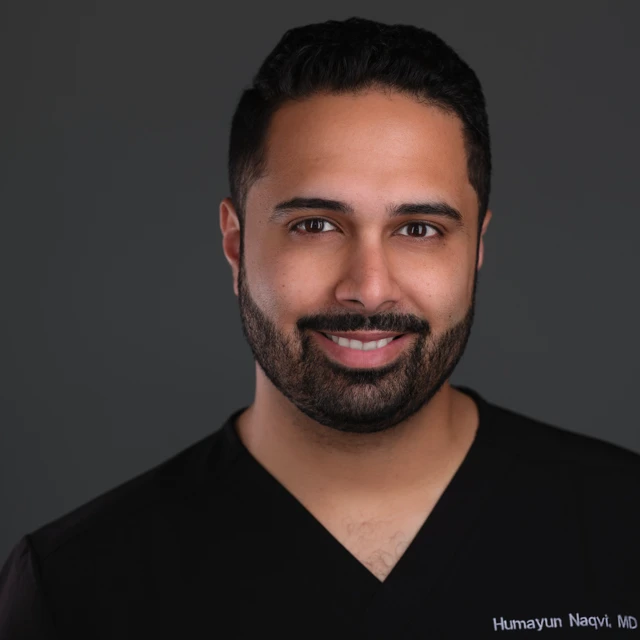
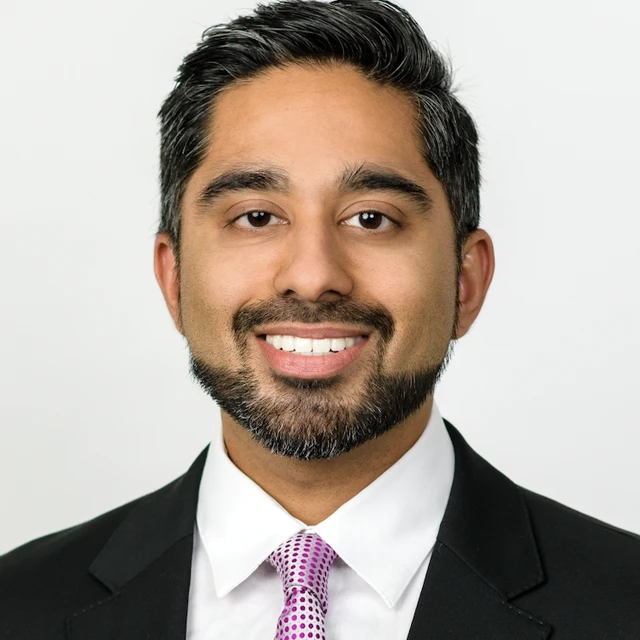
Dr. Adil Ahmed and Dr. Humayun Naqvi unpack four headlines rattling medicine: Amazon selling oral GLP-1 weight-loss drugs like orforglipron and oral Wegovy direct to consumers, a hospital CEO claiming AI could replace radiologists, AI chatbots from Legion Health refilling psychiatric meds in Utah, and Novo Nordisk partnering with OpenAI on drug discovery. They weigh conflicts of interest, the corporatization of healthcare, AI in insurance denials, and whether doctors get replaced by doctors who use AI well.
What we cover in this episode
- Amazon selling GLP-1 weight loss drugs direct to consumers
- orforglipron vs oral Wegovy oral GLP-1 pills
- will AI replace radiologists
- AI chatbots prescribing psychiatric medications
- Novo Nordisk and OpenAI drug discovery partnership
- conflicts of interest in retail healthcare
- insurance companies using AI to deny claims
- corporatization of medicine and physician shortage
- AI safety risks in prescribing
Full transcript
So it's a new thing and is the straight of horm Who's closed? Is it open? I mean, the war has been going on for what, five going into six weeks now. And >> yeah, it's the fiveweek war now. >> Yeah, exactly. >> I lose track of what's going on. Who's who's doing the ceasefire? Is the ceasefire still on? Is the war >> Yeah. And how ceased is it? Is it kind of a ceasefire, a semifire? I mean, >> is there is there Who's blocking the straighter hormones?
Is it is it because Iran was like Iran had blocked it, but then Trump said that, hey, no, I'm going to block it, too. I'm just lots of words. It's like, you know, playing >> it's like elementary school. >> Elementary school, right? Elementary school where some kid uh you know says this is this is my toy and he takes it and the other person's like, "No, this is my toy." >> I know. >> But they block they block the corridor that I'm blocking. It's like, "Oh, I'm blocking you, too." >> Yeah.
I mean, it's gosh, it's so childish, but it's it's childish with like, you know, hundreds of millions of lives at stake, which very quickly is sobering and makes it not childish. >> It's childish, but it would be funny if it was not really happening. Just the idea maybe if it was a movie or >> like a South Park episode would be funny, but it's just pathetic that it's real life.
if it was South Park episode or if it was a movie or some kind of fictional story which would be exciting where you know that would be that would be fun to watch or listen to but right now it's kind of sad. >> All you can do is just shake your head and uh go on with your day but you know it's crazy that the war is going on and gas is up to $4 uh or you know even more. I mean $4 in Texas. >> We're lucky we're in Texas. >> Yeah.
uh in other places, but the market uh has kind of gone back to pre-war levels and it's at an all-time high right now, right? And >> yeah, it's just it's factored in the craziness. I mean, it's not even like moving the needle anymore, you know, the big swings that initially happened. I mean, the markets have just priced in the back and forth, >> you know, they priced in and there's been a lot of uh job loss reports, you know, a lot of people losing their jobs.
Every time I you know it's it's crazy that every time there is some kind of reports of job losses like for example >> Mike Dorsy like he had a company >> which is the ex the founder of Twitter like he had a company and they announced that they're replacing around >> a large chunk of their workforce with with AI softwares and all of a sudden the stock of the company just shot up.
uh >> you know anytime there is some kind of company uh that announces that AI is replacing the jobs or you know it's replacing this many workers with with AI uh the stocks go up people people are looking at it and they're saying that okay you know jobs are going away people losing job but it's not because the company is struggling it's because they're replacing it with AI and that means the company will be more profitable >> so a skewed perspective of the so-called jobs report that used to exist.
>> Yeah. So for the shareholders it's going to be a net benefit because shareholders you know that means the company stock goes up the company's more profitable and you know in the whole it's good for the market but for the people it's not. So let's see how long this trend lasts because eventually people are going to lose their jobs and a lot of people will be will not have the money to buy the products that these corporations make. >> Yeah.
you lose you pay for that $100 uh uh cloth subscription when they don't have a job. >> Yeah, no kidding, man. It's crazy. I mean, that's like, you know, that's just been the whole theme is this hype around AI and we've talked about AI a bunch. Um but there's been a lot of recent developments with that um in terms of things that are very useful obviously with AI and efficiency, but also this hype and how much of it is a bubble.
Um, so I don't know and all these big tech companies, they're getting involved into more and more stuff, not just solely AI related, but more and more everything. I mean, like one example is Amazon, you know, like Amazon um is now talking or in talks with marketing and selling GLP1 drugs um direct to consumers, so-called patients, but direct to consumers. I mean, that's a very recent development um that these companies are getting into.
Yeah, I think there like we we talked about when we were kind of planning for this episode, we talked about four different stories that are very interesting that happened in the world of AI and medicine, right? Uh these four stories I think are all connected in some ways. They kind of address a similar issue. Uh but all four happened this past week or the past few weeks. And one of them is, you know, the the new medication came out. It's called fondo or or glypheron.
you know, I was part of a lot of the clinical trials with orphoglyceron um and it's a great drug. It's a GLP-1 uh medication u only GLP-1. It does not have a GIP component like other elability drug uh which is treaside or zebound mjaro. This is only GLP-1 uh agonist and u it's shown to have almost like a 12 to 13% reduction in your weight 26 pound weight loss. Uh it's a oral pill that you take. Now the competitor which is Wiggoi which is the oral pill that came out as well.
They're both both priced very competitively. They're both $150 a month for the lowest dose pill right there's some restrictions. Goi is actually a peptide. The orphogon is a non-peptide pill.
Goi is actually you have to take it in the morning early morning empty stomach cannot eat breakfast then wait for an hour and then have some water and food with it >> whereas or lipron is a non-eptide so you can just take it whenever uh it doesn't >> so it's a lot less restrictive >> yeah it's a lot less restrictive so the first story was that fondo came out it's $150 uh at the cheapest cost and then as so the access has already become very real, right? Very easy.
So for for a while with these GLP-1 medications, what was happening was uh Lily, for example, Eli had a setup where it was Lily direct or there was Nova Direct where doctors can directly prescribe, you can see a healthcare provider remotely or in person and um >> you can prescribe the medication just completely bypass the pharmacy and get it shipped directly from Eli Liy or Nova Nordisk. other retailers are getting involved too where they were kind of cutting out doctors as well.
Um you know his and hers sorry hims and hers was getting involved where they were contracted by no one orders to sell wiggoi direct to the consumer. So someone would get online, they would fill out a questionnaire. Based on that questionnaire, they would get the drug shipped uh without much uh healthcare uh provider uh analysis or or visits, right?
But now Amazon's getting in the game uh and with fun with uh with with Goi, what they're doing is they're getting involved and they're uh they have this service called the Amazon uh one health >> uh where they have >> Yeah. The one medical, right? Yeah. >> One medical. Yeah. Sorry. One medical. And what they have they have clinics around town but mostly it's remote.
A lot of times people do tele visits or through the Amazon app they have c certain questions they can ask that uh but now what they're doing is through that through that software they they're able to ship the medication directly to the patient by just logging in filling out a few questionnaires and then you know uh saying hi to a healthcare provider on telly and then ship the so is really getting into that game where they're selling the drug direct to consumer and they're even in California they set up kiosks where you can just walk up and get the medication direct from Amazon on.
>> Yeah. I mean it's you know in one sense you think in general in terms of efficiency is eliminate the middleman so to speak and on the other hand you know these are medications. They're not like a vitamin B12 capsule you buy from your pharmacy.
You know, it's almost converting a real medication that requires a real prescription that exerts real changes to your physiology that could have a lot of side effects, which a lot of GLP1 drugs have shown that they're not without side effects, you know, and now we're converting this into something that is like as if it's a nutritional supplement. Go on Amazon.com and buy it. One click, instant shipment that day, you know.
So when the the supply chain behemoth of the planet, Amazon is also managing the sale and even really the marketing of these GLP-1 drugs as you move forward. I mean that's for one a huge conflict of interest. Um and two there's no oversight not just for the correct dosing because not every patient is the exact same but side effect management. How does it interact with other medications? When does it need to be stopped before a surgical procedure for example?
You know, there's there's a lot of different things to consider than just, oh, I'm going to get a pill for weight loss and that's it. The conversation is a lot more dense than that. And this process kind of ignores all of that stuff. >> Yeah. I mean, you know, there's a certain amount of uh certain ideas or questions or evaluation you have to do before is is this medication just for everyone? Should everyone be on this on this medication? Does the patient choose?
Does the doctor choose or does Amazon chooses what medication this patient gets? Right. uh you have to have other medications that are on mind. What if they're taking another GLP1 and they just figured that, hey, there's another GLP1 that I can take and just add on. Uh what's stopping a patient from seeing, you know, they they there's a lot of people that really want to lose weight. They really truly maybe don't understand the repercussions of some of these medication.
They might make up things like oh yeah no I'm not taking a medication or oh no my family has never had any men one men two syndrome or multiple uh endocrine neuplasia syndrome or I've never had any pancreatitis you know you can kind of falsify information as well uh or some of the information can be doctorred as well just because people want to obtain these medications right >> yeah and you see that when like I mean it's very common knowledge I mean people are sourcing a lot of this stuff because of cost from other countries I mean Mexico.
Like I remember I this was like like I don't know maybe eight nine months ago went on family vacation to Mexico. Literally at the airport at Cabo in an airport kiosk they're selling GLP1s in like huge boxes of you can just buy them in cash and bring them over the border. I mean that was such a common thing that I saw and that's everywhere.
you can get them from anywhere because that's patients wanted and so you know patients were already I guess in a sense eliminating the middleman eliminating the doctor patient relationship and the need for that in order to obtain this medicine but then it doesn't address everything you just mentioned the side effect profile is it right for that patient how long should they take it for when to stop it do you taper off do you go cold turkey what other protein supplementations do you need because the muscle law I mean there's so many different things that we just don't know and you're not aware of if all you're doing is sourcing the drug and either popping it as a pill or an injection.
>> Yeah. And the other thing was like you know the there was already an issue with a lot of these compoundingies that were selling direct to consumer, right? They um there's a lot of these compoundies that were selling these drugs at a lower cost to healthcare providers and these healthcare providers were marking it up a little bit and selling them. And and for me, there's always this conflict.
And when when the person who's deciding what medication you're going to get is also profiting from the medication that you're picking up and buying, >> that's big conflict of interest. And now there's a bigger conflict of interest with Amazon where Amazon is selling the drug uh marketing the drug and they're controlling the health care provider or the healthcare delivery mechanism that's prescribing that drug.
So the Amazon is the prescriber and the supplier of the drug and that's a dangerous combination, right? At what point uh do healthcare providers that are working for Amazon get pressure to sell and upsell and approve more and more of these medications because Amazon's making profit of these medications? >> Yeah, I mean there, you know, a danger of being vertically integrated in something like medicine. It's, you know, it might be good in some industries.
is not necessarily the best thing because of conflicts that have real ramifications on people's lives and their health. >> Yeah, this is the big part of the whole corporatization of healthcare. Now it's it's retailization of uh uh health care as well.
Healthcare is becoming more of a retail store where you just go in and choose what you want, put in some questions and you you know you I want a GLP with a with a with a side of uh uh like you know peptide BPC 157 and then just get the whole whole set of things and then that's it. I mean where where does that leave the physician who uh is trained?
uh does that is there any role for a physician in the future for that you know in terms of prescribing the medications refilling the medication monitoring um or is will Amazon will be doing the monitoring and when something goes wrong who will be the one uh who will be in charge and take that take that responsibility of fixing it >> yeah and that you know that's kind of if you think about it like if something goes wrong where is this patient going to go if they have a big uh complication uh medication interaction side effects they get hospitalized Amazon is not going to come and take care of you in the hospital when you're suffering with something or something goes ary when you're, you know, your heart is failing or some god forbid issue like that's happening.
It's going to be a human doctor in the hospital taking care of you. At least it is for now and in the near future. And you know, rather than being a last resort, a lot of that stuff is preventative. I mean, preventative medicine, this whole paradigm and idea that's been touted for so long, prevention is better than cure is better than treatment. Where's that going? If we're just rushing to the treatment without seeking the actual pathway to do prevention, you're bypassing the physician.
You're bypassing the ability to have prevention if you're just jumping straight to the company that's giving you the drug. >> Yeah. Yeah. For sure. Well, you know, this kind of uh another so we talked about four different stories and the first story big story was Amazon getting into the retail game of selling GLP drugs.
Uh the second one again comes to the axis and uh kind of the question of what role does the doctor play is where the CEO of New York Health and Hospitals Michael Katz uh you know it's largest public hospital system in in the United States with 11 hospitals uh and he came out and said that hospitals could already replace uh many radiologists with AI for some imaging tests if regulators allowed it. So he seems like he's ready to replace radiologist for some some imaging tasks.
Uh and that's just the only thing that's stopping him is uh the regulators. >> Yeah. You know it's it's interesting. I mean it's you know Elon Musk uh I think a couple months ago got you know some heat when he made a statement that in like two to three years or four years whatever he said there won't be any surgeons anymore. AI will be doing surgery.
You know, it's these inflammatory comments like this, just like Cats is saying that, oh, we're going to replace radiologists in the biggest public health system in the US.
And it's funny, it always these statements always come from people who are either no longer practicing medicine, like cats, you know, he's basically an administrator and a CEO now, even though he has an MD behind his name, or people like Elon Musk that have no context and no relevance to talk about actual medicine and the delivery of care. Because if you think about it, the most simple tasks that are repetitive and mundane and based off of data are administrator roles like cats's own job.
That's something that could actually much more easily and reliably replaced by AI right now. And that is the single biggest chunk of increase in health care spending over the last 20 years is a marketkedly higher rate of expenditure on admin burden and admin cost and the number of administrators not at all on physician salaries and the number of physicians.
So if you actually want to tackle the cost which is his rationale that radiologists are the expensive ones so replace them with AI he and his ilk right should be the ones that are replaced because their job can be done better more efficiently and far cheaper with AI not the nuances of actual patient care which are still more challenging.
Yeah, definitely the admin I mean I've already kind of noticing that in my clinic where a lot of the administrative tasks that would have taken over months to do that create protocols and forms and documents and consent forms I mean can be done within five minutes right >> a lot of the administrative burden that was that was on before on private practice on hospital systems is much easily replaceable than the actual taking care of patients I mean you know when you walk in I mean uh right now the focus of healthcare delivery has been in terms of AI has been uh helping physicians do their job better right that's so far has been the whole system where physicians are that final connection between the patient providing care uh and the whole hospital system the administrative arm exists to allow that relationship and that relationship to flourish and and do better and it hasn't done that it hasn't there's been a large administrative bloat but the relationship between the physician and the and the patient has not improved uh because the amount of regulatory changes and increased responsibilities in terms of administration that have been added because uh there's just some MBA that decides to create some kind of checklist or monitoring system and now the doctor has to kind of keep up with those numbers and see patients within uh 8.5 seconds per per uh you know >> adding all these arbitrary performance metrics and stuff as if like a human interaction can somehow be boiled down to just units of time as the metric of value you know I mean it's just like it's a foolish premise to begin with and you know just by doing this as a stepping stone saying you know there's a lot of talk within medicine of like what can be done well by AI and what currently cannot and one thing that can is AI I mean like facial recognition software on everyone's cell phone has been there for a long time I AI is very good at visual recognition, pattern recognition, and therefore potentially visual diagnosis, which is what a lot of radiology is, a lot of pathology is, even a lot of dermatology is.
That doesn't mean that that mandates replacement of the doctor who's doing the care. Um, because there's nuances involved. There's an actual discussion with the patient. It's not just okay, here's X. How do you put that in context to a patient? What is the relevance of that? a lot of stuff that is on the fence. Does this need a biopsy?
Just because you have diagnosed the presence of a lung nodule, for example, which one needs to be biopsied, which one does not based off so many factors of the patient age, the patient demographics, all that stuff. I mean, there's so much more to it than just saying an AI algorithm can make a diagnosis of a broken bone on X-ray. >> Exactly. Yeah. I mean, you know, I think uh there's a there's a very interesting book I read. It's called Deep Medicine by Eric Toppel.
uh he's a he's a cardiologist and he's become more of an author and uh um you know has a he's a thought leader and has done a lot of work in AI as well and uh his book deep medicine kind of goes into that radiology relationship he does talk about radiology and and pathology and dermatology and psychiatry and you know uh kind of being at the most risk of being replaced.
But what what his take is that in radiology there's already been uh this whole idea that you know a rad an imaging is done a patient shows up and imaging is done uh the the the tech has to make sure that the protocol is followed the imaging the images are processed the radiologist reads it and sometime it can take two to three days the patient's waiting anxiously for the the the radiologist to read the report completely but now with with the way um you know uh technology is moving and the AI is moving, a radiologist can have uh AI ready image, assessed im visualized image that he can quickly review and actually discuss with the patient right away and kind of make up make the decisions on the next steps right away.
do you have cancer or do you have any kind of you know uh is this act is there active pneumonia or is there any kind of bleeding going on right now that that can be addressed right away and the radiologists at that time has more uh face-to-face patient to patient interaction which unfortunately a lot of radiologists went into medicine not wanting uh patient interaction but that's that's kind of where where their field might be moving on to where they where they you know where AI is able to like easily read and analyze the image pretty fast but the radiologist is there to counsel the patient kind of make up a plan going forward and kind of you know uh transition >> and all the interventions right like I mean interventional radiology is huge there's no AI that right now is going to go up a patient's groin vessel into their you know heart and open up and put a stent in just like a cardiologist interventional cardiologist would do just like vascular surgeons do in the subclavian brain vessel stenting and stuff.
I mean, interventional radiologists do a lot of that stuff and an AI may be able to look at a static image and make a determination with blank high probability this is likely a lung lesion. It is not right now going to be able to go and do an intervention. Um, so there's a lot more to be said than just, you know, these like hyperbolic statements that these admin level people are making like, oh, we're going to replace radiologists with AI.
And the other thing he mentioned, you know, as if like it's the regulatory framework alone that's currently stopping him from doing that. I mean, that that is also like very ridiculous premise that ignore the clinical evidence, ignore the science, ignore the patient care and the judgment calls that need to be made. It's just the regulators that are stopping us from replacing an entire specialty of medicine.
He he's a doctor himself and that wasn't the foremost thing on his mind the clinical evidence that is this going to be as efficacious as safe as good as trained physicians who have been doing this for a long time. So I mean the when people make statements like this they're so incomplete and they're so superficial level there's so much more to it than that to enact a change like this. Yeah, I do think that you know uh there will be major shifts though.
I mean I I don't think we should all be in denial regarding that in fields such as radiology, psychiatry, um you know, endocrinology, um dermatology where a lot of uh data is taken in, analyzed and then medications um are prescribed, labs are ordered and you know fields that are not very procedure heavy or physical exam heavy.
they rely a lot more on just uh objective lab data and patient um you know they are at certain amount of risk now will that will the doctor's role be completely eliminated um you know I think uh as we've talked about before the doctor will always be there to take on the responsibility the regulatory changes will be slow uh the doctor will be the person taking on responsibility but will we need as many physicians or uh there's always been a physician shortage.
Right now, one physician sitting in Houston may be able to treat tons of patients in a small town Texas that they cannot get to that easily. Right?
So uh a physicians may have many different avenues of supervision of AI uh and I I feel like as a physician if you're not uh training yourself on these AI systems not learning the details of it and not going past just asking Chad GBT how the weather is outside going past that and really understand systems you're going to be very behind right because uh physicians are not going to be replaced by AI but uh physicians will be replaced by physicians or providers that can use AI really Well, uh, >> yeah.
No, I I think that's a very fair point. I mean, you know, it's kind of like if you look at anesthesiology and how over the decades there's been a lot of AAS like anesthesiology assistants, CRNAs that have done a lot of the work in the actual O and there's now one anesthesiologist supervising one or two or three rooms of CRNAs who are actually keeping the patient asleep during surgery. I mean, that has already shown that you don't need a doc in every room.
the doctor is the supervisor, but these other ancillary providers are actually performing the point of care. Um, same thing in internal medicine. There's so many nurse practitioners now that serve as the actual primary care provider for a patient. Um, in the ER, there's PAs and NPs that are now under the supervision of one ER physician and they're the ones seeing a lot of the patients.
For that same reason that you said, physician shortage for one, but also for the hospital system or urgent care, it's cheaper. But the consequence of that is this. This has been well studied that when you have ancillary providers like an NP or a PA versus a physician, they increase cost because they order a lot more tests, lab tests, imaging studies, and a lot more referrals that could otherwise be handled simply by a competent doctor because they have more training, they have more experience.
That's just a fact. And so yes, there's a pro to outsourcing stuff like this to a potentially immediately cheaper mechanism. Whereas in the long run, it may not be if it's going to lead to excess downstream co cost of tests, cost of referrals or inadequate treatment and then they need a revision of a surgery or something like that. So I hear you. These are tools and that's what I look at AI as a tool to extend yourself, extend your reach, extend your efficiency.
I don't think it's a replacement for many things. >> Yeah. Well, then again, remember it comes down to the corporatization of healthare and the profit focus of healthcare entities, right? Because the the the health care system is taking the healthcare uh entity, right? For example, a hospital or clinic is in charge of paying the salary of that one doctor supervising five much cheaper nurse practitioners or PAs, right? And that's their cost. Yeah, they're saving a bunch of money on that.
Now, the overall cost of the health care system is going up, but the the the healthcare entity is not paying for that. the physician uh sorry the patient and the insuranceances are what's paying for that you know and that's profit for these healthcare entities.
So in a sense that yeah the overall cost of the whole system is going up but individually these entities profit because those costs are not coming out of their pockets right so they're not in charge of paying for that patient's uh CT scans and imaging studies that are ordered they're actually benefiting from that because their system might be doing more of those imaging studies more MRIs uh if for example a a PA or a nurse uh you know nurse practitioner has seen the patient and statistically It shows that they do end up ordering more imaging studies, the hospital benefits, right?
The patient and the insurance companies that pay for that uh end up maybe uh the bearing most of the cost not the hospital itself.
So the hospital will always be incentivized to save cost, bring in these EI system, replace physicians who are much more expensive um and eventually lower physician salaries too because if the physician if if a physician's knowledge is a commodity and and is not something that's proprietary to that physician now anymore that has gone to med school and anyone can access basic clinical knowledge through a basic search. Uh what makes that physician stand out, right?
And what so the cost cutting will be there. The physician salaries will go down. A lot of physicians will lose their job. Uh and definitely I do believe the physicians that don't keep up uh with the AI systems and learn the systems deep uh uh will be left behind. >> Yeah. No, I mean that's a fair point too. If not just physicians, I mean just practices in general, even big hospital systems, right?
I mean, it's very common knowledge these insurance companies, as an example, they're using AI in their denials and in their denial management and in their percentages of claims that are denied. I mean, they have blanket rates that they set that X percentage of claims are going to be denied just outright for no literally no reason because they know that people are not going to appeal it. The rate of appealing is so low, but when you do appeal it, it's actually quite high conversion rate.
And it's just like an AI arms race. The insurance companies are using AI to scan through a lot of the data and deny, deny, deny. And providers are doing the same thing. I mean, like I use AI tools like Claude and stuff to write appeal letters to help me write appeal letters because it's really fast. It gathers the data. It can query PubMed and add evidence into it to support the appeal. And it takes a lot of time and load off of me and it's very successful at doing that.
And so that's what I'm saying. think it's like an AI arms race that like the practices and individual doctors are doing it, but on the flip side, on the payer side, the insurance companies are trying to use it to justify paying less. So, it's it's kind of like this battle between the AI algorithms. >> It's the whole song and dance.
You're just kind of >> playing around each other and kind of do going through the motions because no one wants to pay for anything >> and everyone wants complete care, right? Everyone wants >> I want it right now and I want it for free. >> Free. Yeah. So that's now the third story is very similar where it kind of you know discusses about bypassing the physician and moving on to uh >> uh you know kind of these retailization of uh of medications where in Utah uh there's been a whole push in Utah.
Newton's for some reason become that state where AI is starting to prescribe medication and they just a company called Legion Health uh which is a San Francisco startup where they have replaced uh they've placed AI chat bots that can uh refill psychiatric medication which was an interesting story >> so what they're doing pretty much is a pilot program there they have a AI uh chatbot uh that can talk to the patient kind of go through some of the basic questionnaires and refill a lot of the psychiatric medications like fluoxitine which is Prozac or Zoloft or Wellbutrin um you know hydroxazine uh all it's doing is renewals right now uh you know >> yeah not initial not initial prescriptions which is >> not initial prescriptions um it's only doing it to stable patients it's not increasing the doses not decreasing doses um you know it's pretty much just no control substances excluding any drugs that can be that require closer monitoring.
So, it's pretty very basic, you know, it's a kind of test model where it kind of makes you think what truly was the need for this because uh right now the process already pretty automated, right? Like, you know, you get a request and you just click one button, it refills the medications.
So >> it seems like it's kind of like a stepping stone where they're kind of getting the basics in where they can re refill and renew some of the medications and eventually >> uh the chatbot will go on to maybe titrating the medications up or down and eventually it will start prescribing medications completely new which uh you know this is kind of just a beginning step. They're setting the base for it.
But eventually it will lead to uh um you know psych psychiatrist uh you know your psychiatrist being a AI chatbot. >> Yeah. Which is very dangerous, right? I mean there's already a lot of stories and even lawsuits of how people have spoken with their chat bots particularly like Chad GPT Open AI and it's even encouraged them to commit self harm and suicide. And it's at least one case that I'm aware of in California.
And so there's already a precedent that these chat bots are not adequate in understanding the social ramifications of the back and forth and these dialogue boxes that you have with them and they don't have really sound advice. I mean because they are designed to keep the conversation going and to affirm what you say that that's how they survive and that's how people keep using them. That's the addictive potential of these chat bots.
So for these to be used, I mean, they they must be a big change in the algorithm and how they're trained to filter that out for one. And it to be successful in something that is potentially as as risky as psychiatry. I mean, you're messing with meds that affect people's minds. So like you said, if it's a real stepping stone, which I'm not surprised if it would be, to go from simply renewals only of existing prescriptions to novel prescriptions.
I mean that's a huge leap but it's I I wouldn't be surprised if that leap is taken.
You know, it kind of reminds me of the whole in optometry the whole renewal of medic of eye prescriptions through like one contacts where you know you can just have a initial prescription by optometrist uh upload that and then it can just kind of keep renewing that prescription for you and it can even do eye exams where it can have a phone uh like a phone system where you can read um you know some letters and kind of say it out loud. It'll tell you, oh, go 10 ft away.
You'll read those numbers and they'll pass you and say, okay, yeah, your eye prescription is the same. I'll keep renewing that. So, you know, in optometry, it's already happened for a while. It it's happened for a while now.
And now in psychiatry as well it's it's kind of moving and I I can see it happening in other fields like endoc endocrinology or you know dermatology uh where all you have to do is look at an image prescribe medications and follow up or refill medications right in endocrinology you you can like GLP ones are already kind of happening where they can refill keep refilling them they can continue >> or you're like thyroid meds you know like so many people you're just on levothyoxin that's just like baseline for your life.
I mean really like almost any chronic condition you could now reason that do you really need to have a doctor patient interaction for a refill if you've been on it and been stable on it? I mean blood pressure medications, beta blockers, statins, um all this kind of stuff. I mean in theory it could do the same thing. The problem is if something happens. What if that patient just gets sicker? What if they get the flu and their respiratory reserves go down?
I mean there's so much stuff that can happen to a person even with these psych meds you know they're calling it stable and they're talking about SSRIs I mean the whole like in residency the 80hour work week I think if I recall like in New York it was enacted because a patient died who got serotonin syndrome because a resident prescribed medications that up the serotonin levels and they just weren't aware of the side effects and all this stuff that same thing could happen with these SSRIs the serotonin reuptic inhibitors for the psych meds if patients are given these by this AI Legion Health and they're refilled, refilled, but at the same time the patient starts taking some other medication from another doctor or for another condition and they're just not aware of the interplay that could happen again, you know.
So, I I'm just surprised that there isn't more of a checks and balance on it. Um, it's kind of like just rushing to do this and th this mindset which is very prevalent in the tech world. Just be first. Just go for it first. Figure out the consequences later. That's great if you're making a new software for like a Microsoft Word integration or a plug-in. It's very different when again it's people's lives at stake. >> Yeah.
I mean they, you know, their safeguard was uh they they they first went to first, 1250 patients and kind of had a human look over those. And once the human said, "Oh yeah, I'm 98% in agreement with this all this." Then they just went on and moved on to just, you know, kind of full-on refilling these medications. and uh they just were some monthly reporting to the state where there were some monthly reports. Hey, this is what's going on. That's what's refilling.
So, it is a dangerous trend uh of medications bypassing the positions completely and and going and prescribing medications through AI chatbot. Now, there's areas that have high needs. There's very hard to find psychiatrists. People are running out of these critical medications that they need for their survival. So I can see where that's useful because it's refilling medications for many patients who are not able to get in uh with their psychiatrist.
But it it does kind of make me think that just basic refills and renewals is is not currently a problem. And because it's not currently a problem, is Legion Health really solving an issue right now? To me, that makes me think that they're not really solving an issue, but they're planning for a bigger uh shift.
Um there's another company in Utah called Dtronics uh that uh also uh started prescribing medication and is it's kind of they're developing that med that company to be able to prescribe and renew a lot of medication outside of psychiatry, right? But they did a test where within that company some engineers were able to to kind of feed stuff into that questioning uh questioning algorithm and software where they eventually got that agent to uh spread vaccine misinformation.
Um >> yeah through their discussion they were able to create uh >> was giving him the recipe on like how to make crystal meth. >> Crystal meth. Yeah. And then and then the last thing is they like triple the dose of someone's opioids just because they ask questions or doctorred it.
So that the it shows that the possibilities of messing with the systems are there that someone shows up and you know they really want their Zoloft and they they may have been started on a medication that's but you know they're they're struggling they need Zoloft. So they may just say no I'm not taking that medication and move on and just just get that prescription.
where as a physician, we're able to kind of, you know, read the body language, understand, ask questions on the fly, um, you know, review records from other physicians. Um, you know, and not that AI can do some of this, they it can, but right now, uh, there will be a lot of misses and, um, when something does go wrong, will it be Legion Health that will be taking on the responsibility of, uh, you know, will they be the one getting sued?
And uh it also comes again to the patient rights and patients uh safeguards where right now patient knows which physician to go to uh which physician to hold accountable for wrong treatment. When it comes to patient versus the corporation that'll be a whole different ballgame. >> Yeah, totally. It totally will for sure. >> So So then the the fourth the fourth story I think this week was kind of uh interesting.
I think it's more of a positive story in my in my eyes uh which is uh the whole idea that um Nova Nordis and Open AI have kind of teamed up to uh enhance drug discovery and it shows that you know um big pharma pharmaceutical companies are participating uh and embracing AI. U drug discovery is a long process. It almost takes you know 10 years to have a drug from inception to market. Uh 8 to 10 years. It's a long process. Takes requires a lot of money right. I mean I do a lot of clinical trials.
We run a company that uh um does these clinical trials and we know the kind of expense how expensive it is to develop a drug. One drug takes hundreds and thousands of people to be part of the infrastructure.
there's um monitors and there's CRO's and project managers and clinical research coordinators and quality assurance uh you know clerks that kind of look over everything and make sure so there's a lot of different people there's principal investigators some investigators there's the the patients themselves that participate in the clinical trials so there's tons of expenses and if if uh using uh AI and this partnership with open AI can help no one nor dis discover new drugs find uh you know better placebo controls uh uh and even faster the drug discovery can be a good thing overall for medicine.
>> Yeah, I mean it can just look at all these various data points. You know these companies have so much data. Um no human can look at all of these things like the different little points of protein folding where on the cell to target for stuff. I mean that example you know there was a guy that he went viral I think this was maybe six months ago.
his dog was diagnosed with like a tumor cancer or something and he basically just used a lot of queries and intelligently just discussed with I think it was even with Chad GPT open ass on what to do how to do it how to diagnose the different treatment options and eventually came up with an actual medication regimen for his dog that like basically helped and cured the dog's cancer which is remarkable but it's just one little example showing that this stuff is possible and like humans don't think of everything Um, and so that might happen with this and just troving through these massive data sets that these companies have from I mean decades and decades of research and so many products that have failed.
Why what if those products failed for one tiny little covealent bond that was missing? You know, I mean there's so much stuff that you just can't completely assess for when you're sitting in a lab doing looking at the chemicals before you take it from the bench to the actual bedside trials. So I I think there's a huge potential in this and not even just this initial partnership with Novo Nordisk.
I mean potential for partnerships with hospitals or hospital systems that even have larger patient data um patient outcomes data, laboratory data, imaging data, combining all of that stuff. There's so much potential for what could be discovered here. >> Yeah. And I think it'll dramatically cut down the cost of uh healthcare, you know, through research trials.
There's also reports of um every patient when they participate AC in a trial there they there will possibly there will be a possibility of an AI placebo where that same patient will be able to kind of duplicate another uh same patient characteristic that will be the placebo for the trial and we won't actually need actual patients to be on placebo control. >> That's an interesting idea that you just basically create like an AI clone in a sense almost that serves as an internal control.
Yeah, as an internal control and that's that's kind of where the future is going. So it'll it'll dramatically cut down the cost. The only question is will those cost cutings transfer over to drug cost and you know uh how expensive medications are. Will medications be much more cheaper when AI cut down the cost of administration and and and the personnel so much? Um I I doubt that. I I don't ever see drug prices ever coming down. >> No kidding.
Um but >> once prices go up, they they rarely come down, right? >> Yeah. Once prices go up, they've never come down. You can be optimistic. You can say maybe, you know, uh how what Sam Alman and other CEOs say that, hey, this is for good of humanity. You know, everything will be cheaper. People will won't have to work and they could just stay at home and spend a few dollars a day and they'll be able to get everything they want.
You know, the Elon Musk of the world, that's how they're selling a lot of these advancements. >> Yeah, it's a bunch of BS, right? I mean, Open AI started as a nonprofit. because they wanted IPO soon. >> They wanted to do good for humanity, right? And yeah, exactly. They qu they rescended their status and now they just want to become the biggest and most valuable company on the planet. So, you know, things get skewed when real money shows up.
And I I don't at all think this is an altruistic decision and partnership. I mean, it's obviously to just make more money with hopefully the after effects for society that more and better drugs are actually developed and not just again AI hype. >> Yeah.
You know the other other kind of idea is when if AI is going to be solely uh responsible and in charge of creating these drugs and going through the clinical trials and there will not be as much physician participation when it comes to prescribing these medications and treating patients with it.
How what kind of buyin will physicians have because right now what happens is you know there's many physicians around the country that are thought leaders or or uh you know they they're participating these clinical trials. They use these these drugs over the years. They get aware of them. They they they they go and talk about these medications as well. They teach other physicians about these medications and and they get used to using these medications right on a day-to-day basis.
Like, you know, they get they understand what the what the side effects are, what are some off the off um off label uses you can do, how you can treat some patients, right? You kind of realize that through clinical trials.
But when when doctors are completely taken out of the equation, when real patients are not being used, when when drug discovery is being done uh at a fast pace with physician practices, physicians be able to keep track of it and keep up with it and actually adapt these drugs and use them and be knowledgeable about them. Right? When there's 10 new drugs coming out on a day-to-day basis, uh who is going to be the one uh that's going to be keeping track of it and actually implementing this?
Will it will it be AI at that time where AI will create the drug and and treat the patient at the same time, you know? >> Yeah.
I mean, you know, we we kind of got like a snippet of it if you think about it with like the COVID mRNA vaccines where it was kind of a novel thing and really it was very fast-tracked and look at the skepticism that existed from physicians, from hospitals, from patients, I mean from society at large because it kind of bypass the standard process of trials and regulation and confirmation that this is a legitimate thing. It's a safe thing. It's an efficacious thing.
And you know, that's just one example. And co obviously had a lot of other crazy that went on with it that led to scandals and skepticism, but the vaccine was a huge one in that whole millu of chaos. And so I kind of think the same thing if AI integration with these pharmaceutical and biotech companies is utilized more than just for discovery of potential drug targets. if it's actually used to push the pipeline forward and bypass actual legitimate human trials.
I think that's a huge question mark that maybe a lot of physicians would just refuse to prescribe because now it's nothing but theoretical. You know, it's just AI algorithms running rather than actual humans being tested um in the traditional sense. >> Yeah. Well, when physicians refuse to prescribe, AI will be there to prescribe it. >> Yeah. So, >> yeah, maybe. >> Yeah. And >> well then then Sam Alman better be ready for the class action lawsuits if something goes wrong with the drugs too.
>> Yeah. I mean you know it's very hard to say where the world is going, what medicine will look like, what education will look like, what universities and and medical schools will look like. It's hard to say that right now. I think the world is changing. I mean AI it kind of came as a storm. I mean, you know, you've remember the first chat GBT version and you know, from there things have just advanced and now they're changing on a week to week, not not even a week toeek basis.
They're changing on the day-to-day basis. The new models being revealed every day. There's new AI news. Uh, you know, people are doing all kinds of crazy stuff. Um, it's still not uh completely uh there where people envision it to be, but I think it's getting there fast. and the way it's moving uh things are looking promising for people who can't take advantage of it.
Uh but there will be many people that will get left behind, will suffer, will not be able to keep up, which is a scary thought and I think there will be a lot of unrest. It's kind of interesting.
Uh I watched an interview of um the CEO of Enthropic um and he he was kind of proposing attacks on AI uh companies to possibly compensate for the future job losses and which is kind of a scary thought that even someone who is the main reason why these jobs will be lost is saying yeah you we we possibly need to tax these AI companies because we will need that money to help people um you know when they lose their jobs within the >> Yeah.
I mean, it's almost like if you're if you're creating a whole new class of wealth, right, the AI overlords or whatever you want to call it, right? I mean, attacks on them could could effectively be seen as like a living wage for society. Like the th the huge groups of society that would lose their jobs or lose enough of the ut utility of their job that they no longer can make a living wage from that job.
laborers, right, would be largely insulated, but maybe that subsidy uh from the companies or tax on the companies could become a living wage type thing for people that lose their jobs. I mean, I think that's a very reasonable thing. And honestly, it it just shows consistently that Daario, that the CEO you're talking about, has been a lot more ethical when going through this whole process of growth with Claude and Anthropic than any of the other AI CEOs.
I mean, if you compare him to like Alex Karp with Palunteer or Sam Alman with with Open AI, I mean, like those guys are like monsters in comparison to Daario. He he actually appears like he has a conscience and is not a not a sociopath. Yeah, Daario and also the team behind Perplexity have been so far the most uh ethical uh in terms of the the understanding the implications of AI and then maybe also promoting the ethical use of AI.
I mean the whole I think the whole government contract thing with with Claude and the whole tussle with the the Trump administration about using uh uh anthropics AI models.
uh you know they had two demands not from not to use anthropics AI models for mass surveillance and not for mass killing machines and the and the government did not commit to that uh and and that's why Claude had that big or sorry open anthropic had a big uh conflict with the government and that's when Sam Alman came in and and and made that contract with the government that was a big tell of who was on the right side of this. >> Yeah. He's a he's an opportunist.
No wonder they're no longer nonprofit. >> Yeah. uh he's a big opportunist. So we'll see where things go. Um you know there's a lot of different companies coming out. There's there's the US companies and there's there's the Chinese companies as well.
So there's a big AI race the I think the person the the country uh the company that will control and and control the market share and control the chips will be up front and I think Nvidia is is is smiling right now because they're are up ahead and their chips are the most superior right now. So, we'll see where things go. I think physicians uh are at risk. Um you know, I personally think that I think a lot of physicians are at risk of losing their jobs uh getting replaced.
Um you know, um I think physicians that do keep themselves educated uh stay up to date with technology, with news, how things are changing, can adapt, will will do better.
But I do think as as a physician operator, people who are who own their practices, I think they will benefit a lot because uh uh these AI systems help individuals um cost to get much lower and be able to start their own business and run a medical practice without having the back of a bigger corporation, a bigger practice behind them.
So I think it it may be good for independent practices down the line, individual doctors to create their own niche and be freed from the clutches of the big big corporate healthcare entities. So >> yeah, I mean it can give you the give you the tools to scale even despite your size being smaller. >> Yeah, no doubt about it. >> Exciting. But yeah, good episode. Uh you know 50 51 minutes of again AI talk.
I think uh this conversation of AI will keep coming up different news, different ideas, different thoughts. So, uh, we'll be back next week, but we do have a website now, which is, uh, two dosswmic.com. >> Yeah. Yeah. Check it out. >> Check it out. >> It may may or may not be AI generated. See you
Your hosts