Who Runs US Healthcare: Rogan, MAHA, Trump, Private Equity, or Agentic AI?
About this episode
After getting picked up by the New York Times, the docs dig into who really runs US healthcare: the explosion of private equity buying physician practices (from ~800 to 5,700+ acquisitions), insurance-company consolidation, and new physician-ownership laws like New York's S8422. They break down how agentic AI and ambient note-taking are cutting charting time and administrative bloat, why physician burnout is finally dropping, and Joe Rogan's text to Trump that fast-tracked an executive order on ibogaine and psychedelics for PTSD.
What we cover in this episode
- private equity buying up physician practices
- how corporate medicine changed doctor-patient care
- new laws requiring physician majority ownership
- what is agentic AI in healthcare
- ambient AI note-taking saving doctors hours
- physician burnout rates declining post-COVID
- why female physicians report higher burnout
- Joe Rogan texting Trump about ibogaine
- fast-tracking psychedelics for PTSD through the FDA
Full transcript
It's kind of interesting because we, you know, We just started this for fun and uh >> uh I had been doing it for fun just like not really something on my >> You all right? >> Right when I started something went into my contact lens dilemma. >> Yeah, >> dude. It's so annoying when that happens. I mean, when I first started wearing contacts as a kid, you know, it was just weird to like put it in your eyeball.
I mean, it was like I I would have to hold my eye like you're like freaking out when you're doing it because you're not used to it. Now it's like whatever. I can touch my eyeball. I'm just so used to it. >> Something went in my eye that started my eye like uh >> like twitches >> twitches and stuff, >> dude.
But sometimes that'll happen to me in the middle of a surgery like you know my contact will get irritated or like the worst is I get a a damn eyelash in between my contact lens and my eyeball and I'm sitting there like operating. I'm just like I'm trying to like blink like hard to get it to get it dislodged and I'm just like ah this sucks. And you like the door doesn't fall off into a patient's uh while they're open, >> you know?
I mean, I'm wearing like eye protection, so it would like fall onto the eye protection, but like Oh, dude, it's the worst. You just want to touch it like rub your eyes so bad. You just can't. >> Yeah, it's before I had that little twitch in the eye. We're talking about how the the you know, there was a big >> You were talking about New York Times. >> Two two dogs. One moment had a big uh moment uh a couple of weeks ago uh where we got picked up in the New York Times.
Uh, we had an article, there was an article, there was a, you know, opinion piece about health insurance and I think one of your angry clips, uh, was picked up by the New Times. >> Yeah, it was me venting about a peer-to-peer and all the nonsense with it. Um, but I I think it's I mean, I thought it was awesome. I also thought it was kind of random. I was like, are they trying to find another podcast? Are they sure they found the right one? >> I don't know.
No, no one else is finding us, but you know, the New York Times found us. >> I know. I thought it was so funny. I mean, it was really cool. Um but yeah, it was cool to be part of that segment. That's for sure. >> Yeah, it was an interesting segment. I listened to a lot of it and uh you know, it talked about a lot of the frustrations uh there are in medicine. Uh you know, New York Times did a good job covering it and you know, I think the best thing they did was use our clip. >> Yeah, obviously.
No, but they did bring light to like a lot of I mean, it's almost like it's currently it's like a battle between insurance companies and doctors and hospitals, which is not what healthcare should be. there's no care involved if it's like a fight between the insurance companies and the people actually providing the care. But that's what the system has become and I think they really sh spotted the light on that. >> Yeah, definitely. I mean this the system is getting so corrupted, right?
Which kind of health care system is where the payer starts becoming the customer and it all is integrated into one. So you know a lot of patients buy their health insurance from these big insurance companies like Etna, Sigma, Blue Cross, Blue Shield. Uh and now these companies, United Healthcare, right? And now these companies are the ones buying out physician practices.
You know, there's been a big encroachment into physician practices from corporations and corporate entities and private equities, right? uh corporate medicine has been the the biggest disaster I think in in in medicine where it's completely taken the soul out of what doctor patient relationship used to be in my opinion. I mean people can disagree. There's a lot of people that who may disagree. But uh it in introduced a lot of people who were just focused on profits. All they see is bottom lines.
Uh the whole idea that you know physician practices are there to provide care for patients.
that went away and a bunch of MBAs came in and uh their focus was efficiency uh bottom line maximizing profits uh and that's why the healthcare is the way it is and private equity push is a it's a huge thing where the the the crazy fact is man I was reading this is uh you know the compared to u a decade earlier there were around uh 307 like you know they studied a bunch of practices 307 practices is 816 um private equity acquisitions versus uh private equity acquired 5,779 practices uh in the year 2026 I believe.
So there's a huge jump where >> it's a huge jump I mean from like 800 to 5,000 and some I mean that's that's mass almost an order of magnitude difference. >> Yeah.
by by 2021 I think it was 5,769 practices that had been acquired and even now I think the push even grew faster and faster since then and I think more and more practices I mean in the area that I am in I mean a lot of the cardiology practice have already been acquired by large private equity firms that are consolidating cardiology practice under under one umbrella right and eventually the goal is to sell sell sell uh >> yeah and that's you know that's a the question right there is like what is the goal you know I mean and there's multiple different goals right like the goal from the physician ition angle.
A lot of these sales are being done, not all of them, but a lot of them are being done by people towards the later end of their career almost as a way to for one get a big paycheck. You know, it's like a huge influx of cash into your wallet at the tail end of your career. It doesn't mean you're retiring and now you just become an employee in the practice that you built. And it kind of offloads you a lot of the weight of the administrative side, the management of the practice.
You just get your now your bi-weekly paycheck rather than having to run the practice. So, I mean, I can see even though it's annoying that it's happening, and I I don't like the encroachment of private equity into medicine, I I can certainly see why someone who's in their late 60s, maybe 70s, they've worked their whole life, they've had their own practice for like 40 years now. They just kind of want to slowly fade out and retire eventually in the next 3 to 5 years is their plan.
selling the practice for a big chunk of change and then continuing to practice, continuing to see your same patients and now not having to deal with any of the management. I can definitely see the appeal. >> Yeah, the appeal is there, but I think there's another way out, right?
I mean if physicians did it to themselves and uh selling out practices where you uh bring on a bunch of younger partners and uh you know give them the promise of like ownership and partnership and being able to kind of you know eat what you kill and build your practice and all of a sudden you know without much say from these younger partners um these older physicians end up selling the private practice.
Uh there's a big route man there in physician and uh you know medicine is all about uh mentorship and uh transfer of of of uh assets from one physician to another.
A lot of these physicians there there can be an easy way where one uh physician can slowly fade away their practice where the younger physician starts buying out their practice you know uh and there can be easy doctorto-do transfer of uh um practice and that would encourage a lot of people to stay in private practice right being able >> I mean that used to exist right like why why do you think that stopped or or not stopped that's not accurate but why did it fade out and why has it decreased I mean doctors buying practices from other older and retiring docs and the older dude would stay on for a while and then, you know, fade out and it would almost be like a nice seamless introduction into his cache of patients.
That was a common thing. Why has that decreased? I mean, I I think most physicians are have lived in the bubble, right? Most physicians have lived in the bubble. They truly don't understand uh what a private equity firm is, how to manage their finances, how to build value for their practice. Uh I'm not saying all of them. There's a lot of very business uh savvy physicians out there. But a lot of them truly don't understand what selling to a private equity uh practice mean. It sounds cool.
the sound when someone comes to you talks about efficiency talks about taking away the load and taking away uh you know HR problems and making making processes seamless and and it's very appealing that you know it seems seems like it's going to be a big uh load off your plate >> right >> right so it's appealing in that sense though a business savvy person is going to come in and take over and so I can just focus on what I'm doing best is providing uh you know care to the patient but a lot physicians what they don't realize their practice is the way it is is because they were controlling and making the decisions.
Patients flock to the practice. They feel comfortable in the practices. They they they feel that atmosphere of being welcomed and being taken care of because a physician was making decisions about care and about how the business is run rather than someone who has never seen a patient in their life. And I do believe that uh uh the care is provided best when physicians are in charge. Uh uh and uh that uh the whole idea went away because someone came in with those appealing ideas.
Physicians didn't realize that what this could mean for practice. And I I know a lot of people that sold their practices became part of private equity and have almost always regretted it. Uh there's very few physicians that are happy in that model. Uh the ones that are happy are the ones who had three years left till retirement. They work three four years and then they're retired. Uh but most >> Yeah. No, for sure. I just I'm just trying to, you know, think like what created all of this.
You know, it it wasn't just like PE coming in out of nowhere. I mean, the way I think about it is, you know, there's so many factors.
One is that you know the workforce the physician workforce was aging and not as many young doctors are coming in and so there was difficulty in selling practices because there weren't as many buyers if you think about it in that sense also like all of the extra stuff like the extra documentation regulations and requirements that didn't really exist you know like 25 30 years ago I mean people had paper charts scribbled whatever they wanted in them now everything is so regulated and needs to be in a set format through the electronic health record which everyone's got to use now and it's basically become what like a template for billing a template to determine did you do the work rather than physician notes like they should have been just notes for you you to keep track of your own patients like there's been a huge escalation in the workload and the paperwork side and I think a lot of people unfortunately to what you were saying homaya a lot of the doctors were not able to leverage their ability to be efficient in that that new system now a new system that requires a lot more paperwork and clerical type of perk.
That wasn't the case before. And the people that came up in the environment where you could have a practice just on paper records and you really focus on your own patient care and you build what you wanted to build. And now it's totally changed. That's a huge transition to make. Like we came about in medicine after that switch. But the people that came before I mean those are the guys right now that are selling to private equity, right? It's not our generation. It's a generation before us.
>> Yeah. I mean things quite a bit things changed after 2008, 2009, right? >> Yeah. lot of new uh uh regulations and um the the mandatory EMR. Uh a lot of new regulations on how uh care is delivered came into play over the years. Uh care payments have declined year by year like so the profits and revenue has gone down.
uh running a practice because of regulations, because of EMR uh you know requirements and uh uh rising cost from staff to you know running tests and buying equipment all has gone up. So physicians themselves independently taking on that load. um it makes it very hard for a physician to run the practice and then someone coming in with an infusion of cash that can help uh a practice bring on new technology, buy new new equipment, hire new staff. Uh that's what private equity offered, right?
They offered that big uh infusion of cash to kind of jumpstart that practice again that was dying or struggling or you know the infrastructure was big, >> but but it's it's grown like crazy, right? I mean P ownership of practices was has been now 6.5% in 2024. Uh they own P firm own 488 US hospitals now which is uh you know >> a lot of hospitals 488 hospitals. >> Yeah. Um physicians and private practices dropped from 60.1% to 42%.
Uh so majority of the physicians are not now used to be private practice or privately owned and now they're not. Right. hospital owned practices grew from 23.4% to 34.5%. Another trend in physician owned practices going down and down.
So there's a huge I just think it's amazing that like you know the landscape you know the political regulation landscape is like basically anyone else can come in and own the like delivery of care like the hospital can start buying up and owning physician practices except the physicians themselves. Like there's a moratorium on physician owned hospitals, but these random I bankers and PE guys and VCs and they can come in and own a hospital.
Like what background, knowledge, experience, and anything to do with patient care do they have that they should be able to buy, own, or create a hospital? Like literally zero other than the fact that they can lobby for legislation and prevent physicians from doing it. I mean, it's kind of crazy.
Like I I just think that's a funny thing how >> yeah the physicians never have had a lobby right they've never had a real lobby a strong lobby that can kind of push for these things um you know physician owned hospitals were a thing back in the 2000 and that's completely gone away because of the regulations I mean you cannot physicians cannot be uh hospital owners anymore and you know that that put a lot of you know a lot of people dependent on the hospitals they were physician owned hospitals that a lot of physicians depend on but part of it had to do with greed there a lot of bad apples within the physician community that u you know acted on greed and made a bunch of money uh in unethical ways as well and that kind of gave some of these uh lawmakers uh fuel to the fire kind of you know to pass these laws and show examples of these certain docs now most doc >> give a scapegoat >> yeah they're scape goats now but there there's a change right there's a change we're seeing based on some of the the stuff you read there's a new u bill in New York uh you know S842 22 uh which is starting to kind of push for that every physician practice has to be majority owned by a physician um you know the physician has to be majority of the voting shares physicians have to be majority of the board directors and has to be majority of the office of positions the CEO has to be a physician who's licensed as well so >> basically putting leadership back in the in the hands of the docs which I think is good I mean they're realizing that it's it's it's been a very serious decay in the level of care across the country.
>> Other I think a few other states were doing it too like Connecticut I believe there there's a couple other >> Oregon has done it has done it. There's a there's a few other states that are passing that and this is going to be something to watch out for for this year where >> a lot of these uh pro pro- physician ownership uh laws are taking I mean coming through. Let's see. I think private equity firms with their large pockets and large money are fighting them, right?
they're fighting these laws and and uh trying to see how they how they can be uh halted. But, you know, it'll be something to watch out for. >> Yeah. I think, you know, like the the spirit of that law, like the my takeaway from it is I I think it's beneficial. It doesn't ban or outlaw or prevent private equity investment within a physician practice or a multipety group or a hospital because I mean, I think that would be foolish.
You shouldn't block investment in something that's like that's our capitalist system. You should be able to invest if you can and the other party's willing, but it should continue to allow physicians to lead a physician practice, which makes total sense. Like, why should anyone else run a law firm other than the lawyer, right? Why should a non-engineer be part of an engineering firm and make the decisions? It doesn't make any sense.
You don't have an architecture firm that's being run by a non-archchitect. It's the same thing in a physician practice. Why should someone else run the physician's practice? They're not going to understand it in the way a doctor will. It's just it's just the the subject matter. And so I think it's very logical but that doesn't mean outside investment shouldn't come in. Outside investment can always help. >> Yeah. I think so.
I mean uh and that tr that completely makes sense where a minority ownership even even if it's like 48% 49% ownership the physicians uh should stay in control and in charge because in the end the decisions that a person who's directly taking care of patients is accountable is is face to face with the patient and looking the patient in the eye saying this is what I think is best for your care they should be also in charge of the big time decisions for the practice right because they're they're Totally.
>> When someone who's making a decision about patient care who's not face to face with the position, there's a lack of accountability. They're not really able to kind of bring ethics into play. Whereas physicians, most people I tend to believe that have a soul and have some kind of conscious. And when I sit in front of a patient and make a decision about their healthcare, yeah, sometimes there is uh the idea that this test can you know can make certain revenue or profits.
But uh my whole thinking is that I'm making sure because this patient is in front of me, I know who they are, what they think. You know, they're speaking to me and you know, I know they're you know them personally. I make a more ethical decision compared to someone who's who's uh just a manager sitting in the back and forcing a physician to make certain decisions about the practice.
I think I think one thing that that is positive though is uh the rise of Agentic AI will allow a lot more physician ownership. it will cut down quite a bit of cost, right? Uh because now uh there are there are there is a rise in these agentic a uh you know AI uh programs that can help quite a bit in running a practice and making things cheaper. Um so that's another >> yeah we should define that a little bit you know because like AI I mean it's such a huge umbrella term and AI has changed so much.
I mean, dude, like just in the last few years, like I've been involved with some AI stuff and so have you in different ways in like research, in our practices, in in workflows, all this stuff. And so is probably a lot of people who are listening into this. I mean, it's it's pervasive. It's everywhere. You can't get away from hearing about AI.
Um but you know AI was like first it was machine learning which was like you know very advanced sophisticated algorithms semi-autonomous analyze data give you outputs blah blah blah and then it was like the generative AI that was like the whole large language models the chat GPTs the clouds where people were using it almost in lie of a search engine it could respond to you it was very logical it gave great analysis but it was very like ask a query get a response ask a query get a response or give it a specific like Here I have this consulting agreement.
Review it for me. Okay, here you go. And now what you're talking about, Homeio, I think it's like I look at it as like the next evolution of AI is agentic AI, which it's much more than just here's a query, give me an answer. Okay, thank you Claude. Thank you Chad GPT. Like I mean what do you think about it? Like how would you define agentic AI and how is this like the next phase of AI? Yeah, I mean uh you know um there's there's all these phases and types of different AI uh users right out there.
Uh there's there's people I think 95% of the people who say they use AI are still mainly what they're doing is they're going into chat GPT or claude or Gemini and asking a question and getting answers. Right? That's majority I'd say 95% of the AI users in the world right now are doing that. Um then the next phase of uh AI users I I kind of categorize in three category. There's people that are not using AI right now, right?
Then there's people that are just asking basic questions and just getting answers.
that there's people that are you know connecting their everyday apps to AI and uh you know uh having get extracting data from their daily lives and apps to kind of create synthesize knowledge for themselves so they can do a good job and then there's there's people that are pretty much designing systems around AI uh that can automate their whole life where the AI agent that they're designing is is creating things for them automatically learning from them uh in their life automatically and just uh you know without uh without too much instruction now is doing things that makes their daily life easy.
So I think for me agentic AI is some kind of combination of using your resources and apps and information around your life to create uh um you know knowledge and data for yourself slowly and then eventually training agents to automatically do tasks for you that are mundane and repetitive and uh uh so you can focus on your main tasks that only you can do right so I think that's kind of my definition of agentic AI to kind of automate the mundane and the easy in life rather Yeah, almost like anything that could be maybe like what you're saying mundane, repetitive, clerical, pattern recognition requirements and allow allow us as the user or us as the the human in this whole thing to be really the decision maker and it's we use our judgment now rather than using our time to do mundane work.
We use our time to think and make judgment calls and make decisions. I mean that's how I kind of look at this whole new shift in the ability to make AI agents. It really offloads your time and your brain power to do stuff like that. >> Yeah. And the physician community has one of the biggest have been one of the biggest um um adopters of AI. you know, uh, ambient, uh, note takingaking has been has is kind of rising like fire.
There's a lot lot of doctors now that are using ambient note-taking where they have u a device that's listening to the patient uh call or patient visit and the patient visit can be happening and the physician the patient are just having a conversation face to face and this ambient uh software takes the note creates very very accurate uh well formatted notes extracts all the information and and and uh organizes in a in a truly soap note way and suggest just ICD codes and CPT codes and even um create patient instructions for the patient to remember later on.
Right? So physicians are using it at a basic level uh and some physicians are using it at even level. Right? There's that the the cardiologist uh there was a story about cardiologists who use cloud code uh to create certain softwares and he actually won the first place in agentic coding recently and he had no code. >> Yeah, >> that's pretty awesome. That's Yeah, I mean I kind because I've been doing that too as well. I mean I've shown you a lot of the softwares that I've created.
I've been creating customized software for my practice. >> Bro, we should have nominated you dude. >> What's up with cardiologists and uh creating uh softwares and cloud code. Uh but yeah, I mean I've been doing that too. the physician.
Uh, you know, I mean, just today I I was having a meeting with the staff and we came up with idea that we need this this this uh order made and it it seemed like a pretty big task and I just went into cloud code and kind of wrote some instructions and went off to have a meeting and came back and it was done and ready to go. It was uploaded on our on our practice portal page that I've created. So, uh things like that where automatically work work on its own without much supervision.
I can just tell it what to do with a voice command or a or a text command and just come in and it's taken care of without me having to go hire a software engineer to build me a platform that can do that for me. I mean that's that's gamechanging, right? >> Yeah. I mean it's huge.
I mean and you know like the data about it like people that are using the uh ambient listening you know and AI generates the notes kind of like you were talking about on average they're saving like an hour and a half two hours per clinic day. It's reducing the charting time tremendously. I mean, that's massive.
I mean, can you imagine instead of finishing your clinic at 5, now you got two hours of notes that you're either going to do right after clinic or you're going to go home and now you're going to be kind of doing it while interacting with your family. Now, you don't have to do that anymore. >> Yeah, >> that's awesome. >> So, some of the data that's interesting, right? 85% of US healthcare leaders are investing into Agentic AI in this year 2026.
So, that's that's a huge percentage of uh healthcare leaders, right? Well, you I would like to dive into that for a second. You know, like healthc care leader is such a I don't know a vague and odd term. We just finished talking about the fact that like a lot of the so-called leadership in healthcare is not physicians and it's transitioning away from physicians with the private equity creep and the hospital ownership practices, insurance companies push sticking their hands in.
And so if healthc care leaders means that segment of health care and I don't know, maybe this sounds negative, maybe it doesn't. I don't really care if that's what it means. I could see that being subverted in a way that these agentic AIs could start in their view replacement of physicians rather than augmenting physicians.
And that's where the danger comes in because now you are now using these agentic things for pattern recognition all this stuff and then using them as a decision-making tool, a clinical judgment tool as well, which is not what they're designed for. there's no real doctor patient relationship or you're going to force it maybe inappropriately force physicians to use more AI tools just to artificially make one doctor more efficient and then have less in the workforce.
You know, I I don't think like it's all going to be good if that's the way it'll be used. That that's something that I'm interested to see how it plays out and if it becomes mandated that oh in our health system doctors have to use X Y and Z. doctors have to be double checked by these agentic AI solutions we've created for imaging and all this stuff. >> Yeah. I I don't I mean uh in the end um health care systems any business any corporation once what they want to do is cut cost.
Um the biggest source of cost and uh expenses in any hospital is uh the administration. There's uh the the the you've seen that chart probably that the physician salaries have stayed flat but the the the amount of cost going to management and healthcare administrator has shot up. Right. >> Right. Right. >> Red cost is the one that can be the biggest uh target for decrease.
Uh there's a lot of people we we all we both work in hospitals and we know there's in the hospital there's literally three people doing one job uh and trying to accomplish what one AI agent can do in in two hours these three people are doing in like one month. So so >> they're sending emails to create a meeting so they can talk about emailing about the meeting. >> I mean you know you and I have both attended these meetings.
these meetings they the the a topic that's being discussed that can be taken care of within seconds is being discussed over and over and some person's job is to create this little program uh and then they have to create a flyer about this that's a whole topic of a discussion and that one person does that for the whole week and that's what they're assigned to and they've been working on creating this little program this can be done now in two minutes and this we don't need as many I I I mean it's it's kind of >> um you know harsh harsh to say, but there's a lot of administration bloat within hospitals and corporations and practices, and that bloat will be cut down.
Unfortunately, a lot of people, I do believe, will lose their job in healthcare administration before doctors lose their job. >> Dude, I don't I don't think it's harsh at all. I mean, it's just the reality. If something can be done better, faster, and cheaper, it should. and and and doctors uh the in the end the physicians or providers are the ones that where where the actual revenue is being created when what the work that they're doing uh is where the revenue is being created.
All everything else is kind of supporting supporting the physicians, right? Um in my opinion, nurses, physicians, people at the healthcare forefront, right? These are the people that at the end are taking care of the patients where uh insurance companies and and the government is paying uh u the care is is paying for the care of the patient. Everything else is supporting that and and that's where the bloat is. So, I think that's what's going to go first before physicians go.
There's an interesting story about um uh you know, you've heard of Deep Blue, right? The IBM computer that uh was designed to uh play uh play chess and it it it ended up being beating a grandmaster at chess and that's when the first >> Yeah, I think it beat Gary Kasparov, right? >> Yeah. Gary Gary Kasparov. Uh and Gary Kasparov a few years later was uh I think involved in another freestyle chess tournament.
Uh and and in that chess tournament, what happened was they pitted uh grand masters, highly advanced AI versus noviceses plus AI. And uh what that uh freerange tournament showed was people uh neither the grandmaster one, neither the AI one. Who won were the noviceses accomp accompanied by the AI models. So human plus AI models is what beat all the grand masters and all the all the AI models.
So I think there's some value in that where uh you know uh human kind of uh you know humans adaptability to different situations and being aware of the world and the surroundings and to other human beings combined with artificial intelligence will go much further than artificial intelligence alone or humans alone. Right?
uh so that I think that's a big way having doctors combined with these AI models uh will I think enhance healthcare delivery uh cut cost and I think will allow private practice to thrive and that's that's just my feeling right now uh you know >> yeah and I think I mean that's you know kind of anything that is requiring anything digital anything like this any automated task or task that could be automated analyzing data that is going to be right at that junction of human and AI integration and I think you know if you look at what medical schools are teaching and some of the more cutting edge institutions like Stanford has already directly integrated actual AI coding I mean not hard coding like we used to do C++ and stuff I mean it's just like using AI tools to help you code like cloud co-work and things like this and really creating agents in their actual clinical rotations that's like a part of it because I I think you know the educators realize that this is here to stay this is only going to grow and expand And those that are seamlessly coming up through medical education and their training with this as a tool, they're going to succeed and maybe not even succeed, but they're going to take the charge and become the next leaders >> because this is where it's all going.
>> Yeah. I I don't think it's going to be physicians versus AI. What is going to be the physicians who can use AI versus physicians who cannot use AI. Uh yeah, >> and physicians who can use AI, who understand AI, who can create agent models around their practices >> uh will be the ones who will succeed in this in this uh you know changing world. >> Yeah. No, totally. >> Brings brings me to our next uh topic about uh physician burnout. >> Yeah.
you know with uh you know there's a whole there's a recent report that showed that physician burnout is at an all-time low right now where you know the the yearbyear the amount of people who are reporting burnout in some fields is is declining a lot of it has to do with a lot of automation and possibly documentation decrease because of these AI agents >> uh with different right so I think that's that's kind of exciting as well what do you think about that did you read that >> yeah you know the burnout stuff is interesting.
I mean I I will say that you know it did it did have a very significant drop from prior years. You know it was hovering almost around 50% in the prior several years. I think 48 49% of physicians reported being burnt out. And you know we can get into a little bit in a moment what that actually even means because burnout means very different things to different people. But um you know the most recent year was like 42%. So it is a drop from almost 50 to 42.
If you just look at it at face value, that's still a very high percentage. It's still over 40% of the entire physician workforce in the United States is still reporting burnout. I mean, that's still high. So, to me, it's an improvement, but it's it's still really shitty. >> But the decline has decline is pretty, you know, so 2023. So, 20 uh 2021 like the peak of COVID, the the burnout for physician was 63%. you know. Yeah.
And that's when physicians were being yelled at and screamed at from a lot of people who did not believe that COVID existed. >> 63% burned out in 2021. Then it went down to 48.2% in 2023, 43.2% in 2024. Now reported 41.9% in 2025. So that's a steady decline. And I mean COVID was a a weird time and a lot of physicians were burnt out. But >> yeah, I'm not surprised that there was like a huge drop off from COVID to some sense of normaly, but it's kind of like, you know, plateauing out.
I I think it's going to hover around 40ish%. Because that's the truth. I mean, you talk to your colleagues, I mean, this is not a surprising data point to me. Like, there's a lot of people that I interact with that are in academia, in private practice, and hospital employed groups that are kind of very much dissatisfied with their day-to-day. I mean, there's moments that are awesome.
There's moments that really suck, but a lot of it is just kind of like, oh, okay, I got to do this or oh, here's more paperwork or here's another message to deal with. You know, it's it's not all doom and gloom, but I I'm just I'm not very surprised by the >> the fact that 40% of docs are still reporting feelings of burnout. >> Yeah, for sure. I mean, you know, the the most common uh specialties uh that reported the most burnout were emergency medicine, oncology, and urology.
And >> I that it doesn't surprise me about emergency medicine oncology, but urology had the most >> urology is burnt out because nurses keep calling them to put foley in. Like >> I mean that's hilar. I mean honestly the urologists I interact with you know they're like the chillest dudes.
I they all seem pretty happy to me, but I don't know maybe but maybe I'm equating you know outward appearance of happiness or whatever jovial nature meaning you're not burnt out but right that I think that's why it's important to define like what burnout really is. >> Yeah. I mean yeah it's uh I think ur you in my residency I remember urology was the worst service to consult because they were always pissed off they never wanted to come. So there there may be something to it.
Uh burnout I think emergency medicine for sure. I mean, those days are tough, man. >> Yeah. >> And they do they do eight hour shifts, sometimes 12 hour shifts, but it's intense. It's hard. Uh >> they're constantly being yelled at. All services hate them, right? The whole hospital hates them >> because I mean their their job is to give other people more work. I mean, that's not fully true. That's not their job.
>> But like that's how we view them when we are on call and you get a phone call and you it's the ER. You're like, "Oh my god." You know, but that's just how it is. like that that's the banter between specialties, but I I also kind of it was a little surprised by ER in a sense because 100% the work is tough and you're on the go when you're at the job and it can be stressful, but you're also not working a ton of shifts.
I mean, I know a lot of ER docs cuz I get consulted and we talk with them all the time. A lot of them have so many side hustles and side gigs and side businesses. They're honestly some of the most like financially savvy physicians that I know because a lot of them are working maybe 8 to 12 shifts in a month. >> Yeah. >> They have more days they have more days off in an average month than days that they work. Like I can't say that about myself, you know.
I mean I'm working five out of seven days almost all the time and then plus the weekends when I'm on call and then when I'm not on call I still round on the weekends off and you know. So like in comparison to that, I'm surprised that with working way less, there's still that amount of burnout. >> Yeah. I wonder if some of these uh some of these decline and um uh this burnout rate is related to u just uh postcoid slow decline after physicians being burnt out.
a lot of physicians taking back and cutting down on their responsibilities and maybe uh millennials and genzers coming into medicine and saying that just working non-stop uh you know creating unhappy marriages and ignore children is not the life to live and maybe it's there's more to life just working all the time and we're choosing to work less and kind of prioritize life as well. Maybe it is infusion of millennials into into medicine and leadership roles that's allowed that right.
maybe less of a burnout cuz we as as a generation don't believe in >> just overburdening oursel with work and trying to focus also on our life our health our families our wives our kids our parents so I think uh and the generation before us for them uh work work was a was a big deal and they they were very uh most of them not saying all of them were very one-minded where they work was their life >> yeah no that that's certainly true I mean I I think there is more of a balance in our generation and probably even better balance in the generation below us.
Yeah. Another interesting thing from this that I recall in this most recent survey was that the rate of burnout is still higher like marketkedly higher in female physicians than it was in male physicians. That female physicians felt burnout more than than males did. Yeah.
And I think, you know, like medicine, even though there's been a lot of advances, it's still not really, unfortunately, like a forgiving specialty for women, in just one simple example, I mean, in orthopedics in our residency program, um, and I teach all the residents and stuff. It's very difficult when they get pregnant and have a kid, like they they don't get a ton of time off, and there's almost like we don't put pressure on them. None of I don't.
None of the other attendees do, but like they're working until the last day. I mean, like 9 months in, we're doing fracture cases, and one of the residents, she's she's pregnant. She's wearing two lead vests, you know, to shield the baby, the fetus, from the X-ray. She's sweating like crazy. The lead vests are heavy.
She's 9 months in and like it's and no one's forcing her to do it, but like it's just like this mindset exists and like she believes the other residents believe that she's got to do it, you know? I And I I don't know. I mean, that's just one example. And but I I'm just trying to understand why that gender difference exists. I mean, it would be good to have a female opinion on here. >> Yeah. I mean, we need to have a two dogs, one mic with a female.
It's way overdue, so we we got to have someone of a different gender come on. But I I I think I mean, I'd be the wrong person to speak on their behalf. But I I think first of all uh you know, they don't get the same kind of respect and appreciation in a lot of fields as men do, right? I mean, it's it's unfortunate.
There's a lot of very capable uh highly motivated, highly highly skilled female physicians, but sometimes they walk in with a, you know, with a with a medical student who's also wearing a white coat and the patients end up looking at the the medical student and and addressing them as a doctor and they always kind of assume that the the female that's walking in with them is a physician, right? Especially if they're not wearing a white coat or just walking in with scrubs. It's it's a mindset.
So first of all there's not that much uh that kind of uh uh respect given from a lot of phys uh point of view right unfortunately that's that the recognition of them being physicians now I I think women because uh under representation in certain fields they they do feel like they have to work so much more harder than men to get to a certain point.
I mean we know uh you know how hard it is to be um you know we've all worked with physicians there the women uh in fields like cardiothoracic surgery cardiology orthopedic surgery I mean you know like you talked about the you know during pregnancy getting through that while being pregnant and working such a grueling job being a surgeon uh then uh in the end um you know having feeling that guilt of going to work leaving your kid behind but also when you don't go to work and stay home and then there's that guilt of missing out on training and not being there to support the rest of the residents and other residents having to pick up for you.
So, there's a constant guilt if they if they do go to work or if they don't go to work, right? So, >> yeah. >> Uh if they if they if they decide to cut back on their hours and go part-time, there's guilt of, oh, I put all these years in uh into medicine and then now I'm going part-time. Uh but if they go full-time in there's guilt of hey there's you know maybe society tells me that I need to be there for my family for my kids and my kids are missing me and there's a guilt for that too.
So I think that has a huge role to play in physi in in a higher burnout rate in women. I mean the you know it's unfortunate it is uh that's a reality and I think we need to have more female voices to kind of bring out that idea in medicine as well. >> Yeah. No I hear you. >> Yeah. I mean, the last thing is, you know, uh, speaking of mental health, you know, uh, we had there's a there was a big executive order that was passed based on that text. It's a very interesting story.
>> It's your boy Joe Rogan. >> My boy Joe Rogan. I mean, I used to be a used to be a big Joe Rogan fan and I used to listen to him quite a bit before I don't know, it just got kind of boring. >> Yeah, I kind of went off the deep end and very like repetitive stuff. >> Repetitive stuff. same thing over and over. But, you know, Joe Rogan texted uh our President Donald Trump, hey man, have you heard about uh Iba Gain? >> Trump texted back, "Yeah, you want FDA approval?" And there it was.
There it came, right? The executive order that allowed uh um you know u psychedelics to be possibly used for PTSD and expediting that process through FDA approval within the next 6 to 12 months. Um very interesting story of how it came about with Joe Rogan's text to Donald Trump and then it moving uh forward uh getting all the classifications and now FDA moving full force and getting it approved for PTSD treatment especially in the vets.
Uh >> yeah, I mean there there's a lot of stipulations with this executive order but one like you mentioned fasttracking it through the FDA not taking the standard multipleyear process earmarking funds for it specifically. I mean, the states are doing it too, but at the federal level also, I think it's like a $50 million grant to fund studies and research and clinical trials and stuff.
And then within the veteran population, too, um, specifically looking at the vets as a population, because they have a higher percentage of PTSD than the than the average Americans because of their experiences in war and and combat. Um, looking at them and trying to get the treatment for them is another stipulation of it. And and this drug I gain, it um it does have some data.
It's not just some BS that Joe Rogan is hawking, even though he he does have some fringe views on his podcast as they relate to medicine. Um this one actually has shown some promise in combating dependency and addiction on things of cocaine, alcoholism, um and also separately for PTSD treatment, treatment refractory cases. Um and a lot of psychedelics have I mean this is just one example. I mean, it comes from a plant.
Um, but there's a lot of psychedelics like LSD, psilocybin have both shown in real studies that even like a one-time dose can have lasting effects for months and months for depression and anxiety. So, I mean, there is something to be said about it. These aren't just tools to get high. Um, but, you know, there's a negative stigma around them. They're classified as schedule one drugs.
And that's another portion of this executive order that schedule one may be a false thing that we've put on these so that they it's more limitations to research and maybe they're not that harmful. Maybe there are some medical benefits and that needs to be reevaluated. >> Yeah, definitely. I think for me uh uh I find it as a positive news.
I mean not maybe the way they're doing or going about it but this was a long time coming should have been done a long time ago but I think the speed of which they're moving forward with it is kind of alarming. I think we talked about, you know, we we did an episode on different books that we read and one of the books that I discussed was how to change your mind by Michael Poen. And uh it's a book about psychedelics and the different effects it can have on people's uh depression, PTSD, addiction.
It's an amazing book and it opened my eyes.
I read that book in maybe 2016 or 15 when it first came out and uh and there's a documentary on Netflix about it too of how he experiments with different uh different psychedelics and goes on different trips with with uh psilocybin LSD DMT and um not I gain u but you know he talks about all these different psychedelics and the effects it can have and how it can change your mentality right there's a whole practice of u micro doing with psychedelics within the Silicon Valley community and there it's been going on for ages and there's been a lot of success for people who who've experimented with uh psychedelics to kind of enhance their uh thought process and improve um creativity and even you know help with some depression anxieties and there's a lot of benefits out there.
I just am alarmed by this fasttrack process. Ibug gain has not even gone through phase one trials in in human beings yet. Right? There's been some um uh concerns in the past about cardiac um toxicity. Uh and in the past they've given ibain mixed with magnesium to help prevent those cardiac toxicity symptoms. >> I think even in animal studies there there was some concern for cardiac arhythmias with ibo gain.
So uh my concern is if you move uh in a fast process a lot of people will jump to you know it's exciting I mean when when you have PTSD you have depression you have anxiety and it's refractory to any treatment you're looking for any kind of solutions and there could be large amounts of population that might jump to the treatment that's being fasttracked uh and these are the same people that were worried about fasttracking a vaccine and now fasttracking you know something that has not gone through any clinical trials is risky I think we should definitely move remove these drugs from schedule one uh do proper clinical trials over the years get actual data try other you know kind of be open to different psychedelics psilocybin LSD of the effects they could have do it at a monitored setting and then come up with a solution and present it and do it in the right way instead of fasttracking this I don't know what the rush is >> yeah you know that that's a good correlator that you made you know like the same pundits that were very anti-COVID antivaccine like RFK like Joe Rogan and people that are so outspoken about the COVID vaccine being like a hoax or whatever, all all that stuff and that it shouldn't have been fasttracked.
It was forced upon the population, but now they're pining for this to be fasttracked. I mean, it would be very interesting to see in in the coming months which companies and corporate entities arise and line up and start making a ton of money off of this, off of the sale behind it, the manufacturing behind it, the research, the supply chain, and the distribution.
Because if these same people somehow have a hand to play in that, I mean, it just shows that the cronyism and nepotism within this administration, it doesn't know any limits, right? >> No. >> So, I I would be very interested to see that part cuz I'm a little skeptical that this is all just one random podcaster. I mean, not random. He's the biggest podcaster on earth, I guess, but one, >> huh, >> he's been he's been talking about psychedelics for a very long time. I mean, Joe Rogan. >> Yeah.
I mean, since like his fear factor days, he's been advocating for psychedelics, but like I'm just saying that, you know, >> it just seems to me random that >> an executive order would pass. Changes to the FDA regulation about psychoactive drugs, which a lot of these drugs since they've been schedule one physicians who are going to be prescribing them don't have any real training on them, you know, because they haven't been taught. They haven't been used. We don't know the dosage.
And now because a podcaster has texted the president, it's getting fasttracked. >> Yeah. >> I mean I, you know, I I do clinical trials and we do we do phase two, phase three, phase four clinical trials and drug discovery uh from animal trials moving on to phase one trials and phase two, phase three, phase four uh and mass market. It takes almost 8 to 10 years, right? 8 to 10 years to do proper studies in large populations.
do do worldwide studies I mean in other countries because you have to include other ethnicities and how how they would react to these drugs right um so uh there's a lot of training that needs to be done when I do clinical trials I'm one of the few physicians that's using that drug for the first time observing its effect uh getting used to the dozing u and as a physician I'm learning about these drugs and then slowly this gets and and the companies find out how physicians use them what are some things that can be done what are some dozing schedules what are some al alterations that could be made to make it better for patients, right?
So, if we're going to fast track that, we're never going to find out what what are some nuances of the of the drug? Uh what are some side effects? U because you only find out side effects when they're in large populations. I mean, you have to do enough trials. You have to have the right p value and the n uh you know uh uh to to actually get the right statistically significant data on if these truly are significant. Right?
So um fasttracking over 6 months uh and possibly having these uh drug drug avail drugs available to us in in two to three years time is is it's alarming. I'll be very um careful. I mean but I think it's a positive uh direction. uh I just don't know if the delivery and execution will be the other.
Another thing I wanted to mention was it is an executive order and what is there to say that these drugs we go through this process and in two years something's available and the presidency changes and another president comes in and says no this executive order needs to be reversed and they just reverse it and then what happens right so uh >> which that that could be a very big negative thing if you know a lot of people start taking this who have PTSD or refractory depression and they feel awesome and now it's you know capped and the executive orders removed and it was found that it did actually really help a lot of people.
I mean, I'm not saying it won't help people. I'm just saying I'm skeptical about it just based on how the whole process went down. >> Yeah. I mean, I think I think I think it's definitely something to keep an open mind for. A lot of people have been I mean, this is from the 60s and 70s, right? The psychedelics were kind of classified as schedule one. There was all these ideas of psychedelics causing psychosis and people jumping out of the windows and running in front of the cars.
A lot of psychedelics get confused with PCP and other co you know methamphetamine and cocaine. I think there's two different classes of drugs. I mean psychedelics have a complete different action and the way they work is completely different. So a lot of people confuse and put all these drugs in the same category.
Um and I think that mind mindset needs to change and people need to understand that psychedelics could possibly have a lot of benefits but uh we need to find those benefits just like we talked about the peptides. We need to find out about those risks and benefit and in in a in a manner that's been established and has shown to be proven time and time again. Um, you know, just like >> you know, that's the thing. If this this gets fasttracked, who knows? I mean, Joe Rogan's a big peptide guy, too.
You never know. A text to Trump next week and now there's an executive order that peptides get >> fast everywhere. >> I know. >> So, but yeah, we'll see. We'll see. It's an interesting changing world and I think we'll continue to uh discuss interesting topics every weeks that that come in and kind of keep it more recent. Um you know hopefully once in a while have guests as well.
So I think it'll be a I think it's a new format that uh we'll see if it uh something we kind of find interesting because we're doing this podcast for us >> u uh you know kind of keep ourselves up to date as well. >> No, it keeps it fresh for sure. I I like that style. >> Yeah. All right, man. Well, >> all right, guys. Thanks for tuning in. We'll catch you next time. >> All right. Bye.
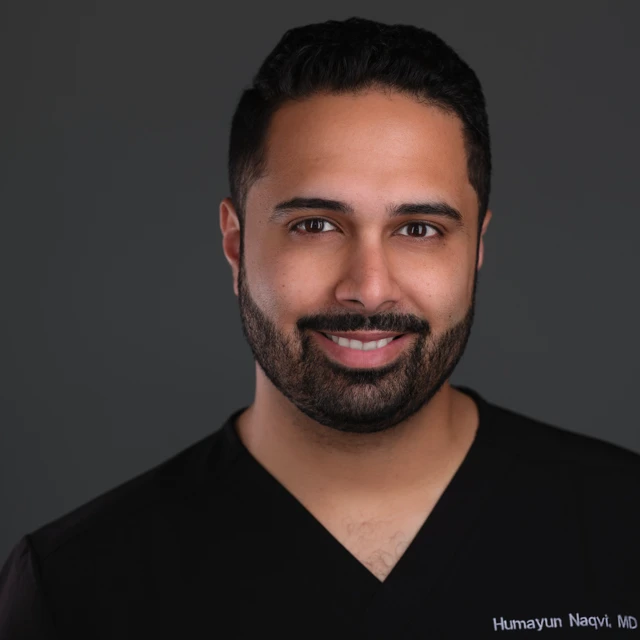
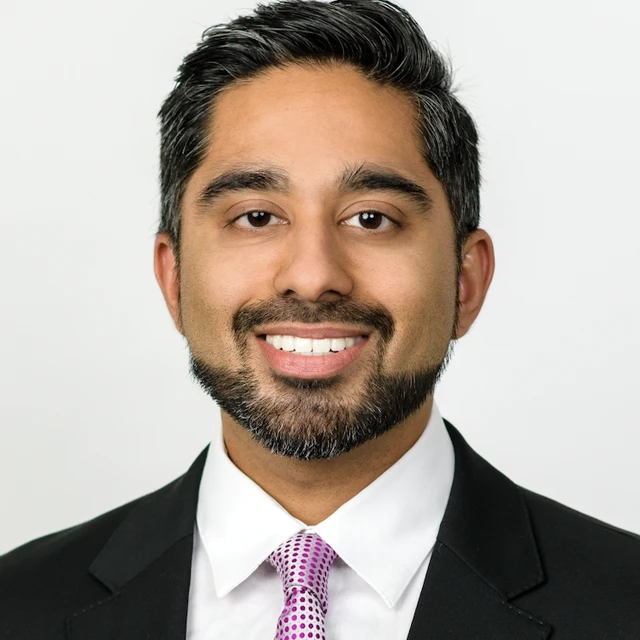
Your hosts