How to Avoid a Heart Attack
About this episode
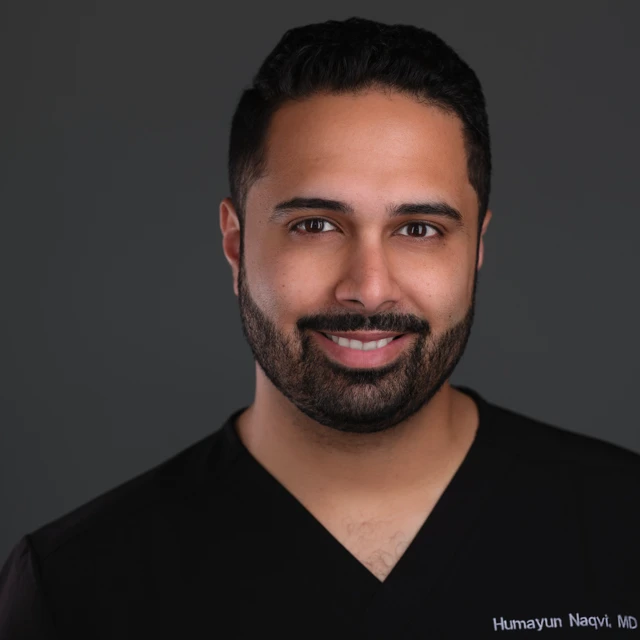
Dr. Humayun Naqvi breaks down how to actually prevent a heart attack, separating primary from secondary prevention and explaining what a heart attack really is at the level of coronary plaque rupture. He digs into the lab markers that matter most, including LDL, ApoB, lipoprotein(a), and hs-CRP, plus the role of coronary calcium scoring, statins, ezetimibe, bempedoic acid, and PCSK9 inhibitors like Repatha and inclisiran. The episode also covers South Asian risk, the LDL-times-age formula, and why supplements rarely beat proven therapy.
What we cover in this episode
- primary vs secondary heart attack prevention
- what actually causes a heart attack
- lipoprotein(a) testing and risk
- ApoB vs LDL cholesterol
- coronary artery calcium score explained
- are statins safe and do they cause dementia
- South Asian ethnicity heart disease risk
- can diet and exercise alone lower cholesterol
- PCSK9 inhibitors and newer cholesterol drugs
Full transcript
Hey everybody, welcome to Two Docs. One mic episode 4. I'm Adil and this is Hayo. How you doing, man? How's the week been? Round four, bro. We made it. Yeah, exactly. You had you had a good a good week so far? Yeah, man. It's been great. It's been uh you know uh getting busier and busier. This I think seeing a lot of teachers in my office this week. I saw a lot of teachers. I think teachers just don't take care of themselves. Like they come in and they show up.
They've been waiting the whole year. Things have been building up. uh symptoms are coming. They're they're anxious by the end of the year. Uh and then they show up the first week of uh last week of May, right before summer break. Yeah. Yeah. Man, teachers, you know, they have a very tough job. I feel like teachers have a lot of stress. Uh you know, they have to deal with a lot of kids. I think our state does not do a good job sometimes of supporting our teachers as well.
And uh they show up and uh you know, my wife used to be a teacher. So, um I remember just going to the school, uh helping her out, setting things up, uh her having to buy like her own supplies for the class. So, teachers have it pretty rough and they don't get get compensated well. And you know, this week I've been seeing a lot of them and they're like, "Yeah, finally I get to focus on myself." Which is I tell them, you know, cardiology, uh heart disease, big part of it is prevention.
and you know uh coming in seeing me regularly but sometimes people don't have options man it's it's it's yeah they don't have time and you know the the demands on teachers I mean a lot of jobs with teachers especially I mean there's a lot of expectations um for the kids um you know I just remember when I was in school right like it was so evident it's like an intangible thing like what is a good teacher but every kid in the class knew when there was an awesome teacher giving a giving a lecture um or you were in eighth grade and your science teacher was just amazing um they were just so committed But that it they have to give of their themselves, give of their time like you're talking about with your wife with Muriam.
She has to go buy her own supplies and then think about the lesson plan ahead of time, not just use the same old syllabus and really see what the kids are going to be into. I mean that takes next level of effort. It's it's real passion and those those teachers that are awesome, but it's sacrifice, right? It's you know, you sometimes ignore yourself in your own health. Um I think that's pretty common with people who are young and even in middle-aged.
You're so used to being healthy, so used to just sucking it up, you get sick, whatever. You you carry on, you power forward. Um, but you ignore your own health. And that that can have some serious consequences. Dude, I can't tell you how many patients I see in my office that show up uh in their 40s, 50s, and sometime it's too late. Sometimes they should have been someone who were high risk. uh they had all the high-risisk markers um but they didn't have the time or they they were just young.
They thought they were invincible uh and they show up in their late 40s, mid-4s, 50s and now they have a lot of heart disease which is once you have heart disease it's irreversible you know. So my my key key with all my patients is prevention. How can we prevent your first cardiac event? And for me you know in cardiology there's two things we talk about. We talk about primary prevention and we talk about secondary prevention.
So primary prevention is when we're preventing your first heart attack, first cardiac event and secondary prevention is once you've already had a cardiac event, how are we preventing your second cardiac event or your third cardiac event? And both are very different but very alike too. I mean they both have same principles. Um, but there's a pretty uh there's a misnomer about heart attacks. And you know, a lot of people don't know what a heart attack is. You know, have you noticed that? Yeah.
I mean, look, I'm an orthopod, right? The only thing the heart does in my mind is give blood to the bones. So, the bones bones. No, I'm just kidding. But that, you know, that is a that is a very big thing, right? I mean, it's almost like um like a knee-jerk reaction or stereotype that oh, a heart attack must mean I have chest pain. It goes to my left arm and that's like what a heart attack is. But I mean, you know better than me. Not always the most common symptom.
And even between men and women, I mean, it can present very differently. Well, it's not even that, right? I mean, a big part of uh asking about cardiac history and uh uh a big part of prevention is asking about your cardiac history. And when I ask patients about their cardiac history or their family's cardiac history, what have what's what's going on with their family members, has anyone in their family had a heart attack? Uh, you know, there's a lot of different things.
Yeah, I think they had a heart attack and then I asked them, oh, they had a heart attack. Did they have a stent placed in their heart? Uh, they're like, no, no, no surgery. So a lot of times for a lot of people heart attack is ends up being some kind of cardiac event for which they went to the hospital for but a heart attack uh is actually a very specific thing. Uh you know a heart attack is when there's plaque buildup in the arteries of the heart. You know we have coronary arteries.
These are small arteries you know that supply blood and oxygen to the heart muscle. And the heart muscle uh being very important uh needs that oxygen needs that blood to function. And if there's acute blockage or acute obstruction because of plaque and mostly rupture a plaque you know that's when a heart attack happens and a lot of times we have to treat acutely by putting in a stent to open up that blockage and that truly is a heart attack. There's multiple types of heart attacks.
I can get into nuances but having a just a cardiac event that you went to the hospital for uh sometimes doesn't really it's not always a heart attack now it was a serious event it was it was important to know about but it's heart attack is very specific uh thing you know uh so you know we I think um we a lot of a lot of misnomers or I guess incomplete knowledge too with stuff like you know heart attack is a phrase that's used a lot right it's a common thing that people use all the time.
It's not necessarily like a medical term, but yeah, there's there's nuance to everything. You know, one thing though that's interesting, you know, talking about the plaque buildup and is it reversible, irreversible, and this idea of primary prevention, right? Most people that are young and in middle age, you know, and they've never had a heart attack even though it can happen, right? But that that's a really primary prevention like you're talking about is critical.
I mean, thinking about like myself, you know, I'm in my mid-30s. I'm pretty healthy. I exercise a lot. I'm pretty active. But there's risk factors that everyone has. I mean, what what are some risk factors, like what are some things that you look at in patients like maybe like me, maybe I'm selfishly getting some medical advice from you right now, but like what are what is stuff that you look for in someone that otherwise seems pretty healthy? Yeah.
You know, u primary prevention starts at at birth, you know. Um rewind the clock. Let's rewind the clock. Let's go Earth. where where uh who are your parents? I mean you know at birth that's very important uh family history plays a significant role a significant role in uh cardiovascular disease. We're we're learning more about it and uh family history of early heart attacks. Early heart attacks maybe you know for males uh before the age of 50 or for females before the age of 60.
um you know if someone in your family in their 40s a guy or a female in their 50s had a heart attack that's early heart heart disease in the family and that's important to know because um you know that can create a huge impact on how your risk will be evaluated. uh when someone walks into my office and tells me, "Hey, my dad had a heart attack when he was 42." I pay attention to them, you know, I pay attention because I'm I'm concerned about them.
I have suspicious suspicions that they might have uh some ongoing coronary disease. Now, uh you know, uh the second thing is what is plaque? You know, uh plaque is uh a a mix of different things. uh a lot of uh cellular debris, waste material, um you know, m uh macrofasages, uh lipids, different type of molecules or um cells that uh flow through our blood vessels and they're constantly hit our blood cell blood vessels and damage the lining of the blood vessel.
So we have a little lining in the blood vessel called the endothelial layer endothelial lining and that consistently gets attacked by these cells or or damaged by these cells over time. and and there's a pretty good formula and it's not exact science but you know if you multiply um uh your LDL by your age and if it's over um you know um 50,000 um that uh means that you have a high risk of plaque buildup already. That's interesting.
So I mean just thinking of that you know I mean that simple equation right as you mentioned it's simplistic but it's just a a rough measurement age is a big factor I mean age is half of the equation so the older you get that's not modifiable that's just a reality but the LDL potentially could be right yeah exactly by the way I meant uh um 5,000 not 50,000 let me correct myself okay a huge number you have to be pretty The what? Okay. No, I was just kidding.
I was saying you'd have to be pretty old for it to get Yeah, you have to be pretty old then if it's 50,000. No, I I I misspoke, but it's 5,000. Uh, yeah. No worries. No worries. So, like, how how important is that? Like, you know, for example, I go to my primary care. I wish I could say I went every year, but I'm a little lazier than that. But last time I went, you know, you do the full blood panel, they check your lipids, and you know, everything for me was in normal range.
But that's something you're used to hearing even after going through medical school and stuff and being a physician myself like how important is the single value of LDL and then HDL and triglycerides like as a cardiologist when you see patients primarily in this sense we're talking about prevention how much stock do you put into that and how much do you chase those lipid values what we call cholesterol like talk about that a little bit because I think that's really interesting for people that are into their health and fitness and and the idea of prevention long term.
Yeah. So let's talk about what uh is tested on your cholesterol panel. Yeah. So uh the the number of names that we hear about LDL, HDL, these are lipoproteins. Lipoproteins are are uh types of carriers that carry cholesterol through our bloodstream. So cholesterol is pretty much fat and fat does not mix well with water, right? So cholesterol is essential to life.
We need cholesterol to build our cells, repair body damage, you know, it's it's it's a building block to cells, you know, and we need cholesterol to be transported from our liver to the rest of the body. Now, because fat does not mix with water, the cholesterol needs to be carried by certain carrier proteins like lipoproteins.
Uh now you can as just like we know in our on our streets on our roads we have we have good drivers that carry our cargo and we have really bad drivers that carry our cargo. So there are some lipoproteins that are not very good. They what they do is they they have certain proteins that could damage the cell wall as they flow through. If there's a large amount of them they can cause uh more plaque buildup than others.
whereas some of them are very good uh and they're they're protected because they carry your protein your your cholesterol from the body, clean it up and take it back to the liver and that's what we call HDL. Now the reason uh you know we talk about HDL and LDL is because they're easy to measure or calculate LDL is actually not a direct measure. When we check our lipid panels we're not really um calculating the LDL.
We're we're using uh a calculation that's based on your um HDLs and your triglycerides to come up with the number of LDL that could be in the in the formula. But there's another number called Apo B levels. Apo B um which is Apo B is a little uh tail that is attached to all types of bad cholesterol that that are running through our blood cells.
So that includes LDL, VLDLDL, IDL, you know, all the types of bad cholesterol have APOB attached to them and that's another new marker that we're learning about that flows through our blood vessels on all the bad type of cholesterol that can uh you know and now we can directly measure it. So I measure LDL and LDL is a pretty good cheap way to measure. Uh it has been proven through multiple trials uh that reduction in LDL uh improves outcomes.
And let me let me ask you this real quick just you know looking at a lot of this stuff because in in the past especially I mean this was a common thing that we we learned in med school is like a lot of these trials and a lot of this data and the numbers we have these lab values and what we consider population norms are sometimes not based on generalizable data like the initial population that was studied was very healthy young white males for example in some of the old cardiac studies but LDL it's pretty substantiated.
It's a pretty legitimate and trusted measurement and generalizable to men, women, old, young, different racial groups. Yeah. I mean, you know, that research is still ongoing as we know in the most of the history of research uh has been done ma mainly on uh white males, Caucasian males.
But LDL has been proven in multiple other countries in in South Asian trials in Asian trials uh large outcomes trial and LDL has been a very good marker uh for us to be able to predict uh cardiovascular events in the future and we know it's a modifiable risk factors through multiple trials uh where reducing LDL has shown improvement in prevention of uh you know cardiovascular disease in the future. So that that too is that too is interesting.
So, like talking about prevention and like lowering those values, like I is the goal just lowering it to that so-called normal range or in some people with different risk factors, is that normal range not even really their normal? Like is is there specific ways that you try to decrease these and you want to decrease more in people with higher risks? Yeah, that's a very good question. So, you know, that's part of the primary prevention um kind of protocol we go through.
Uh there's not really protocol. It's kind of it's protocol, but also sometimes with art, sometimes, you know, how good of a history you're getting because for every person, uh LDL has a different meaning, has a different value, a different cut off.
um you know maybe for a 25year-old uh a certain LDL is acceptable you know is is okay for the time being you know uh but for someone with multiple risk factors a smoker who's diabetic and is south Asian um you know LDL uh needs to be reduced much more aggressively so it's patient to patient it's more personalized depending on what your 10ear ASBD risk is now um a lot of times we used to make a decision and and still in the guidelines.
I mean guidelines are always behind as you know um guidelines are lag behind almost five to six seven years sometimes and they don't get updated and so how much fast research is going on cardiology we're still behind but we use this thing called the 10-year ASUD score uh which uh uses some data from the previous trials in the past um that you know you plug in your L your your LDL level your blood pressure your ethnicity um your age, um, uh, smoking status, uh, things like that.
And it creates a 10ear score. And based on that, if it's, uh, you know, uh, generally less than 7%, we don't do anything. If it's between 7 to 15%, there's risk assessment. Uh, and if it's more than 15%, you definitely are recommended to start statins. Now, a lot of risk factors that we know of are not being taken into account in that score.
um for as as in you know uh yeah they take into account diabetes but they don't take into account how much uh uh do you have metabolic disease per se what is your waist size you know waistide is a pretty good um predictor of your of your cardiovascular health as well.
So metabolic disease uh presence of metabolic disease which is inability of your body to process uh fat uh and inability of your uh body to appropriately use fat as energy and store it in inappropriate places like your waistline that's a pretty high risk marker. So someone with very high triglycerides, low HDL, high blood pressure, insulin resistance, uh those things uh a combination of that can be very damaging to the heart uh and can cause heart disease.
Now a South Asian ethnicity has known to be independent risk factor. Um you know that ASAD 10ear score does not take into account lipoprotein A. Uh lipoprotein A is a very interesting and a very hot topic in cardiology right now.
So um it's another one of those risk factors uh which is present in one in five uh individuals you know and it's one in five% that's pretty high% that's an independent risk factor huh independent risk factor and what it is it's a type of LDL particle that gets a tail attached to it called APOA um and that is extremely damaging to your uh blood vessels uh extremely damaging to your valves and there's an independent good correlation of high lipoprotein A with uh heart disease, stroke and aortic valve stenosis.
Uh so why do some people develop a valinosis and some don't? I mean a lot of times uh we see you know patients those patients with severe aortic valosis have that high lipoprotein A levels. uh you see those 40-year-old patients that are in shape, they've been uh exercising, they're strength training, their lipids, LDL per se. They're, you know, the basic lipid panel that their doctor checked, the LDL was normal, but you know, they have a heart attack in their 40s. They were not smokers.
Uh what happened? And a lot of times, um, you know, we're seeing that, you know, they're they're one of those patients that have a very high lipoprotein A level. Uh and right now so let me ask you let me ask you this. I mean you know so it sounds like lipoprotein Apoa Apo B all this stuff is bad these tails that get added to these LDL molecules these carrier molecules APO B so not apo apo B and lipoprotein A.
Uh so those are very damaging to your uh so then why I mean is it like just probability or cost like why are those not routinely you know like when you get a lipid panel from a primary care doc or whatever it's part of a routine blood work why is the default not to include those if it's known is it just there's a lag between the published data and these things being adopted mainstream I what what is the reason that these known risk factors that can potentially be acted on in young patients for prevention, not routinely done.
Yeah. Because you know for a long time LDL was a pretty good enough marker for assessment and only a small percentage of patients would be missed if you didn't check their APOB. So LDL is one of the apo right. So if you check the LDL LDL is high a lot of times uh that was good enough, right? And that's usually part of the part of the standard lipid panel. Another uh value that was always part of the standard lipid panel was nonHDL cholesterol. Yeah.
And that was also a good correlation for Apo levels. But now in the past few years, APOB has become much more easier to test and much more ubiquous. So we we can check that now. Now, it's not still being checked because uh lack of education or just knowing that LDL and nonHDL cholesterol is available. So, what really uh what why check apo levels?
And you know um it's reasonable for now, but I think down the line uh this one number apo will it's it might be a much better predictor of cardiovascular health than just your LDL. Uh now lipoprotein A definitely should be tested and in the newest guidelines everyone is recommended to test at least once. Uh why it's not being tested? I think a lot of it is more lack of education, lack of knowledge. A lot of people just don't know about it. Uh a lot of cardiologists don't know about it.
A lot of uh primary care doctors don't know about it. They're still they're starting to learn about it. Um but that's not being tested as much as we'd like to be. In my in my clinic, everyone gets a one-time lipoprotein aid check. Um, just because and especially especially if they have family history of heart disease. Uh, that's a definitely a given. Now, the other thing the other reason it's not getting checked is uh a lot of physicians ask, hey, your lipoprotein is elevated.
Okay, I find out lipoprotein is elevated. Now, what what do I do? I don't is it is it actionable? Right. Yeah. Yeah, it's not actionable. We don't have any medications right now.
There are multiple pharmaceuticals um you know uh that are working on treatments for uh lipoprotein a you know name MJ noardis lipo uh Eli Lilly uh um multiple different pharmaceuticals are working on those trials um there are certain I'm not going to say specific names or specific details because these trials are still ongoing but some of the drugs can decrease your lipoprotein A by almost 99%. Uh what we don't know yet is if decreasing your lipoprotein A um does anything.
You know we don't know if it really uh leads to prevention of cardiovascular events. We know the correlation there. We know that increased lipoprotein A is associated with high risk for heart disease. We just don't know if decreasing it helps. Um this you know it's kind of people were disheartened by what happened with HDL.
You know, we knew that high HDL levels were protective and um you know, people who had high HDL levels tended to have less heart attacks, but uh we tried many different therapies over years and different trials to increase HDL levels and nothing really showed any improved cardiovascular outcomes. So uh you know that you know people were doing nascin and things like that and that ended up being more harmful. Um so I guess it's kind of like you know it's the same thing with any of these labs.
It's you never really are chasing a single lab value. I mean it's kind of the whole approach the whole the whole health in that way. But so what about like you know the current medications that exist? I mean statins are something that basically everyone's heard of. I mean there's commercials on TV, primary care docs, cardiologists, a lot of people prescribe them and from my understanding they're very very powerful and successful medications. They've been around for a long time.
And there's a lot of data on a lot of patients, very long-term studies that they help, but people have a bit of a misconception, I think, sometimes about statins or worry about a side effect profile. Talk about that a little bit. I mean, what what how do you use statins in your practice? Like what is the patient in terms of this whole idea still of primary prevention like when would you enact statin therapy? Yeah. So, you know, a patient walks into my office.
Um you know I I first first thing first I said we get a good history you know um what is their family history like anyone in their family in their 40s and 50 50s had a heart attack right are they smokers you know are they do they have a high stress job you know are they always stressed out they have have a high stress job uh are they getting at least seven hours of sleep every night you know um the are they um are they smoking are they using any kind of inhaled or smoking product, any tobacco products, any nicotine products, right?
Uh do they have diet? Do you uh do you include like dip and things like that? Even though they're not smoking it, it still has Yeah. Yeah. Nicotine ingredient nicotine which is a vasoc constrictor. So that is a risk factors. Now the other thing is hypertension. You know a lot of people have uh masked hypertension hidden hypertension. We don't we don't they don't know they don't have symptoms from it. But hypertension is a silent killer. You know we don't feel it.
you don't know it's it's there but uh and by hypertension I mean high blood pressure so they have a high blood pressure which yeah a lot of times when they come to my office their blood pressure gets tested uh yeah it's high oh yeah you're in the doctor's office you're a little stressed out you're nervous you just chalk it out to that but is it truly high uh does it need to be lowered um you know uh some of the signs sometimes I see on those patients I see when I do an echo cardiogram I see a thickened left ventricle you know their uh left atrial sight eyes may be enlarged.
Their ventricle might appear a little more stiff. So that tells me that they have latest stage hypertension. They have hypertensive heart disease. So you know I create a profile. I create a a risk profile in my mind. And then I look at their LDL levels. I look at their apo B levels. Um I look at their lipoprotein A levels.
And the other thing I look at is uh if they have a high inflammation or through a value called HSCP, high sensitive CRP, which is still a little early in its development or you know in its in its actionability, but it's a good indicator that they might have some underlying risk for heart disease uh uh because they have increased inflammation in their arteries. The inflammation leads to arterial damage as well. You know, that that's interesting like a a little segue.
the CRP um it's a very common lab that we actually as orthopedic surgeons get mainly when we are looking at infection especially like if I do a joint replacement on someone or someone gets referred to me who had a joint replacement outside and it's just ongoing painful it's draining or something it's a it's a marker that is pretty sensitive and rises pretty quickly in the setting of infection um so that's interesting that I mean infection does the same thing it creates a pretty strong inflammatory response and C reactive protein is one of the first markers one of the first mediator ators that gets produced um and can be measured pretty quickly.
So interesting that it correlates with this too. Yeah. The inflammation and in terms of in terms of cardiovascular we we we're not looking at H CRP just uh because that's more generalized inflammation. We are looking at more uh high senses CRP which has a little bit more correlation to vascular inflammation or uh uh so uh that's one thing.
Now a lot of times you know um I have a discussion if the risk factors are in your face definitely okay um they're South Asian diabetic smoker you know there's no doubt they're getting a statin they there's no doubt about the fact that they they they need some lipid lowering therapy and I say lipid lowering therapy for a reason.
um you know now sometimes it can be a little bit of um doubt where okay they have some they have a LDL of maybe 160 150 but they're in their late 30s don't they don't have much family history um they have maybe a couple of risk factors which uh are modifiable what do we do now at that point uh I use a very important tool that uh has become a big uh um you know a very important tool for a lot of cardiologists which is calcium scoring.
Um calcium scoring um is a CT scan very cheap simple CT scan lasts 15 minutes you know total appointment time where you go in you just get a quick picture of your chest um and what it measures is the amount of coronary calcium or art the calcium buildup on your arteries. uh it it assigns a certain value called the agots agitson score to each calcium uh pixel and creates a score based on that.
And through multiple trials and over the years we found out that um zero calcium is associated with very low risk for heart disease. So um there's been a lot of trial uh tri trials done and you know some people believe in it some people don't believe in it but there there's a big push for believing in the power of zero calcium score uh because someone with a diabetic with zero calcium score is much lower risk uh compared to a diabetic with a high calcium score.
So, uh, having a almost like just to interrupt you for a second, it's almost like an imaging method compared to we've been talking about labs a lot. It's an imaging method that kind of gives similar information, right? Yeah. As the APOA, all that stuff that basically these objective, if you want to think objective measures can definitely, if they're positive or high calcium score in this case, can lead to higher risk of cardiac events or of a heart attack. Exactly.
That's the beauty of cardiology. Everything is objective and you're, you know, we have so much data, so many so many trials showing us benefits of all these tests that we have and we have a lot of tools. That's why I love cardiology. You know, it keeps it simple. There's not a lot of vagueness compared to Yeah. And it's it's measurable, right? And I think that's that's interesting to a lot of people.
I mean, currently there's a huge interest, I think, across the board, you know, as data becomes more prevalent, people are becoming more aware, wearable technology that everything is measurable. People measure their steps in a day. They measure their average heart rate. They measure how long they sleep. I mean, I think it's very fascinating um to think about this stuff and to have, you know, your own baseline and really see what your individual risk profile might be. Yeah.
Um so, like again going back to like myself or anyone like me as an example, someone in their mid-30s, overall healthy, like at what point would you seek out a little more than your routine HDL, LDL, triglyceride, lipid profile?
At what point does the average person I mean I think you know the the example I give a lot of my patients is uh do you stop smoking once you develop lung cancer or do you do you figure out your risk early and do everything to prevent cancer right you stop smoking before you develop cancer rather than start stop smoking only when you develop cancer. Now having coronary calcium already there is is latestage disease.
Uh when you start developing plaque you first start developing soft plaque and as the soft plaque gets old and uh you know there's uh there's plaque death per se death of cells it it attracts calcium and calcium starts developing. So having having presence of coronary calcium is a fact is is tells us is a surrogate for that you already have had plaque buildup for a very long time.
So is that can that be decreased like have you seen no once it's there it's there even if you begin enacting the appropriate treatment. It'll just potentially prevent it from worsening but you cannot reverse the presence of that calcium. Yeah. Once you've developed calcium it's irreversible for now. I say for now for everything in cardiology because Yeah.
Yeah, change there are some there are some you know small studies done with certain drugs that have shown maybe some plaque reversal certain uh uh vitamin combinations have shown a reduction in your calcium score but it's not proven those are small studies can can treat patients based on that but uh what for now what we know is once calcium uh develops it's irreversible and it's a surrogate for soft plaque and that's why I'm personally still not a complete believer in the power of zero because uh calcium score tells us that there is no calcified plaque but it does not rule out soft plaque and in that case uh you cannot ignore other risk factors of heart disease.
uh you know for example if uh if I have a you know patient who is diabetic hypertensive uh poorly controlled diabetes uh they smoke and they come to me and I do a calcium score of zero that does not mean I don't treat their uh treat them with a lipid lowering therapy u so I think prevention starts early prevention starts in your 20s uh by just getting a basic lipid panel and maybe getting your lipoprotein a checked uh Maybe you don't need a calcium score that early on, but you know, uh the other part of prevention is building those early habits of strength training because strength training plays a huge part in how you metabolize and use fat as energy.
Uh when you start strength training uh early on in your life, your body learns not to develop that metabolic disease. Doesn't need knows how to store fat properly. does not stores does not store fat just around your liver around your around your waist which uh you know leads to more insulin resistance. So so strength training early on that's part of prevention.
Knowing your lipids early on that's a big part of prevention um avoiding things like smoking you know and um you know knowing your family history. So that starts early on right now as you grow up as you go in your 30s that's kind of where you start looking at all your risk factors. What are the risk factors I have? Do I am I developing hypertension? My family history, am I smoking? Am I am I diabetic? What are my Apo B levels or my LDL levels? Do I have high lipoprotein A?
And that's where you can have a discussion. Okay, do I want to just get on a statin right now or should I should I uh do a calcium score to see if there's any coronary artery damage? And if there is, maybe I definitely need to get on something. Now, uh you know, I've been seeing saying uh statins um um but that's just uh one of the many lipid lowering therapies we have. We do now have non-statin lipid lowering therapies.
Uh but statins are still the most effective uh the cheapest ways of treating um patients uh and to lower the lipids. Now the only problem is there's been a lot of online uh grifters, a lot of uh non-cardiologists, a lot of non-physicians that have gone on different shows and have gone on different uh platforms and spoken about statins. Uh there's some kind of uh um misinformation about statins that it causes dementia or it causes Alzheimer's where there's no no evidence of that.
uh you know uh statins have shown to actually prevent uh vascular dementia uh um and there has been no link so far with with Alzheimer's and I I there are all the studies we've had have there's been no correlation and only has shown pre prevention of dementia but um the reason people have started saying that because less than 1% of the people sometimes who take statins can develop a brain fog and that goes away once once they stop taking the statin.
The most common side effect from statin is myopathy or uh muscle pain, muscle aches, you know, and people feel that when they exercise or they get achiness in the muscle. Um so at that time we try to adjust the therapy. Okay, let's lower your statin therapy. Uh the other thing uh statins can do is it can cause a small bit of insulin resistance as well. So people who are on the cusp of diabetes um can sometimes statins can worsen insulin resistance and make it make make their glucose levels worse.
But we know the reduction of cardiovascular disease from statins reduces your risk much more than the insulin resistance it causes. Right. Yeah. I gota so that that's interesting. I mean there's a lot of falsehood out there or trying to manipulate data. I mean, it's just kind of like, you know, that old Lancet article talking about the link between vaccines and um autism, which has been debunked and retracted, but it keeps being perpetuated mainly by people that are not medical professionals.
And um it's kind of the same thing. I mean, it like you were mentioning, statins are one of the oldest, most consistently used drugs um like in medicine. Pharma and pharma is not making money off of statins anymore. And the statins are cheap. They're they're cheap and uh they are mostly generic. Right now, if I go on a podcast and on a TED talk and start talking about statins, I'll get a lot of views. Right?
So, it's it's unfortunate, but a lot of even medical professionals now and some cardiologists even have gone on to talk a lot of um spread a lot of misinformation about statins, but there's no proof of that. There's no articles. They site studies there with like with with with 100 patients and they say okay this this caused this. You cannot do small time studies or or uh uh retrospective studies and and show that something causes something you know. Yeah.
You can't you can't establish causation with that. It's it's it's just a correlation at best. But that that you know there's opportunists unfortunately in everything that will subvert public opinion with being articulate and you know they'll gain whatever they want out of it. they'll gain notoriety um but they can do a bigger harm. Yeah.
One one thing to uh one thing to to talk about I think which is interesting is you know what about the young person which is I think pretty common you you talk to friends you hear about a young person late 20s early 30s they're pretty healthy or they they believe they're healthy um and they go and get their standard blood work and they find out hey I have high cholesterol my cholesterol numbers you know that's a common thing that they have high cholesterol. Now what do they do?
What does that person do who doesn't really have a lot of other risk factors but the labs are now concerning. H how does that person go about it? Yeah. So lab is just one of one one part of the equation. Right. So as I said let's create a whole risk profile for them. This is a young person who does not want to get on the medication right away. So where do they stand from their risk standpoint? Are they you know you you check their A1C.
Hemoglobin A1C is a measure of 3 months average of your uh blood sugars in your blood.
So you know you you you you check if they have insulin resistance and you you see how much are they exercising are do they have a pretty uh do they have signs of metabolic disease uh are they hypertensive uh and create with all those different things I me mentioned you know are they are they getting seven hours of sleep uh are they do they have a low stress job or high stress job based on all those things you create a risk profile for a patient now if they still are not very sure about you know u taking a medication yet.
Um, I always like to present objective data. So, that's when I order a calcium score for them. Now, I order a calcium score for older patients. Uh, much more older patients always tend to have calcium buildup. Uh, calcium building up in your heart is inevitable. Uh, but uh, younger people developing coronary calcium in their 30s and their 40s and 50s, that's that's alarming, right? That's that's how that means they have latestage disease.
uh and that's when I had the discussion okay let's you know okay your calcium score is zero but you have very high lipid and these risk factors why don't we uh build some good exercise habits and dietary habits for the next 3 months let's try to do more strength training let's try to increase the size of your muscles let's try to work on your big muscle groups your uh you know do some focus strength training uh let's try to eat less saturated fats um you know try to eat focus more on the Mediterranean style diet, you know, with high amounts of u you know, fruits, vegetables, um uh grains, lean lean proteins, uh and let's recheck in 3 months and see what you can accomplish because let's not leave this unchecked for another year, 2 years, 3 years because time is against us, right?
The the more the amount of uh apo containing particles are flowing through your arteries, the more damage you're developing in your blood vessels. and you don't know what kind of stress will lead to that plaque rupture event where your the the soft plaque and your arteries will rupture and it'll cause uh a heart attack. So it's a it's like a ticking time bomb. Yeah.
Interestingly, you know, when someone has a you know low calcium score of 50 and you start them on a lipid lowering therapy, uh their calcium score always goes up. Uh calcium score goes up really it goes up because the soft plaque is getting calcified at a faster rate and calcified plaque is much more stable. uh and and does not rupture, right? Versus soft plaque is that risk of rupturing. So, you're actually reducing the risk by by stabilizing the plaque.
And that's a big part of what statins do. Statins don't only lower your LDL, they stabilize the plaque and reduce inflammation.
Um but statins are just one of the So you know what I've realized through years of uh practice is um if you don't have buyin from a patient where a patient has made up their mind they're not going to take a statin they're not going to take a statin and they always always always have muscle aches when when they take a statin skeptical of statins and I start them on it I convince them they end up having muscle aches.
I mean almost without a doubt I can maybe count those five patients who said they were skeptical but that did not have muscle aches now they're taking it but everyone has when when you don't have buyin from patients you cannot get anything accomplished so there are other medications um you know there are uh there's statin medications uh then there's a medication called isetto you know isetamide uh can reduce your LDL levels or apo levels by 15 to 20% Uh so a lot of times they go well with statins because statins can cause you know can can reduce your LDL by almost 50%.
Uh uh high intensity statins. So combining them with zedia can um you know so they're pretty synergistic huh pretty synergistic effect. And sometimes if you need to lower the statin dose because of side effects you can add the zetami and kind of uh you know adjust for the lower LDL.
uh for my higher risk patients uh uh PP patients who've already had heart disease they need secondary prevention patients who have positive coronary calcium uh they have a high lipoprotein A uh they're smokers I always aim for LDL of 55 because LDL of 55 has shown u to really have a big impact on preventing heart disease and heart attacks uh and maybe some early early data showing this maybe some plaque reversal as well but we don't know that yet Um but uh high so my goal for those high-risisk patients is uh lowering the LDL 25 to 55 or lower.
Um now if statins and zedia don't work there's another pill which is newer and it's bmpedoic acid or nex and nextol combined with uh isetamite can cause a 40% reduction. So that's another pill form that can be used and has a little bit less side effect profile. Um you know and it's pretty overall pretty well tolerated. So that's that's another one. Now uh the big the big guns uh which I love and have have had really good outcomes in preventing cardiovascular disease are the PCSK inhibitors.
And what they do is, you know, there's they pretty much lower your uh LDL level by increasing the amount of receptors that uptake the LDL uh into the liver or into the body.
So uh PCSK is this this you know and I don't want to go into the science of this but but PCSK inhibitors so some medications like Rapata uh or Prowluin which has less of a market share but mostly Rapata is a very good one and then there are indirect PCSK inhibitors uh like uh in glyceran or levio uh and those are uh pretty good because the rapatha is once every two weeks you inject it it's in injectable uh and you uh you do it every every uh two weeks and in glycerin uh is every 6 months actually.
Oh wow. That that's a lot easier. I mean in terms of the regularity of taking it. You know it's just interesting hearing like you know there's so many medications so many different options right that you can titrate depending on the patient the patient's lifestyle ability or desire reliability to take a medication regularly or not. Um you know one thing I think is is interesting and you know you see this often. I have family members that are like this, friends that are like this, right?
Especially young people, you know, you have this baseline almost like an aversion to taking medications, right? It's almost like um like a badge of honor. I don't take any meds. I don't take I don't like taking pills. Um and people try to just manage with diet and exercise. And I mean, I think that's valiant.
Those are both important things, but like you're talking about when you have real risk factors, real objective findings, sometimes diet and exercise alone, although important, may not be sufficient. Yes. So there's data that diet and exercise together reduce your LDL by 15%. 15 15%. Compared to I mean 50%. Yeah. Yeah. So So yeah, uh uh LD uh exercise and diet can have an impact, but uh but that impact comes early on, you know. It comes early on when you are in your teens, 20s, early 30s.
You're building those good habits. You're exercising regularly. It's more the the lifestyle from your youth. Yeah. Once you've reached in your in your late 30s, you've never exercised. You your your waist circumference is, you know, huge. You have insulin resistance. Yeah, exercise and diet is still the first option, but it's a little too late. you know, we we we do need to kind of we're already behind the game and we need to get on there.
We need to aggressively lower your other risk factors and the risk factors include lowering your blood pressure. I mean, we need to sometimes start you on the blood pressure medications. We do need to lower your lipid lipid because you've had high lipids floating through your blood vessels for so many years unchecked and now they need to be reduced.
Now, if the lifestyle changes were there from the beginning in your teens, your 20s, your 30s, you were eating un nonprocessed foods, you were you were eating, you're exercising, you were eating lean meats, you were avoiding fast food and sodas, and you know, um then yeah, maybe we wouldn't be here right now, you know. Um but a lot of times the lifestyle education doesn't come on until later. I mean, you don't realize until your late 30s that you're you are you're not invincible.
things can happen when you see your your friends or your close relative have real events that's when you realize okay this might be this might be real and I need to do something about it and that's when you seek a cardiologist and hey at this point you know we do need to do something we can't just resist medications the same people if you go look at their drawers at home they're full of vitamins and supplements uh you know u we we really haven't you know the as you know, vitamin supplements, they're uh there there's a certain role to them, but not all vitamins are the same.
And there's no large scale studies to study what these supplements or vitamins have an effect. They're not regulated. So, we don't even know if someone's saying that there's fish oil in this. Is there truly fish oil and what is omega-3 content? We can't test it. Now, um you know, uh they've done many studies with fish oil.
uh and they really haven't found any reduction in cardiovascular disease except uh you know there was a trial with the seipa which is a medication which is a high-grade omega-3 u pill that has shown to lower triglycerides and maybe lower some cardiovascular risk events but the supplements that you buy off the shelf we don't even know what is the content of uh and the quality of the omega-3 you're taking from that that is it truly reducing your triglycerides to have an event have an effect right So those are all the things but um you know people prefer to take supplements which are untested, unregulated versus medications that were closely monitored and tested.
Uh a very good way to saying that is if there was a supplement that truly worked, a big pharmaceutical would buy it and make it into a medication and make a lot of money from it. Yeah. For better or for worse, money talks, right? It's just the way you think beets are have not been made into medication. Yeah, they they lower your lower your blood pressure a little bit, but they're not effective enough to lower the blood pressure enough sometimes.
So that's why they haven't been turned into a medication by Eli Liy or Noardis to sell for thousands of dollars as a blood pressure lowering medication. So it's not always Yeah, I want to be all natural, but some of these supplements are just not always natural. They have a lot of different components added to them. No, for sure. You know what's what's interesting is like I you know every now and then a patient comes in to my clinic um like with an injury. You know they just fell. Nothing crazy.
Fell while they were walking in their house. They fell on the neighborhood. They fell at the gym and they come in with a really bad fracture and they're not that old. They may be in their 50s. Not really the age you would expect someone to have osteoporosis. And they have such poor bone quality like market osteopenia. When you look at the imaging and when you take the surgery and you fix them, their bone is so fragile. I mean, you can almost bend it. It's see-through.
It's it's so flimsy and thin. And you know, I have like this is anecdote, right? But a a decent number of patients that fit that description that were basically told by their primary care doctor cardiologist some years ago that hey, you have high cholesterol, high this, high that. And they basically became vegan, like 100% vegan, including all animal protein, dairy, all that stuff. essentially just grains, fruits, and vegetable diet. And they're basically very malnourished.
They have very low protein and they're not getting adequate nutrition to the point that their bone mineral density for someone their age is extremely low. And I I just see that often enough that I'm surprised, you know, and that that's kind of why I ask you that question like is diet and exercise alone when you have risk factors for one, is it substantial enough of an effect to be reasonable to do? And two, what are the downsides?
If you take such a drastic change in your diet to the point that you're sure maybe avoiding edible cholesterol, what is the consequences for your total nutrition? Yeah, we we already know that dietary cholesterol does not raise your cholesterol. Uh the cholesterol particle does not get absorbed through the gut and the the particle is too large. So it does not so you know uh a lot of times eating shrimp or egg yolk does not really raise your cholesterol that much.
Uh you know uh but eating saturated fat uh and and and your body not knowing how to store that fat and use it for energy is is a is much more damaging.
using added sugars, you know, having large amounts of sugar flowing through your through your body and then converting into fat uh causing insulin resistance and then and then you know leading to heart disease is much more much worse right so uh I think everything in moderation I think the the only studies from what I'm aware of and I'm not an expert on nutrition most doctors unfortunately need more education on nutrition but uh one of the only uh studies uh diets that have shown some benefit is is uh the Mediterranean diet uh has shown reduction in blood pressures and uh cardiovascular uh events as well.
Uh recently there was a there's there's a lot of debate about the study that they did regarding keto diet and um the way it was presented by authors was a little misleading sometimes but when you looked more into the study it showed that people who already had uh aththeroscerosis uh the progression of their plaque was much faster regardless of their LDL levels uh on a keto diet. uh you know um ke uh patients that come in with a keto diet have huge or large variances in their LDL.
Sometimes you see LDLs of like 200s 300s with them. Wow. Because they're only on pretty much a high saturated fat uh uh diet of red meat. Um so and that's that's shown to be very damaging to uh so you know there's a lot of different things. I mean, you know, we've been talking I can talk about this for another two hours. Uh there's a lot of different things to talk about in cardiology. Um there's so many different tools.
Uh I'm very excited about the the lipoprotein A data that's supposed to come out next year or uh late next year uh to see if that truly is because that can be a gamecher. We could be reducing the risk for almost 20% of the population. So I'm excited about that.
um calcium score I think has been a very important tool but um you know uh that I've been using a lot but I don't always I don't always look at it as well and done and just because someone has zero calcium I still there's a lot of cardiologists that might argue that once they have zero calcium you can feel safe the risk of a 10year uh risk for heart attack is less than 1% but you know I'm still yet to be convinced because I do think other risk factors matter and I've had many patients with zero calcium scores that um you know because they had other risk factors um I started them on medications even though they their calcium score was zero um because I know family members that had zero calcium scores ended up having a cardiac event now that's anecdotal as well the large studies do not show that yet uh but I know personally of patients who've had cardiac events due to calcium scoring yeah I mean it just highlights right like there's no one factor you can just use across the board for everyone which that's that's what medicine is.
I mean everyone has a lot of different variables at play that guide their health. That's what keeps our job jobs interesting and uh yeah luckily cardiology um so far is not is not is not going away because people are always going to have heart disease. Yeah, no kidding. Start exercising guys. Start exercising at your 20s like you know start strength training, exercising and avoid processed foods. That's all we can do right now.
If you're young, you're in your 20s, if you can do one thing, that's it's exercise, strength train, and even if you're beyond that, right? Like it's it's never too late to start. Um, you just got to do it. You got to do it. Well, you got to do it, baby. You heard it here first. Get your calcium scores, everybody. Get your calcium scores and get your lipoprotein checked. All right, everyone. That was great, man.
Thanks for uh if you're South Asian, if you're South Asian, just know the ACC guidelines for your ethnicity as an independent risk factor for heart disease. So uh if you're South Asian, go get yourself checked. There you go. Put away the nihari, pick up the nascin, everyone. Okay. Um well, this was a good episode, man. Let's wrap it up. Thank you everyone for tuning in. This is very interesting. I I personally learned a lot. Maybe maybe I'll come see you and get some uh APOB stuff checked out.
All right, guys. Thanks for tuning in. We'll catch you next time at $2 insurance. Make sure you have insurance, bro. Yeah. No.
Your hosts