Noise vs. Truth: Can You Still Trust Health Advice in the Age of Politics and Conspiracies?
About this episode
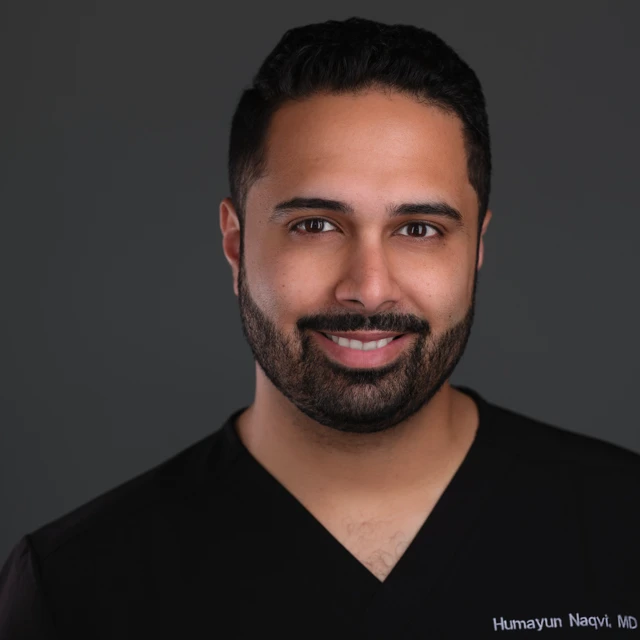
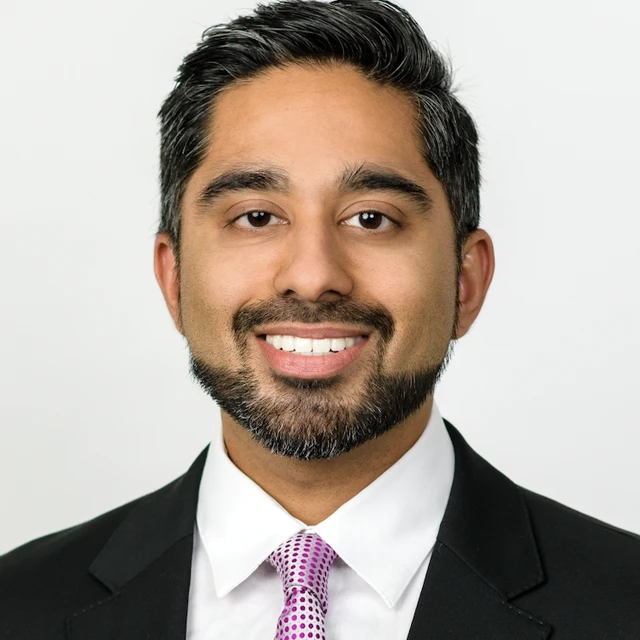
Dr. Humayun Naqvi and Dr. Adil Ahmed tackle whether you can still trust health advice amid politics and conspiracy theories, from Antarctica and JFK to the new federal dietary guidelines that 'flipped the food pyramid.' They unpack the real science on saturated fat, LDL and ApoB, red meat vs fish, RFK Jr. and HHS, the anti-vax and pick-and-choose vaccine schedule movement, the wellness industrial complex, beef tallow hype, and how COVID-era mistakes eroded trust in medicine, statins and vaccines.
What we cover in this episode
- Did the new dietary guidelines really flip the food pyramid
- Is saturated fat and red meat bad for heart health
- LDL, ApoB and atherosclerosis explained
- How politics has politicized health and nutrition guidelines
- RFK Jr., HHS and the anti-vaccine movement
- Why people pick and choose vaccine schedules
- How COVID eroded trust in doctors and medicine
- The wellness industrial complex and beef tallow hype
- Why patients refuse statins over misinformation
Full transcript
Heat. Heat. N. >> like mapping Antarctica like you know hundreds even thousands of miles under the ice surface and there's like fullon there's like areas of great plains in there there's huge valleys that are carved out by the glaciers there's even mountains I mean like massive alpine mountains that look like I mean almost like the Alps but like fully under the ice shelf. It's like an entire actual like livable continent just happens to be covered by like hundreds of miles of ice. It's wild.
Like see some of those maps is crazy >> too that you know in in back in the 20s we discovered a whole civilization there but we made a deal with them to keep them uh invisible. There's all these crazy >> dude the conspiracy the Antarctica conspiracies are crazy. >> Yeah. Yeah. Yeah, cuz it's hard to prove to. Like, who goes past a certain amount of Antarctica, there's not much you can explore on your own without any kind of, you know, supervision. So, >> yeah.
And that's that's like another thing. It's like, you know, the average person, if you go on a mission or voyage or whatever to Antarctica, you can go and see it. You can stand on the ice, you can look at some penguins and see a couple of the outposts, but you can't go beyond a certain point because it's actually blocked off. And that's why there's a lot of theories like, "Oh my gosh, what are they doing? Is it like a pseudo Area 51? like what's happening over there? It it may just be impassible.
>> Yeah. I mean, you know, I mean, there's a lot of flat earthers probably too that, you know, talk about how you you can't go past because you're going to fall off because that's the edge of the world. [laughter] That's why they don't let you see it. You know, the these conspiracy theories are clear crazy was, you know, when people um you know, when people don't know what's going on, they come up with different ideas.
I mean, you know, that's how a lot of things in history were created in the past. You know, people couldn't explain certain things and then they would they would just come up with theories about it and people would start >> Yeah. They would attribute it to some type of magical or supernatural stuff like thunder. Oh my gosh, that must be from Zeus. It can't be any normal phenomenon. And then you figure it out later. >> Yeah. How it works. Antarctica stuff is interesting.
Sometimes shows up on my shows up on my YouTube feed. Well, I kind of want to watch it, but I haven't really delved into that. Uh, but yeah, >> I I took somewhat of a deep dive. Maybe more than a deep dive. I mean, just some of the conspiracy theories are so interesting that like aliens are still down there. That's where like we made first contact.
You know, there's this stuff about like there's some heat source, like a massive heat source under Antarctica because the entire ice shelf of the whole continent is heating up and it's unexplainable like why it's happening. There's volcanoes in Antarctica under the ice, you know, but it's just there's a lot of interesting stuff. I mean, it's a huge you dive down the rabbit hole, you know. >> There there becomes these camps in uh when when you come up with conspiracy theories.
There's people that truly believe it and they will come up with any ideas, any theories to explain that and then there's people that just do not they refuse to even give any credence to these theories, right? No way. But somewhere, you know, there's some a lot of times there's some truth to some of these things and some of these things are uh just complete BS. But sometimes I'm I'm in the camp where I, you know, if I hear something crazy, I I think about it. I'm like, could it be true?
You know, could it be could it be >> Yeah, of course. >> You know, and then I I think about it, I look into it. What are the theories that people are presenting?
like hearing other people's views and I like hearing these crazy theories because you know uh probably in my 20s and and and you know mid20s or teens I was you know a complete denier of any kind of craziness but as I've gotten older and I've realized man there's some crazy stuff out there conspiracy theories have a lot of uh reality behind them you know uh how how a lot of times the government is involved how the the you know the establishment or the deep state has fingers in a lot of things and there I've started to believe in a lot of conspiracy theories.
not truly believe it, but at least give it some uh >> Yeah. I mean, I think, you know, like you got to lend a little bit of thought to stuff like there's a reason why some of these conspiracy theories have such a big following is because a lot of the stuff in some of them makes sense, you know? I mean, for example, like Area 51 is a common one that people talk about, oh, there must be aliens there. Anytime an area is restricted, right?
You know, people are going to come up with theories like why, you know, why is it restricted? Why is the government not allowing access? They must be doing something crazy there. There must be something hidden there that we are not supposed to know. Uh you know, I think that kind of mindset is very appealing. You know, it's like the premise of mystery novels, mystery movies. Uh people just like that.
They they like creating ideas and fictions around something that they don't know and they're they're prohibited from knowing. >> Yeah, for sure. I mean, you know, there's such a change in our u I was watching this documentary about JFK assassination. Uh and before >> talk about a conspiracy, man, there there's some conspiracies floating around about that.
>> Well, yeah, talking the JFK assassination and that was a big switch in the psyche of the American people because before the JFK assassination and and all the the investigation afterwards, people used to trust the government. You know, people used to trust the government.
They they there was you know one belief like what the government told you people believed that they're on one page for most part the news people believed that there was one sh one one news channel and one show and you know that show would come on and people would listen everyone would have the same ideas right everyone was united because uh people just had trust in those institutions but after the JFK assassination and what and how it was handled afterwards and the investigations that was done that's when there was a switch moment point where people completely stopped believing in a lot of these a lot of the government institutions and then the whole uh thing with Nixon and then uh you know Iran Contra affair and you know the the the trust in government just completely eroded over time and I think now I do not trust anything our government institutions to get here on mainstream news >> that baseline skeptical I I totally did >> baseline skepticism right and that's what's kind of happened with medicine if you if you see you know a lot of the health policy has gotten so politicized over time that you know when when a certain uh of a government that's in power at that moment and the the health organization that's running like HHS or um you know um FDA whenever they announce something or ban something or approve something uh the opposing party or people who are not um you know supportive of that government just come out against it right away and they say no this this is this is this foolish that has no benefit no evidence and how can this government, you know, say that and when that other party goes out of power and the other party comes in, then the opposite is true.
And >> yeah, it's it's amazing how like, you know, if you just think about it in very simple terms, you know, human health should not have partisan opinions, right? It shouldn't be dependent on party lines. It doesn't really matter whether your beliefs about government control and involvement should really reflect what happens to the human body in terms of your health. Health is health, right? Or it should be.
It doesn't really matter whether you are conservative or liberal in terms of how you vote. What is healthy to eat shouldn't really change. That's my opinion, right? It shouldn't really change based on who happens to be in office for four years. Uh because that doesn't really matter in terms of is this food healthy for me to intake? Is this diet pattern, is this exercise routine good or bad? Exercise is good whether the person sitting in office is a Democrat or Republican, right?
But it's amazing how some dietary guidelines, pharmaceutical guidelines, all of [snorts] this stuff is politicized like you're saying. It does matter because the people that make the decisions at the CDC, the FDA, the World Health Organization, all of this stuff, the people that make those decisions have very strong political leanings. They're elected or appointed. Um, and so they're beholden to outside interests. >> Yeah.
It's gotten worse over time because, you know, people would stay on the office and sometimes, you know, heads of these agencies would would uh have terms in in the Democratic government and the Republican government. You know, these people would be nonpartisan and they would have credentials behind them. They would uh they would be physicians or scientists who had long years of research or, you know, credentials that supported the work they were doing.
Um, but I think as time has gone on, people in both governments, both the Democrats and the Republicans, have started to kind of pick and choose people to kind of give some uh portraits a political ideology or make a statement, right?
those statement hires, you know, with with the B administration, they um the head of HHS was uh and I don't know if they were completely qualified or not, but they were um a trans person that was selected and I don't know if they were picked because they were trans or they were picked because of the credentials. And now with the Trump government uh or Trump administration, now they have picked RFK Jr. who does is a lawyer, environmental lawyer by by his credentials, right? He's not a scientist.
He's not a physician, but he was picked uh as the leader to lead the HHS and make a lot of health policy in the US. Um despite all his views throughout the years are very anti anti-establishment and uh not um going along with what makes >> and not in line not in line with real science and real medicine, right, for a lot of things. I mean, his his antivax stance, his opinions on autism, um, a lot of this stuff are like very very fringe.
Um, but because of who he is and his cloud and now his position in the health and human services, it's it's gone from fringe to I mean, I don't know if it's necessarily mainstream, but it's much more popular. >> No doubt about it. here and now. >> Yeah.
>> Uh a person who's not as uh >> is not as in tune with politics with with keeping up with the news and what's going on, what they just see is this is what the government is saying and this is what they're that's presented on the government website when they release the release of the new nutritional guidelines that has an upside down pyramid with a big red stake at the top. Um you know there's two kinds of reactions, right?
There's people that are like, "Oh, like the government is now telling me to eat steak and butter, you know." Uh whereas the other side is ignoring everything else that's good with the guidelines and saying, "Oh, this is just completely ridiculous." Like what kind of guidelines are these? And you know, let's not you know even give any credence or any kind of u you know substantial credit to this this the >> Yeah, it's become an all or nothing mindset. You know what I mean?
I so I think what we could do is we could just distill down a little bit what the new guidelines actually are. U because a lot of the hype is that oh it's it's flipped the food pyramid upside down. You know that's like the the catchphrase that you see in a lot of headlines and stuff. You know the food pyramid began in the '9s and it wasn't even a thing. It was discontinued that train of thought in 2011 and that was a long time ago.
In 2011, they switched to that my plate that Michelle Obama brought about and and propagated. But this whole flipping of the pyramid really just stacks at the very top, meaning the biggest category, meaning what you should emphasize as protein, meat, um, fruits, vegetables, dairy, and healthy or so-called healthy saturated fats.
um grains are relatively lower down and that's what the real flip is because grains used to be the biggest piece of the older food pyramid which again has been abandoned in itself for over 15 years. >> I think how the marketing was done for this uh and just idea of flipping the food pyramid was just presented in the wrong way because there's so many good things about these new guidelines, right?
There's a lot of uh pretty uh pretty science-based uh and important things that were supposed to be conveyed uh through these nutritional guidelines, but the way they presented and marketed it was they just said this is a new flip food pyramid with a big steak at the top and that turned off a lot of people. But if you truly look into the guidelines, the first thing they talk about is prioritizing whole minimally processed foods, right?
which is which is a great thing like you know try to avoid packaged food prepackaged foods uh foods that were introduced to us in the 80s 90s to improve the shelf life uh so people you know with with tons of preservatives is discouraging us against using those. So prioritizing whole foods uh and trying to eat mostly minimally processed foods is is a very good thing right protein. >> Yeah, eating protein and uh you know as we know most of us are very undernourished in terms of protein.
Uh our body requires a lot more protein for a lot of different different things and protein is a good source of uh you know energy and and uh growth for a lot of young growing kids as well. protein was never highly emphasized in the past. They've talked about >> Yeah. You know, one one interesting thing that you mentioned, just to backtrack for a minute, is you talked about how this has been presented or or marketed really.
Um, you know, because the marketing has become itself so politicized and almost this like very aggressive uh mindset. The way that everything is marketed is that well, the previous administrations sucked [clears throat] at it. They did it wrong. They they did it bad. and now here's the right way. Here's the real way. Which isn't really, you know, how new developments and new breakthroughs in science are traditionally pushed.
You don't make a breakthrough in science, a new discovery of a drug, a new way to do a surgery, whatever have you and just talk about everything that existed before because science builds on itself. It's not I win, you lose. But it's that I win, you lose mindset that I think is corrosive and damaging and loses trust in almost half the population, right?
And so even if what you're actually presenting like the benefit of protein as an example, which is legitimate and it's evidence-based, but you present it in a way that oh, what they did in the past was bad, what they did sucked, now we have the right answer, we're correct, we're winning. Like that's just a very wrong way to go about it. And I think it it turns a lot of people off. Um even if the message itself like the crux of the argument it might be true.
>> I mean no one ever no one ever said go and eat processed foods right the idea of of avoiding processed foods has always been around now in the new guidelines it's a little bit more emphasized which is a good thing right uh but but but it it wasn't like prior administrations were telling you to go and eat processed foods. Uh and that's kind of how it was presented.
Um, you know, but in coming back to the guidelines, you know, the other thing you talk about was limited limited limiting added sugars, right? Uh, and focusing more on refined carbohydrates. That's always been the case. We've always talked about that, but now they're emphasizing that to to avoid sugary drinks, avoid high fructose corn syrup, um, you know, avoid eating large amounts of desserts.
uh you know, avoid those, minimize those, and focus more on fruits, vegetables, you know, uh legumes, things that are are carbohydrates, but they're they're much more complex and are harder to turn into glucose right away to be stored as fat later on, right? So, >> yeah, really focusing on so-called real food, not just you open a can or you open a package or a plastic wrapper and eat whatever is inside.
the the argument of going back to real food is a legitimate one because it's like you said it's more complex foods complex meaning it's harder to break down so it takes more energy. Um and then you know one other interesting thing is with the protein itself in the past there's been a lot of talk from nutrition circles uh like medical associations and even the health human services about with meat in general limiting red meat and focusing more on poultry and fish.
But that's actually not what the new food guidelines say. They they really do emphasize red meat as a good sound source of protein, which is interesting. It's different. And you know, from like the heart health perspective, because that's really what a lot of this kind of is geared towards that, oh, in the past they say decrease red meat, it's better for heart health. Add more fish to your diet, more omega fatty acids is better for heart health.
I mean, what do you think about that as a cardiologist? like is this something that you think is legitimate uh and evidence-based and like you would if a patient asked you, you know, cuz I'm sure patients will ask you about this like, "Hey, the food pyramid has changed. They're saying now I should eat more steak." Like, is that good? >> Yeah. I mean, there's there's no question about it that ingest uh you know, intaking large amounts of saturated fats uh increases your LDL and apo levels, right?
We've talked about APOB and LDL and we know uh through clear evidence and there's a true causation not just correlation causation effect from high LDL high APOV levels and causing atheroscerosis in your blood vessels of your heart your corateed and your peripheral arteries. So all the big art arterial beds in our body like you know are the arteries that supply blood to the heart muscle the arteries that lead to the to the brain and the arteries that supply blood to our foot.
uh you know these these arteries get aththeroscerosis over time and there's direct correlation with high amounts of LDL and APOB levels LDL is a bad type of cholesterol you know traditionally we called it bad cholesterol LDL low density lipoprotein and u you know apo which is how we identify because it's a little tail attached to the LDL molecule we identify these molecules through apo so uh we know that eating saturated fats increases the amounts of apo and LDL levels in your which in turn leads to aththeroscerosis which is narrowing or plaque buildup in the arteries.
So um you know this was surprising because uh you know the emphasis on saturated fats having butter um you know tallow uh steak on the top of the food pyramid is dangerous because uh you know when you make policy you make policy for the large population you don't make policy for certain amount of people right I mean as a young person in your teens and early 20s your risk for heart disease is low um a lot of the studies have shown that people who are at no risk for heart disease have lower risk for heart disease eating saturated fi fats for five you know they did five year study and this in five years there was no harmful effects of saturated fats just like I would say people who smoke you know who are at no risk for heart disease >> they can smoke all they want because for five years there's no risk for any lung cancer or cancer from or heart disease from that it's it's even though the studies say that yes healthy people do not get harm from eating saturated fats.
Those same studies showed that people who eat saturated fats have a high risk for heart disease have a much higher chance of getting heart attack, strokes or death from heart related diseases in within 5 years. So it does tell you that it does something right. It does tell you that it does cause harm in people who are at high risk. There's large many studies showing that.
So you know this one study that I talked to was a systematic review of 17 different uh previous studies uh which compared healthy individuals and people who were at high risk of heart disease and their their saturated fat intake and those who were not at high risk not have any harm but people who were high risk did show that their their risk for heart disease went up.
There's another large review um which showed that you know it was a study uh uh that showed that uh there was a 17% reduction in heart disease uh and cardiovascular event when people decreased the amount of saturated fats they were taking and replace that by polyunsaturated fats. You know these are the healthier type of fats such as found in you know um olive oil, salmon and things like that. So obviously there we know that there is some harm that goes along with eating saturated fats.
Previously trans fat was also a very harmful thing that was promoted through things like margarine and the big food you know big >> and that also cause a lot of heart disease. So these these harmful types of fat fats that solidify at room temperature are harmful for you. They cause plaque buildup in the arteries.
Even though healthier people do not get harmed by that within five or 10 years, but if they keep eating it over long term and if keeps getting emphasized without food impairment, they will uh get harmed just like smoking all your life eventually will lead to cancer or some kind of heart disease. >> Yeah. And you know that that's another interesting thing to think about, right?
Like when we talk about these studies that show the different effects over this time scale, the 5 years, 10 years time frame in healthier versus an unhealthier people, people with risk factors. If you think the average person that is going to potentially adopt this diet, what is the average person? Is the average American more on the healthy side or unhealthy side? Like which group, which cohort in these studies is actually more relevant to figure out and think about for the average person?
I think the average person might believe that they're very healthy. But the data is the data. I mean, if you look at just rates of like being obese and overweight, the average American, I mean, there's between 65 to 70% of Americans today are overweight. I mean, that's remarkable. That's so high. You know, like I I think people in general, if you just take the population at large, the population at large has risk factors. Population at large is not healthy.
And so the population at large, it's much more similar, like you're talking about, homayo, to the cohort that does have negative effects from eating, you know, 5 years of more saturated fats and 5 years of maybe preferentially red meat versus fish, things like that. >> Yeah. So it's, you know, that and that's the issue with with policy. Yeah.
Certain things like, for example, we've talked about this before where, you know, and we we we everyone gets a lot of hate and that the the the crowd comes for you and the mob comes to attack you. But when you talk about the keto diet, the keto diet, we said there's a lot of benefits from it, right? There's a lot of benefits in in improving your metabolic health and losing weight.
But people who are at risk for heart disease um or um you know who have had a heart attack before, a keto diet is not ideal for them because it does raise your LDL levels, right? So you cannot just um go ahead and just tell everyone to go on a keto diet because it's person specific. It's population specific. There are certain types of population that could benefit from a certain type diet, but it's not for everyone, right?
And and you can make policy that is only okay for a certain part of the society versus not okay for a big large chunk of the people that are part of your country. >> No, for sure. And I I think you know that also makes me you know question a little bit [snorts] like does the average person actually think about or care about the latest health and human services governmental federal regulation or recommendation on diet.
Like when the average person is going to the grocery store and buying stuff, when the average person is making food at home, when the average person is going to restaurant ordering food, I don't think the pyramid, whether it's reversed or upside down or right side up, is on their mind. You know what I mean? It's probably, I mean, this is my opinion. People are going to eat what they like to eat and what they can afford and what's available.
And guidelines like this probably are going to be more relevant and make a real change in like school cafeterias, um the military, right? Like maybe federal food programs, you know, things that have to go by federal guidelines. Um I don't know on an average basis how much it's going to affect your day-to-day American household purchasing habits of food. >> Yeah. You know, it's it's interesting, you know, starting out with these bigger f, you know, federal institutions or even schools, right?
schools, you're starting out in changing these guidelines for for the kids right away. Uh there's an interesting book uh I've been reading is called Skin in the Game. Um and it's there's a chapter in there that talks about how the stubborn minority usually is what makes enacts long-term change, right? People who are uh a small percentage, three to four percentage, and they're usually the loudest and the most stubborn. And because of them, most of society ends up changing over time.
Um, you know, usually there's different sides of society. You know, there's one one uh minority that's on the opposite spectrum of each other and the loudest aspect of them try to uh, you know, pull in people from each side and these are the people that end up causing change.
Uh it kind of makes me wonder if you know because how politicized our our current government and situation is in the country you know even though these guidelines are not going to be u as widely adapted because people do not pay attention to a lot of these things people might just start being a lot more louder about it a lot more vocal about it.
uh and especially you know at the school level when kids starting start eating these kind of diets and have a see a larger change that might cause a societywide change over time. Who knows? It's hard to predict that right. I mean but uh it is true that smaller populations eventually are the ones the ones that are stubborn do lead to a lot more change uh than the the quiet majority. >> Yeah, for sure. No doubt. I mean, you know, but in this setting, it's interesting.
I mean, how much change would potentially happen from the smaller groups because these smaller groups are relatively like devoid of a voice. Um, you know, like people in the military whose food guidelines come from federal guidelines. I mean, the soldiers are they do what they're told, you know, and same with people on federal food aid. I mean, they they're the last ones that really have the ability um to make a fuss and and to use their voice because they're already struggling.
I mean, their basic premise is to get food on the table for them and their family, for them to organize and have a voice and politicize. It's such an uphill battle. Um, the ones that might, you know, are the parents of the kids that are getting lunches at school. You know, when your kids are not maybe eating what you think is healthy and they're being forced to eat something that you don't want them to eat, that's that's when I think people might take up arms a little bit more.
when it comes to the kids, parents can be much louder and make a much bigger change. But, you know, the other the other aspect to think about is the the wellness industrial complex that you've talked about, right? And uh with the the current administration and the maha movement, uh you know, the they're they're quite popular in the wellness industrial complex that that population can be very loud uh and are very anti uh mainstream medicine, right?
They they think that doctors are lying to them and doctors are not telling them the whole truth and doctors are bought out by uh the big pharma or the big food industry and we're somehow causing you know want people to be sick all the time.
There's this whole conception the idea that doctors just want people to be sick so they can give them more medicine and you know keep their business alive and that's been a big change since we talked about since co right people or even maybe before that but that slow erosion uh of the trust in medicine has caused people to be very distrustful and and that's given rise to this large uh wellness industrial complex that is very loud and is very welcoming of a lot of the changes like you know um uh promoting saturated fats.
You've seen I mean in the past um you know few years I've seen beef tallow being such a magical uh use of you know source. >> Those videos of people like just drinking it. [laughter] >> Yeah.
Yeah, I mean it's it's become such you know uh so popular that you know beef tallow chips and beef tallow fries and you know make everything with beef tallow uh use butter and you know eat steak and beef and that's that's kind of become a very popular thing online on Tik Tok and on a lot of these wellness influencers right so those are pretty loud voices and and and could lead to mainstream change now social media as you know like things spread much faster through social media than ever before.
Uh with Tik Tok, with Instagram reels, I mean people are watching that and people are learning and those those are the questions I'm getting more and more often, right? Uh the other thing is with with the ad of AI now, people are coming in um looking up certain things and with with AI we know when when you ask things a certain way, it'll answer you a lot of times of what you want to be want to hear, right? what you want to hear, what your search history is.
A lot of times it does give you certain sometimes biased answer depending on what platform you're using. If you're using Grock, it'll give you certain type of answers versus if you using COD or or Gemini or Chat GBT. So, a lot of people are looking and they're thinking that a lot of things these these softwares or these uh platforms are telling you is true and then they come in and argue with physicians and say, "Hey, this is what what AI is saying.
What do you think about that?" So it it >> it does create a lot of um you know issues in that few minutes of patient physician visit that you get in a busy clinic day and how to educate people about their diet, about their uh about um their medications and address the actual concerns going on with their congestive heart failure and coronary disease.
Dude, I think that's why, you know, like that exact problem that it's just you can't do all of that well um in the time constraints that are required when you have an insurance-based practice. Um, and I think that's what's given rise so much more to the concurge and direct pay models because it allows patients and the doctors to have more time with each other. You're less restricted. You're less of okay, I see a patient, let's see the next one. Let's see the next one.
You don't have to worry about getting a very specific and nuanced referral that's faxed over to your clinic from a PCP depending on which type of United or Etna or Blue Cross the patient has. You know, all of those other factors that actually very much limit your ability to do what you'd like to do with the patient. Um, and and the reality is that nothing is free, right? This is a professional service.
If a patient wants to talk about wellness and longevity and all of that stuff compared with showing up to get their broken bone looked at and treatment guidelines or they had a heart attack and now they need to follow up. Like those are very defined things. They have specific diagnosis codes. There specific treatment lines um and that service is for a fee based on insurance.
Whereas just general wellness, longevity, discussion of supplements and all that stuff is much newer, I guess, in the sense that it doesn't really exist in that insurance manual. Um, it's not like a traditional thing that doctors do. So, like some of this wellness industry, I think, like you're saying, there's a lot of snake oil out there, but some of it is addressing a need.
Um, I'm not saying it's necessarily addressing it the right way, but I think it it it's a very big avenue that physicians who have good intentions and really want to get into this stuff, there's a space for it, that patients want this. They want more time and an honest conversation without constraints. >> Yeah. And and it'd be great if more physicians are able to get in that, right?
I mean, it'd be great if someone who's gone through the years of training has taken the hypocratic oath and and and knows what how medications treat you.
what is what is the importance of evidence-based uh medicine and uh is wellversed with a lot of the the new treatments that are have come in the past and are in the future versus someone who just picks up a mic and uh and gets on the computer and starts recording and and does a 15inut Google search and reads about it and then just regurgitates that uh on social social media you know that there's a lot of that too there's a lot of people who are very untrained and are entering awareness in the space and guiding patients by just uh doing some um few Google searches and just regurgitating those facts.
So that's that's the >> yeah I mean the the opportunists are always going to fill the void before the experts that that's because it's easy for them. >> It's easy for them. So it's it's it's a tough space but I think I mean you know I I do try to u you know in my patient visits I do try to now incorporate a lot more of this uh you know talks about wellness, health and nutrition. I recently what I did was and this is a conversation we've had about AI.
I created this this little handout for my patients about u you know the diet the proper use of Mediterranean diet to reduce cardiovascular disease uh and also a packet of exercise and all I need is just a click on my EMR ordering software. I just click it and it prints it out for the patient and we talk about it a little bit is the visit is more of a follow-up visit and I'm just giving them the results.
Then I use that time to kind of talk to them about their diet and you know because that's a big need. Everyone wants to talk about that. Everyone wants to talk about diet and and medicine and oh sorry diet and exercise and how they can treat something naturally right. So I think um the I think it's important for doctors to be able to make that time but you know we need a big major shift in healthcare policy of how doctors are compensated how our healthcare model works.
And I'm hoping with uh the changes in technology now we'll have more time and more resources to educate patients on that. >> Yeah, totally. And just like to you know it's almost like so much of medicine is rewarding the intervention rather than rewarding the prevention and like the ongoing ongoing care and health. You know like you do a procedure whether a cardiac calath or a joint replacement surgery or anything like that.
that procedure for the unit of work involved, it it pays a lot more versus like you just check in with a patient and make sure they're eating the right stuff. They're, you know, on the right supplements needed for their thing. Um, which is also just as important, if not potentially more important for most patients, right?
The number of patients that I see in a given year, you know, the number that actually end up doing a joint replacement on is very few compared to just the amount that are there for a check-in. They had an injury or so many patients, so many more patients I'm seeing that are coming in just to get evaluated that want to know like are they on the right track? What else can I do for long-term health of my shoulders, of my elbow, my wrist, this and that. Uh people talking about bone health.
It's a big thing. And even the patients I'm doing surgery on. I mean, I'm getting questions now, like very specific, detailed questions from patients of like, what should I eat before surgery and after surgery, like patients want to know how I can optimize myself? Like the the mindset, I think, has really kind of changed. And I think it's awesome that it's not just, okay, I'm going to show up, the surgeon's going to do something to me, and now I'm on my way again.
Like, they want to be part of the process. And I think it's awesome. I love that because like surgery is not at all the only thing you you have to optimize yourself and nutrition is so important and people are genuinely interested in that and I I wish there was more of that across the board. I think it's so important. >> Yeah, for sure.
You know, we were talking about the the politicization of of healthcare and healthcare policy and one thing that I kind of remember from a few years ago was the the body positivity movement, right? And uh the whole idea that you know a lot of people were saying that hey I'm happy I'm obese. This is I accept who I am and this I'm going to embrace that and you can't tell me that I'm any less because just because I'm obese. But then came along the GLP-1 medications, right?
And then you see everyone just losing losing weight and getting skinny and you know improving their health. And during COVID, we found out that people who were obese uh were overweight were struggling much more from uh COVID related deaths than people who were uh not not obese, right? So >> yeah, I mean there it's like you know the body body positivity and so-called political correctness aside, I mean it's like unquestionable being obese is less healthy than not being obese. >> Yeah.
>> You know like >> it was shamed upon, right? I mean that was a thing a few years ago where if you it was hard for doctors to counsel patients about losing weight because people rightly so would get offended because it it hurts to be called obese, right? It hurts when someone tells you, "Hey, you're you're you're not in shape.
you need to lose weight and kind of body positivity movement kind of stemmed from that which I don't hear so much from about now because because people have figured out ways to lose weight we know losing weight is important and a lot of that move gone away I feel and people are focused on on getting healthier getting losing weight building muscle eating healthier uh and we know that's important so the reason for me bringing that up was because you know there's there's it's such a great polarity in our in our society where there's this there's the left believes in something and and everyone must fall into that camp and the right believes in something and all your beliefs must be according to that camp, right?
There's no intermingling and there's no kind of nuance. Okay, this may be right but this this is not right. The the right side is right about these things and the left side is right about these things. you know, maybe you guys should talk and figure something out because you both are right about certain things and you both are wrong about a lot of things, right? So, there's >> Yeah, I think and that's like how most people are.
I mean, even outside of health and diet, just even if we just think about like politics alone, I I don't think I've ever met a single human being in my life that is 100% in agreement with everything that a Republican says or everything a Democrat says. Like a lot of human beings have very different opinions about different things and that's like I think that's what's normal.
Most people are like most people are just people, you know, but it's like you're forced to pick a side and now everything has to fall in line or you just overlook some stuff. Well, that's what I'm saying because I've encountered so many people who because they align themselves with the with the with the Democratic party or Republican party, every single one of their beliefs is in line with the party line. It's it's like you you don't have a brain of your own to think about. >> Yeah.
They're just mimming like the BS that's spouted. [laughter] >> Yeah. So, yeah. I mean, you you're you're believing every single thing that this party has told you there exact platform and this these are the things you believe in.
Do people have a brain of their own to think okay and do have the nuance to be able to say okay you know there are certain variations of what I believe in and there are certain things that I believe in on this side and there are certain things I believe on this side uh but some people just truly just fall in mind and that's when I know that these people do not really have a belief system on their own and they're just being told what the party's telling them to say right uh >> that's that's not very healthy either but the same thing happened with the whole vaccine debate right uh um and I feel bad for a lot of the pediatricians because, you know, the evidence, the guidelines, the data, and our history tells us that a lot of these vaccines are are very safe.
There's there's um you know, there's proven benefits. I mean, we at some point eradicated a lot of different diseases, right, which have started to come back because the mistrust of vaccines over time and RFP Jr. had a huge role to play with that. >> Yeah, no kidding.
You know what's funny about like the I don't know like this whole antivax movement and thought process about vaccines is that like you know I understand I don't agree with it at all but I understand the people who are antivax like they're just across the board for whatever evidence they have read and they that's the hill they'll die on they just believe vaccines are harmful. Okay fine I disagree with you. I think you're wrong, but whatever.
You have a belief and it's based on what you think is real evidence. Okay, good. The people I think are even like I'm just going to say it even weirder or like I think it's even stranger are the ones that kind of pick and choose that there's a set vaccine schedule, you know, based on age, based on dose, based on prevalence of diseases at different age groups and within the society. It's like very wellstudied why we give certain vaccines at different times.
But the people that literally will pick and choose. Well, I would rather do the MMR vaccine five months from now. And but I don't want to do it with the reubella. I'll come next week for that one and then he B. No, we we just don't do he B. But like I'll take the he A one. It was just like what what are you >> where is this coming from? It's it's even more ludicrous. I mean it's just so random. >> It's so random. It makes no sense at all. I mean I don't understand it.
You know, there there's different vaccine schedules in different countries. That that's a thing. But like I'm talking about and this is the real thing if you look it up. Like there's some parents for their kids that just randomly pick and choose like well this one at this age, this one I mean this isn't a buffet, bro. Like it's >> what are you basing these new schedules on? Who's >> exactly which vaccine is due when?
And you know there's a set guideline based on evidence when when these vaccines should be given. But these are [laughter] people that next day line up and go to their med spa and get a bunch of peptides injected to them. Right. Without any research or data. >> Right. Right. >> Right. >> That's why I'm saying that's why I like you know I I still can understand the people that are vehemently across the board antivax.
I don't agree with it but like they're they have whatever evidence or documents that they've read that has just convinced them. But this other group that's just kind of randomly choosing, it's just like there's no basis behind it. I don't even understand that. >> Yeah. You know, it's wild. >> We and we've talked about this, right? I mean, CO was a big big event, right? There's life before CO and life after CO as you remember, right? I mean, things >> Yeah.
It's a sentinel event for everyone that was alive during it. >> It was a sentinel event, right? And then you and I were were on a different stage, right? We were in the hospital. I remember walking across the ICU seeing people um you know laying laying prone um you know struggling for their lives. >> I remember being in the ER with just the mass hysteria and and and the fear that everyone had of being diagnosed with COVID in those early stages. We were directly treating that.
were being pulled away from cardiology to to help people uh in the ICU because just the the the mass casualties, the deaths everywhere was just ridiculous, right? It was >> Yeah, it was unprecedented. I mean, no one knew what the hell was going on. >> It's unprecedented. And and what we were doing at that time, what the medical establishment was doing was trying to figure out, no one has answers, right? We don't have answers right away.
When we try to figure things out, yeah, we will get some things wrong. We will get some things right. Now, if you're going to go and and cherrypick, oh, during the COVID pandemic, they told us this and they were wrong and that's why all of medicine is wrong and all the doctors cannot be trusted. Uh, you're the fool because you weren't there and you weren't the one treating these patients and you weren't making these decisions.
Who are you to say that, you know, uh, just as part of society, we're all human beings together trying to figure out how to deal with this big pandemic that's never happened before, right? Yeah.
He's now you know that's a whole different debate of was this created in a lab in China versus something that happened naturally but at that time all of us as human beings were dealing with this with this disaster that we were facing in our hospitals and now a lot of mistakes were made you know those those initial guidance from um you know Anthony Fouchy and and people who were leading uh at that time to when to wear masks when not to wear masks when to keep distance you know there was a lot of confusion in the beginning and that created a lot of mistrust.
I think all of us were trying to figure things out how things were going to be and no one knew the right answers. No one knew if hydroxychloroquin was the right medication bodies were supposed to help you or >> um what's it called? The other medication, the antiparasitic medication that everyone was taking. I'm blanking out on the name. >> Yeah. Yeah. I'm forgetting the name too, but yeah. Yeah. >> Tried and then at that point COVID vaccine was created, right?
and the COVID vaccine came in and and and a lot of people were against that because of all these ideas that were being flown out from you know by by a lot of the naysayers right so and at that time I mean you know we were as healthare professionals were excited to get the vaccine because we were on the front lines we were we had families to go to go back home to we were afraid every day that we were going to take this virus back home and and and hurt our loved ones right my wife was pregnant at that time and I did not want to give my uh you know wife that the co or you know future baby that you know virus as well and I wanted to get the vaccine as soon as possible so there's some kind of protection but you know uh in the hindsight I mean maybe the roll out could have been less political but you know but that's just how it is you know like when like the people that you know are these like self-proclaimed gurus now that have the power of hindsight I mean science doesn't happen instantly Right?
Science is based off of data and a study of the data. And when something unprecedented happens, you don't have data. The data is happening in real time. And the study of it is happening in real time. So what do you do? All you can do is you can use the best logic and the best extrapolation from prior things like that. And what does that mean? If something is conducted in air, cover your mouth and nose to protect yourself and someone else. I mean, it's not like a far-fetched thing.
Was it absolutely necessary? You know, like in the moment it's less important if 5 years from now we look back and say, was it absolutely necessary? In the grand scheme, if it protected most of the population, had the potential to in something that is so unprecedented. I mean, just shut up and do it. You know, this is called the collective good. But really, what co showed is there's there's not really a collective good in society. Everyone was just freaking out and worried.
Well, why do I have to wear a mask? Why do I have to social distance? Why do I have to get the vaccine? It's like, dude, if everyone does it, we're in this together. We're going to find out as we go. No one knows. Like, I think that's what irked me the most is people who were getting mad about all of this stuff when this was happening. As if someone should have known or as if someone is making a mistake is all of society collectively was figuring this out across the planet.
It hadn't happened before. So like for people to just get pissed about it is just it's unfounded. It's just something new. It's never occurred. >> Mistakes were going to be made. I mean it was Yeah. Right. No way to get everything right. You cannot deal with something like that and just get everything right step by step. >> I saw I I remember seeing this thing where someone was like okay like where are they getting the six feet distance versus 10 feet? Why not? Why not seven feet?
>> Bro, that's how you make health policy. You pick a number and you tell everyone to do that so everyone can follow certain guidelines. If you tell you all maybe 6 to 10 ft, everyone's going to confuse >> right >> number tell the masses and try to follow it together as society and that's how public health policy is made.
You have to give right to people >> and even you know if you think about it right like I mean think of another situation think of like war okay in war unfortunately every war that's ever happened and probably every war that will happen there are bad things that happen it's not just two armies fighting you know it's not like the movies we line up a bunch of soldiers they fight and then the war is over I mean there's a ton of civilians that are killed property that's damaged livestock that's destroyed I mean the foundation of society is shaken to its core and in some parts on purpose In some parts, it's just unfortunate.
That is just a reality, the sad reality of warfare that bad things happen. Even though the intent might be different, there's always negative side effects, negative consequences. And CO in a lot of ways is the same thing. The intent was that society gets over this and we move on. And yeah, you might have negative consequences. You may end up having COVID treatments that were proposed at the time that were not as effective.
You might have overlooked some treatments that later on were found to be effective, right? like rules about social distancing, rules about how long to be in quarantine after you're exposed, all of those things. Data came out later on and we found out better evidence later on. But I I I just think it's like similar in that sense of warfare that there is always going to be unintended consequences when something unprecedented happens. You just you can't have it any other way.
There's no perfect reaction to something like that. >> Yeah, definitely.
I think um you know this it's really sad and and I think more people are suffering because of that just just how politics has has kind of infiltrated health policy and healthcare and now uh everything has become so politicized and a lot of good innocent people will will get harmed because they choose uh uniformly not to take certain treatment because they were told by someone that they believe in is that that medication could be harmful for them and I see that all the time with certain cardiovascular medications like statins where you know there's a lot of misconceptions being spread about those medications and people are refusing to take those and I've seen people literally refusing it and a few months or years later have a major cardiac event and it's sad sad that you know I wish you know these people it's I don't I don't blame them because it's not as simple as you know I can see where they're coming from and and they wonder why oh I have to take this medication when There's all these kind of rumors about this medication being harmful.
These people are truly scared for their health. They really truly care because they don't want to put something harmful in their body. And I I don't know how us doctors uh in the healthcare community will gain that trust back for majority of our patients.
I think that's why I have faith in um uh mediums like this as as you know as doing podcasts where we can go on have these clear nuanced conversations about these topics and and bring these topics up and maybe it'll get to one or two patients where they'll see okay what is what why is my physician recommending certain things to me and what is their thinking behind that that's why I think two docs one mic is uh you know is is I hope to be able to spread that message >> hopefully hopefully combating the mistrust if if someone starts listening to us.
>> No doubt. No doubt. Well, it's been real, bro. Here's another episode. Two docs, one mic. We'll catch you guys next time.
Your hosts