Who Are We? What Is Health? (Pilot Episode)
About this episode
In the pilot episode, orthopedic surgeon Dr. Adil Ahmed and cardiologist Dr. Humayun Naqvi introduce themselves and the show, asking what health and fitness really mean beyond lab values, bench press numbers, and cholesterol panels. They discuss cutting through the flood of online longevity and wellness misinformation, the realities of self-employed versus corporate medicine, male loneliness and friendship, the camaraderie of training, and parenting kids in the age of social media and smartphones.
What we cover in this episode
- what is health and what is fitness
- cutting through health and longevity misinformation
- self-employed vs corporate physician practice
- male loneliness and friendship
- camaraderie in medical training
- practical health for busy people
- parenting kids in the social media age
- academic vs private practice medicine
- supplements and vitamins overload
Full transcript
Hey everybody, welcome to Two Docs. One mic. I'm Adil and this is I'm Hawaiian and welcome to our first episode of Two Dos One Mike. We're very excited to uh film this episode today. Yeah, it's been a bit of a leadup. We've been talking about doing a podcast initially kind of just jokingly as an idea, but you know, the more we thought about it, we thought it'd be kind of a fun thing to try and and do, and here we are. Yeah. And this is something, you know, it's been a long time coming.
We had no idea how to even start this. There's a lot of learning involved, but I think we got this and we're excited. There's a lot of things we want to talk about. You know, there's a lot of things that we've been discussing and whenever we see each other, you know, outside of um podcasting or outside of uh work, uh we always have a lot of interesting things to talk about. And you know, there's we learn a lot from each other. And that's when we said maybe, you know, let's let's start a podcast.
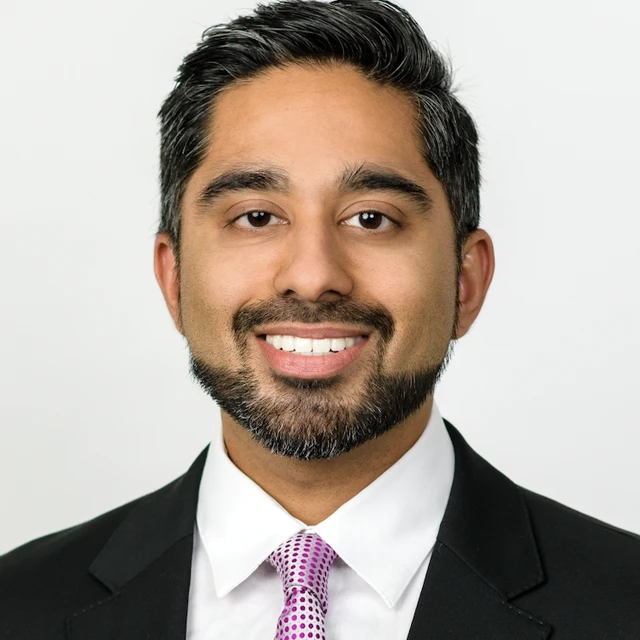
Let's let's see where it goes. And you know, uh so we're excited. I think uh we'll learn a lot and maybe uh some other people learn a lot. So, how about we start by introducing ourselves and what we do and who we are. Um Adel, you want to go first? Yeah, sure. So, like uh said, uh we're excited to do this. So, I'm Adel. I'm a I'm an orthopedic surgeon. Um I mainly do upper extremity surgery. Um that's as my profession. Um I'm also a husband and a father. Um to a three-year-old son.
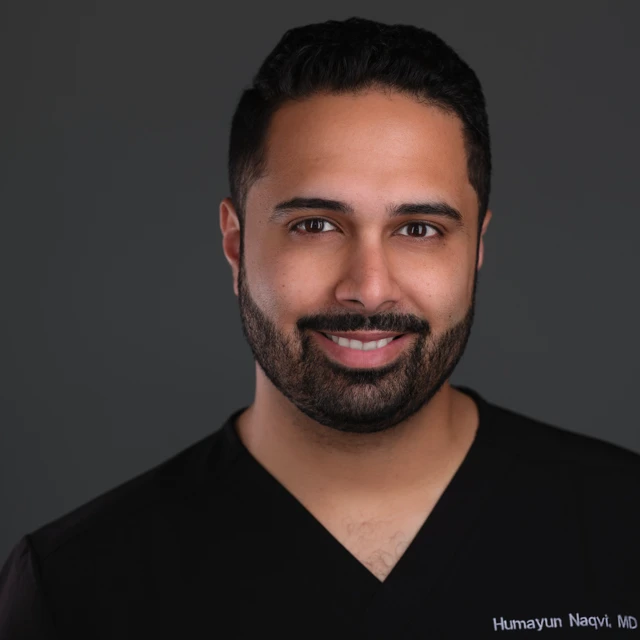
and you know here living in Houston now for the last a little over 2 years um got quite a good community together and basically other than practicing medicine uh pretty involved with fitness and health um and a lot of family time and so that that's basically the background around me. Yeah, that's great. Um you know and my name is Hawaii and I'm a cardiologist. I have uh my own practice in the West Houston area. um have been part living in Houston all my life. I grew up here.
I went to uh I did my residency here. Went to college at Texas A&M, but I'm an Aggie. Uh but uh did my gigum. There you go. Big. So yeah. So did my fellowship in San Antonio. So I've lived all over Texas, but finally decided to settle in Houston because it's one of my favorite cities and a lot of my friends know me as a Houston homer. Uh so um excited to be here uh in Houston. Started my practice three years ago.
So I do a lot of things, but I'm also on top of being a cardiologist, I'm a you know, a father to a four-year-old uh husband uh and um you know, a friend to all, I guess. Well said. Well said. I can attest to Houston Homer for you, Hayo. Uh he's quite the foodie. Anytime we're together and we talk about food, you always know the best food options, the new restaurants in town. Yeah, maybe that's a that's an episode we'll do one day on this on this podcast. Yeah, exactly.
One day we'll do uh recommendations of a cardiologist in Houston. Uh yeah, heart healthy food, huh? Yeah. Well, I don't know about heart healthy. I don't think that's worth recommending, but uh you know, I think uh there's a reason we decided to do this podcast. There's there's a lot of things going on um in the world right now that we wanted to talk about. Um, so I think I want to kind of go around and say like, you know, some of the things, some of the reasons we decided to do this podcast.
And for me, one of the things that I come across a lot on social media is just tons of people having opinions about everything. You know, there's a lot of people who have opinions about heart health. There's a a lot of people who have opinions about mental health. And it's it gets very overwhelming. You know, I I listen to a lot of podcasts and I'm an avid podcast listener.
I consume a lot of information and sometimes it gets overwhelming on what's what's real, what's what's what's fake, what's real, who's telling the truth, who's not telling the truth. You know, some of these guys come in, they're fitness gurus, they're longevity experts, and they come on these podcasts and tell you these ridiculous regimens that they're following. I mean, they're taking these 20 different vitamins and working out 4 hours a day, doing cold plunges.
And I mean that's not that's not reasonable for just a person like me who's working like almost 50 to 60 hours a week and have kids and you know have time to um you know uh you know have a lot of family and friends have to do a lot of things things related to work. So not everyone can do that. So does that mean like I can't focus on my health? Um so that's a lot of uh conversations like these that I have with my patients as well. Hey what can you do for your health?
And you know recently I've started focusing on my health. I mean you know as a as a physician when you're in training, you go through uh you know you go through med school and you know fellowship and you really don't have much time to spend on yourself and you really ignore your health. And uh starting this past year I really started to focus on my health and wanted to be a cardiologist who who um you know did what they preached to their patients.
And a big part of my um you know conversation with my patients is about strength training, exercising, eating right. Uh and that's when I decided hey I need to focus that too. And that that's when I started listening to a lot of the content and reading a lot of this content and realized there's too much out there. I mean how can someone who has um you know no knowledge about this thing how can this like parse through this information?
And then I said maybe you know talking to you about some of these things. I said maybe we can be that source uh where we can kind parse through these things kind of talk about what real life patients can do what what real life people can do to improve fitness to improve longevity and some what are some of the things you can do in your regular everyday life not the 4hour uh regiments of exercises vitamins and cold plunges that uh everyone seems to be doing.
So that was one of the reasons that one of the things I want to talk about. I mean there's so much information about vitamins and I I get that question every day. What vitamins do I what what can I do naturally? And you know that's something I wanted to discuss as well long term of what can be done. No well said man.
And I mean a lot of topics to talk about obviously but I think that's a shared vision of ours is to this whole area and idea right of health and fitness like what is health you know what is fitness is it just what my lab values are what is my cholesterol this year what is my hemoglobin A1C this year how much can I bench press how many pull-ups can I do are are these actual markers of health and fitness I mean they're really individual stats right cumulatively does that add up to health um is it how you feel about yourself how happy you are like a lot of intangibles too.
Um and you know kind of piggybacking homay off what you said there's so much information there's like this flood of information and I I agree with our desire to kind of distill that down into something that's pragmatic something that people can take away and actually add and apply to their life.
I mean that you start googling should I take vitamin D supplementation silly example right innumerable articles I mean you can't even consume all that information and they have a reasonable expectation to okay what do I do now is it actionable you know that's just a little example but there's so much out there and I think really trying to answer that question not really maybe even fully answering it but trying to answer that what is health what is fitness how do I achieve that or progress towards that that's something that I personally really enjoy striving for um and I think it's an interesting thing to talk about because longevity and living well not just long is is a huge aspect of her life um so yeah definitely so you know and the the other thing we we talked about each other that we're not going to make this podcast podcast very very distinguished yeah podcast all about healthcare or medicine you know there's we we're so much more than just medicine uh you know We're we're we're people.
We enjoy our life. We we travel. We uh you know have fun. We spend time with our families. So there's a lot of other things we want to discuss as well. But I do want to kind of you know talk about in the future about up you know a lot of uh medicine is constantly when you go through training as a med student as a as a intern as a resident and there's always that fear of the next step you know what is my life going to be like what am I getting into? Um, a lot of people scare you.
They tell you, "Oh, you're going to be a doctor. You're not going to have any life." You know, uh, you're going to go into residency. Well, say goodbye to your 20s. And kind of, you know, one of the target audiences I think I want to, you know, uh, target in this through this podcast is also future physicians knowing that you can have control of your profession, of your life. Uh, you know, you can do fun things while in training and after training, you can have a good life.
And one thing I really do want to touch that a lot of people are not able to touch on is um you know the importance of uh a self-employed physician. Um you know uh a lot of people tell you as you go through training and as you go through uh uh your med medicine career you're in academic centers and everyone tells you hey there's no way you can have your own practice in in in in today's time. There's no way you can do that.
But yet we see a lot of new physicians coming out and starting their practices. I did it 3 years ago, you know. Um um there's a lot of other people I see a lot of examples. I get contacted by so many physicians out there that want to start their own practice and they're doing it. I mean, you talk, you guide them and they realize, hey, it's doable. Uh you don't have to be a corporate employed physician forever. You know, there's ways to get out of that.
And that's the best way I' I've figured out with patient care that, you know, I'm able to now provide care that my way, you know, I I can spend time with my patients. I can instead of spending 7 minutes, 8 minutes in patient room while they waited for me for 45 minutes, I can spend maybe 30 minutes and decide that that time is mine with them and provide good quality care. And that's not possible in today's corporate healthcare system.
you know, most of the physicians that we're seeing are being employed by these big systems and uh um there's very few self-employed physicians because I think from the beginning of our training we're being taught that cannot be done. It cannot be done. But that's another topic I want to kind of you know in the future talk about that hey what are some ways to do that? What are some things people are doing? What are some models uh of u practice of medicine?
There's, you know, academic models, there's there's large practice models, there's the boutique practices models. So, what are some things uh young physicians can think about what their future can be? Yeah, certainly a lot to unpack in that. I mean, you know, advocating for young future physicians, you know, even people starting off in like high school, college age, um it's a difficult path and it's a long path, right? And it's it's maybe not the right path for everybody.
So, you really got to know what you're getting into. Um, you know, I've had a website uh and provided advice for students going through that process for a long time since actually 2012. Um, med school declassified. Shameless plug. Um, but uh, but basically just advising on that process, right? And what is talking about is very true because it's almost drilled in you that okay, you finished high school and college, you got into medical school and now it's done and all you're going to do is study.
Your head is in the books and we'll see you in four years. good luck. Um, it's not really the reality like that. It doesn't have to be. Um, residency, you know, is is different in a way because you just have to put in the work, right? Some specialties more than others in terms of just the time spent, the amount of call and all that.
Like in orthopedics, um, the 5 years of residency were pretty grueling, especially at the start, you're taking a lot of call and you really do end up making sacrifices in your own health, your own sleep for sure.
I mean, it's funny like uh I remember more on more than one occasion, you know, you finish a call shift, you're really tired, you go back in the car, you you're like, "Ah, I I really don't want to drive right now." And you maybe nap, you close your eyes for a second, you take like a micro sleep, you wake up and you're so disoriented.
I woke up a few times and I was like, "Did I just finish a call shift or am I coming into the hospital about to take call?" Like I lit sitting there literally did not know. And I like texted the other resident. And I was like, "Is uh am I on or are you on?" And he was like, "Oh, I'm on, dude. You just finished." I was like, "Oh, thank God. I can go home." It sounds crazy, but like you just you're that sleep deprived, you know? No, I definitely definitely remember those times.
I mean, I think I resonate, you know, sometimes you you forget about those times where you went through that kind of thing and it becomes kind of nostalgia now. Uh, thinking about things even though it was so horrible at that time, just thinking about it, laughing now. You know, there's there's days I remember in fellowship where we would start our call at uh at at at on Friday evening and go on to like Monday morning. It'll just be non-stop.
You'll be you'd be the only cardiologist on call for the whole weekend and there's residents looking on to you and then you have an attending that you know uh is a lot of attendings were involved in pra in academic medicine some of the res but some of the attendings were not as involved. So, as a fellow, you had a lot of responsibility of running a team, rounding the patients, seeing the patients, and sometimes you'd get pages every every 20 minutes.
And a lot of times I'd have to just get in and and leave at 2:00 in the morning, be there all night taking care of crashing patients, come back and and then having to round in the morning again, then staying there all day taking care of patients.
know and sometimes you just and Monday you had to go back to work and and it was just grueling but now looking back it was it was it was a fun time and you learned a lot and now honestly life feels easy even though I'm working a lot and running a practice managing practice seeing a lot of taking care of a lot of patient a lot more patients than I used to do as a fellow but it just seems so much more relaxed because it's it's not as grueling as our training was so it prepared it's different for sure right like the the camaraderie of training is really one of the things you look back fondly on, right?
And I think that's why it's common to have these nostalgic memories even though in the moment some of it sucks. Um it's I think common most people that come out and most people in our position, people even years out who've been in practice for a long time, they they'll relate a lot of fond memories of training or even kind of in a light-hearted way like like I did earlier. They'll talk about an experience that really was very subpar in the moment, but um you kind of find the humor in it.
I think that's something that camaraderie that a lot of people miss once they go into practice like you know myself as opposed to I'm in academic practice so I'm around you know my colleagues in our orthopedic surgery department um at Baylor College of Medicine here in Houston I'm around them all the time I'm around fellows all the time or residents all the time there's a resident on our service there's a med student on the service so it's almost like you have a posi you know it's like you you roll in deep every time you go into a patient room which is an interesting interesting and different uh kind of interaction.
You know, every time you walk in, you do the introductions. I like to keep a light-hearted attitude because it keeps patients comfortable and I think, you know, we don't have to have a stuffy air about the patient experience and patients will like, "Oh, wow. There's a lot of people in the room." You know, it's just like a common thing um that they say, but you know, you you break the ice a little bit.
And I I like that environment, you know, that's something about academics as opposed to other employed models, right? that you are surrounded by. It's almost infectious, you know, because the young trainees, whether they're students or residents or fellows, they're they're so eager, right? And they're they just want to absorb the knowledge from you. You know, what little knowledge we have to give. Uh but just they ask questions. They keep you focused. They keep you engaged.
It really it challenges you. It forces you to stay up to date. Um and it's not only academics that does that. That's just a normal thing that a lot of doctors do regardless of practice style. But it's it's an environment that forces you to do that all the time. Um, and like I do a lot of research. Um, does a lot of research as well. Um, even though he's not in academics, right? And so that's kind of the the thing. You can choose your practice style.
You can choose your interest regardless of which so-called model you're in. Whether your income comes on paper from being employed versus you make it on your own or a little bit of both, whatever. Um, you can find these avenues in anything.
Um, yeah, I I definitely definitely miss that camaraderie in academic medicine where you walk into a doctor's lounge and you see your friends and you sit down, you start eating lunch together and uh, you know, you you kind of go around, you you run into someone and you kind of just talk about random stuff, you gossip about, you know, other people in the program sometimes. Uh, you know, it just kind of and that's I miss that. You know, private practice medicine can be very lonely.
You know, there's a lot of perks to private practice medicine. I make my own schedule. I decide when I want to be off. I don't have to go through any kind of admin. But I'm very lonely in the sense that throughout the day um people only look to me uh for decision- making or some kind of a question they have about the operations of the practice or patient care.
uh I don't truly have any uh colleagues that that I can run ideas by or run um uh you know kind of just uh discuss medic medical issues or in terms of healthcare issues and things like that. It's most of the people that I work with um you know maybe sometimes uh are not as comfortable just joking around with me cuz maybe you know cuz they they they are employees. uh so that sometimes can get lonely as a as a private practice physician.
So I definitely miss that part of academic medicine and you know that's why I sometimes uh get very active on our on our uh group chats because I have uh no one else that I can kind of just uh talk to and discuss things with and joke around with throughout the day. And that's you got to scratch that itch, right? I mean that that intellectual so-called desire to be stimulated, you know, we're all nerds at the end of the day, right? Yeah.
I mean that's that's another topic I think I want to discuss down the line sometime is uh you know uh how important is uh male friendship to men you know um because a lot of guys nowadays in the in today's environment they they they wake up in the morning they they get ready they you know get their kids ready sometimes they go to work um they work all day they come back home they maybe go to the gym maybe don't they help out at home and sense that Maybe sometimes they cook, sometimes they run errands.
They they're nowadays more equal partners than the generation before they used to be where, you know, uh um but throughout the day they really don't have much interaction with other males or other friends that they could kind of just joke around with like we had in college. And I think that's a big part of our society today that that is affecting a lot of men. Uh the the male loneliness is a is a real thing.
And I think uh we're lucky to have found a good group here of of of guys that we could kind of share uh uh different um experiences with or you know get together once a week, once every few weeks and and kind of text each other, play pickle ball or you know um uh go go just get coffee with or uh you know do one of those uh things. So that's that's I think that's an important thing and a lot of men are missing that and you know uh guys are are pretty bad about making plans.
Guys are pretty bad about reaching out. They were pretty apathetic about those things. If someone's not making a plan, someone's not um coming up with um a plan to do something. We just don't make an effort. And that's majority of the guys I know. Um and yeah, you almost rely on your uh your significant other, your spouse to become the social calendar in a way. And we even say it jokingly.
Um, anytime we'll text one or another, um, like, "Hey, you want to hang or what are you what are you doing this week?" Um, it's like, "Oh, let me check and see. Let me get back to you. I got to ask let me ask my wife and see what uh what we're doing this week." It's almost like uh yeah, like apathy. I think that's a good word for it. I don't know why that is. It's almost like uh kind of flowing by the breeze a little too much. I mean, it is a thing for sure.
And you know, it's funny like we're talking about, you know, all of these sources of information earlier in the in the show. Um, and how there's just an inundation of information, too much, right? But, you know, I was scrolling on Instagram. I'm sure many people have seen this same post or some version of it that said something to the effect of like guys need at approximately two guys nights or bros nights a week to be healthy. And you know, like that meme has been shared.
I mean, I've been texted that by like 15 people, you know, but it's funny and it's like we all joke like, "Oh, yeah, yeah, we should use this as an excuse to just go hang out. Let's go, bro out and this and that." Um, it's funny you that like we need a meme jokingly as an excuse. Like it's a healthy thing. It's an important thing. Um, for us and and not just us, right, for girls, too. I mean, I think having tight-knit close friendships is a huge thing. It's a healthy thing.
Um because like we have a lot of coup's hangouts and family hangouts. Uh myself and Homaya and our families and like our larger friend group, tons of them. Um but it's also nice to sometimes just chill with a smaller group. And when guys get together, they act different, talk different than when they're in a family setting. And girls do the same thing. And I think there's nothing wrong with that. Uh I think it's a good outlet and a good avenue.
Um and you need those peer relationships, people to bounce ideas off of, people to confide in. um things like that. So I I definitely think that's a thing that probably for a lot of people right is lacking.
I mean if you look at real statistics about friendships throughout life especially as we approach middle age which is where we are approaching um your real friendships really start dropping off and your total time that you spend with friends really starts dropping a lot and it kind of plateaus at a low point compared to the very high point that it was when you were in your college days. And I think that's one of the reasons why people look so fondly back on those college years.
And there's so many like movies about college time and like the party days of college, however you want to look at it, because it was a fun time because you're around your friends and that's just social connection. Yeah. I mean, you know, how do you meet people now? That's the thing.
A lot of people have such a um you know scheduled routine where they go to the same places and if you end up in a work environment where you don't maybe get along with people or maybe there's no real people there that are your age group or going through the same experiences as you. I mean uh then where do you make friends?
and it becomes very hard and uh you know um I think that's that's lacking now in our society here um you know in our country where we've become very uh isolated uh there's no real ways to build community uh in some ways you know some people find you know church communities and that's that's or you know mosque communities or whatever and those are some very good ways to meet people but for majority of the people that don't participate in a lot of religious activities or uh they don't have that and that's why I think uh there's been a rise in like things like book clubs or run clubs you know people are kind of finding the importance of building a community building some kind of place where they interact but you know the that's been the harm of social media that we've seen in the past um you know I'd say 15 years or so where a lot of communities that we used to have in person where people used to meet up at coffee shops or you know now they're just okay with uh interacting with each other online or uh on WhatsApp or or or some kind of chat uh you know, Instagram, Facebook, and they're just okay being in a group, going on there, trolling people, commenting or discussing a topic.
It's it's it's funny how different it is to discuss something in person, face to face, and discussing something on social media.
I mean you know we podcasters beginner beginner podcasters we wanted to do this podcast you know face to face but just because of logistic reasons we we chose to do the the webcam model so far but even then you know just the face to face interaction is so much different than what you do then we move everything to online where you're just writing stuff to each other and then that interaction is completely different than what it would be in in real life.
So you know people had needed that community before they used to uh yearn for it but now sometimes that that that uh itch gets scratched by that you know social media uh being there so easily available on your smartphones and then people don't seek out those communities and that becomes dangerous as well because that's why we've seen a rise in in depression and and and suicides and um a lot of anxiety a lot of social anxiety for a lot of people uh and a lot of our younger generation is suffering from that as well.
um you know uh so that's that's those are some of things there are some important things to think about and I think we you know down the line we'll maybe do an episode where we can delve deeper into that old No for sure I mean I just remember you know like I don't know what age maybe like sixth grade seventh grade and something like that when the first time like AOL instant messenger came around and you know we would like get online and message our friends and stuff And you know, initially, like I mean, maybe we were just delinquent kids, I don't know, but like all we would do on AOL Instant Messenger was mess around with each other, like goof off, make fun of each other, send like a a funny thing.
Um, like emojis weren't really a thing yet. But, you know, whatever version of that. Um, you could warn each other on a instant messenger to mess with people and like get them timed out for a certain amount of time, you know, all little things like that. But I I just think that's interesting, you know, that the default for a lot of people when that stuff first started coming out was not to actually use it for a real avenue for true normal interaction.
It was more to goof off or mess around, right? Like because there was a distance. It was informal. It was impersonal cuz you're not looking at the person. You're not in front of them. You're separated by a screen in a digital format. And I, you know, we had a context of real life in-person interaction in the absence of any digital media in a lot of our formative years until we were in our teens. Um, kids nowadays have will never and can never have a world without that.
They're born and raised in this age, right? And so that's a default for them is this screenbased, digital based interaction. And I I really don't know. I mean, I'm not poised to be an expert on that to know the consequences of it. There's a lot of data on it. And like you were saying, you know, increased rates of depression, anxiety, kids feel pressure to constantly be relevant on these social apps and social media. Um, there was even that show uh it just came out.
I'm forgetting the name about that UK based show. Yeah. Adolescence. Yeah. I thought that was an awesome show to like showcase this. I mean, in a very morbid way, uh, but just showing the potential damages to a young developing mind of this kind of stuff, um, in the absence of real in-person interaction. Yeah.
I mean, you know, that kind of stems all from everything we've kind of talked about like, you know, the the male loneliness, the the the absence of role models in society, um, you know, the presence of social media and and all the toxic stuff that's available for our kids. And that kind of brings up another topic that's very important that at some point needs to be discussed is uh parenting.
You know, in this in this age, you know, we both have um young kids and they're growing and we're raising them in this in this new environment that we don't know uh how to navigate. Uh these are these are pretty scary times. Uh especially with how much social media is available, what can it do for kids and you know um a kid can have all kinds of dangerous content. and available to them just on on fingertips.
Um, you know, just by typing a few things and sometimes accidentally can come across something. They're watching something uh interest something funny on YouTube. They're watching Blippy or, you know, Bluy on YouTube and all of a sudden uh the the video ends and the next video goes on to something that can be dangerous and then it can it can just keep blooping and playing and that's kind of where you you you know you you you have to decide, hey, what are you going to do with your kids?
how you the parent and how involved you're going to be. And as a dad, uh I think it's very important to be part of your kids' life. Uh that's something we have to talk about. You know, back then maybe back when we grew up, there were many men that were around us. A lot of community maybe and a lot of, you know, not as much social media.
You know, most of the most of the guys, most of the girls, most of the women that we interacted with um were part of our social are kind of a our family friends group or you know our relatives and those are the people we saw but now uh kids are being exposed to all kinds of people all around the world. Uh some that you might agree with some of their views and some of them um you might not agree with and you don't want wouldn't want your kids to see that.
And that's where, you know, we'll have to decide how to raise our kids in this environment. I mean, all our kids would want to, you know, at some point if they if their friends are having a have a smartphone, if their friends have social media, they'd want to be on Instagram or Tik Tok or or Facebook. And how do we navigate that? Um, you know, as we raise kids. So, that's another scary topic that I think about sometimes. There's a lot of things I think about as you can tell. Yeah.
I mean, a lot of future stuff, right? But it's it's kind of the unknown you know it's a it's uncharted territory to think what we may do at that future moment. Uh I mean with how quickly technology is changing and how quickly people are adapting technology to social uses. I I mean I think it's not even predictable. It just kind of happens and you you adapt as best you can. Um who knows man. I mean it's difficult to say. Yeah.
I don't I don't think with this podcast, you know, we're we're not looking to give people answers.
Um I think what we're we're looking to do is bring up important topics, give our views on it and you know um maybe uh kind of give a preview to people what um two two men, two guys uh living in Houston, dads, husbands, uh physicians, how do they deal uh and interact with people they see every day, their patients, their family, their friends, and um and we're going to learn in the process as well of of you know how how to do this.
So I'm excited about this podcast and uh kind of building this and seeing where it goes because you know uh there's a lot of interesting things to talk about and I think uh you know in the future we definitely have some guest uh that we want to have as well on the p podcast cuz you know we're we're not experts in in anything pretty much. Yeah. Definitely not in how to make a podcast. Yeah. Yeah.
And then and then uh you know I want to have more people on that that can kind of we can bring up these topics with and they can they can give us their views but definitely want to talk about cardiology as well and cardiac health and some of the things people should be doing uh for preventative cardiology. So, there's a lot to look forward to.
Uh, and you know, um, if if there's anything else that you guys want us to talk about or discuss or get our viewpoints on, um, uh, I think you guys can email us on two docs, onemikegmail.com. Uh, and, uh, we have all that linked up in our in our profiles and, you know, follow us on Instagram and, uh, and follow up follow us on Tik Tok as well. Uh we'll have the links posted and uh hope to see you guys for next episodes as well. So peace. Yeah, definitely. This was awesome. Good first episode.
Uh hopefully you guys will tune in to the next one. Um we'll see you next time at Two Dos One Mike. This is Adil. It's all right guys. See you. See you. Heat. Heat.
Your hosts